Is your website stuck beyond page one in Google search results? You’re not alone. Many business owners wonder, “Why is my website not ranking on Google?” In most cases, it’s not one issue – it’s a combination of technical, content, and authority gaps. In this guide, we’ll unpack the most common reasons a site isn’t ranking and give you practical, actionable fixes for each issue.
Key Reasons Why Websites Are Not Ranking
1. Crawling and Indexing Issues
If Google can’t access or index your site, it won’t appear in search results. Common causes include a robots.txt file blocking search crawlers, an accidental “noindex” tag on your pages, or an incomplete XML sitemap.
First, check Google Search Console to see if your pages are indexed. If they aren’t, Google can’t rank them. This could happen if you ticked the “Discourage search engines from indexing” setting in WordPress by mistake, or if your developer added the wrong meta tag. Even small issues like temporary server downtime can block crawlers.
How to Fix It: Remove any unintended blocks. Edit your robots.txt and meta robots tags to allow crawling of your main pages. Submit a fresh XML sitemap to Google Search Console. Use the URL Inspection tool to request indexing after you fix issues.
2. Poor or Irrelevant Content
Even if your page is indexed, it still needs great content to rank. Thin, shallow or duplicate content often fails to satisfy Google’s algorithms or your visitors. If you’ve only written a few sentences or copied content from elsewhere, Google may decide the page has little value.
Also check search intent, because a page that is optimised for the wrong intent won’t rank. For instance, if people are searching for “how to make a cake,” but your page is selling baking supplies, Google is unlikely to rank it well. Instead, Google favours instructional content that directly addresses the query.
How to Fix It: Review your on-page content critically. Ensure your content fully covers the topic with enough depth to satisfy the search intent. Use clear headings and bullet points to structure your content. Make sure it answers user questions and includes relevant keywords naturally (avoid keyword stuffing).
And if two pages on your site are very similar, consolidate them into one stronger resource or use canonical tags. Always match content to intent: if searchers want a tutorial, provide one; if they want to buy, have a clear product page.
3. Technical SEO and Site Performance
Slow loading pages, poor mobile usability or technical glitches can tank your rankings. Google’s Core Web Vitals – factors like loading speed and page stability – are now ranking signals.
Mobile-friendliness is crucial too: Google now uses mobile-first indexing, meaning your mobile site is the primary version used for ranking. Any hidden issues like broken links, missing SSL, and conflicting scripts can prevent Google from fully seeing and trusting your site.
How to Fix It: Run your site through Google’s PageSpeed Insights and Mobile-Friendly Test. Compress images, enable browser caching, and minify code to speed up your site. Ensure your site is secure (HTTPS) and that menus work well on smartphones and tablets. Fix any crawl errors shown in Search Console like 404s or duplicate content issues.
4. Weak Backlinks and Internal Links
Your website’s authority in Google’s eyes depends on links. A brand-new or low-authority site with few backlinks will struggle to outrank established competitors. Google uses backlinks as a signal of authority and relevance.
Likewise, internal links help spread authority around your site and signal important pages to Google. A page with no links pointing to it (from your own site or others) will be hard to rank.
How to Fix It: Build your link profile gradually. Create valuable content like infographics, tools or research that naturally attracts backlinks. Reach out to industry sites for guest posts and share your content on social media to earn links.
On your own site, use descriptive anchor text to link from related pages into your important pages. Even simple steps like linking to a blog post from your homepage or sidebar can help Google discover and better understand your content.
5. High Competition or Wrong Keywords
Sometimes the problem isn’t your site at all, but the competition. If you’re trying to rank for very competitive keywords like “best headphones” without an established site, you’ll face long odds. It’s also possible you’re targeting terms that don’t match what searchers want.
Even great content won’t rank if the niche is too crowded. High-authority domains often dominate competitive search results.
How to Fix It: Reassess your keyword strategy. Use research tools to find long-tail or niche keywords that fit your audience but have lower competition. Tailor your page content to those specific terms – it’s easier to get on page one for a narrower topic first. Make sure your page titles, headings and meta descriptions clearly match the query intent. Remember, ranking for very competitive terms can take time; focus on attainable targets that still drive relevant traffic.
6. Time and Consistency
Finally, remember that SEO is a marathon, not a sprint. New websites and pages often take weeks or even months to start ranking well. If your site is brand-new or you’ve made recent changes, give Google time to crawl and evaluate it.
Also, inconsistent updates can slow progress; consistent updates signal relevance and help maintain visibility over time.
How to Fix It: Keep producing and updating content regularly. Publish new blog articles or resources on a steady schedule so Google keeps re-checking your site. Share and resubmit your updates to speed up indexing. Monitor your traffic and rankings: if you see a page getting impressions but low clicks, try improving its title and description to entice users. Be patient and diligent – consistent effort and time usually translate into improved website visibility.
Fix Your Website’s Ranking Issues with Us
If you’ve checked all the above and your website still isn’t ranking, it may be time to call in the experts. Seek Marketing Partners specialises in diagnosing hidden SEO issues and turning low-visibility sites into high-ranking ones. Don’t let poor rankings hold you back – contact us for a free SEO audit or get in touch today and learn how we can help you improve your website visibility.For more actionable SEO strategies, see our digital marketing blogs for proven tips to boost your site’s visibility.
Search has already shifted in 2026, and most websites are still optimising for how it worked last year. The gap between what works now and what worked before is widening, and businesses that don’t adapt are already losing visibility.
2026 introduces new challenges – from AI-driven search to increased emphasis on content quality and trust signals.
In this blog, we’ll explore SEO trends in 2026 that are shaping digital marketing, and what you can do to adapt quickly. Follow these trends to keep your SEO strategy aligned with how search is evolving and maintain your competitive edge.
Key SEO Trends in 2026
1. The AI Search Revolution (Optimising for AI Search)
AI-driven search is one of the biggest new SEO trends of 2026. The rapid adoption of tools like ChatGPT and Google’s AI-powered search results means SEO isn’t just about traditional search engines anymore. People are increasingly asking questions to AI chatbots and voice assistants, which often provide direct answers.
This leads to more zero-click searches and fewer obvious traffic sources, as users get information without clicking through to websites. In fact, some marketers refer to this as ‘search everywhere optimisation’ – ensuring your brand is visible on all platforms, not just on Google.
To capture traffic in the AI era, you should focus on strategies that help your content get featured as answers:
Your content must provide direct, concise answers to common questions in your content. This increases the likelihood that your content will be surfaced or referenced in AI-generated results and voice assistants.
Prioritise quality over quantity of content. High-quality, unique content is more likely to be picked up by AI engines and voice search than generic material.
Add structured data or schemato your pages. Schema markup gives context to search engines and may improve your visibility in AI-driven results.
Focus on conversational keywords and questions. Optimise for longer, natural language queries that people might speak or type into AI tools. This aligns your content with the way AI-driven queries are phrased.
2. E-E-A-T and Content Quality Matter More Than Ever
Google’s emphasis on E-E-A-T – Experience, Expertise, Authoritativeness, Trustworthiness – continues to increase in 2026.
With AI generating large volumes of content, search engines place even more weight on content that demonstrates real experience and credibility. In practice, this means that quality content created by genuine experts will outrank thin or auto-generated content.
Google increasingly favours sites that demonstrate depth of knowledge and trust – for example, smaller niche blogs with firsthand experience can outrank faceless sites full of AI content. Establishing trust and authority is vital if you want to rise in the rankings this year.
And to adapt to this trend, build E-E-A-T signals into your website and content:
You must show real expertise and experience by publishing author bios highlighting credentials, case studies, and personal insights. Content written from first-hand experience helps prove your authority.
Earn trust with quality and accuracy by ensuring your writing is well-researched and fact-checked, free of errors and misinformation. Link out to reputable sources to support your claims.
Incorporate testimonials and reviews by showcasing customer reviews or expert endorsements. Proving that real people trust your business boosts your credibility.
Keep your content up-to-date and relevant by regularly updating your blog posts and guides with the latest information. Demonstrating that you stay current in your field adds to your authority.
3. User Intent is King (including micro-intents)
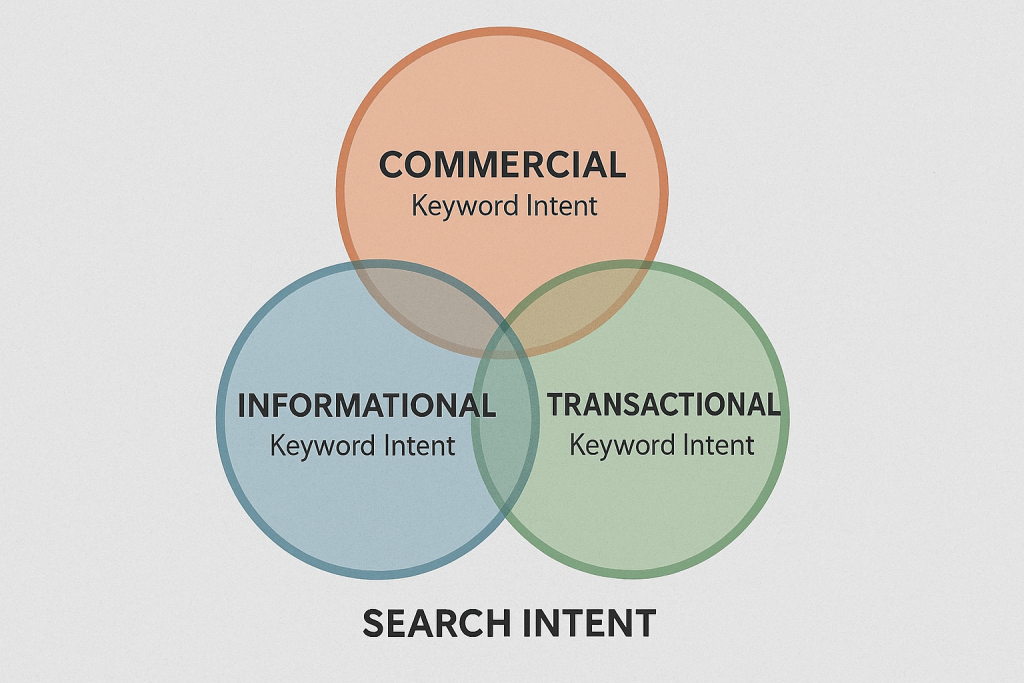
Understanding search intent has always been key to SEO, but in 2026 it goes even deeper. It’s not enough to match a keyword with content – you need to grasp the multiple intentions a user might have when they search a term.
These micro-intents are the specific goals or questions a user may have, even if they search a broad phrase. For instance, someone searching “SEO audit” could be looking for a how-to guide, a free checklist, a software tool, or an agency to do it for them.
Search engines and AI assistants are getting better at tailoring results to a user’s context and past behaviour, meaning results are becoming more context-aware and personalised in some cases. This trend forces businesses to consider all the angles of a query.
To succeed, think from the searcher’s perspective. Before creating a page, ask yourself:
What does the user really want here?
What different paths might they take?
Content that addresses a range of user intents will perform better. One effective approach is creating content that answers FAQs, provides options, and guides the user no matter what their end goal is.
By covering a topic comprehensively, you keep visitors engaged on your site regardless of their intent.
4. Content Clustering and Topical Authority
To deal with varied user intents and rank highly, many sites are turning to content clustering.
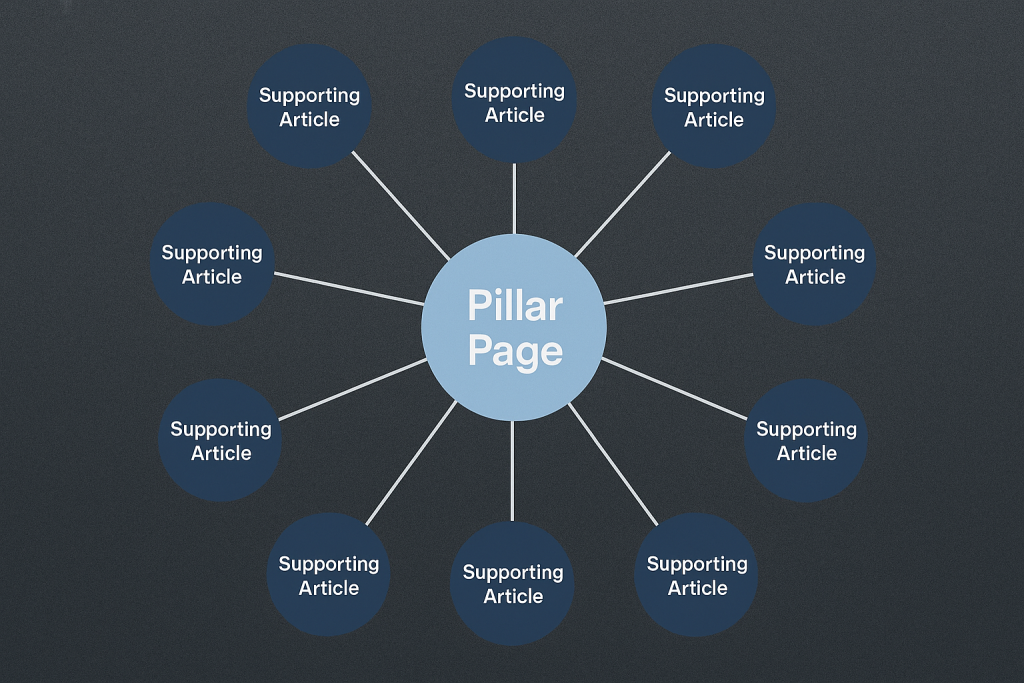
Content clustering means organising your site’s content into topics and subtopics, linking them together as a hub-and-spoke model. This approach continues to be a key SEO trend in 2026.
By creating a main “pillar” page on a broad topic and supporting it with more detailed articles on specific subtopics, you are signalling to Google that you’re an authority in that area. This not only helps with covering micro-intents but also improves your overall relevancy and boosts ranking potential.To leverage this trend, identify the core topics relevant to your business and build out a cluster of content around each.
For example, if your main topic is “ecommerce SEO”, create subtopic pages for things like “SEO for product pages”, “technical SEO for ecommerce”, “writing ecommerce meta descriptions”, etc., all interlinked.
By clustering content, you make it easier for search engines and users to navigate your knowledge base – strengthening your topical authority in the process.
5. Leveraging Multimedia (Images, Videos & More)
Today’s search results are rich with multimedia – images, infographics, videos, interactive elements – and users expect engaging visuals. Google’s SERPs often display image packs, video carousels, and other media, which means your content has more chances to shine if it contains diverse media types.
A mix of text and visuals improves both engagement and visibility. In fact, many top-ranking results include some form of multimedia. Not only can images and videos rank in their own right, but they also make your pages more compelling and shareable.
To adapt to this trend, start optimising your content for visual SEO by:
Incorporating relevant images, diagrams or infographics into your blog posts. Always use descriptive file names and alt text for SEO benefit.
Create videos (even short ones) that complement your content. You could summarise a blog post in a video or demonstrate a how-to. Then, embed these videos on your pages.
Consider other media like charts, audio clips, or interactive widgets if they add value.
Optimise all media files for speed – compress images and host videos on reliable platforms – to ensure they don’t slow down your site.
By adding visual and interactive elements, you not only cater to different user preferences but also increase the likelihood of appearing in rich search features.
6. User Experience and Core Web Vitals Remain Crucial
A timeless trend that only grows stronger is the focus on user experience (UX). Google and other search engines want to deliver results that please users – which means sites that load fast, are mobile-friendly, and easy to navigate have a significant advantage.
Core Web Vitals like loading speed, interactivity, and visual stability metrics are still key ranking signals in 2026. A seamless, intuitive website keeps visitors engaged and sends positive signals to search engines.
On the other hand, if your site is slow or frustrating to use, users will bounce and your rankings can suffer.
To adapt, you should make site improvements that enhance UX and performance:
Speed up your site by optimising images, use efficient coding, and consider a content delivery network (CDN) to reduce load times. Faster sites rank better and keep users around.
Go mobile-first by ensuring your site is fully responsive on mobile devices, as the majority of searches occur on mobile, especially voice searches. Test your mobile page speed and usability regularly.
Improve navigation by making it easy for users to find information with clear menus and internal links. A well-structured site keeps users longer and helps search crawlers index your pages.
Enhance overall UX through improvements like readable font sizes, accessible design, and the removal of intrusive pop-ups can make a big difference in user satisfaction – and by extension, SEO success.
7. Structured Data for Rich Results (Schema Markup)
Another latest SEO trend in 2026 to embrace is adding structured data to your website. Structured data or using schema markup helps search engines understand the context of your content and can unlock special rich results in the SERPs.
This also extends to AI search – providing clear metadata can make it easier for AI summaries to pull accurate information from your site. Essentially, schema is a way of speaking directly to search engines in their language, ensuring nothing gets lost in translation.
If you haven’t already, start by adding basic schema to important pages like:
Organisation schema for your business
Article schema for blog posts
FAQ schema for Q&A sections
Many modern CMS platforms or plugins can help generate this.
And the payoff is improved visibility: your pages could stand out with rich snippets, and you’re future-proofing for an AI-driven search landscape where context is key.
8. Voice Search Optimisation
With the proliferation of voice assistants in phones, smart speakers, and cars, voice search has become a mainstream way people look up information. It’s no longer a niche behaviour used just for fun – many users routinely ask Siri, Alexa or Google Assistant for answers on the go.
As a result, optimising for voice search is increasingly important, particularly for certain queries. Voice queries tend to be more conversational and question-based than typed queries. They’re often local, such as “near me” queries or specific location questions.
Google’s algorithms have evolved to interpret natural language, so your content must align with that style to capture voice traffic.
To adapt, capture voice search opportunities:
Use natural language in your content. Include the kind of full-sentence questions people might ask and provide direct answers.
Optimise for long-tail keywords that mirror speech. For instance, a typed query might be “2026 SEO trends” but a voice query could be “What are the top SEO trends in 2026?”. Try to cover both styles in your content.
Strengthen your local SEO if relevant to your business. Many voice searches are local, so keep your Google Business Profile updated and include location-specific keywords.
Ensure mobile-friendliness and speed. Voice searches happen on mobile devices frequently. A fast, mobile-optimised site will serve those users well and improve your chances of being the spoken answer.
By tailoring your SEO strategy to how people speak questions, you’ll be more likely to become the go-to answer that voice assistants read out.
9. Brand Authority and Online Reputation
Building a strong brand presence online has never been more important for SEO. As search algorithms get smarter, they’re evaluating not just what is being said on your site, but who is behind it and how the wider web perceives your brand.
This 2026, brand mentions and online reputation are playing a bigger role in rankings. In fact, unlinked brand mentions are often considered trust signals within broader SEO strategies, almost like “implied links” that boost your authority.
Additionally, with AI-driven search results lacking traditional attribution at times, having a well-known brand or positive reputation can influence whether your content gets recommended by AI assistants.
Treating your brand’s digital footprint as part of your SEO strategy is the answer. You must:
Encourage brand mentions and discussions. This could mean getting featured in industry publications, collaborating on guest posts, or simply creating share-worthy content that people talk about on social media. Every mention builds recognition.
Manage your online reviews. Positive reviews on Google, Trustpilot, and industry-specific sites not only improve click-through but also send trust signals to search platforms. Engage politely with reviews and demonstrate great customer service.
Leverage PR and thought leadership. If possible, have company spokespeople contribute articles or commentary in your niche. Being cited as an expert source builds authority.
Monitor your reputation. Use tools to keep track of brand mentions and address any negative press or misinformation. Resolving issues and showcasing transparency can turn a potential negative into a positive for your brand image.
The stronger and more trusted your brand appears, the more likely Google and even AI assistants will favour your content when providing answers or results.
10. AI and Automation in SEO Workflows
Last but not least, 2026 is the year SEO professionals fully embrace automation and AI tools to enhance their workflow. With the growing complexity of SEO and the data involved, manual processes just don’t cut it at scale.
In enterprise SEO, automation has become non-negotiable to handle tasks like site analysis, technical audits, and large-scale content optimisation. Even for smaller sites, AI tools like content generators, keyword clustering tools, and analytics AI can save time and uncover insights.
That being said, this creates both opportunity and risk. While AI can greatly assist with research and routine tasks, relying on it too much can backfire – automated content can be generic or incorrect, and Google may devalue low-quality, mass-produced content.
To leverage this trend, use automation smartly and maintain a human touch:
Leverage AI for efficiency. Tools like ChatGPT can help brainstorm content ideas, meta descriptions, or even first drafts. SEO software can automate reports or monitor rankings in real-time. This frees up your time for strategy and creativity.
Don’t copy-paste AI content directly to your site. Always review and edit outputs. Ensure the final content has your brand’s voice and accurate information – add insights only a human expert could provide.
Automate technical checks by implementing automated SEO audits for things like broken links, page speed alerts, or schema errors. Catching and fixing issues quickly will keep your site in top shape.
Always stay in control. Think of AI as your assistant, not a replacement. Use it to augment your decision-making – for example, to analyse large datasets or predict trends – but continue to apply expert judgement to everything you implement.
By blending human expertise with smart automation, you can scale your SEO efforts while maintaining quality, which is the winning formula in 2026.
Bottom Line: Stay Ahead of the Curve in 2026
The latest SEO trends of 2026 all point to one thing: search is evolving, and marketers must evolve with it. From AI-driven search results to user-centric content and technical enhancements, there’s a lot on our plates – but each trend is an opportunity for those who adapt swiftly.
The businesses that win in 2026 will be the ones aligning their SEO strategy with how search actually works – not how it used to. Do this, and you’ll not only protect your current rankings but likely discover new ways to grow your organic traffic.
Need help navigating these SEO trends in 2026? At Seek Marketing Partners, we monitor search algorithm changes and emerging trends closely to keep our clients ahead. Our SEO services are designed to help you implement the strategies above – and tailor them to your business.
If you need a strategy that actually reflects how search works in 2026, get a free SEO audit or speak with our team and work with specialists already adapting to where search is going next.
When it comes to optimising your website for search engines, the debate of Semrush vs Ahrefs often comes up. These two tools dominate the SEO world, both offering powerful features that can drive improvements in website visibility, competitor analysis, and performance tracking. But how do you choose the right tool for your specific SEO goals?
In this article, we’ll provide an in-depth comparison of Semrush and Ahrefs, highlighting their strengths, weaknesses, key features, and pricing to help you decide which tool is the best fit for your needs.
What Is Semrush?
Founded in 2008, Semrush started as a straightforward keyword research tool. However, over the years, it has evolved into an all-in-one digital marketing platform, boasting over 50 tools for SEO, PPC, content marketing, and social media management.
Key Features of Semrush
Keyword Research: Provides search intent insights, keyword clusters, and a deep understanding of SERP features.
Competitor Analysis: Powerful tools for analysing competitors’ strategies across multiple channels.
Site Audit: Identifies technical issues and provides actionable insights to fix them.
PPC Tools: Includes detailed PPC tools for paid advertising, making it a great choice for businesses focusing on both organic and paid search.
Semrush is designed to cater to all aspects of digital marketing, especially for businesses looking for a comprehensive SEO toolkit.
Maximise Your Conversions Now
Transform your website traffic into valuable customers with our data-driven Conversion Rate Optimisation strategies. Discover our Conversion Rate Optimisation services and start improving your site’s performance today.
What Is Ahrefs?
Launched in 2010, Ahrefs initially focused on backlink analysis but quickly grew into a full-fledged SEO suite. Known for its massive backlink index and powerful site auditing tools, Ahrefs is a favourite among link-building experts.
Key Features of Ahrefs
Backlink Analysis: Ahrefs offers a backlink database of 30.6 trillion links, offering in-depth analysis on backlink profiles, link quality, and new backlink opportunities.
Keyword Research: Provides keyword research tools with a focus on traffic potential, showing how much traffic a keyword could generate.
Site Audit: Features a detailed site audit tool that helps identify technical SEO issues like crawlability and page speed.
Content Explorer: This tool helps discover the most shared content in your niche and can be invaluable for content marketing efforts.
While Ahrefs excels in backlink analysis and link building, it also offers robust tools for comprehensive SEO work, especially in content analysis.
Key Differences Between Ahrefs and Semrush
While both tools offer similar core functionalities, there are key distinctions that set them apart, making them suitable for different types of users. Here’s a breakdown:
Unique Features at a Glance
At a high level, the difference comes down to focus. Semrush leans into search intent data, PPC insights, and keyword clustering to support full-funnel marketing. Ahrefs, by contrast, is built around its backlink index and traffic potential metrics, making it particularly strong for link building and content-driven SEO.
Keyword Research
Before diving into features, it’s worth looking at scale. Semrush offers a keyword database of 27.9 billion keywords, while Ahrefs slightly edges ahead with 28.7 billion keywords. In practice, both tools provide more than enough data coverage for most SEO strategies, but Ahrefs holds a marginal lead in raw keyword volume.
Semrush
Search Intent: Semrush helps you identify the search intent behind each keyword, ensuring that the keywords you target align with what your audience is looking for.
Keyword Clusters: Automatically groups keywords into clusters, saving you time on manual research.
PPC Insights: Semrush’s keyword research tool also provides data for paid search, making it ideal for businesses running PPC campaigns.
Ahrefs
Traffic Potential: Ahrefs focuses on how much traffic a keyword is likely to bring based on its SERP features. This helps you gauge the real-world value of a keyword.
Backlink-Driven Difficulty: Ahrefs calculates keyword difficulty based primarily on backlinks, helping to predict ranking challenges.
Backlink Analysis
Semrush
Backlink Database: 43 trillion backlinks, giving Semrush a larger index compared to Ahrefs.
Toxicity Measurement: Offers unique features such as backlink toxicity scoring, which helps you identify harmful backlinks that could negatively impact your site’s reputation.
Link Building Tools: Helps identify link-building opportunities and streamlines outreach efforts.
Ahrefs
Backlink Database: 30.6 trillion backlinks, a huge resource for link analysis.
Broken Link Building Tool: Ahrefs offers a unique broken link building tool, which helps you find dead links on your site and replace them with live links to boost link equity.
Detailed Backlink Reports: Ahrefs’ backlink reports include anchor text, referring domains, and link type, providing a more in-depth understanding of link profile quality.
Boost Your Website’s Performance Today
Unlock the full potential of your SEO strategy with expert guidance and tailored solutions. Explore our Search Engine Optimisation services and start driving more traffic to your site.
Site Audits & Technical SEO
Semrush
Provides a comprehensive site audit with actionable recommendations across technical and on-page SEO issues.
Its actionable insights make it easier for you to implement fixes.
Ahrefs
Offers a strong site audit tool for technical SEO, but with less depth compared to Semrush.
While effective, it lacks the depth of Semrush’s technical insights.
PPC Features
This is where the gap between the two tools becomes clear. Semrush includes built-in PPC and advertising research tools, allowing you to analyse paid search campaigns alongside your organic strategy. Ahrefs, on the other hand, does not offer direct PPC functionality, making it less suitable for businesses running integrated search campaigns.
Pricing and Plans
Semrush
Starts at $199/month, with a free trial available.
The Semrush Pro plan provides access to essential SEO tools, including keyword research, site audits, competitor analysis, and more.
Ahrefs
Starts at $129/month, with limited free access available via Ahrefs Webmaster Tools.
Ahrefs offers limited free access through Ahrefs Webmaster Tools rather than a full free trial.
Semrush vs Ahrefs Features Overview
Feature
Semrush
Ahrefs
Keyword Database
27.9 billion keywords
28.7 billion keywords
Backlink Database
43 trillion backlinks
30.6 trillion backlinks
Site Audit
Comprehensive with actionable recommendations
Great for technical SEO, but less detailed
PPC Features
Yes, includes PPC and advertising research
No direct PPC tools
Pricing
Starts at $199/month, free trial available
Starts at $129/month, offers free limited access via Ahrefs Webmaster Tools
Unique Features
Search Intent, PPC Tools, Keyword Clusters
Backlink Index, Traffic Potential
So, Which Is Better for Your SEO Goals: Semrush or Ahrefs?
The decision between Semrush vs Ahrefs ultimately depends on your specific SEO goals and budget.
Semrush is the better choice if you need an all-in-one marketing tool that covers SEO, PPC, content marketing, and social media. It provides comprehensive tools for keyword research, site auditing, and competitor analysis, making it a perfect fit for businesses looking for in-depth insights across multiple channels.
Whether you need detailed keyword clusters, search intent data, or PPC integration, Semrush offers a versatile platform for businesses seeking a full-spectrum digital marketing solution.
On the other hand, Ahrefs is ideal if your primary focus is backlink analysis and link building. With one of the largest backlink databases available, Ahrefs excels in analysing backlink profiles and determining the traffic potential of keywords. Its intuitive interface, coupled with features like broken link building, makes it the go-to tool for link profile management and improving site health.
If your SEO strategy revolves around building a strong, authoritative backlink profile, Ahrefs provides specialised tools that cater specifically to these needs.
Enhance Your SEO Strategy Today
Are you ready to level up your SEO? Book a free consultation with our SEO experts today, and let us help you optimise your website for higher rankings and more organic traffic!
Google Business Reviews are one of the most powerful tools for building trust and visibility online. Positive reviews can elevate your brand, while negative ones can harm credibility if not addressed properly. That being the case, it’s no wonder that many businesses ask: “How do I remove bad reviews from Google My Business?” While not all negative reviews you may receive can be deleted, there are legitimate ways to flag inappropriate or false reviews for removal, and strategies to mitigate their impact.
How to Get Google Business Reviews: The Basics
Before focusing on removing false or bad reviews from Google My Business, let’s cover the basics. These days, Google Business Reviews are essential for building trust and visibility online. They appear alongside your Business Profile in Google Search and Maps, giving potential customers valuable insights into your services. The more positive authentic reviews you collect, the stronger your reputation becomes.
Unfortunately, it’s still the case that often ‘asking for a review’ is one thing, ‘a customer actually leaving one’ is another – but following the three basic principles below should mean that more of your satisfied customers convert into satisfied reviewers
1. Ask at the Right Time
One of the most obvious and effective ways to get reviews is to ask at the right time. After a successful purchase or positive customer interaction, politely invite your customer to share their experience. Timing always matters. When customers feel satisfied, they are more likely to leave positive feedback about your business.
2. Make It Easy
Simplifying the reviewing process for your customers or audience is a great way to earn more feedback. This can be done in a number of ways, such as sharing a direct link to your review page somewhere prominent, or creating a QR code that customers can scan to go there. Reducing friction, pain points and the time investment needed from the reviewer increases the likelihood of participation.
3. Encourage Honesty and Authenticity
Authentic reviews, with a mix of positive and negative ones, carry more weight than a business whose reviews are nothing but glowing, polished positivity. As the saying goes, “If it sounds too good to be true, it usually is.” – prospective customers know this, and so they trust ‘balanced’ feedback (mostly good, or at least acceptable, but not perfect – there will be some unhappy voices amongst the crowd). All feedback should be valued, because even the unhappy voices are telling you about problems you can fix – however, don’t forget that offering free or discounted goods or services in exchange for positive reviews (or removal of negative reviews) is considered fake engagement in Google and is prohibited.
Why Are My Google Business Reviews Disappearing?
It can be frustrating to see reviews vanish from your Google Business Profile, especially when they were positive. However, Google has strict policies and automated systems in place designed to ensure reviews remain authentic, relevant, and trustworthy.
Understanding why reviews disappear helps you protect your reputation and avoid unnecessary confusion. Possible reasons can include:
Now that you know how to get Google Business Reviews, you should also be aware that you will receive negative reviews – it’s simply an unavoidable fact of life on the GBP platform. They can feel discouraging, but they don’t have to define your business reputation. While Google does not allow businesses to delete reviews simply because they are unfavourable, they do provide clear options and steps you can take to report inappropriate reviews.
Understanding When Reviews Can Be Removed
Not all bad reviews qualify for removal. Only reviews that violate content policies, such as spam or fake reviews, or those which use offensive language or irrelevant commentary, are eligible. Disliking a review or disagreeing with a customer’s opinion is not grounds for removal from your business. However, if the review qualifies as prohibited and restricted content under Google’s guidelines, you can appeal for its removal.
How to Respond Professionally to Negative Reviews
Even if a review cannot be removed, your response can impact public perception. Best practices include acknowledging the issue raised in the review and ideally, expressing your desire to resolve it by inviting the reviewer to contact you. This addresses the negative review and also demonstrates your professionalism when it comes to feedback. Some further tips for responding appropriately to negative reviews include:
Avoiding overly defensive or emotional replies.
Showing a willingness to improve.
Offering solutions that can address the reviewer’s concern.
Remembering that prospective customers can also view your responses to negative reviews, which can impact their perception of your business (negatively or positively) based on how you handle the situation.
How to Flag Inappropriate Reviews
By using the flagging feature within your Google Business Profile, you can alert Google so that they can investigate and potentially remove a review. This process ensures that your business is represented fairly and that only authentic, policy-compliant feedback remains visible to potential customers. To do this, work through the following process:
Go to your Business Profile.
Select “Read reviews” in the options.
Next to the review you wish to flag, click the review button.
Select your reason as to why the review needs to be taken down.
Click Send report.
Before the review can be taken down however, Google needs to evaluate your report and the content of the negative review, which typically takes a few days.
Diluting the Impact of Negative Reviews with Positive Reviews
Since not all reviews can be removed, building a strong base of positive feedback should be one of your core goals on the GBP platform. To do this:
Encourage satisfied customers to leave reviews.
Share direct review links in follow-up emails or after a positive experience.
Train staff to politely request reviews after successful transactions.
Consistently deliver excellent service to naturally generate positive feedback.
When do I need to Consider Legal Action?
In rare cases, where reviews are defamatory or harmful beyond the scope of Google’s rules and guidelines on the topic, businesses may consider legal action. However, this is costly and is recommended to only be pursued after exhausting Google’s reporting and appeal processes.
Your Next Step
Google Business Reviews are a cornerstone of your online reputation. From gaining new reviews to learning and understanding why some may disappear, the keys to success are a sound understanding of how the platform functions, what’s allowed and what isn’t, and a proactive approach to account management and review response. While you can’t control every review, you can control how you engage with customers and how your brand is represented online. A thoughtful approach ensures that your business only stands out for the right reasons.
How Seek Marketing Partners Can Help
Managing reviews is just one piece of the digital marketing puzzle. At Seek Marketing Partners, we specialise in helping businesses build a strong online presence through proven data-driven strategies.
Search Engine Optimisation (SEO) Services:
Seek Marketing Partner’s SEO Services focuses on improving visibility, boosting conversions, and helping your brand stand out in search engine algorithms in order to increase growth.
Content Marketing Services:
Our content marketing servicescan help you engage with high-value audiences and deliver steady growth by creating personalised content that aligns with your business goals.
Social Media Marketing Services:
Seek Marketing Partners’ social media management strategies can help businesses from many different kinds of industries establish a strong presence across various social media platforms.
So, if you need more than review management services, don’t worry – Seek Marketing Partners offers a full suite of digital marketing solutions designed to grow your business. Our team provides tailored strategies that deliver measurable results, so contact us today for a free consultation and discover how we can help elevate your brand online.
In today’s competitive digital landscape, search engines reward originality, depth, and content that actually responds to a user’s search intent. SEO thin content is a content that fails to provide enough value, depth, or originality to properly meet user intent. It’s also a content that not only fails to engage audiences but also undermines long‑term growth and authority.
What is Thin Content in SEO?
In SEO thin content refers to web pages that provide little or no genuine value to users. These pages often include low‑quality affiliate sites, ‘doorway pages’ created solely to rank for keywords, or content that is short on wordcount or detail, duplicated, or recycled. These violate Google’s spam policies and can trigger a thin content penalty, including manual actions that severely impact visibility.
Why Learning About It Matters
There is a need to identify SEO thin content, as it directly undermines website performance. Thin content often lacks depth, originality, or relevance, which makes it less useful to visitors and less competitive in search rankings. When users encounter shallow or repetitive pages, they are also less likely to trust the site or engage further, weakening brand credibility.
By identifying and addressing thin content, businesses can ensure that every page contributes meaningfully to user experience and supports sustainable SEO growth.
How to Spot Thin Content in SEO
Identifying thin content isn’t always straightforward, but there are clear patterns that reveal when a page lacks genuine value. By looking closely at word count, originality, keyword use, and user engagement, you can quickly determine whether a page exhibits thin content. Some of the telltale signs to look for include:
Minimal Word Count
Pages in your site which carry only a few sentences or very short paragraphs often signal thin content. If the page fails to provide depth of detail, context, or seems low-effort, search engines and users alike will see it as low value.
Duplicate or Recycled Material
Thin content frequently comes from copying text across multiple pages or lifting information from other sites. If your content doesn’t add unique insights or original value, it risks being flagged as duplicate and filtered out of search results.
Low‑Quality Affiliate Pages
Affiliate content that simply lists products without the added detail that can come from reviews, comparisons, or original commentary is considered thin. Search engines expect affiliate sites to add perspective and usefulness, not just replicate manufacturer descriptions.
Doorway Pages
‘Doorway pages’ are web pages created specifically to rank for certain search queries. An example of this would be a page about “leather handbags” simply redirecting visitors to a broad e‑commerce site that sells a wide variety of items, that includes handbags. This type of setup misleads users, provides little unique value, and exists primarily to manipulate search rankings rather than enhance user experience.
Why SEO Thin Content Hurts Optimisation & Performance
It’s important to be aware that thin content hurts your entire website, not just one page. When search engines notice pages that are designed just to rank or monetise, overall SEO performance suffers. The following are the most prevalent ways in which SEO thin content can adversely impact a site’s SEO performance:
High Bounce Rates
Users leave quickly when pages are packed with affiliate links, duplicated text, or generic content, and poor engagement signals to search engines that the page does not satisfy search intent. While bounce rate can be influenced by other factors as well, thin content remains a major contributor to a high bounce rate. When visitors fail to find depth, originality, or relevance, they disengage, and search engines interpret this behaviour as evidence that the page is not meeting user needs.
The Possibility of a Thin Content Penalty Being Applied
When thin pages dominate your site, search engines may apply a thin content penalty, reducing visibility across the entire domain, not just the weak pages. This type of penalty can have a cascading effect, lowering rankings for otherwise strong pages and diminishing overall authority. In many cases, recovery requires a thorough content audit, consolidation of duplicate or shallow pages, and the creation of new, high‑quality resources that demonstrate relevance and value to users.
The Different Thin Content Penalties Explained
When search engines detect pages that provide little or no value to users, they can apply penalties to the entire domain as a result. These penalties can be algorithmic or manual, and they directly reduce your site’s ranking and traffic greatly.
Algorithmic Penalties
Search engines have an automated system which devalue pages that lack depth, originality, or relevance. This often results in lower rankings and diminished organic reach.
Manual Actions
In more severe cases, human reviewers may be required to issue manual penalties against sites with widespread thin content. This can lead to entire sections being excluded from search results until the issues are corrected.
Potential Consequences:
Reduced visibility in search results.
Significant traffic loss.
Damage to brand credibility and trust.
Resource‑intensive recovery effort.
Possible Ways to Recover:
Audit content regularly for depth and originality
Expand pages with examples, data, and actionable insights
Consolidate duplicate or overlapping pages
Focus on user intent and engagement metrics
However, thin content doesn’t have to hold your site back. Seek Marketing Partners can transform shallow pages into meaningful, authoritative resources that drive results and build audience trust.
There are other, more effective ways to improve your website traffic than relying on thin content tricks (or other ‘black‑hat’ SEO tactics) that seek to game the system rather than provide genuine value to visitors. While these approaches may create short‑term spikes, search engines are well aware of them, and well-prepared to take sites using them down – so use of such tactics ultimately weaken authority, reduce visibility, and erode user trust.
In SEO, sustainable growth comes from investing in original, comprehensive content that aligns with user intent, builds credibility, and earns lasting recognition from search engines. By prioritizing relevance and depth, your website can achieve steady improvements in both traffic and performance.
SEO crawl budget refers to the resources search engines allocate to discovering and revisiting pages on your website. Understanding how your crawl budget works can help you identify whether search engines are efficiently reaching your most important content, particularly as your site grows.
For most smaller websites, crawl budget is unlikely to be a major concern. Larger websites with thousands of pages, frequent updates or complex technical structures may need to pay closer attention to how efficiently their pages are crawled.
The key is understanding how search engines discover, process and revisit your pages, so you can identify potential crawl issues before they affect the visibility of important content.
What Is Crawl Budget in SEO?
An SEO crawl budget refers to the set of URLs that Google can and wants to crawl on a website. It is primarily determined by crawl capacity and crawl demand, with factors such as server performance, site size, update frequency, page quality and URL inventory influencing how Google crawls a site.
Google clarifies that crawl budget is not something most websites need to actively manage. Smaller sites will generally be crawled efficiently without specific crawl budget optimisation. Larger or frequently updated websites can benefit from monitoring crawl activity to make sure search engines can efficiently discover important content.
To understand crawl budget, it helps to separate the process of search visibility into three stages: crawling, indexing and ranking.
Crawling
Search engine ‘crawler bots’ (like the ones Google uses) scan your website to discover pages and links. This process is the first step in making your content visible online. Googlebot discovers URLs through links, sitemaps and other sources. How efficiently Google can crawl a site depends partly on its crawl capacity and crawl demand. If Google spends too much of its available crawling resources on duplicate pages or otherwise unnecessary URLs, it may have fewer resources available to crawl other URLs on your site.
Indexing
Once crawled, a page is evaluated to determine whether it is eligible for inclusion in the search index. An index is a huge database of all content web crawlers have discovered. This database is what search engines draw from when responding to user queries. If a page isn’t indexed, then it cannot appear in search results, so it is a highly important task. Crawling is one step in the indexing process, but being crawled does not guarantee that a page will be indexed.
Search Engine Ranking:
Indexed pages are then evaluated against search queries. Search engines use numerous factors, such as relevance, authority, and user experience, in determining where your page ranks. Without proper crawling and indexing, ranking cannot happen. By improving crawl efficiency where there is a genuine crawl issue, you can make it easier for search engines to discover and process important URLs. Crawling and indexing are prerequisites for a page to appear in search results, but they do not guarantee rankings.
How Does Crawl Budget Affect SEO?
An SEO crawl budget can affect how efficiently search engines discover and revisit URLs, particularly on very large or frequently updated websites. However, crawl budget is not a direct ranking factor. Improving crawl efficiency can help important content be discovered and processed, but it does not guarantee faster indexing, higher rankings or stronger visibility.
So, to recap, the key reasons as to why monitoring and using your crawl budget effectively is essential for SEO success are:
Indexation speed
Pages that haven’t been crawled cannot appear in search results. Efficient crawling can help important pages be discovered and revisited promptly, particularly on large or frequently updated websites. However, crawling does not guarantee that a page will be indexed.
Visibility of new content
Fresh or updated content may take time to be discovered and processed. Keeping sitemaps updated and reducing unnecessary URLs can help Google use its crawling resources efficiently, particularly on larger websites.
Competitive advantage
Efficient crawling can help larger websites make better use of Google’s available crawling resources. Ensuring that important URLs are accessible and unnecessary URLs are controlled can support more efficient discovery and processing of your content.
How Can I Optimise My SEO Crawl Budget?
Optimising crawl budget is mainly about improving crawl efficiency. Rather than trying to increase the number of pages search engines crawl, focus on making important URLs easy to discover while reducing unnecessary crawling.
The most useful areas to review include:
Fixing Broken Links and Avoiding Redirect Chains
Strengthening Internal Linking
Removing Duplicate or Thin Content
Long redirect chains can make crawling less efficient by sending Google through multiple URLs before reaching the final destination. Keeping redirects as direct as possible helps reduce unnecessary crawling.
Internal links help bots navigate your site efficiently. A clear internal linking structure helps Google discover relevant pages and understand how they relate to one another.
Duplicate URLs can consume crawling resources without adding unique value. Consolidating duplicate content and removing unnecessary URLs can help Google spend more of its crawling resources on unique content.
Not sure whether technical issues are affecting how search engines crawl your website? Our technical SEO services can help uncover problems and improve your site’s crawl efficiency.
Google Search Console’s Crawl Stats report can help you understand how Googlebot crawls your site. It provides information such as crawl requests, response times and host status, which can help identify potential crawling or server-related issues.
SEO Crawl Budget in Summary
SEO crawl budget is primarily about crawl efficiency rather than directly improving rankings. Most smaller websites do not need to actively manage crawl budget, but larger or frequently updated sites can benefit from monitoring how search engines discover and process their URLs.
Keep important pages accessible, strengthen internal linking, reduce unnecessary URLs, fix broken links and avoid avoidable redirect chains. Use Google Search Console’s crawl data to determine whether your website has a genuine crawl efficiency issue before making changes.
A technically sound site structure helps search engines spend their crawling resources on the pages that matter most to your business and users.
Our Case Studies
Explore our case studies to see how Seek Marketing Partners has transformed businesses like yours through our proven suite of SEO strategies and services.
At Seek Marketing Partners, we help businesses translate complex SEO concepts into plain English and measurable results. Our team specialises in data-driven strategies, efficiency, and ensuring that every page contributes to stronger rankings and improved digital performance. Partner with Seek Marketing Partners today to maximise and elevate your SEO strategy.
If you’re unsure whether crawl efficiency is affecting your website, get in touch with our team to discuss your SEO requirements.
A Google algorithm update can quickly disrupt your rankings, traffic, and leads. In this guide, you’ll learn what these updates mean, how to spot the pages and queries affected, and how to recover without wasting time on fixes that will not move the needle.
What a Google Algorithm Update Means
A Google algorithm update is a change to the systems Google uses to assess and rank pages in search results. Some updates are minor and easy to miss. Others, especially broad core updates, can shift visibility across entire industries.
That does not always mean your site is broken. More often, it means Google has reassessed which pages best match search intent, usefulness, trust, and overall quality. If rankings fall, the answer is not to panic and rewrite everything overnight. The priority is to understand what changed, where the impact sits, and what is genuinely worth fixing.
How Often Does Google Update Its Algorithm
Google makes changes to Search regularly, and notable core updates happen several times a year. There is no fixed schedule, so waiting for an update before reviewing your SEO is not a strong long-term plan.
If you want to confirm whether a rollout is live or has recently finished, check the Google Search Status Dashboard. It gives you a clearer starting point before you decide whether your drop is tied to a Google algorithm update or something else entirely.
Avoid diagnosing performance during an active rollout. Google recommends waiting until the update has finished, then comparing the right date ranges in Search Console. That gives you a much clearer picture of what actually moved.
Here are the main signals to check first.
1. Check Search Console performance
Compare clicks, impressions, average position, and CTR before and after the update. A sharp drop across key pages or groups of queries is usually the clearest sign that your visibility has shifted.
2. Find the queries that dropped
Look at the search terms that fell. If previously strong queries have slipped, your pages may no longer match intent as well as they used to. It can also mean competitors are now answering the search more clearly.
3. See which pages lost ground
Review the pages report in Performance to see which URLs lost clicks or impressions. That shows you where to focus first, rather than spreading effort across the whole site.
4. Watch for CTR dips
If impressions are steady but clicks are down, your rankings may have slipped slightly, your snippet may be less compelling, or the results page may be more competitive. If CTR is part of the problem, our guide to improving click-through rate is a useful next read.
5. Check indexing and crawl issues
If the issue looks wider than rankings alone, check the Page indexing report and inspect affected URLs. Excluded, redirected, canonicalised, or noindexed pages can reduce visibility quickly when they sit on important templates.
6. Compare organic traffic in Analytics
Use Analytics alongside Search Console to confirm whether the problem is limited to organic search or part of a bigger pattern. Sometimes the real issue is seasonality, tracking noise, or a broader demand shift rather than the Google algorithm update itself.
Hit by a Google algorithm update? Seek Marketing Partners can identify what changed, what it is costing you, and what to fix first.
There is no single trick that reverses a core update. Google’s own guidance is clear: a drop does not always mean something is fundamentally wrong, and quick-fix SEO changes are not the answer. Recovery usually comes from stronger content, better alignment with intent, and a cleaner technical experience.
Pinpoint what actually dropped
Start with the pages, query groups, devices, and search types that lost the most visibility. A site-wide rewrite is rarely necessary. Prioritise the URLs tied to leads, enquiries, and revenue first.
Review the live search results
Search your main terms and look closely at what now ranks above you. Are competing pages fresher, more specific, easier to scan, or better aligned to what the searcher wants? This step helps you spot the real gap instead of guessing.
Strengthen weak content first
Google wants content that is helpful, reliable, and built for people first. In practice, that means tighter introductions, clearer answers, stronger structure, better evidence, and more original value.
A good recovery pass usually includes:
removing filler and repetition
updating outdated information
improving headings so the page is easier to scan
adding stronger examples, proof, or insight
tightening internal links to related pages
improving visuals where they help explain the topic
If a page feels vague, thin, or too similar to everything else already ranking, it needs more than keyword edits. It needs a clearer value proposition for the user.
If you need support with that side of the work, our content marketing services help businesses strengthen the pages that matter most.
Fix technical issues holding pages back
Even strong content can struggle if the page is hard to crawl, slow to load, or sending mixed signals. Review the basics properly:
noindex or canonical issues on important pages
broken internal links
mobile usability problems
slow-loading templates
thin or duplicated page versions
crawlability issues in Search Console
Google also recommends looking at overall page experience, not just one isolated metric. Strong Core Web Vitals, mobile usability, and clean page structure all help support better performance over time.
Consolidate overlap and sharpen relevance
If several pages on your site target the same topic, they may be competing with each other. In those cases, merging, redirecting, or refocusing pages can make the stronger version more useful and easier for Google to understand.
This is also the time to sharpen relevance. Make sure the page clearly matches the intent behind the search, not just the wording of the keyword.
Monitor results and keep improving
Recovery is rarely instant. Some improvements can show up within days, while others take longer to appear in search results. That is why steady monitoring matters.
Track affected pages weekly, watch for movement in impressions and clicks, and keep a record of the changes you make. If nothing improves after a meaningful round of updates, it may take more time or even another core update before stronger signals are recognised.
How Seek Marketing Partners Can Help
If the drop is affecting leads, revenue, or high-value commercial pages, you do not want a vague recovery plan. You want to know which pages slipped, why they slipped, and what is actually worth fixing.
That is where Seek Marketing Partners comes in. We use analytics, Search Console data, and specialised content strategy to diagnose ranking losses properly, then build a recovery plan based on evidence rather than guesswork.
A Google algorithm update is disruptive when you do not know what changed. Once you confirm the rollout, isolate the affected pages, and focus on content quality, search intent, and technical health, the path forward becomes much clearer.
The key is not to react harder. It is to react smarter. If you want straight answers on what is holding your site back, Seek Marketing Partners can help you find them and fix them.
Shortcuts in SEO can deliver quick wins, but they come with long-term risks that damage visibility, credibility, and performance. Climbing search rankings overnight may sound appealing, but black hat SEO tactics often cost more than they deliver.
What is Black Hat SEO?
Black hat SEO is the use of manipulative or guideline-breaking techniques to boost a website’s search engine rankings. These tactics include keyword stuffing, cloaking, and buying backlinks. While they can sometimes deliver quick improvements, search engines are designed to detect and penalise these practices. Sites that rely on these tactics often face reduced visibility, damaged credibility, and long-term setbacks that outweigh any short-term gains.
Common Methods of Black Hat SEO
Keyword Stuffing
Keyword stuffing refers to the practice of overloading a page with repeated keywords to trick search engines into ranking it higher. The content often becomes unreadable for users, reducing its value. Although this was effective in earlier stages of SEO, search engines can now detect it easily and penalise sites that rely on this tactic.
Cloaking
Cloaking is a technique where a website presents one version of content to search engines and a different version to human visitors. The goal is to trick search engines into ranking the page for keywords or topics that don’t match what users actually see. This creates a misleading experience, frustrates visitors, and violates search engine guidelines, often resulting in penalties that damage long-term visibility.
Adding Hidden Text or Links
Hidden text or links are placed in ways that users cannot see them, such as using white text on a white background or embedding links behind images. The purpose is to artificially boost rankings by stuffing extra keywords or backlinks without disrupting the visible design. Google, however, treats this as deceptive. Ultimately, these tactics waste opportunities to provide genuine value and usually harm both visibility and credibility once discovered.
Link Schemes
Buying or exchanging large numbers of backlinks is a common black hat tactic. It attempts to inflate a site’s authority, making it appear more trustworthy to search engines. Google now prioritises natural, high-quality links, making link schemes risky and ineffective. Over time, these patterns become easier to detect, and sites caught using them often face severe penalties that outweigh any short-term gains.
Duplicate Content
Duplicate content is when material is copied from other websites. Instead of offering something original, it recycles existing information that adds no unique value for readers. This tactic is used because it saves time and effort, but it undermines credibility and fails to build authority. Over time, duplicate content can harm both the source and the site using it, making recovery difficult once penalties are applied.
While cloaking, hidden text, link schemes, and duplicate content are among the most common black hat SEO tactics, it’s important to note that there are many other deceptive methods as well. All of these tactics risk penalties and long-term damage to a site’s credibility.
Risks of Black Hat SEO
Though it may seem appealing for quick gains, the risks are severe and long-lasting. Search engines actively monitor sites that use these tactics. The damage can affect rankings, reputation, and overall business growth.
Search engine penalties
Sites can be de-indexed or pushed far down in results, making them nearly invisible. Once penalised, recovery is slow and requires rebuilding trust with search engines.
Loss of credibility
Visitors quickly lose trust when they encounter poor or misleading content. This damages brand reputation and reduces customer loyalty.
Legal issues
Copying or scraping content can lead to copyright violations. This exposes businesses to lawsuits and financial losses beyond SEO penalties.
Long-term damage
Recovery from black hat practices is difficult, and penalties happen fast. The site’s authority and trustworthiness may never fully return.
Black Hat vs White Hat SEO
SEO strategies fall into two broad categories: black hat and white hat. Black hat focuses on shortcuts that break rules, while white hat emphasises ethical, user-friendly practices. Understanding both helps businesses choose the path that leads to sustainable success.
Black Hat SEO
Relies on unethical tactics such as keyword stuffing, cloaking, hidden links, link schemes, and duplicate content.
Provides short-term visibility but risks penalties, loss of credibility, and long-term setbacks.
Often damages both user experience and brand reputation.
White Hat SEO
Uses ethical, guideline-compliant methods that prioritise users and long-term growth.
Builds credibility and authority through sustainable practices that search engines reward.
Focuses on creating value rather than exploiting loopholes.
Common Methods of White Hat SEO
Quality Content Creation
Producing original, informative, and engaging content that meets user needs is the foundation of white hat SEO. Over time, strong content builds authority, attracts organic backlinks, and establishes long-term credibility.
Proper Keyword Use
Researching and integrating keywords naturally into content ensures that pages align with what users are searching for. Instead of overstuffing, keywords are placed strategically in titles, headings, and body text to maintain readability.
Earning Organic Backlinks
Building relationships and publishing valuable content encourages other sites to link back. These backlinks act as endorsements, signalling to search engines that the content is trustworthy and authoritative. You can check the quality and quantity of your backlinks using tools like the Ahrefs Backlink Checker, which helps identify strong links and spot harmful ones.
Checking Mobile Optimisation
Ensuring websites are responsive and accessible across devices is critical in today’s mobile-first world. A mobile-friendly design improves user experience, reduces bounce rates, and keeps visitors engaged longer.
Improved Site Performance
Enhancing speed, navigation, and usability creates a positive experience that keeps users on the site. Fast-loading pages reduce frustration and encourage visitors to explore more content.
If you want to build a sustainable SEO strategy that protects your rankings and drives long-term growth, speak to our team. We focus on ethical, data-driven practices that strengthen your online presence while protecting your brand’s credibility.
Ready to Move Away from Risky SEO?
Black hat tactics can damage rankings, trust, and long-term growth. Seek Marketing Partners can help you fix what is holding your site back and build a stronger, more sustainable SEO strategy.
SEO is not just about prioritising your site’s rankings in the short term; it is about building trust and delivering value to users through genuinely useful content. Black hat methods may offer shortcuts, but the risks and penalties make them unsustainable. White hat SEO, though slower, creates lasting authority, credibility, and growth that benefits both businesses and audiences.
Sustainable SEO is about investing in strategies that stand the test of time. Those who commit to ethical practices will not only rank higher but also earn the trust of their audience and search engines alike.
Search Engine Optimisation (SEO) can be a confusing subject. It is constantly evolving, yet many outdated practices and beliefs still circulate. Believing common SEO myths can lead to wasted resources, poor decisions and strategies that do little to improve search performance. Below, we’ll break down some of the most persistent myths about SEO, with these SEO myths debunked using evidence and practical guidance on what you can do instead.
What is an SEO Myth?
An SEO myth is a misconception or misleading practice that people believe improves search rankings, but which actually doesn’t. There are numerous elements at play when search engines assess a page’s relevance and quality, and not every part of their systems is fully understood. As a result, some marketers and website owners resort to guesswork or continue using outdated tactics without realising they are no longer appropriate.
That’s not how we approach SEO at Seek Marketing Partners. We use data, evidence and ongoing analysis to inform our work, reviewing our approach as search engines and user behaviour change.
Why Does Debunking SEO Myths Matter?
Following outdated SEO advice can lead to wasted resources, poor search visibility and missed opportunities. Instead of chasing shortcuts, businesses need to understand what actually supports sustainable search performance.
That means focusing on useful content, relevant targeting, technical foundations and a strategy built around what users are actually searching for. For businesses investing in SEO, separating established best practice from common misconceptions can also help ensure time and budget are being spent where they can make a meaningful difference.
These common SEO myths you should stop believing can sound convincing, but understanding where they fall short makes it easier to build a more effective SEO strategy.
The SEO Myths You Should Leave Behind
1st Myth: More Content Always Equals Better Rankings
Reality: Simply increasing keyword usage or word count does not guarantee higher search rankings. As Google explains in its Search Central guidelines, Google has no preferred word count and encourages content that is helpful, reliable and created for people. Rather than padding your content with extra words, focus on creating content that is genuinely useful and relevant.
Reality: Adding schema markup (or ‘structured data’) to your pages does not directly boost your search rankings. Structured data can help Google better understand your content and can make eligible pages eligible for certain enhanced search features. However, Google does not guarantee that these features will appear in search results, and the structured data itself is not a direct ranking factor.
3rd Myth: Meta Descriptions Directly Influence Rankings
Reality: Meta descriptions are not a direct ranking factor in Google’s algorithm. However, they can influence how appealing a search result is to users and may encourage more people to click. A well-written meta description can help communicate the relevance of a page, but it won’t boost rankings on its own.
4th Myth: SEO Is a One-Time Task
Reality: SEO is not something you can simply ‘set and forget.’ Search algorithms evolve, competitors refine their strategies, and user behaviour shifts over time. Maintaining visibility requires ongoing monitoring, regular updates, and continuous improvements to ensure your content stays relevant and competitive.
Myth 5: Paid Ads Improve Organic Rankings
Reality: Running Google Ads does not directly influence organic search rankings. Paid and organic search are separate systems. Ads can increase visibility and traffic, but they don’t affect how a search engine’s ranking algorithms evaluate your site.
What You Can Do Instead
SEO is something you can try yourself, so if you want to give the pointers below a try, go for it – the tips we’ve shared below should help you towards SEO success. However, it’s important to bear one thing in mind: If you get the following activities wrong, then you can actually make your current SEO situation worse, so instead of taking on the work yourself (and possibly making a mistake or trusting one of the many myths about SEO without realising it, you might want to trust the work to the proven pros on the SMP team instead.
If you do want to try it yourself, however, then here are the tips we promised earlier:
Focus on Quality Over Quantity
Craft content that answers real user questions, provides useful information and is easy to read. Search engines are designed to prioritise helpful content, not simply pages that are longer.
Keep Content Fresh
Review existing articles when information changes, becomes outdated or no longer fully meets the needs of your audience. Update statistics, examples, links and recommendations where necessary rather than changing content simply to make it appear fresh.
Use Structured Data Wisely
Schema markup won’t boost rankings directly, but it can help Google understand your content and make eligible pages eligible for enhanced search features.
Optimise for Engagement
Your page title, meta description and H1 should clearly communicate what the page is about. Clear search-result copy can help users understand the relevance of a result before they click, while the page itself needs to deliver on that promise once they arrive.
Think Long-Term
SEO is an ongoing process. Monitor performance, respond to meaningful changes in search and user behaviour, and refine your strategy when needed.
For a deeper dive and more tips on how to improve your website, check out this blog post from Seek Marketing Partners.
Ready to Take the Guesswork Out of SEO?
If you’re spending time and budget on SEO, it helps to know that your strategy is based on evidence rather than outdated myths. Get in touch with SMP to discuss your SEO goals and find out where your website could improve.
SEO is often surrounded by myths that promise quick fixes or shortcuts, but the reality is far more nuanced. Success is not about stuffing keywords, chasing word counts, or relying on outdated ‘tricks’. It’s about creating content that genuinely serves your audience, staying adaptable as algorithms evolve, and committing to continuous improvement.
By prioritising quality, relevance and long-term strategy, you can build stronger search visibility while giving users a better experience. Remember: sustainable SEO is less about gaming the system and more about making it easier for search engines and people to understand the value of your website.
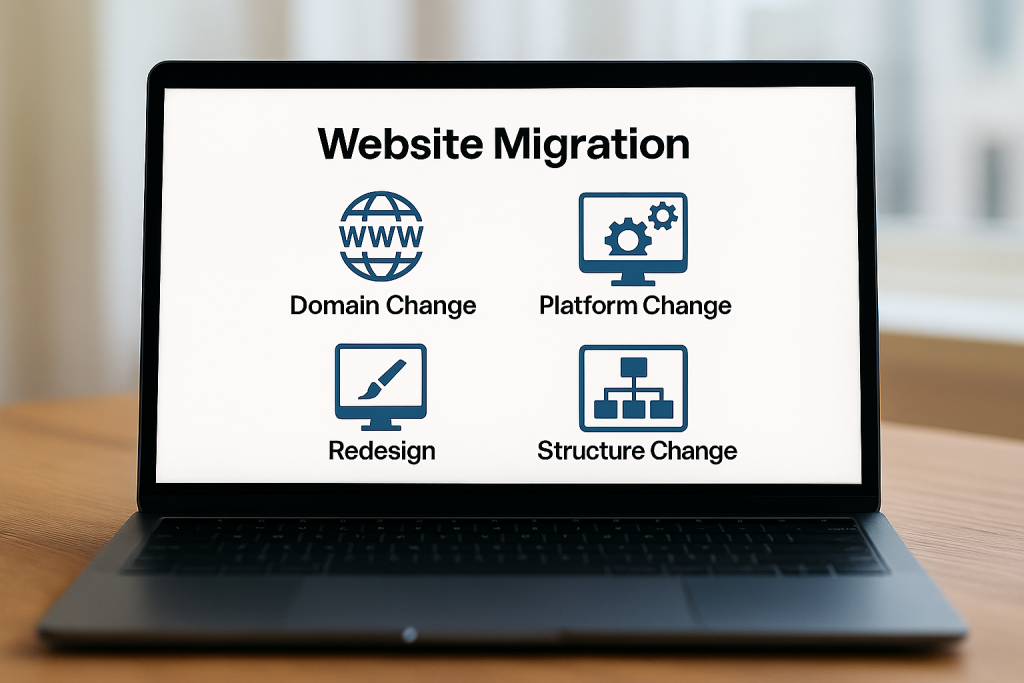
When your business is preparing to change its website, you are embarking on what search professionals call a website migration. Whether you are moving to a new domain, re-platforming to a different content management system or redesigning the site structure, these changes are more than cosmetic updates.
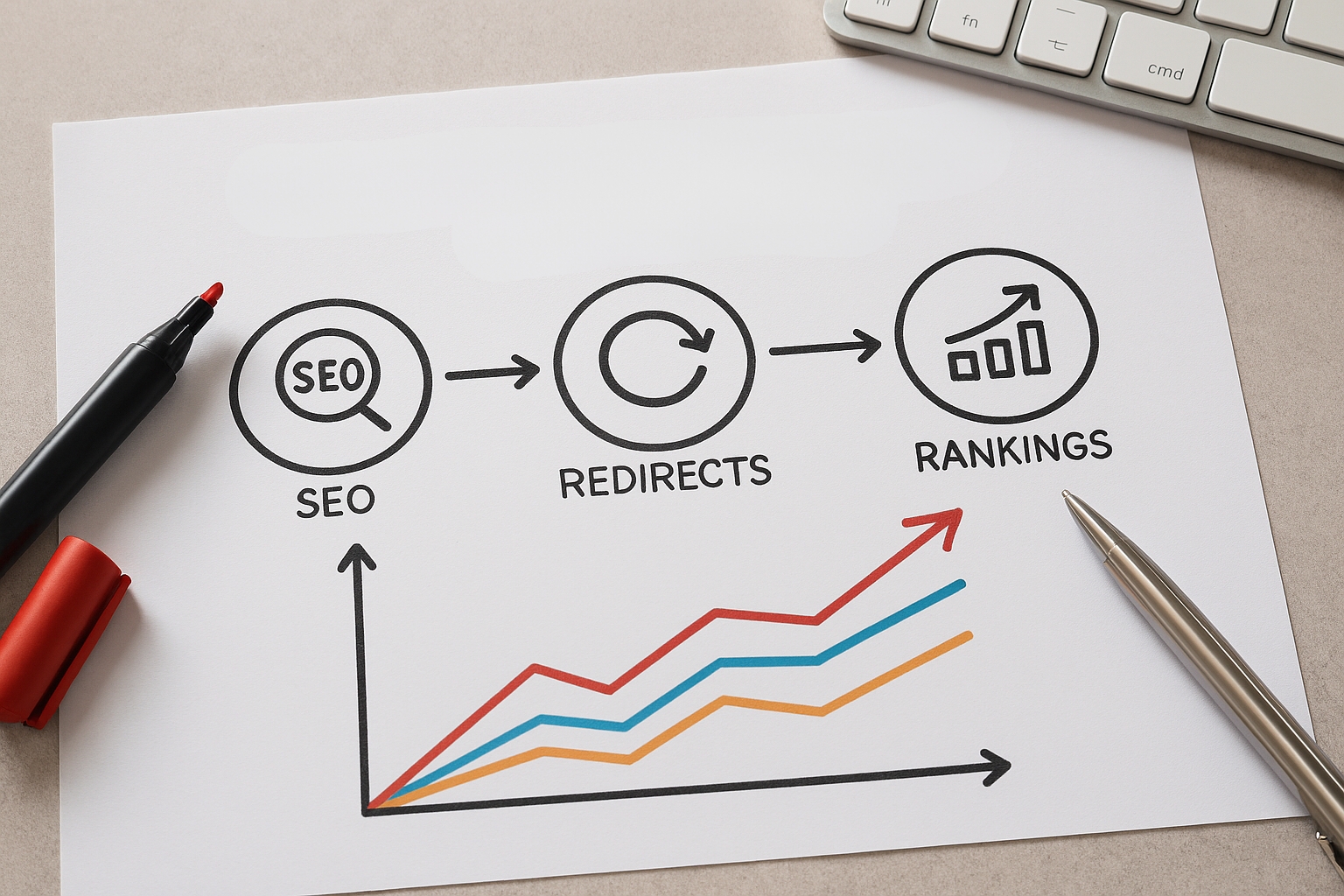
They involve significant alterations to the way pages are organised and linked, and they can affect how search engines understand and index your content. Understanding how do website migrations impact SEO is essential because, without a plan, migrations can lead to lost traffic, broken links and ranking drops.
At Seek Marketing Partners, we help clients carry out successful site migrations by combining technical SEO expertise with a step-by-step process that protects your hard-earned search visibility.
What Is a Website Migration?
A website migration is any large-scale change to your site that could impact how search engines crawl, index and rank it.
Migrations may involve changing your domain or subdomain, launching a new design, rebranding, consolidating multiple sites or moving from one platform to another. Changes to internal page structure or a significant redesign can also have SEO migration implications because they may alter how pages are organised, linked and crawled.
In other words, migrations range from simple URL changes to website content migration projects and complete overhauls of your website’s content architecture.
There are many reasons businesses undertake these projects:
To align with a new brand.
To merge business units into one coherent site.
To adopt a more powerful platform.
Or to improve user experience and performance.
Whatever your motivation, remember that migrations must be treated as technical projects with clear objectives, scope and timelines. Without a strategy, what should be an upgrade could instead become a ranking disaster.
How Website Migrations Impact SEO
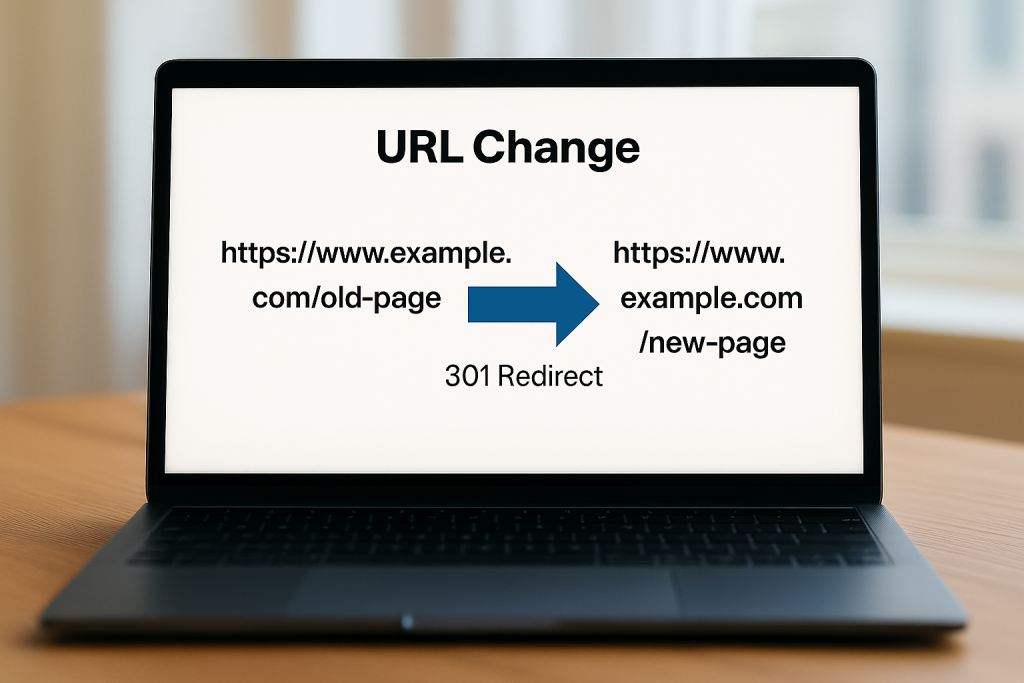
When you migrate a site, you change the URLs that users and search engines rely on. Search Engine Land notes that: “Altering URLs can cause sudden traffic drops if you don’t use 301 redirects to map old pages to new ones.”
Broken links can create problems for users and search engines, while poor redirect implementation can make it harder for search engines to discover and process the correct URLs.
At Seek Marketing Partners, we recommend keeping your domain name and URL structure wherever possible and avoiding unnecessary changes to titles and meta descriptions. If you change a page’s URL, set up a permanent redirect from the old URL to the relevant new URL where appropriate, and avoid redirecting users to irrelevant or non-existent destinations.
Search engines need time to recrawl and re-index a migrated site, so rankings can fluctuate temporarily while the changes are processed. A well-planned site migration helps preserve rankings and minimise disruption, while a poorly executed one could lead to lost revenue and customer trust.
This is why our approach focuses on thorough preparation, careful testing and continuous monitoring.
Step-by-Step Process to Successful Site Migration
The site migration process involves four key phases: planning, preparation, launch and post-migration monitoring. Below is an outline of each phase along with best practices to minimise disruption.
1. Planning the Migration
Define goals and scope
Before any work begins, agree on why you are migrating and what parts of the site will be affected. Failing to set goals or define scope can lead to issues from the start. Decide whether you are changing domains, restructuring content, re-platforming or all three. Identify which pages and features will move and which will be retired.
Assemble your team
Appoint a project lead and involve key stakeholders from SEO, development, design and marketing. Clear communication reduces risk and ensures everyone understands the migration’s goals. At Seek Marketing Partners, we typically recommend assigning clear responsibilities and using a project management tool to track tasks.
Schedule wisely
If possible, schedule the migration during a period when site traffic is lower to reduce the number of users affected by potential problems. Set milestones for each phase – content inventory, redirect mapping, staging tests, launch, and post-launch review – and build in time buffers for troubleshooting.
2. Pre-Migration Preparation
Conduct a technical SEO audit
Use a crawler (such as Screaming Frog or a similar tool) to inventory your existing pages, identify crawl errors and note which URLs currently earn traffic and backlinks. Document current keyword rankings, organic traffic, important backlinks and top-performing pages so you know what to protect during the migration. Record metrics like page speed, Core Web Vitals, crawlability and indexability to benchmark your post-migration performance.
Review your site’s infrastructure
We recommend ensuring crawlability and indexability by checking robots.txt, XML sitemaps, canonical tags and noindex directives. Also verify that your site uses HTTPS, that your URL structure is logical and that internal linking flows naturally. Fix broken links because they waste crawl budget and hinder navigation.
Create a content inventory and visual sitemap
List all existing pages, paying particular attention to high-value content. Use this inventory to create a visual sitemap that illustrates your current information architecture. This helps you plan the future site structure and ensures no important page is overlooked.
Prepare a redirect map
Decide which pages will move, merge or be removed. For each moving page, create a 301 redirect from the old URL to the new one. Avoid redirect chains (A→B→C) where possible, and redirect old URLs directly to their final destinations to reduce unnecessary hops and potential delays. Cross-check redirects in a spreadsheet and test them on the staging site to catch errors before launch.
Document your server and environment
Record server settings, DNS configurations and any CDN or caching rules. This documentation ensures you can replicate the environment on the new server or platform and troubleshoot issues quickly. Take backups of your database and file system; migration can unearth unexpected problems, and a backup protects you from permanent data loss.
Build a staging environment
A staging site allows you to test changes without affecting the live site. Prevent the staging environment from being indexed, using appropriate access controls or other safeguards, and verify that these restrictions are removed when the new site goes live. Run a technical audit on the staging site to check for broken links, missing SEO elements, duplicate pages and other technical issues. Then correct any problems before moving to production.
3. Launch and Implementation
When the planned launch date arrives, ensure all redirects, sitemaps and robots files are ready. Keep the following in mind:
Remove restrictions – If you have blocked search engines or set up password protection on your new site, remove these barriers just before launch so Google can crawl your new pages.
Implement redirects – Upload your redirect map and verify that each old URL redirects to the correct new URL with a 301 status code. Avoid redirect chains or loops.
Submit sitemaps – Update your XML sitemap with the new URLs and submit it through Google Search Console. Check that the robots.txt file references the new sitemap and is not blocking important sections.
Check basic elements – Confirm that page titles, meta descriptions, headings and canonical tags are correct and that structured data markup still functions. Test forms, internal search, and key user journeys to ensure nothing breaks. Tools like PageSpeed Insights can help you verify that site speed and Core Web Vitals remain healthy.
Update internal links – Replace links pointing to old URLs with links to the corresponding new URLs wherever possible. This reduces unnecessary redirects and helps users and search engines reach the correct pages directly.
4. Post-Migration Monitoring
After launch, monitor performance closely. It’s normal to see some fluctuations in traffic and rankings, but these should stabilise after search engines finish re-indexing your site. Keep an eye on:
Crawl and indexation
Use Google Search Console’s indexing reports and URL Inspection tool to identify pages that are not indexed, blocked from crawling or otherwise experiencing indexing issues. Investigate unexpected crawl errors, 404s and soft 404s, particularly where they affect important migrated URLs, and fix them where appropriate. Server log analysis can show which URLs Googlebot is requesting and help identify inefficient or unexpected crawling patterns.
Traffic and rankings
Compare your current rankings and organic traffic to your pre-migration benchmarks. If you notice sustained drops for specific queries, investigate whether redirects or internal links are misconfigured or whether the new page fails to satisfy search intent.
Technical performance
Re-check these elements after migration and address any issues identified by Google Search Console or PageSpeed Insights.
Documentation and maintenance
Update your internal documentation with the final redirect map and new site structure. Document lessons learned and schedule regular technical audits to keep your site healthy. Remember that SEO is an ongoing process; a successful migration does not mean you can ignore maintenance.
Technical SEO Audit Checklist for Migrations
Below is a concise checklist you can use to ensure all important elements are covered. Each item helps maintain your search visibility during migration:
Benchmark and Audit: Crawl current site; record rankings, traffic, top pages and Core Web Vitals.
Crawlability & Indexability: Check robots.txt, XML sitemaps, canonical tags, noindex directives and internal linking.
Site Structure & URLs: Document current URL structure; maintain it where possible; plan new information architecture and internal link flow.
Content Inventory: Identify all pages, mark high-value content and plan how each will be migrated or retired.
Redirect Mapping: Create a 301 redirect plan; avoid redirect chains or loops.
Technical Setup: Record server and DNS settings; back up data; set up staging environment for testing.
Conclusion – Let Us Guide Your Migration
Website migrations are complex but manageable with the right plan. By defining scope, auditing your current site, mapping URLs, testing before launch and monitoring afterwards, you can reduce the risk of losing search visibility and identify opportunities to improve the new site.
The key actions are:
Prioritise crawlability.
Maintain your URL structure.
Use 301 redirects correctly.
And continuously monitor technical health.
At Seek Marketing Partners, we help clients navigate migrations without losing momentum. Our approach is to perform a comprehensive technical audit, develop a tailored migration strategy, implement changes in a controlled staging environment and monitor outcomes closely. If you are considering moving to a new platform or domain, or restructuring your site, contact us today. We’ll guide you through the process and help you make the most of your website’s next chapter.