The digital era offers an abundance of opportunities for businesses, especially for ambitious sole traders. Whether you’re a tradesperson, consultant, or retailer, digital marketing is a tool that can empower your business to reach new heights. The importance of digital marketing for sole traders cannot be overstated – it’s a critical factor for success in today’s competitive online marketplace. This article delves into the intricacies of digital marketing, outlining the potential it holds for sole traders.
The Essential Role of Digital Marketing for Sole Traders
The complexities of operating as a sole trader necessitate unique solutions to compete in a saturated marketplace. Here’s how digital marketing for sole traders caters to these requirements.
Crafting a Strong Online Presence
The significance of digital marketing for sole traders lies in its ability to build and solidify an online presence. To be visible to your target audience, you must rank in search engine results – that’s where Search Engine Optimisation (SEO) and Local SEO come into play.
Breaking Down SEO and Local SEO
SEO is the method of enhancing your website to achieve higher rankings in search engine results, thereby drawing in organic, or non-paid, traffic. Local SEO is particularly crucial for sole traders targeting specific geographical areas, ensuring your business appears in local search results.
Cost-Effective Marketing Techniques
Budget constraints are common for sole traders. However, channels for digital marketing for sole traders such as Pay-Per-Click (PPC) advertising and social media marketing provide impactful solutions that can bring substantial return on investment.
Exploring PPC and Social Media Marketing
An important component of digital marketing for sole traders is Pay-Per-Click advertising. PPC allows you to only pay for the ads that people click on, making it a cost-effective strategy. Meanwhile, social media platforms provide a free base for connecting with customers, with the option of paid advertising for more comprehensive reach.
Fostering Customer Relationships
Creating and nurturing relationships with customers is essential for a sole trader. Through email marketing and content marketing, you can engage customers on a more personal level, fostering a sense of community and loyalty.
The Power of Email and Content Marketing
Email marketing lets you reach your customers directly, sending personalised messages that resonate. Content marketing, on the other hand, involves creating valuable and relevant information, establishing your authority and fostering trust in your field.
Decoding Digital Marketing Services for Sole Traders
Digital marketing for sole traders comprises various services that work together to enhance a sole trader’s online presence and drive success.
The Social Media Landscape
Social media marketing involves harnessing the power of platforms like Facebook, Instagram, Twitter and LinkedIn to connect with your audience, promote your products or services, and strengthen your brand image.
Creating Valuable Content
Content marketing involves creating and sharing high-quality, relevant content to attract and engage your target audience, build brand credibility and improve your SEO performance.
Importance of Professional Web Design and Development
For sole traders, a professionally designed, easy-to-navigate, SEO-optimised website is essential. It’s often the first point of contact your customers have with your business, making it an integral part of your digital marketing strategy.
Navigating the Digital Landscape with Seek Marketing Partners
At Seek Marketing Partners, we recognise the unique challenges faced by sole traders and offer tailored digital marketing for sole traders to drive success.
Comprehensive Digital Marketing Services
Our team specialises in a range of services for digital marketing for sole traders, including SEO, PPC, social media marketing, content marketing, email marketing and web design and development.
Partnering with Seek Marketing Partners
By partnering with us, you gain access to expertise, cutting-edge tools, and personalised services, ensuring your digital marketing strategy truly aligns with your business needs and goals.
FAQs
Why is it beneficial for a sole trader to hire a professional digital marketing agency like Seek Marketing Partners?
Working with a professional agency provides you with a team of experts in digital marketing for sole traders who can navigate the constantly changing digital landscape, save you time and resources, and ensure your strategies are effective and in line with current best practices.
As a sole trader, what can I expect when I choose to work with Seek Marketing Partners?
When working with Seek Marketing Partners, you can expect a personalised approach to your digital marketing for sole traders, needs, regular communication, transparency about progress and results, and access to a team of digital marketing specialists committed to your success.
Can partnering with Seek Marketing Partners help improve my return on investment (ROI)?
Yes, Seek Marketing Partners aims to deliver digital marketing for sole traders that not only reach your target audience but also provide a significant return on investment. By constantly analysing and optimising your campaigns, Seek Marketing Partners ensures they are cost-effective and high-performing.
Conclusion
Understanding the importance of digital marketing for sole traders is the first step towards successful online business operations. With the right strategies, you can gain visibility, connect with your audience, and enhance your brand’s reputation. If you’re ready to take the leap into digital marketing for sole traders, contact us at Seek Marketing Partners. Our team of digital marketing experts are eager to help you navigate this digital landscape. Connect with us on Facebook, Twitter, LinkedIn, and Instagram, and let’s achieve digital success together.
Digital marketing has become an integral part of business strategy, evolving rapidly with technological advancements and changing consumer behaviours. In 2024, marketers face several challenges, and require adaptive strategies to stay ahead and remain successful. This article explores the key challenges of digital marketing in 2024 and provides insights on how to navigate them effectively.
Evolving Consumer Behaviour
One of the primary challenges of digital marketing in 2024 is adapting to evolving consumer behaviour. Consumers today demand personalised experiences, which necessitates a deep understanding of their preferences and behaviors. However, this demand for personalisation comes with heightened concerns over privacy and data protection. Marketers must find a balance between providing tailored experiences, and respecting consumer privacy to build trust and loyalty.
Understanding Local Consumer Behaviour
Another of the key challenges of digital marketing in 2024 is understanding and adapting to local consumer behaviour in diverse regions. Consumer preferences, purchasing habits, and communication preferences vary significantly across different markets. Marketers must conduct comprehensive market research to gain insights into the unique characteristics of each region’s target audience.
AI and Machine Learning Integration
In the context of the challenges of digital marketing in 2024 that they encountered, Artificial Intelligence (AI) and machine learning are transforming digital marketing. The rapid pace of technological advancements are amongst both the opportunities and challenges, since the integration of artificial intelligence (AI) and machine learning into marketing strategies is more prevalent than ever. These technologies offer sophisticated data analysis and automation capabilities, but their effective implementation requires significant investment and expertise. Marketers must stay updated with the latest MarTech tools and find the right balance between automation and the human touch to maintain meaningful engagement with their audience.
AI cost optimization is also becoming increasingly important, as marketers try to get the most value from AI tools while keeping spending under control and maintaining strong campaign performance.
Data Management and Analytics
In the challenges of digital marketing in 2024, data overload emerges as a significant obstacle for marketers. With the exponential growth of digital interactions, the sheer volume of data generated daily poses challenges in terms of ensuring accuracy, integrity, and extracting actionable insights to drive informed decision-making.
Data overload is a significant challenge in digital marketing. With the vast amount of data generated daily, ensuring data accuracy and integrity is crucial. Marketers need to leverage advanced analytics tools to extract actionable insights from this data, which can inform their strategies and improve decision-making. Effective data management practices, including regular audits and quality checks, are essential to maintain the reliability of data.
Content Overload and Content Strategy
In an era of content overload, standing out in the crowded digital space is increasingly difficult. Because of this the challenges of digital marketing in 2024 can include crafting engaging and unique content that captures the audience’s attention. Marketers must focus on quality over quantity, developing a content strategy that aligns with their brand values and resonates with their target audience. Effective content distribution strategies, including leveraging multiple platforms and formats, are also crucial for maximising reach and engagement – so investing in training and cutting-edge tools, and staying informed about technological advancements are essential steps to overcome the challenges of digital marketing.
SEO and Search Algorithm Updates
In the modern day SEO remains a cornerstone of good digital marketing, but keeping up with frequent search algorithm updates is challenging, as it always has been. However, add in the rise of voice search and AI-driven search results, and it’s not hard to see how SEO is still one of the main challenges of digital marketing in 2024. Marketers need to optimise their content for these new search paradigms, focusing on natural language processing and long-tail keywords. Maintaining organic reach amidst the growth of paid advertising also requires a strategic approach to content creation and distribution.
Social Media Dynamics
When talking about the challenges of digital marketing in 2024, we can’t overlook the ways in which social media platforms are constantly evolving, presenting both opportunities and challenges for digital marketers. Changes in social media algorithms can drastically affect the visibility of organic posts, requiring marketers to stay agile and adapt their strategies accordingly. Additionally, handling negative feedback and managing online reputation are ongoing challenges of digital marketing in 2024.
The dynamic nature of social media algorithms presents a significant challenge for digital marketers in 2024, as changes in these algorithms can have a direct impact on the visibility and reach of organic posts. Marketers must stay abreast of these algorithm updates and be prepared to pivot their strategies to ensure continued audience engagement and reach. The need for agility and adaptability in response to these algorithm changes is paramount, requiring marketers to constantly refine their approach to content creation and distribution on social media platforms to address the challenges of digital marketing in 2024.
Moreover, the management of online reputation and handling negative feedback has become a critical aspect of digital marketing in 2024. With the rise of social media as a primary channel for customer interactions and feedback, brands are more exposed than ever to public scrutiny and criticism. Digital marketers need to be adept at monitoring online conversations, addressing negative feedback promptly, and effectively managing brand reputation in the digital sphere. Building and maintaining a positive online reputation is essential for fostering trust and credibility with consumers, making reputation management a key focus for digital marketing strategies in the current landscape.
Social media platforms therefore present both new opportunities and new challenges for digital marketers. Navigating new features and policies requires adaptability and a keen understanding of platform dynamics. Staying updated with changes on major platforms like Facebook, Instagram, and TikTok is essential. Creating engaging, platform-specific content and building authentic relationships with influencers can enhance social media performance to overcome the challenges of digital marketing in 2024, but these strategies must be carefully managed to avoid potential pitfalls.
Regulatory and Compliance Issues
Navigating the complex landscape of regulatory and compliance issues is a major challenge for digital marketers. In 2024, regulations such as GDPR and CCPA continue to impact how companies collect and use consumer data. Ensuring compliance with these regulations requires a thorough understanding of the legal requirements and implementing robust data protection measures. Marketers must also manage cookie consent and provide transparent communication about data usage to maintain consumer trust.
Ad Blocking and Paid Advertising Challenges
The surge of ad blockers poses a notable obstacle for paid advertising efforts, compelling marketers to innovate and craft creative strategies to navigate this hurdle successfully – so of course it’s worth mentioning when we’re talking about the challenges of digital marketing in 2024. To address these challenges of digital marketing in 2024 effectively, the emphasis is on adopting non-intrusive ad formats and curating content that provides genuine value to the audience.
The surge in usage of ad blockers poses a notable obstacle for paid advertising efforts, compelling marketers to innovate and craft creative strategies to navigate this hurdle successfully. To address these challenges of digital marketing in 2024 effectively, the emphasis should be on adopting non-intrusive ad formats and curating content that provides genuine value to the audience.
Budget Constraints
Balancing ROI and Investment in Digital Marketing
In the landscape of challenges of digital marketing in 2024, budget constraints loom large as marketers navigate the complexities of allocating resources effectively. With the proliferation of digital channels and the constant evolution of consumer behaviours, optimising expenditure while achieving desirable outcomes becomes increasingly challenging.
Demonstrating ROI Amidst Scrutiny
Digital marketing budgets often face intense scrutiny from stakeholders, demanding clear evidence of return on investment (ROI). Marketers must meticulously track and analsze campaign performance, attributing conversions and revenue generation to specific marketing efforts. Demonstrating tangible results requires comprehensive analytics and reporting tools, enabling marketers to quantify the impact of their strategies in terms of revenue, leads generated, or brand engagement metrics.
Precision in Tracking and Analysis
Precise tracking of campaign performance is essential for justifying digital marketing expenditures. Marketers leverage a range of analytics platforms and metrics to monitor key performance indicators (KPIs) such as website traffic, conversion rates, click-through rates, and customer acquisition costs. By analysing data trends and identifying patterns, marketers gain insights into the effectiveness of different strategies and channels, enabling informed decision-making regarding resource allocation.
Cost-Effectiveness and Strategy Optimisation
In the face of budget constraints, marketers must identify and prioritise strategies that deliver the highest ROI. This entails conducting thorough cost-benefit analyses to evaluate the efficiency of various digital marketing tactics. Strategies that demonstrate optimal cost-effectiveness, such as targeted advertising, content optimisation, and email marketing automation, are prioritised for continued investment. Additionally, ongoing optimisation and refinement of campaigns based on performance insights help maximise ROI and mitigate budgetary constraints.
Balancing Innovation and Resource Management
Striking the right balance between investing in new technologies and managing costs is paramount for sustainable growth in digital marketing. While innovation drives competitiveness and differentiation, it also incurs additional expenses. Marketers must carefully evaluate emerging technologies and trends, assessing their potential impact on campaign performance and ROI. Investing in innovative solutions that offer tangible benefits, such as AI-powered analytics tools or immersive digital experiences, can yield long-term gains and competitive advantages.
Omnichannel Marketing Integration
The challenges of digital marketing in 2024 include the task of providing a seamless customer experience across multiple channels. Omnichannel marketing integration demands that online and offline endeavours and strategies work together to establish a unified brand experience. This process entails a deep understanding of customer journeys and the maintenance of consistency in messaging and interaction across all touchpoints. Tracking relevant metrics and Key Performance Indicators (KPIs) is essential in measuring the effectiveness of omnichannel campaigns, and of paramount importance here.
Emerging Markets and Globalisation
Another of the challenges of digital marketing in 2024 is adapting digital marketing strategies to the different regions you might operate in. Understanding local consumer behaviour and navigating various digital landscapes pose significant challenges. And marketers must tailor their campaigns to meet the specific needs and preferences of each area, considering cultural differences and local regulations. Successful globalisation therefore requires a flexible and localised approach to digital marketing.
Conclusion
The challenges of digital marketing in 2024 are multifaceted and require marketers to be agile, informed, and innovative. From evolving consumer behaviour and technological advancements to data management, content strategy, and regulatory compliance, each challenge presents an opportunity for growth and improvement. By staying updated with the latest trends, leveraging advanced tools, and adopting a customer-centric approach, marketers can navigate these challenges and drive successful digital marketing campaigns.
As the digital landscape continues to evolve, it’s crucial for marketers to remain proactive and adaptable. The future of digital marketing lies in understanding and addressing these challenges effectively, ensuring that brands can connect with their audience in meaningful ways and achieve their business goals.
By focusing on these key challenges and developing strategic solutions, digital marketers can stay ahead of the curve and thrive in the ever-changing digital environment of 2024.
Are you a small business owner wanting to boost your online presence? Pay-per-click (PPC) advertising could be the key to achieving just that. In today’s digital age, PPC management for small businesses is an essential tool for reaching new customers, increasing sales, and growing your brand. The beauty of PPC is that it allows you to control your advertising spending while targeting the right audience, which is especially crucial when you’re working with a limited budget. A well-managed PPC campaign can level the playing field and allow your business to compete alongside larger competitors.
PPC, or pay-per-click advertising, is when you pay each time someone clicks on your online ad. It’s a great way for small businesses to get noticed quickly. But to make it work well, you need to be smart about how you use it.
This guide provides seven practical tips to help you make the most out of your PPC campaigns. Whether you’re a newcomer or looking to improve your existing campaigns, these actionable tips will help you fine-tune your approach, maximise your ROI, and achieve meaningful growth for your small business. By setting clear goals, doing effective keyword research, crafting compelling ads, and optimising landing pages, you can ensure your PPC efforts drive the best possible results. With the right strategy in place, even small businesses can see big rewards from their PPC advertising.
Key Points for PPC Management for Small Businesses
Set clear and measurable goals for your PPC campaigns
Conduct thorough keyword research to target the right audience
Create compelling ad copy that resonates with your target market
Optimise landing pages for better conversion rates
Monitor and adjust campaigns regularly for optimal performance
Utilise ad extensions to enhance visibility and click-through rates
Before starting a PPC campaign, it’s essential to define exactly what you want to achieve. Setting clear, measurable goals helps you stay focused and ensures your PPC efforts align with your broader business objectives. These goals should be specific, measurable, achievable, relevant, and time-bound (SMART). For example, if you own a local coffee shop, your goal might be to increase foot traffic by 25% within the next three months. If you’re running an online store, you might want to boost sales by 20% within the next quarter. By establishing such clear goals, you’ll know exactly what success looks like.
It’s also important to set Key Performance Indicators (KPIs) to track your progress. KPIs are metrics that will help you measure how effectively your campaign is meeting its objectives. These could include metrics such as:
Click-through rate (CTR): See how many people are clicking on your ads.
Conversion rate: How many clicks lead to sales, sign-ups, or other desired actions.
Cost per click (CPC): How much you’re paying for each visitor to your website.
Return on ad spend (ROAS): How much revenue you’re generating for every dollar spent on PPC.
Know Your Audience Well
Understanding who you’re trying to reach is really important for small business PPC success. Use tools like Google Analytics to learn about your website visitors. This information helps you make ads that speak directly to what your potential customers need and like. You should also look into things like age, interests, and online behavior to create detailed pictures of your ideal customers.
For example, if you run a local bakery, you might want to reach people searching for “fresh bread near me” or “birthday cakes in [your city]”. The more specific you can be, the better chance you have of reaching the right people. You can also create customer personas based on these insights which can help you craft ads that feel more personal and directly relevant to their needs. The more targeted your ads are, the higher your chances of driving conversions.
Do Good Keyword Research
Keywords are super important for any PPC campaign. Start by listing words related to your business, then use tools like Google’s Keyword Planner to find more ideas and see how often people search for them. Think about why people might be searching for these words – are they just looking for information, trying to find a specific website, or ready to buy something?
Don’t forget about long-tail keywords – these are longer, more specific phrases. They might not be searched for as often, but people who use them are often more likely to buy. For example, “affordable handmade leather wallets” are likely to attract more serious buyers than just “wallets”. As you run your campaigns, be sure to regularly review and adjust your keyword list based on the performance data. Some keywords may bring in high-quality leads, while others might underperform. By consistently analysing this data, you can refine your keyword strategy and ensure that you’re targeting the most relevant audience for your business.
Write Good Ad Copy
Your ad needs to grab attention and make people want to click. Here are some tips to make your ads stand out:
Use your main keyword in the headline
Highlight what makes your business special
Include a clear call-to-action (CTA) that tells people what to do next
Try different types of ads to see what works best
Use words that connect with your audience emotionally
Include numbers and facts to make your claims more believable
Testing different versions of your ads can help you find what works best. Keep improving your ads based on how well they perform to get more clicks and sales over time. Split testing, also known as A/B testing, is a great strategy to identify which ad copy resonates best with your audience. Keep refining your approach to continually improve ad performance and engagement.
Make Your Landing Pages Better
Getting clicks is only part of the job. Once people get to your website, you need to convince them to take action. Make sure that your landing pages are:
Relevant to the ad they clicked on
Fast to load
Easy to use on mobile phones
Clear and easy to navigate
Focused on one main action you want people to take
Include things that build trust, like customer reviews
Remember, a good landing page can make a big difference in how well your PPC campaign works. Keep testing and improving your landing pages to get more people to take action. If users are landing on your page and leaving quickly, it may be a sign that your message, page layout, or user experience needs some adjustments. A well-designed landing page can significantly improve your conversion rates and ROI.
Watch and Adjust Your Campaigns
PPC management for small businesses isn’t something you set up and forget. You need to regularly check how your campaigns are doing and make changes. Keep an eye on things like:
How many people click on your ads
How many of those clicks turn into sales or leads
How much each click cost you
How Google rates your ads
How much money you’re making compared to what you’re spending
If something’s not working, change it. You might need to adjust how much you’re paying for clicks, try new keywords, or improve your ad text. Use the data you collect to guide your decisions and keep making your PPC strategy better. Adjusting your campaigns in real-time is key to staying competitive and ensuring that you’re getting the most value from your ad spend.
Use Ad Extensions
Ad extensions are extra bits of information you can add to your ads, like your phone number, address, or links to specific pages on your site. They make your ads bigger and more informative, which can lead to more people clicking on them. Some useful ad extensions include:
Links to other pages on your site
Your phone number for easy calling
Your location to help local customers find you
Prices of your products or services
Highlights of specific features or categories
Using ad extensions well can give you an advantage over other businesses that might not be using them. They give potential customers more information and can really improve how well your ads perform in search results. They also provide users with more options to engage with your business, helping to increase click-through rates and drive more qualified traffic to your site.
Conclusion: Effective PPC Management for Small Business Growth
PPC advertising for small businesses can be a powerful tool when used correctly. By setting clear goals, understanding your audience, doing good keyword research, writing compelling ads, improving your landing pages, watching your performance, and using ad extensions, you can create campaigns that work for your business.
Remember, effective small business PPC takes time and effort. You need to be willing to learn and adapt. But with these tips and some patience, you can create PPC campaigns that help your small business grow and do well online.Need help getting started with PPC management for your small business? Get in touch with Seek Marketing Partners today. Our team can help you create and manage PPC campaigns that get real results for your business. We’ll work closely with you to develop a PPC strategy that fits your business goals and budget, making sure you get the most out of your online advertising. Let us help you drive traffic, increase sales, and grow your business in the digital landscape.
When HTTPS pages lead to HTTP pages, it creates security vulnerabilities, affects SEO rankings, and disrupts user trust. This issue, known as mixed content, occurs when a secure page contains elements—links, images, scripts, or stylesheets—loaded over HTTP instead of HTTPS. Search engines penalise websites with mixed content, and modern browsers may block or warn users about unsecured elements.
Why HTTPS Pages Lead to HTTP Pages
Hardcoded HTTP Links: Some websites still have absolute HTTP links embedded in the code. If a site was originally on HTTP and later migrated to HTTPS, these outdated links could lead to mixed content warnings.
Incorrect Redirects: Misconfigured redirects can unintentionally redirect HTTPS pages to HTTP pages. If your server is not set up correctly, pages may fall back to HTTP, reducing security.
External Resources on HTTP: If a page loads images, scripts, stylesheets, or third-party assets over HTTP, browsers may display warnings or block them entirely. This can break page functionality and cause trust issues.
Misconfigured CMS or Plugins: Some content management systems (CMS) or plugins may default to HTTP, leading to inconsistent behaviour across a website.
How to Fix HTTPS Pages Lead to HTTP Page
When HTTPS pages lead to HTTP pages, it creates security risks, affects user trust, and lowers SEO rankings. If links on HTTPS pages lead to an HTTP page, browsers may display “Not Secure” warnings, driving visitors away. Fixing these issues ensures a safer, fully optimised website.
Update Internal Links
One of the most common reasons HTTPS pages lead to HTTP is outdated internal links. Some internal links may still point to HTTP, even after switching to HTTPS, causing security warnings and SEO issues.
How to Fix It:
Check all pages, menus, and buttons for links still using HTTP.
Update internal links in your content management system (CMS) or database.
Use SEO tools or a site crawler to detect and fix outdated links.
Pro Tip: A bulk search-and-replace tool can speed up the process if your site has many pages.
Set Up Proper Redirects
If visitors or search engines can still access your site’s HTTP version, they may land on outdated pages instead of secure ones. Redirecting all HTTP traffic to HTTPS prevents this issue.
Pro Tip: If redirects aren’t working correctly, clear your site cache and test again.
Use Content Security Policy (CSP)
A Content Security Policy (CSP) helps prevent mixed content issues by ensuring all site resources load securely. Blocking insecure elements prevents situations where links on HTTPS pages lead to HTTP pages.
Pro Tip: Some website platforms offer security settings that help enforce HTTPS for all resources.
Fix Mixed Content Warnings
If links on HTTPS pages lead to an HTTP page, your site may be loading images, scripts, or stylesheets from non-secure sources. Browsers flag this as “mixed content,” which can cause broken elements or security alerts.
Check Plugin and Theme Compatibility
Some website themes or plugins may contain outdated code that forces HTTP links, causing HTTPS pages to lead to HTTP pages. This is common in older themes or third-party plugins not updated for HTTPS compatibility.
Pro Tip: If a specific plugin is causing the issue, check its documentation or contact support for an HTTPS-compatible solution.
Final Thoughts
If HTTPS pages lead to HTTP pages, this can compromise security, damage SEO rankings, and reduce user trust. Fixing these issues requires updating internal links, implementing proper redirects, enforcing a Content Security Policy (CSP), resolving mixed content errors, and ensuring plugin/theme compatibility.
A secure website protects user data and enhances SEO and search engine visibility. Addressing these issues ensures a seamless and trustworthy browsing experience for your visitors.
Your domain name is important for your website. It’s like your address on the internet. While it doesn’t directly affect how well your site shows up in search results, it can make a difference in other ways. Let’s look at how domain names and SEO work together.
Key Points: Domain Names and SEO
Indirect SEO impact: Domain names affect SEO through user experience
Brand recognition: Right domain boosts brand recognition and trust
Length: SEO-friendly domains are 6-14 characters long
Simplicity: Avoid hyphens and numbers in domain names
Relevance: Choose domain reflecting brand or keywords
Memorability: Make domain easy to remember and type
Trustworthiness: Use popular top-level domains for credibility
User experience: Good domain improves click-through rates
Domain age: Older domains may have SEO advantages
Migration: Careful planning required when changing domains
The Role of Domain Names in SEO
Domain names are like the addresses for websites. They don’t directly make your site rank higher, but they can help in other ways. Our SEO experts at Seek Marketing Partners know how to pick good domain names that help your overall online marketing.
A good domain name can help your website by:
Making your brand easier to remember
Getting more people to click on your site in search results
Making people trust your site more
Supporting your other marketing efforts
What Makes a Good Domain Name for SEO
When picking a domain name that helps with SEO, think about these things:
Keep it short and simple: Try to make it 6-14 letters long, and don’t use hyphens or numbers.
Make it relevant: Choose a name that fits your brand or includes words related to what you do.
Make it easy to remember: People should be able to remember and type your domain easily.
Use trusted endings: Endings like .com, .net, or .org make your site seem more trustworthy.
Also, remember these tips:
Don’t copy someone else’s trademark
Pick a name that can grow with your business
If you’re targeting a specific area, you might want to include location words
Our on-page SEO services can help you make your domain name and other parts of your website better for search engines.
How to Choose a Domain Name
When picking a domain name, you can try these approaches:
Use your company name to make your brand stronger.
Include words related to what you do to give people a hint about your website.
Mix your brand name with related words for a balanced approach.
Each way has good and bad points:
Using your company name is great for building your brand, but it might not tell people what you do right away.
Using related words can help show what your site is about, but it might limit you as your business grows.
Mixing both can give you the benefits of branding and showing what you do.
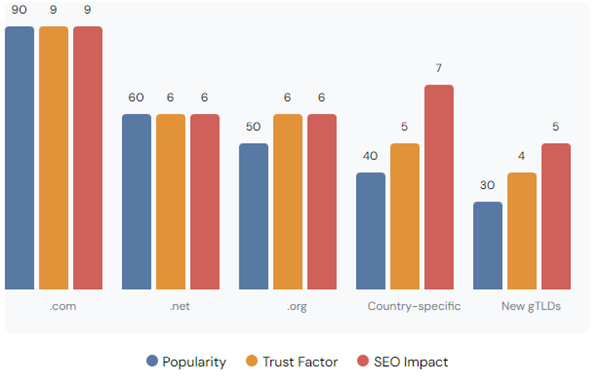
The ending of your domain (like .com or .org) can change how people and search engines see your website. Here’s a look at some common endings and what they mean:
Top-Level Domains (TLDs): Popularity, Trust, and SEO Impact
When choosing a domain ending, think about who you want to reach and what your business goals are. Most people prefer .com domains because everyone knows them, but country-specific endings can be good if you’re focusing on one country. New endings like .shop or .blog can describe what you do, but it might take more work to make people trust them.
Our global SEO services can help you figure out the best domain strategy if you want to reach people all around the world.
How Domain Names Affect User Experience
Your domain name can really change how people feel about your website, which then affects your SEO. A good domain name can:
Make more people click on your site in search results
Help people remember your brand
Make people trust your site more
Keep people on your site longer
Get more people to type your web address directly
To make your domain name better for users:
Make sure it’s easy to spell and say
Don’t use confusing words
Think about how it looks in a web address and when it’s printed
Ask some potential customers what they think before you decide
Our e-commerce SEO services can help make everything from your domain name to your product pages work well together, which can help your online store do better.
How Old Domains Affect SEO
The age of a domain isn’t directly used to rank websites, but older domains often have some advantages. They might have more links from other sites and be seen as more trustworthy. But don’t worry if you’re starting with a new domain. With good SEO work, you can still get your site to rank well over time.
Here are some things to know about domain age:
Older domains might have more links naturally
Search engines might trust established domains more
New domains can still rank well with good content and SEO
What’s on your site and how good it is matters more than just how old the domain is
Changing Your Domain Name and SEO
Changing your domain name can be risky for your SEO if you don’t do it carefully. Here’s how to do it right:
Plan everything out before you start
Set up proper redirects from your old site to your new one
Update all the links within your site
Tell search engines about the change
Watch how your site does after the change
Other important steps include:
Updating your Google Search Console and Analytics
Telling your email subscribers and social media followers
Checking and updating links from other sites where you can
Doing a full SEO check after the change
At Seek Marketing Partners, we’ve helped lots of clients change their domain names without hurting their search rankings.
Keeping an Eye on Your Domain’s Performance
To make sure your domain is helping your SEO, you need to check how it’s doing regularly. Use tools to track things like:
How authoritative your domain is
How many links you have from other sites
How much traffic you get from search
Where you rank for important keywords
How many people click on your site in search results
How long people stay on your site
How well your site works on phones and how fast it loads
Looking at these things regularly will help you see what you can improve. Our SEO monitoring services at Seek Marketing Partners can help you keep track of how your domain is doing and make smart decisions to improve your search visibility.
Conclusion: Making the Most of Your Domain for SEO
While your domain name isn’t everything for SEO, it’s an important part. A good domain can help your brand, make things better for users, and contribute to your overall SEO success. Remember these key points:
Choose a domain that’s short, easy to remember, and related to your business
Think about how the ending of your domain affects how people see your site
Make sure your domain is easy for users
Be careful when changing domains to keep your SEO value
Keep checking how your domain is doing as part of your SEO work
At Seek Marketing Partners, we’re here to help you with everything about domain names and SEO. Our team can help you choose a domain, change domains if you need to, and keep improving your site to rank better in search engines.
Want to make your SEO even better? Contact Seek Marketing Partners today to learn how we can help you pick the perfect domain name and create an SEO plan that’s just right for your business goals.
Broken internal links can be a real headache for website owners. They hurt your SEO and make it hard for visitors to use your site. But don’t worry – we’re here to help you find and fix these pesky problems. Let’s learn how to keep your website running smoothly.
Key Takeaways
Issue
Impact
Solution
Broken internal links
Hurts SEO and user experience
Regular checks and fixes
Poor site navigation
Frustrates users, increases bounce rate
Maintain consistent URL structure
Negative SEO impact
Lower search rankings
Use tools like Google Search Console
What Are Broken Internal Links?
Broken internal links are links on your website that lead to pages that don’t exist anymore. This can happen when you delete or move pages without updating the links. It’s like having a road sign that points to a place that’s no longer there. These broken links can confuse both your visitors and search engines, leading to a poor user experience and potential SEO penalties.
Here are some common reasons why internal links break:
Pages get deleted or moved without proper redirection
URLs change due to site restructuring or CMS updates
Website structure changes during redesigns
Typos in the link address during manual entry
Dynamic content that’s no longer generated
Why Fixing Broken Links Matters
Fixing broken links is super important for two main reasons:
It helps your website’s SEO (Search Engine Optimisation)
It makes your website easier for people to use
When search engines like Google find lots of broken links on your site, they might think it’s not well-maintained. This can hurt your rankings in search results. Plus, when visitors click on broken links, they get frustrated and might leave your site. That’s not good for business!
Broken links also waste your website’s “crawl budget” – the number of pages search engines will crawl on your site in a given time period. When crawlers hit dead ends, they’re not discovering your valuable content, which can impact your overall SEO performance.
How to Find Broken Internal Links
Now that we know why broken links are bad, let’s look at how to find them. There are a few different ways to do this:
1. Use Google Search Console
Google Search Console is a free tool that can show you which pages on your site are giving 404 errors (that’s the code for a page that can’t be found). Here’s how to use it:
Log into Google Search Console
Go to the “Coverage” report
Look for pages with “Not found (404)” errors
Investigate these URLs to find where they’re being linked from on your site
2. Try Website Crawling Tools
Tools like Screaming Frog or Semrush can scan your whole website and find broken links for you. They’re really handy if you have a big site with lots of pages. These tools can provide comprehensive reports, including:
A list of all broken links
The pages where these broken links are found
The anchor text used for these links
Suggestions for fixing the issues
3. Use Browser Extensions
There are browser add-ons like “Check My Links” that can help you find broken links as you browse your own site. These are great for quick checks on individual pages. They highlight broken links in different colors, making it easy to spot issues at a glance.
How to Fix Broken Internal Links
Once you’ve found the broken links, it’s time to fix them. Here are some ways to do that:
1. Update the Link
If the page still exists but has moved, just update the link to point to the new location. This is the easiest fix. Make sure to update all instances of the old link across your site for consistency.
2. Use 301 Redirects
If you’ve permanently moved a page, set up a 301 redirect. This tells browsers and search engines that the page has moved and where to find it now. 301 redirects pass most of the link equity to the new page, helping maintain your SEO efforts.
3. Remove or Replace the Link
If the page is gone for good, either remove the link or replace it with a link to a similar page. When replacing, ensure the new link provides relevant information to maintain the context of the original content.
4. Create a Custom 404 Page
For any broken links you can’t fix right away, make sure you have a helpful 404 page. This should explain that the page wasn’t found and offer links to other useful parts of your site. A well-designed 404 page can help retain visitors and guide them to valuable content.
Preventing Broken Links in the Future
It’s better to prevent broken links than to fix them later. Here are some tips to keep your internal links healthy:
Check your links regularly, at least once a month for large sites
Use a consistent URL structure across your site
Train your team on proper link management and the importance of maintaining link integrity
Use tools to automatically check for broken links and set up alerts for new issues
Implement a process for updating links when content is moved or removed
Use relative URLs for internal links where possible, making site-wide changes easier
Local SEO services can also help you manage your website’s health, including keeping an eye on internal links.
The Importance of Good Internal Linking
While we’re talking about internal links, it’s worth mentioning that a good internal linking structure is really important for SEO. It helps search engines understand your site better and can boost your rankings. Here are some tips for good internal linking:
Link to relevant, related content to create topic clusters
Use descriptive anchor text that gives context to the linked page
Don’t overdo it – only link when it makes sense and adds value
Spread link love to all parts of your site, not just your homepage
Use a logical hierarchy in your link structure, mirroring your site’s architecture
Update older content with links to newer, relevant pages
For more tips on improving your website’s performance, check out our guide on why good web design and SEO are essential for businesses.
Wrapping Up
Fixing broken internal links might seem like a small task, but it can make a big difference to your website’s performance and your visitors’ experience. By regularly checking for and fixing broken links, you’re showing both search engines and users that your site is well-maintained and trustworthy.
Remember, good web development isn’t just about building a site – it’s about keeping it running smoothly too. If you need help managing your website’s health, including fixing broken links, don’t hesitate to contact us. We’re here to help you make the most of your online presence.
For more tips on improving your website’s SEO, check out our SEO guide for beginners. And remember, whether you’re just starting out or looking to improve an existing site, Seek Marketing Partners is here to help with all your digital marketing needs.
In today’s online world, getting noticed is a big deal. That’s where SEO (Search Engine Optimization) and SEM (Search Engine Marketing) come in. These two strategies help businesses show up when people search online. But what’s the difference between them? Let’s break it down!
Key Takeaways
SEO
SEM
Free organic traffic
Paid traffic + organic efforts
Long-term strategy
Immediate results
Builds trust and authority
Targets specific keywords
Ongoing optimization
Budget-dependent
Understanding SEO and SEM: The Basics
SEO is all about making your website easy to find without paying for ads. It’s like making your website a magnet for search engines. SEM, on the other hand, includes SEO plus paid ads. It’s like putting up a big, flashy sign to get attention fast.
Both SEO and SEM are super important for businesses trying to get noticed online. They work together to help you reach more people who are looking for what you offer. While SEO focuses on improving your website’s visibility in organic search results, SEM encompasses a broader range of tactics, including paid advertising, to increase your online presence.
Key Differences: SEO vs SEM
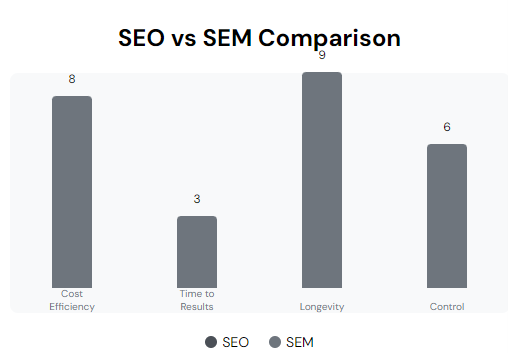
SEO: Free but takes time; SEM: Costs money but faster results
SEO: Long-lasting results; SEM: Results stop when you stop paying
SEO: Good for informational searches; SEM: Great for buying-related searches
SEO: Needs patience and ongoing work; SEM: Needs constant management and budget
What is SEO?
SEO is like making your website the best book in the library. It helps search engines like Google find and show your site to people looking for what you offer. There are three main parts to SEO:
On-page SEO: Making your website’s content awesome
Off-page SEO: Getting other websites to talk about you
Technical SEO: Making sure your website works smoothly
When done right, SEO can bring more visitors to your site without paying for each click. It’s great for building trust and showing you’re an expert in your field. SEO involves optimizing various elements of your website, including content, meta tags, site structure, and backlinks, to improve its relevance and authority in the eyes of search engines.
What is SEM?
SEM is like having a megaphone in the digital world. It includes both SEO and paid ads (PPC or Pay-Per-Click). With SEM, you can:
Show up at the top of search results right away
Target specific words people are searching for
Control exactly what your ad says
Reach a highly targeted audience based on demographics, interests, and search behavior
SEM campaigns work fast and can be great for new businesses or special promotions. You pay each time someone clicks on your ad, but you get to choose how much you spend. SEM allows for precise targeting and immediate visibility, making it an effective tool for driving quick traffic and conversions.
SEO vs SEM: The Big Showdown
When to Use SEO
SEO is perfect when you want to:
Build your brand over time
Become known as an expert in your field
Get found for questions people ask about your products or services
Save money in the long run
Establish a sustainable online presence
Local businesses can really benefit from SEO, helping them show up when people nearby are searching. SEO is particularly effective for businesses looking to build long-term authority and visibility in their industry. It’s ideal for companies with a limited marketing budget but who can invest time in creating quality content and optimizing their website.
When to Use SEM
SEM shines when you need:
Quick results for a new product or service
To target people ready to buy
To test different ads to see what works best
To support your SEO efforts
Immediate visibility in competitive markets
It’s great for businesses that want to see fast results or have products that are hard to rank for with just SEO. SEM is particularly useful for e-commerce businesses, companies entering new markets, or those promoting time-sensitive offers. It allows for precise targeting and quick adjustments based on performance data.
Combining SEO and SEM for Maximum Impact
Using both SEO and SEM together can be super powerful. It’s like having a strong defense and a quick offense in sports. Here’s why it works:
You show up in both paid and free search results
You can use SEM data to improve your SEO
SEO helps lower your SEM costs over time
You create a comprehensive online presence
You can target different stages of the customer journey
A well-designed website that’s optimized for both SEO and SEM can really boost your online presence. By leveraging both strategies, you can create a synergistic effect that enhances your overall digital marketing performance. SEO provides a strong foundation for long-term growth, while SEM offers flexibility and immediate results for short-term goals.
Choosing the Right Strategy for Your Business
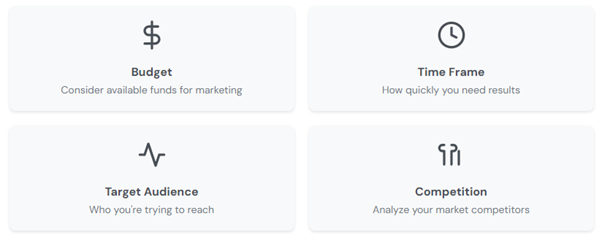
Picking between SEO and SEM depends on your business goals. Think about:
It’s often best to use both, but the balance will depend on your specific needs. A good web development team can help you figure out the right mix. Consider your industry, target audience behavior, and business objectives when deciding on the allocation of resources between SEO and SEM. A balanced approach often yields the best results, allowing you to capture both short-term gains and long-term growth.
Wrapping Up: The Power of SEO and SEM
Both SEO and SEM are crucial tools in digital marketing. SEO builds a strong foundation for long-term success, while SEM provides quick wins and targeted reach. By understanding and using both, you can create a powerful online presence that attracts more customers and grows your business.
Remember, the digital world is always changing. Staying up-to-date with the latest data and trends is key to success. Whether you’re just starting out or looking to improve your current strategy, considering both SEO and SEM can help you reach your goals. Regularly analyzing your performance and adjusting your strategies accordingly will ensure that your digital marketing efforts remain effective in the ever-evolving online landscape.
Want to see how businesses have succeeded with these strategies? Check out our case studies for real-world examples of SEO and SEM in action. These case studies provide valuable insights into how different businesses have leveraged SEO and SEM to achieve their marketing objectives and overcome specific challenges in their industries.Ready to boost your online presence? Whether you need help with SEO, SEM, or both, our team at Seek Marketing Partners is here to help. Let’s work together to create a digital marketing strategy that gets results! Our experts can analyze your current online presence, identify opportunities for improvement, and develop a tailored strategy that combines the strengths of both SEO and SEM to maximize your digital marketing ROI.
Struggling to understand how dofollow and nofollow links affect your SEO? We’ve got you covered! In this guide, we break down the difference between dofollow and nofollow links and explain how each plays a crucial role in your website’s success. Whether you’re just starting your SEO journey or refining your strategy, learning about these links will help you rank higher on search engines and drive more relevant traffic.
Key Points:
Dofollow links pass SEO value, boosting domain authority and search rankings.
Nofollow links do not pass SEO value but play a crucial role in maintaining a natural backlink profile.
Both types of links are important for a well-rounded SEO strategy.
What Are Dofollow Links?
Dofollow links are the default type of hyperlink found on most websites. These links pass on SEO value, also known as “link juice,” from the linking site to the target site. This transfer of authority helps search engines recognize and rank the linked page higher.
Dofollow links:
Improve domain authority and search rankings.
Are crawled and indexed by search engines.
Pass on valuable SEO signals that boost your site’s visibility.
For a deeper understanding of how these links fit into broader SEO strategies, check out our blog on Boosting Rankings with Professional SEO Link Building Services.
What Are Nofollow Links?
Nofollow links include a special HTML attribute that tells search engines not to pass SEO value to the linked page. While nofollow links don’t directly improve your rankings, they still have value, such as helping drive traffic and maintaining a natural link profile.
These links are typically used when:
Linking to user-generated content like blog comments.
Displaying sponsored content or paid promotions.
Referring to websites that may not be trustworthy.
To further explore the importance of managing SEO for different types of content, check out our Beginner’s Guide to SEO.
SEO Value: Dofollow vs Nofollow Links
The core difference between dofollow and nofollow links lies in their impact on SEO. Dofollow links contribute directly to improving your website’s authority and ranking, while nofollow links do not pass SEO value but are still critical for creating a balanced and authentic backlink profile.
Want to learn more about the benefits of professional link-building? Read our post on Link Building Services Explained.
How Dofollow Links Boost SEO
Dofollow links act as endorsements from one website to another. When a high-authority website links to yours, it passes valuable SEO juice, helping your site rank better in search results. For example, a link from a well-known publication or an educational website can be a game-changer for your SEO efforts.
But not all links are created equal – quality matters more than quantity. To improve your link-building strategy, aim for high-authority, relevant sources to pass dofollow links.
If you’re interested in how different types of links contribute to a successful SEO campaign, our Guide to SEO for Businesses covers it in more detail.
The Purpose of Nofollow Links
While nofollow links don’t pass SEO value, they are essential for linking to content where passing authority might not be suitable. For example:
Paid links (sponsored posts, affiliate links).
User-generated content (blog comments, forum posts).
Untrusted or low-quality websites.
Using nofollow links helps protect your site from potentially harmful or irrelevant backlinks while ensuring that your backlink profile remains natural.
For more insights on managing SEO across different types of content, check out The Ultimate Guide to On-Page SEO Practices and Strategies.
How Search Engines Treat Each Type of Link
Search engines treat dofollow and nofollow links differently. Dofollow links are crawled, indexed, and counted towards your website’s ranking, while nofollow links do not contribute to ranking metrics. However, nofollow links can still be crawled by search engines, helping them discover new content even if the authority isn’t passed on.
Curious about how search engines process links and other factors? Dive deeper with our post on How Search Engines Work.
The Importance of Anchor Text in Dofollow vs Nofollow Links
Whether you’re using dofollow or nofollow links, the anchor text (the clickable text in a hyperlink) plays a crucial role in your SEO strategy. For dofollow links, using relevant and descriptive anchor text can boost the SEO value transferred to the linked page. It helps search engines understand the context and relevance of the link.
For nofollow links, while they don’t pass SEO value, they still provide context for users and search engines alike. The right anchor text can make your nofollow links more engaging, encouraging users to click through and visit the target page, boosting traffic.
Why You Need Both Dofollow and Nofollow Links
For a successful SEO strategy, it’s essential to have a mix of dofollow and nofollow links. Dofollow links build your site’s authority, while nofollow links keep your backlink profile looking natural and diverse. A healthy combination ensures you don’t appear to be manipulating search rankings, which could lead to penalties.
Balancing both link types is crucial for creating a sustainable SEO approach.
How to Analyse Your Backlink Profile
A key element of successful SEO is regularly reviewing your backlink profile to ensure you have a healthy mix of both dofollow and nofollow links. This analysis helps you spot any toxic links that could harm your site’s authority. You should check spam score of linked sites to find potentially harmful or low-quality backlinks. Along with this, and identify opportunities to earn high-quality dofollow links.
Using tools like Google Search Console, you can easily monitor which sites are linking to yours, the types of links they’re using, and the overall diversity of your backlinks. Aim to have a natural, balanced profile that includes nofollow links for paid or untrusted content and dofollow links for high-quality, relevant sources.
Best Practices
Using Dofollow Links
When incorporating dofollow links, focus on quality over quantity. Securing links from reputable, high-authority sites will significantly boost your rankings compared to numerous low-quality links.
For businesses, using dofollow links in white-label SEO services can be an effective way to scale your SEO. Learn more in our Guide to Selecting the Best White-Label SEO Services.
Using Nofollow Links
Nofollow links are perfect for linking to sponsored content, affiliate links, and user-generated content. Be sure to apply the rel=”nofollow” tag when linking to these types of content to protect your site’s authority.
Interested in understanding more about content strategies that prevent SEO issues? Take a look at our post on SEO and Stop Words.
When to Use Dofollow and Nofollow Links
Here’s a quick rule of thumb:
Use dofollow links for valuable, editorially earned backlinks that contribute to SEO.
Use nofollow links for paid links, user-generated content, or any content where you don’t want to pass authority.
The Difference Between Nofollow and Dofollow Links for Paid Content
In the world of digital marketing, sponsored posts and paid content are common. It’s important to know what the difference between a dofollow and nofollow link is when linking to these types of content. In most cases, you’ll want to use a nofollow link for sponsored content to avoid passing link equity and signalling to search engines that you’re manipulating rankings.
By using nofollow links for paid content, you maintain the integrity of your site’s SEO. For example, when running a sponsored post, adding the rel=”nofollow” tag ensures your site stays within Google’s guidelines while still benefiting from the exposure and referral traffic these links bring.
Need more insights on SEO for content creators and businesses? Our Ultimate Guide to On-Page SEO Practices and Strategies covers this topic in detail.
How Dofollow vs Nofollow Links Affect E-Commerce SEO
For e-commerce websites, having a well-balanced mix of dofollow and nofollow links is critical for long-term SEO success. High-quality dofollow links from trusted industry blogs or product reviews can boost your site’s authority, helping your product pages rank higher in search results. On the other hand, using nofollow links for affiliate partnerships or user-generated content can protect your domain from passing unnecessary link equity while still driving traffic.
Understanding the difference between nofollow and dofollow links is especially important in the competitive e-commerce space. A healthy link profile that includes both link types ensures that your site avoids penalties while capitalising on every opportunity to rank higher and attract more customers.
For more on building a smart SEO strategy, check out our guide on Unlocking the Power of SEO for eCommerce.
Final Thoughts: Balancing Dofollow and Nofollow Links for SEO Success
Understanding the difference between dofollow and nofollow links is crucial for a well-rounded SEO strategy. While dofollow links are essential for improving domain authority and rankings, nofollow links play an important role in maintaining a natural backlink profile. By using both types strategically, you can build a solid foundation for long-term SEO success.
FAQs
What is the difference between a dofollow and nofollow link?
Dofollow links pass SEO value, helping to boost your rankings, while nofollow links do not.
Can nofollow links still drive traffic?
Yes, nofollow links can generate referral traffic, which can indirectly boost SEO through user engagement.
Should I focus only on dofollow links?
No, a healthy SEO strategy includes both dofollow and nofollow links to maintain balance and authenticity.
Do search engines follow nofollow links?
Search engines may still crawl nofollow links but won’t use them to influence rankings.
In the world of SEO, understanding the difference between internal and external links is crucial. Both play a significant role in improving website structure, user experience, and search engine optimization (SEO). However, each type of link serves a different purpose and offers unique benefits.
In this article, we’ll dive deep into the differences between internal vs external links, explore their impact on SEO, and provide expert advice on how to use them effectively. Whether you’re an absolute beginner or you already have some experience with SEO, this guide will help you master the art of link-building.
Key Takeaways
Internal links keep users on your site, improve navigation, and distribute SEO value.
External links connect users to outside resources, increase credibility, and pass SEO value to other sites.
Both types of links are essential for a balanced and effective SEO strategy.
What Are Internal Links?
Internal links are hyperlinks that point to other pages or resources within the same website. For example, linking from your homepage to your blog is an internal link.
Key Benefits of Internal Links:
They improve user navigation.
They help search engines understand your website’s structure.
They distribute SEO value (also called “link juice”) across your pages.
Internal links can also reduce bounce rates by encouraging users to explore other areas of your site, keeping them engaged for longer periods.
What Are External Links?
External links are hyperlinks that point to a different domain or website. If you link to a resource like Wikipedia or a news site, that’s an external link.
Key Benefits of External Links:
They build credibility by linking to authoritative sources.
They provide additional information that enhances user experience.
They pass SEO value to the external sites, which can also help in building relationships with those websites.
However, it’s essential to ensure that external links direct users to reputable sources. Linking to low-quality websites can harm your site’s credibility.
Internal vs External Links: Key Differences
Feature
Internal Links
External Links
Destination
Stays within the same domain
Directs to a different domain
SEO Impact
Distributes SEO value across your own pages
Passes SEO value to another website
Control
Fully within your control
Limited control once the link is created
Purpose
Improves navigation, keeps users on your site
Adds value by referencing external information
Both types of links serve important functions, but understanding when and how to use them is key to maximising their potential.
The Importance of Internal Links for SEO
Internal links help search engines crawl your website. By linking related content together, you’re showing search engines the most important pages on your site. This improves your ranking for those pages.
Expert Tip: Include internal links in the first 100 words of your article. It helps both users and search engines quickly find relevant content.
While internal links strengthen your site’s structure, external links improve your site’s credibility. Search engines view external links to reputable sources as a sign that your content is well-researched and trustworthy.
Expert Tip: Make sure to use no-follow attributes when linking to non-authoritative or paid sites to avoid passing SEO value inappropriately.
Internal links not only help with SEO, but they also enhance the user experience. By guiding visitors to relevant content, you ensure they find what they’re looking for easily, leading to better engagement.
Example: A user reading about SEO tips can quickly access related content such as ecommerce SEO strategies, improving their experience and keeping them on your site.
How External Links Add Credibility to Your Content
When you cite external sources, you’re showing that your content is backed by research. This builds trust with your audience, making them more likely to rely on your website as a credible source of information.
For instance, linking to a reputable news source in an article about digital marketing adds depth and validation to your arguments.
Best Practices for Internal Linking
Use descriptive anchor text that tells users and search engines what the linked page is about.
Don’t overdo it. Only include internal links where they make sense contextually.
Regularly update old content with new internal links to keep it relevant.
Best Practices for External Linking
Only link to authoritative websites with relevant content.
Ensure external links open in a new tab to keep users on your site.
Use “nofollow” links for sponsored content or when linking to less credible sources.
Read more about the benefits of digital marketing for businesses here.
SEO Impact: Internal Links vs External Links
Internal links are vital for on-page SEO. They help search engines crawl and index your site more effectively, boosting the overall SEO ranking of your key pages.
On the other hand, external links are part of off-page SEO. By linking to trustworthy sites, you can increase your domain’s authority and relevance in the eyes of search engines.
For more on how SEO works, check out our guide here.
Common Mistakes with Internal Links
Over-linking: Adding too many internal links can confuse users and dilute their value.
Irrelevant links: Links should be contextually relevant. Irrelevant internal links harm both user experience and SEO.
What is the difference between internal and external links?
Internal links keep users on your site by linking to other pages within your domain, while external links point to content on other websites.
Do internal links help SEO?
Yes, internal links improve website structure, making it easier for search engines to crawl and index your site, which boosts SEO.
Why are external links important?
External links increase your content’s credibility by linking to authoritative sources and provide users with additional resources.
How many internal links should I include on a page?
It depends on the length of the content. A general rule is to add 3-5 internal links per 1,000 words.
Should external links open in a new tab?
Yes, opening external links in a new tab helps keep users on your website, improving engagement.
By understanding the difference between internal and external links, you can effectively enhance both the structure and credibility of your website. Whether it’s optimising for SEO or improving user experience, each type of link plays a vital role in creating a well-rounded web strategy.
Cost per click (CPC) is one of the most important metrics in online advertising. It measures how much an advertiser pays when someone clicks on their ad. This model is the foundation of pay-per-click (PPC) advertising, used on platforms like Google Ads, Facebook, and Instagram to drive traffic to websites. Understanding CPC can help businesses optimise their marketing strategies and manage advertising budgets effectively. Let’s dive into everything you need to know about CPC, from its calculation to its impact on your advertising campaigns.
Key Takeaways
Cost per click (CPC) refers to the amount an advertiser pays for each click on their ad.
CPC helps advertisers measure campaign performance, control budgets, and make strategic decisions.
CPC is commonly compared to cost per mille (CPM), which charges for every 1,000 impressions.
Factors like ad competition, ad quality, and bidding influence the final CPC.
Lowering CPC can improve return on investment (ROI) and enhance campaign efficiency.
What Is Cost Per Click (CPC)?
CPC is a model that charges advertisers only when their ad is clicked. It is a critical tool for businesses running pay-per-click campaigns, as it determines how much they will spend to bring users to their website. The cost of each click can vary based on several factors such as:
Competition for the chosen keywords.
Ad Quality and relevance.
Platform-specific algorithms, like those used in Google Ads.
For advertisers, understanding what is cost per click is essential for budgeting and planning effective campaigns.
How to Calculate CPC
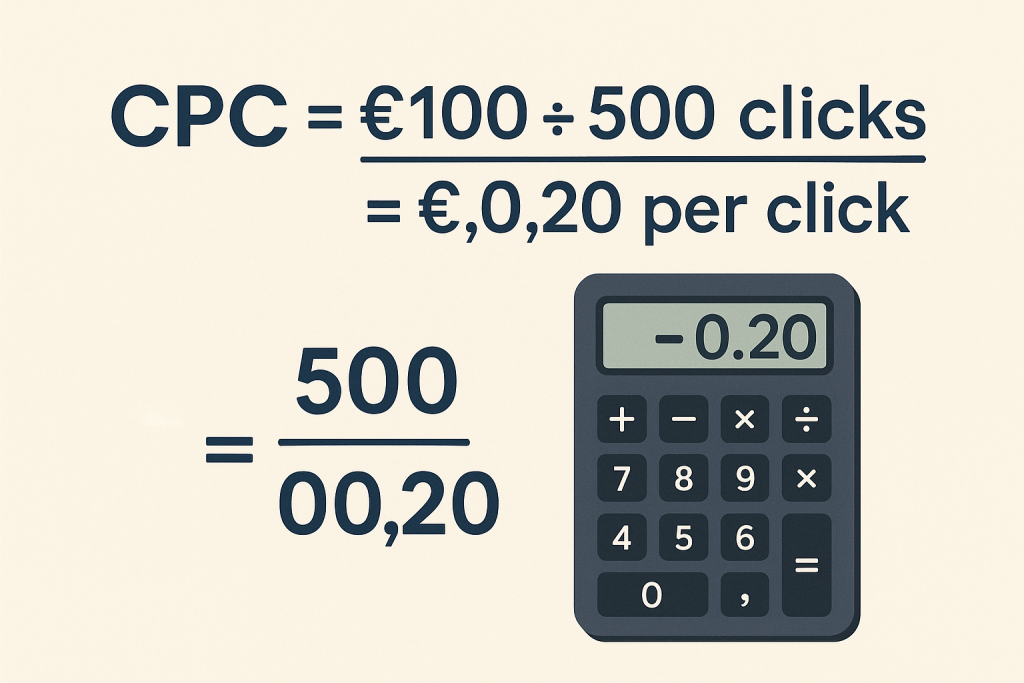
The formula for calculating CPC is straightforward:
CPC = Total Advertising Cost / Total Number of Clicks
For example, if you spend £100 on a campaign and receive 500 clicks, your price per click would be £0.20.
This simple calculation is key to measuring the efficiency of a campaign. If you can lower your CPC while still maintaining or increasing the number of clicks, your campaign becomes more cost-effective, giving you a higher return on investment (ROI).
Real-life Example:
Imagine running a PPC campaign with a £1,000 budget. If you receive 2,500 clicks on your ads, the CPC would be:
CPC = 1000 / 2500 = 0.40
In this case, the cost per click is £0.40, and by adjusting your strategy, you may be able to reduce this cost while maintaining traffic.
Why Is CPC Important for Your Business?
CPC is crucial because it directly impacts the success of an online ad campaign. Here are some reasons why:
Performance Measurement: A low CPC combined with high click-through rates (CTR) suggests a well-optimised ad campaign.
Budget Control: CPC gives advertisers control over their budgets by allowing them to set maximum bids and daily limits.
Strategic Adjustments: Understanding CPC helps businesses adjust their advertising strategies, optimise bids, and improve their ad quality, leading to better campaign performance.
What Factors Affect Cost Per Click?
Several factors determine the final CPC you pay:
Ad Rank: A higher Ad Rank lowers your CPC. You can improve your Ad Rank by increasing your bid or improving your ad quality.
Competition: The more competition there is for a keyword, the higher the CPC will be.
Ad Relevance and Quality Score: Ads with a high Quality Score generally have a lower CPC, as platforms like Google reward relevance and quality.
How Can You Lower Your CPC?
Lowering your CPC can significantly improve the ROI of your advertising campaigns. Here are a few expert strategies:
Improve Ad Quality: Focus on creating ads that are relevant to your audience, as this will boost your Quality Score.
Use Long-Tail Keywords: These are less competitive and often cheaper.
Optimise Landing Pages: Ensure your landing pages are aligned with your ads, as this helps improve conversion rates and ad relevance.
By implementing these strategies, you can drive more traffic at a lower cost, making your campaigns more efficient. Learn more about how we can help by visiting our page on PPC Management Services.
CPC vs. CPM: What’s the Difference?
While CPC focuses on paying per click, Cost Per Mille (CPM) charges advertisers based on the number of impressions their ads receive, typically per 1,000 views.
Feature
Cost Per Click (CPC)
Cost Per Mille (CPM)
Payment Basis
Pay per click
Pay per 1,000 impressions
Focus
Driving conversions
Brand exposure
Best for
Direct interaction with ads
Building brand awareness
Cost Variation
Varies with competition
Generally fixed
CPC is ideal when the goal is to drive conversions, while CPM is better for brand awareness campaigns where ad visibility is the primary concern.
How Does CPC Work in Online Advertising?
The concept of CPC revolves around an auction system. On platforms like Google Ads, advertisers bid on keywords. The highest bidder doesn’t always win the top spot, however. Here’s what affects CPC:
Ad Rank: This is a combination of your bid and the Quality Score (a measure of how relevant and useful your ad is to users).
Competition: More advertisers bidding for the same keywords increases the CPC.
Relevance: The more relevant your ad is to a search query, the lower your CPC may be.
CPC in Google Ads: What You Need to Know
Google Ads operates a real-time auction system, where advertisers bid on keywords. However, the actual CPC you pay is often lower than your maximum bid, thanks to the Ad Rank system. The platform also uses a Quality Score to determine how relevant and effective your ad is, which directly impacts your price per click.
For more detailed insights on how CPC works in Google Ads, check out our guide on Google Advertising Services by Seek Marketing Partners.
Benefits of Monitoring Your CPC Regularly
Keeping an eye on your CPC over time allows you to:
Identify Campaign Efficiency: A falling CPC usually indicates that your ads are becoming more efficient.
Make Data-Driven Decisions: Adjust bids, change keywords, or optimise ad copy based on CPC trends.
Improve ROI: Lowering CPC while maintaining or increasing clicks helps improve your overall return on investment.
CPC and PPC Management Services: Seek Marketing Partners
By understanding cost per click (CPC), businesses can better manage their online advertising efforts and make informed decisions that drive more effective results.
At Seek Marketing Partners, we specialise in helping businesses manage their pay-per-click campaigns, optimising for cost per click to ensure better results. Whether you’re running Google Ads, Facebook Ads, or another platform, we can help lower your CPC while driving targeted traffic.
You can explore our services on our PPC services page, or get in touch with us to learn how we can help you!
FAQs About Cost Per Click
Q: What’s a good CPC for my business?
A: A “good” CPC varies by industry, but the goal is to keep it as low as possible while still driving traffic that converts.
Q: How can I lower my CPC on Google Ads?
A: Improve your ad quality, target long-tail keywords, and focus on highly relevant ads to boost your Quality Score.
Q: How is CPC different from CPM?
A: CPC charges for clicks, while CPM charges for impressions, typically per 1,000 views.
Q: Why is CPC important in PPC advertising?
A: It helps measure campaign efficiency, manage budgets, and allows strategic adjustments to improve ROI.