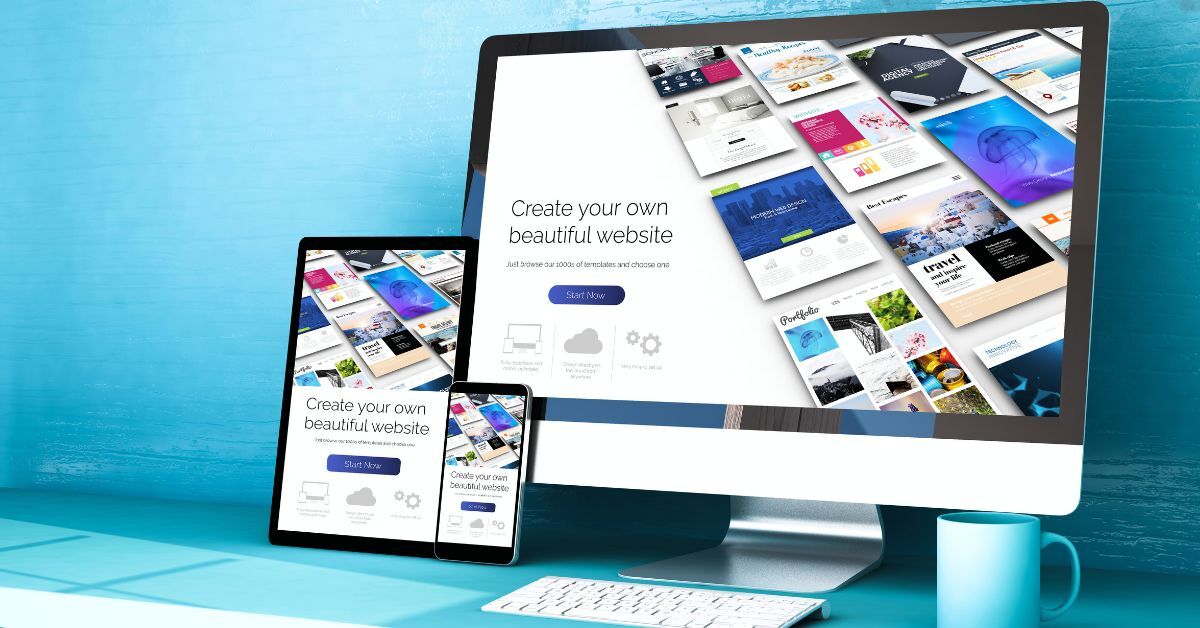
Pay-per-click advertising is one of the fastest and most controllable ways to generate high-intent traffic, leads, and revenue – but only when campaigns are built to convert, not just attract clicks.
While many marketers invest heavily in keywords, bidding strategies, and ad creatives, they often overlook the most important element of PPC success, the landing page. A well-optimised landing page can be the difference between a profitable campaign and wasted ad spend.
Optimising landing pages is not just about design or copywriting; it’s about understanding user intent and delivering a seamless experience that encourages visitors to take action. When done correctly, it improves conversion rates, lowers cost per acquisition, and increases overall return on investment.
In this article, we will explore proven landing page optimisation strategies for high-converting PPC campaigns and highlight how marketing tools can play a critical role in achieving consistent results.
The Role of Landing Pages in PPC Campaign Performance
A landing page is the first real interaction a user has with your brand after clicking on a paid ad. Unlike a homepage or blog page, a PPC landing page is designed with a single, focused goal: conversion. Whether that conversion is a form submission, a purchase, or a demo request, everything on the page should guide the visitor toward that action.
Search engines like Google evaluate landing page quality as part of their ad ranking system. A highly relevant and user-friendly page leads to a better Quality Score, which reduces cost per click and improves ad visibility. This means landing page optimisation does not just increase conversions; it directly affects how much you pay for every click.
Aligning Landing Page Content With User Intent
One of the most important aspects of a high-converting landing page is message alignment. When users click on an ad, they expect the landing page to immediately reflect what was promised. If there is a disconnect between the ad copy and the landing page content, users lose trust and leave.
For example, if your ad highlights home remodelling services, your landing page should continue that narrative. The headline, subheading, and body content must reinforce the same value proposition. This continuity reassures users that they are in the right place and increases the likelihood of conversion.
Writing Headlines That Capture Attention and Drive Action
The headline is the most influential element on a PPC landing page. Visitors decide within seconds whether they will stay or leave, and the headline plays a major role in that decision. A strong headline focuses on benefits rather than features and speaks directly to the visitor’s pain points or goals.
Instead of generic statements, effective headlines clearly communicate value. They explain what the user will gain and why they should care. When supported by a compelling subheadline, the message becomes even more persuasive and keeps users engaged long enough to explore the page further.
Creating a Seamless User Experience Through Design
Landing page design should support clarity, not distract from it. Clean layouts, sufficient white space, and logical content flow help visitors process information easily. Visual hierarchy is essential; key messages and calls-to-action should stand out immediately without overwhelming the user.
Colours, fonts, and imagery should remain consistent with your brand while also enhancing readability. Images and visuals should support the message rather than serve as decoration. For PPC campaigns, simplicity often outperforms complexity because users are goal-oriented and impatient.
Optimising Page Speed for Better Conversions
Page speed is a critical factor in both user experience and PPC performance. Slow-loading pages frustrate users and lead to higher bounce rates, especially on mobile devices. Even a delay of one or two seconds can significantly reduce conversion rates.
Using tools to analyse page speed, identify heavy scripts, and optimise images can dramatically improve load times. Faster pages not only convert better but also contribute to higher Quality Scores, ultimately lowering advertising costs.
Designing Landing Pages With a Mobile-First Approach
With the majority of paid traffic now coming from mobile devices, optimising landing pages for mobile is no longer optional. A landing page that looks great on desktop but performs poorly on mobile will struggle to convert.
Mobile-first design focuses on simplicity, fast load times, and easy navigation. Short paragraphs, clear headings, and prominent call-to-action buttons make it easier for users to interact with your page on smaller screens. Forms should be concise, and buttons should be large enough to tap comfortably without zooming.
Reducing Friction to Increase Conversion Rates
Every extra step or unnecessary element on a landing page introduces friction. High-converting PPC landing pages remove obstacles and make it easy for users to take action. This is especially important for lead generation campaigns, where long or complex forms often discourage submissions.
Reducing the number of required fields, clearly explaining what happens after submission, and reassuring users about privacy can significantly improve conversion rates. When visitors feel confident and informed, they are more likely to complete the desired action.
Building Trust With Social Proof and Credibility Signals
Trust is essential, especially for users encountering your brand for the first time through PPC ads. Including testimonials, reviews, client logos, and certifications helps establish credibility and reduces hesitation.
For businesses offering services such as home remodelling, showcasing real portfolio images with testimonials on the landing pages will increase credibility. Trust signals should be placed strategically near call-to-action sections to reinforce decision-making at critical moments.
Using AI and Automation to Improve Landing Page Performance
AI-driven tools are transforming how marketers approach landing page optimisation. With the AI writing tools, businesses can generate persuasive copy, test multiple headline variations, and maintain consistent messaging across campaigns.
AI tools help speed up content creation and A/B testing without sacrificing quality. When combined with human strategy and data-driven insights, AI becomes a powerful asset for continuous optimisation.
Integrating PPC Landing Pages With Long-Term SEO Strategy
Although PPC campaigns focus on immediate results, landing pages can also support long-term organic growth. High-performing landing pages often contain valuable insights into user behaviour, keyword intent, and conversion triggers.
By leveraging data from paid campaigns and applying it to organic strategies, marketers can improve overall performance. Many businesses partner with expert teams across established SEO outsourcing hubs, including India, to manage both PPC and SEO efficiently while maintaining consistent messaging and brand standards.
Continuous Testing and Optimisation for Sustainable Results
Landing page optimisation is not a one-time task. Consumer behaviour, competition, and market trends constantly evolve. Regular testing of headlines, layouts, CTAs, and messaging ensures your landing pages continue to perform at a high level.
Even small improvements, when compounded over time, can lead to significant gains in conversion rates and cost efficiency. Successful PPC campaigns rely on consistent monitoring, testing, and refinement.
Final Thoughts on Landing Page Optimisation
Landing page optimisation is the foundation of any successful PPC campaign. Without it, even the most well-funded advertising efforts will struggle to deliver meaningful results. By aligning messaging with user intent, improving page speed, optimising for mobile, and leveraging advanced tools, businesses can turn paid clicks into measurable outcomes.