Category: PPC Strategy & Scaling

  • PPC Agency vs Freelancer: Which Should You Choose?

    PPC Agency vs Freelancer: Which Should You Choose?

    When you’re spending real money on Google Ads every month, choosing who manages the account matters.

    The question isn’t simply whether a PPC agency vs freelancers will cost less. It’s whether the person or team managing your campaigns has the experience, time and resources to make good decisions with your advertising budget.

    A freelancer can be a good fit for a focused PPC account. An agency may make more sense when you have larger budgets, multiple campaigns or wider digital marketing requirements.

    The right choice starts with understanding what your account actually needs.

    Start With Your PPC Account

    Before comparing suppliers, look at the account itself. How much are you spending? How many campaigns are running? Are you targeting one market or several? Do you have multiple products, services or brands? How important is accurate conversion tracking?

    These factors affect how much management your account needs. A relatively straightforward account may not require a large team. As your campaigns become more complicated, however, there can be more work involved in monitoring performance, managing budgets, testing ads and making sure the data you’re using is reliable.

    What Does a PPC Freelancer Bring?

    A freelancer gives you direct access to one person responsible for the work. That can work well when your requirements are clearly defined and the account doesn’t need significant resources behind it.

    You might use a freelancer for:

    • Ongoing management of a focused Google Ads account
    • Campaign setup and optimisation
    • An account audit
    • Specialist PPC advice
    • Support alongside an internal marketing team

    There can be a real advantage to having one person who knows the account well. Communication is usually straightforward, and you know who is responsible for making changes.

    The limitation is capacity. If your requirements expand or you need additional expertise, everything depends on what that individual can reasonably take on.

    Where an Agency Can Add More Resources

    An agency can give you access to a wider team rather than relying on one individual. That can become useful when your PPC operation involves multiple campaigns, brands, markets or larger budgets.

    More resources can also matter when PPC overlaps with other areas of marketing. For example, a campaign that isn’t converting might not have a PPC problem at all. The issue could be inaccurate conversion tracking, a landing page that isn’t performing or a wider problem with the search strategy.

    Having access to people with different areas of expertise can make it easier to investigate those problems. That doesn’t automatically make an agency the right choice. It simply means the structure can provide more resources when the account requires them.

    Google Ads Freelancer vs Agency: What Actually Matters?

    When comparing a Google Ads freelancer vs an agency, don’t focus too heavily on the label. Look at who will actually manage your account and how they work.

    You should ask:

    • Who is responsible for the account day-to-day?
    • How often is it reviewed?
    • Who checks search terms and wasted spend?
    • Who handles conversion tracking?
    • What happens if performance drops?
    • Who reviews the work?
    • Can they support the account if it becomes more complex?

    A strong freelancer may have extensive PPC experience. An agency may have several specialists available. The important thing is whether the setup gives your business the level of attention and expertise it needs.

    Your Advertising Budget Also Matters

    One of the biggest differences between PPC and many other marketing services is that you’re managing an actual advertising budget.

    The person responsible for your account may be deciding:

    • Which campaigns receive more budget
    • Which keywords should be paused
    • Where bids should change
    • Which searches are irrelevant
    • Which ads should continue running
    • When a campaign is ready to scale

    That makes account management more than simply creating adverts. You need someone who understands what the data is telling them and can connect those decisions to the commercial goals of the business.

    Don’t Judge PPC by Clicks Alone

    PPC produces plenty of numbers: impressions, clicks, CPC, CTR and conversions. But clicks aren’t the end goal.

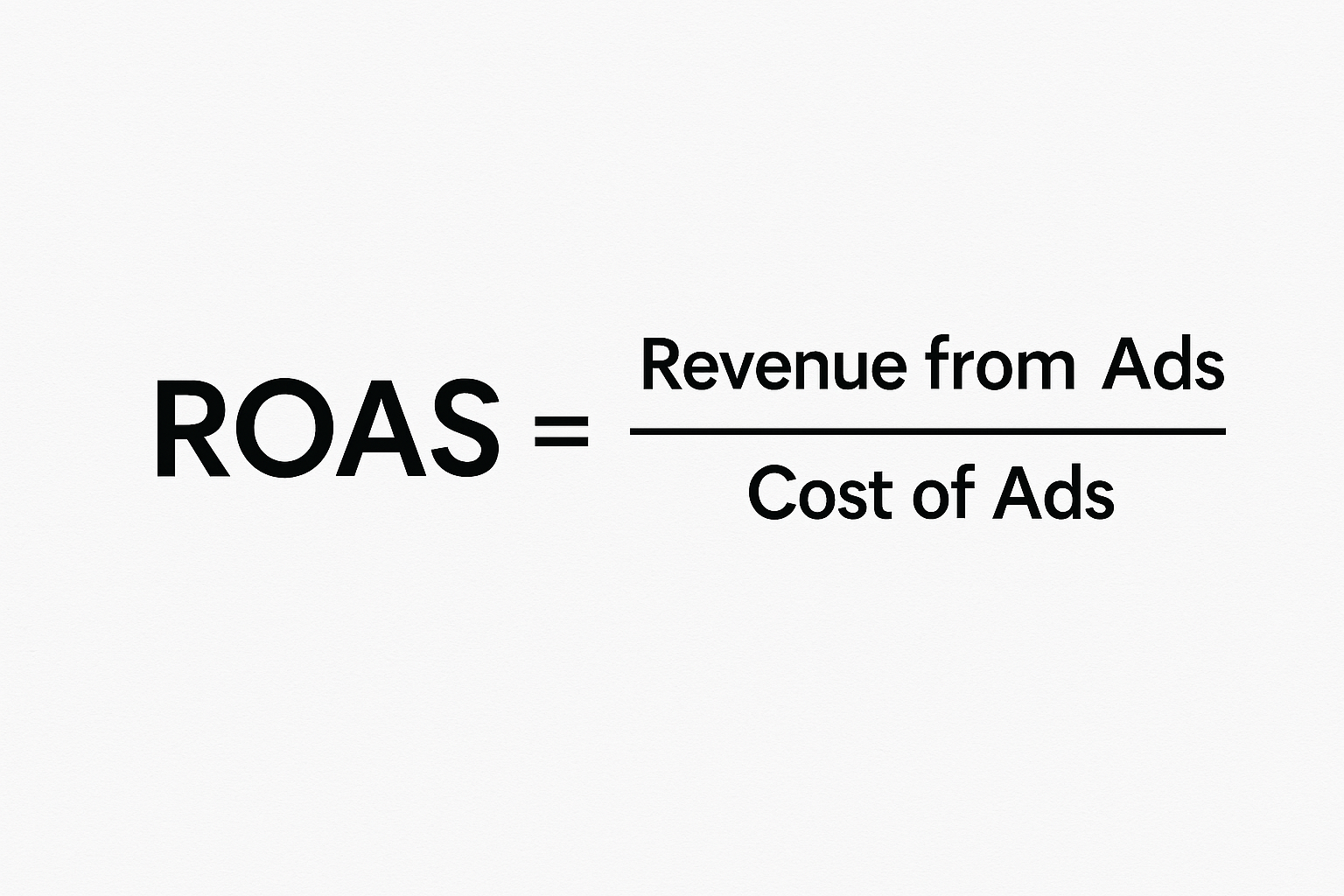
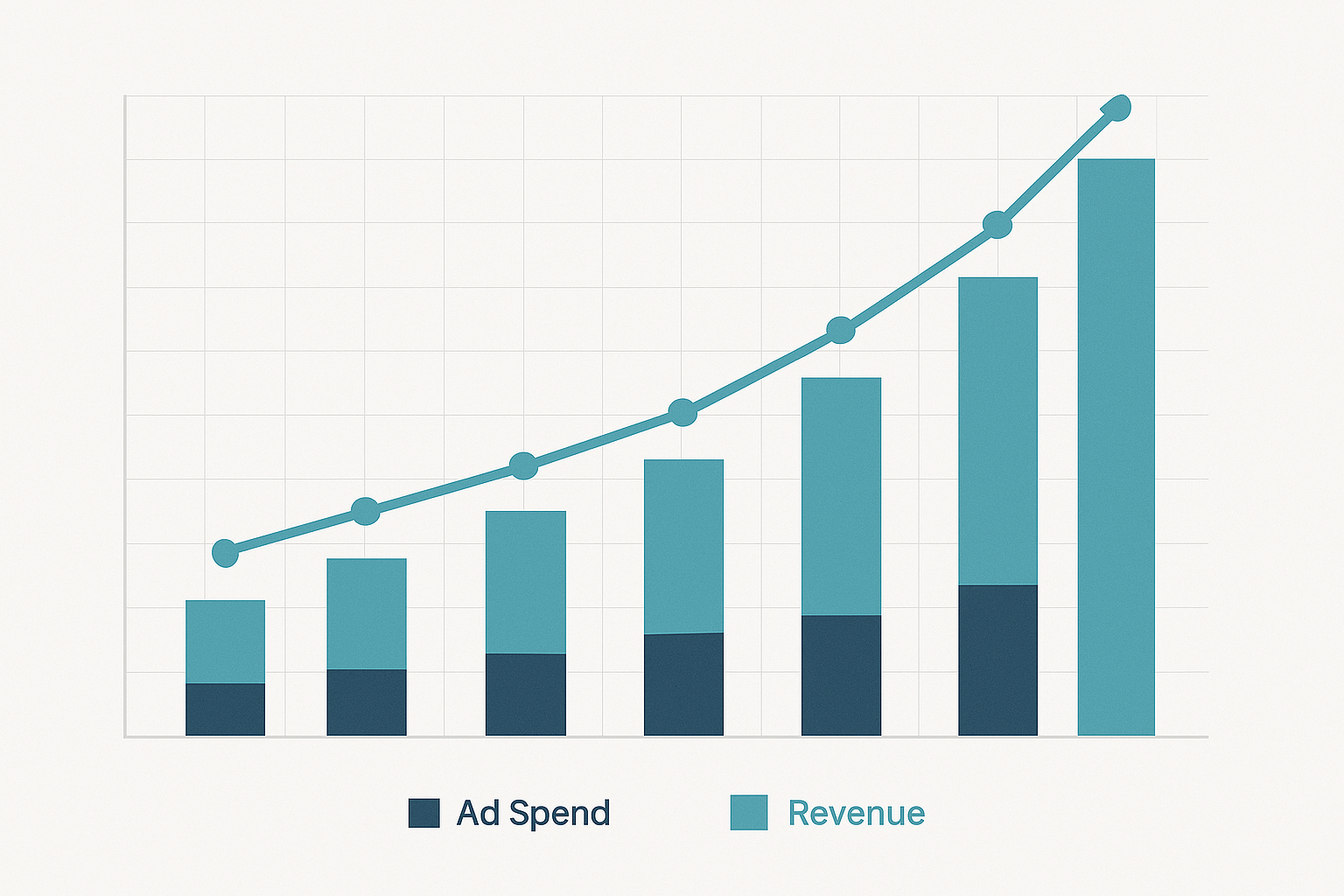
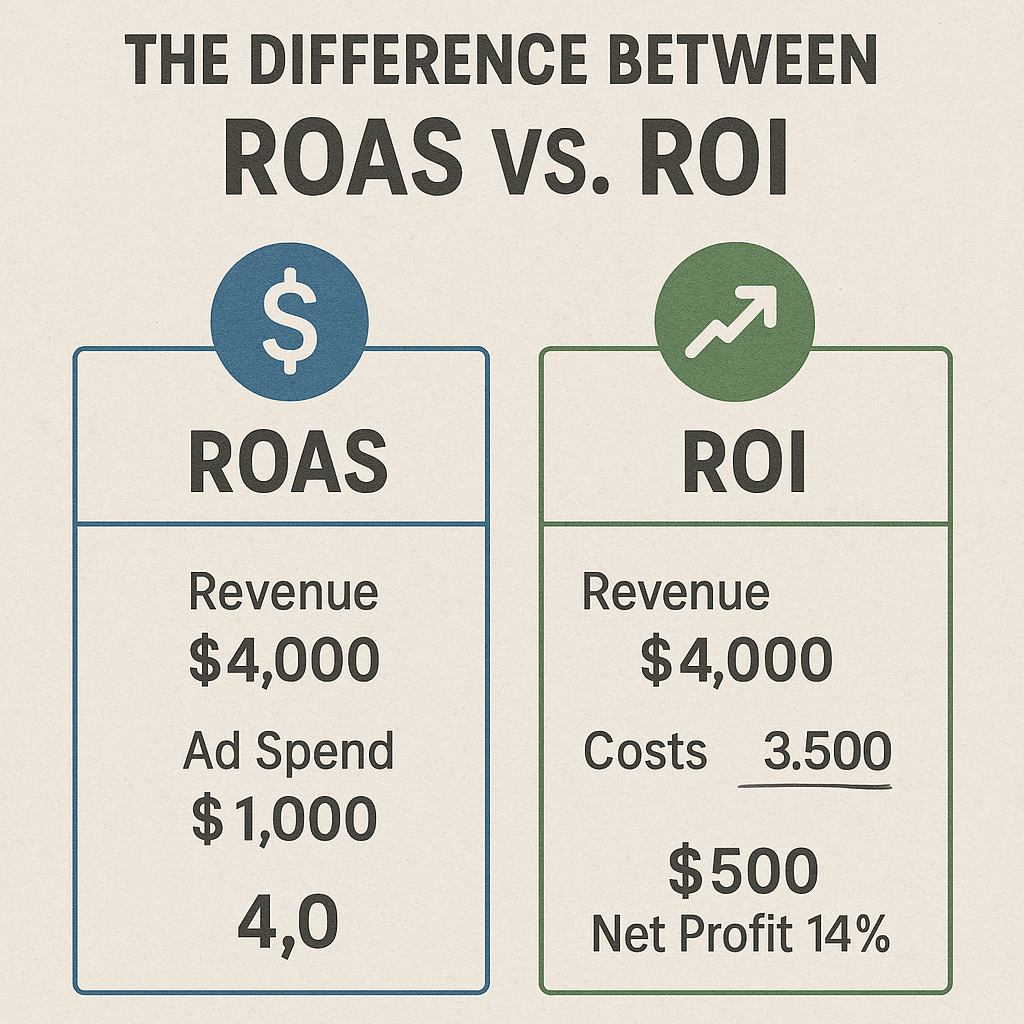
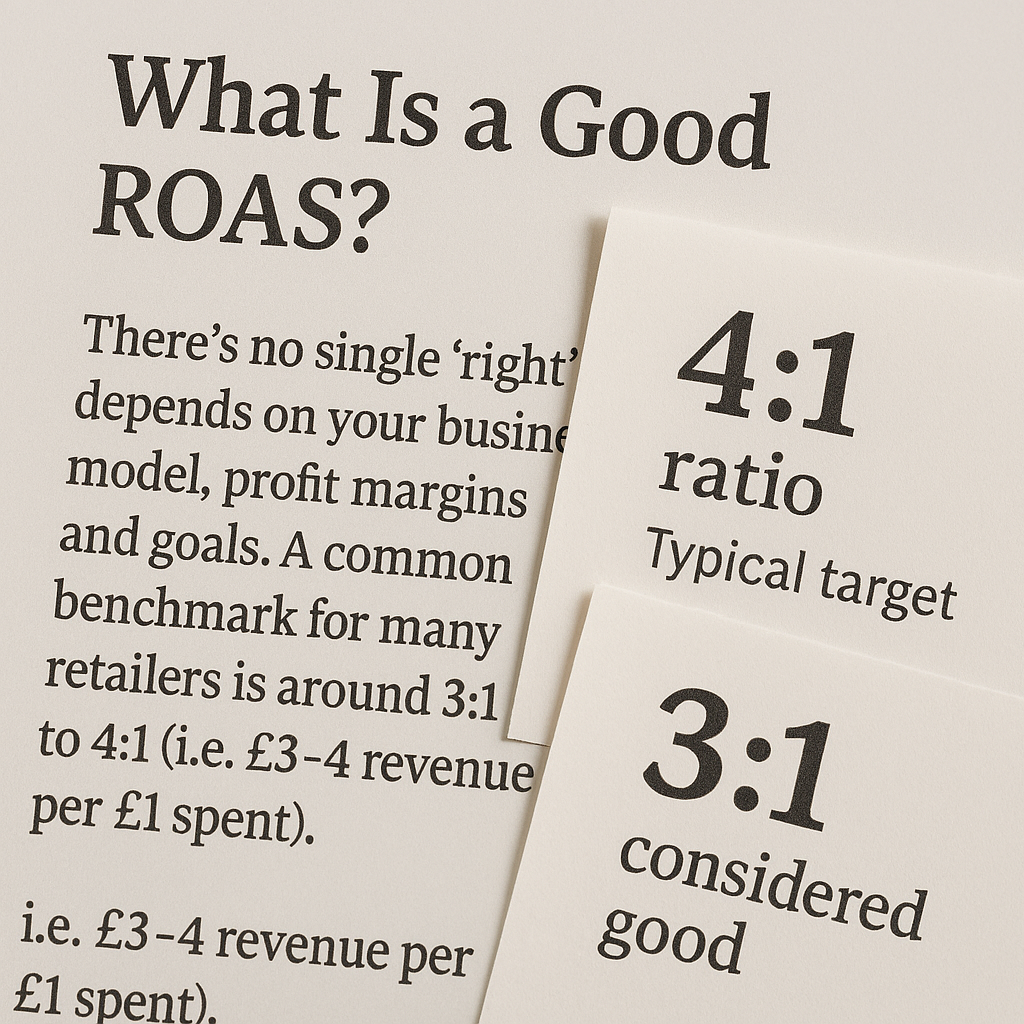
    Depending on your business, the more useful measures may include qualified enquiries, sales, revenue, cost per acquisition or return on ad spend.

    If you’re generating hundreds of clicks but very few valuable enquiries, a high click-through rate isn’t going to solve the problem. This is also why conversion tracking matters. If the data is inaccurate, you could make decisions based on a misleading picture of performance.

    A good PPC setup should make it possible to understand what your advertising is actually producing.

    PPC Consultant vs Agency: Which Do You Need?

    There is another option to consider. If you already have an internal marketing team, you may not need someone to take over your entire PPC operation. You might need a specialist to review the account, identify problems or provide strategic direction.

    That’s where the distinction between a PPC consultant vs an agency becomes useful. A consultant might help with:

    • Account audits
    • PPC strategy
    • Campaign planning
    • Tracking and measurement
    • Troubleshooting
    • Advice for an internal team

    An agency can provide this type of strategic input alongside ongoing campaign management. The right option depends on how much of the work you want to keep in-house.

    What Should You Ask Before Choosing?

    Before handing over your Google Ads account, ask questions that relate directly to the work.

    • How do you identify wasted spend? You should understand how irrelevant searches, poor-performing keywords and inefficient campaigns are dealt with.
    • How is conversion tracking handled? Make sure you know what counts as a conversion and how those conversions are measured.
    • How often is the account optimised? Find out what ongoing management actually involves rather than assuming “management” means the same thing for every supplier.
    • What happens when performance drops? You want to know how problems are identified and investigated.
    • Who will manage my account? Know who you’ll be dealing with and how much experience they have with accounts like yours.
    • Can you support the account as it grows? Your PPC requirements may change. Make sure the supplier can handle that without the account becoming stretched.

    PPC Agency vs Freelancer: Which Should You Choose?

    A PPC freelancer can be a sensible choice when you have a focused account and want direct access to one specialist. An agency can be useful when your advertising operation needs more resources, broader expertise or support across multiple areas.

    But the decision shouldn’t come down to the label alone. 

    Look at your advertising budget, the complexity of the account, the level of reporting and tracking you need, and what you expect PPC to achieve for the business. Then choose the setup that matches those requirements.

    How Seek Marketing Partners Approaches PPC

    At Seek Marketing Partners, PPC is treated as part of the wider digital marketing picture. The focus is not simply on generating clicks. We look at what campaigns are producing, where performance can be improved and how paid search fits into the wider marketing strategy.

    Frequently Asked Questions

    PPC agency services can include campaign strategy, Google Ads management, keyword and search-term analysis, ad testing, optimisation, conversion tracking, reporting and performance analysis.

    Not necessarily. Fees vary according to the scope of work and level of support required. Compare what you’re actually getting for the fee rather than looking at the monthly cost alone.

    Yes. Some freelancers manage substantial Google Ads accounts. The important consideration is whether they have the experience and capacity required for your particular account.

    Look at who will manage the account, how performance is measured, how conversion tracking is handled, how often the account is optimised and whether the agency understands the commercial goals behind your advertising.

    The right metrics depend on the business, but PPC performance should ultimately be connected to the commercial outcome you’re paying for, such as qualified enquiries, sales or revenue.

  • How Much Does PPC Management Cost?

    How Much Does PPC Management Cost?

    PPC management cost depends on how much work your campaigns need, how much you’re spending on ads and what you expect your agency to handle.

    Some businesses only need basic campaign management. Others need ongoing strategy, Google Ads management, landing page input, conversion tracking, reporting and regular optimisation across multiple campaigns.

    So when comparing PPC pricing, don’t look at the management fee on its own. Look at what you’re actually getting for it.

    What Does PPC Management Cost?

    There isn’t one standard PPC management cost that applies to every business. An agency may charge a fixed monthly fee, a percentage of ad spend, or structure its pricing around the scope of work involved. The right model depends on the size and complexity of the account.

    Your costs can be influenced by:

    • Monthly advertising spend
    • Number of campaigns and ad groups
    • Number of products, services or locations being targeted
    • Google Ads account complexity
    • Campaign setup and restructuring requirements
    • Conversion tracking and analytics
    • Reporting requirements
    • Ongoing testing and optimisation
    • The level of strategic input you need

    For larger organisations, the management requirements can be considerably different from those of a small business running a handful of campaigns. That’s why comparing agencies purely on the monthly fee can give you the wrong picture.

    What Does a Google Ads Management Fee Include?

    A Google Ads management fee should reflect the work required to manage and improve your campaigns. Depending on the agency and package, this may include:

    • Campaign setup and account structure
    • Keyword and search term analysis
    • Ad copy management
    • Bid and budget management
    • Audience targeting
    • Conversion tracking
    • Campaign testing
    • Ongoing optimisation
    • Performance reporting
    • PPC strategy and recommendations

    The important question is simple: What does the agency actually do each month for the fee you’re paying?

    A lower management fee isn’t necessarily better value if you’re getting very little strategic or hands-on support. Likewise, a higher fee needs to be justified by the level of work, expertise and accountability involved. 

    If you’re looking for hands-on support with your campaigns, see our Google Ads management services to find out how SMP can help. 

    PPC Management Fee vs Ad Spend

    There are two costs to keep separate when looking at PPC:

    1. Your advertising budget: The money paid to Google or another advertising platform to show your ads.
    2. Your PPC management fee: The amount paid to your agency for managing the campaigns.

    These are separate costs. For example, a business could have a substantial monthly budget for Google Ads while paying an agency separately to manage the account. Understanding this distinction makes it much easier to compare PPC proposals.

    What Affects PPC Pricing?

    Account size

    A larger account with more campaigns, products, locations or audiences can require considerably more management.

    Campaign complexity

    A straightforward search campaign is different from a multi-campaign account involving different services, audiences, locations and conversion goals.

    Advertising spend

    Some agencies calculate their fee partly around ad spend. As your advertising budget increases, the amount of management required may also increase.

    Strategy and optimisation

    There’s a difference between checking an account and actively working on it. Regular search-term reviews, testing, bid adjustments, budget changes and campaign improvements all require ongoing attention.

    Tracking and reporting

    If you need detailed conversion tracking, analytics and reporting, that needs to be factored into the scope of the work. For businesses where PPC represents a significant source of leads or revenue, these details matter.

    What Is a Typical PPC Retainer Cost?

    A PPC retainer cost depends on the scope of the account and the level of management required.

    Before comparing monthly retainers, ask:

    • What work is included?
    • How often will campaigns be reviewed?
    • Who is responsible for strategy?
    • What reporting will you receive?
    • Is conversion tracking included?
    • Does the agency actively test and optimise campaigns?
    • Can the agency work with your wider marketing team?
    • What happens as your campaigns grow?

    This gives you a much clearer basis for comparing proposals than looking at the monthly figure alone.

    Should You Manage PPC In-House or Use an Agency?

    For some businesses, managing PPC internally may make sense. For others, the time and expertise required can make agency support more practical. The decision usually comes down to the resources you already have.

    In-house management may suit you if you have:

    • An experienced PPC specialist
    • Enough time for ongoing account management
    • Someone responsible for strategy and optimisation
    • The ability to manage tracking and reporting

    Agency management may make sense if you need:

    • Specialist PPC expertise
    • Additional strategic support
    • Ongoing campaign optimisation
    • More advanced tracking and reporting
    • Support across multiple campaigns or markets
    • A team rather than relying on one internal specialist

    The important thing is to match the management model to the size and requirements of your PPC activity. If you’re considering agency support, see how our PPC services can help you manage and improve your campaigns. 

    What Should You Look for in a PPC Management Package?

    Price should be one part of the decision. Look at the scope, reporting, strategy and level of involvement included in the package.

    You should be able to understand:

    • What you’re paying for. The agency should clearly explain the work covered by its fee.
    • What success looks like. Your campaigns should have clear goals and meaningful performance measures.
    • How the account will be managed. You should know how often campaigns are reviewed and what optimisation involves.
    • What happens as your needs change. Your PPC requirements may change as you add services, locations, products or markets.

    For larger businesses, transparency becomes even more important when PPC spend and account complexity increase.

    How Does SMP Measure PPC Success?

    PPC performance shouldn’t be judged by clicks alone. The useful question is whether your campaigns are contributing to the business outcomes you’re paying for.

    Depending on your goals, that can include:

    • Qualified leads
    • Conversion volume
    • Cost per lead
    • Conversion rate
    • Revenue
    • Return on ad spend
    • Campaign and keyword performance

    The right metrics depend on what you’re trying to achieve.

    SMP’s approach is built around understanding the marketing problem first, then using the data to determine what needs attention. That fits the wider focus of the business: results, analytics and specialised content rather than simply selling support.

    Frequently Asked Questions

    Yes. Your PPC management fee pays for the agency’s work, while your advertising budget is paid to the advertising platform.

    Agencies can use different pricing models, including fixed monthly fees, percentage-of-spend models or pricing based on the scope of work.

    This varies by agency. It can include campaign management, optimisation, keyword research, ad management, tracking, reporting and strategic recommendations.

    The fee alone doesn’t tell you whether a service is suitable. Compare the work included, level of expertise, reporting, strategic input and expected requirements of your account.

    There isn’t a single figure that suits every business. Your management requirements depend on factors such as account size, campaign complexity, advertising spend and the level of support you need.

  • SEO vs PPC for B2B Lead Generation: Which Is Better?

    SEO vs PPC for B2B Lead Generation: Which Is Better?

    For a B2B company, choosing where to put your search budget can be difficult. SEO can take time to build, while PPC can start generating visits much sooner. Both can contribute to lead generation, but they do so in different ways.

    That makes SEO vs PPC for B2B less about picking a universal winner and more about understanding which channel fits your business, sales cycle and goals.

    If your company needs enquiries now, PPC may have the edge. If you want to build organic visibility that continues to support your website over time, SEO may be the better investment. In many cases, using both gives you the strongest coverage.

    SEO vs PPC for B2B: What’s the Difference?

    SEO and PPC both target people using search engines, but they operate differently.

    • SEO focuses on improving your website so its pages appear in organic search results. This can involve technical SEO, content, internal linking, page optimisation and other work that helps relevant pages perform for valuable searches.
    • PPC, or pay-per-click advertising, puts paid adverts in front of people searching for selected terms. You pay when someone clicks an advert, with campaign performance influenced by factors such as the search term, competition, advert and landing page.

    The difference matters for B2B companies because search behaviour is often closely tied to the buying process.

    Someone looking for a solution may first search for general information, then compare providers, check case studies and return several times before contacting a supplier. SEO and PPC can reach that person at different points.

    SEO for B2B: Building Organic Visibility

    SEO is a strong option for B2B companies that have consistent search demand around their services, products or areas of expertise.

    A potential customer might search for a specific service, compare different approaches or look for information about a problem they need to solve. Each search creates an opportunity for a relevant page to appear.

    A well-planned SEO strategy can cover those different searches rather than relying on a single commercial page.

    Why B2B companies invest in SEO

    Organic search can support a website long after an individual piece of work is completed. A page that earns strong rankings can continue attracting relevant visitors without a direct advertising cost for every visit.

    SEO can also help establish visibility across a wider set of searches. Service pages can target commercial terms, while supporting content can answer questions that arise earlier in the buying process.

    This is particularly useful for B2B companies with longer sales cycles. Prospects often need more information before they are ready to speak to a sales team, so having useful pages available during that research can make a difference.

    The trade-off is time. Competitive search terms can take months to gain traction, and results depend on the strength of the website, the market and the quality of the SEO work. SEO therefore tends to suit businesses prepared to invest in search as an ongoing acquisition channel.

    PPC for B2B: Getting in Front of Searchers Faster

    PPC gives B2B companies a more immediate way to appear for relevant searches.

    Once a campaign is live, adverts can appear for selected keywords and send potential customers to a dedicated landing page or relevant service page. That makes PPC useful when a company needs visibility before its organic rankings are strong enough to generate consistent traffic.

    PPC can be particularly useful when a business:

    • Is launching a new service
    • Is entering a new market
    • Needs enquiries within a shorter timeframe
    • Wants to test demand for particular search terms
    • Has a defined advertising budget
    • Wants control over which searches trigger its adverts

    There is also a useful feedback loop. PPC campaigns can show which search terms attract clicks and enquiries, giving marketers data that can inform wider search activity.

    The downside is straightforward: paid traffic depends on continued advertising spend. When the campaign stops, the associated traffic stops with it. That makes lead quality and cost per lead more important than simply counting clicks.

    SEO or PPC: Which Should You Prioritise?

    Start with what the company needs from search.

    If the immediate priority is generating enquiries for a specific service, PPC can provide a faster route to potential customers. If the goal is to improve organic rankings and build a stronger search presence over the longer term, SEO deserves greater attention.

    Your current website position should also influence the decision.

    A business already ranking on page one for commercially useful searches may benefit from improving those rankings and expanding into related terms. A business with little organic visibility may use PPC to generate demand while its SEO work gets underway.

    Budget matters too. PPC requires ongoing media spend, while SEO requires continued investment in strategy, technical work and content.

    The sales cycle is another consideration. A business selling a high-value B2B service may need several interactions before a prospect becomes a customer. In that situation, the ability to build visibility across informational and commercial searches can make SEO particularly useful.

    B2B Lead Generation Channels: Where Search Fits

    Search is only one of the available B2B lead generation channels, but it has a useful advantage: it can reach people who are actively looking for something.

    That intent makes search particularly relevant to businesses selling specialist services, complex products or high-value solutions.

    SEO can help a company appear when prospects are researching a problem or comparing options. PPC can put a specific offer or service in front of people searching for relevant commercial terms.

    Neither channel guarantees a lead.

    Once someone reaches the website, the next question is whether the page gives them enough reason to continue.

    A B2B service page needs to explain what the company does, who it works with, what problems it solves and why a prospect should consider it. Case studies and proof can then help support the decision.

    This is why search strategy and website performance need to be considered together.

    Organic vs Paid Search for B2B: What Should You Measure?

    When comparing organic vs paid search for B2B, traffic alone is a poor measure of success.

    A website might receive thousands of additional visits without generating better leads. A smaller campaign could produce fewer visits but considerably more relevant enquiries.

    For SEO, useful measures include:

    • Organic impressions and clicks
    • Rankings for commercially relevant terms
    • Organic traffic to target pages
    • Conversion rates
    • Enquiries generated
    • Lead quality
    • Assisted conversions

    For PPC, useful measures include:

    • Click-through rate
    • Cost per click
    • Conversion rate
    • Cost per lead
    • Lead quality
    • Enquiries generated
    • Sales or opportunities influenced by campaigns

    The exact measures should match the business objective. If the goal is to generate qualified B2B enquiries, reporting should not stop when someone clicks an advert or visits an organic page. The more useful question is what happened afterwards.

    When Should a B2B Company Use Both?

    For many established businesses, the strongest approach is not choosing between SEO and PPC. The two channels can support different needs at the same time.

    PPC can generate visibility for important commercial searches while SEO work develops the site’s organic rankings. SEO can then expand coverage into related searches and support prospects who are still researching their options. There can also be useful overlap in the data.

    PPC can reveal which search terms and messages generate interest. SEO teams can use that information when deciding which areas deserve further attention. Meanwhile, organic search data can reveal topics and commercial terms that may be worth testing through paid campaigns.

    This does not mean every B2B company needs to spend equally on both channels. The balance should reflect search demand, competition, budget and commercial performance.

    How to Decide Where Your Budget Should Go

    A practical SEO vs PPC for B2B decision can start with five questions:

    1. How quickly do you need results?

    If you need visibility for a service immediately, PPC may be the more practical starting point. If you can invest for longer-term growth, SEO may have greater value.

    2. How strong is your current organic visibility?

    A website already ranking for valuable commercial terms has something worth building on. If your site has little visibility, PPC can fill the gap while SEO improvements are underway.

    3. How competitive are your target searches?

    Highly competitive organic terms can take considerable work to rank for. PPC may provide another route to those searches, although costs can be high where advertiser competition is strong.

    4. What does a qualified lead mean to your business?

    A click is only useful if it has a realistic chance of becoming a worthwhile enquiry. Your search strategy should therefore be tied to lead quality, sales opportunities and revenue where that data is available.

    5. Can your website convert the traffic you generate?

    More search traffic will not fix a weak website.  Before increasing SEO or PPC activity, check whether your service pages, landing pages, forms, calls to action and tracking are doing their jobs.

    How Seek Marketing Partners Can Help

    The right choice between SEO and PPC depends on your market, goals and how quickly you need results. Seek Marketing Partners can help you build the right search strategy, whether that means strengthening organic visibility, running targeted PPC campaigns or combining both.

    Ready to turn search into a stronger source of B2B leads? Speak to Seek Marketing Partners about your SEO and PPC requirements.

    Frequently Asked Questions

    Neither channel is automatically better. PPC can be useful when a business needs faster visibility and wants to target specific commercial searches, while SEO is better suited to building organic visibility over time. The right choice depends on factors such as search demand, competition, budget and the B2B sales cycle.

    PPC can start generating traffic once campaigns are live, while SEO generally takes longer because organic rankings need to develop. The timeframe for SEO varies depending on the website, competition and search terms being targeted.

    PPC can generate paid search traffic, but it does not build organic rankings. Once advertising stops, the associated paid traffic also stops. For B2B companies looking to establish a longer-term organic presence, PPC is better viewed as part of the wider search strategy rather than a direct replacement for SEO.

    They can. Using both can give a business paid visibility while its organic presence develops. PPC data can also provide useful information about search terms and messaging, while SEO can expand organic coverage over time.

    Look beyond traffic and clicks. Compare metrics such as conversions, cost per lead, lead quality and sales opportunities. For businesses with longer sales cycles, connecting search activity with downstream sales data can give a much clearer picture of which channel is contributing commercially.

  • Google Ads Audit Checklist: What to Check in 2026

    Google Ads Audit Checklist: What to Check in 2026

    A Google Ads audit checklist provides a structured way to review your account and identify where campaigns may be losing efficiency. It covers areas such as campaign structure, conversion tracking, keywords, ads and landing pages, helping you spot wasted spend, measurement issues, targeting problems and gaps between your campaigns and business goals.

    What Does a Google Ads Audit Checklist Cover?

    A Google Ads audit checklist should cover the main factors that affect account performance, from campaign settings and keyword targeting to conversion tracking, ad relevance and landing page experience.

    A thorough audit can help you identify:

    • Campaigns or ad groups with unclear or inefficient structures
    • Keywords that are generating irrelevant traffic
    • Missing or inaccurate conversion tracking
    • Underperforming ads and assets
    • Landing pages that do not match search intent
    • Overlapping campaigns or keywords competing for similar searches
    • Budgets and bidding strategies that do not reflect performance
    • Opportunities to improve account efficiency and return on ad spend

    The aim is not simply to find problems. It is to understand what is happening in the account and prioritise changes based on business goals and available data.

    Start With Account Structure and Campaign Settings

    Before reviewing individual keywords or ads, look at how the account is structured.

    Check whether campaigns are separated logically based on factors such as products, services, locations or different business objectives. Review campaign and ad group naming conventions, targeting settings, networks, locations, languages and other campaign-level settings.

    You should also check whether the current structure still reflects how the business operates. Campaigns that were created for an earlier strategy may no longer make sense as the account develops.

    Bidding strategies should also form part of your PPC audit checklist. Check whether the strategy being used is appropriate for the campaign’s objectives and whether the available conversion data supports it.

    Review Keywords, Search Terms and Negative Keywords

    Keywords determine which searches can trigger your ads, but the keywords you target are only part of the picture.

    Once the account structure is clear, a Google Ads audit checklist should look at what users are actually searching for. Review the Search Terms report to identify relevant searches, irrelevant queries and new opportunities that could inform your keyword strategy.

    Look for:

    • Keywords with high spend but little or no meaningful conversion activity
    • Broad or loosely relevant terms attracting unsuitable traffic
    • Search terms that should be added as negative keywords
    • New search themes that could support additional targeting
    • Match types that may need reviewing
    • Keywords that have become less relevant to the current offer

    Negative keywords deserve particular attention. A well-maintained negative keyword list can help reduce irrelevant clicks and keep budget focused on searches that are more closely aligned with the business.

    Look for Keyword and Campaign Overlap

    Keyword and campaign overlap can make account management more complicated and may lead to inefficient targeting.

    Check for campaigns or ad groups targeting very similar search terms, particularly when they have different budgets, locations or bidding strategies. Review whether the overlap is intentional and whether each campaign has a clear purpose.

    This is also a useful opportunity to identify duplicate keywords, unnecessary ad groups and areas where the account could be simplified.

    Check Conversion Tracking and Attribution

    An account can appear to perform well when its conversion tracking is inaccurate, incomplete or recording the wrong actions.

    Review which conversions are being tracked and confirm that they still reflect meaningful business outcomes. Depending on the account, this could include enquiries, purchases, calls, form submissions or other valuable actions.

    Check for:

    • Duplicate conversion actions
    • Conversions that are no longer relevant
    • Missing or incorrectly configured tracking
    • Primary and secondary conversion settings
    • Attribution settings
    • Differences between Google Ads and other analytics or CRM data

    If the account is optimising towards unreliable conversion data, campaign decisions may be based on an inaccurate picture of performance.

    Evaluate Ad Copy, Assets and Ad Strength

    Your ads need to match what people are searching for and give them a clear reason to click.

    Review headlines and descriptions for relevance, clarity and alignment with the landing page. Check whether important services, products, benefits or calls to action are represented where appropriate.

    As part of your Google Ads optimisation checklist, review ad performance rather than relying on Ad Strength alone. Look at conversion data, engagement and the relevance of the ad to its target search themes.

    You should also review available assets and extensions to make sure useful information is being presented alongside the main ad.

    Assess Landing Pages and Quality Score

    The landing page is an important part of the journey after someone clicks an ad.

    Check whether each landing page is relevant to the keyword and ad that led the user there. The page should make it easy for visitors to understand the offer and take the intended next step.

    Review:

    • Relevance between keywords, ads and landing pages
    • Page load performance
    • Mobile experience
    • Calls to action
    • Form or checkout usability
    • Content quality and clarity
    • Navigation and distractions
    • Alignment between the ad promise and landing page content

    Quality Score can provide useful diagnostic information, but it should not be treated as the only measure of campaign performance. Consider it alongside actual business results and other account data.

    Review Budgets, Bidding and Performance

    Budget allocation should reflect campaign priorities and performance.

    Review how much is being spent across campaigns and whether budget is being directed towards areas that support the business’s objectives. Look for campaigns that consistently use their full budget, as well as campaigns with limited spend or weak performance.

    As part of your Google Ads optimisation checklist, review performance using several measures rather than focusing on one metric. Depending on the campaign, this could include:

    • Click-through rate (CTR)
    • Conversion rate
    • Cost per conversion
    • Conversion value
    • Return on ad spend (ROAS)
    • Cost per click (CPC)
    • Impression share

    The right measures will depend on what the campaign is designed to achieve. A lead generation campaign, for example, should not be assessed in exactly the same way as an ecommerce campaign.

    How Often Should You Run a Google Ads Audit?

    There is no single schedule that works for every account. The right frequency depends on factors such as account size, spend, campaign activity and how quickly the business changes.

    A full audit may be useful every few months, while smaller checks can be carried out more regularly. You should also consider an audit after major changes, such as launching new campaigns, changing conversion tracking, entering a new market or significantly changing budgets.

    Regular reviews help prevent small issues from becoming expensive problems.

    DIY Google Ads Audit vs Professional Support

    A basic Google Ads audit can be carried out internally if you have the time, account access and knowledge needed to interpret the data.

    However, larger or more complex accounts can take considerable time to review. It can also be difficult to spot issues when you are too close to the account or unfamiliar with the wider PPC strategy.

    A paid search audit can bring those findings together with the wider business objectives, budget allocation and campaign strategy.

    Professional support can also help turn audit findings into a prioritised action plan rather than leaving you with a long list of potential changes.

    What Should You Do After a Google Ads Audit?

    An audit is only useful if the findings lead to action.

    Start by separating issues based on their potential impact and how difficult they are to resolve. Some changes, such as correcting conversion tracking or excluding clearly irrelevant searches, may need immediate attention. Others can be tested and monitored over time.

    Use your Google Ads audit checklist to document:

    • What needs to change
    • Why the change is needed
    • Who is responsible
    • How success will be measured
    • When the change should be reviewed

    If you need broader support across paid search campaigns, our PPC services can help with strategy, campaign management and ongoing optimisation. For accounts that need more specialist input, our PPC consultancy can provide support based on your account’s goals and performance.

    Conclusion

    A Google Ads audit gives you a clearer view of what is working, where budget may be wasted and which areas need attention.

    Use your Google Ads audit checklist to review the foundations first, including account structure, targeting, conversion tracking, ads, landing pages, budgets and performance. From there, prioritise changes based on their potential impact and your wider business objectives.

    Regular audits can help keep your campaigns aligned with your goals as your account, market and business develop.

    FAQs

    A Google Ads audit should cover campaign structure, targeting, keywords, search terms, negative keywords, conversion tracking, ads, landing pages, budgets, bidding and performance data. The exact areas you need to focus on will depend on the account and its objectives.

    An audit can be useful when campaign performance has changed, spending has increased without a clear improvement in results, tracking has been updated or the account has become difficult to manage. It can also be useful as part of regular account maintenance.

    A professional audit typically involves reviewing account structure, targeting, keywords, ads, conversion tracking, landing pages, budgets and performance. The findings can then be used to create a prioritised action plan based on the account’s goals.

    A Google Ads audit can be useful for businesses managing their own campaigns, reviewing an existing account or looking for specialist support. It can also help businesses understand where their budget is going and which areas of the account need attention.

    The right measures depend on the campaign objective. Common metrics include conversions, conversion rate, cost per conversion, conversion value and return on ad spend. Comparing performance before and after changes can help show whether the updates are producing the intended results.

    Ongoing optimisation can help campaigns respond to changes in search behaviour, performance, budgets and business priorities. Regular reviews can identify new opportunities and prevent issues from being overlooked.

    Search terms show what users actually searched for before seeing an ad. Reviewing them can reveal irrelevant traffic, opportunities for new keywords and searches that should be excluded with negative keywords.

  • White Label PPC: Who Is It Best For?

    White Label PPC: Who Is It Best For?

    Offering PPC gives agencies another service to sell to clients, but delivering it properly requires specialist knowledge, ongoing optimisation and time inside advertising platforms. Not every agency has the resources or client demand to build that capability in-house.

    That is where white label PPC can fit. A fulfilment partner handles the agreed paid advertising work behind the scenes, while your agency keeps control of the client relationship and presents the service under its own brand.

    The model can work particularly well for agencies without an in-house PPC specialist, teams dealing with increased client demand, or agencies that need additional expertise for complex accounts.

    What Is White Label PPC?

    White label PPC is a fulfilment model where one agency manages paid advertising campaigns on behalf of another agency. The work is delivered behind the scenes, while the client-facing relationship remains with the agency that sold the service.

    Depending on the agreement, the fulfilment partner may handle campaign setup, keyword research, account structure, ad copy, targeting, bid management, optimisation and reporting. If you want to explore PPC as a broader service, you can also see how SMP approaches PPC services. 

    The agency remains responsible for the client relationship, positioning and communication. The fulfilment partner provides the specialist delivery needed to run the campaigns.

    Some agencies outsource most of their PPC delivery, while others use a partner for specialist support alongside an existing internal team.

    If you are considering a wider outsourced marketing model, SMP’s white label digital marketing services can provide support beyond paid advertising.

    Who Is White Label PPC Best For?

    There is no single agency profile that needs outsourced PPC. The model tends to make sense when an agency has demand for paid advertising but does not want to build every part of the service internally.

    Agencies Without an In-House PPC Specialist

    You may have clients asking for Google Ads or paid social but not have someone on the team who can manage campaigns consistently.

    A general understanding of PPC is not the same as having the time and experience to monitor accounts, analyse performance and make informed changes. A fulfilment partner can provide that specialist capacity while your agency remains the main point of contact.

    Agencies Scaling Their Client Base

    An agency may have enough capacity for its existing accounts but struggle when several new clients request paid advertising at the same time.

    Recruiting a specialist takes time, and a new employee still needs to learn your processes and client expectations. PPC fulfilment provides another option by giving your agency access to specialist delivery when workload increases.

    Agencies Managing Complex PPC Accounts

    Some accounts require more than occasional campaign checks. Larger budgets, multiple campaigns, product feeds, different audiences and changing business priorities can all increase the level of management required.

    A specialist partner can provide additional expertise while your agency continues to manage the wider client relationship. They should also be able to explain why specific campaign changes are being made, rather than simply reporting what was changed.

    Agencies Expanding Their Service Offering

    PPC can sit alongside SEO, web development, branding, content and broader digital marketing.

    For an agency that does not want to build a full paid media department, outsourcing can provide a way to add paid advertising without creating another specialist function internally.

    This can be particularly useful when an existing client asks for PPC alongside services the agency already provides.

    When White Label PPC May Not Be the Right Fit

    Outsourcing is not automatically the right answer for every agency.

    If your agency already has an experienced PPC team, established processes and enough capacity to manage every account internally, adding an external fulfilment partner may provide limited value.

    It may also be less suitable if you want complete control over every part of campaign strategy and execution or do not want a third party involved in delivery.

    The key is to decide which parts of campaign management need to stay in-house and which can be handled by a specialist partner.

    What Does White Label PPC Include?

    The exact scope depends on the service agreement, but PPC fulfilment may include:

    • PPC account audits
    • Campaign setup and restructuring
    • Keyword research
    • Ad copy and creative recommendations
    • Audience and targeting setup
    • Conversion tracking support
    • Bid and budget management
    • Ongoing campaign optimisation
    • Search term analysis
    • Performance monitoring
    • Reporting and recommendations

    Some agencies may only need campaign management, while others want support from initial strategy through to ongoing optimisation.

    The scope should be agreed before delivery begins so your team knows what the fulfilment partner handles and what remains with your agency.

    What Should You Look For in a PPC Fulfilment Partner?

    The right partner needs to fit your agency’s processes as well as your clients’ requirements.

    Relevant Platform Expertise

    Look for evidence that the team regularly works across the platforms your clients use. If your clients rely heavily on Google Ads, ask how the provider approaches account structure, keyword targeting, bidding, conversion tracking and optimisation.

    A provider offering white label Google Ads should be able to explain its approach clearly rather than simply claiming platform expertise.

    Clear Reporting

    Reports should give your agency enough information to explain performance to the client without requiring significant editing.

    You should be able to see what changed, why it changed and what the next priorities are.

    A Proper Onboarding Process

    Good onboarding should go beyond asking for an advertising budget.

    The partner should understand the client’s objectives, offer, audience, conversion goals and existing account setup. They should also have a clear process for receiving account access and relevant historical performance information.

    Transparent Pricing

    You should know what the fulfilment fee covers, what falls outside the agreed scope and how additional work is handled before presenting the service to your client.

    This matters because unexpected fulfilment costs can affect your margins and the price already agreed with the client.

    Clear Communication

    There should be a straightforward process for questions, approvals, recommendations and account changes.

    Your fulfilment partner should give your agency enough information to make decisions and communicate confidently with the client.

    Outsourced PPC vs Building an In-House Team

    Both models can work. The difference is where the agency keeps the specialist capability and the responsibilities that come with it.

    FactorIn-House PPCWhite Label PPC
    RecruitmentRequires hiring and onboardingSpecialist capacity comes through a partner
    ExpertiseBuilt within the agencyProvided by the fulfilment team
    CapacityLimited by internal resourcesCan be adjusted around client demand
    ManagementControlled internallyShared between agency and partner
    Client relationshipManaged directlyRemains with the agency
    OverheadsSalary, tools and trainingBased on the fulfilment arrangement

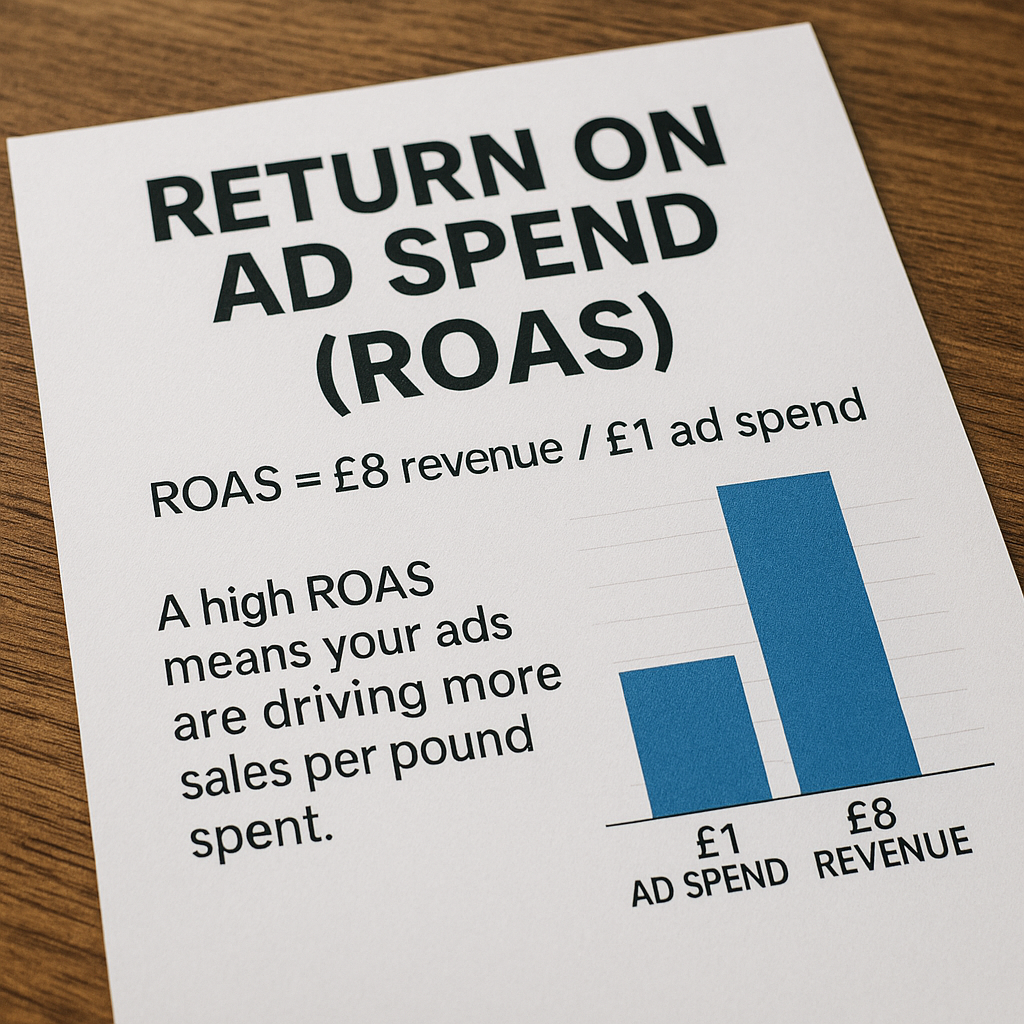
    Google’s Economic Impact methodology estimates that businesses receive around $8 in profit from Google Search and Ads for every $1 spent on Google Ads. The figure is based on Google’s own economic modelling and assumptions, so it should be treated as an estimate rather than a guarantee of campaign performance.

    For an agency, the more relevant question is whether building PPC capability internally makes sense for its current client demand, resources and long-term plans.

    Why Client Experience Still Matters

    Outsourcing PPC does not mean outsourcing the client relationship.

    Your client still expects your agency to explain what is happening in their account, answer questions and connect campaign activity to wider business goals. Your fulfilment partner needs to give your team enough context to do that confidently.

    For example, if a partner changes bidding because acquisition costs have increased, your agency should understand the reason for the change and be able to explain it to the client.

    A good fulfilment arrangement should make your agency more capable of delivering paid advertising, not make the service feel disconnected from everything else you provide.

    How White Label PPC Can Support Client Retention

    Clients are becoming more selective about where they spend their marketing budgets. Forrester’s 2026 B2B Brand and Communications Survey found that the share of marketers expecting to increase agency spend on digital marketing fell from 51% to 31% year over year. The research also points to AI-driven efficiencies allowing some organisations to bring more work in-house.

    For agencies, this makes fulfilment quality important. Campaigns need ongoing attention, clear reporting and decisions based on performance and client objectives.

    A specialist fulfilment partner can provide additional expertise while your agency remains responsible for the client relationship and overall experience.

    This does not mean outsourcing automatically retains clients. Reliable delivery gives your agency another way to maintain the service quality clients expect when they review their marketing spend.

    Is White Label PPC Right for Your Agency?

    It may be worth considering if:

    • Clients are asking your agency for PPC services
    • You do not have a dedicated paid media specialist
    • Your existing PPC team is reaching capacity
    • You want to expand your services without another permanent hire
    • You need additional expertise for complex accounts
    • You want to keep the client relationship and branding in-house

    It may make less sense if you already have the specialist team, capacity and processes needed to manage your accounts internally.

    Before choosing a fulfilment model, consider your current PPC workload, client requirements, preferred level of control and the resources you expect to need as the agency grows.

    How to Choose a White Label PPC Partner

    Once you know what your agency needs, ask potential fulfilment partners:

    • What parts of PPC will you manage?
    • What does my agency need to handle?
    • How does onboarding work?
    • How are campaigns reviewed and optimised?
    • What will reporting include?
    • How are client changes and approvals handled?
    • What happens when work falls outside the agreed scope?
    • How will performance and strategy be reviewed?

    It is also worth asking how the partner communicates recommendations. You should understand the reasoning behind significant changes rather than simply receiving a list of completed tasks.

    Clear responsibilities from the beginning make the relationship easier to manage and help your team remain confident when communicating with clients.

    Frequently Asked Questions

    It can include account audits, campaign setup, keyword research, ad copy, targeting, conversion tracking support, bid and budget management, optimisation and reporting. The exact scope depends on the fulfilment agreement.

    It can suit agencies that want to offer PPC without building a dedicated in-house team, agencies managing increasing client demand and teams that need additional specialist support for complex accounts.

    SMP can assess PPC performance against agreed campaign objectives using relevant measures such as conversions, cost per acquisition, return on ad spend, traffic and account improvements. The right measures depend on the client’s goals, budget and campaign setup.

    A fulfilment partner manages the agreed PPC work behind the scenes while the agency remains responsible for the client relationship and presents the service under its own brand.

    Pricing varies depending on account size, campaign complexity, services required and the level of ongoing management. Agencies should ask for a clear breakdown of what is included before comparing fulfilment partners.

    Yes. Smaller agencies can use fulfilment to add PPC expertise without immediately hiring a dedicated specialist. Suitability depends on the agency’s client demand, budget and preferred level of control.

  • Landing Page Optimisation Tips for PPC Campaign Success

    Landing Page Optimisation Tips for PPC Campaign Success

    Pay-per-click advertising is one of the fastest and most controllable ways to generate high-intent traffic, leads, and revenue – but only when campaigns are built to convert, not just attract clicks. 

    While many marketers invest heavily in keywords, bidding strategies, and ad creatives, they often overlook the most important element of PPC success, the landing page. A well-optimised landing page can be the difference between a profitable campaign and wasted ad spend.

    Optimising landing pages is not just about design or copywriting; it’s about understanding user intent and delivering a seamless experience that encourages visitors to take action. When done correctly, it improves conversion rates, lowers cost per acquisition, and increases overall return on investment. 

    In this article, we will explore proven landing page optimisation strategies for high-converting PPC campaigns and highlight how marketing tools can play a critical role in achieving consistent results.

    The Role of Landing Pages in PPC Campaign Performance

    A landing page is the first real interaction a user has with your brand after clicking on a paid ad. Unlike a homepage or blog page, a PPC landing page is designed with a single, focused goal: conversion. Whether that conversion is a form submission, a purchase, or a demo request, everything on the page should guide the visitor toward that action.

    Search engines like Google evaluate landing page quality as part of their ad ranking system. A highly relevant and user-friendly page leads to a better Quality Score, which reduces cost per click and improves ad visibility. This means landing page optimisation does not just increase conversions; it directly affects how much you pay for every click.

    Aligning Landing Page Content With User Intent

    One of the most important aspects of a high-converting landing page is message alignment. When users click on an ad, they expect the landing page to immediately reflect what was promised. If there is a disconnect between the ad copy and the landing page content, users lose trust and leave.

    For example, if your ad highlights home remodelling services, your landing page should continue that narrative. The headline, subheading, and body content must reinforce the same value proposition. This continuity reassures users that they are in the right place and increases the likelihood of conversion.

    Writing Headlines That Capture Attention and Drive Action

    The headline is the most influential element on a PPC landing page. Visitors decide within seconds whether they will stay or leave, and the headline plays a major role in that decision. A strong headline focuses on benefits rather than features and speaks directly to the visitor’s pain points or goals.

    Instead of generic statements, effective headlines clearly communicate value. They explain what the user will gain and why they should care. When supported by a compelling subheadline, the message becomes even more persuasive and keeps users engaged long enough to explore the page further.

    Creating a Seamless User Experience Through Design

    Landing page design should support clarity, not distract from it. Clean layouts, sufficient white space, and logical content flow help visitors process information easily. Visual hierarchy is essential; key messages and calls-to-action should stand out immediately without overwhelming the user.

    Colours, fonts, and imagery should remain consistent with your brand while also enhancing readability. Images and visuals should support the message rather than serve as decoration. For PPC campaigns, simplicity often outperforms complexity because users are goal-oriented and impatient.

    Optimising Page Speed for Better Conversions

    Page speed is a critical factor in both user experience and PPC performance. Slow-loading pages frustrate users and lead to higher bounce rates, especially on mobile devices. Even a delay of one or two seconds can significantly reduce conversion rates.

    Using tools to analyse page speed, identify heavy scripts, and optimise images can dramatically improve load times. Faster pages not only convert better but also contribute to higher Quality Scores, ultimately lowering advertising costs.

    Designing Landing Pages With a Mobile-First Approach

    With the majority of paid traffic now coming from mobile devices, optimising landing pages for mobile is no longer optional. A landing page that looks great on desktop but performs poorly on mobile will struggle to convert.

    Mobile-first design focuses on simplicity, fast load times, and easy navigation. Short paragraphs, clear headings, and prominent call-to-action buttons make it easier for users to interact with your page on smaller screens. Forms should be concise, and buttons should be large enough to tap comfortably without zooming.

    Reducing Friction to Increase Conversion Rates

    Every extra step or unnecessary element on a landing page introduces friction. High-converting PPC landing pages remove obstacles and make it easy for users to take action. This is especially important for lead generation campaigns, where long or complex forms often discourage submissions.

    Reducing the number of required fields, clearly explaining what happens after submission, and reassuring users about privacy can significantly improve conversion rates. When visitors feel confident and informed, they are more likely to complete the desired action.

    Building Trust With Social Proof and Credibility Signals

    Trust is essential, especially for users encountering your brand for the first time through PPC ads. Including testimonials, reviews, client logos, and certifications helps establish credibility and reduces hesitation.

    For businesses offering services such as home remodelling, showcasing real portfolio images with testimonials on the landing pages will increase credibility. Trust signals should be placed strategically near call-to-action sections to reinforce decision-making at critical moments.

    Using AI and Automation to Improve Landing Page Performance

    AI-driven tools are transforming how marketers approach landing page optimisation. With the AI writing tools, businesses can generate persuasive copy, test multiple headline variations, and maintain consistent messaging across campaigns.

    AI tools help speed up content creation and A/B testing without sacrificing quality. When combined with human strategy and data-driven insights, AI becomes a powerful asset for continuous optimisation.

    Integrating PPC Landing Pages With Long-Term SEO Strategy

    Although PPC campaigns focus on immediate results, landing pages can also support long-term organic growth. High-performing landing pages often contain valuable insights into user behaviour, keyword intent, and conversion triggers.

    By leveraging data from paid campaigns and applying it to organic strategies, marketers can improve overall performance. Many businesses partner with expert teams across established SEO outsourcing hubs, including India, to manage both PPC and SEO efficiently while maintaining consistent messaging and brand standards.

    Continuous Testing and Optimisation for Sustainable Results

    Landing page optimisation is not a one-time task. Consumer behaviour, competition, and market trends constantly evolve. Regular testing of headlines, layouts, CTAs, and messaging ensures your landing pages continue to perform at a high level.

    Even small improvements, when compounded over time, can lead to significant gains in conversion rates and cost efficiency. Successful PPC campaigns rely on consistent monitoring, testing, and refinement.

    Final Thoughts on Landing Page Optimisation

    Landing page optimisation is the foundation of any successful PPC campaign. Without it, even the most well-funded advertising efforts will struggle to deliver meaningful results. By aligning messaging with user intent, improving page speed, optimising for mobile, and leveraging advanced tools, businesses can turn paid clicks into measurable outcomes.

  • Using Negative Keywords to Improve Google Ads Performance

    Using Negative Keywords to Improve Google Ads Performance

    When running paid search campaigns, the difference between wasted budget and strong ROI often comes down to the keywords you choose. While targeting the right terms is essential, knowing which keywords to exclude is just as important. These are known as negative keywords, and when used effectively, they can significantly improve your ad relevance, click-through rates (CTR), and conversion rates.

    In this guide, we’ll explain what negative keywords are, how they work, why they matter, and practical ways to implement them in your campaigns. By the end, you’ll understand how to fine-tune your Google Ads strategy to attract the right audience while saving money.

    What Are Negative Keywords?

    Simply put, negative keywords are words or phrases you add to your paid advertising campaigns to prevent your ads from appearing for irrelevant searches. By filtering out these search terms, you ensure your ads reach users with the highest potential to convert, while reducing wasted clicks that cost money without driving results.

    Think of it this way: if you sell premium running shoes, you wouldn’t want your ads to appear for searches like “cheap shoes” or “high heels.” Adding these terms as excluded keywords prevents your ads from showing to users who aren’t your target audience.

    So, what are negative keywords? In practice, these keywords are a powerful way to refine your targeting. They allow advertisers to focus on high-intent searchers, improve CTR, and maximise the return on ad spend (ROAS).

    Benefits of Using Negative Keywords

    Adding blocking keywords to your campaigns offers multiple advantages:

    • Increase ad relevance – Ensures that your ads only appear for queries aligned with your offerings.
    • Improve CTR – By avoiding irrelevant searches, the proportion of users clicking your ad increases.
    • Save money – Prevents spending on clicks unlikely to convert.
    • Boost conversions – Attracts users more likely to complete a desired action.
    • Optimise ROAS – Focus your budget on the most profitable audience.

    In short, negative keywords not only prevent wasted ad spend but also help shape campaigns that speak directly to your ideal customer.

    Ready to take your PPC campaigns to the next level? Explore our tailored Pay-Per-Click services to optimise your ad spend and drive better results. 

    Types of Negative Keyword Match

    These keywords can be applied in different ways depending on the scope and level of control you want. Google Ads allows three main match types:

    Broad Match

    Negative broad match prevents your ads from showing for searches that include all terms in any order. For example, if your negative broad match keyword is “running shoes”, your ad may still appear for searches like “blue tennis shoes,” but not for “shoes running” or “running shoes sale.”

    Broad match can limit reach more than phrase or exact matches, so it’s important to use it carefully.

    Phrase Match

    Negative phrase match blocks ads from appearing for searches that contain the exact phrase in the specified order, even with additional words before or after. For instance, if your negative phrase match keyword is “full body massage”, your ad won’t appear for searches like “deep tissue full body massage,” but could still show for “shoulder massage.”

    Phrase match offers a balance between control and reach, making it one of the safest options for many advertisers.

    Exact Match

    Negative exact match ensures your ad is excluded only when the search exactly matches the keyword phrase, with no variations. For example, [winter holidays] would prevent your ad from showing solely for users searching “winter holidays,” but not for “best winter holidays” or “holiday winter.”

    Exact match is highly precise but can be restrictive, so it works best for specific terms or competitor names.

    Looking to boost your online presence and drive more relevant traffic? Explore our comprehensive Search Engine Optimisation services to ensure your campaigns reach the right audience and deliver real results.

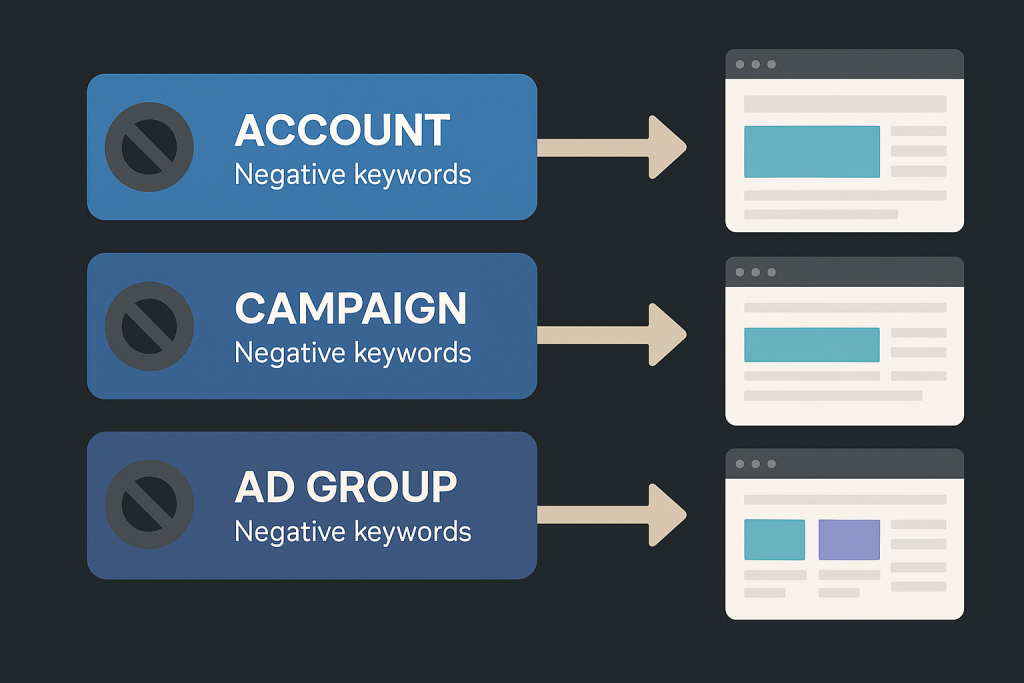
    A diagram showing negative keywords at account, campaign and ad group level.

    Account, Campaign, and Ad Group Levels

    Negative keywords can be applied at three levels in Google Ads:

    1. Account-Level – Applies to all campaigns. Use this for generic terms you never want to trigger any ad across your account.
    2. Campaign-Level – Applies to all ads within a specific campaign. Ideal for excluding broader terms irrelevant to a campaign’s focus.
    3. Ad Group-Level – Applies to a specific ad group. Useful for finer control, e.g., excluding “formal” for a running shoe ad group but allowing it for dress shoe ads.

    Choosing the right level ensures you avoid blocking valuable traffic while maintaining relevance in your campaigns.

    How to Find Negative Keywords

    Identifying the right excluded keywords is critical. There are several methods to do this effectively:

    Keyword Research

    Start by understanding your target audience and the search terms they use. Look for terms that are similar to your product but don’t align with your business. For example, if you sell premium shoes, terms like “cheap shoes” or “second-hand shoes” can be added.

    Competitor Analysis

    Review what keywords competitors are bidding on, especially if they’re unrelated to your audience. Tools like Semrush can provide insights into competitor PPC campaigns, helping you uncover terms to exclude.

    Google Search & Autocomplete

    Perform manual searches using your primary keywords. Observe autocomplete suggestions and related searches that may not match your campaign goals. Terms like “discount” or “free” often indicate low-intent queries.

    Search Terms Report

    Google Ads’ Search Terms Report shows which queries triggered your ads. Identify low-performing terms with low CTR or conversions and add them to your list. This method ensures your ads aren’t served to uninterested users.

    Creating Negative Keyword Lists

    Managing negative keywords at scale is easier by creating lists. Here’s how:

    1. Go to Google Ads and navigate to Negative Keyword Lists in the Shared Library.
    2. Click the plus icon to create a new list.
    3. Add the keywords, specifying match types (broad, phrase, exact).
    4. Apply the list to campaigns or ad groups.

    Lists are particularly useful when running multiple campaigns with overlapping terms. For example, if you sell only new cars, a single list excluding “used cars” can be applied across all campaigns.Ready to optimise your PPC campaigns and drive better results? Our expert Google Ads management service can help you create and manage effective strategies tailored to your business goals.

    Example of Negative Keywords in Action


    To illustrate, consider a company selling dog clothes:
      Primary ad group: Dog jackets
      Excluded terms: cat, kitten, feline
      Result: Ads never appear for searches like “cat jacket” but show to users searching for dog-related clothing.
    An example of negative keywords might include terms like “free,” “cheap,” or competitor brand names. Using these exclusions ensures that your budget targets only high-intent searches.

    Best Practices for Negative Keywords 

    To make the most of your negative matching strategy, include singular and plural forms (e.g., “shoe” and “shoes”), use symbols carefully as Google recognises ampersands, accents, and certain characters but handles them differently, and experiment with match types – broad, phrase, and exact can be combined to suit campaign goals. 

    Regularly monitor performance by reviewing CTR, conversions, and search terms to identify new negatives, and update lists frequently since PPC campaigns evolve, meaning your keyword lists should too.

    Supercharge Your Ads Today

    Incorporating negative keywords into your Google Ads campaigns is essential for saving budget, improving ad relevance, and driving higher conversions. By carefully selecting the right exclusions, using match types strategically, and applying these keywords at the appropriate account, campaign, or ad group level, you can ensure your ads reach the most relevant audience.

    With this approach, your campaigns will become more efficient, your CTR and conversion rates will improve, and your return on ad spend will increase. Take the time to identify, test, and refine negative keywords, and your paid search campaigns will reward you with stronger performance and better results.

  • What Is Keyword Bidding? How to Win in PPC Campaigns

    What Is Keyword Bidding? How to Win in PPC Campaigns

    Digital marketing professionals know that keyword bidding is a cornerstone of pay-per-click (PPC) advertising. It determines which ads appear for search queries, how much you pay for each click, and ultimately how effective your campaigns are. Understanding the mechanics of keyword bidding and how to strategically bid on keywords, including competitor keywords, can help businesses reach their target audience while maximising ROI.

    How Keyword Bidding Works

    Keyword bidding involves setting the amount you are willing to pay for your ad to appear when someone searches for a relevant term. Most commonly, this process takes place in Google Ads through an auction system. Every time a user searches, Google evaluates bids alongside factors like ad relevance, quality score, and the context of the search (device, location, time of day) to determine ad rank.

    A higher bid can improve ad placement, but relevance and ad quality are just as important. Ads with better quality scores often outperform higher-paying competitors. That’s why a strategic approach to keyword bidding is essential.

    Understanding Ad Rank and Quality Score

    Ad rank determines your ad’s position in search results. It is influenced by:

    • Bid amount: How much you are willing to pay per click.
    • Ad relevance: How well your ad matches the user’s search intent.
    • Landing page experience: How relevant and helpful your landing page is to the user.

    By optimising these factors, advertisers can compete effectively without overspending. A strong quality score often allows you to achieve better placement for less money.

    Boost your campaign performance and get the most out of every click with expert management. Explore how our PPC services can help you maximise results and achieve your marketing goals.

    Keyword Bidding Strategies

    Advertisers can choose from several strategies depending on their goals and level of control:

    Manual CPC: Set your bids manually at the keyword or ad group level. Provides tight control but requires ongoing monitoring.

    Automated Bidding: Google adjusts bids in real time based on performance metrics, saving time while optimising for conversions.

    Smart Bidding: Uses machine learning to bid on keywords and maximise conversions or conversion value automatically.

    Automated strategies include options such as Target CPA, Target ROAS, Maximise Conversions, and Maximise Conversion Value. Choosing the right approach depends on campaign goals, budget, and available data.

    Take your Google Ads campaigns to the next level with professional management tailored to your goals. Let our experts handle strategy, optimisation, and performance tracking so you can focus on growing your business.

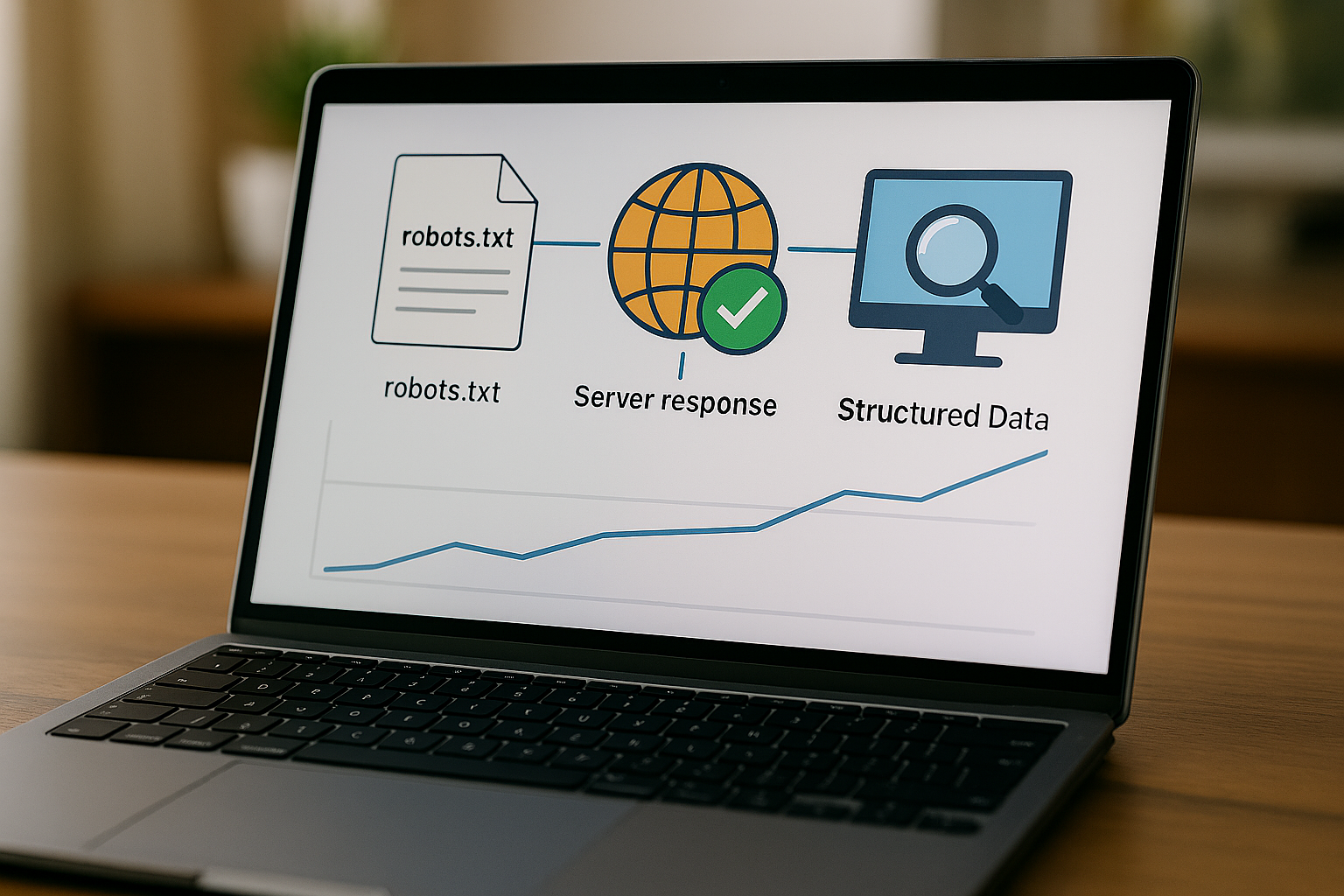
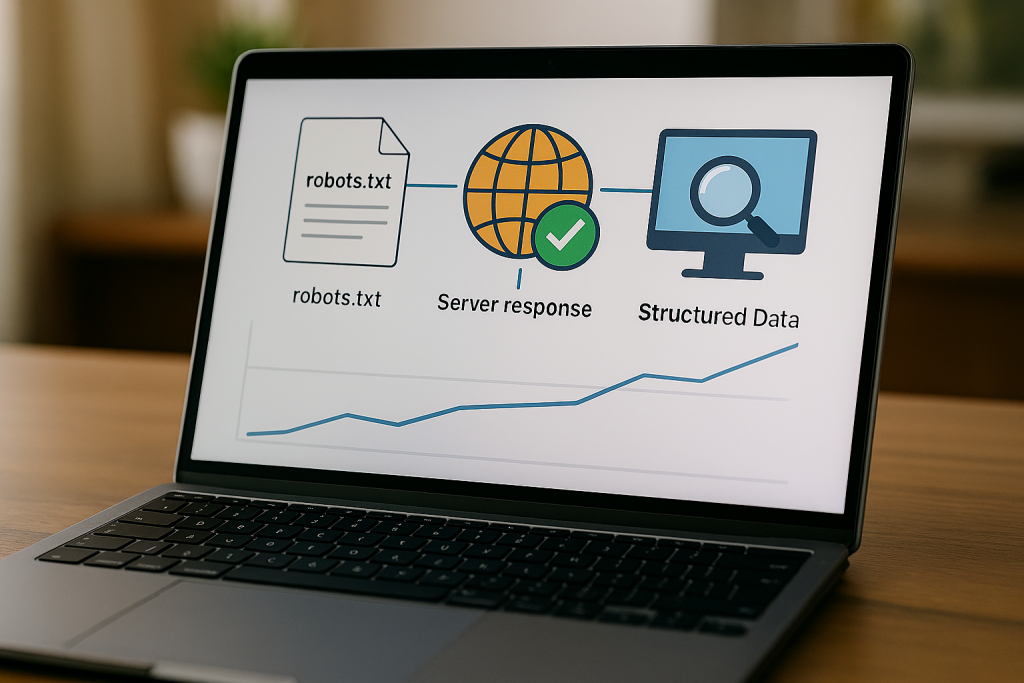
    Laptop showing robots.txt, server response and structured data checks.

    Optimising Keyword Bids for Maximum ROI

    To make the most of keyword bidding, consider these key steps:

    1. Choose the right keywords: Focus on terms with high relevance and strong commercial intent. Long-tail keywords often offer better ROI due to lower competition.
    2. Analyse competitor keywords: Understand which keywords competitors bid on and adjust your strategy to remain competitive without overspending.
    3. Use negative keywords: Exclude irrelevant search terms to prevent wasted clicks.
    4. Adjust bids strategically: Modify bids based on device, location, time, or audience characteristics to target high-value traffic.
    5. Continuous monitoring: Track performance metrics such as click-through rate (CTR), conversion rate, and cost per conversion to inform adjustments.

    Combining these tactics ensures your campaigns remain cost-effective and generate meaningful results.

    Setting Up Campaigns and Monitoring Performance

    Once you’ve selected keywords and a bidding strategy, the next steps involve:

    • Creating ad copies that align with your keywords and target audience.
    • Setting your daily budget based on bid estimates and campaign goals.
    • Launching campaigns and monitoring performance metrics regularly.
    • Testing ad variations through A/B testing to discover the most effective messaging and design.

    Regular review and optimisation allow you to refine bidding strategies for better visibility, engagement, and ROI.Boost the effectiveness of your campaigns by improving every step of the user journey. Our Conversion Rate Optimisation services help turn clicks into meaningful actions, increasing results from your existing traffic.

    Desktop screen showing marketing charts, graphs and report notes.

    Best Practices for Keyword Bidding

    Focusing on relevant and high-intent keywords is essential for any successful PPC campaign. Advertisers should avoid overbidding and use CPC estimates as a guide rather than a strict rule, ensuring that budgets are spent efficiently. 

    Tracking performance metrics closely allows for informed adjustments, helping campaigns remain competitive and effective over time. Leveraging automation wisely can save time and improve efficiency, but it should always complement a strategy grounded in quality ad creation and audience targeting.

    Equally important is keeping an eye on competitor bidding patterns. Understanding how others are bidding on keywords, including competitor keywords, enables you to respond strategically while maintaining ethical practices. 

    By combining careful monitoring, data-driven bid adjustments, and thoughtful campaign management, businesses can maximise ROI, stay ahead in the auction, and maintain campaigns that are both agile and results-driven.

    Maximising Results with Strategic Bidding

    Effective keyword bidding is more than setting a high bid – it’s about aligning campaign goals with the right strategies. By bidding on competitor keywords, optimising ad quality, and continuously refining campaigns, businesses can achieve better visibility, higher conversions, and greater ROI. A thoughtful, data-driven approach ensures every dollar spent works harder, delivering measurable growth while minimising wasted budget.Mastering keyword bidding empowers advertisers to stay ahead in the PPC landscape and maximise the impact of their digital marketing efforts.

  • Understanding and Preventing Click Fraud in Google Ads

    Understanding and Preventing Click Fraud in Google Ads

    Click fraud is a critical issue that can seriously damage the effectiveness of your Google Ads campaigns, drain your ad budget, and distort performance data. As digital advertising continues to grow, so does the prevalence of fraudsters targeting pay-per-click (PPC) campaigns. 

    This article will explore what click fraud is, how it works, the tactics used by fraudsters, and most importantly, how to protect your ad campaigns with effective AdWords click fraud prevention strategies

    What Is Click Fraud and Why Does It Matter?

    Click fraud refers to any form of fraudulent activity where clicks on an ad are made with no genuine interest in the product or service being advertised. These clicks are generated either manually by individuals or through automated bots. While AdWords click fraud can come in various forms, the goal remains the same: to either drain advertising budgets, skew campaign data, or artificially inflate a webpage’s click-through rate (CTR).

    Fraudsters often use ad fraud for financial gain. This can range from competitors repeatedly clicking on ads to deplete their rivals’ ad budgets, to criminals driving fake clicks to earn revenue from the pay-per-click model. In fact, up to 20% of all PPC ad spend is lost to click fraud every year, making it a serious issue for businesses investing in online advertising.

    How Does Click Fraud Work?

    Understanding how click fraud operates is crucial for identifying and preventing it. Fraudsters typically use two main tactics to generate invalid clicks: bots and click farms.

    Bots

    Bots are automated scripts designed to mimic human actions online, generating fraudulent clicks on ads without genuine user interaction. These bots are often part of larger networks known as botnets, which can consist of thousands or even millions of compromised devices. Once a device is infected with malware, it can unknowingly become part of a botnet, executing fraudulent clicks without the user’s knowledge.

    Botnets

    Botnets are particularly effective at executing large-scale ad fraud because they can simulate legitimate traffic across multiple devices, making detection more challenging for advertisers. For example, PPC fraud bots might mimic human behaviour, including mouse movements and random pauses between clicks, to avoid triggering detection mechanisms that monitor bot-like patterns.

    Click Farms

    Another tactic used for ad fraud involves human workers in click farms. These are low-paid workers, often based in countries with cheaper labour, who are hired to manually click on ads to inflate the click-through rate of a webpage. Click farms can also be used to artificially boost engagement on social media posts. While click farm fraud is more resource-intensive than using bots, it has the advantage of appearing more like legitimate user behaviour, making it harder to detect.

    Click Hijacking and Fake App Installations

    Other methods of PPC fraud include click hijacking, where clicks intended for one ad are redirected to another, and fake app installations, where fraudulent installations of mobile apps are used to inflate traffic numbers. These tactics further complicate the issue for businesses trying to track real user engagement and optimise their ad spend.

    Protect your campaigns from wasted spend and maximise the impact of every click with expert PPC management. Our team can help you optimise performance and ensure your ads reach the right audience.

    Person viewing a global analytics dashboard with maps and traffic charts.

    How Can You Spot and Prevent Click Fraud?

    There are several warning signs that click fraud is impacting your campaigns, and identifying these signs early can help minimise the damage. Some key indicators of fraudulent activity include:

    1. Spikes in Clicks or Impressions: An unusual spike in clicks, particularly outside of your target audience’s typical hours, could indicate fraudulent activity.
    2. High Bounce Rates: If users click on your ads but leave your site quickly, this can signal ad fraud, especially if the visitors aren’t converting or engaging.
    3. Traffic from Unusual Locations: If your campaign is geo-targeted but you’re seeing traffic from regions outside your target area, this could be a sign of PPC fraud from IP addresses masking their location using VPNs.
    4. Low Conversion Rates: A high number of clicks but few conversions is a red flag. It suggests that the clicks are not from legitimate customers and may be driven by fraudsters or bots.

    To combat these issues, you can implement several prevention techniques. Below are some of the most effective strategies.

    Ensure your Google Ads campaigns deliver real results with professional account management and optimisation. Our team focuses on maximising ROI while keeping your campaigns efficient and effective.

    Effective AdWords Click Fraud Prevention Strategies

    Geographic Targeting and IP Exclusion

    One of the first lines of defence in ad fraud prevention is refining your campaign’s targeting. By using geographic targeting, you can ensure your ads only appear in the locations that matter to your business. If your ads are showing up in countries or regions where you don’t do business, this can be a sign of PPC fraud.

    In addition, IP exclusion allows you to block specific IP addresses that are generating fraudulent clicks. If you notice suspicious patterns from certain IPs, excluding them from your campaigns will help protect your budget from further waste.

    Ad Scheduling

    Another prevention tactic is ad scheduling. By controlling when your ads are displayed, you can limit your exposure to high-risk times, such as late at night or on weekends, when fraudsters may be more active. Scheduling your ads to appear during business hours or when legitimate traffic is most likely to be online can reduce the likelihood of fraudulent clicks.

    Negative Keywords

    Using negative keywords is a simple yet effective way to prevent ad fraud. Negative keywords allow you to exclude irrelevant or unrelated search queries from triggering your ads. By doing this, you can reduce the chances of your ads appearing for searches that are unlikely to lead to conversions, including those targeted by fraudsters.

    Monitoring and Reporting Tools

    There are a variety of AdWords click fraud detection tools available that can help you monitor your campaigns in real time. Google’s built-in fraud detection system offers a first layer of protection by filtering out invalid clicks. However, additional third-party tools can offer more advanced features, including detailed reporting, anomaly detection, and the ability to filter out traffic from known fraudulent sources.

    Some tools also use AI and machine learning to identify suspicious patterns and prevent fraudulent activity before it can impact your ad spend.

    Boost your website’s visibility and drive high-quality traffic with expert SEO services tailored to your business goals. Our team focuses on strategies that improve rankings, increase engagement, and deliver measurable results.

    The Cost of Click Fraud to Businesses

    The financial and data impact of ad fraud can be substantial. According to recent estimates, up to 22% of all ad spend is lost to fraud each year, which can add up to billions of dollars across industries. In 2023, click fraud was responsible for a significant portion of the $84 billion in global ad spend lost to fraud.

    This financial loss is only the tip of the iceberg. The real damage occurs when PPC fraud skews campaign data, making it difficult to assess the effectiveness of your advertising efforts. Misleading data can result in poor decision-making, inefficient ad spend, and lost opportunities for growth.

    The Bottom Line on Click Fraud Prevention

    In conclusion, ad fraud is a growing threat that can drain your ad budgets and distort your campaign data if left unchecked. By implementing strategic measures such as AdWords click fraud prevention, refining your targeting, and using fraud detection tools, you can significantly reduce the risk of fraudulent clicks and protect your digital advertising investments.

    Remember, prevention is always better than cure. Taking steps now to safeguard your campaigns will help you ensure that your PPC ads are driving genuine, high-quality traffic that leads to real conversions.

  • What is Return on Ad Spend (ROAS) and How to Calculate It?

    What is Return on Ad Spend (ROAS) and How to Calculate It?

    Return on Ad Spend (ROAS) is a key marketing metric that measures how much revenue your business earns for each pound or dollar spent on advertising. In other words, ROAS tells you the efficiency of your ad budget: it answers “for every £1 we spend on ads, how many pounds of revenue do we get back?” 

    ROAS is a performance indicator (KPI) often used in e-commerce and PPC advertising to evaluate campaign success. Unlike broader return on investment (ROI) metrics, which account for all costs and net profit, ROAS focuses strictly on revenue generated versus the cost of ads. 

    In practice, a high ROAS means your ads are driving more sales per pound spent, which is crucial for growth in competitive online markets.

    How to Calculate ROAS

    The formula for return on ad spend is simple: divide the total revenue attributed to ads by the total ad spend. 

    ROAS formula: revenue from ads divided by cost of ads.

    For example, if an e-commerce campaign spends £2,000 on advertising and earns £10,000 in sales, the ROAS would be 5 (often written as 5:1). This means the company makes £5 in revenue for every £1 spent on ads. You can also express ROAS as a percentage by multiplying by 100: in this example, the ROAS is = 500%.

    Keep in mind that “Cost of Ads” should include all expenses directly tied to the campaign, not just the media spend. In addition to the ad budget, consider factors like vendor or platform fees, agency commissions and team costs. For instance:

    • Vendor/Agency fees: Commissions or fees charged by ad platforms and partners.
    • Staff or agency labour: The time and salaries of people managing the campaign.
    • Affiliate or transaction fees: Any commission paid to affiliates or networks.

    Accounting for these costs gives a truer picture of ad efficiency. 

    Additional Tip: If you want a quick calculation, you can start with just the media spend, then calculate a “full-cost ROAS” separately, including all overhead.

    Why Return on Ad Spend Matters?

    Monitoring ROAS helps you make data-driven budget decisions. 

    Bar chart comparing ad spend and revenue with an upward trend line.

    A rising ROAS means your ads are generating increasingly more revenue per pound spent. This metric lets you identify your most profitable campaigns and channels. 

    For example, if Facebook ads produce a higher ROAS than search ads, you can shift budget accordingly. BigCommerce notes that “keeping careful tabs on ROAS, e-commerce companies can make informed decisions on where to invest their ad dollars.” In practice, tracking ROAS across channels and campaigns allows marketers to cut waste on underperforming ads and double down on winners.

    In competitive online markets where advertising costs are high, ROAS provides a quick pulse-check on campaign effectiveness and a guide to maximising your advertising return.

    The Difference Between ROAS vs. ROI

    It’s important to distinguish ROAS from ROI (Return on Investment). While ROAS looks only at ad spend and the revenue it directly generates, ROI measures the overall profit relative to the total investment in marketing. 

    Infographic comparing ROAS and ROI with revenue, ad spend, costs and profit figures.

    For instance, ROI would subtract all costs (ad spend, production, overhead, etc.) to show net profit, whereas ROAS ignores those extra costs and focuses on gross revenue. This means a campaign can have a healthy ROAS but still be unprofitable when full costs are counted. 

    As the Corporate Finance Institute explains, “If ROAS > 1, then you are at least covering your marketing expenses with revenue, but are likely losing money after deducting expenses.” 

    In practice, use ROAS to optimise and compare ad performance in the short term, and use ROI when evaluating total profitability in the long term.

    What Is a Good ROAS?

    There’s no single “right” ROAS – it depends on your business model, profit margins and goals. A common benchmark for many retailers is around 3:1 to 4:1 (i.e. £3–£4 revenue per £1 spent).

    Graphic explaining a good ROAS with 4:1 and 3:1 ratio examples.

    For example, one company notes a 4:1 ratio as a typical target, while the other company suggests that “ROAS of 3 or more (3:1) is considered good” in broad terms. However, acceptable ROAS will vary: high-margin businesses like luxury products and SaaS can stay profitable with a lower ROAS, whereas low-margin or rapidly growing businesses may require much higher returns (sometimes 10:1 or more) to break even. 

    Amazon Ads reports that a ROAS of about 2:1 sits a bit above the current industry average, while more successful campaigns often achieve ratios closer to 3:1 or 4:1. 

    As a rule of thumb, ROAS above 1:1 means your ads at least cover their own cost; ROAS above 3:1–4:1 is often deemed strong. Ultimately, you should calculate break-even ROAS based on your costs: for example, a 3:1 ROAS means you earn back three times your ad spend, but whether that leads to profit depends on product costs and overhead.

    Tips on How to Improve Your ROAS

    If your ROAS isn’t where you want, there are several strategies to boost it. Key steps include:

    1. Refine Targeting

    Allocate more budget to the ads, platforms and audience segments with the highest ROAS. For example, if Instagram ads are outperforming search ads in ROAS, shift spend to Instagram.

    2. Optimise Creative

    Test different ad images, headlines and copy to find what converts best. We recommend trying varied visuals and messaging to maximise response.

    3. Improve conversion paths

    Ensure landing pages are relevant and user-friendly so that ad clicks turn into sales. Even the best ads won’t help if the checkout process falters.

    4. Adjust Bids and Budgets

    Use manual or automated bidding to increase bids on high-ROAS campaigns and pause or lower bids on low-ROAS ones. Leaning into winners and cutting losers raises overall efficiency.

    5. Track Correctly

    Make sure your analytics and attribution are set up so you’re measuring the right revenue for each ad. Misattributed sales can lead to misleading ROAS calculations.

    Hand pointing at a laptop screen showing revenue tracking and line graphs.

    By continuously testing and optimising each element of your campaigns (from audience to ad copy to landing page), you can raise the amount of revenue earned per ad spend. Over time, small improvements compound into a significantly higher ROAS.

    Final Thoughts

    So, what is return on ad spend? It is a simple yet powerful way to quantify ad efficiency. By calculating ROAS, marketers can quickly gauge campaign performance. Tracking ROAS helps ecommerce brands and advertisers focus on the tactics that drive the most sales. 

    If you want expert help maximising your ROAS, consider partnering with Seek Marketing Partners. Our team specialises in data-driven PPC and ecommerce marketing – we can analyse your campaigns, set realistic ROAS targets and optimise your ad spend for better returns. 

    Contact us today to discuss how our PPC advertising services can improve your marketing performance.