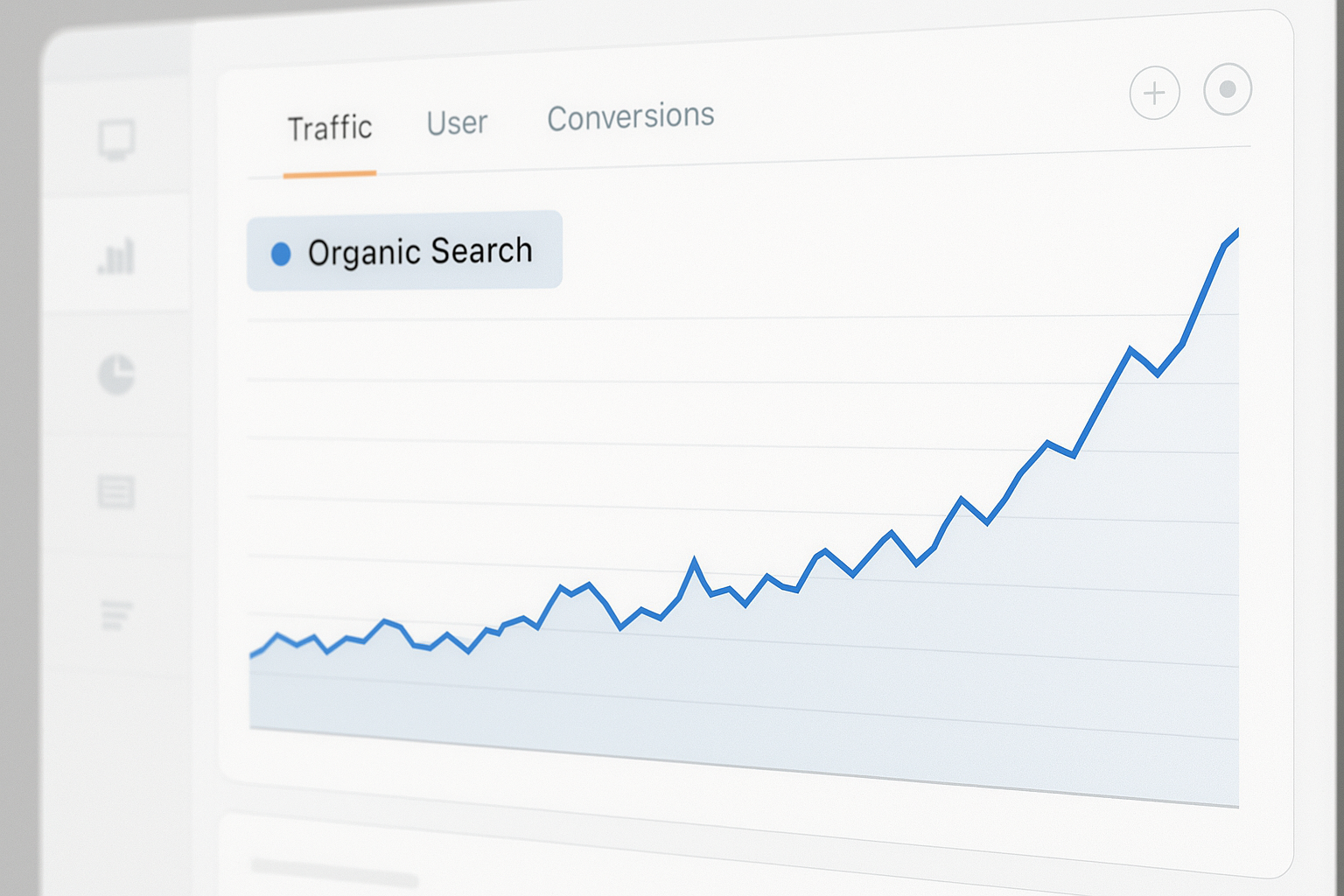
Organic search traffic is the visitors landing on your website from unpaid search engine results like Google and Bing. In other words, these users find you by typing queries and clicking your site’s result, with no ads involved.
Organic search represents a major portion of total web traffic in many industries, making it a critical source of visibility. For many B2B companies, organic search can be an important source of qualified leads and long-term revenue.
Organic search is a cost-effective, high-intent traffic stream. People are actively searching for information or solutions, and if your content matches their needs, it can lead to quality leads and sales.
Why Organic Search Traffic Matters
Organic search traffic can be a valuable source of qualified visitors for businesses that want to build visibility over the long term. People arrive through searches related to their needs, products or services, giving businesses an opportunity to reach audiences already showing an interest in what they offer.
- Qualified leads: A strong match between the search query and your offering can bring visitors with a clearer intent to enquire or buy.
- Cost-effective traffic: Unlike paid search, organic listings do not incur a charge for each click. However, generating and maintaining organic visibility still requires investment in SEO, content and ongoing optimisation.
- Trust and credibility: Strong organic visibility can help establish your brand as a relevant and credible source, particularly for users researching a product, service or solution.
- Long-term growth: Organic rankings can continue generating traffic after the initial work is complete, although maintaining visibility requires ongoing SEO and content work.
- Potential for strong ROI: When organic visibility generates a consistent flow of qualified traffic, SEO can contribute meaningful returns over time.
For mid-to-large businesses, capturing a greater share of relevant organic search traffic can create meaningful opportunities for leads, sales and brand visibility. The value comes not simply from generating more visits, but from attracting the right visitors and turning that visibility into measurable business outcomes.
Organic vs. Paid Search Traffic
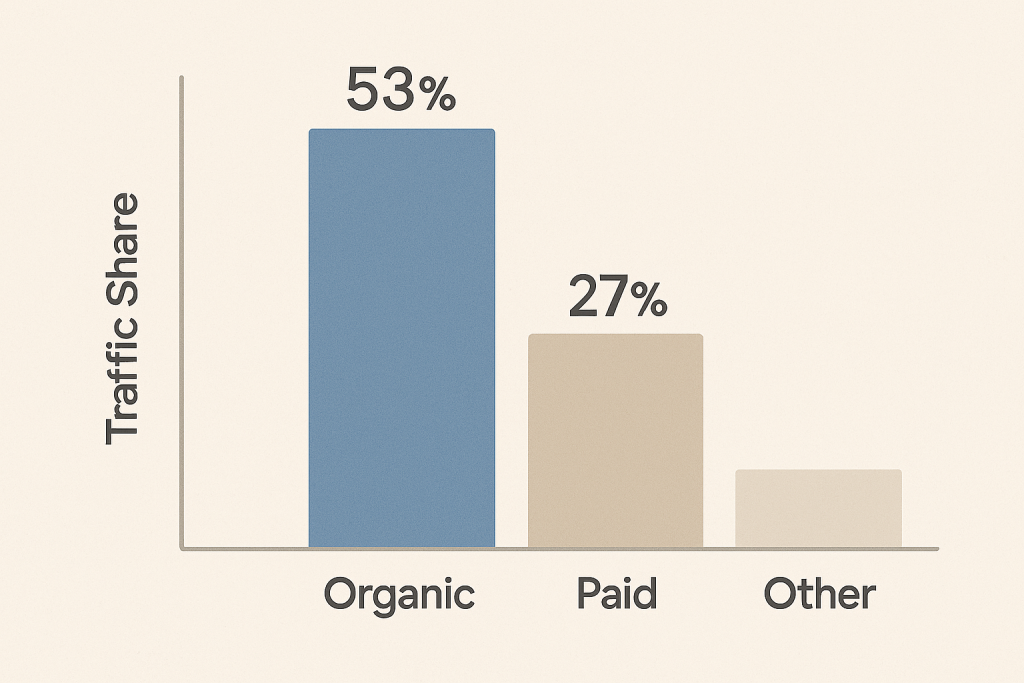
Organic search and paid search (PPC) serve different goals. Paid search can generate traffic quickly by placing ads in search results, but that visibility depends on your advertising budget. Organic search takes longer to build because it relies on SEO, content and other optimisation work, but strong rankings can continue generating traffic after the initial work.
The two channels also behave differently in terms of cost and control. Paid search gives you greater control over when and where your ads appear, while organic search can provide a more consistent source of intent-driven traffic over the long term. Organic results can also be particularly valuable for research-led searches where users are looking for information before making a decision.
Both channels can play an important role depending on your objectives, budget and timescales. For some businesses, using paid and organic search together provides a way to generate immediate visibility while building longer-term organic performance.
How to Increase Organic Search Traffic
Improving your organic search traffic is an ongoing process of good SEO and marketing practice. Here are the main tactics:
1. Perform a Technical SEO Audit
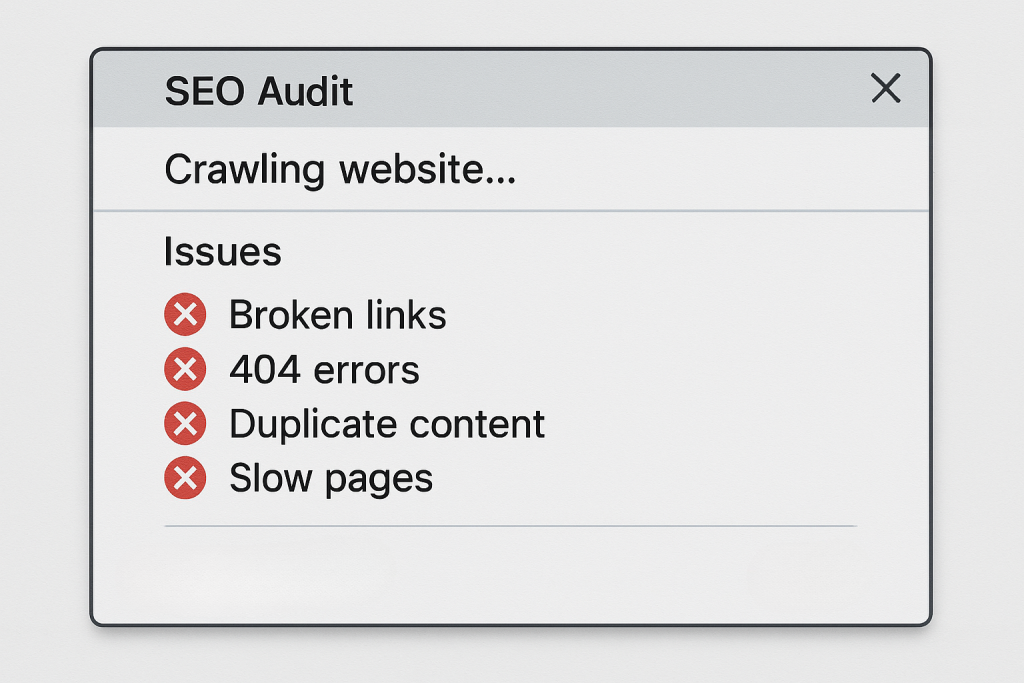
First, ensure search engines can crawl and index your site without issues. Google must be able to discover your content. Run a site audit using tools like Google Search Console, Screaming Frog or an SEO platform to find errors. Fixing technical problems can unlock more traffic.
Key Tasks:
- Check crawlability: Ensure your pages are not blocked by robots.txt or password protection. Submit an XML sitemap to Google.
- Resolve site errors: Repair broken links, fix 4xx and 5xx errors, and eliminate redirect chains. These errors can impede Googlebot.
- Improve site speed and UX: Pages should load quickly on desktop and mobile. Page speed and mobile usability can contribute to a better user experience and support organic performance and conversions.
- Remove duplicate content: Use canonical tags or remove duplicates so each piece of content is unique.
Prioritise technical issues based on their potential impact on crawling, indexing, user experience and organic performance. Even simple fixes like repairing broken images or duplicate meta tags can help Google index more of your site. Taking these technical steps lays the groundwork for all other SEO efforts.
2. Do Thorough Keyword Research
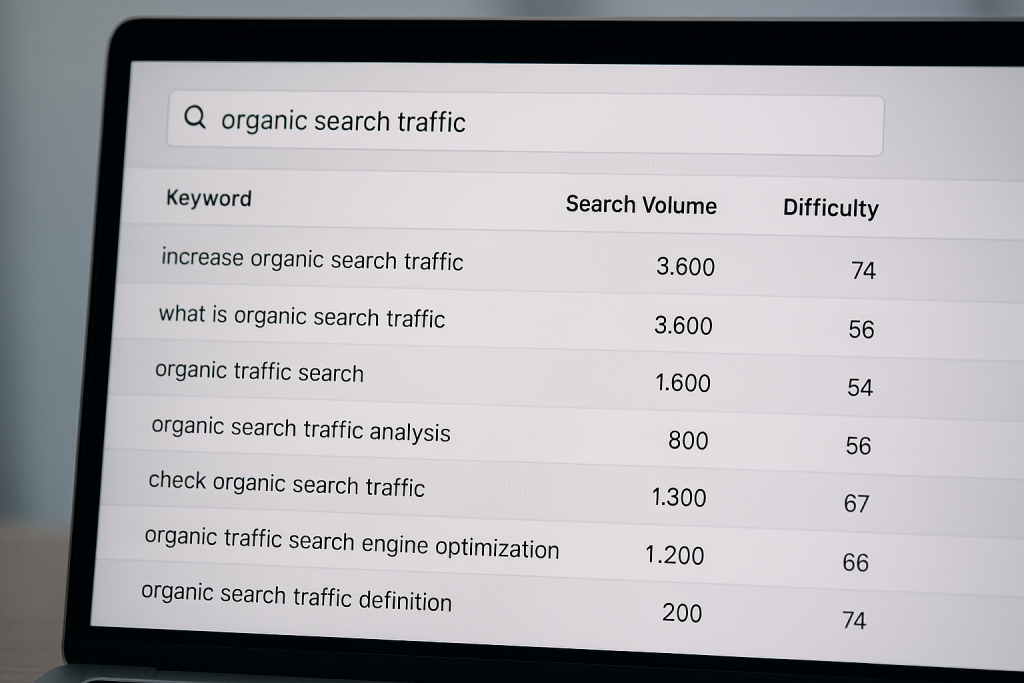
Identify the search terms your audience is using. Use keyword tools like Google Keyword Planner, Ahrefs, or Semrush’s Keyword Magic Tool to find relevant phrases. Look beyond obvious terms and consider long-tail keywords or more specific phrases that buyers might use.
For SERP research across different regions, compare search results in your target markets to understand how rankings and search intent vary by location.
A solid keyword strategy means:
- Match user intent: Determine if a keyword is informational (research) or transactional (buying). Align your content accordingly. For example, a guide versus a product page.
- Search volume and competition: Prioritise terms that align with your audience, business objectives and ability to compete, rather than focusing on search volume alone.
- Use keyword metrics: Tools provide search volume, keyword difficulty (how hard to rank), and search intent. Focus on keywords where you can realistically rank and that fit your business goals.
Prioritise a mix of head terms or broad phrases and long-tail variations. Always keep the searcher’s intent in mind: the best keywords are those that reflect the questions and needs of your audience.
3. Create High-Quality, Relevant Content
Content is an important driver of organic traffic. Pages that satisfy the needs behind a search query are better positioned to perform well in organic search.
Key Tips:
- Match intent: If people are looking for “organic search traffic definition”, create a clear, concise answer to what organic traffic is. If they want “how to increase organic traffic”, make a how-to guide.
- Be thorough and readable: Break content into logical sections with clear headings. Use bullet lists and images where appropriate to make text easy to scan.
- Optimise on-page elements: Write unique, descriptive page titles and meta descriptions – these are crucial for click-through in SERPs. Also, include target keywords in headings and naturally in text, but avoid stuffing.
- Refresh and expand: Update older content with new insights and keywords. Google favours fresh, comprehensive pages.
Use analytics and Search Console data to identify pages with visibility that are not attracting clicks or performing as expected, then refine them based on the data. Use analytics to see which posts rank but aren’t getting clicks or rankings, then refine them.
As Google advises, “The text is easy-to-read and well organised.” Keep paragraphs short and scannable. Good content not only ranks, but it also establishes your site as an authority and keeps visitors engaged.
4. Build Quality Backlinks
Links from other reputable sites act as endorsements, boosting your site’s authority in Google’s eyes. Earning backlinks is a core part of SEO:
- Create link-worthy assets: Publish unique research, infographics, tools or in-depth guides that others naturally want to cite.
- Outreach and partnerships: Reach out to industry blogs, partners or news sites to feature your content or collaborate on articles.
- Tactics like guest blogging and broken link building: Offer to write guest posts on relevant sites, or find broken links on others’ pages and suggest your link as a replacement.
Relevant, authoritative backlinks can strengthen your site’s authority and credibility and may support stronger organic search performance.
Focus on earning relevant links from reputable websites rather than pursuing large numbers of low-quality links. The relevance and quality of the sites linking to you matter more than simply increasing the number of backlinks.
5. Use Analytics and Monitoring
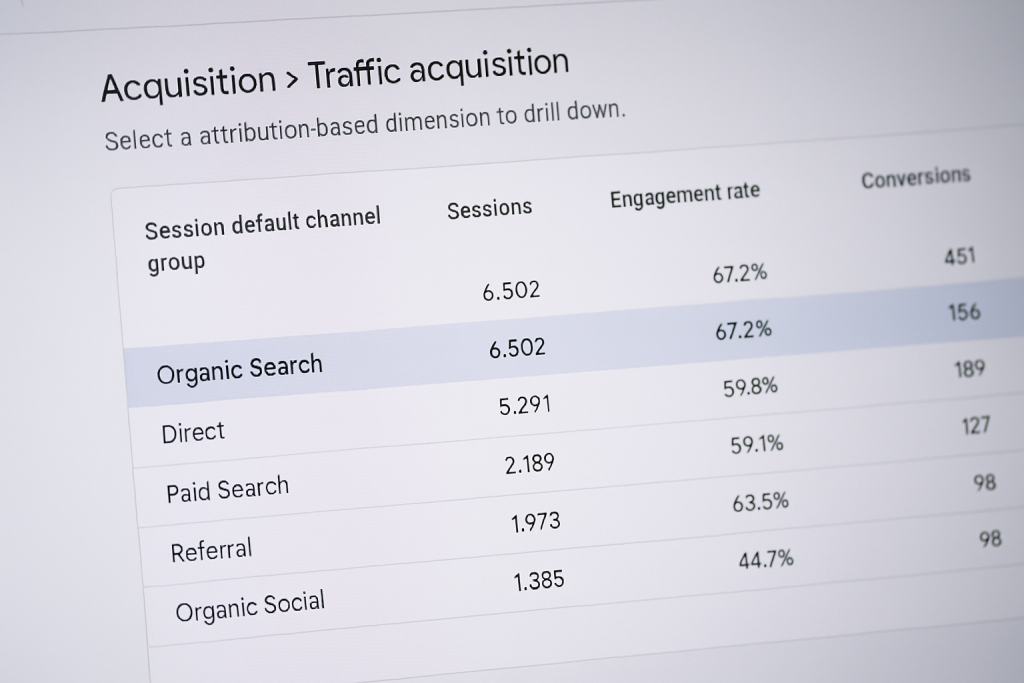
Monitor your efforts with analytics. Use Google Analytics and Google Search Console to track organic performance. In Google Analytics 4, for example, the Traffic Acquisition report shows “Organic Search” as a separate channel. And in Search Console’s Performance report, you can see total organic clicks from Google.
By checking these reports regularly, you can see which keywords and pages drive the most organic visits. Then double down on what’s working and improve or prune what isn’t.
Data is your guide. If you notice a blog post suddenly surging in clicks, consider updating it further or adding a related call-to-action. If a keyword is high-volume but not ranking, you might create more content around it. In short, use analytics to measure traffic trends and refine your SEO strategy.
This continuous cycle of implementing, monitoring and optimising helps you identify opportunities and refine your SEO strategy over time.
6. Local SEO and Google Business (if applicable)
If your business has a physical presence or serves specific regions, local SEO is key. A fully filled-out Google Business Profile (formerly Google My Business) can significantly improve local search visibility. When people search for services near them, your profile can appear in the map pack. Fill in accurate addresses, hours, photos, and encourage customer reviews.
By optimising your local listing and keeping your business information accurate and up to date, you can improve your visibility for relevant local searches.
At Seek Marketing Partners, we can help you ensure your local SEO is on point for UK audiences and beyond.
Partnering with an Expert Organic Traffic Agency
Increasing organic search traffic involves many moving parts – technical SEO, content creation, analytics, link building, etc. Many companies find it effective to partner with a specialised digital marketing agency. At Seek Marketing Partners, we’re organic SEO experts with a data-driven approach. We combine technical audits, keyword strategy, content marketing and analytics to deliver sustainable growth.

Our Services
- SEO strategy and execution: From on-site fixes to site architecture and tagging, we handle it.
- Content marketing: We craft engaging, optimised content (blogs, guides, landing pages) tailored to your target keywords and audience.
- Analytics and insights: We set up dashboards and reports so you can see the real impact on traffic and leads.
If you’re serious about growing your online visibility, get in touch. We offer SEO consulting and full-service engagement. Book a consultation with Seek Marketing Partners and let us help you climb the search rankings, attract more leads, and outpace the competition.
Final Thoughts
So, what is organic search, and why does it matter so much? Organic search traffic can be an important source of long-term growth. By definition, it is unpaid traffic from search engines and can bring high-intent visitors who are actively looking for relevant information or solutions.
To increase it, focus on a solid SEO strategy: audit and fix technical issues, target the right keywords, create valuable content, and build authority with links. Use analytics to monitor progress and refine tactics.
With consistent SEO and the right approach, you can build stronger organic visibility and increase relevant search traffic over time. Remember, at Seek Marketing Partners, we’re here to guide you.
Book a consultation with Seek Marketing Partners to identify opportunities to improve your organic visibility, attract more qualified traffic and generate leads.
Frequently Asked Questions
This guide covers the core areas that contribute to organic search growth, including technical SEO, keyword research, content creation, link building, analytics and local SEO. It explains how each area can support stronger, sustainable search visibility.
This guide is for business owners and marketers looking to attract more qualified traffic from search engines and build long-term organic visibility. It is particularly relevant to mid-to-large businesses looking to strengthen their SEO foundations and reduce reliance on paid search alone.
SMP uses performance data to measure organic search performance, including organic sessions, keyword rankings and conversions. By connecting search visibility and traffic with business outcomes, we can identify what is working and where further improvements are needed.