Blog

  • Proven Ways to Reduce Bounce Rate on Your Site

    Proven Ways to Reduce Bounce Rate on Your Site

    Bounce rate is the percentage of visitors who land on a page and leave without viewing anything else. If you want to reduce bounce rate on your site, you first need to understand what it’s telling you: people are arriving, not finding what they expected, and disappearing before they take any meaningful action.

    For most websites, an excellent bounce rate is often around 40% or lower, but that benchmark varies by industry and traffic source. If yours is much higher than that, it can point to issues with page speed, content relevance, user experience, or how people are finding you in the first place.

    Gauge meter indicating a high bounce rate in the orange/red zone.

    In this guide, we’ll walk through practical, proven ways to reduce bounce rate, show you how to improve bounce rate over time, and highlight changes that help you lower bounce rate while lifting conversions, enquiries, and overall site performance.

    Why Bounce Rate Matters for Your Site 

    Bounce rate is more than just a percentage in your analytics dashboard. A high bounce rate usually means people are landing on your site, not finding what they need, and leaving before they view another page, make an inquiry, or start a checkout. In other words, you’re paying for traffic that never gets the chance to turn into leads or revenue.

    There’s no single “perfect” number, because bounce rate benchmarks vary by industry, channel, and even page type. However, suppose you’re consistently seeing high bounce on key pages. In that case, it’s a strong signal that something isn’t working – whether that’s slow load times, weak messaging, poor user experience, or misaligned traffic. Studies also suggest that a big chunk of users will abandon a page that takes more than a few seconds to load, which only makes the problem worse.

    Workspace with MacBook Pro and iPhone for UI/UX app design, featuring nature-themed app screens.

    Improving bounce rate is about better performance, not vanity metrics. When you improve bounce rate, you’re also improving the quality of visits, the likelihood of conversion, and the strength of your SEO signals. If your bounce rate concerns you, our team can help – speak to a strategist for tailored advice on what’s driving it and how to fix it.

    Common Causes of High Bounce Rate

    Before you can reduce bounce rate, you need to understand what is driving people away in the first place. Most high bounce rate problems come back to a handful of familiar issues that frustrate visitors and make them leave before they explore anything else on your site.

    Some of the most common causes include:

    • Slow page speed: Pages that take more than a few seconds to load are often abandoned on the spot, which pushes your bounce rate up.
    • Unclear or cluttered design or navigation: If people can’t immediately see what the page is about or where to go next, they’ll hit the back button.
    • Mismatch of expectations: When the content doesn’t match the ad, search result, or link that brought them there, visitors feel misled and leave quickly.
    • Lack of engaging content: Walls of dense text with no headings, images, or video make it hard to stay focused, so users skim and bounce.
    • Poor mobile optimisation: On small screens, slow, fiddly layouts or tiny tap targets create instant friction and lead to higher mobile bounce rates.

    You might also see a high bounce rate from technical issues such as broken links, intrusive pop-ups, autoplay media, or tracking errors. Reviewing these common causes page by page gives you a clear starting point to improve bounce rate, reduce bounce rate, and lower bounce rate across your most important journeys.

    Proven Ways to Reduce Bounce Rate

    Now that you know what’s driving people away, it’s time to focus on what you can change. The proven ways to reduce bounce rate on your site fall into a few practical, fixable areas: speed, experience, relevance, and targeting. Treat these as levers you can pull rather than mysteries you have to guess at.

    Each of the tactics below is designed to be actionable. You don’t have to implement everything in one go, but the more consistently you optimise across these areas, the more you’ll improve bounce rate and see engagement, conversions, and revenue follow.

    1. Improve Page Speed and Performance

    If your pages are slow, everything else is fighting uphill. Users expect pages to load within around two to three seconds – anything longer and they’re far more likely to abandon the visit and go elsewhere. That single behaviour can send your bounce rate soaring.

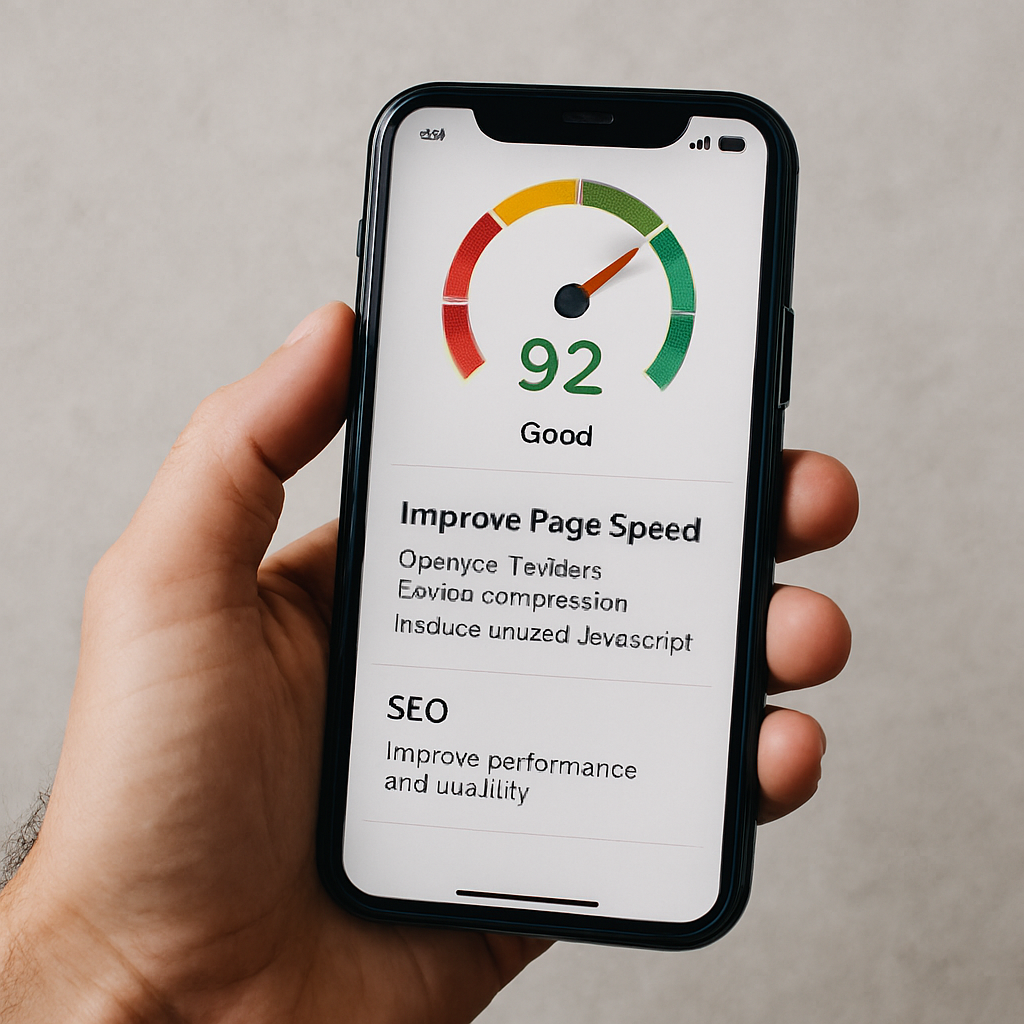
    Start with quick wins: optimise images so they’re properly compressed, use fast hosting, and remove or defer any scripts you don’t really need. Minifying CSS and JavaScript, enabling browser caching, and using a content delivery network (CDN) can also make a noticeable difference to load times and help reduce bounce rate on high-traffic pages.

    Real-time network traffic graph showing upload and download speeds in kilobytes per second.

    Tools like PageSpeed Insights give you a clear list of issues to fix and show how changes affect performance over time. If you need clarity on what’s holding you back, or you’d like a second opinion on what’s really slowing you down, book a Performance Review and we’ll audit your site speed and performance in detail.

    2. Optimise for Mobile Experience

    For many consumer-facing sites, mobile traffic now dominates. If your mobile experience is clunky, cramped, or slow, you’ll see it reflected in a higher mobile bounce rate long before desktop figures start to move.

    Make sure your site uses responsive design so layouts adapt cleanly to different screen sizes. Prioritise simple, scannable pages with large tap targets, readable font sizes, and clear spacing between elements. Avoid forcing users to pinch and zoom, hunt for menus, or wait for heavy mobile assets to load.

    Creative communication agency "become" specializing in brand strategy and content.

    Testing on real devices is essential. Check how key pages behave on popular phones and tablets, then fix any friction you find. As you smooth out those rough edges, you’ll lower bounce rate from mobile visitors and keep more of them moving deeper into your content.

    3. Create High-Quality, Relevant Content

    Even the fastest, prettiest page will struggle if the content misses the mark. To create content that helps reduce bounce rate, you need to match what’s on the page with what people expected to find when they clicked through.

    Start by looking at your top entry pages and the keywords, ads, or links driving traffic to them. Does the headline, opening paragraph, and overall message deliver on that promise straight away? If not, tighten the focus so visitors instantly recognise they’re in the right place.

    Content creator setting up a smartphone on a ring light for video recording or live streaming.

    Structure your content for humans, not just search engines: clear headings, short paragraphs, bullet points, and engaging content such as images, video, or infographics. The more relevant, readable, and useful the page feels, the more likely users are to stay, explore, and convert – which is exactly how to improve bounce rate in a sustainable way.

    4. Improve Navigation and Internal Linking

    Sometimes people bounce not because they dislike the page, but because they can’t see what to do next. Improving navigation and internal linking gives visitors obvious, low-effort ways to keep exploring your site instead of heading back to the search results.

    Make sure your main navigation is clear and consistent across the site, with labels that make sense to real users rather than internal jargon. Add contextual links within your content – “read next” suggestions, related articles, or links to relevant services – so there’s always a logical next step visible on the page.

    Open user manual for Aldus PageMaker desktop publishing software on an early Macintosh.

    Simple additions like sticky menus, breadcrumbs, and well-structured footer links can also reduce friction and help people move around more confidently. If you want a deeper review of how your information architecture is working in practice, book a performance review and we’ll highlight where navigation changes could reduce bounce rate and drive more conversions.

    5. Target High-Quality Traffic

    Bounce rate often reflects traffic quality, not just page quality. If you attract the wrong audience, even the best-designed page will struggle to keep them. One of the most overlooked ways to lower bounce rate is to focus on the quality of visits, not just the quantity.

    Review the channels and campaigns that drive people to your site. Are your keywords and ad copy accurately setting expectations for what’s on the landing page, or are they too broad? Are referral sources sending visitors who match your ideal customer profile, or people who were never likely to convert?

    A traffic funnel showing all traffic, qualified visitors, leads and customers.

    Refining your targeting, tightening your keywords, and excluding irrelevant placements will naturally improve bounce rate, because more of your visitors will actually want what you’re offering. Over time, that means fewer wasted clicks and more engaged sessions across your key pages.

    6. Use Clear CTAs and User Engagement

    If you don’t tell visitors what to do next, many will do nothing at all. Clear calls-to-action and simple engagement prompts give people a reason to stay on the page, click through, or get in touch instead of bouncing.

    Add straightforward CTAs that match the intent of the page – for example, “Download the guide”, “View pricing”, or “Book a demo”. On blog posts, you might signpost related articles, recommend a next step in the journey, or ask a simple question that encourages comments or interaction.

    Glide platform homepage for creating apps and websites without code using spreadsheets.

    Make sure your CTAs are visually distinct, easy to understand, and placed where people naturally look as they scroll. If you need ideas or want a sanity check on your current calls-to-action, speak to a strategist today and we’ll help you design CTAs that both support user needs and reduce bounce rate for key pages.

    7. Test, Monitor, and Iterate

    Reducing bounce rate is not a one-off job. It’s an ongoing process of testing, measuring, and refining. The more deliberate you are about this, the faster you’ll spot what works and what doesn’t.

    Use your analytics platform to track bounce rate by page, device, and traffic source. In Google Analytics 4, you can also look at related engagement metrics such as engaged sessions, engagement time, and scroll depth to understand how people behave beyond that first page view.

    Person using Shoper e-commerce software on a MacBook Pro to manage an online store.

    Run simple A/B tests on headlines, layouts, CTAs, and content formats to see which versions keep visitors around longer. Over time, this disciplined approach will help you lower bounce rate steadily and build a site that feels better for users and performs better for the business.

    Lower Bounce Rate, Better Results: Your Next Move

    Improving speed, content, navigation and targeting has a direct, measurable impact on how users behave on your site. When pages load quickly, feel intuitive to use and speak directly to what visitors came for, you naturally reduce bounce rate and give every session a better chance of turning into an enquiry, a lead or a sale.

    Tackling bounce rate is not just a reporting tidy-up – it’s part of building a healthier, higher-performing website. At Seek Marketing Partners, we help UK businesses analyse site performance and user experience, identify the friction points behind high bounce numbers and prioritise the fixes that will make the biggest difference. If you’re serious about wanting to reduce bounce rate over the long term, the best next step is to look at your data and act on it with a clear roadmap.Ready to see lower bounce rates and more engaged visitors? Book a performance review or speak to a strategist now to get a tailored plan.

  • Storytelling in Marketing: Winning Customers with Narratives

    Storytelling in Marketing: Winning Customers with Narratives

    Today’s digital market is crowded. People scroll past ads, mute videos, and skip anything that looks like a sales pitch. So how do you get attention without shouting louder? You build a connection – and using storytelling in marketing is how you do it.

    This article explores the value of storytelling in business marketing – why weaving narratives into your strategy can elevate your brand and drive real results. We’ll break down the key benefits and share tips on how to harness storytelling for your own marketing success. Let’s dive in.

    Illustration of an Arab man leading a discussion surrounded by light bulbs and speech bubbles.

    What Is Storytelling in Marketing?

    Storytelling in marketing means using a narrative to communicate your message and value to the audience in a memorable way. Rather than just stating facts or features, you craft a story – with a beginning, middle, and end – that engages people on an emotional level. It could be the story of how your company started or a customer’s journey with your product. You can use fictional scenarios to illustrate real challenges – as long as they don’t exaggerate product results. The key is that it’s relatable and evokes feeling.

    In a business context, storytelling in marketing humanises your brand. It gives life to your mission, your values, and the problems you solve, in a way that people can connect with. Humans have been telling stories for millennia – it’s how we understand the world. So when your marketing adopts story elements (characters, conflict, resolution, etc.), you’re leveraging a format our brains are wired to respond to.

    What Does Authentic Storytelling Look Like?

    Storytelling in marketing isn’t about fiction or making things up. It’s about finding the meaningful narratives in and around your business. This could be your founder’s story, which explains the “why” behind your business. It could be a customer success story that shows your product’s impact on someone’s life. This could be a founder story, a customer success story, a values-driven brand narrative, or a scenario that reflects real challenges without exaggerating results. The format can be a short video, a blog post, a social media series, an ad, a presentation – any medium where you can incorporate a narrative arc.

    Storytelling gives your audience a reason to care, understand your value, and remember you. If you can make them feel joy, hope, curiosity, even a bit of tension that resolves into satisfaction – they are far more likely to remember your message and act on it. Facts alone might appeal to logic, but stories appeal to emotions and logic, creating a stronger, lasting impression.

    Circular economy diagram showing stakeholders like manufacturers, designers, and consumers.

    Now that we know what it is, let’s look at why this approach delivers real value for your business.

    Key Benefits of Storytelling in Marketing for Your Business

    Simply put, storytelling works. But let’s unpack exactly how it works and the specific benefits it offers to your marketing and business goals. From making emotional connections to differentiating your brand, here are the core advantages:

    Assorted disposable and reusable coffee cups from various brands on a yellow felt board.

    1. Emotional Connection = Engaged, Loyal Customers

    One of the most powerful effects of storytelling is its ability to forge an emotional bond between your brand and your audience. A strong story doesn’t just inform; it helps people care and trust, and trust drives repeat business. When a brand tells a story that resonates, it humanises the business and makes customers feel something positive towards it. That emotional engagement can blossom into trust and loyalty.

    2. Standing Out Through Differentiation

    In a saturated market, facts and features start to blur together between competitors. Storytelling helps your business stand out by highlighting what makes you unique in a memorable way. Rather than competing on price or specs alone, you’re competing on a story – something no one can replicate because it’s inherently yours.

    3. Building Trust and Authenticity

    Trust is a cornerstone of any customer-business relationship. People don’t like to feel sold to with a hard pitch, but they do love a good story – and through that story, they often come to trust the storyteller (your brand). Authentic storytelling allows you to convey your values, mission, and commitment in a relatable way, which in turn builds credibility and trust with your audience.

    4. Simplifying Complex Ideas and Making Your Message Stick

    Have you ever struggled to explain a complex product or a novel concept to your audience? Storytelling can be your secret weapon for improving understanding. Humans process stories much more naturally than abstract information. By embedding facts or instructions within a narrative, you transform them into something digestible and memorable.

    5. Inspiring and Motivating Your Audience to Act

    At the end of the day, marketing is about inspiring action – whether that action is making a purchase, signing up for a newsletter, or joining a cause. Storytelling is uniquely powerful in motivating people because it doesn’t just inform them, it moves them. A great story can leave someone feeling inspired, hopeful, or fired up, and that emotional drive is what turns intentions into actions.

    How to Incorporate Storytelling in Your Marketing Strategy

    Hopefully by now, the benefits of story-driven marketing for your business are crystal clear. The next big question is how to do it effectively. Storytelling in marketing is both an art and a science – it requires creativity, empathy, and strategic thinking. Here are some actionable tips to start using storytelling in your business’s marketing:

    Whiteboard story arc diagram with sections labeled Problem, Tension, and Solution.

    1. Know Your Audience and Speak to Their Values

    Every great story starts with knowing who you’re telling it to. Spend time understanding your target audience – their aspirations, pain points, values, and what emotionally resonates with them. This will guide the tone and content of your story.

    2. Define a Clear Core Message

    Before spinning any marketing tale, ask: “What is the main point I want someone to remember from this story?” This is essentially the moral or takeaway. A strong brand story doesn’t meander; it drives home a clear message or theme.

    Keep that core message front and centre as you develop the narrative. Everything in the story should ladder up to it. This focus prevents you from drowning the audience in multiple messages. One idea, powerfully conveyed, beats a dozen muddled ones.

    3. Use Authentic Characters and Emotions

    Authenticity is paramount in storytelling. Use real people whenever possible – real customer anecdotes, founder stories, or employee experiences. If you create fictional scenarios, base them on truths your audience will find believable and relatable.

    Make the “characters” in your marketing stories ones that your audience can see themselves in or care about. Describe their feelings and challenges in a genuine way. Don’t shy away from emotion – whether it’s humour, triumph, frustration, or hope. Showing vulnerability or challenges overcome can actually increase trust (it shows your brand is real and not perfect).

    4. Match the Story to the Right Format and Channel

    Different storytelling mediums have different strengths. A 2-minute video might convey emotional nuance and visuals that a text story can’t. A written case study might allow for more detail and reflection. Social media stories (like Instagram/Facebook stories) might be great for quick, episodic narratives.

    Choose a format that fits your story and where your audience will see it. If you have a rich, emotional narrative, consider a short film or a series of short videos. If it’s a quick inspirational anecdote, maybe an infographic or an illustrated social post could work.

    Illustration of digital content shared across mobile, laptop and email channels

    5. Include Conflict and Resolution

    A story with no conflict is just a sequence of events. In marketing, conflict doesn’t have to mean drama or negativity – it can be the challenge or problem that is eventually solved. Identify the conflict: the customer pain point, the market gap, the obstacle your business overcame. 

    Then show how it gets resolved – perhaps through your product/service or through a change that was made. This classic story arc (problem -> solution) is satisfying to readers and clearly highlights why your solution matters.

    6. Evoke Sensory Details and Imagery

    To make your story vivid, use descriptive details that help people visualise or even feel it. This doesn’t mean flowery language in a business blog – it means picking a few concrete details that paint a picture.

    If you’re telling the story of a bakery’s origin, mention the 4 am wake-ups and the smell of fresh bread at dawn. If it’s a tech story, describe the exact “aha!” moment in a garage coding at midnight. Sensory and specific details make a story come alive in the audience’s mind, which makes it more memorable. They start imagining themselves within the narrative, which increases engagement and impact.

    7. Test and Iterate

    Not every story will land perfectly. Pay attention to how your audience responds. Use feedback or metrics: do people share this video more when we emphasise the human angle? Did the blog post with a customer story get more comments or conversions than the one with just product info?

    Treat storytelling like every other marketing tactic. Test formats, angles, emotional emphasis, and calls-to-action. Use metrics to refine your approach. Over time, you’ll learn which storytelling techniques resonate most with your specific audience. Also, don’t be afraid to ask for feedback directly: you might run a social media poll or ask an engaged customer what brand story of yours they remember best and why.

    Marketing analytics dashboard on a laptop with content planning notes on a desk

    In applying these tips, start small if needed. You don’t need a Hollywood-budget video to tell a great story. Even a well-crafted blog post or a heartfelt customer quote can be powerful if it follows storytelling principles. The key is consistency and authenticity – weave storytelling into your overall marketing strategy across channels. Soon, you’ll build a brand presence where every piece of content collectively tells a larger story about your business – one that customers will recognise and respond to.

    Conclusion: Start Telling Your Story

    Facts and figures alone can’t capture the hearts of customers, but a story can. By now, it should be clear that the value of storytelling in marketing for your business is immense. It makes your messages memorable, your brand relatable, and your audience engaged and motivated. In a world overloaded with information, storytelling is your competitive edge to cut through the noise and build real connections.

    Woman giving a corporate presentation with an orange slide titled "Our Story Why We Exist."

    In conclusion, storytelling in marketing isn’t just about better content – it’s about building relationships and community around your brand. It’s a long-term strategy that yields loyalty and advocacy. So, embrace the storyteller role. Craft narratives that highlight the value you bring and the values you stand for. Engage the emotions and imagination of your customers. Your business has a story that is unique – it’s time to tell it, and watch how it transforms your marketing success.

    Need support shaping a brand story that drives results, not just feelings? Speak with Seek Marketing Partners. We help businesses turn real experiences into strategic narratives that build trust, loyalty, and measurable growth.

  • What is Search Intent? How to Use It to Win More Customers

    What is Search Intent? How to Use It to Win More Customers

    When people search, they’re not just typing words; they’re signalling a job they need to get done. That job might be to learn, find, compare or buy. Understanding search intent turns scattered keyword lists into a practical content plan that earns visibility and drives qualified leads.

    In this guide, we explain the core intent types, show how to read live SERPs, and translate findings into page structure, copy, and measurement. You’ll get checklists, patterns, and examples you can put to work.

    Why is Search Intent Important?

    Search engines reward pages that satisfy a user’s task quickly and clearly. Aligning search intent with your content reduces back-and-forth bouncing between results, increases click-through and time on page, and improves conversion rates. The impact is practical: fewer dead-end visits, stronger internal link journeys, and cleaner reporting on what content actually contributes to the pipeline.

    MacBook on an outdoor table showing the Google homepage.

    For B2B teams, intent is the difference between noise and momentum. 

    • Informational content builds trust and opens doors
    • Commercial content moves evaluators towards shortlists
    • Transactional content removes friction

    When you map intent correctly, the site supports real buying journeys rather than fighting them.

    The 4 Types of Search Intent

    Google’s Search Quality Evaluator Guidelines group ‘intent’ into four query types you’ll see reflected in modern SERPs:

    • Know – the user wants to learn more about something.
    • Do – the user wants to accomplish a task or engage in an activity.
    • Website – the user is looking for a specific website or webpage.
    • Visit-in-person – the user is looking for a specific business/organisation or a category of businesses nearby.

    SEOs commonly use a closely related four-type model when planning content:

    Intent TypeTypical Keywords / ModifiersBest Content Formats / User Goal
    Informationalhow, what, why, guide, tutorialIn-depth articles, explainers, FAQs – answer questions
    Navigationalbrand, login, homepage, supportBranded landing pages, help docs  – direct users
    Commercialbest, review, vs, comparison, alternativesComparison pages, reviews, product round-ups – support decision
    Transactionalbuy, order, discount, near me, priceProduct pages, checkout-optimised landing pages – convert purchases

    How to Identify a Keyword’s Search Intent 

    Analyse the SERP

    Doing a search engine results page review (SERP analysis) is the fastest way to understand what satisfies the audience for a query, because Google already surfaces pages that best match the search intent.

    How to analyse the SERP (quick checklist):

    1. Go to Google and search your target keyword in an incognito window.
    2. Examine the top 10 organic results.
    3. Identify common themes in content type, format, and angle (the “3 Cs”).
    4. Note any SERP features (featured snippets, People Also Ask, sitelinks, local/shopping packs, videos).
    5. Open the top pages and study structure, headings, and calls-to-action to learn what “good” looks like for the query.

    Use what you learn to create content that fits the winning pattern – while adding something measurably better.

    Study the Query’s Language

    Evaluating the phrasing of a query is another reliable way to infer keyword intent, especially for long-tail searches. Look for modifiers like:

    • How
    • Why
    • Guide
    • Tutorial
    • Best
    • Vs
    • Alternatives
    • Compare
    • Reviews
    • Price
    • Near me
    • Buy
    • Free
    • Template

    Examples: “Best digital marketing agencies UK” signals comparison and buyer research. Map these modifiers to your page’s purpose and on-page elements like title, H1, sub-heads, and CTA.

    Use a Tool

    Use your preferred suite to speed up labelling and clustering. Check the tool’s intent label, top-ranking URLs, and SERP features. Treat labels as helpful hints. The live SERP is your source of truth for search intent.

    Some helpful tools for intent research:

    Two spanners laid on a textured wooden board.

    How to Optimise for Search Intent

    Use the Dominant Content Format

    Create the thing the SERP is already rewarding – then outdo it. After you diagnose search intent, look at the top results and list what they are by type and format.

    Common result types include:

    • Blog articles and guides
    • Product pages
    • Category or solution pages
    • Landing pages
    • Comparison pages
    • Tools and calculators
    • Documentation 
    • Videos

    Example: If the SERP for “best digital marketing agencies UK” shows listicles with evaluation criteria, publish a comparison with your criteria up front, case evidence, and a simple shortlist tool. 

    Aim to match the winning archetype, then raise the bar with clarity, usefulness, and proof.

    Consider the Full Intent

    A query rarely lives in one box. Many show layered needs (research now, shortlist later, transact soon). Respect the dominant search intent, then anticipate the follow-ups that keep users moving.

    How to expand beyond the explicit query:

    • Scan “People also ask” and related searches to uncover adjacent questions you should address or link to.
    • Cover prerequisites like definitions, tools required, or budget ranges, so readers don’t bounce for basics.
    • Pre-empt objections with short proof points like case snippets, policies, and implementation notes.
    • Offer next steps tailored to the stage: download a checklist (informational), use a comparison matrix (commercial), start a free trial or book a consultation (transactional).

    Example (B2B): For “marketing automation audit”, the hub should explain scope and outcomes (informational), link to “tool A vs tool B” (commercial), and provide a clear booking path for an audit (transactional). This balances breadth with focus and aligns neatly with keyword intent variations.

    Add depth where it helps the user finish the job, and link out where depth would clutter the page.

    Make Your Content Easy to Read and Digest

    Clear writing is a ranking advantage. It helps people complete tasks and helps search engines understand purpose.

    Do this on every page:

    • Use plain language – prefer simple verbs over jargon; define terms in-line when you must use them.
    • Front-load value – start sections with the key takeaway, then details.
    • Structure for scanning – short paragraphs, descriptive sub-heads, ordered steps, and tight bullet points.
    • Visualise where possible – tables for comparisons, checklists for processes, diagrams for flows; add concise, descriptive alt text.
    • Keep sentences short – most under 20 words; vary rhythm to avoid monotony.
    • Add helpful micro-copy – clarify what happens after a click (e.g., “Book a 20-minute call”).
    • Accessibility first – meaningful link text, sufficient contrast, and captions for complex images.

    Snippet tip: Include a 40- to 55-word definition or answer box near the top of key sections to target featured snippets for your primary search intent query.

    Optimise Your Title Tag and Meta Description

    Searchers decide in seconds. Make titles and descriptions match the search intent and promise a clear benefit.

    Title tag guidelines:

    • Lead with the user job; include the primary term naturally once.
    • Reflect the winning format (Guide, Checklist, Comparison, Pricing).
    • Add a qualifier that matters (UK, 2025, industry).
    • Aim for around 50-60 characters to minimise truncation.
    Christmas gift tags laid out with pine branches and cardboard boxes.

    Meta description guidelines:

    • Summarise the outcome in one sentence.
    • Reinforce stage fit and include one secondary cue for keyword intent.
    • Aim for 140-160 characters so the main message is shown.

    Final Thoughts

    Make intent as your operating system. Start with the SERP, mirror the winning format, and write for people. Build one page per job, then connect research, to comparison, and to action with purposeful internal links. When pages align to search intent, you cut wasted spend and grow qualified demand.

    Want to read more? Visit our blog hub to explore guides, and case studies – from search intent and keyword intent to technical SEO and content strategy.

  • 9 Common SEO Issues and Tips on How to Fix Them

    9 Common SEO Issues and Tips on How to Fix Them

    Even well-run websites suffer from hidden SEO issues that cap rankings, throttle traffic, and blur reporting. Some are technical (speed, crawl, duplication), and others are strategic (weak intent match, thin pages, poor internal links). 

    The upside? Every one of them is fixable with a clear checklist and consistent follow-through.

    This guide from an experienced SEO agency in the UK walks through nine problems we diagnose most often, explains how to spot them, and gives you practical fixes you can implement this week. Use it as a working playbook, not just a read-once article.

    9 SEO Issues That Could Be Holding Your Website Back

    Problem #1: Targeting the Wrong Queries (Misaligned Intent)

    The symptom: Pages chase head terms with high volume but vague intent. You rank occasionally, clicks rarely convert, and reporting looks noisy. Typical problems with SEO often begin here.

    How to confirm: Compare your target terms with the live SERP: Are the top results guides when you built a product page (or vice versa)? Check Google Search Console for keywords with impressions but weak CTR.

    Fixes that work

    • Rebuild your keyword set around audience jobs-to-be-done. Map each page to one primary intent (learn, compare, buy) and reflect that in format and headings.
    • Prioritise long-tail phrases that signal context, budget, and use case, then win those while you build authority for broader terms.
    • Consolidate overlapping pages that cannibalise each other.

    Quick win: Re-title your pages to match intent (e.g., ‘How to…’, ‘Compare…’, ‘Pricing for…’) and update the first paragraph to answer the query upfront. This can deliver a fast lift in CTR and dwell time.

    Dashboard mock illustrating Core Web Vitals scores and performance improvements.

    Problem #2: Slow Pages and Unstable Core Web Vitals

    The symptom: Mobile bounce rates are high, layout shift is visible, and Google PageSpeed Insights shows red scores. These search engine optimisation issues hurt both user experience and crawl efficiency.

    How to confirm: Check Core Web Vitals in Search Console (per template), then run a lab test with Lighthouse. Note which scripts and images block rendering.

    Fixes that work

    • Compress and serve images as WebP/AVIF, and lazy-load below-the-fold assets.
    • Minimise and defer non-critical JavaScript, and remove unused CSS.
    • Set a performance budget in your build pipeline. Block deploys that exceed it.
    • Use a CDN and enable server-side caching. Upgrade hosting if the time-to-first-byte is slow.

    Quick win: Optimise your top 10 landing pages first – small speed gains there usually return the biggest revenue lift.

    Problem #3: Mobile Experience That Frustrates

    The symptom: Tap targets are tiny, forms are fiddly, and content stacks awkwardly. With mobile-first indexing, these SEO issues suppress rankings even when the desktop looks fine.

    How to confirm: Use a mobile usability testing tool to review issues, and check analytics for device-level conversion gaps. Watch a couple of real-user recordings on mobile per key template.

    Fixes that work

    • Design for thumb use: larger buttons, generous spacing, readable type.
    • Simplify navigation and keep critical actions within one tap from the hero.
    • Reduce intrusive pop-ups and interstitials, and ensure dismissal is obvious.

    Quick win: Strip every non-essential field from mobile forms. Fewer fields can lead to more completions.

    Ready to fix your mobile UX? Get in touch and let’s make it work for both users and Google.
    Get a Digital Marketing Consultation

    Problem #4: Indexing and Crawlability Gaps

    The symptom: Great pages simply don’t appear in results. Sitemaps are stale, robots.txt rules are overly broad, or templates ship accidental noindex.

    How to confirm: Use site:yourdomain.com to eyeball index size. Compare it with your CMS count. In Search Console, inspect sample URLs for indexing state and reasons.

    Fixes that work

    • Generate clean XML sitemaps per content type and submit them in Search Console.
    • Tighten robots.txt to block only what should never be indexed (cart, search, admin).
    • Remove accidental noindex/nofollow. Repair redirect chains and loops.
    • Ensure every important page receives at least one internal link from an indexed page.

    Quick win: Build a “What’s new” hub that links to all fresh content – great for crawl discovery and user orientation.

    Problem #5: Duplicate, Thin, or Near-Duplicate Pages

    The symptom: Multiple URLs say the same thing (parameters, print views, copied city pages). Authority is diluted; Google ranks the wrong version. These are classic search engine optimisation issues on large sites.

    How to confirm: Crawl the site to find duplicate titles/descriptions and similar content clusters. Check canonical tags for consistency.

    Fixes that work

    • Pick a canonical for each cluster and enforce it with <link rel=”canonical”> and 301s.
    • Normalise URL variants (HTTP→HTTPS, www→non-www, trailing-slash policy).
    • Merge thin pages into a single authoritative resource. Add unique proof (data, images, local specifics) where variants must exist.

    Quick win: Redirect parameter-driven duplicates to clean URLs and add self-referencing canonicals across templates.

    A clean flat-style illustration of a website's sitemap with several duplicate pages fading out and one bold “canonical” page highlighted at the centre, showing URL consolidation and authority focus.

    Problem #6: On-Page Fundamentals Left on the Table

    The symptom: Generic titles, missing meta descriptions, no H1s, and images without alt text. These problems with SEO depress CTR and muddle topical relevance.

    How to confirm: Export a title/meta inventory; flag blanks, duplicates, and over-length items. Manually review the first 100 words on key pages: Do they state the purpose clearly?

    Fixes that work

    • Write unique, benefit-led titles (~50-60 characters) and persuasive metas (~140-160 characters).
    • Use one H1 per page and structure content with descriptive H2s/H3s.
    • Add concise, descriptive alt text to meaningful images.
    • Improve internal linking with contextual anchors from high-authority pages.

    Quick win: Rework snippets for pages with high impressions but low CTR – fast wins without changing rankings.

    Small on-page tweaks can drive big results. Speak to our team and let’s make it happen.
    Get a Digital Marketing Consultation

    Problem #7: Content That Doesn’t Satisfy

    The symptom: Short, surface-level copy fails to answer the question; users bounce, and links never arrive. You’re publishing, but value is thin – one of the most common SEO issues we see.

    How to confirm: Compare your page to the top results: do you cover the same subtopics with clearer structure and fresher data? Check engagement metrics and scroll depth.

    Fixes that work

    • Align to search intent first; lead with the answer, then deepen with evidence.
    • Demonstrate E-E-A-T: name experts, cite sources, include examples and screenshots.
    • Add FAQs, tables, and visuals that reduce cognitive load.
    • Refresh winners quarterly – update stats, tighten copy, add internal links.

    Quick win: Add a crisp summary box at the top (“In 30 seconds…”) – helps humans and can earn snippet visibility.

    A before-and-after style visual: messy, scattered pages on one side and a clear hub-and-spoke structure on the other, showing improved architecture.

    Problem #8: Weak Information Architecture and Internal Links

    The symptom: Important pages are four clicks deep, and related articles don’t reference each other. There’s no hub explaining a topic end-to-end.

    How to confirm: Visualise click depth from the homepage. List orphan pages. Identify topics with many spokes but no hub.

    Fixes that work

    • Build hub-and-spoke clusters: one comprehensive hub, focused spokes, and rich cross-links.
    • Add breadcrumbs and consistent nav labels; surface priority journeys in menus.
    • Link from high-traffic pages to under-linked commercial pages using descriptive anchors.

    Quick win: Create a “Start here” hub for your highest-value theme and link it site-wide.

    Problem #9: Set-and-Forget Operations

    The symptom: No routine for monitoring, updates ship without QA, and algorithm changes go unnoticed. Over time, tiny cracks become traffic-sapping SEO issues.

    How to confirm: Ask: When was our last technical or content audit? Which alerts fire on traffic drops, 404 spikes, or speed regressions? Who owns the fixes?

    Fixes that work

    • Schedule quarterly technical and content reviews with clear owners.
    • Track leading indicators (impressions, CTR, index coverage) alongside revenue.
    • Pilot changes on a small set of pages; document what worked and scale.

    Quick win: Set automated alerts for Core Web Vitals, 4XX/5XX rates, and ranking swings on revenue pages.

    Seek Marketing Partners

    Why Choose Us as Your SEO Agency

    Choose Seek Marketing Partners when you want senior attention, clear diagnostics, and measurable progress. We pair analytics-led audits with specialised content and technical work that improves the metrics that matter – visibility, conversions, and revenue, without fluff.

    Our consultants embed with your stakeholders, set priorities by commercial impact, and report in plain English. If bottlenecks are technical, we surface and solve them quickly. 

    Putting It Into Practice

    Tackle high-impact templates first (home, category, top blog, top conversion pages). Fix speed and indexing, then strengthen on-page signals and architecture. Finally, upgrade content quality and promotion so you earn references naturally. This staged approach resolves the most stubborn problems with SEO without overwhelming your team.

    If you’d like expert eyes on your stack, our team at Seek Marketing Partners is an experienced SEO agency. We can help prioritise, implement, and report results that your stakeholders will trust. Start with a no-nonsense audit or a focused sprint, then compound gains over the quarter.


    Frequently Asked Questions

    What are the most common causes of ranking drops?

    Speed regressions, index bloat, template changes that alter headings or internal links, and intent mismatch. Check Search Console for coverage and performance deltas first.

    Do I need to rewrite everything?

    Usually not. Improve the intro, structure, evidence, and internal links on existing pages before creating net-new content.

    How long until fixes show results?

    Technical and snippet improvements can move metrics within weeks; competitive terms and link-earning take longer. Expect steady momentum as the ship changes.

    Should we outsource or hire in-house?

    If velocity is critical or skills are thin, bring in specialists to set foundations and coach your team. A hybrid model often works best with an SEO agency guiding the roadmap.

  • 8 Effective Ways on How to Improve SEO & Digital Presence

    8 Effective Ways on How to Improve SEO & Digital Presence

    If your website isn’t ranking high on search engine results pages (SERPs), you lose valuable traffic, leads, and potential revenue.

    So, how do you improve your search engine position and make your business stand out?

    A well-executed SEO plan helps you outperform competitors, attract the right audience, and achieve steady business growth. Whether you’re an SME looking to boost organic traffic or a business owner eager to enhance your online presence, this guide offers eight tried-and-tested strategies to improve your SEO performance. 

    Let’s explore the most effective ways to improve your search engine position and build a more substantial digital presence.

    Three colleagues smiling and working together at a laptop with pie charts on the wall.

    8 Best Techniques on How to Improve SEO Successfully

    1. Conduct Thorough Keyword Research

    Keywords are the foundation of SEO. Your potential customers won’t find you if you’re not targeting the correct search terms. The right keywords help attract relevant traffic that converts into paying customers.

    By optimising your content for strategic keywords, you increase your chances of ranking higher on search engines.

    • Use tools like Google Keyword Planner, Ahrefs, or SEMrush to identify high-traffic, low-competition keywords.
    • Prioritise long-tail keywords that match user intent (e.g., “how to improve SEO for e-commerce” instead of “SEO tips“).
    • Research competitors to identify keyword gaps and take advantage of untapped opportunities.
    • Incorporate semantic keywords and related terms to create a more comprehensive content strategy.
    • Balance search volume and competition level to focus on the most effective keywords.
    • Consider local SEO if you run a brick-and-mortar business, using location-based keywords.
    • Use keyword clustering to rank for multiple related terms within a single piece of content.
    Two people at a desk reviewing charts on laptop and phone while taking notes.

    Here’s an example: A local bakery aiming to improve search engine optimisation should focus on keywords like “best gluten-free bakery in [city]” instead of just “bakery,” ensuring it attracts relevant customers looking for specific products.

    2. Update and Optimise Existing Content

    Search engines prioritise websites that consistently provide fresh, relevant content, as it signals activity and ongoing value. Regularly updating old content can lead to higher rankings, increased visibility, and improved user engagement.

    Outdated content loses value over time, making it less effective at attracting and retaining users. By refreshing existing content with new insights, updated data, and better optimisation, businesses can maintain strong search rankings and provide a better user experience.

    • Refresh outdated blog posts with current information, case studies, and statistics.
    • Enhance content quality by filling in gaps or adding new insights.
    • Ensure keyword optimisation aligns with current search trends.
    • Improve readability by restructuring long paragraphs and adding bullet points.
    • Include new internal links to keep users engaged and distribute page authority.
    • Add new images, infographics, or videos to improve engagement.
    • Optimise content for featured snippets by answering common search queries concisely.
    • Track performance metrics using Google Analytics to identify pages needing updates.

    Here’s an example: A digital marketing agency updating a 2020 SEO trends article to reflect 2025 best practices ensures it remains relevant, maintains rankings, and continues driving traffic. This ongoing optimisation also helps build trust with readers by showing that the agency is up-to-date with the latest industry developments.

    3. Improve Website Speed and Mobile Friendliness

    Google prioritises fast, mobile-friendly websites. A slow site frustrates visitors and drives them away, negatively impacting rankings. Mobile-first indexing means Google considers your site’s mobile version when ranking pages.

    A well-optimised mobile site enhances user experience, encouraging visitors to stay longer and engage with content. Ensuring a seamless experience across all devices helps businesses reach a broader audience and improve overall search visibility.

    • Use Google PageSpeed Insights to analyse your site’s performance and resolve any speed-related issues.
    • Compress images and enable browser caching to improve website loading speed.
    • Minify HTML and other source code to improve website performance.
    • Choose a lightweight theme and remove unnecessary plugins for faster performance.
    • Ensure a mobile-friendly design with easy navigation and touch-friendly buttons.
    • Implement Accelerated Mobile Pages (AMP) to improve mobile loading times.
    • Switch to a faster hosting provider if your site speed remains sluggish.
    • Implement lazy loading for images and videos to improve page speed.

    Here’s an example: A fashion e-commerce store that improves its site speed from 5 seconds to 2 seconds can experience a 50% increase in conversions, as users are more likely to complete purchases. This improvement enhances the customer experience and positively impacts search engine rankings, as speed is a key ranking factor.

    4. Build High-Quality Backlinks

    Backlinks from reputable sources act as endorsements, signaling to search engines that your content is valuable, credible, and worth ranking higher. When authoritative websites link to your pages, it strengthens your domain authority, making it easier for your site to compete for top positions in search results. 

    High-quality backlinks boost rankings and drive referral traffic, exposing your content to a wider audience and increasing brand visibility.

    • Write guest posts for respected industry blogs and websites.
    • Use digital PR strategies to gain coverage in high-authority publications.
    • List your business in relevant local and industry directories.
    • Use broken link building strategies to replace inactive links with relevant content from your site.
    • Develop relationships with influencers and thought leaders for backlink opportunities.
    • Create valuable, research-based content that other sites will want to cite.
    • Participate in podcasts and interviews to get backlinks from show notes.

    Here’s an example: A cybersecurity firm that secures a backlink from Forbes Tech enhances its credibility, reaches a wider audience, and improves rankings. This authoritative link signals trustworthiness to search engines, helping the firm stand out in a competitive industry.

    5. Enhance Internal Linking Structure

    A strong internal linking strategy improves site navigation, distributes link equity, and helps search engines understand content relationships. It also keeps users engaged, reducing bounce rates and increasing page views.

    Effective internal linking also helps establish a clear content hierarchy, making it easier for search engines to crawl and index your site. Consistently auditing and updating internal links ensures that users and search engines always access the most relevant and valuable information.

    • Link relevant blog posts and service pages together naturally.
    • Use descriptive anchor text that includes keywords for better clarity.
    • Avoid excessive internal linking that may overwhelm users and search engines.
    • Implement a silo structure, grouping related content into categories to strengthen topical authority.
    • Regularly audit internal links to fix broken or outdated links.
    • Ensure internal links enhance the user experience by guiding them to related content that provides value.
    • To increase engagement, prioritise internal links that direct users to high-conversion pages, such as product or service pages.

    Here’s an example: An online learning platform linking a “Beginner SEO Guide” to an “Advanced SEO Strategies” article keeps visitors engaged longer and improves SEO metrics. This encourages users to explore more content, boosting time on site and reducing bounce rates.

    Social media icons linked across a digital network graphic.

    6. Optimise Meta Descriptions and Headings

    Your meta descriptions and headings are critical for improving click-through rates (CTR) and making your content more scannable. These elements influence user behavior, helping search engines determine how relevant your content is for specific queries and contributing to efforts to improve search engine optimisation.

    A well-crafted meta description serves as a mini-advertisement for your page, enticing users to click. Meanwhile, structured headings (H1, H2, H3, etc.) improve readability and help search engines understand your content’s hierarchy.

    • Write compelling meta descriptions under 160 characters with primary keywords.
    • Use H1 tags for main titles and H2/H3 tags for subheadings to improve readability.
    • Keep headlines clear, engaging, and keyword-focused to capture user attention.
    • Test different meta descriptions and title tags to determine the best-performing versions.
    • Include numbers, power words, and emotional triggers in headings to increase engagement.
    • Avoid duplicate meta descriptions across multiple pages to maintain uniqueness.
    • Use question-based headings to target voice search and featured snippets.

    Here’s an example: Instead of a vague title like “SEO Tips,” a more engaging one would be “8 Proven Ways to Improve SEO and Boost Your Rankings,” making it clear and compelling. This helps attract more clicks and sets clear expectations for the content.

    7. Remove or Update Broken Links

    Broken links create a poor user experience and negatively affect SEO. Users who click on a link and get a 404 error will likely leave your site, increasing your bounce rate. Additionally, search engines interpret excessive broken links as poor website maintenance, which can harm rankings.

    Regularly auditing and fixing internal and external links ensures your website remains credible, user-friendly, and search-engine-friendly.

    • Identify and resolve broken links on your website using tools like Google Search Console or Screaming Frog.
    • Replace broken internal links with relevant, updated pages.
    • Fix broken external links by linking to new, authoritative sources.
    • Implement 301 redirects to guide users from outdated URLs to active pages.
    • Regularly monitor backlinks and request updates for any broken inbound links.
    • Avoid redirect chains, which slow down site speed and affect SEO performance.
    • Create a custom 404 page with helpful links to improve user experience.

    Here’s an example: An e-commerce store removing dead product links prevents customers from landing on 404 error pages, improving their shopping experience and search rankings.

    8. Create Linkable Assets for SEO

    A strong backlink profile is essential to improve search engine optimisation. One of the best ways to naturally earn backlinks is by creating high-value, shareable content known as linkable assets. 

    These assets encourage other websites to link to your content, increasing domain authority and boosting organic rankings.

    • Publish original research, case studies, and industry reports to provide valuable insights.
    • Create high-quality infographics that summarise complex information visually.
    • Develop interactive tools like calculators, quizzes, or templates for user engagement.
    • Write in-depth guides and long-form articles that serve as authoritative resources.
    • Make linkable assets easy to share by offering embeddable codes or PDF downloads.
    • Promote your content through outreach to bloggers, journalists, and industry experts.
    • Optimise for featured snippets by answering common questions concisely.

    Here’s an example: A financial website publishing a free budgeting calculator attracts backlinks from personal finance blogs, helping it rank higher in search results.

    Conclusion

    Improving search engine optimisation isn’t just about higher rankings—it’s about ensuring your business gets discovered by the right people at the right time. 

    By implementing these eight proven techniques on how to improve SEO, you can boost your search engine position, attract more traffic, and grow your business effectively.

    Want to take your SEO strategy to the next level?

    Check out our expert SEO services, explore our case studies, or contact our team today to find out how we can help you improve your search engine position and achieve lasting success.

    Let’s get started. Reach out to us today.

  • 5 Digital Marketing Solutions To Grow Your Business

    5 Digital Marketing Solutions To Grow Your Business

    In today’s online world, businesses need smart marketing to do well. With countless brands competing for attention, standing out requires a strategic approach. At Seek Marketing Partners, we help companies like yours succeed online by crafting data-driven marketing campaigns that deliver real results.

    Let’s look at five powerful digital marketing solutions that can help your business grow and beat the competition. From search engine optimisation (SEO) to social media marketing, these strategies can increase visibility, attract the right audience, and boost conversions. 

    Whether you’re a startup or an established brand, adopting the right digital tactics can make all the difference. These strategies are important for any business that wants to make a big impact online, ensuring long-term success in an ever-evolving digital landscape.

    Team reviewing business reports around a meeting table.

    Key Takeaways: Digital Marketing Solutions

    • SEO helps your website show up in search results
    • Social media marketing builds your brand and connects with customers
    • Content marketing shows you’re an expert and helps with search rankings
    • PPC advertising gives quick results and reaches specific people
    • Email marketing is great for turning leads into customers

    1. Search Engine Optimisation (SEO): Making Your Website Easy to Find

    SEO is really important for digital marketing solutions. It’s about making your website easy to find when people search for things you offer. A well-optimised site not only ranks higher on search engines but also improves user experience and credibility, making it a key component of online marketing solutions. 

    Here’s why SEO matters:

    • 53% of website traffic comes from searches, meaning that more than half of your potential customers find businesses through search engines like Google. Without proper SEO, you could be missing out on a significant share of organic traffic.
    • Only 25% of people ever look at the second page of Google results, highlighting the importance of ranking on the first page. If your website isn’t optimised for search engines, it’s likely to get overlooked by the majority of users.
    • Searches drive 1,000% more visitors than social media, proving that organic search remains one of the most powerful traffic sources. While social media is valuable, a strong SEO strategy ensures long-term, sustainable growth and visibility for your business.

    At Seek Marketing Partners, we use smart SEO techniques as part of our solutions for digital marketing to improve your website’s search rankings, attract organic traffic, and help your business stay ahead of the competition. Whether you’re looking for keyword optimisation, link building, or technical SEO improvements, our digital marketing solutions are designed to deliver real, measurable results.

    2. Social Media Marketing: Talking to Your Customers Where They Hang Out

    Social media is great for connecting with customers. It’s not just about posting updates; it’s about building relationships. By engaging directly with your audience, you can foster a community around your brand. Here are some facts about social media marketing:

    • 93% of internet users are active on social media, making it one of the most powerful platforms for businesses to engage with their target audience. Whether it’s Facebook, Instagram, LinkedIn, or TikTok, social media provides endless opportunities to connect with potential customers.
    • Over 91% of businesses use social media for marketing, recognising its ability to build brand awareness, engage with audiences, and drive sales. Without a strong social media presence, businesses risk falling behind their competitors.
    • 54% of people use social media to research and learn about products before making a purchase, showing that consumers rely on platforms like Instagram, Facebook, and YouTube for product recommendations, reviews, and brand credibility before deciding to buy.

    Our team at Seek Marketing Partners creates social media strategies that get people interested in your business. We make good content, talk to your followers, and use ads to reach more people.

    Phone screen showing interactions analytics

    3. Content Marketing: Giving Useful Information to Your Audience

    Content is really important online. It’s about giving useful information to people, not just selling things. Good content helps you:

    Build trust with your audience by sharing helpful information. Show that you’re an expert in what you do. Improve your search rankings by creating content that search engines like. Get more leads than traditional marketing while spending less money.

    At Seek Marketing Partners, we create content strategies that your audience will like and that will help your business. We make different types of content, like blog posts, videos, and pictures, to reach people in different ways.

    Blog Posts

    Long articles that share useful information, helping businesses connect with their audience and establish authority in their industry. Well-written blogs can improve SEO, drive website traffic, and keep readers engaged with valuable insights.

    Video Content

    Videos for YouTube and social media that capture attention and boost engagement. Whether it’s tutorials, product showcases, or behind-the-scenes content, videos are a powerful way to communicate messages in a visually compelling way.

    Email Newsletters

    Regular updates sent to people’s emails, keeping subscribers informed about the latest news, offers, and insights. A well-crafted newsletter can strengthen customer relationships and encourage repeat business.

    Infographics

    Pictures that explain information easily, making complex topics more digestible and shareable. Infographics are perfect for social media, blogs, and presentations, helping businesses present data in a visually appealing way.

    An enterprise catalog maker further simplifies this by turning complex product lists into professional, interactive layouts.

    4. Pay-Per-Click (PPC) Advertising: Quick Results for Your Business

    PPC advertising helps businesses get fast results by placing ads in front of the right people at the right time. Unlike organic marketing, PPC gives you instant visibility and drives targeted traffic to your website. Here’s why PPC is powerful:

    • PPC ads appear at the top of search results, ensuring maximum visibility and placing your business in front of potential customers exactly when they are searching for your products or services.
    • You only pay when someone clicks on your ad, making PPC a cost-effective strategy where every dollar spent goes toward attracting genuinely interested prospects.
    • It delivers quick results, which is ideal for time-sensitive campaigns, such as product launches, seasonal promotions, or limited-time offers that need immediate attention and engagement.
    • People who click on PPC ads are more likely to make a purchase, as these ads target users who are actively searching for a solution, leading to higher conversion rates and better return on investment.

    Our experts at Seek Marketing Partners create PPC campaigns that bring more people to your website and turn them into customers. We keep improving your campaigns to make sure you get the best results for your money.

    5. Email Marketing: Building Strong Customer Relationships

    Email marketing is one of the best ways to keep in touch with customers. It helps businesses stay connected, share updates, and offer special deals. A well-crafted email campaign can turn one-time buyers into loyal customers. Here are some key reasons why email marketing matters:

    • It helps build long-term relationships with customers by keeping them engaged with your brand through regular updates, exclusive offers, and valuable content. Consistent communication fosters trust and encourages customer loyalty over time.
    • You can send personalised content to different groups of people, ensuring that your messages resonate with each audience segment. By tailoring emails based on demographics, purchase history, or behaviour, you can increase engagement and improve conversion rates.
    • It encourages customers to come back and buy more by reminding them about new products, special promotions, and personalised recommendations. A well-crafted email campaign nurtures past customers and turns them into repeat buyers.
    • For every $1 spent on email marketing, businesses typically make $42, making it one of the most cost-effective digital marketing strategies. With such a high return on investment, email marketing remains an essential tool for driving revenue and business growth.

    At Seek Marketing Partners, we create email campaigns that grab attention, provide value, and encourage customer loyalty. By using the right words and designs, we ensure your emails stand out in crowded inboxes.

    Choosing the Right Digital Marketing Partner

    For business owners, finding the right digital marketing agency can make all the difference in your business growth. A great partner understands your goals, creates tailored strategies, and delivers measurable results. With so many options available, it’s important to choose an agency that has experience, proven success, and a deep understanding of digital trends. 

    The right agency doesn’t just provide services—it becomes an extension of your team, aligning strategies with your brand’s vision and long-term objectives. Investing in the right digital marketing solutions ensures your business stays ahead of the competition and adapts to the ever-changing online space.

    At Seek Social, we pride ourselves on being a results-driven agency that helps businesses like yours thrive online. Our expert team works closely with you to develop customised online marketing solutions, optimise your marketing efforts, and ensure sustainable growth in an increasingly competitive market. We combine data-driven insights with creative execution to enhance your online presence, improve engagement, and maximise return on investment. Whether you need SEO, social media management, content marketing, or PPC advertising, we provide solutions for digital marketing tailored to meet your unique needs.

    Partner with Seek Marketing Partners and let us help you navigate the ever-evolving digital landscape with confidence. With our digital marketing solution, you’ll have the tools, expertise, and strategies to grow your brand and achieve long-term success.

    Woman drawing charts on a whiteboard during a team planning session.

    Conclusion: Helping Your Business Grow

    Having a strong online presence is really important today. The five digital marketing solutions we talked about – SEO, social media marketing, content marketing, PPC advertising, and email marketing – can help your business grow. By using these strategies together, you can attract more people to your website, get them interested in your business, and turn them into loyal customers.

    At Seek Marketing Partners, we’re not just a service provider; we’re your partner. We combine these solutions into a plan that fits your business needs and goals. Our expertise in online marketing solutions can help your business succeed online. We always stay up-to-date with the latest digital marketing trends to make sure your business uses the best strategies.

    Ready to grow your business? Contact Seek Marketing Partners today, and let’s start working on your success story. Our team is ready to create a custom strategy to improve your online presence and help your business grow. 

    Don’t let other businesses get ahead of you online – work with Seek Marketing Partners and make the most of digital marketing for your business.

  • Duplicate Content and SEO: What You Need to Know

    Duplicate Content and SEO: What You Need to Know

    Duplicate content is when the same text appears in more than one place online. This can happen on your own website or across different sites, whether intentionally or unintentionally. While it might seem harmless, duplicate content can cause problems for your SEO efforts by confusing search engines about which version to prioritise.

    Search engines don’t want to show users the same information multiple times, so they try to determine which version is the original and most relevant. If multiple versions exist, ranking authority may be split, leading to lower rankings for all versions of the content. This can reduce your site’s visibility in search results, affect organic traffic, and even impact user experience.

    Understanding how duplicate content and seo happen and how to fix it is essential for maintaining a strong SEO strategy and ensuring your website performs at its best.

    A person browsing an E*TRADE brokerage page on a laptop.

    Key Takeaways: Duplicate Content for SEO

    • Duplicate content refers to similar or identical content on multiple web pages
    • Over 25% of internet content is estimated to be duplicate
    • Common causes include URL variations, product descriptions, and technical issues
    • Duplicate content can hurt search engine rankings and crawl efficiency
    • Solutions include using canonical tags, 301 redirects, and creating unique content
    • Google doesn’t usually penalise unintentional duplicate content
    • Focus on creating high-quality, original content for users and search engines

    Duplicate content and SEO don’t mix well. When search engines find multiple versions of the same material, they must decide which one to show in search results. This can split ranking power between different URLs, making it harder for any single page to perform well. It’s like trying to win a race when your energy is spread across multiple runners instead of focused on one. As a result, your site’s ability to rank for keywords and attract organic traffic can suffer.

    But don’t worry—having some similar content doesn’t mean Google will punish your site. In most cases, it’s not an intentional attempt to manipulate rankings. Still, resolving these issues helps your website perform at its best. Google understands that content overlap is sometimes unavoidable, especially for large websites or online stores. However, addressing these challenges can give you an edge in search rankings.

    Common Sources of Duplicate Content

    Duplicate content for seo can pop up in several ways. Here are some common culprits:

    • URL Variations – Search engines see example.com and www.example.com as different addresses, even if they display identical content. This splitting of ranking power means neither version achieves its full SEO potential, and link equity gets diluted. It’s crucial to pick a preferred version and ensure all other variations redirect to it, preventing this issue.
    • Product Descriptions – Using manufacturer-provided descriptions makes your e-commerce site blend in with countless others, damaging your search engine rankings. Search engines reward unique, valuable content, so using copied descriptions is a missed opportunity to highlight your brand’s unique value proposition and attract customers seeking something different. Writing original descriptions will help attract users.
    • Printer-Friendly Versions – Creating separate printer-friendly pages with identical content creates a duplicate content issue that search engines penalise. Although intended for user convenience, these pages compete with your original content, diluting its ranking potential and wasting crawl budget. This is a common issue on websites with older codebases.
    • Session IDs in URLs – Session IDs added to URLs generate unique URLs for each user session, even if the page content remains the same. This can lead to search engines indexing a multitude of duplicate pages, consuming valuable crawl budget and diluting your site’s overall SEO authority. It is important to avoid it if possible.
    • Similar Content on Mobile and Desktop Versions –Having separate mobile sites (like m.example.com) with nearly identical content to desktop sites confuses search engines, especially if they lack proper canonicalization. This split indexing reduces ranking potential for both versions, as link equity isn’t properly consolidated, which impacts ROI. Responsive design avoids this.
    • Syndicated Content – Republishing your content on other sites can cause search engines to misidentify the original source, leading to the syndicated version outranking yours. This reduces traffic to your site and weakens your overall online authority, impacting lead generation. It can also decrease your conversion rate.
    • Scraped or Copied Content – Unauthorised copying of your content can lead search engines to incorrectly identify the scraped content as the original, harming your rankings and damaging your website’s reputation. The unauthorised use of your content can lead to an overall decrease in brand awareness.
    • Pagination Issues – IPaginated pages (e.g., /products?page=2) can seem like duplicate content, especially when initial pages have similar introductory text or product listings. This dilutes the overall authority of the category or archive, hindering its ability to rank well in search results and impacting sales. The creation of unique content can avoid this.

    Understanding these sources is crucial for effective SEO and SEM strategies. By identifying where duplicate content comes from, you can take steps to fix it and improve your search engine performance. It’s important to check your website regularly to catch these issues early and fix them before they affect your rankings.

    A desktop screen showing website design mock-ups in editing software.

    How to Detect Duplicate Content

    Finding duplicate content for seo on your site is the first step to fixing it. Here are some tools and methods you can use:

    • Google Search Console: This free tool from Google can help you spot duplicate title tags and descriptions. It also shows you crawl errors that might point to duplicate content issues.
    • SEO analysis tools: Many tools can scan your site and flag duplicate content. Popular ones include Screaming Frog, Siteliner, and Copyscape.
    • Site search: Use Google to search for specific phrases from your site and see if they appear on multiple pages. You can use “site:” followed by your domain name to search just your website.
    • Manual review: While it takes time, manually checking your content can help you find duplicates that tools might miss, especially for smaller websites.
    • Plagiarism checkers: Tools made to detect copied work can also help find duplicate content across the web. A plagiarism checker analyzes your text, compares it with online sources, and highlights any content that appears to be copied or duplicated.
    • Analyse URL Parameters: Different URLs displaying the same content can lead to unintentional duplication. Ensure that URL variations (such as HTTP vs. HTTPS or trailing slashes) are properly redirected or canonicalized to avoid indexing issues.

    Regularly checking your content is a key part of on-page SEO. By looking for duplicates, you can make sure your content stays fresh and unique. This not only helps with SEO but also makes your site better for users.

    Consistently updating and refining your content can also help establish your website as an authoritative source in your industry. Using tools like Google Search Console, Copyscape, or Screaming Frog can make it easier to identify and resolve duplicate content issues before they impact your rankings.

    • Use canonical tags: These tell search engines which version of a page is the “main” one. By doing this, you indicate the preferred version for indexing, preventing confusion from similar pages.
    • Set up 301 redirects: This sends users and search engines to the correct version of a page. Redirects are useful when multiple URLs lead to the same content, such as after a page move.
    • Use rel=”noindex”: This prevents certain pages from appearing in search results. It’s a great option for pages that are necessary for site functionality but not for indexing, like printer-friendly versions or internal search results.
    • Create unique content: The best approach is often to rewrite pages to make them original. This not only resolves repetition but also enhances user experience and improves search rankings.
    • Implement URL parameter handling: For online stores or sites with complex URLs, properly managing URL parameters ensures search engines don’t treat dynamic variations as separate pages.

    Using these strategies is just one of the many benefits of a good digital marketing approach. By fixing duplicate content, you’re setting your site up for better search performance and user experience. It’s important to remember that the best strategy often involves using a mix of these methods, tailored to your specific situation.

    Letter tiles spelling “SEO audit” on a wooden desk.

    Best Practices for Avoiding Duplicate Content

    It’s better to prevent duplicate content for seo than to fix it later. By taking proactive steps, you can ensure your site remains optimised for search engines. Here are some good habits to follow:

    • Always create original content – Whenever possible, write unique content, even for product descriptions or location pages, to improve SEO and user engagement.
    • Use consistent internal linking – Reinforce your preferred URL structure by ensuring all internal links point to the correct versions of your pages.
    • Be careful when sharing content on other sites – If you syndicate articles or guest posts, use canonical tags to indicate the original source and avoid duplicate content penalties.
    • Regularly check your site for duplicates – Use tools like Siteliner, Copyscape, or Screaming Frog to identify and fix duplicate content for seo before it impacts rankings.
    • Monitor your site with Google Search Console – Keep an eye on duplicate meta descriptions, title tags, and indexing issues to maintain a healthy site structure.
    • Use a clear URL structure – Avoid creating duplicate pages through URL parameters by properly structuring dynamic URLs and implementing canonical tags where necessary.
    • Manage CMS settings carefully – Content management systems can unintentionally generate duplicate content through pagination, category pages, and tag archives. Adjust settings to prevent unnecessary duplication.
    • For international sites, use hreflang tags – This helps search engines understand language and regional variations of your content, preventing them from being flagged as duplicates.

    Working with a professional SEO agency can ensure you’re following these best practices while tailoring solutions to your website’s specific needs. An expert team can provide strategic recommendations that align with your overall digital marketing goals and keep your site competitive in search rankings

    Real-World Examples: Solving Duplicate Content Challenges

    Let’s look at how some businesses have tackled duplicate content issues:

    ExpHand Prosthetics had issues with similar product descriptions across their site. By creating unique content for each product and using canonical tags, they saw a 30% increase in organic traffic. This not only solved their duplicate content issues but also gave more valuable information to their users, leading to better engagement and more sales.

    Eco Garden, an online plant shop, had problems with duplicate content on their location-based pages. They fixed this by adding unique, local information to each page and saw a 50% boost in local search visibility. By making content specific to each location, they not only fixed the duplicate content problem but also became more relevant for local searches, resulting in more people visiting their physical stores.

    These success stories show that addressing duplicate content for seo can lead to big improvements in SEO performance. By taking a smart approach to content creation and management, businesses can turn a potential SEO problem into an opportunity for growth and better user experience.

    The Future of Duplicate Content and SEO

    As search engines get smarter, dealing with duplicate content and seo will stay important. Search algorithms are evolving to better understand user intent and content originality, making it essential to stay ahead of the curve. Here’s what to keep in mind:

    • AI and Machine Learning Improvements – Search engines will become even better at spotting unique content, making it crucial to focus on originality and avoid unnecessary duplication. Algorithms will likely assess not just exact matches but also content depth and value.
    • User Experience as a Ranking Factor – Search engines are prioritising content that genuinely helps users. Websites that provide clear, valuable, and unique information will rank higher, while duplicate or low-value content may struggle.
    • Impact of Voice Search – As voice search becomes more popular, the way content is structured will matter more. Spoken queries often require direct, concise, and unique answers, which means duplicative content may be overlooked.
    • Featured Snippets and Zero-Click Searches – The rise of featured snippets means that search engines are looking for precise, informative, and well-structured content. Websites that produce clear and unique answers will have a competitive advantage.
    • Mobile-First Indexing and Content Consistency – Google’s mobile-first approach means that content should be consistent across desktop and mobile versions of a website. Ensuring unique, high-quality content across all platforms will be key for rankings.
    • Stronger Penalties for Manipulative Practices – While Google does not penalise unintentional duplication, future updates may crack down even harder on websites that attempt to manipulate rankings through excessive duplicate content and seo.

    Staying ahead of these trends is crucial for businesses in competitive industries like insurance and finance. As search algorithms change, businesses that focus on high-quality, original content will be in the best position to succeed in the always-changing world of SEO.

    How Seek Marketing Partners Addresses Duplicate Content for Clients

    At Seek Marketing Partners, we take a thorough and proactive approach to tackling duplicate content for seo issues, ensuring our clients’ websites maintain strong search engine performance.

    1. Comprehensive SEO Audit – We start with a complete SEO check to find all instances of duplicate content for seo, using advanced tools and manual review to ensure nothing is overlooked.
    2. Tailored Content Strategy – We create a custom plan to address each issue, whether through technical fixes, content rewriting, or strategic use of canonical tags, aligning solutions with each client’s specific needs and business goals.
    3. Careful Implementation & Monitoring – We carefully make changes while closely watching how they affect search rankings, organic traffic, and user engagement to ensure positive results.
    4. Ongoing Prevention & Support – We provide ongoing support to prevent future content problems, including training for client teams, regular audits, and check-ins to maintain a healthy site structure.
    5. Adapting to SEO Changes – We continuously update our strategies to match the latest SEO best practices and search engine updates, ensuring long-term success.

    Our case studies show the real-world impact of our approach to duplicate content and SEO. By combining technical know-how with creative content strategies, we’ve helped many clients overcome duplicate content and seo challenges and achieve big improvements in their search visibility and overall digital performance.

    Conclusion: Mastering Duplicate Content for SEO Success

    Dealing with duplicate content for SEO might seem tricky, but it’s an essential part of keeping your website healthy and competitive. By understanding what causes duplicate content, how to detect it, and how to fix it, you can improve your site’s search engine performance and provide a better experience for your users.

    Remember, the goal isn’t just to avoid penalties—it’s to build a website that stands out in search results and delivers real value to your audience. Search engines reward originality, so investing in high-quality, unique content is key to long-term success.

    To stay ahead, regularly audit your site for duplicate content and seo, use technical solutions like canonical tags, redirects, and hreflang tags, and most importantly, focus on creating valuable content that meets your users’ needs. Keeping up with SEO best practices ensures that your website remains visible, authoritative, and engaging.If you’re feeling overwhelmed or want expert help with your SEO strategy, Seek Marketing Partners is here to help. Our team of SEO specialists can guide you through the process of optimizing your site, fixing duplicate content issues, and ensuring your digital presence remains strong and competitive in search rankings.

  • National SEO vs Local SEO: What’s the Difference?

    National SEO vs Local SEO: What’s the Difference?

    When it comes to search engine optimisation (SEO), the strategies you use can significantly impact your online visibility. 

    Two major approaches to SEO are National SEO and Local SEO, each serving a unique purpose. Understanding the difference between National SEO vs Local SEO is key to choosing the right strategy for your business, especially those seeking SEO for national business growth.

    🔎 Key Takeaways

    • National SEO vs Local SEO: National SEO focuses on targeting a broader audience, while local SEO hones in on location-based search results.
    • SEO for national business is ideal for companies targeting a national or global market, while local SEO is better suited for businesses with physical locations or a regional focus.
    • Keyword strategies, content optimisation, and link-building approaches vary based on your target audience, whether local or national.
    • Proper understanding of Google’s ranking factors is essential for both types of SEO strategies.

    What is National SEO?

    National SEO is a strategy used by businesses aiming to improve their online visibility across a wide geographic area, without being restricted by location. This SEO approach focuses on broad, high-volume keywords that are relevant across the country or even internationally. SEO for national business primarily targets people searching for products, services, or content without any specific location-based requirements.

    Who Benefits from National SEO?

    Businesses that operate without geographic restrictions, including:

    • E-commerce brands selling products nationwide
    • SaaS companies offering digital solutions globally
    • Large corporations with multiple locations
    • Online service providers such as digital marketing agencies, software firms, and subscription-based businesses
    • National brands looking to expand their digital reach beyond regional markets
    • Media outlets and publishers targeting audiences on a national or international scale
    • Educational platforms offering online courses or nationwide training programmes

    Core Strategies for National SEO

    📌 Keyword Optimisation

    • Focus on high-competition, broad keywords instead of local search terms.
    • Example: Instead of “SEO agency in Manchester,” use “best SEO agency UK.”
    • Implement semantic search optimisation using related terms and long-tail keywords.

    📌 Content Marketing

    • Develop long-form blog posts, guides, and evergreen content targeting national audiences.
    • Incorporate thought leadership and industry insights to boost authority.
    • Create pillar content and interlink related articles to enhance topical authority.
    • Implement video marketing to enhance engagement and improve dwell time on web pages.

    📌 Backlink Building

    • Earn high-quality backlinks from authoritative websites to enhance domain credibility.
    • Guest posting, PR campaigns, and influencer collaborations help achieve this.
    • Conduct competitor backlink analysis to identify link-building opportunities.
    • Get featured in national-level industry directories to improve trust signals.

    📌 Technical SEO

    • Optimise site speed, mobile-friendliness, and structured data to rank better in SERPs.
    • Ensure proper indexing and crawlability for large-scale websites.
    • Implement schema markup to enhance search engine understanding of content.
    • Improve internal linking structures to distribute page authority effectively.

    By utilising National SEO, you increase your visibility on search engines like Google, Bing, and Yahoo across a vast geographical region, helping drive more traffic and sales.

    What is Local SEO?

    In contrast, Local SEO is focused on optimising your website to be found in local search results. If your business operates in a specific city, town, or region, Local SEO aims to increase your visibility for searches related to your location.

    For example, a coffee shop in Manchester would use Local SEO to appear in searches like “best coffee near me” or “coffee shop in Manchester.” Local SEO efforts are designed to make sure that businesses rank high for geo-targeted search queries.

    Who Needs Local SEO?

    • Restaurants, cafes, and retail stores
    • Law firms, dental clinics, and medical practises
    • Home service providers (plumbers, electricians, landscapers)
    • Local franchise businesses
    • Independent professionals such as real estate agents and consultants
    • Tourism and hospitality businesses targeting specific regions
    • Gyms and fitness centres that attract a localised customer base

    Key Tactics for Local SEO

    📍 Google Business Profile Optimisation

    • Claim and optimise Google Business Profile with accurate business details.
    • Encourage customer reviews to boost local credibility.
    • Use Google Posts to share promotions, events, and updates.
    • Add high-quality images and service area details to enhance local visibility.

    📍 Localised Keyword Strategy

    • Use geo-specific keywords like “best pizza in London” or “SEO agency in Manchester.”
    • Include location mentions naturally in content.
    • Optimise for “near me” searches, which are increasingly common on mobile devices.
    • Utilise customer-driven content, such as user-generated reviews and testimonials.

    📍 Local Link Building

    • Earn links from local directories, business associations, and news sites.
    • Partner with nearby businesses for cross-promotion.
    • Submit listings to niche-specific directories relevant to your industry.
    • Gain sponsorship mentions in local community events and charity initiatives.

    📍 NAP Consistency

    • Ensure Name, Address, and Phone Number (NAP) information is consistent across all directories.
    • Avoid duplicate or incorrect listings that can hurt rankings.
    • Utilise local citation tools to monitor and update listings across platforms.
    • Add structured data markup to help Google understand business location details better.

    National SEO vs Local SEO: Key Differences

    While National SEO focuses on broader, nationwide visibility, Local SEO is tailored to smaller geographic regions. Below are 

    FeatureNational SEOLocal SEO
    Target AudienceNationwide/InternationalLocal/Regional
    Keyword FocusBroad keywords (e.g., “best SEO agency UK”)Geo-targeted keywords (e.g., “SEO agency in Manchester”)
    Google Ranking FactorsDomain authority, content quality, and backlinksGoogle Business Profile, NAP consistency, local citations
    Link Building StrategyHigh-authority national sitesLocal directories, regional partnerships
    Content TypeBlogs, case studies, pillar pagesLocalised landing pages, city-based content
    Mobile OptimisationNational website performanceLocal search intent optimisation
    Competition LevelHigh (national and global competitors)Moderate (competing with businesses in the same city/region)
    Budget RequiredHigher (more resources for content, backlinks)Lower (localised campaigns are more cost-effective)

    Choosing Between National and Local SEO

    For businesses deciding between national SEO vs local SEO, consider:

    Business Model – If your business operates nationwide, SEO for a national business is essential. If you rely on local foot traffic, local SEO is the way to go. 

    Competition Level – National SEO is more competitive, requiring a stronger content and backlink strategy. Local SEO can be easier to rank for in niche markets.

     ✔ Marketing Goals – If the goal is to attract leads globally, focus on national SEO. If targeting local customers, optimise for local search rankings. 

    Budget Allocation – National SEO typically requires a higher budget due to increased competition, whereas local SEO may yield faster results with a smaller investment. 

    Customer Behaviour – Businesses with physical locations should invest in local SEO, while e-commerce or SaaS brands benefit more from national strategies.

    Choosing between National SEO vs Local SEO depends on your business goals and geographical reach. While Local SEO is essential for businesses targeting customers in a specific area, National SEO is crucial for companies aiming to expand their reach across the country.

    In many cases, National SEO and Local SEO can complement each other. For instance, a national business that has several physical locations may want to integrate both strategies, focusing on National SEO for overall brand visibility while simultaneously employing Local SEO tactics to attract customers in specific regions.

    Implementing a Hybrid SEO Approach

    Some businesses benefit from both national and local SEO strategies. For example:

    • Franchises can optimise individual locations for local SEO while maintaining a strong national brand presence.
    • E-commerce brands can target national search terms while also optimising for “near me” searches for physical store locations.
    • Service providers with national reach can create localised landing pages to attract city-specific clients.
    • Multinational businesses may need country-specific SEO strategies while maintaining a unified global presence.

    Investing in SEO for a national business not only improves your visibility but also ensures that you are equipped to handle competition on a national scale.

    Final Thoughts

    Understanding the difference between national SEO vs local SEO ensures businesses invest in the right strategy for their goals. Whether targeting a local market or a nationwide audience, optimising for search engines effectively requires strategic planning and execution.

  • The Art of Ad Copywriting: Words That Sell

    The Art of Ad Copywriting: Words That Sell

    In today’s competitive market, ad copywriting is crucial in capturing attention, engaging audiences, and driving conversions. A well-crafted advertisement doesn’t just inform—it persuades, influences, and compels action. Whether you’re writing for digital ads, print campaigns, or social media, mastering advert copywriting is essential for business success.

    This guide explores the key principles, techniques, and strategies behind effective advertising copywriting, ensuring your brand stands out in a crowded marketplace.

    Red-haired woman writing a feedback process diagram on a whiteboard.

    What is Ad Copywriting?

    Ad copywriting involves crafting compelling, persuasive, and engaging content for advertisements. Unlike general content writing, which focuses on providing information or storytelling, ad copywriting is designed to deliver a concise yet impactful message that encourages a specific action. This action could be purchasing, signing up for a newsletter, clicking a link, or engaging with a brand on social media.

    In advertising, every word counts. With limited space and a short attention span from audiences, ad copy needs to be strategic, clear, and emotionally appealing. Whether it’s a billboard slogan, a Google ad, or a social media campaign, the goal remains to influence consumer behaviour.

    Why is Ad Copywriting Important?

    Effective advertising copywriting plays a critical role in a brand’s marketing success. It does more than just describe a product or service—it persuades, engages, and converts. Here are five key reasons why strong ad copywriting is essential:

    Increases Brand Awareness

    Excellent ad copy helps a brand stand out in a crowded market. An ad must communicate the brand’s identity, values, and unique selling points in just a few words. Memorable taglines, slogans, and messaging ensure consumers remember and recognise the brand long after seeing the ad.

    Example: Nike’s legendary slogan Just Do It is a prime example of ad copy that reinforces brand identity and motivates consumers.

    Drives Sales and Conversions

    Every ad is designed to generate revenue. Persuasive ad copy guides potential customers through the buying journey, whether it’s a product launch, a promotional sale, or an awareness campaign. Words that evoke urgency (“Limited Time Offer”), exclusivity (“Only for VIP Members”), or necessity (“Don’t Miss Out”) can significantly impact conversion rates.

    For example, Apple’s ad for the iPhone simply states, “The Best iPhone We’ve Ever Made.” This highlights product improvement and subtly encourages customers to upgrade.

    Enhances Engagement on Digital Platforms

    With the rise of social media and digital advertising, brands need ad copy that captures attention instantly. Unlike traditional advertising, where audiences passively consume content, digital advertising allows for interaction. Engaging advert copywriting prompts likes, shares, comments, and clicks.

    For example, Spotify’s witty, data-driven ad campaign, specifically its Spotify Wrapped, engages users by making them feel personally connected to the content.

    Differentiates from Competitors

    In competitive markets, having a unique brand voice is crucial. Ad copy highlighting a brand’s unique selling proposition (USP) makes it easier for consumers to choose one brand over another. It’s not just about listing features—it’s about showcasing how those features benefit the customer in a way that competitors don’t.

    Strengthens Brand Messaging

    Consistency in advertising copywriting helps reinforce brand identity and messaging across all marketing channels. Whether it’s a Facebook ad, a YouTube commercial, or a print campaign, consistent tone, style, and messaging build brand trust and recognition.

    Example: Coca-Cola’s Open Happiness campaign aligns with its long-standing brand message of joy, refreshment, and positive experiences.

    The Consequences of Poor Ad Copywriting

    Conversely, ineffective ad copywriting can damage a brand’s reputation, waste the marketing budget, and fail to connect with the audience. Here’s why:

    • Confusing Messaging – Consumers won’t understand the offer or its value if an ad lacks clarity.
    • Weak Call-to-Action (CTA) – If an ad doesn’t clearly instruct the audience on what to do next (“Buy Now,”“Learn More,” “Subscribe Today”), engagement drops.
    • Lack of Emotional Appeal – Ads that fail to tap into emotions often struggle to create a lasting impact.
    • Overuse of Jargon – Using complex industry terms can alienate potential customers rather than attract them.

    Why Professional Advertising Copywriting is a Smart Investment

    Hiring a skilled advert copywriting expert can significantly affect an ad campaign’s effectiveness. Professional copywriters understand consumer psychology, marketing trends, and brand positioning, ensuring that every word serves a purpose.

    Businesses that invest in high-quality advertising copywriting benefit from the following:
    Higher engagement rates – Ads that capture attention and spark interaction.
    Increased conversions – Persuasive messaging that turns prospects into customers.
    A stronger brand presence – Memorable and impactful copy that resonates with audiences.

    In today’s competitive digital landscape, excellent ad copy is not just an option—it’s a necessity for business success.

    Key Elements of High-Performing Ad Copy

    Great ad copywriting isn’t just about choosing the right words—it’s about structuring your message effectively. Here are the fundamental elements:

    1. Attention-Grabbing Headlines

    Your headline is the first thing people see. A compelling headline should be:

    • Clear and concise
    • Emotionally engaging
    • Benefit-driven

    Example: “Boost Your Sales by 50% with These Copywriting Secrets”

    2. Persuasive Call-to-Action (CTA)

    A strong CTA encourages users to take the next step. Instead of generic phrases like “Click Here”, try more action-oriented CTAs like:

    • “Start Your Free Trial Today”
    • “Shop Now and Save 20%”
    • “Download Your Free Guide”

    3. Focus on Benefits, Not Just Features

    Customers don’t buy products; they buy solutions. Instead of just listing features, highlight how they improve the user’s life.

    Example:
    “Our mattress has memory foam technology.”
    “Sleep soundly with pressure-relieving memory foam that contours to your body.”

    4. Emotional Appeal

    Emotion drives decisions. Whether it’s happiness, fear, or excitement, your advertising copywriting should tap into emotions that resonate with your audience.

    Example:
    “Feel confident every day with our luxury skincare range.”

    5. Social Proof & Trust Signals

    Including testimonials, case studies, or trust badges can increase credibility.

    Example:
    “Join 50,000+ satisfied customers who improved their productivity with our software.”

    Types of Ad Copywriting

    Different platforms require different advert copywriting approaches. Let’s explore key types of advertising copywriting and their best practises.

    Hand holding a phone showing a Facebook “FREE DELIVERY” advert on screen.

    1. Digital Advertising Copy

    Platforms: Google Ads, Facebook Ads, Instagram Ads

    Best practises:

    • Keep it short and punchy
    • Use power words like “exclusive,” “instant,” and “proven.”
    • Highlight urgency (“Limited Time Offer”)
    • Test different variations (A/B testing)

    Example:
    “Flash Sale: 30% Off All Footwear! Hurry, Ends Soon!”

    2. Print & Outdoor Advertising Copy

    Platforms: Billboards, Magazines, Newspapers

    Best practises:

    • Use bold, memorable statements
    • Keep it short (billboards should be under seven words)
    • Ensure strong brand visibility

    Example (Billboard):
    Taste the Feeling.

    3. Social Media Ad Copywriting

    Platforms: Facebook, Instagram, Twitter, LinkedIn

    Best practises:

    • Use engaging, conversational tones
    • Ask questions (“Looking for a smarter way to invest?”)
    • Use storytelling for emotional impact

    Example (Instagram Ad):
    “Tired of feeling stressed? Our meditation app helps you find daily calm in just 5 minutes. Try it free today!”

    4. Email Advertising Copywriting

    Platforms: Promotional Emails, Newsletters

    Best practises:

    • Personalise messages (“Hey [Name], we’ve got something special for you!”)
    • Keep subject lines intriguing (“You won’t believe this deal!”)
    • Create urgency (“Last chance to claim your discount”)

    Example:
    “Exclusive Offer Just for You – Save 40% Before Midnight!”

    5. Video & Radio Ad Copywriting

    Platforms: YouTube, TV, Radio

    Best practises:

    • Use storytelling techniques
    • Make it easy to remember (taglines, jingles)
    • Focus on the emotional impact

    Example:
    “Need a break? Grab a KitKat.”

    How to Write High-Converting Ad Copy

    Creating powerful ad copywriting requires a blend of psychology, creativity, and marketing expertise. Follow these steps to craft high-converting ads:

    1. Know Your Audience

    Before writing, understand your audience’s pain points, desires, and motivations. Ask:

    • What problem does my product solve?
    • What emotions drive my audience?
    • What language resonates with them?

    2. Write As You Speak

    Avoid complex jargon—keep it natural and relatable. A conversational tone enhances engagement.

    Example:
    “This advanced financial tool optimises your fiscal strategies.”
    “Save more, stress less—our app makes managing money easy!”

    3. Use Power Words

    Powerful words create urgency and persuasion. Examples:

    • Exclusive, Instant, Free, Proven, Effortless, Secret, Unlock

    Example:
    “Unlock effortless weight loss with our proven programme!”

    4. Address Objections Upfront

    Pre-empt customer doubts and counteract them within your copy.

    Example:
    “Not sure if it’s for you? Try our 30-day risk-free guarantee.”

    5. Test & Optimise

    Use A/B testing to compare different versions of your advert copywriting. Measure metrics like CTR (Click-Through Rate) and conversions.

    Common Ad Copywriting Mistakes to Avoid

    Even experienced writers can make these mistakes in advertising copywriting:

    • Focusing Too Much on Features – Benefits matter more to the customer.
    • Being Too Vague – Specificity sells (“Lose 10lbs in 30 days” > “Lose weight fast”).
    • Ignoring Mobile Optimisation – Most digital ads are seen on mobile. Keep the copy concise.
    • Overcomplicating the Message – Simplicity is key.

    The Future of Ad Copywriting

    With AI and automation changing marketing, the future of advertising copywriting is evolving. However, human creativity remains irreplaceable. Key trends include:

    • AI-Assisted Copywriting – AI tools assist but don’t replace the human touch.
    • Hyper-Personalisation – Ads will become even more tailored to individual users.
    • Voice Search Optimisation – More ads will target voice search users.

    Advanced Strategies for Maximum Impact

    Now that we’ve covered the fundamentals of ad copywriting, let’s explore expert strategies for enhancing conversion rates and brand impact.

    Psychology and Ad Copywriting

    Understanding human behaviour is key to persuasive advert copywriting. Here are three psychological triggers that drive engagement and conversions.

    1. The Power of FOMO (Fear of Missing Out)

    Scarcity and urgency are powerful motivators. Limited-time offers to make customers act quickly.

    Example:
    “Buy our skincare bundle.”
    “Only five left! Get flawless skin before it’s gone.”

    2. Social Proof & Authority

    People trust others’ experiences. Using reviews, testimonials, and statistics strengthens credibility.

    Example:
    “Trusted by 500,000+ happy customers worldwide.”

    3. Reciprocity Effect

    When brands offer something valuable for free (guides, samples, trials), customers feel compelled to return the favour by purchasing.

    Example:
    “Get our free skincare guide—your journey to glowing skin starts here!”

    Case Studies: Ad Copywriting That Worked

    1. Apple – Simplicity Wins

    Apple’s advertising copywriting is famous for its minimal yet impactful approach.

    Example:
    Shot on iPhone.

    By focusing on benefits over features, Apple makes tech feel aspirational.

    2. Nike – Emotion-Driven Copy

    Nike taps into emotional storytelling to connect deeply with audiences.

    Example:
    “Find your greatness.”

    Their ads focus on personal achievement rather than product specifications.

    3. Alpha Designs – Performance-Driven Ad Copy

    Alpha Designs, a gym accessories brand, partnered with Seek Marketing Partners to enhance their advertising copywriting for Facebook and Instagram ads.

    Goals:
    ✔ Optimise ad performance.
    ✔ Increase conversions & sales.
    ✔ Reduce cost per acquisition (CPA).

    Results:
    📈 4.9x Return on Ad Spend (RoAS) – Maximised revenue.
    💰 30% Lower CPA – Reduced costs per customer.
    🚀 100% Sales Growth – Doubled sales through optimised ads.

    How Seek Marketing Partners Helped:
    ✔ Created high-converting ad assets (images, carousels, videos).
    ✔ Implemented targeted ad funnels for audience optimisation.
    ✔ Managed campaigns with real-time adjustments for better ROI.

    This case study proves that effective ad copywriting and strategic ad management lead to higher conversions and business success.

    Copywriting Techniques for Different Advertising Formats

    1. PPC & Google Ad Copy
      With limited character space, every word must count.
    • Use numbers (“Save 50%”)
    • Highlight solutions (“End Back Pain Today”)
    • Include a CTA (“Try Risk-Free”)

    Example:
    “Lose 10lbs in 30 Days – No Gym Required! Start Now.”

    1. Facebook & Instagram Ad Copy
      Social media ads thrive on engaging, informal language.
    • Use emojis for impact
    • Ask questions (“Want clearer skin?”)
    • Keep it personal (“You deserve better sleep”)

    Example:
    “🎉 Limited Offer: 30% Off All Running Shoes! Grab Yours Before They’re Gone! 🏃‍♂️”

    1. LinkedIn Ad Copy
      Professional ads require a more authoritative approach.
    • Focus on expertise
    • Highlight industry trends
    • Use professional credibility

    Example:
    “Boost Your Marketing ROI by 200% with Our AI-Powered Analytics.”

    1. YouTube & Video Ad Copy
      Video ads require engaging hooks in the first 5 seconds.
    • Open with a bold statement
    • Keep sentences short
    • Use storytelling

    Example:
    “Struggling with productivity? This one tool changed everything!”

    Crafting the Perfect Ad Copywriting Formula

    To write consistently high-converting ads, follow this proven structure:

    1. Hook (Grab Attention)
      Ask a bold question (“Tired of overpriced gym memberships?”)
      Use curiosity (“This tiny gadget can replace your entire kitchen.”)
    2. Problem (Highlight Pain Point)
      Address a common struggle (“Most people waste 5 hours a week cooking. What if you could do it in 30 minutes?”)
    3. Solution (Introduce Product)
      Present your product as the perfect solution (“Meet the SmartCook Pro—your ultimate time-saving kitchen companion!”)
    4. Social Proof (Build Trust)
      Use testimonials or statistics (“Rated 4.9/5 by 50,000+ happy users!”)
    5. Call-to-Action (CTA) (Encourage Action)
      Create urgency (“Limited Stock—Order Now!”)

    Example Ad Copy:
    “Hate spending hours cooking? 🍳 The SmartCook Pro cuts prep time in half! Rated 4.9⭐️ by 50,000+ customers. Order today—only a few left!”

    Expert Tips from Top Copywriters

    1. David Ogilvy’s Rule: Sell Benefits, Not Features
      “The consumer isn’t a moron; she is your wife.” – David Ogilvy

    Ogilvy’s advertising philosophy focuses on how a product improves the user’s life.

    Example:
    ❌ “This laptop has 16GB RAM.”
    ✅ “Effortlessly multitask with a super-fast laptop.”

    1. Gary Halbert’s “Star, Story, Solution” Method
      Halbert, a legendary copywriter, believed in storytelling.
    • Star – Introduce an appealing character (“Meet Sarah, a busy entrepreneur.”)
    • Story – Describe their struggle (“She wasted hours on lousy marketing.”)
    • Solution – Present your product (“Now, she grows her business effortlessly with the XYZ tool.”)
    1. Eugene Schwartz’s “Stages of Awareness”
      Schwartz identified five levels of customer awareness:
    • Unaware – No idea they have a problem
    • Problem-Aware – Knows the problem but not the solution
    • Solution-Aware – Knows solutions exist but needs the best one
    • Product-Aware – Knows your product but isn’t convinced
    • Most Aware – Ready to buy

    Your advert copywriting must align with your audience’s awareness stage.

    A/B Testing in Ad Copywriting

    Testing different advertising copywriting versions helps optimise results.

    What is the A/B Test?

    ✅ Headlines – Does “Get Fit Fast” outperform “Lose Weight Effortlessly”?
    ✅ CTAs – Is “Buy Now” more substantial than “Shop the Collection”?
    ✅ Emotion vs. Logic – Does “Feel Confident” work better than “Scientifically Proven”?

    Example Test:
    Version A: “Boost Your Productivity with AI-Powered Tools.”
    Version B: “Tired of Wasting Hours? Our AI Tool Works Instantly!”

    After testing, Version B might convert better due to its urgency.

    Final Thoughts: Mastering Ad Copywriting for Long-Term Success

    Successful advert copywriting blends psychology, strategy, and creativity. Whether crafting PPC ads, social media content, or print campaigns, a data-driven yet human approach is key to driving results.

    You can create high-performing ads that boost conversions, engagement, and brand awareness by refining your advertising copywriting techniques, testing variations, and adapting to audience behaviour.

    Ready to elevate your ad copywriting? Contact us today for expert copywriting services!

  • What Are Meta Ads and Are They Worth It?

    What Are Meta Ads and Are They Worth It?

    What are Meta Ads? Simply put, they are digital advertisements that run on platforms owned by Meta, including Facebook, Instagram, Messenger, and WhatsApp. These ads help businesses reach their target audience effectively by leveraging powerful targeting and analytics tools. 

    Let’s explore Meta Ads in detail, including how they function, their benefits, and whether they are the right investment for your business.

    Hand holding a smartphone showing a bright orange free delivery advert.

    Key Points: What Are Meta Ads?

    • Meta Ads are digital advertising tools for Facebook, Instagram, Messenger, and WhatsApp
    • They offer precise targeting options based on user demographics, interests, and behaviours
    • Meta Ads include various formats like image, video, carousel, and story ads
    • They provide detailed analytics and reporting for campaign optimisation
    • Meta Ads can be cost-effective for businesses of all sizes when used strategically
    • When used strategically, Meta Ads can be cost-effective for businesses of all sizes.
    • Wondering “Are Meta Ads worth it?”—their success depends on the right targeting and budget allocation.
    • Understanding how Meta Ads work can help businesses maximise ROI and audience engagement.

    What Are Meta Ads?

    With Meta Ads, you can create customised campaigns that align with your business goals, whether you want to increase brand awareness, drive website traffic, or boost sales. 

    These ads are designed to integrate seamlessly into users’ social media experiences, appearing naturally in their feeds, stories, and even video content. This non-intrusive approach helps businesses engage with potential customers in a way that feels organic rather than disruptive.

    Meta’s advertising ecosystem is built on advanced data analytics, ensuring that businesses can optimize their campaigns for better engagement and conversions. Whether targeting first-time visitors, re-engaging past customers, or finding new lookalike audiences, Meta Ads work to ensure that your message reaches the right people at the right time.

    Different Formats of Meta Ads

    • Image ads: Static visuals that can quickly convey your message and brand identity.
    • Video ads: Engaging motion content that captures audience attention and encourages interaction.
    • Carousel ads: Multiple images or videos within a single ad, allowing businesses to showcase multiple products or tell a brand story.
    • Collection ads: A mobile-optimized format that combines video, images, and product catalogues for a more interactive shopping experience.
    • Instant Experience ads: Fullscreen, immersive mobile ads that load instantly and provide an engaging way for users to explore your brand.

    Each format offers unique advantages, allowing businesses to showcase their products or services in visually compelling ways. The variety of these formats means that Meta Ads work effectively across industries, from e-commerce and real estate to hospitality and entertainment. 

    A Meta Ads agency can help you determine the best format for your specific goals, ensuring that your ads perform at their best and deliver measurable results.

    How Do Meta Ads Work?

    If you’re wondering, “How do Meta Ads work?”, they function through the Meta Ads Manager, a tool that allows advertisers to create, manage, and track their campaigns. This platform provides an intuitive interface where businesses can define their audience, set their budget, and optimize ad performance based on real-time insights.

    Meta Ads use advanced targeting options, including:

    • Demographics: Age, gender, education, relationship status, and more
    • Interests: Hobbies, activities, likes, and pages followed
    • Behaviours: Purchase history, device usage, and online activities
    • Custom audiences: Based on your existing customer data or website visitors
    • Lookalike audiences: Finding users similar to your best customers
    • Engagement Targeting: Focus on users who have liked, commented, or shared similar content.
    • Device and Platform Targeting: Optimize ads for mobile, desktop, or specific devices.

    This precise targeting ensures that your ads reach the most relevant audience, increasing the likelihood of engagement and conversions. Meta’s algorithm analyses user data to show your ads to those most likely to be interested in your offerings, making your ad spend more effective and improving ROI.

    Our PPC management services for small businesses can help you improve your targeting strategy for better results, making sure your budget is used wisely to reach the right people at the right time. With a proper strategy, Meta Ads work effectively to drive engagement, generate leads, and increase sales.

    The Benefits of Meta Ads

    Blue bar chart with an orange arrow showing upward growth.

    Why Are Meta Ads Worth It?

    Many businesses ask, “Are Meta Ads worth it?” The answer is yes—when executed properly. Here’s why:

    • Extensive reach: With over 3 billion monthly active users across Meta platforms, your potential audience is huge and diverse.
    • Advanced targeting: Reach the right people at the right time accurately, making your ad spend more efficient.
    • Versatile ad formats: Choose from various formats to best show off your offerings and engage your audience effectively.
    • Detailed analytics: Track your performance and make data-based decisions with comprehensive reporting tools.
    • Integration with other Meta platforms: Create a consistent marketing strategy across multiple channels for maximum impact.
    • Cost-effective advertising: Set your own budget and optimize campaigns for the best return on investment.
    • Retargeting capabilities: Re-engage users who have shown interest in your products or services.
    Laptop showing Google Analytics reports beside a mug and pens.

    One of the biggest advantages of Meta Ads is their highly advanced targeting capabilities. By leveraging data on user demographics, interests, and online behaviour, businesses can reach the right audience with precision. This means that your advertising budget is spent efficiently, increasing the chances of conversions and maximising ROI.

    Another key benefit is the flexibility in ad formats. Whether you choose image ads, video ads, or carousel ads, Meta Ads offer dynamic ways to showcase your products and services. This flexibility makes them an excellent choice for businesses looking to create engaging and interactive campaigns.

    Meta Ads also provide detailed analytics, allowing you to track performance metrics such as reach, engagement, and conversion rates. With this data, businesses can refine their strategies and improve campaign effectiveness.

    Working with a Meta Ads agency can further enhance your results by providing expert insights and optimisation techniques.

    Challenges and Considerations

    While Meta Ads offer numerous benefits, businesses must also be aware of the challenges involved in running successful campaigns. Understanding these potential hurdles can help you make informed decisions and optimize your ad strategy effectively.

    • Ad fatigue: Users may get tired of seeing ads over time, requiring frequent creative updates.
    • Privacy concerns: Changing rules may affect targeting capabilities and data usage.
    • Increasing competition: As more businesses use Meta Ads, costs may go up, and visibility may become harder.
    • Algorithm changes: Meta’s frequent updates can affect ad performance and require strategy adjustments.
    • Ad blockers: Some users use ad-blocking technology, potentially limiting your reach.
    • Platform-specific limitations: Each Meta platform has its own rules and best practices to follow.

    Dealing with these challenges requires expertise and ongoing improvement. Our SEO audit services can help ensure your overall digital strategy stays effective in the face of these challenges. By regularly checking your digital presence and adapting to changes in the digital world, you can stay competitive and get the most out of your Meta Ads campaigns.

    Are Meta Ads Worth It?

    The answer to “Are Meta Ads worth it?” depends on your specific business goals, target audience, and industry. However, for many businesses, the answer is yes. Meta Ads offer a unique mix of reach, targeting accuracy, and flexibility that can provide significant value when used strategically.

    Factors that Make Meta Ads a Good Investment

    • Cost-effective: With proper optimisation, Meta Ads can deliver a strong return on investment, often at a lower cost per acquisition than traditional advertising methods.
    • Measurable results: Detailed analytics allow you to track and improve your performance, ensuring your marketing budget is spent efficiently.
    • Flexibility: Adjust your campaigns in real-time based on performance data, allowing for agile marketing strategies.
    • Brand awareness: Increase visibility and recognition among your target audience, even if they don’t convert immediately.
    • Lead generation: Capture valuable leads and nurture them through your sales funnel with targeted content and offers.
    • Remarketing opportunities: Re-engage users who have interacted with your brand, increasing the likelihood of conversion.
    • Scalability: Start with a small budget and scale up as you see positive results, making it suitable for businesses of all sizes.

    Our insights on the future of SEO can help you understand how Meta Ads fit into a comprehensive digital marketing strategy. By combining the immediacy of paid advertising with the long-term benefits of SEO, you can create a robust digital presence that drives both short-term results and sustainable growth.

    Best practises for Meta Ads Success

    To get the most out of your Meta Ads campaigns, consider these Best practises for Meta Ads Success:

    • Define clear campaign objectives: Align your ad goals with your overall business objectives.
    • Create compelling ad content: Develop visually appealing and engaging ads that resonate with your target audience.
    • Optimize your landing pages: Ensure a seamless user experience from ad click to conversion.
    • Implement A/B testing: Continuously test different ad elements to refine your approach and improve performance.
    • Monitor and adjust your campaigns regularly: Stay proactive in optimizing your ads based on performance data.
    • Use audience segmentation: Create tailored messages for different segments of your target audience.
    • Leverage retargeting: Re-engage users who have shown interest in your products or services.
    • Maintain brand consistency: Ensure your ads align with your overall brand identity and messaging.

    By following these best practises, businesses can maximise their reach and drive better engagement. So, are Meta Ads worth it? When executed strategically, they can be a powerful tool to boost brand awareness and generate leads efficiently.

    The Role of a Meta Ads Agency

    While it’s possible to manage Meta Ads in-house, many businesses find value in partnering with a Meta Ads agency. An experienced agency can:

    • Develop a comprehensive strategy aligned with your business goals and target audience.
    • Create compelling ad content that resonates with your target audience and drives engagement.
    • Optimize campaigns for maximum performance and ROI, leveraging industry best practices.
    • Stay up-to-date with platform changes and best practices, ensuring your campaigns remain effective.
    • Provide detailed reporting and insights for continuous improvement and strategic decision-making.
    • Manage complex campaigns across multiple platforms and ad formats efficiently.
    • Conduct in-depth competitor analysis to inform your strategy and maintain a competitive edge.
    • Handle ad account issues and communicate with Meta’s support team when necessary.
    • A history of successful campaigns across various industries, demonstrating expertise in Meta Ads.
    • Keeps up with Meta’s evolving algorithms, ad formats, and policies.
    • Provides detailed performance reports, helping businesses track ROI and make informed marketing decisions.
    • Continuously adjusts campaigns based on market trends and audience behaviour to ensure sustained success.
    • Regularly tests different ad variations to identify the best-performing content.

    Our PPC agency services include expert management of Meta Ads campaigns, ensuring you get the most out of your advertising budget. Our team of specialists stays at the forefront of digital advertising trends and technologies, providing you with cutting-edge strategies to drive results.

    Harness the Power of Meta Ads with Seek Marketing Partners

    At Seek Marketing Partners, we specialize in creating tailored Meta Ads strategies that align with your business goals and target audience. Our team of experts stays up-to-date with digital marketing trends, ensuring your campaigns use the latest best practices and technologies.

    Ready to unlock the full potential of Meta Ads for your business? Contact us today to learn how we can help you create a winning Meta Ads strategy that drives real results. Our team is ready to help you navigate the world of Meta advertising, from initial strategy development to ongoing campaign optimisation and performance analysis.

    Let’s work together to take your digital marketing to the next level and achieve your business objectives through the power of Meta Ads.