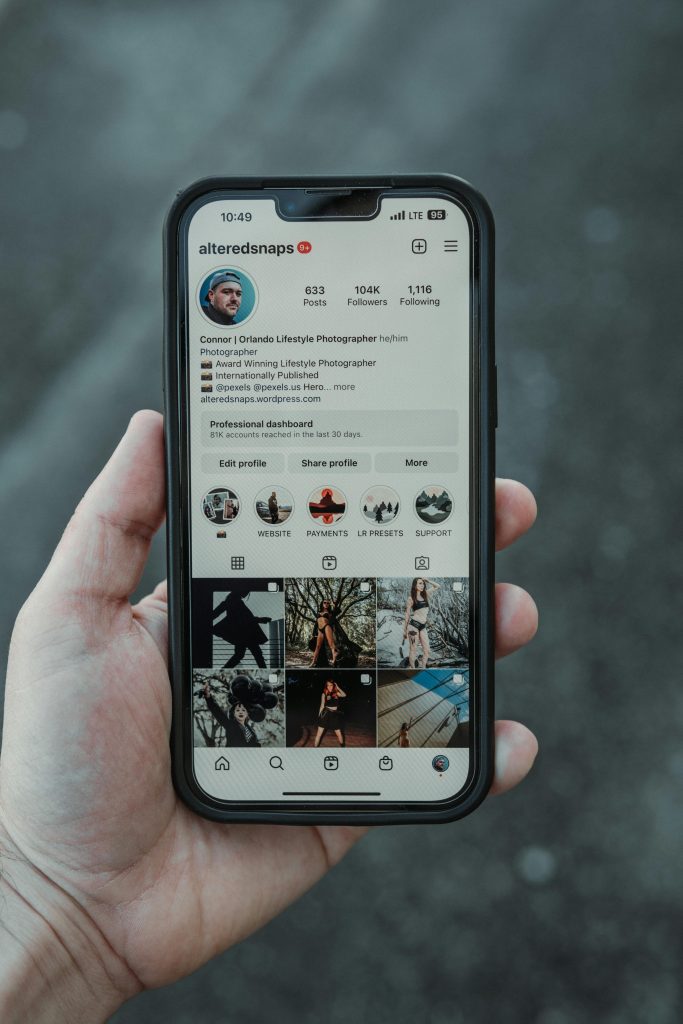
This week Seek Marketing Partners take time out to pass along some insider knowledge to all you SME owners… And we’re talking the kind of thing that usually only other social media companies in the UK and worldwide would know about. So read on, as our team fill you in on some of the best tools out there for Instagram marketing. We’ll even start off this list with one that we use ourselves… A tool we think EVERYONE should be using to make their Instagram marketing experience easier – whether you’re a professional social media marketing agency or a business owner providing your own social media marketing services. Are you ready? Then let’s begin!
Hootsuite
Hootsuite is an intuitive, easy to use scheduling tool that will make planning your Instagram marketing content easy. As promised in the intro we use Hootsuite ourselves, as do a lot of other companies offering Social media marketing services. As a result we can vouch for its simple but effective, and easy to understand nature. For Seek Marketing Partners, Hootsuite is the first step on the road to Instagram marketing success!
Linktree
Firstly, we have covered Linktree in depth in a previous blog post… So be sure to check that post out too later on! In brief though, Linktree helps your chosen social media marketing agency add extra links to your Instagram bio. That lets you raise your Instagram marketing game five-fold compared to everyone who’s still getting by with the single link Instagram gives you by default.
Combin
Combin helps your Instagram Marketing effort by offering insights into your current audience. In short, it shows you how you (or the social media marketing agency providing your social media marketing services) can grow that audience organically. Know where your audience is located, what hashtags they use, and more… Then find like-minded people who haven’t connected with you yet. Get the same power social media companies in the UK and abroad have. All by installing Combin and linking it to your account!
Socialrank
Incite and be prepared for the growth that top quality social media marketing services can bring by using Socialrank. Feel like a professional social media marketing agency as you get insights into a variety of key data points and follower demographics. That’s just the kind of info we and other social media companies in the UK can see… And Socialrank also gives you the power to organise and filter your audience based on a number of metrics. The golden rule for anyone providing social media marketing services is to ‘give the people what they want’. Well, Socialrank is a very effective tool for doing just that!
Socialinsider
Socialinsider is your agent in the competition’s ranks when it comes to Instagram marketing. This tool lets you see what your competition is doing with their own Instagram Marketing, what’s working for them, what isn’t and so on. The ability to look at historical data is really useful too. Using it, you can see what today’s Instagram marketing giants were doing back when they were your size, and have your social media marketing agency (or yourself, if you’re providing your own social media marketing services) adopt a similar approach. With Socialinsider, there’s no more need for guesswork!
Squarelovin
Squarelovin is in our opinion the best tool out there for making use of user-generated content. Collate that great content, share it, and use it in your own Instagram marketing to show your fans some love! Squarelovin will help you find awesome content and forward it on easily… and you’ll also receive crucial analytics data that a social media marketing agency, or anyone providing social media marketing services should be aware of…
Iconosquare
However, if you don’t want to be dealing with all of these Instagram Marketing tools individually, you’ll want to consider the last tool on our list. Icoosquare combines the scheduling capabilities of Hootsuite with the analytics of Socialrank and Combin. So, if you’re not signed up with a social media marketing agency and you’re providing your own social media marketing services, Iconosquare could offer you the most bang for your Instagram marketing buck!
These are some of the tools that boost productivity and ease your Instagram content creation process. Moreover, these tools help you to schedule your post. But you need an analytical tool to read your audience and their demographics—Instagram Insights is the right analytical tool built by Instagram itself.
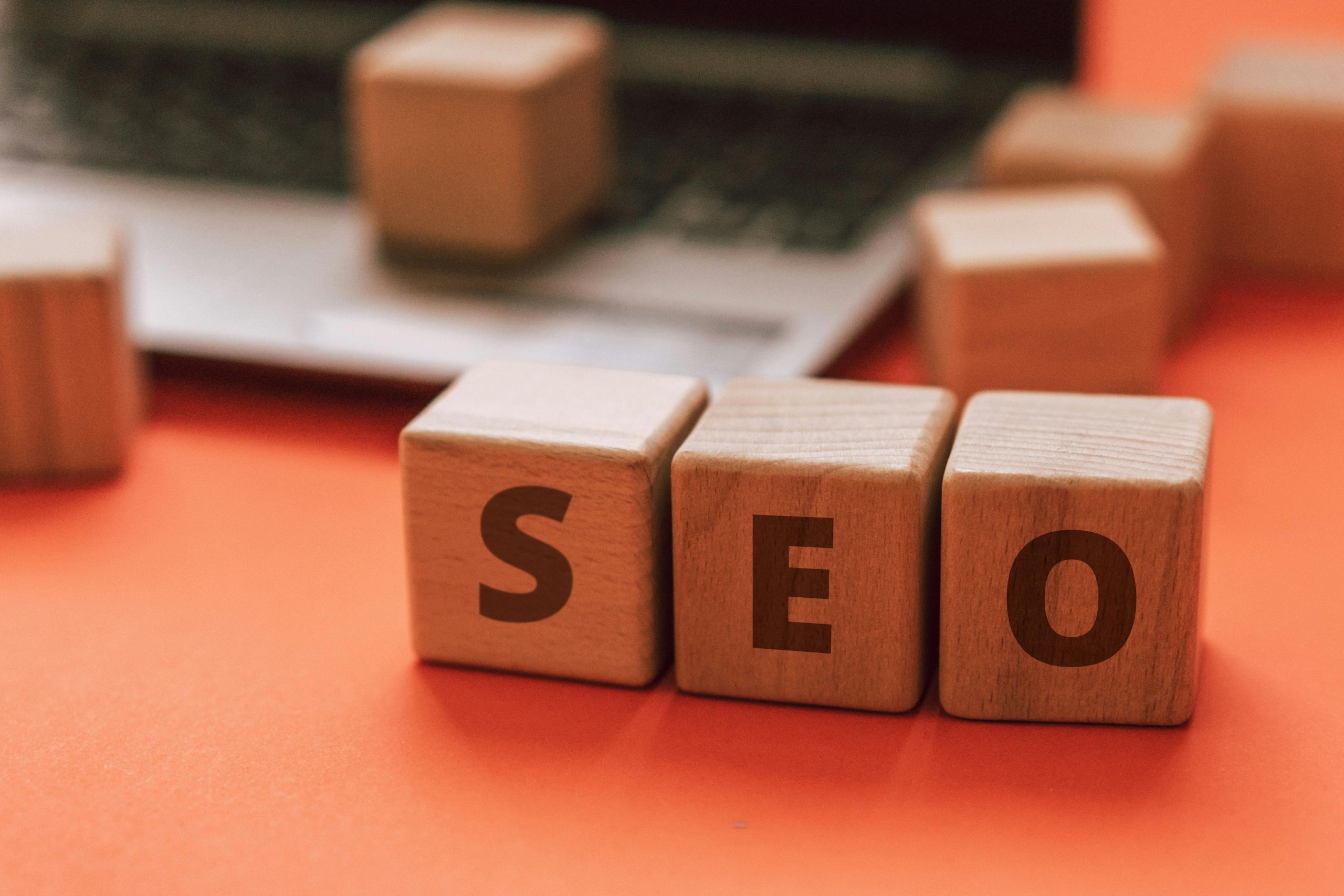
In the digital marketing landscape, businesses of all sizes are vying for the top spot in search engine results pages (SERPs). However, the competition becomes fiercer when small and medium-sized enterprises (SMEs) go head-to-head with colossal brands. How can these SMEs stand a chance in this ruthless marketplace? The answer is effective SEO for SMEs.
Understanding SEO and Its Importance for SMEs
Search Engine Optimisation, commonly referred to as SEO, is the practice of enhancing your website to improve its visibility in search engines. The higher your business ranks in search results, the more likely it is that users will visit your site.
SEO for SMEs is especially crucial. It’s a powerful tool that can help SMEs compete with big brands by improving their online visibility, reaching a broader audience, and increasing traffic and sales.
Global SEO vs. Local SEO: Knowing the Difference
SEO can be classified into two categories: Global SEO and Local SEO.
Global SEO targets a worldwide audience, focusing on broad keywords. It’s ideal for businesses that offer products or services globally.
On the other hand, Local SEO aims to reach customers in a specific geographical area. It’s perfect for SMEs serving a local community or region. Local SEO often helps these businesses outrank large corporations in local search results.
Exploring Different SEO Strategies for SMEs
Effective SEO for SMEs requires a strategic approach, which includes both on-page and off-page SEO techniques.
On-Page SEO
On-page SEO involves optimising individual pages on your website. These tactics help search engines understand the content of your site and determine if it’s a relevant answer to users’ queries.
Keyword Optimisation: This involves integrating relevant keywords into your website’s content. Keywords help search engines understand what your site is about.
Meta Descriptions: These are brief descriptions that appear under your web page’s title in search results. Well-written meta descriptions can entice users to click on your link.
Optimised Images: Image optimisation can improve page load times, boost website engagement, and contribute to a better user experience.
Off-Page SEO
Off-Page SEO involves techniques that improve your site’s reputation and authority. These actions occur outside of your website but still significantly influence your rankings.
Link Building: This is the process of getting high-quality inbound links from other websites. These links signal to search engines that your site is a trusted source of information.
Social Media Promotion: Social media platforms like Facebook, Twitter, LinkedIn, and Instagram are excellent channels for promoting your website content and boosting your online visibility.
Online Reviews: Positive online reviews can enhance your business’s reputation, instill trust in potential customers, and positively influence your rankings.
Ecommerce SEO
If you’re running an e-commerce business, implementing SEO for SMEs can be a game-changer. Ecommerce SEO is all about making your online store more visible in the SERPs. By focusing on product page optimisation and providing high-quality, useful content, you can increase organic traffic and boost sales.
Utilising PPC alongside SEO
While SEO is about earning site visits organically, Pay-Per-Click (PPC) is about paying for clicks to your website. Utilising both can help SMEs maximise their online presence. PPC can complement SEO for SMEs by providing immediate results while your SEO efforts are still gaining traction.
PPC can provide immediate visibility on search engines, complementing the long-term results of SEO.
Is SEO for SMEs cost-effective compared to traditional marketing methods?
Yes, SEO for SMEs is a cost-effective marketing strategy. It focuses on attracting users who are actively looking for your services or products online, leading to more targeted and effective marketing. This can often yield a better return on investment compared to traditional advertising methods.
Can SEO for SMEs improve the credibility of my business?
Absolutely! SEO for SMEs not only improves online visibility but also enhances business credibility. Websites that rank high in search results are often perceived as more reputable. Additionally, SEO practices like producing high-quality content and earning backlinks from authoritative sites can significantly enhance your brand’s credibility.
How can SEO for SMEs help increase conversion rates?
SEO for SMEs can boost conversion rates by attracting high-quality traffic to your site. By optimising for keywords with strong commercial intent and improving the user experience on your site, you can better persuade visitors to take desired actions such as making a purchase, signing up for a newsletter, or filling out a contact form.
Conclusion
In the world of digital marketing, the competition is fierce, but that doesn’t mean SMEs can’t compete with the big brands. With effective SEO, whether local SEO, global SEO, on-page SEO, off-page SEO, or ecommerce SEO, SMEs can boost their online presence, reach a broader audience, and effectively compete with their larger counterparts. So why not give it a go? Our team at Seek Marketing Partners is ready and waiting to guide you through the world of SEO for SMEs. We offer comprehensive digital marketing solutions tailored to your unique business needs. Get in touch today – contact us here or connect with us on social media, Facebook, LinkedIn, and Tiktok.
In the highly competitive hospitality industry, hotels are constantly seeking effective strategies to differentiate themselves and attract guests. In today’s digital age, a strong online presence is crucial, and that’s where building a long-term partnership with a reputable digital marketing agency like Seek Marketing Partners can make a significant difference. By collaborating with Seek Marketing Partners, a trusted leader in digital marketing for hotels, you can unlock a multitude of benefits that will elevate your hotel’s online visibility, increase bookings, and ultimately drive revenue.
Expertise in the Hotel Industry and Digital Marketing
Building a long-term partnership with Seek Marketing Partners gives you access to a team of experts who possess extensive knowledge in digital marketing for hotels. Our experienced professionals understand the unique challenges and opportunities within the hotel sector, including market trends, guest preferences, and industry-specific strategies. By combining our expertise with advanced digital marketing techniques, we can develop tailored campaigns that effectively target your desired audience, enhance your brand’s visibility, and drive direct bookings.
Customised SEO Strategies for Enhanced Online Visibility
One of the key components of digital marketing for hotels is Search Engine Optimisation (SEO). Seek Marketing Partners excels in developing and implementing customised SEO strategies that enhance your hotel’s online visibility. We conduct comprehensive keyword research, optimise your website’s content, meta tags, and images, and implement technical SEO tactics to improve your organic search rankings. Whether you aim to optimise your local SEO to attract nearby guests or expand your international reach, Seek Marketing Partners can tailor SEO efforts to suit your specific goals, ensuring your hotel appears prominently in search engine results.
Targeted Content Marketing for Increased Engagement
Engaging and informative content plays a vital role in attracting and engaging potential guests. Seek Marketing Partners specialises in creating targeted content marketing strategies for hotels. Through captivating blog posts, articles, videos, and social media content, we highlight your hotel’s unique features, local attractions, and travel tips. By crafting compelling content that resonates with your target audience, we position your hotel as a trusted authority, build brand loyalty, and drive guest engagement. Our effective digital marketing for hotels that consists of content marketing, combined with SEO strategies, significantly increases your hotel’s visibility and drives quality traffic to your website.
Social Media Marketing for Enhanced Brand Promotion and Customer Engagement
Social media platforms have become essential channels for hotels to connect with their audience. Seek Marketing Partners offers digital marketing for hotels with comprehensive social media marketing strategies that leverage popular platforms such as Facebook, Twitter, LinkedIn, and Instagram. Through compelling content creation, targeted ad campaigns, and active user engagement, we increase brand awareness, drive website traffic, and foster meaningful connections with potential guests. By utilising social media analytics, we continually track performance, refine strategies, and ensure your hotel remains visible and engaging across social media platforms.
Effective Email Marketing Campaigns for Customer Retention and Direct Bookings
Email marketing remains a powerful tool for hotels to nurture customer relationships and drive repeat bookings. Seek Marketing Partners’ digital marketing for hotels specialises in designing and executing effective email marketing campaigns that target previous guests, subscribers, and potential customers. Through personalised emails, we share exclusive offers, promotions, and updates that encourage direct bookings and foster guest loyalty. Leveraging our expertise in segmentation, automation, and analytics, we achieve higher open rates, click-through rates, and conversions, resulting in increased revenue and enhanced customer retention.
FAQs
How can Seek Marketing Partners assist in improving our hotel’s online reputation?
Seek Marketing Partners understands the importance of a positive online reputation for hotels. We employ various strategies to enhance your hotel’s reputation, including monitoring and responding to guest reviews on review platforms and social media. We proactively address guest feedback, both positive and negative, to showcase your hotel’s commitment to guest satisfaction. In addition to our digital marketing for hotels, we implement strategies to encourage guests to leave positive reviews, strengthening your hotel’s reputation and credibility in the online space.
What role does pay-per-click (PPC) advertising play in digital marketing for hotels?
Seek Marketing Partners recognises the significance of PPC advertising in driving immediate traffic and bookings for hotels. With PPC, we strategically place targeted ads on search engines and other relevant platforms, paying only when someone clicks on the ad. This allows us to reach potential guests at the right moment, increase your hotel’s visibility, and generate direct bookings. Our team, who are knowledgeable in digital marketing for hotels, manages and optimise your PPC campaigns to ensure maximum return on investment (ROI) and cost-effectiveness.
How can Seek Marketing Partners help hotels with international SEO?
Seek Marketing Partners’ digital marketing for hotels is well-versed in international SEO strategies. We understand the complexities of targeting audiences from different countries and cultures. Through thorough research and optimisation techniques, we tailor your hotel’s digital presence to attract international guests. Our digital marketing for hotels includes optimising geo-targeted keywords and localising your website, we help you expand your reach and capture the attention of international travellers seeking accommodation.
Conclusion
Partnering with Seek Marketing Partners, a leading digital marketing agency, can bring numerous benefits to your hotel’s online presence, brand visibility, and revenue generation. Our expertise in digital marketing for hotels allows us to create customised SEO strategies, targeted content marketing campaigns, and effective social media and email marketing initiatives. By collaborating with us, you can enhance your hotel’s online reputation, drive direct bookings, and establish a strong connection with your target audience. Contact us today to begin your journey towards success in digital marketing for hotels. Connect with us on social media Facebook, LinkedIn, and Tiktok, to stay updated with the latest marketing trends and insights.
In today’s digitally dominated marketplace, businesses, regardless of their size, are tapping into the potential of digital marketing. For large businesses, the benefits are even more significant, extending beyond the realm of online presence and customer reach. This article, with insights from Seek Marketing Partners, a leading digital marketing agency, delves into the advantages that digital marketing holds for large businesses.
The Unrivalled Power of Digital Marketing for Large Business
With the right strategy, digital marketing for large business can lead to unparalleled growth and success. Here, we explore the most potent benefits.
Global Reach
Digital marketing for large business extends a business’s reach far beyond local or national boundaries. With strategies like SEO, PPC, and social media marketing, businesses can target audiences around the globe.
The Role of SEO and PPC
SEO, through improved organic search results, and PPC, with its targeted advertising, allows large businesses to reach a worldwide audience, increasing their brand visibility and generating higher traffic.
Customer Engagement
Digital marketing for large business provides platforms for businesses to directly interact with customers. From social media marketing to email marketing, businesses can foster relationships with customers and maintain brand loyalty.
Leveraging Social Media and Email Marketing
Through personalised messages via email marketing and real-time responses on social media, large businesses can strengthen their customer engagement and provide better customer service.
Data-Driven Decisions
With digital marketing for large business, they gain access to a wealth of data. This data, when analysed, can provide valuable insights into customer behaviour, campaign performance, and more, enabling informed decision-making.
Analytics and Adaptability
Digital marketing for large business enables real-time tracking and analysis of campaigns. These insights allow businesses to adapt strategies promptly, ensuring optimal performance and return on investment.
The Digital Marketing Strategies that Large Businesses Should Leverage
Digital marketing for large business encompasses various strategies, each bringing unique advantages. Here are some essential digital marketing strategies for large businesses:
Social Media Marketing
Social media platforms provide large businesses with avenues to interact with customers on a personal level, share updates, and respond to queries promptly.
Content Marketing
Through the creation and sharing of valuable content, large businesses can assert their authority in the industry, driving traffic and nurturing leads.
Web Design and Development
A professional, user-friendly, and SEO-optimised website is integral to a business’s digital presence. It reflects the brand’s image and ensures visitors can find the information they seek effortlessly.
Embrace Digital Transformation with Seek Marketing Partners
At Seek Marketing Partners, we understand the complexities of digital marketing for large business. Our team is dedicated to helping your business harness the full potential of digital marketing.
Comprehensive Digital Marketing Solutions
We offer comprehensive digital marketing for large business, covering SEO, PPC, social media marketing, content marketing, email marketing, and web design and development.
Tailored to Your Business
Every business is unique, and so should be its digital marketing strategy. We take the time to understand your business, its goals, and its market, to tailor a digital marketing plan that fits perfectly.
Partnership for Success
We believe in building partnerships. We work closely with you, understand your needs, and are always there to discuss your strategy.
FAQs
Is digital marketing only for large businesses?
No, digital marketing can be beneficial for businesses of all sizes, including small and medium-sized businesses.
How does digital marketing differ for large businesses and small businesses?
While the core elements remain the same, digital marketing for large business differs from small businesses since large businesses often have more resources and can invest in more extensive and diversified digital marketing strategies.
Can large businesses handle digital marketing in-house?
While some large businesses have in-house digital marketing teams, many choose to work with specialised digital marketing agencies with knowledge of digital marketing for large business to benefit from their expertise and resources.
Conclusion
In the digital era, leveraging the power of digital marketing for large business is not an option, but a necessity. From enhancing brand visibility to building customer relationships, the benefits are immense. If you’re ready to unlock these benefits, contact Seek Marketing Partners. Our team of digital marketing for large business experts is ready to help. Connect with us on Facebook, LinkedIn, and Tiktok to stay up-to-date with our latest insights and solutions. With Seek Marketing Partners, take your large business to new digital heights.
In today’s fast-paced digital landscape, startups face numerous challenges when it comes to establishing a strong foothold in the market. However, the advent of digital marketing has revolutionised the way businesses operate, offering a wealth of opportunities for startups to thrive. This article explores the pivotal role of digital marketing for startups, demonstrating how it can drive growth, enhance visibility, and maximise customer engagement. At Seek Marketing Partners, we specialise in empowering startups through innovative digital marketing strategies and cutting-edge solutions tailored to their unique needs.
Why Digital Marketing is Essential for Startups
Digital marketing for startups plays a crucial role in the success of startup businesses, offering a myriad of benefits that traditional marketing channels simply can’t match. Here are some key reasons why digital marketing is essential for startups:
Increased Visibility and Brand Awareness
In a competitive marketplace, establishing a strong brand presence is vital for startups. Digital marketing for startups provides an effective platform to boost visibility and create brand awareness. Through targeted strategies such as search engine optimisation (SEO) and local SEO, startups can increase their online visibility, ensuring their brand is discovered by the right audience. Seek Marketing Partners’ expert team can optimise your website and content, enabling it to rank higher on search engine results pages (SERPs) and attract organic traffic.
Enhanced Targeting and Cost-Effectiveness
Unlike traditional marketing methods, digital marketing for startups allows them to precisely target their audience based on demographics, interests, and online behaviour. This level of targeting ensures that marketing efforts are focused on those most likely to convert, maximising return on investment (ROI). Pay-per-click (PPC) advertising is a powerful tool in this regard, enabling startups to display targeted ads to their desired audience. Seek Marketing Partners can assist you in creating optimised PPC campaigns that generate qualified leads and drive conversions.
Engaging and Building Relationships with Customers
Customer engagement is vital for startups, as it establishes trust, fosters loyalty, and generates repeat business. Digital marketing for startups provides a range of channels to engage with their target audience. Social media marketing, for instance, allows startups to connect with potential customers on platforms such as Facebook, Twitter, LinkedIn, and Instagram. Seek Marketing Partners can help you develop compelling social media campaigns that resonate with your audience, building lasting relationships and driving brand advocacy.
The Key Components of Digital Marketing for Startups
To harness the full potential of digital marketing for startups, businesses should leverage a range of key components. Seek Marketing Partners offers comprehensive solutions in the following areas:
SEO (Search Engine Optimisation)
SEO is a fundamental pillar of digital marketing for startups. By optimising your website’s structure, content, and relevance to targeted keywords, Seek Marketing Partners can help your startup achieve higher organic rankings on search engines like Google. Our team conducts in-depth keyword research, implements on-page and off-page SEO strategies, and tracks performance to ensure long-term success.
PPC (Pay-Per-Click) Advertising
PPC advertising provides immediate visibility for startups by placing ads on search engines and websites. Seek Marketing Partners’ digital marketing for startups can help you create highly targeted PPC campaigns, optimising keywords, ad copy, and landing pages to maximise conversions while minimising costs. Our team monitors campaigns closely, making data-driven adjustments to enhance performance and ROI.
Social Media Marketing
Social media platforms have become powerful marketing tools, allowing startups to connect with their target audience, build brand loyalty, and drive engagement. Digital marketing for startups can develop a comprehensive social media marketing strategy, creating and scheduling content, managing ad campaigns, and analysing performance to ensure optimal results across platforms such as Facebook, Twitter, LinkedIn, and Instagram.
Content Marketing
Engaging and informative content is essential for startups to establish credibility, attract customers, and boost organic traffic. Our digital marketing for startups can help you craft compelling content, including blog posts, articles, infographics, and videos, tailored to your target audience’s interests and needs. By employing content marketing strategies, startups can position themselves as industry thought leaders and generate valuable leads.
Email Marketing
Email marketing remains a highly effective channel for startups to nurture leads, promote products or services, and drive conversions. Seek Marketing Partners’ digital marketing for startups can assist you in developing personalised email marketing campaigns, creating engaging content, and leveraging automation tools to deliver timely and relevant messages to your audience.
Web Design and Development
A visually appealing and user-friendly website is crucial for startups to make a strong first impression and facilitate seamless user experiences. Seek Marketing Partners’ web design and development team can create stunning websites optimised for conversion, speed, and responsiveness. We ensure that your website aligns with your brand identity, effectively communicates your value proposition, and encourages visitors to take action.
FAQs
How can digital marketing help startups gain a competitive edge?
Digital marketing for startups enables them to level the playing field with established competitors. By implementing targeted strategies such as SEO, PPC, and social media marketing, startups can effectively reach their target audience, create brand awareness, and drive conversions, thus gaining a competitive edge.
How long does it take to see results from digital marketing efforts?
The timeframe for seeing results from digital marketing for startups’ efforts varies depending on several factors, including the competitiveness of the industry, the chosen strategies, and the startup’s goals. While some results can be achieved relatively quickly, such as increased website traffic, long-term success and sustained growth often require ongoing efforts and optimisation.
How can Seek Marketing Partners’ team assist startups in their digital marketing journey?
Seek Marketing Partners’ team consists of experienced digital marketers who specialise in digital marketing for startups. We take a tailored approach, understanding your unique needs and goals, and developing bespoke strategies to achieve them. Whether you require SEO, PPC, social media marketing, content marketing, email marketing, or web design and development, our team has the expertise to drive your startup’s success.
Conclusion
Digital marketing has emerged as a game-changer for startups, providing the tools and strategies necessary to accelerate growth, enhance visibility, and foster meaningful customer relationships. By leveraging the power of SEO, PPC advertising, social media marketing, content marketing, email marketing, and web design and development, startups can establish a strong online presence and thrive in today’s competitive landscape. Seek Marketing Partners’ expert team stands ready to guide startups through their digital marketing for startups journey, helping them achieve their goals and surpass their expectations. Contact us today to discover how we can collaborate and drive your startup towards success. Connect with us on social media platforms such as Facebook, LinkedIn, and Tiktok to stay updated with the latest industry trends and insights.
In today’s digital age, having a strong online presence is crucial for the success of any business, including coffee shops. With the rise of e-commerce and the increasing competition in the coffee industry, a well-executed digital marketing strategy can make all the difference. This article will explore the importance of a professional digital marketing strategy for coffee shops and how Seek Marketing Partners can help you optimize your online presence.
The Benefits of a Digital Marketing Strategy for Coffee Shops
In this section, we will delve into the various benefits that a digital marketing strategy can offer to coffee shops.
The Benefits of a Digital Marketing Strategy for Coffee Shop
Increased Visibility and Reach
A well-planned digital marketing strategy enables coffee shops to reach a wider audience beyond their physical location. By utilizing search engine optimization (SEO), local SEO, and global SEO techniques, you can ensure that your coffee shop appears in relevant search results when potential customers are looking for coffee-related products or services in your area or beyond.
The Benefits of a Digital Marketing Strategy for Coffee Shop
Improved Brand Awareness and Reputation
A strong online presence helps in building brand awareness and establishing a positive reputation for your coffee shop. With the right digital marketing strategy, you can create engaging and informative content that showcases your expertise in the coffee industry. This content can be shared on various platforms, such as your website, social media channels, and industry-related blogs, thereby increasing your visibility and credibility.
The Benefits of a Digital Marketing Strategy for Coffee Shop
Enhanced Customer Engagement
Digital marketing provides coffee shops with multiple avenues to engage with their customers. Through social media marketing, you can create a loyal community of coffee enthusiasts who interact with your brand, share their experiences, and spread the word about your coffee shop. Email marketing campaigns allow you to stay connected with your customers, providing updates, promotions, and exclusive offers.
The Benefits of a Digital Marketing Strategy for Coffee Shop
Increased Website Traffic and Conversions
A professional digital marketing strategy incorporates various techniques to drive traffic to your coffee shop’s website. By optimizing your website through on-page SEO, you can improve its visibility in search engine results pages (SERPs). Additionally, off-page SEO techniques, such as link building and guest blogging, can increase the authority and credibility of your website, attracting more organic traffic and potential customers.
The Components of an Effective Digital Marketing Strategy for Coffee Shops
A successful digital marketing strategy for coffee shops comprises several key components. Let’s explore each of them:
The Components of an Effective Digital Marketing Strategy for Coffee Shop
Search Engine Optimization (SEO)
SEO plays a vital role in ensuring that your coffee shop’s website ranks high in search engine results. It involves optimizing your website’s structure, content, and keywords to make it more relevant and appealing to search engines. By incorporating targeted keywords related to your coffee shop, such as “artisan coffee” or “specialty brews,” you can attract organic traffic and potential customers who are actively searching for these terms.
The Components of an Effective Digital Marketing Strategy for Coffee Shop
Social Media Marketing
Social media platforms, including Facebook, Twitter, LinkedIn, and Instagram, provide excellent opportunities for coffee shops to connect with their target audience. Through engaging content, attractive visuals, and regular updates, you can build a strong online presence and foster meaningful relationships with your customers. Encouraging users to share their experiences and reviews can amplify your brand’s reach and influence.
The Components of an Effective Digital Marketing Strategy for Coffee Shop
Content Marketing
Content marketings involves creating and sharing valuable and relevant content to attract and retain customers. For coffee shops, this can include blog posts about coffee brewing techniques, recipes, or profiles of different coffee beans. By consistently providing informative and entertaining content, you position your coffee shop as a reliable source of expertise and build trust with your audience.
The Components of an Effective Digital Marketing Strategy for Coffee Shop
Email Marketing
Email marketing allows coffee shops to communicate directly with their customers, providing them with personalized offers, news, and updates. By collecting email addresses through your website or in-store, you can create targeted campaigns tailored to specific customer segments. Offering exclusive discounts or early access to new coffee blends can incentivize customers to stay connected and make repeat purchases.
The Role of Digital Marketing Strategy for Coffee Shop
Frequently Asked Questions (FAQs)
How can digital marketing benefit my coffee shop’s online sales?
A well-executed digital marketing strategy can increase your coffee shop’s online visibility, attract more website traffic, and ultimately lead to higher online sales.
What is the importance of local SEO for coffee shops?
Local SEO helps your coffee shop appear in local search results when customers are looking for coffee shops or related services in their area, increasing foot traffic and local customer acquisition.
How can social media marketing help in promoting my coffee shop?
Social media marketing allows you to engage with your target audience, build brand awareness, and promote your coffee shop’s unique offerings and special promotions.
Is content marketing relevant for coffee shops?
Yes, content marketing plays a crucial role in establishing your coffee shop as an expert in the industry, attracting customers through valuable and informative content.
The Role of Digital Marketing Strategy for Coffee Shop
Conclusion
In the fiercely competitive coffee industry, professional digital marketing strategy for coffee shops is essential for your success. Seek Marketing Partners, a leading digital marketing agency, offers a wide range of services, including SEO, local SEO, content marketing, social media marketing, email marketing, web development, web design, and graphic design. By implementing an effective digital marketing strategy, you can increase your coffee shop’s visibility, engage with customers, and drive online and offline sales. To learn more about how Seek Marketing Partners can help your coffee shop thrive, contact us and connect with us on social media platforms like Facebook, Tiktok, LinkedIn, and Instagram.
In an era of technological ubiquity, harnessing the power of digital marketing is not just advantageous—it’s crucial. In this informative piece, we delve into the question, “What are the advantages of digital marketing?” and provide an enlightening analysis that can illuminate your business strategy.
Navigating the Digital Landscape
What is Digital Marketing?
In its simplest form, digital marketing refers to any marketing efforts that leverage online channels. This can encompass SEO, content marketing, social media marketing, PPC, email marketing, and even web design and development. The fundamental advantage of digital marketing is its capacity to reach a global audience, but the benefits certainly don’t end there.
The Role of SEO in Digital Marketing
Search Engine Optimisation (SEO) is the cornerstone of digital marketing. By optimising your website with relevant keywords and high-quality content, you increase its visibility on search engines, attracting a larger and more targeted audience.
The Benefits of Digital Marketing
Asking, “What are the advantages of digital marketing?” uncovers a treasure trove of benefits.
Measurable Results
Unlike traditional marketing methods, digital marketing allows for precise tracking and real-time results. This means you can adapt your strategy based on accurate data, optimising your campaigns for the highest return on investment.
Highly Targeted
Digital marketing enables laser-focused targeting. Whether it’s demographic information, browsing habits, or personal interests, online platforms provide data that allows you to tailor your campaigns to your ideal customer.
Cost-Effective and Scalable
In comparison to traditional marketing, digital campaigns offer significantly better cost-effectiveness. With a wide range of scalable options available, businesses of all sizes can benefit from digital marketing.
The Pillars of Digital Marketing Success
Content Marketing
Content marketing provides value to your audience, creating trust and encouraging engagement. Well-crafted content improves SEO, drives traffic, and guides consumers through the buyer’s journey.
Social Media Marketing
Platforms like Facebook, Twitter, LinkedIn, and Instagram have become crucial marketing channels. Social media marketing fosters brand awareness, community building, and customer service.
PPC and Email Marketing
Pay-per-click (PPC) advertising is a powerful way to drive traffic to your website. Email marketing remains a potent tool for nurturing leads and maintaining customer relationships.
Graphic Design and Web Design and Development
Aesthetically pleasing graphic design and a user-friendly website reflect your brand’s professionalism. These are crucial aspects of attracting and retaining your online audience.
FAQs
What role does my website play in digital marketing?
Your website is the hub of all your digital marketing efforts. A well-designed website boosts SEO, enhances user experience, and improves conversion rates.
How important is content marketing in digital marketing?
Content marketing is integral to digital marketing. It drives traffic, supports SEO efforts, and strengthens your relationship with customers by providing value.
What’s the most effective social media platform for marketing?
The effectiveness of a platform depends on your target audience. Different demographics have different platform preferences. Research to determine where your audience spends their time online.
Conclusion
In conclusion, the question, “What are the advantages of digital marketing?” opens the door to a host of benefits. From the broad reach of SEO to the specificity of targeted campaigns, from the measurable results to the cost-effectiveness, digital marketing’s advantages are truly transformative. If you want to make the most of these opportunities, we invite you to contact us at Seek Marketing Partners. With our comprehensive digital marketing services and our team of experts, we can help you navigate this dynamic landscape, unlock the potential of your business and help your business to live up to the question “What are the advantages of digital marketing?”. Connect with us on social media via Facebook, LinkedIn, and Tiktok to learn more about how we can help your business thrive in the digital era.
In today’s digital age, it’s crucial for dry cleaners to embrace the power of digital marketing to attract and retain customers. With the right strategies in place, you can effectively promote your dry cleaning services, increase brand awareness, and drive more footfall to your business. This article will guide you through the digital marketing for dry cleaners, helping you stand out from the competition and grow your customer base. Seek Marketing Partners, a leading digital marketing agency, is here to assist you every step of the way.
How to Stand Out with Digital Marketing for Dry Cleaners
Understanding the Digital Landscape for Dry Cleaners
As a dry cleaner, it’s important to recognise the changing dynamics of consumer behaviour. With the rise of online platforms, customers are increasingly using the internet to find local services, including dry cleaners. By adapting digital marketing for dry cleaners, you can position your business ahead of the competition.
The shift to online channels
With the proliferation of smartphones and the ease of accessing information on the go, customers now rely on search engines and online directories to find local dry cleaners. It’s crucial to establish a strong online presence to be easily discoverable by potential customers.
Targeting local customers effectively
Local SEO plays a vital role in digital marketing for dry cleaners especially in ensuring that your dry cleaning business appears prominently in local search results. By optimising your website and online listings with location-specific keywords, you can attract customers in your area who are actively seeking dry cleaning services.
Importance of a mobile-friendly website
With the majority of internet users accessing the web through their mobile devices, it’s essential to have a responsive and mobile-friendly website. This ensures a seamless user experience and encourages potential customers to engage with your services.
How to Stand Out with Digital Marketing for Dry Cleaners
Optimising Your Website for Search Engines
To maximise your online visibility and drive organic traffic, it’s essential to optimise your website for search engines.
Conducting keyword research
Identify relevant keywords and phrases that potential customers might use when searching for dry cleaning services. Tools like Google Keyword Planner can help you discover high-traffic keywords and their variations.
On-page optimisation techniques
Incorporate your target keywords naturally within your website’s content, meta tags, headings, and image alt tags. Ensure that your website’s structure is well-organised, with clear navigation and user-friendly URLs.
Importance of local SEO for dry cleaners
Claim and optimise your Google My Business listing, ensuring accurate and consistent information about your business. Encourage customers to leave positive reviews, as they can significantly impact your local search rankings.
How to Stand Out with Digital Marketing for Dry Cleaners
Pay-Per-Click Advertising (PPC) for Dry Cleaners
PPC advertising is a component of digital marketing for dry cleaners that offers an effective way to drive immediate traffic and increase visibility for your dry cleaning business.
Benefits of PPC campaigns
With PPC, you only pay when someone clicks on your ads, making it a cost-effective marketing strategy. It allows you to target specific keywords and geographic locations, ensuring your ads are shown to relevant customers.
Creating compelling ad copy
Craft attention-grabbing headlines and compelling ad descriptions that highlight the unique selling points of your dry cleaning services. Use ad extensions to provide additional information, such as contact details and promotional offers.
Optimising landing pages for conversions
Design dedicated landing pages that align with your PPC ads. Ensure clear call-to-action buttons and a streamlined user experience to increase the likelihood of conversions, such as appointment bookings or inquiries.
How to Stand Out with Digital Marketing for Dry Cleaners
Leveraging Content Marketing Strategies
Content marketing is a part of digital marketing for dry cleaners that enables you to showcase your expertise, educate your audience, and build trust with potential customers.
Creating informative blog posts
Write blog posts addressing common dry cleaning concerns, such as stain removal tips or fabric care guides. This establishes your business as an authority in the industry and provides valuable content for potential customers.
Showcasing expertise through video content
Create engaging videos demonstrating your dry cleaning techniques or providing behind-the-scenes glimpses of your operations. Videos are highly shareable and can help increase brand awareness and engagement.
Engaging with customers through newsletters
Build an email subscriber list and send regular newsletters to keep customers informed about promotions, seasonal offers, and expert advice. Personalise your emails to establish a connection and encourage repeat business.
How to Stand Out with Digital Marketing for Dry Cleaners
Harnessing the Power of Social Media Marketing
Social media platforms provide a valuable opportunity to connect with customers, showcase your services, and build a community around your dry cleaning business.
Building a strong presence on Facebook
Create a Facebook business page and regularly post updates, promotions, and useful tips. Engage with customers by responding to comments and messages promptly.
Engaging with customers on Twitter
Use Twitter to share quick tips, industry news, and respond to customer queries. Utilise relevant hashtags and participate in conversations to expand your reach and visibility.
Leveraging LinkedIn for B2B opportunities
If your dry cleaning business offers commercial services, LinkedIn can be a valuable platform for networking and connecting with potential business clients. Share insightful articles and participate in relevant industry groups.
Showcasing your business on Instagram
Share visually appealing images and videos showcasing your dry cleaning process, before and after transformations, and satisfied customers. Collaborate with local influencers or partner with complementary businesses for increased exposure.
How to Stand Out with Digital Marketing for Dry Cleaners
Email Marketing Campaigns for Dry Cleaners
One component of digital marketing for dry cleaners is email marketing. Email marketing allows you to nurture relationships with existing customers and drive repeat business.
Building an email subscriber list
Encourage website visitors and customers to subscribe to your email list by offering incentives such as exclusive discounts or informative content. Use pop-ups or embedded forms to capture email addresses.
To maintain a high-quality subscriber list, using an email checker helps verify addresses, reduce bounce rates, and improve overall campaign effectiveness.
Crafting personalised and engaging emails
Segment your email list based on customer preferences and past interactions. Send targeted emails with personalised subject lines, relevant content, and compelling calls to action to increase open rates and conversions.
Offering exclusive discounts and promotions
Reward your loyal customers with exclusive offers, such as discounted dry cleaning services or referral bonuses. Limited-time promotions can create a sense of urgency and drive immediate action.
How to Stand Out with Digital Marketing for Dry Cleaners
Enhancing Your Brand with Graphic Design
Effective graphic design can help your dry cleaning business create a memorable and professional brand identity.
Developing a memorable logo and brand identity
Work with a graphic designer to create a unique logo that reflects your brand’s values and sets you apart from competitors. Consistency in branding across all touchpoints reinforces brand recognition.
Designing eye-catching marketing materials
Create visually appealing flyers, brochures, and business cards that highlight your services and contact information. High-quality design can leave a lasting impression on potential customers.
Creating visually appealing social media posts
Use design tools to create engaging graphics for your social media posts. Incorporate your branding elements, such as colours, fonts, and logo, to maintain a cohesive visual identity.
How to Stand Out with Digital Marketing for Dry Cleaners
Importance of Web Development and Design
A well-designed and user-friendly website is essential for attracting and retaining customers.
Optimising website speed and performance
Ensure that your website loads quickly on both desktop and mobile devices. Compress images, enable browser caching, and utilise content delivery networks (CDNs) to enhance performance.
Ensuring responsive design for mobile users
With the increasing number of users accessing the internet via mobile devices, responsive design is crucial. Your website should adapt seamlessly to different screen sizes and provide an optimal user experience.
Implementing user-friendly navigation
Make it easy for visitors to find the information they need. Use clear and intuitive navigation menus, logical page hierarchies, and include a search bar for quick access to specific content.
How to Stand Out with Digital Marketing for Dry Cleaners
Seeking Professional Assistance from Seek Marketing Partners
At Seek Marketing Partners, we understand the unique challenges and opportunities that dry cleaners face in the digital landscape. Seek Marketing Partners’ digital marketing for dry cleaners can help you stand out in the crowded market.
How Seek Marketing Partners can help your dry cleaning business
Our experienced digital marketing team can develop and execute tailored strategies to boost your online presence, drive traffic, and increase conversions. We specialise in SEO, PPC, content marketing, social media marketing, email marketing, graphic design, web development, and web design.
A dedicated team of experts
Our team of professionals stays up to date with the latest industry trends and best practices. We take the time to understand your specific goals and create customised strategies to help your dry cleaning business succeed.
Connect with Seek Marketing Partners on social media
Stay informed about the latest digital marketing insights, industry news, and Seek Marketing Partners updates by connecting with us on social media. Follow us on Facebook, LinkedIn, and TikTok to join the conversation and receive valuable tips and advice.
How to Stand Out with Digital Marketing for Dry Cleaners
Conclusion
In today’s digital era, standing out as a dry cleaner requires a strategic and comprehensive approach to digital marketing. By understanding the digital landscape, optimising your website, leveraging PPC advertising, utilising content marketing strategies, harnessing social media platforms, implementing email marketing campaigns, enhancing your brand with graphic design, and focusing on web development and design, you can effectively promote your dry cleaning services and attract more customers. Seek Marketing Partners, with its team of experts and wide range of digital marketing for dry cleaners, is ready to support your dry cleaning business on its journey to success. Contact us today to discuss how we can help you thrive in the competitive digital landscape.
In today’s digital age, the online presence of aesthetic clinics plays a crucial role in attracting new patients and expanding their customer base. With the rapid growth of the internet and the increasing popularity of social media, traditional marketing methods are no longer enough to stand out in a competitive landscape. This is where digital marketing for aesthetic clinics comes into play. By harnessing the power of various online channels and strategies, clinics can effectively reach their target audience, build brand awareness, and ultimately drive conversions.
In this article, we will explore how digital marketing for aesthetic clinics can help in reaching new patients. From search engine optimisation (SEO) to pay-per-click (PPC) advertising, content marketing, social media marketing, and more, we will delve into the key strategies and techniques that can make a significant impact on a clinic’s online visibility and success.
How Digital Marketing for Aesthetic Clinics Can Help Reach New Patients
The Power of Search Engine Optimisation (SEO)
When potential patients are looking for aesthetic clinics, they often turn to search engines like Google to find reliable and trustworthy options. This is where SEO becomes invaluable. By optimising your clinic’s website for relevant keywords and enhancing its overall user experience, you can improve your search engine rankings and increase organic traffic. Through effective SEO techniques such as keyword research, on-page optimisation, link building, and local SEO, your clinic can appear higher in search results, making it more visible to potential patients.
How Digital Marketing for Aesthetic Clinics Can Help Reach New Patients
PPC advertising provides aesthetic clinics with a highly targeted approach to reach potential patients. With platforms like Google Ads and social media advertising, clinics can create compelling ads and display them to users based on specific demographics, interests, and search queries. By strategically bidding on relevant keywords, clinics can secure top positions in search engine results pages, ensuring maximum visibility. The ability to track and measure the performance of PPC campaigns further enhances their effectiveness, enabling clinics to optimise their strategies for better results.
How Digital Marketing for Aesthetic Clinics Can Help Reach New Patients
Content Marketing: Informing and Engaging Patients
Content marketing is a powerful tool for aesthetic clinics to educate, engage, and build trust with potential patients. By creating valuable and informative content, such as blog posts, articles, infographics, and videos, clinics can position themselves as experts in the field. Sharing insights on the latest treatments, recovery tips, and success stories not only attracts patients but also establishes credibility. Moreover, high-quality content improves SEO, as search engines value relevant and engaging information. Incorporating targeted keywords in your content helps attract organic traffic and increases the likelihood of converting visitors into patients.
How Digital Marketing for Aesthetic Clinics Can Help Reach New Patients
Social Media Marketing: Building Brand Awareness
In today’s digital landscape, social media platforms have become essential for connecting with potential patients and building brand awareness. Facebook, Twitter, LinkedIn, and Instagram provide aesthetic clinics with a platform to engage with their target audience, share valuable content, and showcase before-and-after images. By creating a consistent and compelling social media presence, clinics can amplify their reach, drive website traffic, and foster a sense of community. Encouraging patients to share their positive experiences on social media also acts as word-of-mouth marketing, further expanding the clinic’s online visibility.
How Digital Marketing for Aesthetic Clinics Can Help Reach New Patients
FAQs
Is digital marketing for aesthetic clinics suitable for all types of aesthetic clinics?
Yes, digital marketing for aesthetic clinics can be tailored to suit the unique needs and goals of any aesthetic clinic, regardless of its size or location.
How long does it take to see results from digital marketing for aesthetic clinics efforts?
The timeline for results may vary depending on the specific strategies implemented. However, with a well-executed digital marketing plan, clinics can start seeing improvements in their online visibility and patient acquisition within a few months.
What is the role of email marketing in digital marketing for aesthetic clinics in reaching new patients?
Email marketing allows clinics to nurture relationships with potential and existing patients by providing personalised and relevant content. It can be used to inform patients about new treatments, discounts, and upcoming events, keeping them engaged and encouraging them to take action.
How does graphic design and web development contribute to digital marketing for aesthetic clinics?
Graphic design and web development play a crucial role in creating visually appealing websites, user-friendly interfaces, and captivating marketing materials. They enhance the overall user experience and reinforce the clinic’s brand identity, increasing the chances of attracting and retaining patients.
How Digital Marketing for Aesthetic Clinics Can Help Reach New Patients
Conclusion
Digital marketing for aesthetic clinics has become an indispensable tool for clinics seeking to reach new patients and stay ahead in a competitive market. From implementing SEO strategies to investing in PPC advertising, content marketing, social media engagement, and more, clinics can effectively boost their online visibility, attract a targeted audience, and drive conversions. By partnering with a trusted digital marketing agency like Seek Marketing Partners, clinics can tap into a wealth of expertise and experience in SEO, PPC, content marketing, social media marketing, web design, and more. Contact us today to explore how Seek Marketing Partners can help your aesthetic clinic thrive in the digital realm. Connect with us on social media platforms such as Facebook, LinkedIn, and TikTok to stay updated with the latest trends and insights in the field.
In today’s digital age, businesses of all types need to embrace the power of online marketing to stay competitive. For electricians, harnessing the advantages of digital marketing is crucial for gaining visibility, attracting customers, and growing their business. In this article, we will explore how digital marketing for electricians can benefit them and why working with Seek Marketing Partners, a leading digital marketing agency, is the key to success.
1. Reaching Your Target Audience
In the digital world, the majority of people turn to the internet when they need a service or a product, including finding an electrician. By implementing digital marketing strategies, you can ensure your business appears in front of potential customers at the exact moment they need your services. With Seek Marketing Partners’ expertise in digital marketing for electricians, we can help you optimise your online presence, ensuring your business is visible to the right audience.
2. Increasing Online Visibility
One of the major advantages of digital marketing for electricians is the ability to boost your online visibility. Seek Marketing Partners understands the specific needs of electricians and can create an effective digital marketing strategy to help you improve your search engine rankings. By optimising your website with relevant keywords, implementing SEO techniques, and utilising paid advertising like PPC (Pay-Per-Click), you can increase your online visibility and attract more potential clients.
3. Building Trust and Credibility
In a highly competitive industry like electrical services, establishing trust and credibility is paramount. Seek Marketing Partners’ digital marketing for electricians can help you build a strong online reputation. Through content marketing, we can create informative articles, blog posts, and social media content that showcase your expertise and provide value to your target audience. By consistently sharing valuable content, you can position yourself as a trusted authority in your field, attracting more clients and referrals.
4. Engaging with Your Audience
Digital marketing for electricians offers various channels for engaging with your audience. Seek Marketing Partners specialises in social media marketing and can help you create and manage accounts on social media platforms. By regularly posting engaging content, responding to customer inquiries, and sharing updates about your services, you can build a loyal community of followers who will actively recommend your business to others.
FAQs
How can digital marketing benefit electricians?
Digital marketing for electricians offers several advantages. It allows you to reach a wider audience, increase your online visibility, build trust, engage with your customers, and ultimately grow your business. By utilising various online marketing strategies, you can stay ahead of the competition and ensure a steady stream of customers.
How can Seek Marketing Partners help electricians with their digital marketing?
Seek Marketing Partners is a digital marketing agency with extensive experience working with electricians. Our team of experts understands the unique challenges electricians face and can tailor a digital marketing strategy specifically for your business. From SEO to PPC, content marketing to social media management, we have the skills and knowledge to help you succeed in the digital realm.
What other services does Seek Marketing Partners offer?
Seek Marketing Partners offers a wide range of services to enhance your online presence. Our team includes professionals skilled in SEO, PPC, content marketing, social media marketing, email marketing, graphic design, web development, and web design. With our comprehensive solutions, we can provide a holistic approach to your online marketing needs.
Is digital marketing cost-effective for electricians?
Yes, digital marketing for electricians is highly cost-effective. Traditional marketing methods can be expensive and may not always reach your target audience effectively. Digital marketing allows you to target specific demographics and locations, ensuring that your marketing efforts are focused and efficient. Seek Marketing Partners can help you optimise your digital marketing budget, ensuring that you get the best return on investment for your marketing campaigns.
Conclusion
Digital marketing has become an essential tool for electricians looking to thrive in today’s competitive landscape. By leveraging the advantages of digital marketing, such as reaching a wider audience, increasing online visibility, building trust, and engaging with customers, electricians can boost their business growth and maximise their potential. Seek Marketing Partners, with its expertise in digital marketing for electricians, is your partner in harnessing the power of the online world. Contact us today and let us help you unlock the true potential of your electrical services. Connect with us on social media platforms like Facebook, LinkedIn, and TikTok to stay updated on the latest digital marketing trends and tips. Trust Seek Marketing Partners to take your electrician business to new heights through effective digital marketing strategies.