
Click-through rate (CTR) measures the percentage of people who click after seeing a search result, advert or other link. It is calculated by dividing clicks by impressions and multiplying the result by 100. A higher CTR means a greater proportion of the people seeing your listing or advert are choosing to visit it.
Improving CTR can increase the amount of traffic you receive from the impressions you already earn, without necessarily increasing your media spend. Knowing how to improve click-through rate means finding more opportunities to turn existing impressions into visits.
In paid search, CTR is one of the performance signals that can influence how efficiently your ads compete for visibility, alongside factors such as relevance and landing-page experience.
In organic search, SEO CTR is useful for identifying how effectively your existing search visibility is turning into website visits. For Seek Marketing Partners, CTR is one part of understanding how well search visibility and paid campaigns are performing. Here are seven practical ways to improve it across SEO and PPC.
7 Proven Tips for Improving Click-Through Rate
Tip 1: Align Content with Search Intent and Keywords
Start with what the searcher actually wants to find. Search intent is the reason behind a query, whether someone is looking for information, a specific website or product, or is ready to take action. If the page does not match that intent, people have little reason to choose it from the search results.
Use the language your audience actually searches for in relevant page elements, including the title and headings. Longer, more specific queries can be particularly useful when they closely match the subject and intent of the page.
In organic search, a strong CTR can lead to better performance over time. Seek Marketing Partners understands that boosting CTR is a key part of both SEO and PPC success. Below are seven data-driven tips to help you improve your CTR across channels.

When the wording of your result closely matches what someone is looking for, it gives them a clearer reason to click. For example, a user searching “how to improve click-through rate” is more likely to click on an article whose title exactly contains that phrase. Conduct thorough keyword research to identify the phrases your audience uses. By targeting these intent-rich terms, you’ll attract qualified traffic and naturally raise your SEO CTR.
Tip 2: Optimise Your Title Tags and Meta Descriptions
Your title tag and meta description form the “ad copy” of your organic listing. These elements create the first impression in the search results, so make them compelling. Aim for concise titles and meta text that fit typical display widths; character limits vary by device, so prioritise clarity over exact numbers. Include your main keyword and use actionable language.
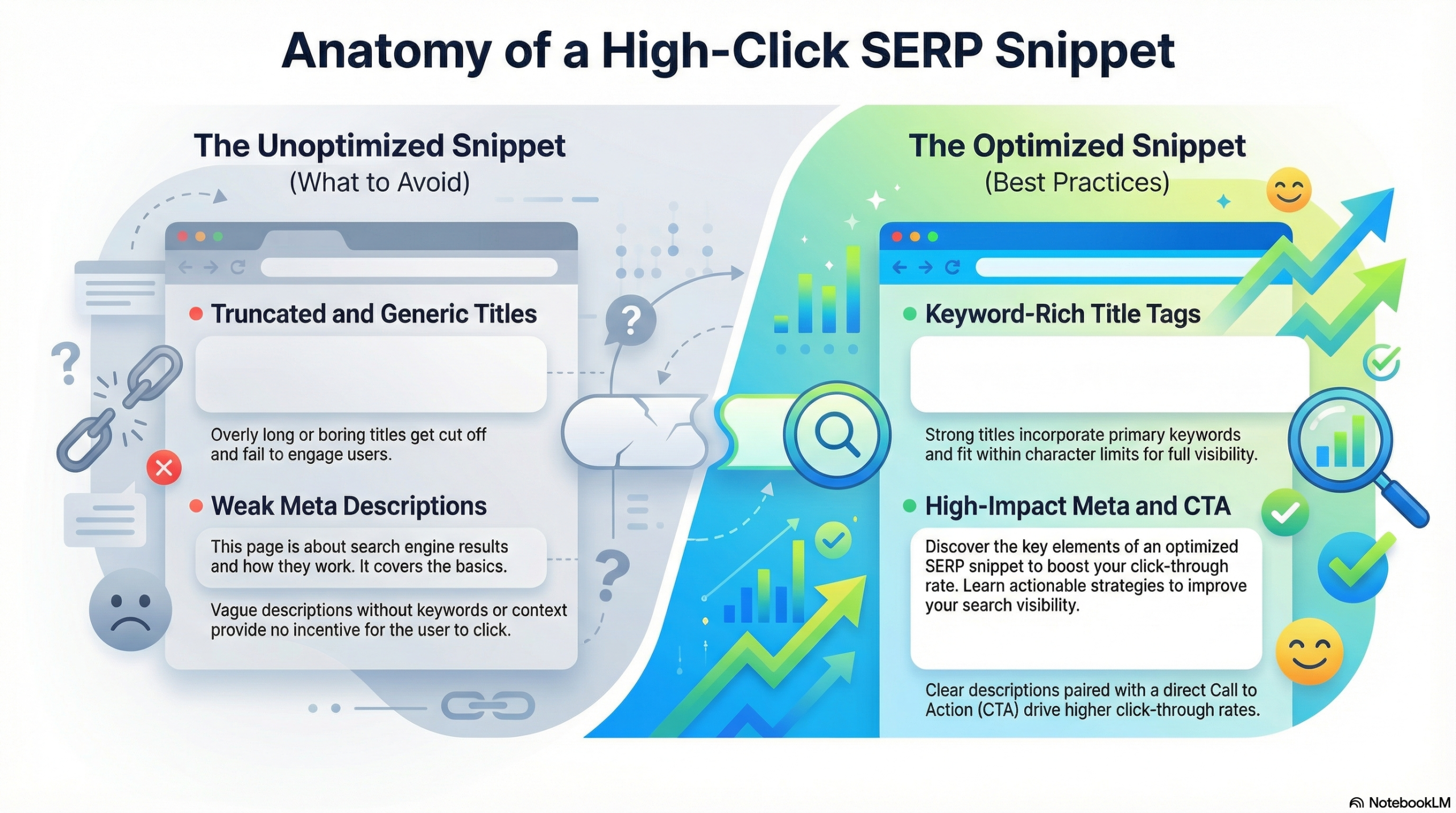
We recommend making your title specific about what the page offers and why it is relevant to the search. Numbers, dates or additional detail can be useful when they genuinely describe the content. For example, “How to Improve Your Website’s CTR: 5 Proven Methods” is more enticing than a vague title. Likewise, a meta description should be a mini-pitch: highlight benefits and include a clear call to action (CTA) like “Learn how” or “Find out” to prompt clicks.
A well-crafted title tag and meta description can make your search listing clearer and more relevant. Meta title optimisation, paired with persuasive description wording, can be a relatively quick opportunity for CTR improvement without changing the on-page content.
Seek Marketing Partners specialises in crafting attention-grabbing titles and descriptions as part of our SEO services. As our site notes, these elements are “critical for improving click-through rates (CTR) and making your content more scannable”.
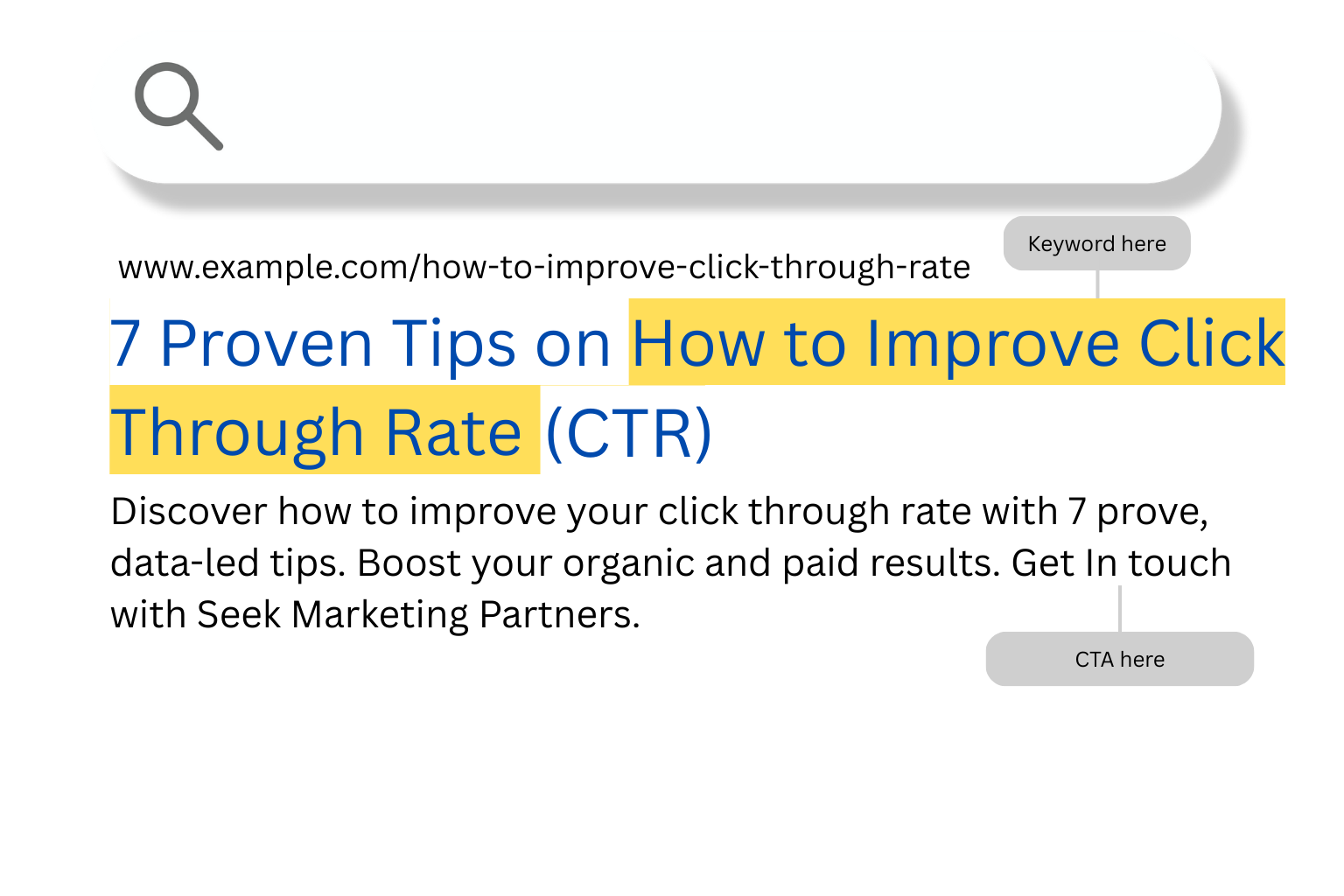
In practice, check how your title and snippet appear in the search results before publishing. You can also use Google Search Console to monitor how the page performs once it starts receiving impressions and clicks. Small tweaks here, such as refining the wording or adjusting the length, can help improve CTR.
Tip 3: Use Structured Data and Rich Snippets
Structured data or schema markup helps search engines understand your content and can make pages eligible for certain enhanced search results. When these features appear, they can give searchers more information at a glance and may influence whether they click.
For instance, a product review with star ratings or an FAQ list expands your listing beyond plain text. Adding the appropriate schema markup can make your page eligible for these enhanced features. We advise using schema types like reviews, recipes, and events that fit your content so your page is eligible for these rich snippets.

Implementing structured data requires a bit of coding or a plugin. For example, you might add JSON-LD for articles or products. Once in place, test it with Google’s Rich Results Test tool. Once implemented, monitor the results to see whether the enhanced search appearance is actually generating more clicks.
Tip: If you’re not comfortable doing this yourself, Seek Marketing Partners’ technical SEO team can handle schema markup as part of our services.
Tip 4: Include High-Quality Images and Media
Engaging visuals can significantly improve CTR, especially on social media or email, but also indirectly in search. If your page earns a featured snippet or appears in an image carousel, a compelling image will entice users to click. When a snippet includes an image from your content, it becomes “much more clickable”.

To leverage this, use relevant, high-quality images or video thumbnails, and always optimise them with descriptive file names and alt text. If you create original visuals, make sure they are relevant to the page, high quality and accurately represent the content.
If you’re writing a “how-to” blog post, include a relevant featured image. When shared on social media or displayed in an image-based search result, the visual can give people another reason to visit the page.
Remember to compress images for fast loading (page speed affects user engagement) and provide context in captions if used. Videos with custom thumbnails, like on YouTube, also boost clickthrough. Altogether, incorporating strong visuals and optimising them is a powerful way to boost your content’s appeal.
Tip 5: Create Clear, Descriptive URLs and Navigation
The URL displayed in search results is another clue users see. A short, descriptive URL reassures searchers that your page matches their query. For example, “seekmarketingpartners.com/blog/improve-ctr-tips” is much clearer than a long string of dates and numbers. We recommend including your primary keyword in the URL and keeping it concise to make it more attractive.
Google now often shows a breadcrumb-style path in results instead of the full URL. This means your site structure and naming matter: logical categories will appear in green above the title like this “seekmarketingpartners.com > blog > improve-ctr-tips”. Getting your URLs and navigation right is a quieter but reliable form of CTR improvement, since it removes friction before a user even lands on your page.
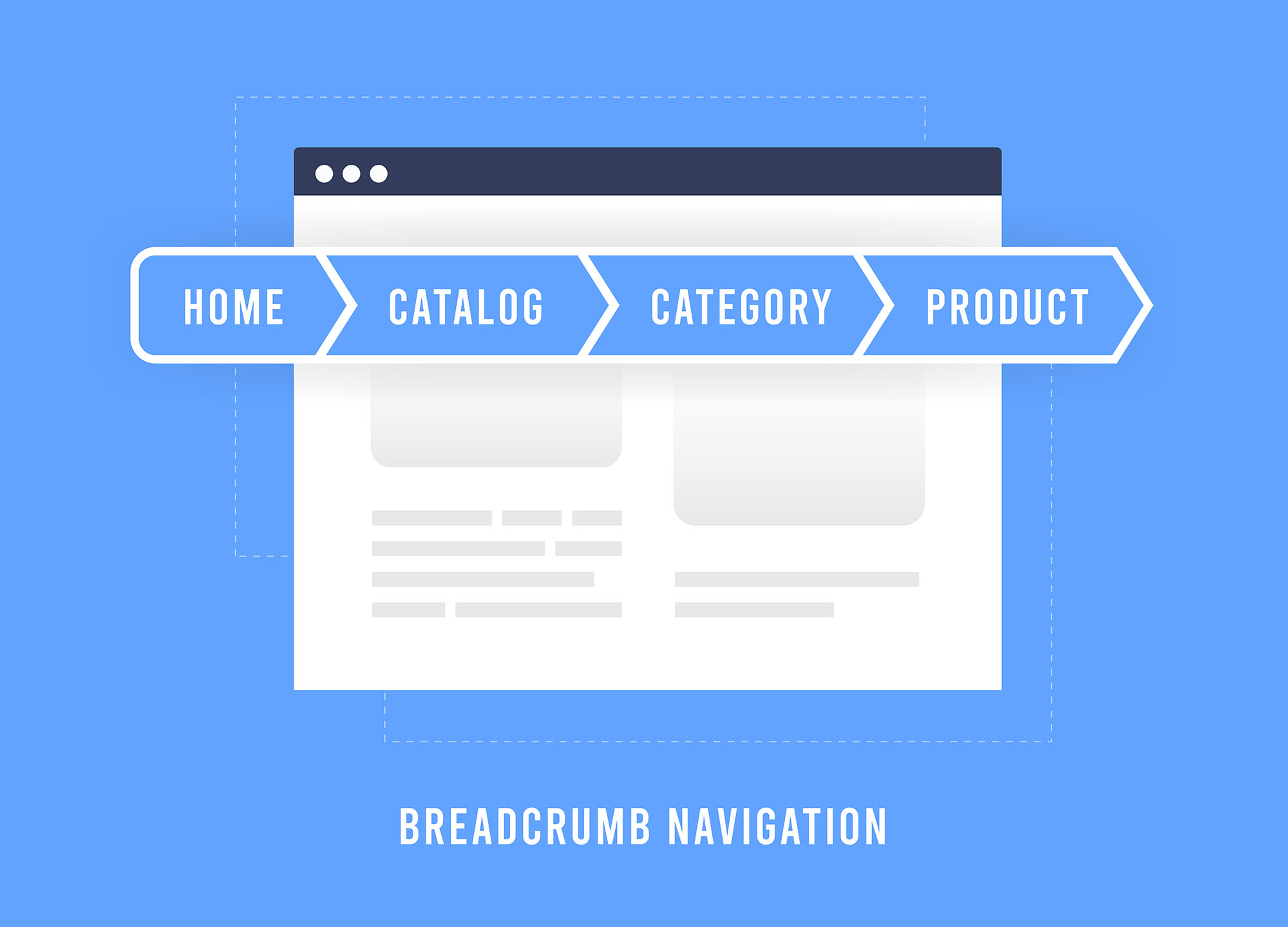
Think carefully about site structure. Group related pages into folders and name them clearly. Our example shows that a logical URL path helps users understand what your page is about at a glance. In practice:
- Use short, descriptive URLs with hyphens.
- Remove unnecessary parameters or session IDs.
- Keep the URL structure consistent with your site’s hierarchy.
Additionally, enabling breadcrumb navigation on your site, either via theme or schema, can make your listing look cleaner and provide extra context. All of these steps make your links more trustworthy and clickable to users browsing the SERPs.
Tip 6: Test Headlines and Content Variations with Data
Don’t guess what works – test it. A/B testing is key to finding the most clickable headlines and messages. For organic search, use Search Console data to identify pages with strong impressions but relatively low CTR, then review the queries, rankings and search intent behind those impressions. This gives you a more relevant basis for deciding whether the title or snippet needs changing.
You can similarly A/B test email subject lines or ad copy to refine your messaging. Small tweaks – adding numbers, asking a question, or reordering words – can make a big difference in click rates.
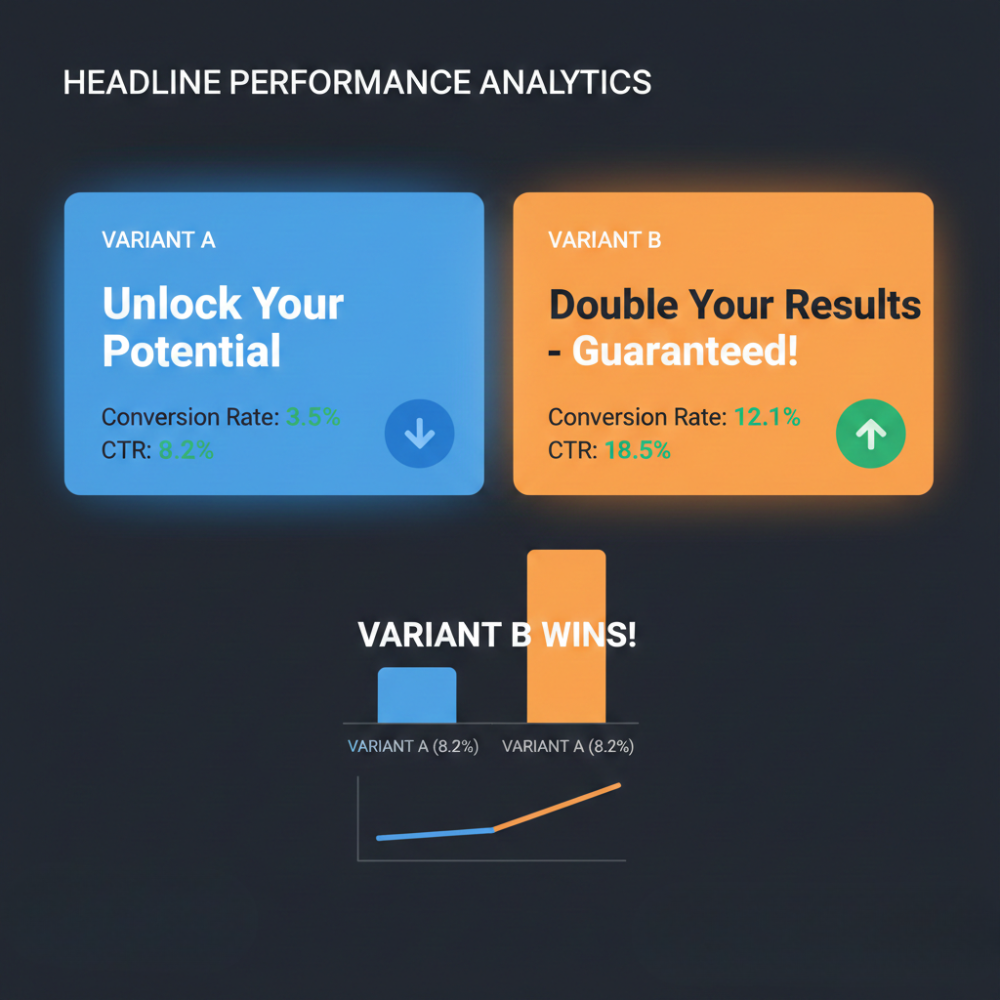
Alongside testing, use analytics to spot what’s already working. Google Search Console shows which queries bring users to your pages and their associated SEO CTR. Look for pages with impressions but low CTR – these are opportunities for improvement. Conversely, identify high-CTR winners and analyse what they have in common (good titles, unique snippets, etc.). Once users reach the page, analytics can then help you understand whether those additional clicks are producing useful engagement and conversions.
Use these insights to refine underperforming titles, descriptions and ad messaging, then measure the effect on clicks and conversions.
Tip 7: Personalise Content and Target the Right Audience
The more tailored your content, the more it resonates and the higher your CTR. Personalisation and segmentation mean showing the right message to the right people. For example, in email and paid ads, addressing the user’s needs and context is vital.

Segmentation and relevant messaging are generally more useful than personalisation for its own sake. This could mean grouping your email audience by their interests or previous interactions, then adapting the message or offer to each segment. In ads, use audience targeting like demographics, interests, or remarketing to ensure your copy matches the viewer’s profile.
We also highlight audience segmentation and retargeting: serve exclusive offers or reminders to users who interacted with your site to nudge them back. Timing matters too – schedule emails or post content when your audience is most active. By sharing content that feels personalised and timely, you boost engagement.
For paid campaigns, segmentation can help match ad messaging to different audiences and stages of the buying journey. The important measure is not just whether CTR increases, but whether those clicks lead to better-quality traffic and conversions.
Personalisation is therefore one part of a wider approach on how to improve click-through rate, alongside the technical and creative changes covered above.
Seek Help from Experts Who Know How to Improve Click-Through Rate
Seek Marketing Partners uses search and campaign data to identify opportunities to improve titles, snippets and ad messaging.
To put these improvements into practice, get in touch with us and book a consultation. Our team can review your current performance, identify where clicks are being lost and prioritise changes that can improve qualified traffic and conversions.

Start by aligning your content with search intent and making your titles and snippets clear and relevant. From there, use structured data, audience targeting, testing and performance data to identify further opportunities. A higher CTR is useful, but the real measure is whether those clicks bring the right visitors and contribute to conversions.
Frequently Asked Questions
Improving click-through rate starts with matching your content and messaging to search intent. Clear titles and meta descriptions, relevant structured data, useful visuals, audience targeting, testing and performance analysis can all help increase the number of people who click.
Businesses and marketers can benefit from improving CTR across organic search, PPC, email and other digital marketing channels. The focus should be on attracting relevant visitors and improving the performance of the traffic and impressions you already have.
SMP uses performance data to assess whether CTR improvements are producing useful results. We look at metrics such as click-through rate, conversions, traffic and return on investment to understand whether increased clicks are contributing to wider business goals.