Category: Uncategorized

  • Creating a Strategy for Ecommerce Digital Marketing in 2026

    Creating a Strategy for Ecommerce Digital Marketing in 2026

    Global ecommerce sales are projected to surpass $7.4 trillion by 2025, making a forward-looking ecommerce digital marketing strategy essential for brands aiming to outpace the competition. Businesses often struggle to align emerging technologies with customer needs, resulting in missed opportunities and stagnant growth.

    By leveraging data-driven strategies and customised solutions from Seek Marketing Partners, you will gain actionable insights to boost ROI, enhance customer experiences, and future-proof your ecommerce digital marketing in 2026.

    Developing an Effective Ecommerce Digital Marketing Strategy

    Building a future-ready ecommerce digital marketing strategy requires structured planning, clear objectives and continuous measurement. A phased approach ensures each element aligns with overarching growth goals while leveraging emerging technologies.

    Step-by-Step Phases of Building an Ecommerce Strategy

    Developing your strategy involves five sequential phases that drive measurable outcomes.

    • Market research: Analyse industry forecasts, competitor positioning and consumer behaviour.
    • Strategic planning: Define your vision, select core channels and establish your technology stack.
    • Audience segmentation: Identify customer personas and map customer journeys.
    • Tactical execution: Launch campaigns across email, paid ads, social commerce and SEO.
    • Performance optimisation: Use analytics to iterate on creative, pricing and fulfilment.

    Completing these phases ensures a cohesive approach that adapts to market shifts and technological advancements.

    Boost your ecommerce results with Seek Marketing Partners’ expert Conversion Rate Optimisation services designed to drive measurable sales lifts.

    Defining Target Audiences and Setting Measurable Goals

    Effective audience definition segments customers by demographics, purchase history and engagement patterns. Clear goals, such as increasing CLTV by 15 percent or reducing cart abandonment by 20 percent, enable precise performance tracking.

    • Collect behavioural and transactional data for segmentation.
    • Create detailed buyer personas, including needs and pain points.
    • Establish SMART KPIs linked to revenue, engagement, and retention.

    This targeted approach enables personalised messaging and accurate ROI assessment for each channel.

    Prioritising Marketing Channels for Maximum ROI

    Channel selection balances reach, cost, and conversion potential. Prioritising channels with proven performance accelerates revenue growth while conserving budget.

    Top channels for ROI in 2026:

    • Email marketing for high engagement and repeat purchases
    • Paid search to capture demand at the point of intent
    • Social commerce for impulse sales and brand virality
    • Affiliate and partner programmes for performance-based acquisition

    Allocating spend based on ROI benchmarks and lifecycle stage ensures efficient resource utilisation and revenue lift.

    Amplify your online presence through tailored Digital PR campaigns from Seek Marketing Partners that generate real industry buzz.

    Integrating AI and Automation into Your Marketing Plan

    AI and automation streamline repetitive tasks and enable real-time decision-making across campaigns, content, and pricing.

    Automation CategoryFunctionBenefit
    Email AutomationAbandoned Cart SequencesHigher recovery rate
    Ad Campaign BiddingDynamic Budget AllocationCost reduction
    Chatbots & Assistants24/7 Customer SupportFaster response time

    Incorporating these tools frees marketing teams to focus on strategy, creative innovation, and customer experience enhancements.

    Metrics and Tools for Measuring Strategy Success

    Measuring success demands a combination of revenue, engagement, and efficiency metrics tracked through integrated platforms.

    Key metrics and tools:

    • Revenue metrics: Average order value (AOV), customer lifetime value (CLTV), and cart abandonment tracked through Google Analytics
    • Engagement metrics: Email open and click rates, social interactions measured via native dashboards
    • Efficiency metrics: Return on ad spend (ROAS) and cost per acquisition (CPA) monitored in paid media platforms
    • Testing tools: A/B testing suites such as Optimizely for iterative optimisation

    These analytics capabilities enable data-driven decision-making and continuous performance improvement.

    Discover how Seek Marketing Partners’ Data Science & Analytics services transform data into ecommerce growth drivers.

    Best Practices for Omnichannel Ecommerce Digital Marketing

    Omnichannel best practices ensure each touchpoint feels connected, consistent, and convenient, reinforcing brand equity across channels. This is a vital part of a comprehensive ecommerce digital marketing strategy.

    Unifying Online, Mobile, and In-Store Customer Touchpoints

    Consistent data synchronisation and user experience design bridge gaps between channels, making transitions effortless.

    • Centralised customer data platform to consolidate profiles
    • Uniform design system to ensure brand consistency
    • Omni-fulfilment options enabling customers to buy online and collect in-store

    This cohesive approach reduces friction and drives retention.

    Data Integration Is Critical for Omnichannel Success

    Data integration provides a single customer view that underpins personalised experiences and accurate attribution.

    Data SystemRoleOutcome
    CRMCustomer Profile ManagementTargeted lifecycle campaigns
    Inventory ManagementReal-Time Stock VisibilityFewer out-of-stocks
    Analytics HubCross-Channel ReportingImproved ROI insights

    Integrated data safeguards consistency and accelerates decision-making.

    Headless Ecommerce Architecture Supports Flexibility

    Headless architecture decouples frontend presentation from backend commerce logic, enabling rapid experimentation and channel expansion without redevelopment constraints.

    • Faster time to market for new features
    • Customisable frontends delivering unique user experiences
    • Scalability across web, mobile and IoT channels

    Flexibility empowers marketers to test novel interfaces and stay ahead of consumer expectations.

    Key Ecommerce Marketing Trends to Watch in 2026

    Ecommerce marketing in 2026 will revolve around advanced automation, unified customer journeys and ethical consumer engagement.

    Early adopters will harness AI-driven personalisation, blend online and offline channels seamlessly, capitalise on social commerce formats, optimise for emerging search modalities, and uphold sustainability and privacy to build trust.

    Understanding these trends lays the foundation for a robust and effective ecommerce digital marketing roadmap.

    AI and ML Transform Ecommerce Personalisation

    AI and machine learning optimise customer experiences by analysing vast behavioural datasets to deliver tailored product recommendations, dynamic pricing and predictive content. This is a cornerstone of modern ecommerce digital marketing.

    These AI applications not only enhance conversion rates but also reduce manual workload, laying the groundwork for omnichannel integration and sophisticated ecommerce digital marketing.

    Omnichannel Strategy 

    An omnichannel strategy unifies online stores, mobile apps and physical locations to provide a consistent shopping experience that increases loyalty and average order value. This integrated approach is vital for successful ecommerce digital marketing.

    Customers expect the same product availability, pricing and support whether they browse on desktop, smartphone, or in-store, making channel cohesion vital for retention.

    • Consistent brand experience across devices and touchpoints
    • Unified data insights for personalised messaging
    • Faster fulfilment through integrated inventory systems

    By centralising customer data, brands can deliver seamless interactions that strengthen long-term engagement and prepare for real-time personalisation, a key aspect of ecommerce digital marketing.

    Social Commerce for Online Retail

    Social commerce turns social feeds into direct sales channels by embedding “buy” buttons and livestream shopping experiences. Platforms like TikTok and Instagram enable in-app checkouts, shortening the path from discovery to purchase and capitalising on impulse buying. This is a growing area within ecommerce digital marketing.

    Leading social commerce formats in 2026:

    • Shoppable posts enabling tag-to-cart functionality
    • Livestream shopping with real-time demos and Q&A
    • Integrated influencer drops driving traffic peaks

    By integrating social media platforms, businesses can elevate brand awareness and tap into communities while streamlining transactions.

    Harness social platforms for growth with Seek Marketing Partners’ strategic Social Media Marketing services that drive meaningful interactions.

    Voice and Visual Search

    Voice and visual search technologies simplify discovery, letting customers speak or show images instead of typing queries. Retailers optimised for these modalities can capture high-intent shoppers who seek quick, frictionless experiences. Optimising for these search types is crucial for modern ecommerce digital marketing.

    Optimising metadata for voice and tagging images correctly ensures your store surfaces in hands-free and camera-first shopping scenarios, enhancing accessibility and convenience.

    Ecommerce Marketing’s Sustainability and Data Privacy

    Consumers increasingly demand transparent supply chains and responsible data handling, making sustainability and privacy core trust drivers. Brands that demonstrate eco-friendly practices and robust privacy safeguards differentiate themselves and foster loyalty. This ethical approach is becoming integral to effective ecommerce digital marketing.

    • Transparency in sourcing builds credibility
    • First-party data strategies comply with evolving regulations
    • Ethical AI deployment prevents bias and misuse

    Embedding sustainability metrics and privacy notices throughout the customer journey reinforces brand integrity and supports long-term relationships.

    Driving Ecommerce Success in 2026 and Beyond

    Ecommerce marketing in 2026 demands a strategic blend of innovation, seamless experiences and ethical practices. By embracing AI-powered personalisation, crafting unified omnichannel journeys, capitalising on social commerce, harnessing data-driven optimisation and prioritising sustainability and privacy, brands can achieve sustainable growth.

    Seek Marketing Partners offers data-driven, customised solutions that integrate these components into your ecommerce digital marketing strategy, ensuring measurable ROI and future-proof performance. Adopting these best practices today will position your business to capitalise on emerging opportunities and build lasting customer relationships in 2026 and beyond.

  • How to Improve Website Traffic: Proven SEO Tips

    How to Improve Website Traffic: Proven SEO Tips

    Struggling to get your website noticed? Whether your site is not getting traffic at all or it’s attracting visitors but no sales, there are concrete steps you can take to improve your website traffic. 

    Increasing traffic isn’t magic – it’s about making your site easy to find and useful to visitors. In fact, multiple studies show that technical performance, relevance and content quality all influence visibility in search results.

    Below, we outline a strategic, step-by-step approach to getting traffic to your website and turning it into real business results.

    Expert Tips on How to Improve Website Traffic

    Tip #1: Audit Your Current Traffic and SEO Performance

    Before jumping to tactics, measure where you stand now. Use Google Analytics and Google Search Console to see how much organic traffic you have and where it comes from. Check metrics like sessions, bounce rate, and average session duration. 

    A high bounce rate or short session times can often signal that visitors aren’t finding what they need. Identify underperforming pages (perhaps using dashboards like Google Data Studio) and spot any sudden drops.

    • Key Actions: Set up Google Analytics and Search Console to track visitors. Monitor key metrics like traffic by channel, bounce rate, and top pages to diagnose issues.
    • Why it helps: Data reveals whether the lack of traffic is due to poor SEO, technical issues, or other factors, guiding your next steps.

    If your site truly has little to no traffic, this audit will show it. It may reveal technical issues like crawl errors or a lack of indexed pages. Scheduling a SEO health check or site audit can uncover critical problems – for example, scans often reveal missing meta titles, broken links or slow pages. Once you know the weak points, you can fix them or ask experts like Seek Marketing Partners for help.

    Tip #2: Optimise Technical SEO and Performance

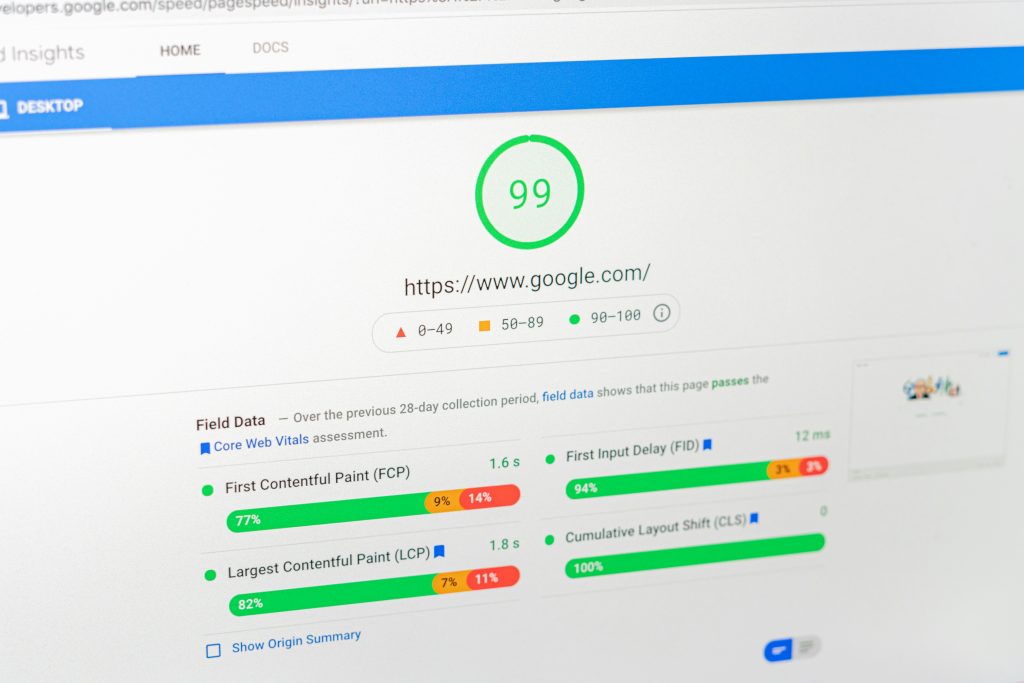
    Fast, reliable, mobile-friendly sites rank higher in search and keep visitors engaged. Core Web Vitals include elements related to speed and stability. Fast load times (e.g., around two to three seconds) help reduce user drop-offs. Use tools like Google PageSpeed Insights or Lighthouse to spot bottlenecks like large images, render-blocking scripts, etc. Also ensure your site is mobile-responsive, since most traffic is on smartphones.

    • Improve page speed: Compress images, enable caching, minimise code. Fast pages boost rankings and keep users browsing.
    • Secure and mobile-friendly: Use HTTPS, fix any mobile usability issues, and follow Google’s mobile-friendly guidelines. A secure, easy-to-navigate site builds user trust and search visibility.
    • Technical setup: Maintain a clean XML sitemap and robots.txt, so search engines index your pages properly. Fix broken links and duplicate content which can confuse crawlers.

    Seek Marketing Partners always emphasises that technical SEO is foundational. A slow or flawed site can never reach its full traffic potential, even with great content. If you need help here, our team can conduct a technical audit and implement fixes to get your website traffic performing at its best.

    Tip #3: Conduct Keyword Research and On-Page Optimisation

    SEO starts with knowing what your audience is searching for. Use tools like Google Keyword Planner, SEMrush, and Ahrefs to identify relevant keywords – focus on both high-volume head terms and specific long-tail queries. Think about the questions your customers have, then target those with your content.

    Once you’ve got keywords, optimise your pages around them. Include each page’s main keyword in the URL, page title, headings, meta description, and early in the content. For example, if you want to rank for “how to improve website traffic”, that phrase should appear in the title and opening sentence. However, write naturally – Google rewards readability and quality more than keyword stuffing.

    • On-page checklist: Use a unique H1 title (with keyword), clear H2 subheadings, and relevant meta descriptions.
    • Quality content: Write in-depth content where it’s genuinely useful because length alone doesn’t improve rankings. But don’t write fluff. Make sure every paragraph adds value and solves a problem for readers.
    • Fix errors: Check for missing alt-tags on images and fix broken links. Ensure each page has one clear focus keyword or phrase.

    Strong on-page SEO will improve ranking and help Google understand your site. It also addresses the case when a site isn’t getting traffic: often, poor on-page SEO is to blame. If you need an expert eye, Seek Marketing Partners’ SEO services can optimise your content and meta information for you.

    Tip #4: Publish Helpful, Engaging Content

    High-quality content is the engine that drives traffic. Aim to publish blog posts, guides or videos that truly help your audience. 

    Whiteboard social media content planner organizing posts by day and platform.

    Ask: “What questions do my customers have?” and answer those fully. 

    Google’s helpful-content update rewards pages that provide real value rather than thin or self-serving material.

    • Be audience-focused: Solve problems or share insights. “Evergreen” guides like “Ultimate guide to SEO” can pull steady traffic over the years. Keep them up to date as needed so they remain relevant.
    • Use rich media: Include images, infographics, or short videos to illustrate points. Video can even appear in search results and drive traffic from platforms like YouTube.
    • Update old content: If you have posts older than a year, refresh them with new stats and keywords. Republishing updated articles can give you an SEO boost and regain lost traffic.

    Remember, quality beats quantity. A few excellent posts are worth more than dozens of mediocre ones. Engage readers with clear headings and bullet lists (like this), and end articles with a call-to-action (CTA) – for example, inviting them to book a consultation or explore your services. This not only helps with SEO but also converts visitors into leads. 

    Take Note: Structured content is easier for Google to index.

    Tip #5: Build Links and Promote Your Site

    To improve website traffic, you need both visibility and promotion beyond on-page SEO. Beyond SEO, actively promote your content. One powerful way is to build backlinks – links from other reputable sites to yours. Each quality backlink signals to Google that your site is authoritative, which can improve your rankings and even send referral traffic.

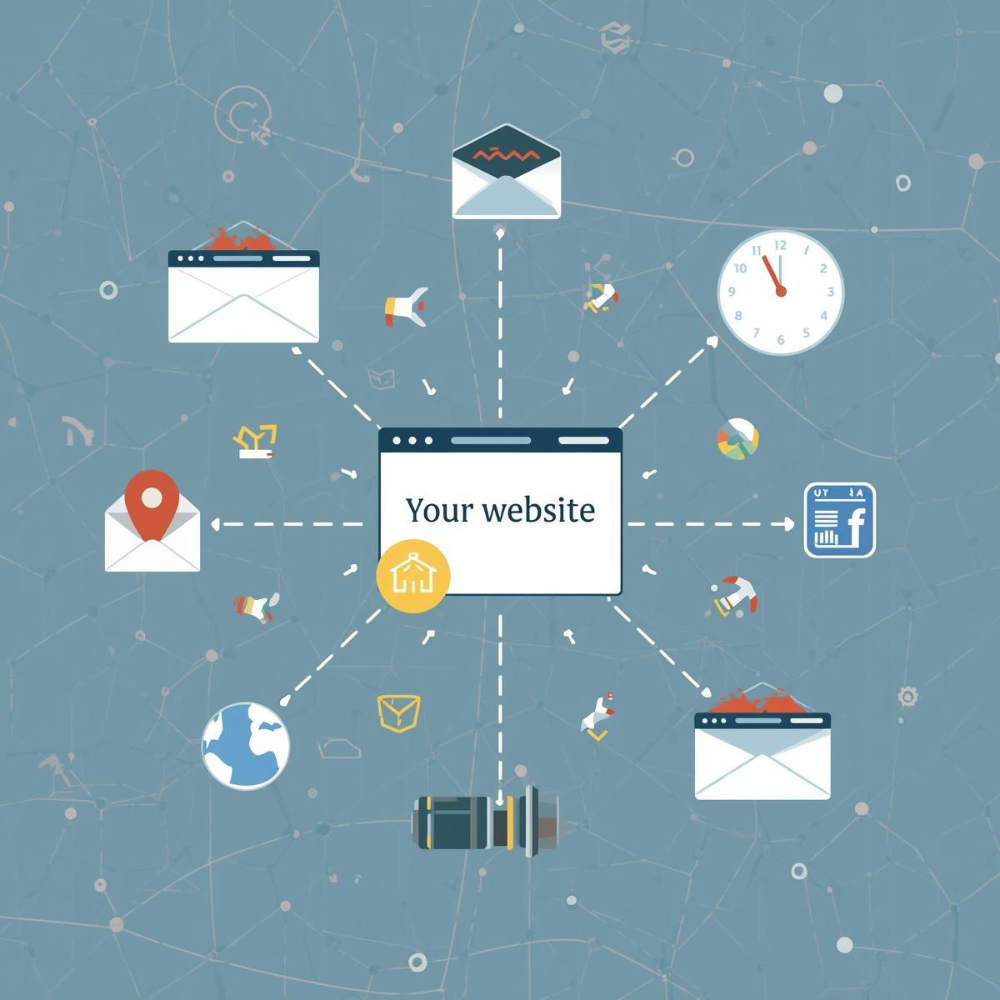
    Diagram of digital marketing components connected to a central website.
    • Guest posting: Reach out to industry blogs or partners and offer to write a guest post. This wins you both exposure and backlinks.
    • Answer questions: Engage on Q&A sites or forums like Quora and Reddit related to your niche. Thoughtful answers with a link to your content can bring targeted visitors.
    • Social media: Share your posts on LinkedIn, Twitter, Facebook, etc. Regular social updates keep your brand in front of people and can drive bursts of traffic.
    • Email newsletters: If you have an email list, send updates about new articles or offers. Email marketing remains highly effective for niche audiences.
    • Paid promotion: Consider ads on Google, LinkedIn, or Facebook for key content or offers. Even a small budget on well-chosen platforms can drive targeted traffic, especially with retargeting of previous visitors.

    By diversifying promotion, you tap into audiences beyond organic search. Influencer collaborations can also help: a relevant influencer sharing your link can bring in a surge of visitors. And don’t overlook content recommendation networks (Outbrain, Taboola) if budget allows.

    Every time you publish something great, get the word out. Seek Marketing Partners offers content promotion and digital PR services if you need assistance getting your content seen by the right people.

    Tip #6: Optimise User Experience and Conversions

    Traffic means little if visitors don’t stick around or convert. If your website is getting traffic but no sales, shift focus to user experience and conversion optimisation. For each page, ensure a clear next step, like  “Contact us” or “Get a quote” buttons, for example. Use compelling CTAs and make forms easy.

    • Landing pages: Tailor key pages to the visitor’s intent. An SEO visitor may want to learn more about your services, so include brief descriptions of offerings, trust signals like testimonials or case study links, and a prominent contact form.
    • Site navigation: Use internal linking so users can easily move between related pages. A well-structured menu and clear content hierarchy keep people reading, reducing bounce rate.
    • Reduce friction: Check for usability issues. Slow-loading pages or broken elements frustrate users. Simplify page layouts and make CTAs obvious.

    In short, turn your increased traffic into business results. Customer reviews and trust badges also help – for example, e-commerce sites often see a boost when they display product reviews. If this sounds complex, book a consultation with Seek Marketing Partners. We specialise in not just driving traffic but ensuring it leads to sales.

    Tip #7: Analyse Results and Iterate

    Digital marketing is a marathon, not a sprint. Continuously monitor your site’s analytics to see what’s working. Use tools like Google Data Studio or the reports in Google Analytics to identify your best-performing content and channels. For low-performers, consider A/B testing new headlines or layouts.

    Three colleagues smiling and working together at a laptop with pie charts on the wall.

    Regularly update successful pages with fresh information. Monitor search trends and algorithm changes, including emerging formats such as AI-generated results, and adapt accordingly. Keep building on successes and learning from failures. Over time, these data-driven refinements will compound into much higher traffic.

    The Bottom Line: Getting traffic to your website requires a balanced mix of technical, on-page, and promotional tactics. By auditing your site, optimising for SEO, creating valuable content, and promoting it wisely, you can steadily grow organic and referral visitors. And when the right traffic starts flowing, make sure your site is ready to convert those visitors into customers.

    Ready to Take Your Website to the Next Level?

    Get in touch with Seek Marketing Partners for a tailored SEO strategy. Our team can conduct an in-depth website audit, implement advanced SEO techniques, and even handle content marketing to boost your traffic and sales. Don’t let potential customers slip away – book a free consultation today and start seeing real results.

  • 7 Proven Tips on How to Improve Click Through Rate (CTR)

    7 Proven Tips on How to Improve Click Through Rate (CTR)

    Click-Through Rate (CTR) measures the percentage of people who click on your link after seeing it. In other words, CTR = (clicks ÷ impressions) × 100. A higher CTR indicates that more viewers find your content relevant or compelling enough to engage. 

    Improving CTR drives more traffic without extra spend, and higher engagement can support better visibility over time. In fact, platforms like Google Ads and Facebook give lower costs and better placements to ads with high CTR. 

    In organic search, a strong CTR can lead to better performance over time. Seek Marketing Partners understands that boosting CTR is a key part of both SEO and PPC success. Below are seven data-driven tips to help you improve your CTR across channels.

    Tip 1: Align Content with Search Intent and Keywords

    Ensure your content matches what users are searching for. Search intent is the underlying goal behind a query – whether informational, navigational, or transactional. Make sure your page delivers on that intent, or users will skip over your result. Use relevant, descriptive keywords (especially long-tail phrases) in your titles and headings to signal relevance. Long-tail keywords are highly descriptive and more likely to match a user’s query. 

    Magnifying glass focusing on letter blocks spelling "DIG" on a yellow background.

    Using long-tail terms in your headings and title tags makes users confident your page contains what they want. For example, a user searching “how to improve click through rate” is more likely to click on an article whose title exactly contains that phrase. Conduct thorough keyword research to identify the phrases your audience uses. By targeting these intent-rich terms, you’ll attract qualified traffic and naturally raise your CTR.

    Tip 2. Optimise Your Title Tags and Meta Descriptions

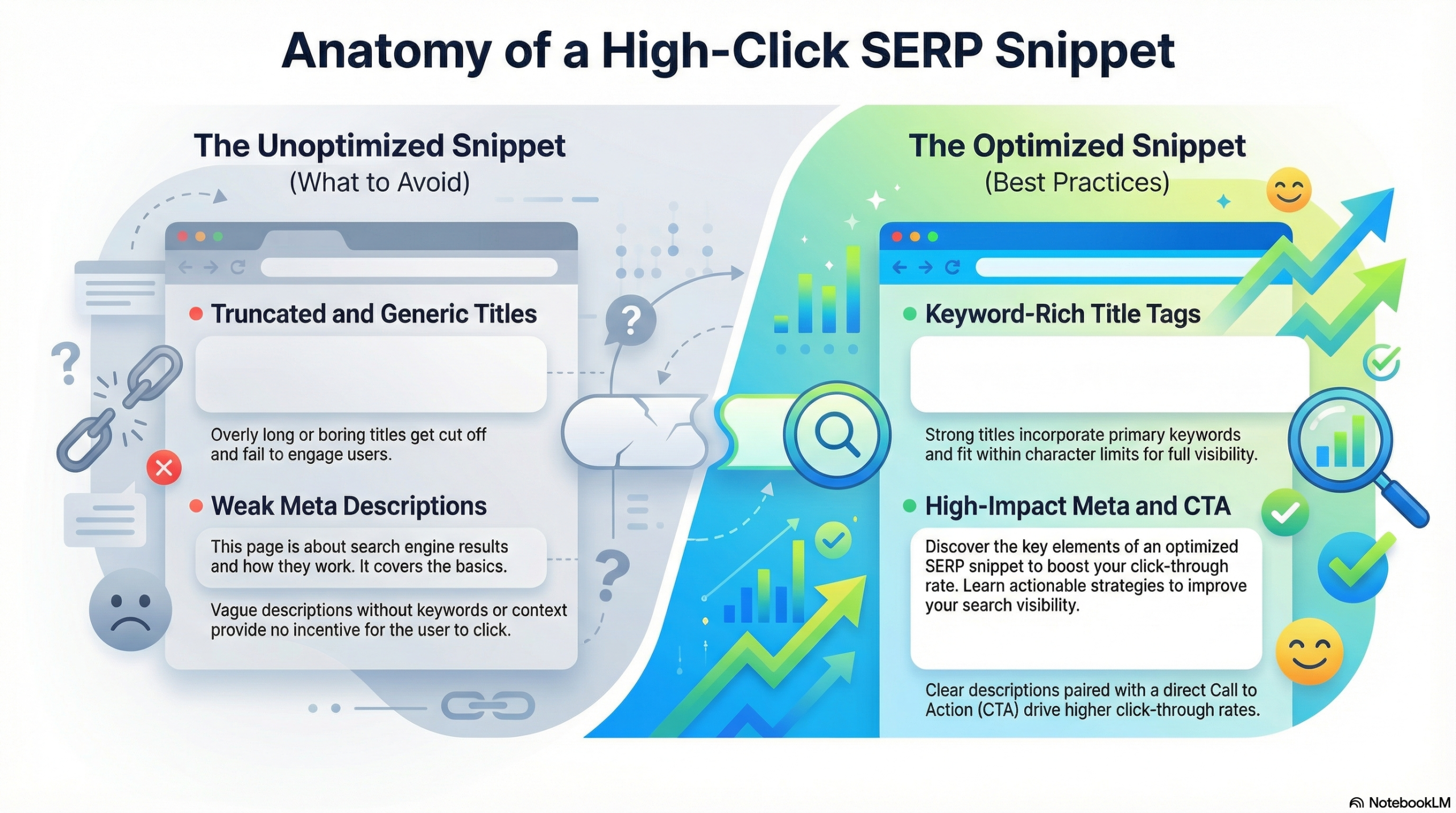
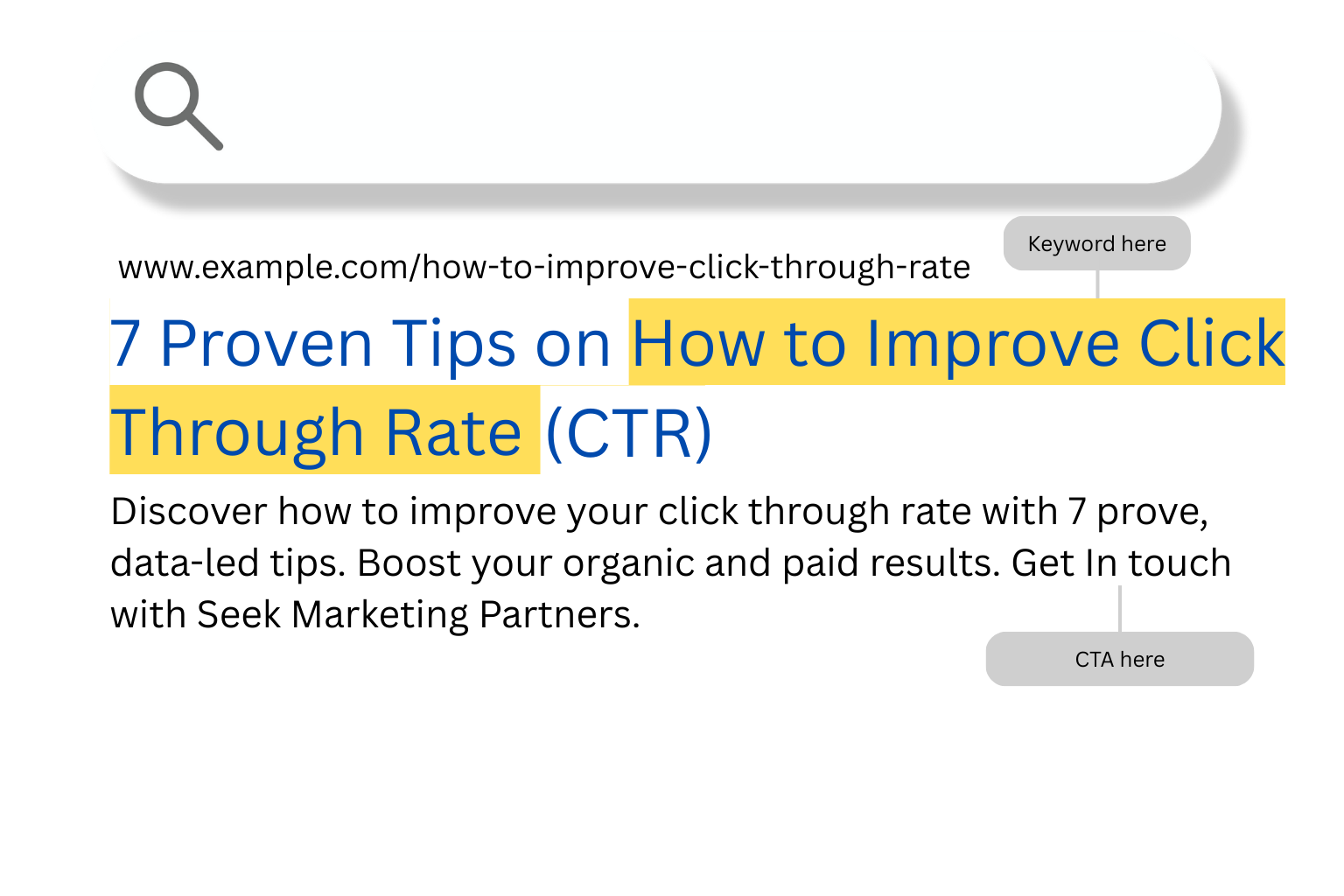
    Your title tag and meta description form the “ad copy” of your organic listing. These elements create the first impression in the search results, so make them compelling. Aim for concise titles and meta text that fit typical display widths; character limits vary by device, so prioritise clarity over exact numbers. Include your main keyword and use actionable language. 

    We recommend adding power words, numbers or dates, and even bracketed clarifiers like “Free Guide” or “2025 Update” to grab attention. Crucially, sell the value – address what problem your content solves. For example, “How to Improve Your Website’s CTR: 5 Proven Methods” is more enticing than a vague title. Likewise, a meta description should be a mini-pitch: highlight benefits and include a clear call to action (CTA) like “Learn how” or “Find out” to prompt clicks.

    A well-crafted title tag and meta description make your search listing stand out. Optimise both with relevant keywords and persuasive wording to boost CTR. Seek Marketing Partners specialises in crafting attention-grabbing titles and descriptions as part of our SEO services. As our site notes, these elements are “critical for improving click-through rates (CTR) and making your content more scannable”. 

    In practice, always preview how your title and snippet look in Google. You can use tools like Google’s Ad Preview or Google SERP Snippet Optimisation Tool to ensure your text isn’t cut off and makes sense to readers. Small tweaks here (adding a power word, editing length) can yield noticeably higher CTR.

    Tip 3: Use Structured Data and Rich Snippets

    Structured data or schema markup helps search engines understand your content and enables rich results like star ratings, FAQs, images, or breadcrumbs in the SERPs. Rich snippets naturally draw the eye and give more information at a glance – often boosting CTR. 

    For instance, a product review with star ratings or an FAQ list expands your listing beyond plain text. Adding schema markup to your page makes these enhanced features possible. We advise using schema types like reviews, recipes, and events that fit your content so your page is eligible for these rich snippets. Rich results make your listing more noticeable when eligible.

    Implementing structured data requires a bit of coding or a plugin. For example, you might add JSON-LD for articles or products. Once in place, test it with Google’s Rich Results Test tool. The reward is increased visibility – rich results often have significantly higher CTR than standard listings. In short, by standing out in the search results with rich snippets, you encourage more clicks.

    Tip: If you’re not comfortable doing this yourself, Seek Marketing Partners’ technical SEO team can handle schema markup as part of our services. 

    Tip 4: Include High-Quality Images and Media

    Engaging visuals can significantly improve CTR, especially on social media or email, but also indirectly in search. If your page earns a featured snippet or appears in an image carousel, a compelling image will entice users to click. When a snippet includes an image from your content, it becomes “much more clickable”. 

    Laptop screen showing a user's Pinterest photos page with urban and nature photography.

    To leverage this, use relevant, high-quality images or video thumbnails, and always optimise them with descriptive file names and alt text. This not only helps SEO but also ensures they can be pulled into rich results or social previews.

    For example, if you write a “how-to” blog post, include an eye-catching featured image. When sharing on social or if Google chooses your page for an image result, that visual can act as a magnet for clicks. Remember to compress images for fast loading (page speed affects user engagement) and provide context in captions if used. Videos with custom thumbnails, like on YouTube, also boost clickthrough. Altogether, incorporating strong visuals and optimising them is a powerful way to boost your content’s appeal.

    Tip 5: Create Clear, Descriptive URLs and Navigation

    The URL displayed in search results is another clue users see. A short, descriptive URL reassures searchers that your page matches their query. For example, “seekmarketingpartners.com/blog/improve-ctr-tips” is much clearer than a long string of dates and numbers. We recommend including your primary keyword in the URL and keeping it concise to make it more attractive. 

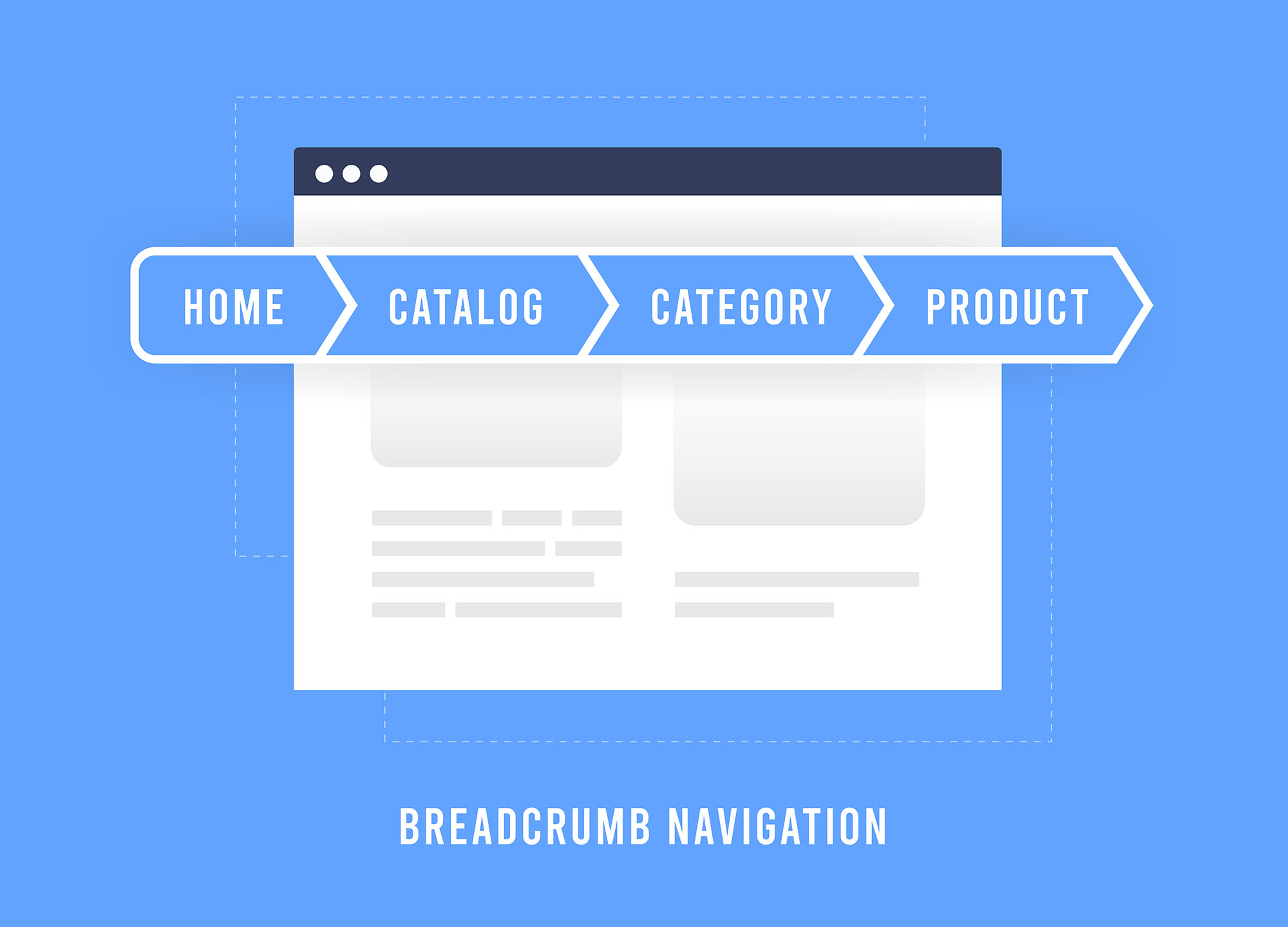
    Google now often shows a breadcrumb-style path in results instead of the full URL. This means your site structure and naming matter: logical categories will appear in green above the title like this “seekmarketingpartners.com > blog > improve-ctr-tips”.

    Think carefully about site structure. Group related pages into folders and name them clearly. Our example shows that a logical URL path helps users understand what your page is about at a glance. In practice:

    • Use short, descriptive URLs with hyphens.
    • Keep URLs between 40 to 55 characters so they aren’t cut off.
    • Remove unnecessary parameters or session IDs.

    Additionally, enabling breadcrumb navigation on your site, either via theme or schema, can make your listing look cleaner and provide extra context. All of these steps make your links more trustworthy and clickable to users browsing the SERPs.

    Tip 6: Test Headlines and Content Variations with Data

    Don’t guess what works – test it. A/B testing is key to finding the most clickable headlines and messages. We suggest a simple method: post two different page titles on social media and see which version gets more clicks and engagement. Titles that get strong engagement in tests can signal promising performance for search, but results may vary by audience and query. 

    You can similarly A/B test email subject lines or ad copy to refine your messaging. Small tweaks – adding numbers, asking a question, or reordering words – can make a big difference in click rates.

    Alongside testing, use analytics to spot what’s already working. Google Search Console shows which queries bring users to your pages and their associated CTR. Look for pages with impressions but low CTR – these are opportunities for improvement. Conversely, identify high-CTR winners and analyse what they have in common (good titles, unique snippets, etc.). Tools like heatmaps (e.g. Hotjar or Crazy Egg) can also reveal what draws attention on your pages. 

    Use these data-driven insights to iterate continuously: update underperforming titles, rewrite descriptions, or adjust content until your CTR improves. This ongoing optimisation – a hallmark of Seek Marketing Partners’ approach – turns your campaigns into data-driven machines that get better over time.

    Tip 7: Personalise Content and Target the Right Audience

    The more tailored your content, the more it resonates and the higher your CTR. Personalisation and segmentation mean showing the right message to the right people. For example, in email and paid ads, addressing the user’s needs and context is vital. 

    Black and white stock photo of a large audience seated and facing a brightly lit stage.

    Segmentation and relevant messaging improve CTR more reliably than adding personalisation tokens like names. In practice, this could mean inserting the recipient’s name or segmenting your email list so that promotions only go to those who have shown relevant interest. In ads, use audience targeting like demographics, interests, or remarketing, to ensure your copy matches the viewer’s profile.

    We also highlight audience segmentation and retargeting: serve exclusive offers or reminders to users who interacted with your site to nudge them back. Timing matters too – schedule emails or post content when your audience is most active. By sharing content that feels personalised and timely, you boost engagement. At Seek Marketing Partners, we often run segmented campaigns in Google and Facebook Ads to match ad creatives to specific audience segments, which leads to higher click and conversion rates.

    Seek Help from Experts Who Know How to Improve Click Through Rate

    Seek Marketing Partners applies data-led strategies and A/B testing to fine-tune every title, snippet, and ad copy for our clients. To put these CTR-boosting techniques into action, get in touch with Seek Marketing Partners and book a consultation. Our team will audit your current performance, optimise your content and ads, and help you outpace the competition with higher CTR and more traffic.

    Video conference meeting in modern office discussing startup strategy on monitor.

    Each of the above tips works in concert. Start by aligning your content to user intent and crafting killer titles, then layer on rich snippets, visuals, and personalisation. Use analytics and testing to measure impact and continuously improve. By implementing these proven strategies, you’ll make your links more compelling and see a measurable lift in clicks.

  • Proven Ways to Reduce Bounce Rate on Your Site

    Proven Ways to Reduce Bounce Rate on Your Site

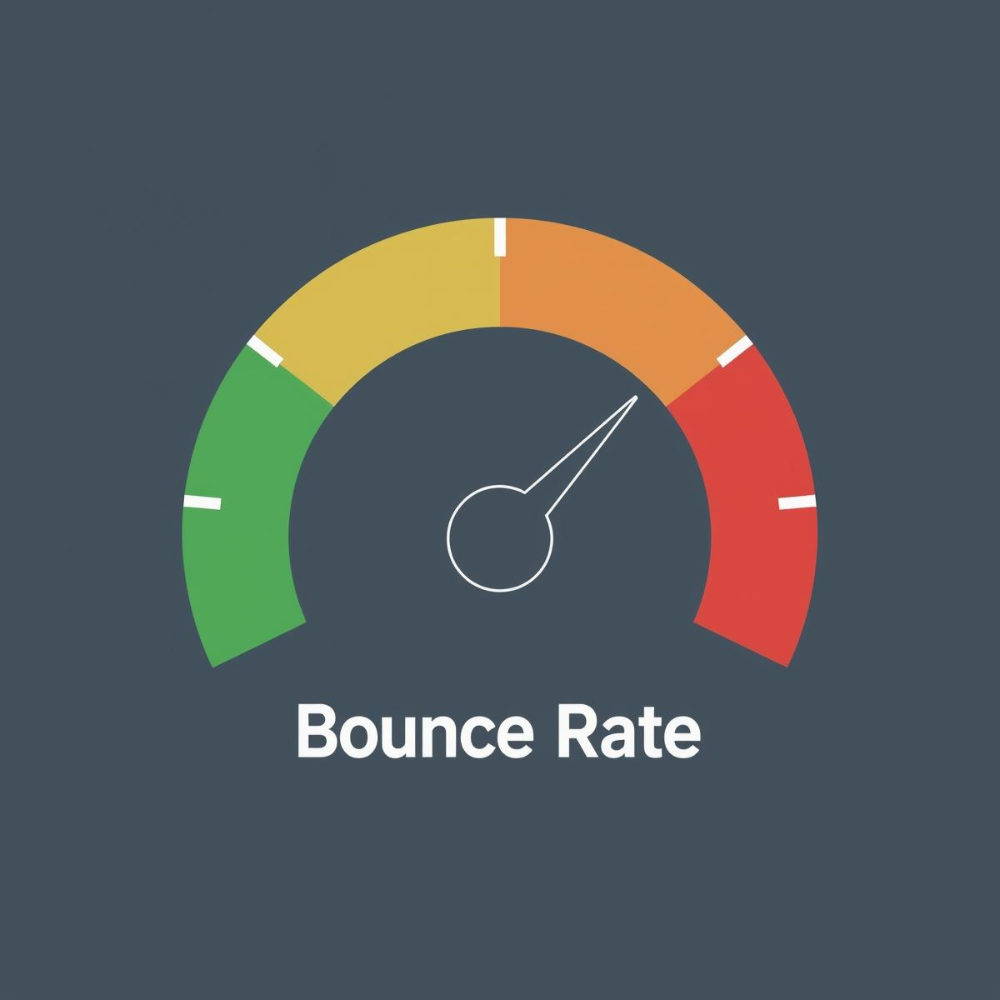
    Bounce rate is the percentage of visitors who land on a page and leave without viewing anything else. If you want to reduce bounce rate on your site, you first need to understand what it’s telling you: people are arriving, not finding what they expected, and disappearing before they take any meaningful action.

    For most websites, an excellent bounce rate is often around 40% or lower, but that benchmark varies by industry and traffic source. If yours is much higher than that, it can point to issues with page speed, content relevance, user experience, or how people are finding you in the first place.

    Gauge meter indicating a high bounce rate in the orange/red zone.

    In this guide, we’ll walk through practical, proven ways to reduce bounce rate, show you how to improve bounce rate over time, and highlight changes that help you lower bounce rate while lifting conversions, enquiries, and overall site performance.

    Why Bounce Rate Matters for Your Site 

    Bounce rate is more than just a percentage in your analytics dashboard. A high bounce rate usually means people are landing on your site, not finding what they need, and leaving before they view another page, make an inquiry, or start a checkout. In other words, you’re paying for traffic that never gets the chance to turn into leads or revenue.

    There’s no single “perfect” number, because bounce rate benchmarks vary by industry, channel, and even page type. However, suppose you’re consistently seeing high bounce on key pages. In that case, it’s a strong signal that something isn’t working – whether that’s slow load times, weak messaging, poor user experience, or misaligned traffic. Studies also suggest that a big chunk of users will abandon a page that takes more than a few seconds to load, which only makes the problem worse.

    Workspace with MacBook Pro and iPhone for UI/UX app design, featuring nature-themed app screens.

    Improving bounce rate is about better performance, not vanity metrics. When you improve bounce rate, you’re also improving the quality of visits, the likelihood of conversion, and the strength of your SEO signals. If your bounce rate concerns you, our team can help – speak to a strategist for tailored advice on what’s driving it and how to fix it.

    Common Causes of High Bounce Rate

    Before you can reduce bounce rate, you need to understand what is driving people away in the first place. Most high bounce rate problems come back to a handful of familiar issues that frustrate visitors and make them leave before they explore anything else on your site.

    Some of the most common causes include:

    • Slow page speed: Pages that take more than a few seconds to load are often abandoned on the spot, which pushes your bounce rate up.
    • Unclear or cluttered design or navigation: If people can’t immediately see what the page is about or where to go next, they’ll hit the back button.
    • Mismatch of expectations: When the content doesn’t match the ad, search result, or link that brought them there, visitors feel misled and leave quickly.
    • Lack of engaging content: Walls of dense text with no headings, images, or video make it hard to stay focused, so users skim and bounce.
    • Poor mobile optimisation: On small screens, slow, fiddly layouts or tiny tap targets create instant friction and lead to higher mobile bounce rates.

    You might also see a high bounce rate from technical issues such as broken links, intrusive pop-ups, autoplay media, or tracking errors. Reviewing these common causes page by page gives you a clear starting point to improve bounce rate, reduce bounce rate, and lower bounce rate across your most important journeys.

    Proven Ways to Reduce Bounce Rate

    Now that you know what’s driving people away, it’s time to focus on what you can change. The proven ways to reduce bounce rate on your site fall into a few practical, fixable areas: speed, experience, relevance, and targeting. Treat these as levers you can pull rather than mysteries you have to guess at.

    Each of the tactics below is designed to be actionable. You don’t have to implement everything in one go, but the more consistently you optimise across these areas, the more you’ll improve bounce rate and see engagement, conversions, and revenue follow.

    1. Improve Page Speed and Performance

    If your pages are slow, everything else is fighting uphill. Users expect pages to load within around two to three seconds – anything longer and they’re far more likely to abandon the visit and go elsewhere. That single behaviour can send your bounce rate soaring.

    Start with quick wins: optimise images so they’re properly compressed, use fast hosting, and remove or defer any scripts you don’t really need. Minifying CSS and JavaScript, enabling browser caching, and using a content delivery network (CDN) can also make a noticeable difference to load times and help reduce bounce rate on high-traffic pages.

    Real-time network traffic graph showing upload and download speeds in kilobytes per second.

    Tools like PageSpeed Insights give you a clear list of issues to fix and show how changes affect performance over time. If you need clarity on what’s holding you back, or you’d like a second opinion on what’s really slowing you down, book a Performance Review and we’ll audit your site speed and performance in detail.

    2. Optimise for Mobile Experience

    For many consumer-facing sites, mobile traffic now dominates. If your mobile experience is clunky, cramped, or slow, you’ll see it reflected in a higher mobile bounce rate long before desktop figures start to move.

    Make sure your site uses responsive design so layouts adapt cleanly to different screen sizes. Prioritise simple, scannable pages with large tap targets, readable font sizes, and clear spacing between elements. Avoid forcing users to pinch and zoom, hunt for menus, or wait for heavy mobile assets to load.

    Creative communication agency "become" specializing in brand strategy and content.

    Testing on real devices is essential. Check how key pages behave on popular phones and tablets, then fix any friction you find. As you smooth out those rough edges, you’ll lower bounce rate from mobile visitors and keep more of them moving deeper into your content.

    3. Create High-Quality, Relevant Content

    Even the fastest, prettiest page will struggle if the content misses the mark. To create content that helps reduce bounce rate, you need to match what’s on the page with what people expected to find when they clicked through.

    Start by looking at your top entry pages and the keywords, ads, or links driving traffic to them. Does the headline, opening paragraph, and overall message deliver on that promise straight away? If not, tighten the focus so visitors instantly recognise they’re in the right place.

    Content creator setting up a smartphone on a ring light for video recording or live streaming.

    Structure your content for humans, not just search engines: clear headings, short paragraphs, bullet points, and engaging content such as images, video, or infographics. The more relevant, readable, and useful the page feels, the more likely users are to stay, explore, and convert – which is exactly how to improve bounce rate in a sustainable way.

    4. Improve Navigation and Internal Linking

    Sometimes people bounce not because they dislike the page, but because they can’t see what to do next. Improving navigation and internal linking gives visitors obvious, low-effort ways to keep exploring your site instead of heading back to the search results.

    Make sure your main navigation is clear and consistent across the site, with labels that make sense to real users rather than internal jargon. Add contextual links within your content – “read next” suggestions, related articles, or links to relevant services – so there’s always a logical next step visible on the page.

    Open user manual for Aldus PageMaker desktop publishing software on an early Macintosh.

    Simple additions like sticky menus, breadcrumbs, and well-structured footer links can also reduce friction and help people move around more confidently. If you want a deeper review of how your information architecture is working in practice, book a performance review and we’ll highlight where navigation changes could reduce bounce rate and drive more conversions.

    5. Target High-Quality Traffic

    Bounce rate often reflects traffic quality, not just page quality. If you attract the wrong audience, even the best-designed page will struggle to keep them. One of the most overlooked ways to lower bounce rate is to focus on the quality of visits, not just the quantity.

    Review the channels and campaigns that drive people to your site. Are your keywords and ad copy accurately setting expectations for what’s on the landing page, or are they too broad? Are referral sources sending visitors who match your ideal customer profile, or people who were never likely to convert?

    Refining your targeting, tightening your keywords, and excluding irrelevant placements will naturally improve bounce rate, because more of your visitors will actually want what you’re offering. Over time, that means fewer wasted clicks and more engaged sessions across your key pages.

    6. Use Clear CTAs and User Engagement

    If you don’t tell visitors what to do next, many will do nothing at all. Clear calls-to-action and simple engagement prompts give people a reason to stay on the page, click through, or get in touch instead of bouncing.

    Add straightforward CTAs that match the intent of the page – for example, “Download the guide”, “View pricing”, or “Book a demo”. On blog posts, you might signpost related articles, recommend a next step in the journey, or ask a simple question that encourages comments or interaction.

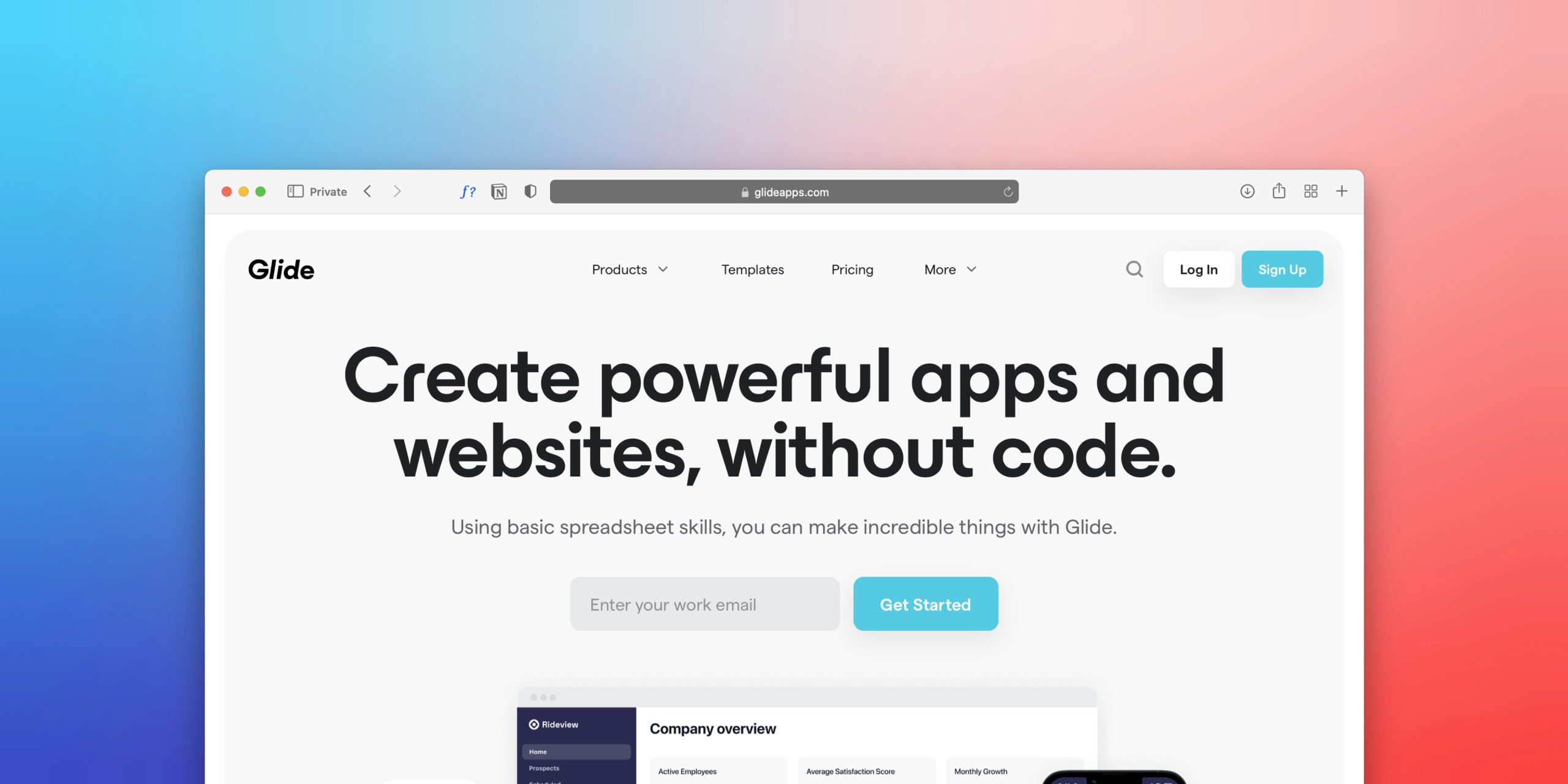
    Glide platform homepage for creating apps and websites without code using spreadsheets.

    Make sure your CTAs are visually distinct, easy to understand, and placed where people naturally look as they scroll. If you need ideas or want a sanity check on your current calls-to-action, speak to a strategist today and we’ll help you design CTAs that both support user needs and reduce bounce rate for key pages.

    7. Test, Monitor, and Iterate

    Reducing bounce rate is not a one-off job. It’s an ongoing process of testing, measuring, and refining. The more deliberate you are about this, the faster you’ll spot what works and what doesn’t.

    Use your analytics platform to track bounce rate by page, device, and traffic source. In Google Analytics 4, you can also look at related engagement metrics such as engaged sessions, engagement time, and scroll depth to understand how people behave beyond that first page view.

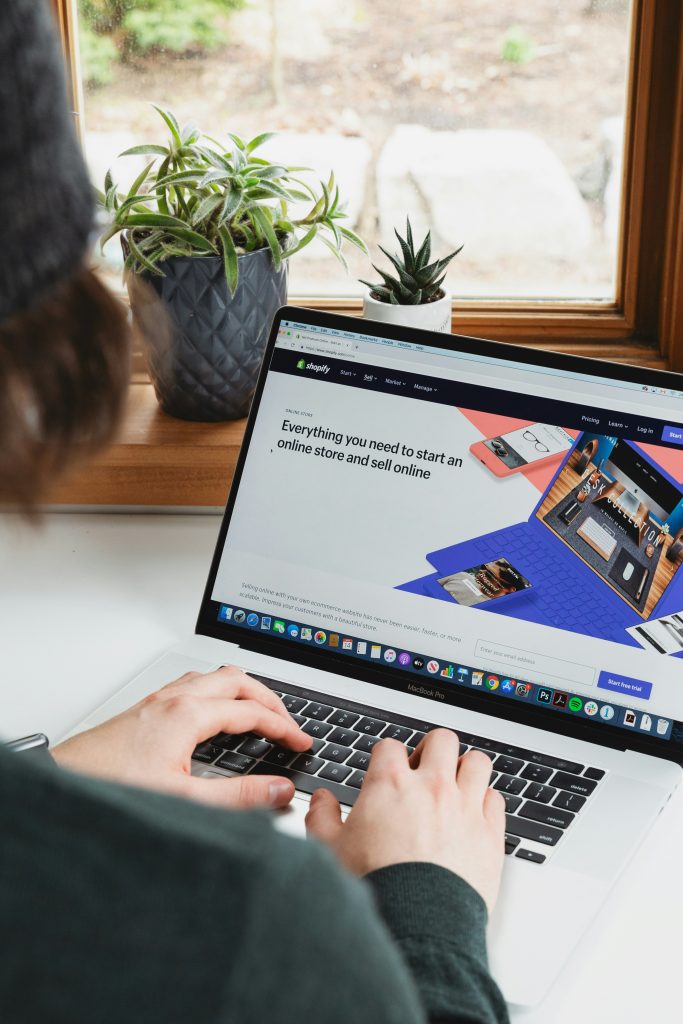
    Person using Shoper e-commerce software on a MacBook Pro to manage an online store.

    Run simple A/B tests on headlines, layouts, CTAs, and content formats to see which versions keep visitors around longer. Over time, this disciplined approach will help you lower bounce rate steadily and build a site that feels better for users and performs better for the business.

    Lower Bounce Rate, Better Results: Your Next Move

    Improving speed, content, navigation and targeting has a direct, measurable impact on how users behave on your site. When pages load quickly, feel intuitive to use and speak directly to what visitors came for, you naturally reduce bounce rate and give every session a better chance of turning into an enquiry, a lead or a sale.

    Tackling bounce rate is not just a reporting tidy-up – it’s part of building a healthier, higher-performing website. At Seek Marketing Partners, we help UK businesses analyse site performance and user experience, identify the friction points behind high bounce numbers and prioritise the fixes that will make the biggest difference. If you’re serious about wanting to reduce bounce rate over the long term, the best next step is to look at your data and act on it with a clear roadmap.Ready to see lower bounce rates and more engaged visitors? Book a performance review or speak to a strategist now to get a tailored plan.

  • What is Search Intent? How to Use It to Win More Customers

    What is Search Intent? How to Use It to Win More Customers

    When people search, they’re not just typing words; they’re signalling a job they need to get done. That job might be to learn, find, compare or buy. Understanding search intent turns scattered keyword lists into a practical content plan that earns visibility and drives qualified leads.

    In this guide, we explain the core intent types, show how to read live SERPs, and translate findings into page structure, copy, and measurement. You’ll get checklists, patterns, and examples you can put to work.

    Why is Search Intent Important?

    Search engines reward pages that satisfy a user’s task quickly and clearly. Aligning search intent with your content reduces back-and-forth bouncing between results, increases click-through and time on page, and improves conversion rates. The impact is practical: fewer dead-end visits, stronger internal link journeys, and cleaner reporting on what content actually contributes to the pipeline.

    For B2B teams, intent is the difference between noise and momentum. 

    • Informational content builds trust and opens doors
    • Commercial content moves evaluators towards shortlists
    • Transactional content removes friction

    When you map intent correctly, the site supports real buying journeys rather than fighting them.

    The 4 Types of Search Intent

    Google’s Search Quality Evaluator Guidelines group ‘intent’ into four query types you’ll see reflected in modern SERPs:

    • Know – the user wants to learn more about something.
    • Do – the user wants to accomplish a task or engage in an activity.
    • Website – the user is looking for a specific website or webpage.
    • Visit-in-person – the user is looking for a specific business/organisation or a category of businesses nearby.

    SEOs commonly use a closely related four-type model when planning content:

    Intent TypeTypical Keywords / ModifiersBest Content Formats / User Goal
    Informationalhow, what, why, guide, tutorialIn-depth articles, explainers, FAQs – answer questions
    Navigationalbrand, login, homepage, supportBranded landing pages, help docs  – direct users
    Commercialbest, review, vs, comparison, alternativesComparison pages, reviews, product round-ups – support decision
    Transactionalbuy, order, discount, near me, priceProduct pages, checkout-optimised landing pages – convert purchases

    How to Identify a Keyword’s Search Intent 

    Analyse the SERP

    Doing a search engine results page review (SERP analysis) is the fastest way to understand what satisfies the audience for a query, because Google already surfaces pages that best match the search intent.

    How to analyse the SERP (quick checklist):

    1. Go to Google and search your target keyword in an incognito window.
    2. Examine the top 10 organic results.
    3. Identify common themes in content type, format, and angle (the “3 Cs”).
    4. Note any SERP features (featured snippets, People Also Ask, sitelinks, local/shopping packs, videos).
    5. Open the top pages and study structure, headings, and calls-to-action to learn what “good” looks like for the query.

    Use what you learn to create content that fits the winning pattern – while adding something measurably better.

    Study the Query’s Language

    Evaluating the phrasing of a query is another reliable way to infer keyword intent, especially for long-tail searches. Look for modifiers like:

    • How
    • Why
    • Guide
    • Tutorial
    • Best
    • Vs
    • Alternatives
    • Compare
    • Reviews
    • Price
    • Near me
    • Buy
    • Free
    • Template

    Examples: “Best digital marketing agencies UK” signals comparison and buyer research. Map these modifiers to your page’s purpose and on-page elements like title, H1, sub-heads, and CTA.

    Use a Tool

    Use your preferred suite to speed up labelling and clustering. Check the tool’s intent label, top-ranking URLs, and SERP features. Treat labels as helpful hints. The live SERP is your source of truth for search intent.

    Some helpful tools for intent research:

    How to Optimise for Search Intent

    Use the Dominant Content Format

    Create the thing the SERP is already rewarding – then outdo it. After you diagnose search intent, look at the top results and list what they are by type and format.

    Common result types include:

    • Blog articles and guides
    • Product pages
    • Category or solution pages
    • Landing pages
    • Comparison pages
    • Tools and calculators
    • Documentation 
    • Videos

    Example: If the SERP for “best digital marketing agencies UK” shows listicles with evaluation criteria, publish a comparison with your criteria up front, case evidence, and a simple shortlist tool. 

    Aim to match the winning archetype, then raise the bar with clarity, usefulness, and proof.

    Consider the Full Intent

    A query rarely lives in one box. Many show layered needs (research now, shortlist later, transact soon). Respect the dominant search intent, then anticipate the follow-ups that keep users moving.

    How to expand beyond the explicit query:

    • Scan “People also ask” and related searches to uncover adjacent questions you should address or link to.
    • Cover prerequisites like definitions, tools required, or budget ranges, so readers don’t bounce for basics.
    • Pre-empt objections with short proof points like case snippets, policies, and implementation notes.
    • Offer next steps tailored to the stage: download a checklist (informational), use a comparison matrix (commercial), start a free trial or book a consultation (transactional).

    Example (B2B): For “marketing automation audit”, the hub should explain scope and outcomes (informational), link to “tool A vs tool B” (commercial), and provide a clear booking path for an audit (transactional). This balances breadth with focus and aligns neatly with keyword intent variations.

    Add depth where it helps the user finish the job, and link out where depth would clutter the page.

    Make Your Content Easy to Read and Digest

    Clear writing is a ranking advantage. It helps people complete tasks and helps search engines understand purpose.

    Do this on every page:

    • Use plain language – prefer simple verbs over jargon; define terms in-line when you must use them.
    • Front-load value – start sections with the key takeaway, then details.
    • Structure for scanning – short paragraphs, descriptive sub-heads, ordered steps, and tight bullet points.
    • Visualise where possible – tables for comparisons, checklists for processes, diagrams for flows; add concise, descriptive alt text.
    • Keep sentences short – most under 20 words; vary rhythm to avoid monotony.
    • Add helpful micro-copy – clarify what happens after a click (e.g., “Book a 20-minute call”).
    • Accessibility first – meaningful link text, sufficient contrast, and captions for complex images.

    Snippet tip: Include a 40- to 55-word definition or answer box near the top of key sections to target featured snippets for your primary search intent query.

    Optimise Your Title Tag and Meta Description

    Searchers decide in seconds. Make titles and descriptions match the search intent and promise a clear benefit.

    Title tag guidelines:

    • Lead with the user job; include the primary term naturally once.
    • Reflect the winning format (Guide, Checklist, Comparison, Pricing).
    • Add a qualifier that matters (UK, 2025, industry).
    • Aim for around 50-60 characters to minimise truncation.

    Meta description guidelines:

    • Summarise the outcome in one sentence.
    • Reinforce stage fit and include one secondary cue for keyword intent.
    • Aim for 140-160 characters so the main message is shown.

    Final Thoughts

    Make intent as your operating system. Start with the SERP, mirror the winning format, and write for people. Build one page per job, then connect research, to comparison, and to action with purposeful internal links. When pages align to search intent, you cut wasted spend and grow qualified demand.

    Want to read more? Visit our blog hub to explore guides, and case studies – from search intent and keyword intent to technical SEO and content strategy.

  • 9 Common SEO Issues and How to Solve Them

    9 Common SEO Issues and How to Solve Them

    Even well-run websites suffer from hidden SEO issues that cap rankings, throttle traffic, and blur reporting. Some are technical (speed, crawl, duplication), and others are strategic (weak intent match, thin pages, poor internal links). 

    The upside? Every one of them is fixable with a clear checklist and consistent follow-through.

    This guide from an experienced SEO agency in the UK walks through nine problems we diagnose most often, explains how to spot them, and gives you practical fixes you can implement this week. Use it as a working playbook, not just a read-once article.

    9 SEO Issues That Could Be Holding Your Website Back

    Problem #1: Targeting the Wrong Queries (Misaligned Intent)

    The symptom: Pages chase head terms with high volume but vague intent. You rank occasionally, clicks rarely convert, and reporting looks noisy. Typical problems with SEO often begin here.

    How to confirm: Compare your target terms with the live SERP: Are the top results guides when you built a product page (or vice versa)? Check Google Search Console for keywords with impressions but weak CTR.

    Fixes that work

    • Rebuild your keyword set around audience jobs-to-be-done. Map each page to one primary intent (learn, compare, buy) and reflect that in format and headings.
    • Prioritise long-tail phrases that signal context, budget, and use case, then win those while you build authority for broader terms.
    • Consolidate overlapping pages that cannibalise each other.

    Quick win: Re-title your pages to match intent (e.g., ‘How to…’, ‘Compare…’, ‘Pricing for…’) and update the first paragraph to answer the query upfront. This can deliver a fast lift in CTR and dwell time.

    Problem #2: Slow Pages and Unstable Core Web Vitals

    The symptom: Mobile bounce rates are high, layout shift is visible, and Google PageSpeed Insights shows red scores. These search engine optimisation issues hurt both user experience and crawl efficiency.

    How to confirm: Check Core Web Vitals in Search Console (per template), then run a lab test with Lighthouse. Note which scripts and images block rendering.

    Fixes that work

    • Compress and serve images as WebP/AVIF, and lazy-load below-the-fold assets.
    • Minimise and defer non-critical JavaScript, and remove unused CSS.
    • Set a performance budget in your build pipeline. Block deploys that exceed it.
    • Use a CDN and enable server-side caching. Upgrade hosting if the time-to-first-byte is slow.

    Quick win: Optimise your top 10 landing pages first – small speed gains there usually return the biggest revenue lift.

    Problem #3: Mobile Experience That Frustrates

    The symptom: Tap targets are tiny, forms are fiddly, and content stacks awkwardly. With mobile-first indexing, these SEO issues suppress rankings even when the desktop looks fine.

    How to confirm: Use a mobile usability testing tool to review issues, and check analytics for device-level conversion gaps. Watch a couple of real-user recordings on mobile per key template.

    Fixes that work

    • Design for thumb use: larger buttons, generous spacing, readable type.
    • Simplify navigation and keep critical actions within one tap from the hero.
    • Reduce intrusive pop-ups and interstitials, and ensure dismissal is obvious.

    Quick win: Strip every non-essential field from mobile forms. Fewer fields can lead to more completions.

    Ready to fix your mobile UX? Get in touch and let’s make it work for both users and Google.
    Get a Digital Marketing Consultation

    Problem #4: Indexing and Crawlability Gaps

    The symptom: Great pages simply don’t appear in results. Sitemaps are stale, robots.txt rules are overly broad, or templates ship accidental noindex.

    How to confirm: Use site:yourdomain.com to eyeball index size. Compare it with your CMS count. In Search Console, inspect sample URLs for indexing state and reasons.

    Fixes that work

    • Generate clean XML sitemaps per content type and submit them in Search Console.
    • Tighten robots.txt to block only what should never be indexed (cart, search, admin).
    • Remove accidental noindex/nofollow. Repair redirect chains and loops.
    • Ensure every important page receives at least one internal link from an indexed page.

    Quick win: Build a “What’s new” hub that links to all fresh content – great for crawl discovery and user orientation.

    Problem #5: Duplicate, Thin, or Near-Duplicate Pages

    The symptom: Multiple URLs say the same thing (parameters, print views, copied city pages). Authority is diluted; Google ranks the wrong version. These are classic search engine optimisation issues on large sites.

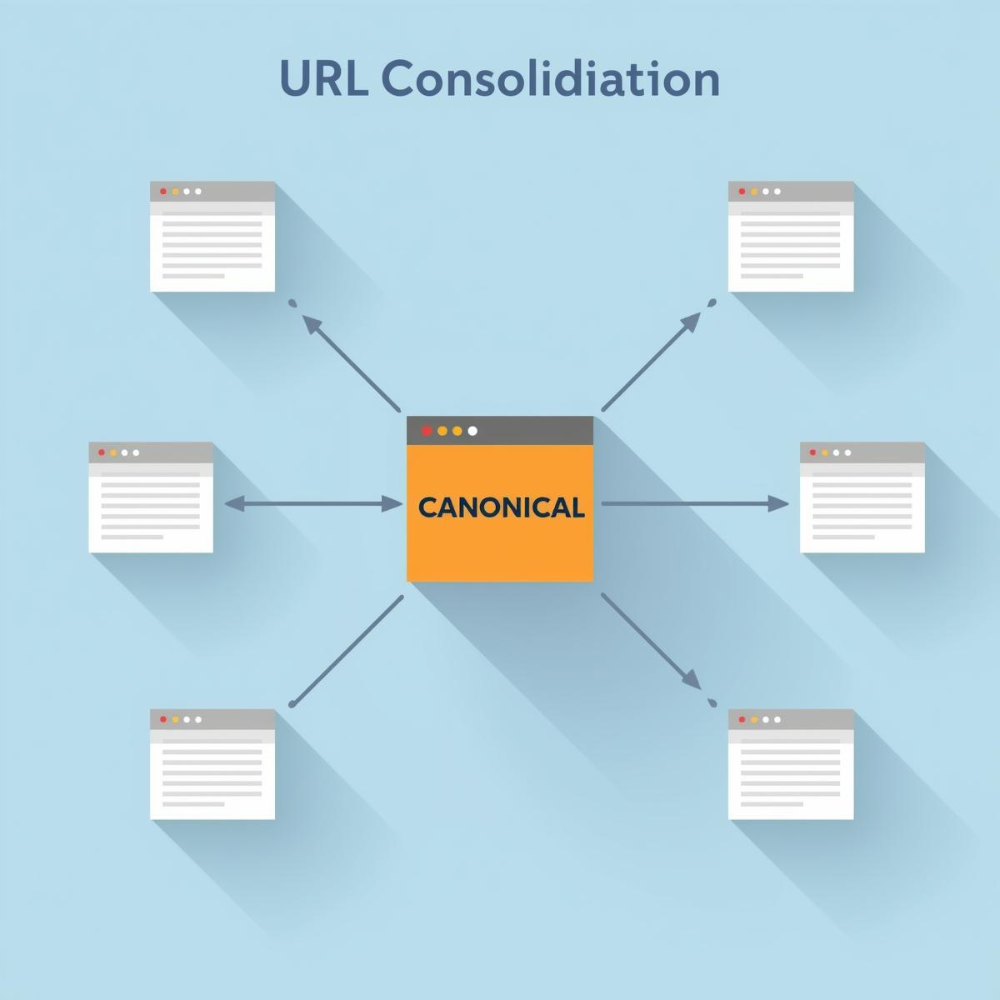
    How to confirm: Crawl the site to find duplicate titles/descriptions and similar content clusters. Check canonical tags for consistency.

    Fixes that work

    • Pick a canonical for each cluster and enforce it with <link rel=”canonical”> and 301s.
    • Normalise URL variants (HTTP→HTTPS, www→non-www, trailing-slash policy).
    • Merge thin pages into a single authoritative resource. Add unique proof (data, images, local specifics) where variants must exist.

    Quick win: Redirect parameter-driven duplicates to clean URLs and add self-referencing canonicals across templates.

    Problem #6: On-Page Fundamentals Left on the Table

    The symptom: Generic titles, missing meta descriptions, no H1s, and images without alt text. These problems with SEO depress CTR and muddle topical relevance.

    How to confirm: Export a title/meta inventory; flag blanks, duplicates, and over-length items. Manually review the first 100 words on key pages: Do they state the purpose clearly?

    Fixes that work

    • Write unique, benefit-led titles (~50-60 characters) and persuasive metas (~140-160 characters).
    • Use one H1 per page and structure content with descriptive H2s/H3s.
    • Add concise, descriptive alt text to meaningful images.
    • Improve internal linking with contextual anchors from high-authority pages.

    Quick win: Rework snippets for pages with high impressions but low CTR – fast wins without changing rankings.

    Small on-page tweaks can drive big results. Speak to our team and let’s make it happen.
    Get a Digital Marketing Consultation

    Problem #7: Content That Doesn’t Satisfy

    The symptom: Short, surface-level copy fails to answer the question; users bounce, and links never arrive. You’re publishing, but value is thin – one of the most common SEO issues we see.

    How to confirm: Compare your page to the top results: do you cover the same subtopics with clearer structure and fresher data? Check engagement metrics and scroll depth.

    Fixes that work

    • Align to search intent first; lead with the answer, then deepen with evidence.
    • Demonstrate E-E-A-T: name experts, cite sources, include examples and screenshots.
    • Add FAQs, tables, and visuals that reduce cognitive load.
    • Refresh winners quarterly – update stats, tighten copy, add internal links.

    Quick win: Add a crisp summary box at the top (“In 30 seconds…”) – helps humans and can earn snippet visibility.

    Problem #8: Weak Information Architecture and Internal Links

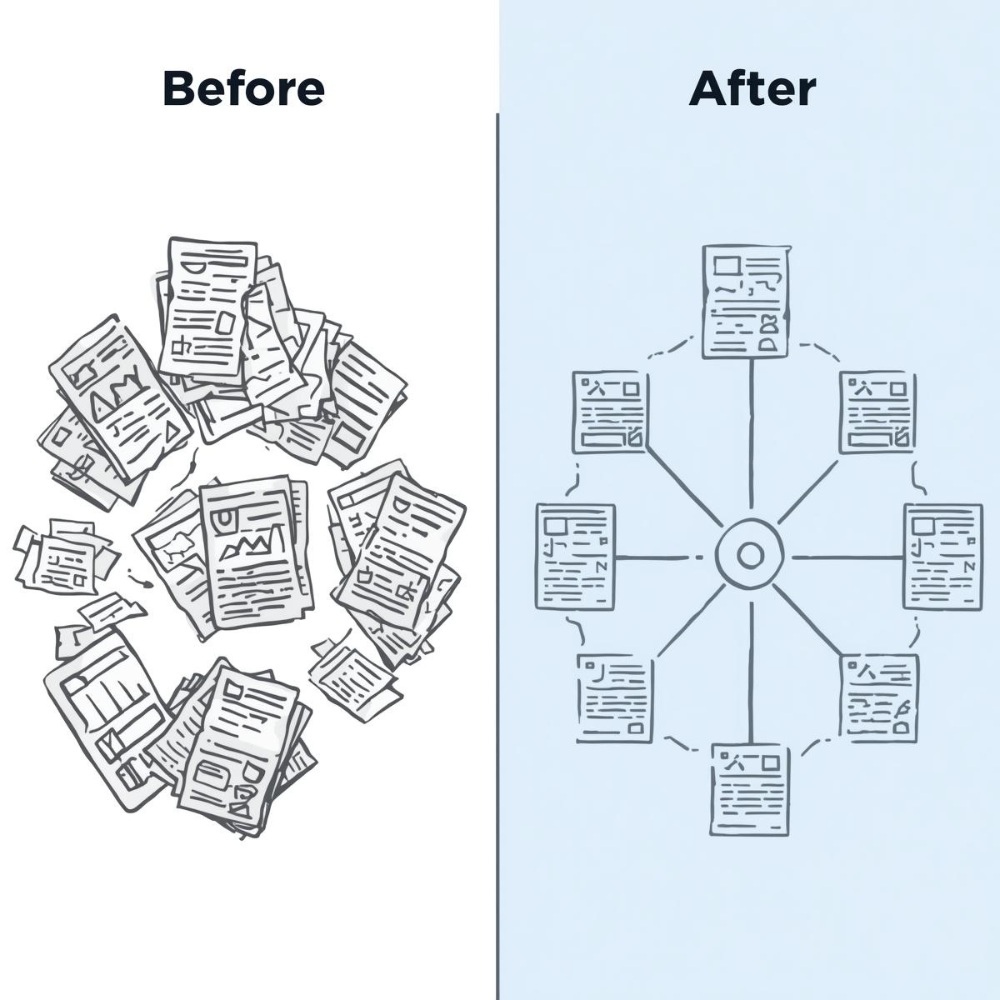
    The symptom: Important pages are four clicks deep, and related articles don’t reference each other. There’s no hub explaining a topic end-to-end.

    How to confirm: Visualise click depth from the homepage. List orphan pages. Identify topics with many spokes but no hub.

    Fixes that work

    • Build hub-and-spoke clusters: one comprehensive hub, focused spokes, and rich cross-links.
    • Add breadcrumbs and consistent nav labels; surface priority journeys in menus.
    • Link from high-traffic pages to under-linked commercial pages using descriptive anchors.

    Quick win: Create a “Start here” hub for your highest-value theme and link it site-wide.

    Problem #9: Set-and-Forget Operations

    The symptom: No routine for monitoring, updates ship without QA, and algorithm changes go unnoticed. Over time, tiny cracks become traffic-sapping SEO issues.

    How to confirm: Ask: When was our last technical or content audit? Which alerts fire on traffic drops, 404 spikes, or speed regressions? Who owns the fixes?

    Fixes that work

    • Schedule quarterly technical and content reviews with clear owners.
    • Track leading indicators (impressions, CTR, index coverage) alongside revenue.
    • Pilot changes on a small set of pages; document what worked and scale.
    Quick win: Set automated alerts for Core Web Vitals, 4XX/5XX rates, and ranking swings on revenue pages.
    Why Choose Us as Your SEO Agency in the UK

    Choose Seek Marketing Partners when you want senior attention, clear diagnostics, and measurable progress. We pair analytics-led audits with specialised content and technical work that improves the metrics that matter – visibility, conversions, and revenue, without fluff.

    Our consultants embed with your stakeholders, set priorities by commercial impact, and report in plain English. If bottlenecks are technical, we surface and solve them quickly. 

    Putting It Into Practice

    Tackle high-impact templates first (home, category, top blog, top conversion pages). Fix speed and indexing, then strengthen on-page signals and architecture. Finally, upgrade content quality and promotion so you earn references naturally. This staged approach resolves the most stubborn problems with SEO without overwhelming your team.

    If you’d like expert eyes on your stack, our team at Seek Marketing Partners is an experienced SEO agency in the UK. We can help prioritise, implement, and report results that your stakeholders will trust. Start with a no-nonsense audit or a focused sprint, then compound gains over the quarter.


    Frequently Asked Questions

    What are the most common causes of ranking drops?

    Speed regressions, index bloat, template changes that alter headings or internal links, and intent mismatch. Check Search Console for coverage and performance deltas first.

    Do I need to rewrite everything?

    Usually not. Improve the intro, structure, evidence, and internal links on existing pages before creating net-new content.

    How long until fixes show results?

    Technical and snippet improvements can move metrics within weeks; competitive terms and link-earning take longer. Expect steady momentum as the ship changes.

    Should we outsource or hire in-house?

    If velocity is critical or skills are thin, bring in specialists to set foundations and coach your team. A hybrid model often works best with an SEO agency in the UK guiding the roadmap.

  • Linktree – Lets Your Instagram Bio Branch Out!

    When the Internet Gods created Instagram, they decreed that ‘there shall only be one link on your profile’. That’s always seemed a bit draconian to the Seek Marketing Partners team. Speaking from experience as one of the many, many people who use the platform for business, going into our Instagram bio and changing that link two or three times a week was a little soul-destroying… But what if you could defy the will of the Internet Gods, and allow visitors to access multiple links via your Instagram bio? Well, get ready to meet Linktree, and put your best evil laugh to good use…

    The functionality that Linktree will give you – quite simply the ability to have easy access to multiple links via your Instagram bio page – is a great thing for all kinds of users. From businesses to bloggers, artists and many more. Does your company have a website and a blog like Seek Marketing Partners? Do you have one amazing product that sells like hotcakes, but don’t want to neglect the rest of your store? Has your content creation process yielded something that you’re really proud of? Would you like to show that piece off even as you’re producing new things? Now you don’t need to choose… Both of them can share the big spotlight that comes free with your Instagram bio!

    Once again, the Seek Marketing Partners team can speak from experience when we tell you that the way Linktree works is simple… All you have to do is visit https://linktr.ee/ and sign up FOR FREE using your Instagram handle. Linktree will then give you a short-form link that you copy and paste into your Instagram bio. This is the one that will take visitors to your Linktree menu. Now, when you go back into the Linktree dashboard you’ll be able to put in all of the awesome links you want your visitors to see… And voila! Multiple links, all in one easy place on your Instagram bio!

    There’s more though… Each link is trackable, so you can see exactly which ones are generating traffic for you, and which ones aren’t. They are also fully editable, so you can change the display order and swap links in and out at will. This is especially useful for us at Seek Marketing Partners because our amazing content creation guys have new designs and content going up each week! As a result, we need to keep things fresh while also ensuring that everything gets it’s fair share of exposure. Linktree works really well for this, and now we can’t imagine managing our Instagram bio without it!

    “I’m sold! What do I need to do to use Linktree?”

    Nothing that you don’t already have… As we said before, you sign up for Linktree with your Instagram handle, and the link you get goes right in your Instagram bio. Everything is managed in the Linktree dashboard, which you can access via your browser or the Linktree app. From there it’s just a case of following your instincts – the software’s really intuitive to use and even for a mature account like the Seek Marketing Partners Instagram page, it only took a few minutes to have it up and running. The hard part is choosing what you want to link to and the order you want to put them in. That really is dependent on your content creation schedule and priorities, but we at Seek Marketing Partners think the experimentation you get to do here and the freedom to see what works – as well as what doesn’t – is part of the fun!

  • UX & UI With Our Shopify Web Designers

    UX & UI With Our Shopify Web Designers

    User experience and user interface are two big determining factors in the success or failure of your business’ site or store – Seek Marketing Partners’ web design experts show you how to get both right below!

    Our Shopify Web Designers Explain the Importance of UX & UI

    The Seek Marketing Partners team’s expert Shopify web designers are people who are definitely interested in IT and its history. There is simply so much to learn about the past in I.T. – the stories of how technology got to where it is today, and how the tools that people like our Shopify web designers and other digital marketing professionals use on a daily basis came to be, and the future. One part of computing technology that has been an ever-present element since the first computers were developed (and even the abacus, depending on how strict your definition of a ‘computer’ is) is UX and UI – and today we’re going to explore the importance of UX in modern web stores, sites and applications. Since we’re an expert SEO vendor too, we’ll also touch on how search engine optimisation can help as well.

    What is UX and UI?

    UX stands for ‘user experience’ – essentially how easy it is for people to navigate around and use your site, app or store, and how doing so makes them feel. ‘UI’ stands for ‘user interface’. A user interface is the principal means through which users interact with your site, app, or store – and as such it also has a huge role to play in the quality of that site, app, or store’s UX. Any specialist Shopify web designer should tell you that UI and UX design is something that falls under web development, not necessarily software development.

    Why it’s Important to Understand UX and UI

    Applications and web projects are continuously being re-designed all the time, and because of this, so is the UX they provide. This is part of the reason why app and website user experience research is worthwhile. Since UX is affected by so many different and seemingly unrelated parts of your website, your app – whatever it may be that you have our specialist Shopify web designers working on – even when you’re not actively working on the UX, you may well still be changing it.

    Developing an understanding of the interactions between the various different elements of a modern application or website, and how they work together serves as a good starting point for your app or website user experience research.

    On top of this however, you also need to understand how the amount of impact each individual element has on your UX can change depending on the design choices that are made – either by your Shopify web designer on the grounds of their expert knowledge of the platform, or at your request. By understanding these relationships and the interactions the various elements of a site or app have with each other, you can really start to understand both the impact that each little change you make can impact store, app, or website user experience, and how much.

    Finally, we’re going to put our SEO vendor hat on again and remind you that bad UX can lead users to ‘bounce’ – leave your site having made a snap decision that ‘this isn’t what they want’. Sites and pages with high bounce rates are penalised in search engine rankings and so – even if a bounce is UX related, and caused more by the work of a Shopify web designer than your SEO vendor, your content writer or your marketing team – it will still hurt your SEO efforts.

    The Importance of Functionality

    Our expert Shopify web designers know that the people who will use your site or your store see functionality as a key part of their experience. They aren’t wrong to do so either, as if you were given a product and told to use it by a professional company of some sort – you’d quite reasonably expect that thing to work. As a result, every section and process on your webstore needs to run smoothly – from browsing your store, to making a purchase, billing, even things like customer service, returns and refunds – everything needs to be as quick and hassle free as possible.

    The Pitfalls of Poor UX

    Good Shopify Web designers understand that when poor UI is combined with human users, the result is often chaos and confusion – leading to poor UX. In turn, this chaos, confusion and poor UX lead to frustration on the part of the user, itself leading towards a lack of goodwill towards the company whose site or store they’re using, and the decision not to convert. You don’t need to be a Shopify web designer to understand this dynamic either, as it all boils down to what we’ve talked about above – and we’re quite sure that everyone reading this can recall a situation where they’ve had a frustrating customer experience and said ‘you know what, leave it, I’ll go somewhere else’.

    Poor UX can certainly put your online visitors and customers in that frustrated, negative frame of mind. However, good UI that facilitates a smooth, hassle free buying experience (and good store, app, or website user experience) as described earlier can also do the opposite, and get visitors thinking ‘you know what, that was easy to take care of, I’ll come back here next time too.’

    Desktop vs. Mobile – UX Concerns

    Just as working from home is becoming a common practice these days, especially since the pandemic, more and more businesses are choosing to go mobile. This is great for customers and businesses, as it gives them one extra channel each that they can sell or buy through. It is a definite concern for people like our Shopify web designers however, the screens on our mobile devices are arranged so differently from the ones we use with desktop or laptop computers. The device being used by the user therefore has big implications for UX, UI, and the associated web design and web development work that go into establishing them.

    For instance, a font size that’s legible on a 17-inch desktop monitor might not be legible on an iPhone, and similarly when designing for an iPhone screen our Shopify web designers have to bear in mind that users might not have the same precision control with their thumb that they do with the high-dpi laser mouse on their desk at home – so a system of drop-down menus for navigation (as you’d traditionally see on a desktop site) might not work so well on mobile.

    How Seek Marketing Partners’ Support Goes Beyond UX and UI

    So just like our specialist Shopify web designers, hopefully now you also understand just why UX and UI are so important to the success or failure of your business website or online store.

    However, Seek Marketing Partners are very proud to say that as one of the only full-service digital marketing agencies in the UK, our support (and the skillset of our team) doesn’t stop there.

    In addition to top-notch Shopify web designers, Seek Marketing Partners is also home to expert content writers and Social Media Marketing professionals, who can boost your business’ presence on platforms such as Facebook, LinkedIn and others, as well as creating great content for your website, which will be written with your brand, your audience and your goals in mind.

    In addition, as an elite SEO vendor our content team also includes specialist SEO writers, whose skill in text composition and knowledge of how search engines work mean they’re ideally placed to create content that will rank highly on search engines like Google, and which will be more visible to potential human visitors as a result. Speaking of drawing eyes to your product, that’s something you can rely on our graphic design team for too, and if you’re interested in PPC, email marketing, or data science – likewise we’re the people to turn to for support that gets results!

  • Web Design Bury & The North West Can Count On!

    Web Design Bury & The North West Can Count On!

    Your business website is one of the most important marketing tools you have at your disposal. It is the first port of call for potential customers, and it needs to be as slick and modern as possible if you want to stand out from your competitors. It’s not just about aesthetics though – a good website is also essential in helping you achieve your digital marketing goals.

    If you’re looking for someone to help design and develop a website for your Bury business, then look no further than the Seek Marketing Partners team. We’re Bury’s only full service digital marketing agency, and we’ve been providing businesses in town and further afield with top quality digital marketing support since 2015.

    We know from experience that in modern business, sleek design is important – but so is functionality, reliability and ease of use. Our web design and development team is made up of highly-skilled professionals who will work with you every step of the way to ensure that everything they do meets your expectations.

    The Extra Support Provided By Our Comprehensive Service

    Installation & Setup

    At this point, the Seek Marketing Partners team will migrate the latest and greatest piece of web design Bury has seen from our private staging servers to your hosting server. We’ll do all of the setup work that needs to be done, and will set your new site live.

    We Do Web Design Bury Can Trust, And We Do Hosting Too

    Of course, before it can begin to contribute to your digital marketing strategy or meet the information needs of your customers, your site will need somewhere to reside on the world wide web. The Seek Marketing Partners hosting server is the perfect place for your Seek Marketing Partners designed site to reside… You get a one-stop-shop solution covering all the bases, and if you want any changes making, or new features adding, the Seek Marketing Partners team already have all the access we need to take care of it!

    Maintenance

    The support offered by the Seek Marketing Partners team goes beyond quality web design Bury can trust… As a result it doesn’t stop once the site goes live, and starts doing its job assisting your digital marketing efforts. It’s a simple fact of web design that sometimes things go wrong, and sites break or go down. Fear not though, as should this happen to your site, Seek Marketing Partners will still be on hand to fix it, as well as carrying out regular routine maintenance to improve your site and keep it in good working order.

    Our Tried & Tested Web Design Process

    The Four Tenets of Web Design

    Seek Marketing Partners follow four main tenets of Web Design, which guide the order in which we do things. Those tenets are ‘Strategy, Design, Develop, Deploy’, and they have helped us develop the following step-by-step process:

    Step 1: Usability & Competition Analysis

    The first thing Seek Marketing Partners will do when you come to us is to go look at your competition. We do this to figure out what your new site – built by the team behind the best web design in the UK – will need to do in order to beat your competition, and how it will need to do it. Checking out the competition can also give the Seek Marketing Partners team some inspiration, and suggest new ideas that maybe you or we hadn’t thought of… Ideas that we can then carry forward and implement on your site…

    Step 2: Information Architecture Design & Website Content Strategy

    Once the Seek Marketing Partners team know who and what we’re up against, we’ll start planning out your site. At this point Seek Marketing Partners will draft the basic layout of your site… The pages that will be needed, the content that will go on those pages, and which pages will link to each other within your site. It’s important to do this now because in order to create a great end product that both we and you can be proud of, our team need to know what content will be needed. On top of this, knowing what content will need to be created ahead of time can ease the SEO process and help inform your social media marketing strategy, as well as other areas of digital marketing.

    Step 3: Responsive Website Design

    This is where the Seek Marketing Partners web design team – the team behind some of the best web design in the UK, don’t forget – do their thing, and make all the prep work come together by actually building your site. As always, implementation is carried out in accordance with your original brief and any feedback you send our way during the design process, while also bearing in mind the features and functionality that your Seek Marketing Partners website will need to have in order to meet the digital marketing goals defined in previous steps.

    Step 4: User Experience Design

    Seek Marketing Partners know that the experience your site delivers to the people that visit it matters. Google knows this too, and user experience does play a part in determining your site’s SEO score and Google rank these days. As part of our comprehensive web design services Seek Marketing Partners will bake everything you need to provide a great user experience into your site… Thereby also helping your SEO and your wider digital marketing strategy too.

    Step 5: CMS & e-Commerce Integration

    The next step for our development team is to integrate your CMS and any e-Commerce solutions or functionality that you want added into your site. Adding these features can really help your website pull its weight with regards to your overall digital marketing effort… Making your site not only a repository for information, but a place where you can close sales of your goods and services too!

    Step 6: Cross-Browser Testing

    Once everything is built, the Seek Marketing Partners team will get to work making sure that your website runs smoothly, and delivers that top-notch user experience on all of the various different browsers and platforms that might be used to view it – including devices such as mobile phones and tablets. Once all of the kinks are worked out, it’s time for the site to go live, and start contributing to your digital marketing strategy.

    Step 7: Advanced Features

    Seek Marketing Partners usually work with the WordPress platform – we think it’s a great all-rounder that can create great websites for almost any purpose. However, our team aren’t blinded by this or beholden to it, and we have no problem designing and developing advanced or custom features from scratch that will take your site and its functionality above and beyond the competition.

    At this point, the Seek Marketing Partners team will migrate the latest and greatest piece of web design Bury has seen from our private staging servers to your hosting server. We’ll do all of the setup work that needs to be done, and will set your new site live.

    Our Other Digital Marketing Services

    This isn’t all though – Seek Marketing Partners is a full-service digital marketing agency, meaning that we offer a raft of other services alongside the web design and development that we’ve spoken about already. These services include SEO, PPC and email marketing campaign support, graphic design, branding support and content writing, social media support, data science and more.

  • Seek Marketing Partners’ Dedicated Social Care SEO Service

    Seek Marketing Partners’ Dedicated Social Care SEO Service

    The SEO experts here at Seek Marketing Partners offer a dedicated SEO service tailor made for businesses operating in the social care industry, both across the United Kingdom and beyond. When you partner with us to deliver this service we’ll use all of our digital marketing and SEO knowledge and experience to improve your website and its content in ways that will make it more appealing to Google and the other search engines online.

    What benefits does good SEO have for my social care business?

    More web traffic

    In all kinds of businesses including social care SEO is proven to increase the amount of traffic that a website receives. This is beneficial to you in a number of ways – first and foremost because web traffic is the online equivalent of people entering a brick and mortar store – the more people you have coming in the better – but beyond this extra traffic can also help your SEO ranking and the results you’ll see from our social care SEO service too.

    More uptake on your services

    Because good SEO can increase the amount of traffic that your website receives, it can also increase the number of sales you make – or in the specific case of social care businesses, the amount of newcomers you see enquiring about and signing up for your services.

    More trust

    A good Google ranking is a cornerstone component of a positive online reputation. This is because many people have an innate trust of the pages and sites that they see at the top of a search engine results page. As a result if your pages rank well on Google and other search engines, the people that see them when they run a search are more likely to buy into your marketing message and believe that you’ll deliver a quality service.

    What does Seek Marketing Partners’ social care SEO service involve?

    Full Site Audit

    Seek Marketing Partners’ social care SEO service begins in the same way as our other SEO services – with an in depth audit of your existing website (if you have one – if you don’t then we can also design and build one for you, don’t worry!). This audit is our initial assessment of your website’s health from an SEO standpoint, and it also serves as a key benchmark against which we can measure our progress and show the benefits that our work brings to your site.

    Analysis of existing problems or opportunities for improvement

    Our search engine optimisation experts will be able to properly interpret the data gathered through the audit, and use it to identify those areas of SEO where your site could be improved and any aspects of SEO that it’s currently doing well.

    Development of an SEO strategy that’s bespoke to your site

    Once we know what the SEO strengths and weaknesses of your site are, our team then move on to strategizing, and creating a plan for how we are going to use things. Once again at this stage we call upon all of our prior experience and our knowledge of how SEO works to craft a plan that’s designed to be successful for you, given your business’ specific and unique needs – no ‘cookie cutter’ solutions here!

    Development of a prioritised task list

    Once we know what our plan is, we can then focus in on the finer details of the precise tasks that need to be completed in order to deliver the results you expect to see. What’s more, we’ll also prioritise this task list so that we’re able to deliver the biggest improvement in terms of SEO score and rankings in the shortest time possible.

    Top quality SEO work

    This is where the prep ends and the actual SEO work begins. At this stage our team of SEO professionals and content writers will begin providing the top quality on-page and off-page SEO work that we’re known for. If your site also includes a webstore then eCommerce SEO will also be part of this process, as will local SEO if we’ve identified that as an opportunity for improvement.

    Taking care of the ‘SEO housekeeping’

    Any time we finish optimising an existing page, or we create a new one for you, in addition to making sure that the page looks great when it’s published, we’ll also handle all of the ‘SEO housekeeping’ for you. In addition to the optimization work itself good SEO also includes a range of other smaller tasks that need to be done in order to ensure you get the most from the SEO work done. Our team know what these tasks are, and we’ll make sure that they get done on your behalf.

    Ongoing monitoring and maintenance

    If you want results that last, SEO is not something that can be done once and then forgotten about. Good SEO is an ongoing task that requires maintenance work, and continuing evaluation of the analytics to ensure that as the algorithms and the ‘tastes’ of search engines change, you’re aware of it, and updating your pages accordingly so they don’t lose the good rankings they’ve earned. Once again, you can turn to the Seek Marketing Partners team to provide this ongoing support, and keep your site ranking well!


    Want to learn more about our SEO expertise and how it can help your particular social care business? No problem – contact us today and ask, or if you prefer you can also reach out to us over social media, on Facebook and Instagram!