Category: Uncategorized

  • How to Remove Bad Reviews from Google My Business

    How to Remove Bad Reviews from Google My Business

    Google Business Reviews are one of the most powerful tools for building trust and visibility online. Positive reviews can elevate your brand, while negative ones can harm credibility if not addressed properly. That being the case, it’s no wonder that many businesses ask: “How do I remove bad reviews from Google My Business?” While not all negative reviews you may receive can be deleted, there are legitimate ways to flag inappropriate or false reviews for removal, and strategies to mitigate their impact. 

    How to Get Google Business Reviews: The Basics

    Before focusing on removing false or bad reviews from Google My Business, let’s cover the basics. These days, Google Business Reviews are essential for building trust and visibility online. They appear alongside your Business Profile in Google Search and Maps, giving potential customers valuable insights into your services. The more positive authentic reviews you collect, the stronger your reputation becomes.

    Unfortunately, it’s still the case that often ‘asking for a review’ is one thing, ‘a customer actually leaving one’ is another – but following the three basic principles below should mean that more of your satisfied customers convert into satisfied reviewers

    1. Ask at the Right Time

    One of the most obvious and effective ways to get reviews is to ask at the right time. After a successful purchase or positive customer interaction, politely invite your customer to share their experience. Timing always matters. When customers feel satisfied, they are more likely to leave positive feedback about your business.

    2. Make It Easy

    Simplifying the reviewing process for your customers or audience is a great way to earn more feedback. This can be done in a number of ways, such as sharing a direct link to your review page somewhere prominent, or creating a QR code that customers can scan to go there. Reducing friction, pain points and the time investment needed from the reviewer increases the likelihood of participation.

    3. Encourage Honesty and Authenticity

    Authentic reviews, with a mix of positive and negative ones, carry more weight than a business whose reviews are nothing but glowing, polished positivity. As the saying goes, “If it sounds too good to be true, it usually is.” – prospective customers know this, and so they trust ‘balanced’ feedback (mostly good, or at least acceptable, but not perfect – there will be some unhappy voices amongst the crowd). All feedback should be valued, because even the unhappy voices are telling you about problems you can fix – however, don’t forget that offering free or discounted goods or services in exchange for positive reviews (or removal of negative reviews) is considered fake engagement in Google and is prohibited.

    Why Are My Google Business Reviews Disappearing?

    It can be frustrating to see reviews vanish from your Google Business Profile, especially when they were positive. However, Google has strict policies and automated systems in place designed to ensure reviews remain authentic, relevant, and trustworthy. 

    Understanding why reviews disappear helps you protect your reputation and avoid unnecessary confusion. Possible reasons can include:

    How to Remove Bad Reviews from Google My Business

    Now that you know how to get Google Business Reviews, you should also be aware that you will receive negative reviews – it’s simply an unavoidable fact of life on the GBP platform. They can feel discouraging, but they don’t have to define your business reputation. While Google does not allow businesses to delete reviews simply because they are unfavourable, they do provide clear options and steps you can take to report inappropriate reviews. 

    Understanding When Reviews Can Be Removed

    Not all bad reviews qualify for removal. Only reviews that violate content policies, such as spam or fake reviews, or those which use offensive language or irrelevant commentary, are eligible. Disliking a review or disagreeing with a customer’s opinion is not grounds for removal from your business. However, if the review qualifies as prohibited and restricted content under Google’s guidelines, you can appeal for its removal.

    How to Respond Professionally to Negative Reviews

    Even if a review cannot be removed, your response can impact public perception. Best practices include acknowledging the issue raised in the review and ideally, expressing your desire to resolve it by inviting the reviewer to contact you. This addresses the negative review and also demonstrates your professionalism when it comes to feedback. Some further tips for responding appropriately to negative reviews include:

    • Avoiding overly defensive or emotional replies.
    • Showing a willingness to improve.
    • Offering solutions that can address the reviewer’s concern.
    • Remembering that prospective customers can also view your responses to negative reviews, which can impact their perception of your business (negatively or positively) based on how you handle the situation.

    How to Flag Inappropriate Reviews

    By using the flagging feature within your Google Business Profile, you can alert Google so that they can investigate and potentially remove a review. This process ensures that your business is represented fairly and that only authentic, policy-compliant feedback remains visible to potential customers. To do this, work through the following process:

    1. Go to your Business Profile.
    2. Select “Read reviews” in the options.
    3. Next to the review you wish to flag, click the review button.
    4. Select your reason as to why the review needs to be taken down.
    5. Click Send report.

    Before the review can be taken down however, Google needs to evaluate your report and the content of the negative review, which typically takes a few days. 

    Diluting the Impact of Negative Reviews with Positive Reviews

    Since not all reviews can be removed, building a strong base of positive feedback should be one of your core goals on the GBP platform. To do this:

    • Encourage satisfied customers to leave reviews.
    • Share direct review links in follow-up emails or after a positive experience.
    • Train staff to politely request reviews after successful transactions.
    • Consistently deliver excellent service to naturally generate positive feedback.

    When do I need to Consider Legal Action?

    In rare cases, where reviews are defamatory or harmful beyond the scope of Google’s rules and guidelines on the topic, businesses may consider legal action. However, this is costly and is recommended to only be pursued after exhausting Google’s reporting and appeal processes.

    Your Next Step

    Google Business Reviews are a cornerstone of your online reputation. From gaining new reviews to learning and understanding why some may disappear, the keys to success are a sound understanding of how the platform functions, what’s allowed and what isn’t, and a proactive approach to account management and review response. While you can’t control every review, you can control how you engage with customers and how your brand is represented online. A thoughtful approach ensures that your business only stands out for the right reasons.

    How Seek Marketing Partners Can Help

    Managing reviews is just one piece of the digital marketing puzzle. At Seek Marketing Partners, we specialise in helping businesses build a strong online presence through proven data-driven strategies.

    Search Engine Optimisation (SEO) Services: 

    Seek Marketing Partner’s SEO Services focuses on improving visibility, boosting conversions, and helping your brand stand out in search engine algorithms in order to increase growth.

    Content Marketing Services:

    Our content marketing services can help you engage with high-value audiences and deliver steady growth by creating personalised content that aligns with your business goals.

    Social Media Marketing Services: 

    Seek Marketing Partners’ social media management strategies can help businesses from many different kinds of industries establish a strong presence across various social media platforms.

    So, if you need more than review management services, don’t worry – Seek Marketing Partners offers a full suite of digital marketing solutions designed to grow your business. Our team provides tailored strategies that deliver measurable results, so contact us today for a free consultation and discover how we can help elevate your brand online.

  • Common Issues in SEO: Thin Content Explained

    Common Issues in SEO: Thin Content Explained

    In today’s competitive digital landscape, search engines reward originality, depth, and content that actually responds to a user’s search intent. SEO thin content is a content that fails to provide enough value, depth, or originality to properly meet user intent. It’s also a content that not only fails to engage audiences but also undermines long‑term growth and authority.

    What is Thin Content in SEO?

    In SEO thin content refers to web pages that provide little or no genuine value to users. These pages often include low‑quality affiliate sites, ‘doorway pages’ created solely to rank for keywords, or content that is short on wordcount or detail, duplicated, or recycled. These violate Google’s spam policies and can trigger a thin content penalty, including manual actions that severely impact visibility.

    Why Learning About It Matters

    There is a need to identify SEO thin content, as it directly undermines website performance. Thin content often lacks depth, originality, or relevance, which makes it less useful to visitors and less competitive in search rankings. When users encounter shallow or repetitive pages, they are also less likely to trust the site or engage further, weakening brand credibility. 

    By identifying and addressing thin content, businesses can ensure that every page contributes meaningfully to user experience and supports sustainable SEO growth.

    How to Spot Thin Content in SEO

    Identifying thin content isn’t always straightforward, but there are clear patterns that reveal when a page lacks genuine value. By looking closely at word count, originality, keyword use, and user engagement, you can quickly determine whether a page exhibits thin content. Some of the telltale signs to look for include:

    Minimal Word Count

    Pages in your site which carry only a few sentences or very short paragraphs often signal thin content. If the page fails to provide depth of detail, context, or seems low-effort, search engines and users alike will see it as low value.

    Duplicate or Recycled Material

    Thin content frequently comes from copying text across multiple pages or lifting information from other sites. If your content doesn’t add unique insights or original value, it risks being flagged as duplicate and filtered out of search results.

    Low‑Quality Affiliate Pages

    Affiliate content that simply lists products without the added detail that can come from reviews, comparisons, or original commentary is considered thin. Search engines expect affiliate sites to add perspective and usefulness, not just replicate manufacturer descriptions.

    Doorway Pages

    ‘Doorway pages’ are web pages created specifically to rank for certain search queries. An example of this would be a page about “leather handbags” simply redirecting visitors to a broad e‑commerce site that sells a wide variety of items, that includes handbags. This type of setup misleads users, provides little unique value, and exists primarily to manipulate search rankings rather than enhance user experience. 

    For a more comprehensive definition of doorway pages, check out this detailed article from Ahrefs.

    Why SEO Thin Content Hurts Optimisation & Performance

    It’s important to be aware that thin content hurts your entire website, not just one page. When search engines notice pages that are designed just to rank or monetise, overall SEO performance suffers. The following are the most prevalent ways in which SEO thin content can adversely impact a site’s SEO performance:

    High Bounce Rates

    Users leave quickly when pages are packed with affiliate links, duplicated text, or generic content, and poor engagement signals to search engines that the page does not satisfy search intent. While bounce rate can be influenced by other factors as well, thin content remains a major contributor to a high bounce rate. When visitors fail to find depth, originality, or relevance, they disengage, and search engines interpret this behaviour as evidence that the page is not meeting user needs.

    The Possibility of a Thin Content Penalty Being Applied

    When thin pages dominate your site, search engines may apply a thin content penalty, reducing visibility across the entire domain, not just the weak pages. This type of penalty can have a cascading effect, lowering rankings for otherwise strong pages and diminishing overall authority. In many cases, recovery requires a thorough content audit, consolidation of duplicate or shallow pages, and the creation of new, high‑quality resources that demonstrate relevance and value to users.

    The Different Thin Content Penalties Explained

    When search engines detect pages that provide little or no value to users, they can apply penalties to the entire domain as a result. These penalties can be algorithmic or manual, and they directly reduce your site’s ranking and traffic greatly.

    Algorithmic Penalties

    Search engines have an automated system which devalue pages that lack depth, originality, or relevance. This often results in lower rankings and diminished organic reach.

    Manual Actions

    In more severe cases, human reviewers may be required to issue manual penalties against sites with widespread thin content. This can lead to entire sections being excluded from search results until the issues are corrected.

    Potential Consequences:

    • Reduced visibility in search results.
    • Significant traffic loss.
    • Damage to brand credibility and trust.
    • Resource‑intensive recovery effort.

    Possible Ways to Recover:

    • Audit content regularly for depth and originality
    • Expand pages with examples, data, and actionable insights
    • Consolidate duplicate or overlapping pages
    • Focus on user intent and engagement metrics

    However, thin content doesn’t have to hold your site back. Seek Marketing Partners can transform shallow pages into meaningful, authoritative resources that drive results and build audience trust. 

    Strengthen your SEO Performance

    Building Sustainable Website Growth

    There are other, more effective ways to improve your website traffic than relying on thin content tricks (or other ‘black‑hat’ SEO tactics) that seek to game the system rather than provide genuine value to visitors. While these approaches may create short‑term spikes, search engines are well aware of them, and well-prepared to take sites using them down – so use of such tactics ultimately weaken authority, reduce visibility, and erode user trust. 

    In SEO, sustainable growth comes from investing in original, comprehensive content that aligns with user intent, builds credibility, and earns lasting recognition from search engines. By prioritizing relevance and depth, your website can achieve steady improvements in both traffic and performance.

  • How to Handle Website Migrations Without Losing Rankings

    How to Handle Website Migrations Without Losing Rankings

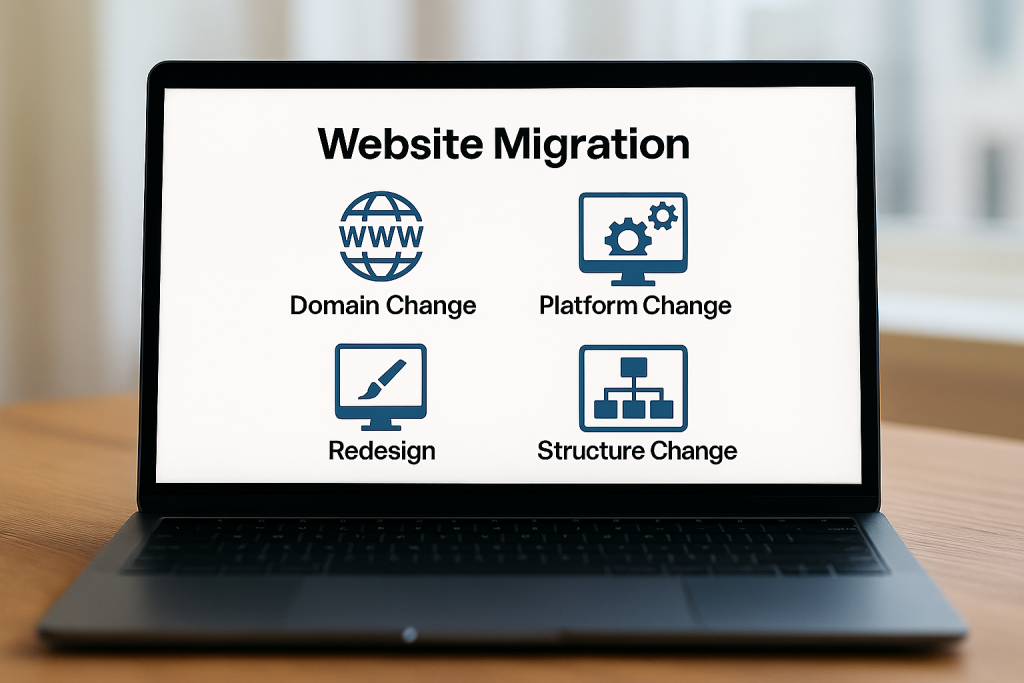
    When your business is preparing to change its website, you are embarking on what search professionals call a website migration. Whether you are moving to a new domain, re-platforming to a different content management system or redesigning the site structure, these changes are more than cosmetic updates.

    They involve significant alterations to the way pages are organised and linked, and they can affect how search engines understand and index your content. Without a plan, migrations can lead to lost traffic, broken links and ranking drops. 

    At Seek Marketing Partners, we help clients carry out successful site migrations by combining technical SEO expertise with a step-by-step process that protects your hard-earned search visibility.

    What Is a Website Migration?

    A website migration is any large-scale change to your site that could impact how search engines crawl, index and rank it. 

    Migrations may involve changing your domain or subdomain, launching a new design, rebranding, consolidating multiple sites or moving from one platform to another. Even changing the internal page structure or doing a visual redesign constitutes a migration because it alters the way pages are found and indexed. 

    In other words, migrations range from simple URL changes to complete overhauls of your website content architecture.

    There are many reasons businesses undertake these projects: 

    • To align with a new brand.
    • To merge business units into one coherent site.
    • To adopt a more powerful platform.
    • Or to improve user experience and performance.

    Whatever your motivation, remember that migrations must be treated as technical projects with clear objectives, scope and timelines. Without a strategy, what should be an upgrade could instead become a ranking disaster.

    How Website Migrations Impact SEO

    When you migrate a site, you change the URLs that users and search engines rely on. Search Engine Land notes that:

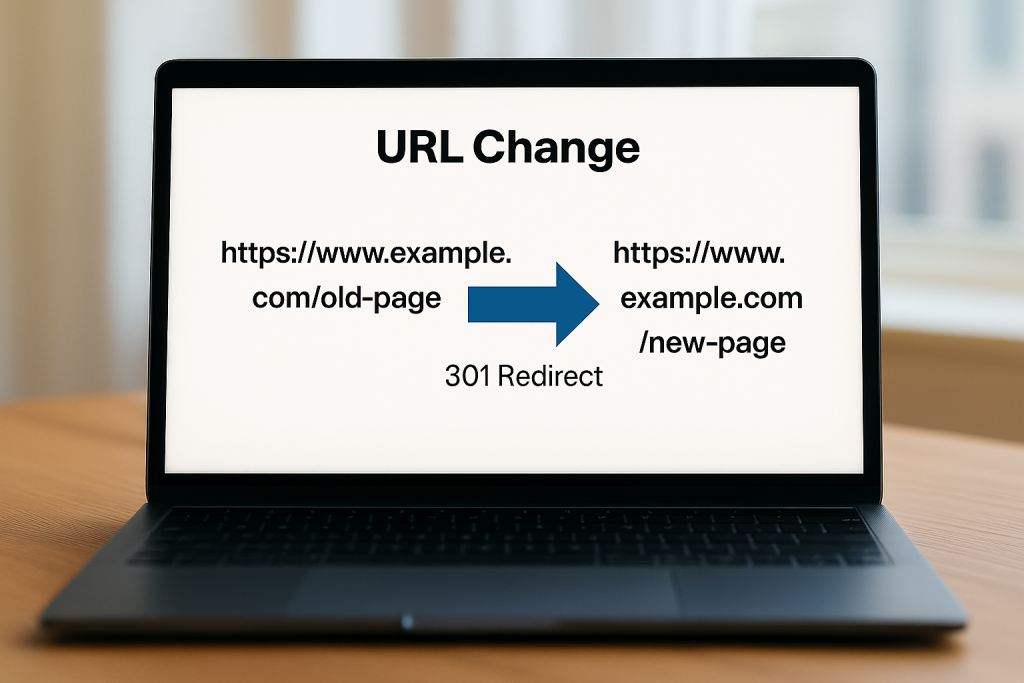
    “Altering URLs can cause sudden traffic drops if you don’t use 301 redirects to map old pages to new ones.”

    Each broken link creates a barrier for both users and search engines, wasting crawl resources and diluting authority. 

    At Seek Marketing Partners, we recommend keeping your domain name and URL structure wherever possible and avoiding unnecessary changes to titles and meta descriptions. If you must move a page, always set up permanent redirects to retain link equity and avoid soft 404 errors.

    The stakes are high because search engines take time to re-index a moved site. During this period, your rankings can fluctuate. A well-planned migration helps preserve rankings and minimise disruption, and a sloppy one could lead to lost revenue and customer trust. 

    This is why our approach focuses on thorough preparation, careful testing and continuous monitoring.

    Step-by-Step Process to Successful Site Migration

    Migrating a website without losing rankings involves four key phases: planning, preparation, launch and post-migration monitoring. Below is an outline of each phase along with best practices to minimise disruption.

    1. Planning the Migration

    Define goals and scope

    Before any work begins, agree on why you are migrating and what parts of the site will be affected. Failing to set goals or define scope can lead to issues from the start. Decide whether you are changing domains, restructuring content, re-platforming or all three. Identify which pages and features will move and which will be retired.

    Assemble your team

    Appoint a project lead and involve key stakeholders from SEO, development, design and marketing. Clear communication reduces risk and ensures everyone understands the migration’s goals. At Seek Marketing Partners we typically recommend assigning clear responsibilities and using a project management tool to track tasks.

    Schedule wisely

    Select a launch date when your site receives lower traffic (for many sites, this is a weekend or holiday period) to reduce the impact of any unexpected downtime. Set milestones for each phase – content inventory, redirect mapping, staging tests, launch, and post-launch review – and build in time buffers for troubleshooting.

    2. Pre-Migration Preparation

    Conduct a technical SEO audit

    Use a crawler (such as Screaming Frog or a similar tool) to inventory your existing pages, identify crawl errors and note which URLs currently earn traffic and backlinks. Document current keyword rankings, domain authority and top-performing pages so you know what to protect during the migration. Record metrics like page speed, Core Web Vitals, crawlability and indexability to benchmark your post-migration performance.

    Review your site’s infrastructure

    We recommend ensuring crawlability and indexability by checking robots.txt, XML sitemaps, canonical tags and noindex directives. Also verify that your site uses HTTPS, that your URL structure is logical and that internal linking flows naturally. Fix broken links because they waste crawl budget and hinder navigation.

    Create a content inventory and visual sitemap

    List all existing pages, paying particular attention to high-value content. Use this inventory to create a visual sitemap that illustrates your current information architecture. This helps you plan the future site structure and ensures no important page is overlooked.

    Prepare a redirect map

    Decide which pages will move, merge or be removed. For each moving page, create a 301 redirect from the old URL to the new one. Avoid redirect chains (A→B→C) because they dilute authority and slow crawling. Cross-check redirects in a spreadsheet and test them on the staging site to catch errors before launch.

    Document your server and environment

    Recording server settings, DNS configurations and any CDN or caching rules. This documentation ensures you can replicate the environment on the new server or platform and troubleshoot issues quickly. Take backups of your database and file system; migration can unearth unexpected problems, and a backup protects you from permanent data loss.

    Build a staging environment

    A staging site allows you to test changes without affecting the live site. Block search engines from indexing this environment using a robots.txt directive and noindex meta tag. Run a technical audit on the staging site to check for broken links, missing meta tags, duplicate pages and accessibility issues. Then correct any problems before moving to production.

    3. Launch and Implementation

    When the planned launch date arrives, ensure all redirects, sitemaps and robots files are ready. Keep the following in mind:

    • Remove restrictions – If you have blocked search engines or set up password protection on your new site, remove these barriers just before launch so Google can crawl your new pages.
    • Implement redirects – Upload your redirect map and verify that each old URL redirects to the correct new URL with a 301 status code. Avoid redirect chains or loops.
    • Submit sitemaps – Update your XML sitemap with the new URLs and submit it through Google Search Console. Check that the robots.txt file references the new sitemap and is not blocking important sections.
    • Check basic elements – Confirm that page titles, meta descriptions, headings and canonical tags are correct and that structured data markup still functions. Test forms, internal search, and key user journeys to ensure nothing breaks. Tools like PageSpeed Insights can help you verify that site speed and Core Web Vitals remain healthy.

    4. Post-Migration Monitoring

    After launch, monitor performance closely. It’s normal to see some fluctuations in traffic and rankings, but these should stabilise after search engines finish re-indexing your site. Keep an eye on:

    Crawl and indexation

    Use Google Search Console’s coverage report to identify pages that are discovered but not indexed or blocked by robots.txt. Investigate any crawl errors, 404s or soft 404s and fix them promptly. Screaming Frog or other log-file analysers can show which pages Googlebot is crawling and highlight wasted requests.

    Traffic and rankings

    Compare your current rankings and organic traffic to your pre-migration benchmarks. If you notice sustained drops for specific queries, investigate whether redirects or internal links are misconfigured or whether the new page fails to satisfy search intent.

    Technical performance

    Re-check page speed, Core Web Vitals, mobile friendliness and security (HTTPS). The Innermedia guide stresses that these elements remain critical after migration. Address any issues identified by Google’s PageSpeed Insights or Search Console.

    Documentation and maintenance

    Update your internal documentation with the final redirect map and new site structure. Document lessons learned and schedule regular technical audits to keep your site healthy. Remember that SEO is an ongoing process; a successful migration does not mean you can ignore maintenance.

    Technical SEO Audit Checklist for Migrations

    Below is a concise checklist you can use to ensure all important elements are covered. Each item helps maintain your search visibility during migration:

    • Benchmark and Audit: Crawl current site; record rankings, traffic, top pages and Core Web Vitals.
    • Crawlability & Indexability: Check robots.txt, XML sitemaps, canonical tags, noindex directives and internal linking.
    • Site Structure & URLs: Document current URL structure; maintain it where possible; plan new information architecture and internal link flow.
    • Content Inventory: Identify all pages, mark high-value content and plan how each will be migrated or retired.
    • Redirect Mapping: Create a 301 redirect plan; avoid redirect chains or loops.
    • Technical Setup: Record server and DNS settings; back up data; set up staging environment for testing.

    Conclusion – Let Us Guide Your Migration

    Website migrations are complex but entirely manageable with the right plan. By understanding how site migrations work and following a structured process – from defining scope and auditing your current site, to mapping URLs, testing in staging and monitoring afterwards – you can protect your rankings and even improve your website’s performance. 

    The key actions are:

    • Prioritise crawlability.
    • Maintain your URL structure.
    • Use 301 redirects correctly.
    • And continuously monitor technical health.

    At Seek Marketing Partners, we help clients navigate migrations without losing momentum. Our approach is to perform a comprehensive technical audit, develop a tailored migration strategy, implement changes in a controlled staging environment and monitor outcomes closely. If you are considering moving to a new platform or domain, or restructuring your site, contact us today. We’ll guide you through the process and help you make the most of your website’s next chapter.

  • Seek Marketing Partners’ Digital Marketing Affiliate Program

    Seek Marketing Partners’ Digital Marketing Affiliate Program

    Turn your network into revenue with our digital marketing affiliate program, a straightforward, high-value way to earn by introducing mid-size and larger organisations to Seek Marketing Partners. If your contacts make marketing decisions and you want a professional, results-driven referral option without handling delivery yourself, this offer is for you.

    Why Our Digital Marketing Affiliate Program Works

    We keep things simple and results-focused. Our digital marketing affiliate program is designed for people who open doors to businesses with real marketing budgets and a mandate to grow. You don’t need to become a marketer; you bring the introduction, we do the work: strategy, analytics-led SEO, paid media, content, and continuous optimisation. You get rewarded for making the connection, and the client gains an agency that actually improves performance.

    Because we work with mid-size and enterprise-level clients, the economics work in your favour. Our approach reduces churn and keeps clients longer, which means referral value compounds over time. If you prefer a digital marketing referral program that’s professional, transparent and built around measurable outcomes, this is it.

    Who Should Join Our Digital Marketing Referral Program

    Our program suits:

    • Consultants and industry advisers who regularly meet marketing or growth decision-makers.
    • Agency owners looking to resell or co-sell services where you don’t have capacity or specialism.
    • Business development professionals and networkers with access to mid-market companies.
    • Technology partners and SaaS vendors who want a partner to handle marketing for their customers.

    As a partner reseller in our digital marketing agency’s affiliate program, you remain the introducer and trusted contact. Seek Marketing Partners handles qualification, proposals, delivery, and reporting. We keep you informed at every stage and provide co-branded materials so introductions convert.

    How Our Digital Marketing Affiliate Program Works

    We intentionally avoid complexity on this page. The process is straightforward and built to convert:

    • Apply: tell us about your network and how you make introductions.
    • Introduce: share a contact via a secure form or unique referral link.
    • We qualify and propose: our team handles discovery and submits a clear proposal.
    • Campaign delivery: we run the work end-to-end — SEO, PPC, content, analytics and optimisation.
    • You’re rewarded: competitive, transparent commission paid on agreed terms.

    If you want the exact terms, commission bands and payout schedule, contact us and we’ll share a concise partner pack. This landing page is designed to invite the right partners; it isn’t a contract or a full program disclosure.

    What You’ll Get as a Digital Marketing Affiliate Partner and Reseller

    • Clear partner onboarding and a dedicated partner manager.
    • Co-branded sales collateral and sector-specific pitch decks to use when reaching out.
    • Transparent tracking so you can see lead and pipeline status.
    • Fast, reliable payments on conversion.
    • Training on how to position our services for enterprise buyers.

    We support partners and resellers of our digital marketing agency’s affiliate program with the tools they need to convert introductions into contracts without adding delivery work on their side.

    Sectors Where Our Digital Marketing Affiliate Program Excels

    Our sweet spot is mid-market and larger organisations in sectors where digital performance translates directly into revenue or leads:

    • Technology & SaaS
    • eCommerce & Retail
    • Professional Services and B2B Lead Generation
    • Finance & Insurance (commercial lines)
    • Manufacturing & Industrial
    • Hospitality & Travel

    If your contacts sit in those areas, our digital marketing affiliate program is likely to be a particularly lucrative fit.

    Why Recommend Seek Marketing Partners

    We’re not promising magic; we promise grown-up marketing: analytics-driven strategy and specialised content that moves pipeline, not just vanity metrics. When you introduce a client, you’re recommending a partner that prioritises measurement, accountability, and long-term growth. That credibility makes your introductions easier to close and valuable to keep.

    We also keep affiliate partner and reseller relationships professional: single-point partner managers, clear documentation, and an emphasis on mutual respect. If your reputation matters, you’ll find our approach reassuring.

    Example Scenarios in Our Digital Marketing Affiliate Program

    • A SaaS reseller introduces us to a customer who needs better trial-to-paid conversion. We handle the audits, experiments and rollout, and the reseller receives a partner payment.
    • A consultant refers to a professional services firm needing lead generation and content. We deliver a multi-channel program, and the consultant is rewarded for the introduction.

    For exact example calculations and commission models, contact us, and we’ll send the partner pack with everything you need to evaluate the opportunity.

    Ready to Find Out More?

    This page is intentionally concise; it’s a handshake, not a contract. Suppose you’re aligned with mid-size and larger organisations and want a credible, reliable way to monetise your network. Reach out, and we’ll send the partner pack and arrange a short conversation to confirm fit.

    Contact us to learn more about the digital marketing affiliate program, tell us about the sectors you know and the types of contacts you can introduce. We’ll respond promptly and set out the next steps.

    Frequently Asked Questions

    Do I need to be an agency to join?

    No. You can be an individual consultant, an agency, or a technology partner. If you can make warm introductions to decision-makers, you qualify. Our program is designed to be inclusive, focusing on your ability to connect rather than your company type.

    Do I have to do the delivery?

    No. We deliver all marketing services. Your role is the introducer and trusted referrer. This means you can focus on building relationships while we handle the strategy, execution, and reporting.

    Is the program public or invite-only?

    We run an open application process but prioritise partners whose networks fit our mid-market/enterprise focus. Apply and we’ll talk you through fit and next steps. Our goal is to build a strong, aligned partner network that delivers real value to mid-size and larger organisations.

    How do I get paid?

    We agree on payment terms during onboarding. Payments are transparent and scheduled; we offer bank transfer or agreed payment methods. You can expect reliable, timely payments as part of our commitment to clear and fair partner relationships.

    Can I resell services under my brand?

    We offer partner models that include co-branded options and reseller pathways. We’ll discuss options in the partner conversation. This flexibility allows you to position our services in a way that best fits your business and client needs.

  • Sudden Organic Traffic Drop? Here’s What You Should Do Next

    Sudden Organic Traffic Drop? Here’s What You Should Do Next

    An organic traffic drop can be concerning, particularly if it affects high-value pages or core revenue channels. However, reacting too quickly often leads to the wrong fixes. The correct approach is structured diagnosis.

    Before making changes, confirm the decline in Google Analytics 4 and Google Search Console. Compare month-on-month and year-on-year performance to rule out seasonality or reporting inconsistencies. Then segment by device, country, page type, and branded vs non-branded queries.

    Understanding precisely where and when the organic traffic drop occurred will narrow the likely causes. It may relate to technical changes, content relevance, competition, shifts in search demand, SERP feature changes, or algorithm updates.

    How to Diagnose and Recover from an Organic Traffic Drop

    1. Diagnose the Decline with Data

    Start with measurement, not assumptions. If you’ve experienced a sudden drop in organic traffic, resist the urge to make immediate changes without evidence. Compare equivalent time periods to filter out natural fluctuations. Many industries experience predictable dips during seasonal slowdowns, post-campaign normalisation, or off-peak months.

    Next, segment performance:

    • Branded vs non-branded queries
    • Desktop vs mobile
    • Country or region
    • Page type

    If branded traffic has fallen, marketing activity or brand visibility may be the issue. If non-branded traffic has declined, the cause is usually SEO-related.

    In Search Console, compare impressions and clicks. If impressions remain steady but clicks decline, rankings may be stable while the click-through rate has dropped. This can happen when SERP features such as AI summaries or featured snippets answer queries directly in search results.

    The key question is whether visibility was lost or user behaviour shifted. Once the decline is mapped clearly, outline the most likely causes. In most cases, traffic drops fall into one of five categories: technical changes, competitive shifts, demand fluctuations, SERP feature changes, or algorithm updates. This framing helps prevent guesswork.

    2. Check Technical Health

    Once the decline is confirmed, review technical integrity before adjusting content. If organic traffic dropped suddenly, technical issues are often the first place to investigate. Use Google Search Console to check for manual actions, indexing errors and security issues.

    You must also verify that:

    • HTTPS is active sitewide
    • XML sitemaps are current
    • Robots.txt is correctly configured
    • No important pages have accidental noindex tags
    • No widespread 404 errors or broken redirects
    • Mobile usability and site speed meet acceptable standards

    If you recently migrated or redesigned the site, confirm redirects are functioning correctly and key pages remain indexable. Also confirm there has been no recent hosting downtime, security breach or plugin conflict affecting indexation. Even short outages can disrupt rankings temporarily.

    If technical weaknesses are contributing to your traffic decline, our Technical SEO services are designed to identify and resolve crawl, indexing and performance issues at scale.

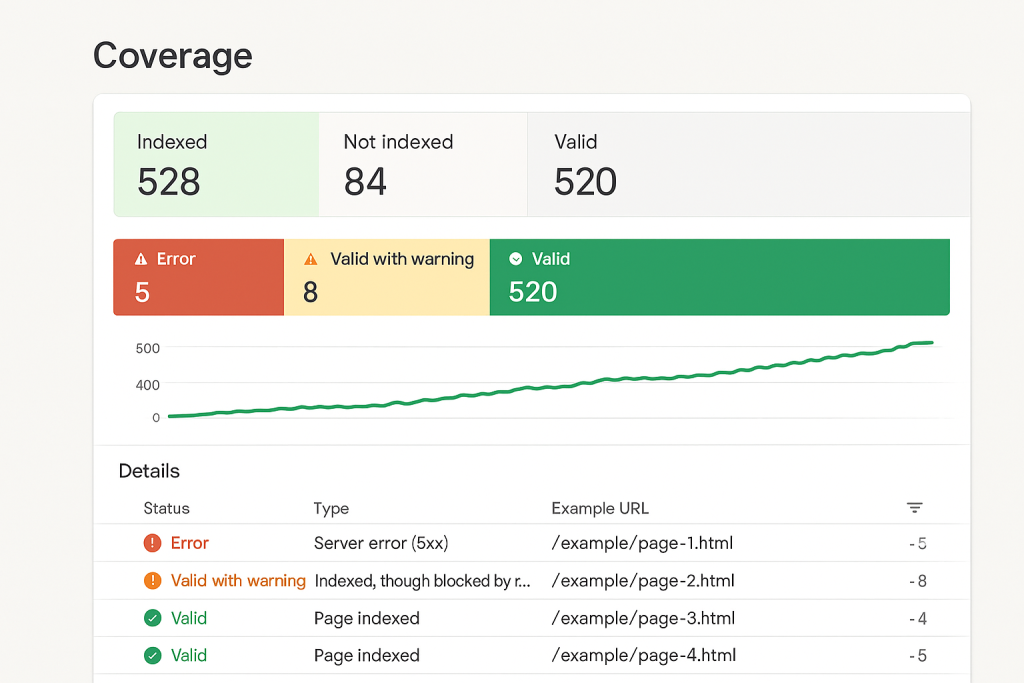
    Coverage dashboard showing indexed pages, warnings, errors and a performance graph.

    3. Audit and Improve Content

    If technical health is sound, focus on the pages that lost visibility. After a sudden drop in organic traffic, content gaps or misalignment with search intent are often contributing factors. Prioritise pages that historically drove the highest traffic, leads or revenue. Recovery efforts should focus first on assets with proven commercial impact.

    Group affected pages by type – blog posts, service pages, category pages – to identify patterns. You should review for:

    Content Depth and Relevance

    For time-sensitive topics, outdated content can lose rankings. Refresh pages with updated statistics, clearer examples, and improved structure. For evergreen topics, depth and authority matter more than recency. Ensure the page fully satisfies search intent.

    Keyword Focus

    Ensure each page targets a distinct topic. If multiple pages compete for the same query, search engines may struggle to prioritise one. Use Search Console to identify overlapping rankings and consolidate or refine pages where necessary.

    On-Page Structure

    Each page should have a clear primary topic and a logical heading hierarchy that reflects how the content is structured. It should also include internal links to related pages using descriptive anchor text to strengthen context and navigation. Finally, ensure every page has a unique meta title and description, as clear structure improves crawlability and user engagement.

    Trust and Authority Signals

    Strengthen credibility by including author attribution, credible sources where appropriate, and case studies or supporting evidence. Authoritative content is more resilient during algorithm changes.

    If content weaknesses are contributing to your visibility loss, our On-Page SEO services focus on improving structure, intent alignment and authority signals to restore rankings.

    4. Review Off-Page and External Factors

    Organic traffic is influenced by factors beyond your website.

    Backlink Profile

    A loss of high-authority links can impact rankings. Review your backlink profile and identify whether valuable links were removed. If organic traffic dropped and you suspect harmful link activity, only use Google’s disavow tool where there is clear evidence of toxic links or a manual action.

    Competitor Improvements

    Analyse which domains now rank above you for previously strong keywords. Competitors may have expanded content depth, improved technical performance, increased internal linking and strengthened brand visibility. Competitive benchmarking highlights strategic gaps.

    Demand Changes

    Use Google Trends or keyword tools to determine whether search demand has declined. A drop in search volume is different from a ranking loss and requires a different response.

    If authority loss is contributing to the decline, our Link Building services are designed to rebuild high-quality backlinks and reinforce domain strength.

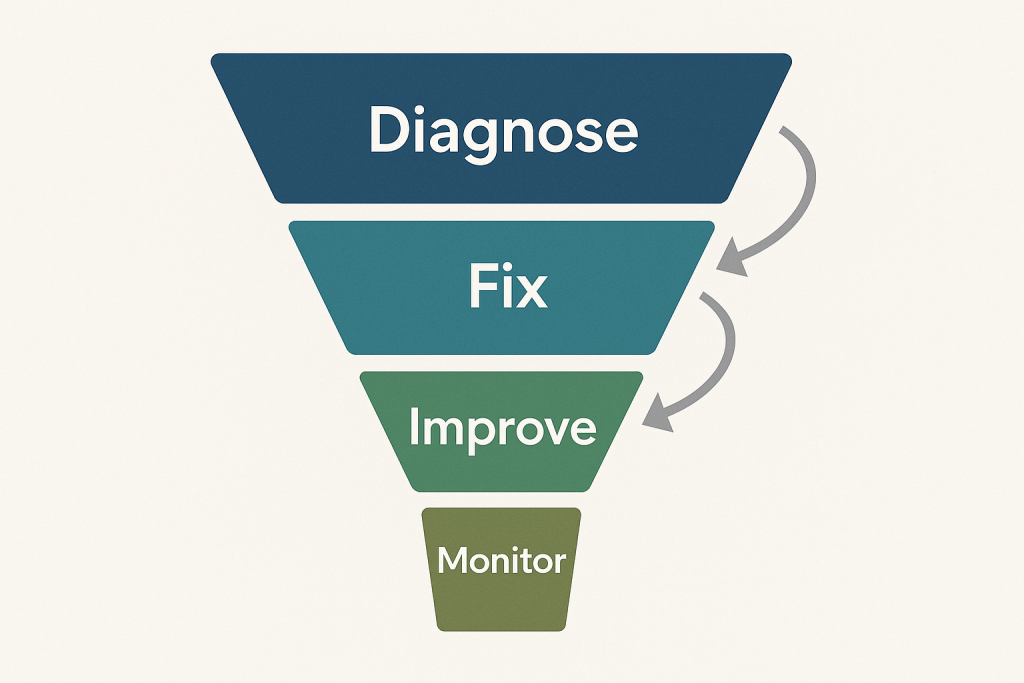
    Funnel diagram labelled Diagnose, Fix, Improve and Monitor with arrows between stages.

    The Real Risk Isn’t the Drop, It’s the Wrong Fix

    An organic traffic drop feels urgent. But urgency leads to rushed decisions – unnecessary redesigns, mass content edits, aggressive link building – none of which fix the real issue if the diagnosis is wrong.

    Traffic rarely disappears without a reason. It shifts because something changed: technically, competitively, behaviourally or algorithmically. The businesses that recover fastest are the ones that identify the root cause before acting.

    If your organic traffic dropped and you’re unsure why, guessing is expensive. A structured audit will tell you whether you’re dealing with a technical fault, a content gap, a demand shift or a competitive displacement and what actually needs fixing.

    If you want clarity before making changes, book a consultation with our team. We’ll help you isolate the problem and build a recovery plan grounded in data – not assumptions.

    Need Specialist Support?

    At Seek Marketing Partners, we provide data-driven SEO services focused on diagnosing and reversing organic traffic drops. We identify the root cause, prioritise the highest-impact fixes, and implement a structured recovery plan grounded in measurable outcomes.

    If your organic traffic has declined and you need clarity on why, claim your free SEO audit or book a consultation with our team today.

  • What is ROI in Digital Marketing and How to Calculate It

    What is ROI in Digital Marketing and How to Calculate It

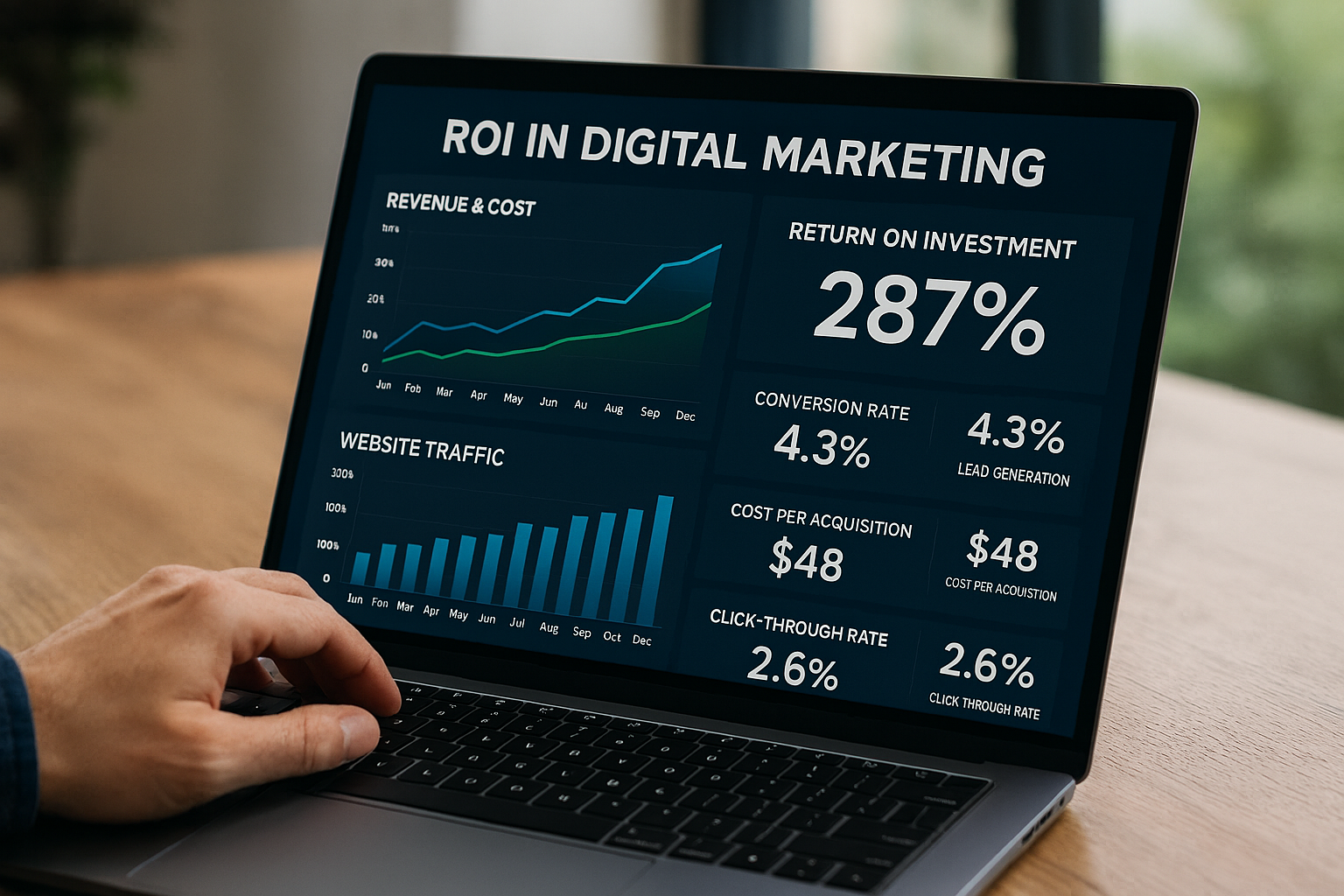
    Return on Investment (ROI) in digital marketing measures the profit generated from your marketing activity compared to what you spent. In simple terms, it shows whether a campaign generated more revenue than it cost.

    Digital marketing ROI is calculated by taking the revenue (or value) attributed to marketing, subtracting the marketing cost, and dividing the result by the marketing cost. A positive ROI above 0% means your campaign generated more revenue than it cost, while a negative ROI means you spent more than you earned.

    Why Do We Have to Measure Digital Marketing ROI?  

    Measuring ROI in digital marketing is essential for making informed, commercially sound decisions. It helps you:

    • Determine campaign success: ROI shows whether a campaign is profitable. Before launching, define a clear ROI target. Afterwards, measure performance against that benchmark.
    • Compare channels and strategies: Tracking ROI across channels reveals which activities generate the strongest financial returns.
    • Allocate budget wisely: When you identify the campaigns delivering the highest ROI, you can reallocate budget toward high-performing channels and optimise or pause underperforming ones.
    • Justify marketing spend: Demonstrating measurable ROI to stakeholders or leadership proves that marketing investment is contributing to business growth.
    • Refine strategy: ROI is not a one-off calculation; it supports continuous testing, optimisation and strategic improvement.

    In short, focusing on ROI aligns marketing activity with business objectives. It prevents investment in campaigns that appear promising but fail to deliver measurable impact, and it highlights the tactics that genuinely drive results.

    How to Calculate ROI in Digital Marketing  

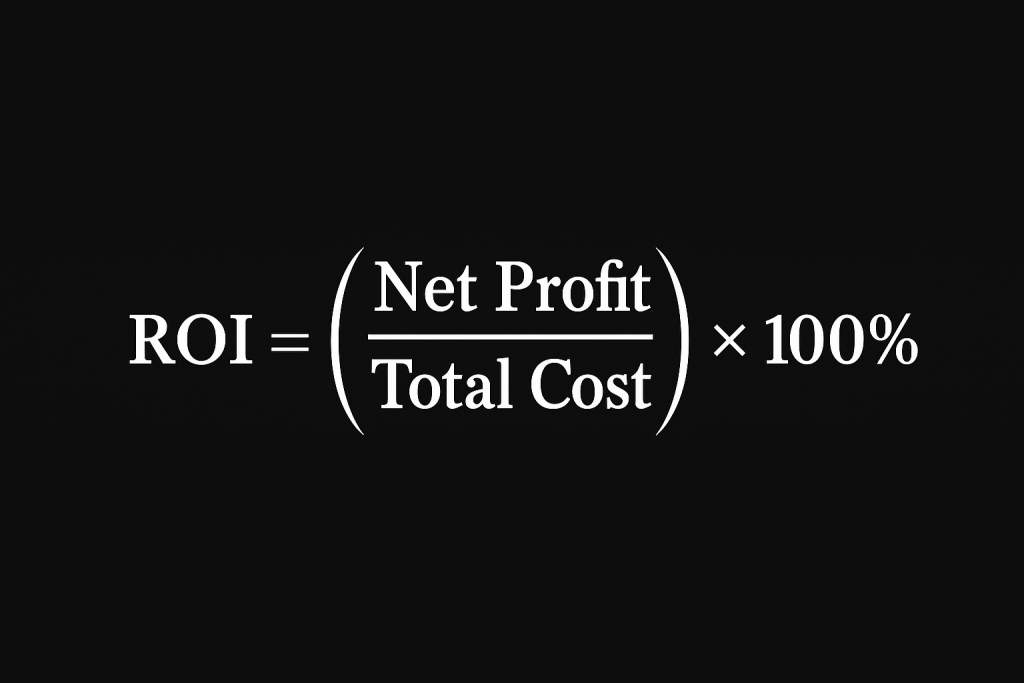
    The basic digital marketing ROI formula is:

    ROI formula: net profit divided by total cost, multiplied by 100%.

    For instance, if a campaign costs £4,000 and generates £18,000 in revenue:

    ROI = ((18,000 – 4,000) ÷ 4,000) × 100 = 350%

    • 100% ROI means you generated profit equal to your initial investment (you doubled your money in total revenue terms).
    • 350% ROI means you generated £3.50 in profit for every £1 spent, in addition to recovering your original £1.

    Steps to calculate ROI 

    1. Determine total campaign revenue: Track the sales or value directly attributable to the campaign. This could be online purchases, or for lead generation, estimated deal values based on historical close rates.
    2. Sum all marketing costs: Include ad spend, agency fees, software tools, creative production, and any associated overhead. Be as comprehensive as possible to avoid overstating ROI.
    3. Apply the formula: Subtract total cost from revenue to determine profit, divide by total cost, then multiply by 100 to calculate ROI as a percentage.
    Here’s an example. A company predicts 1,000 leads from a campaign, expects 25% to convert into customers, and the average order value is £50.

    Predicted revenue = 1,000 × 0.25 × £50 = £12,500

    If the campaign costs £5,000:

    Predicted ROI = ((12,500 – 5,000) ÷ 5,000) × 100 = 150%

    It’s important to note that this formula does not capture every variable. For a more complete view of performance, supplement ROI with metrics such as cost per lead, conversion rate and customer lifetime value (CLV)

    The Difference Between ROI and ROAS  

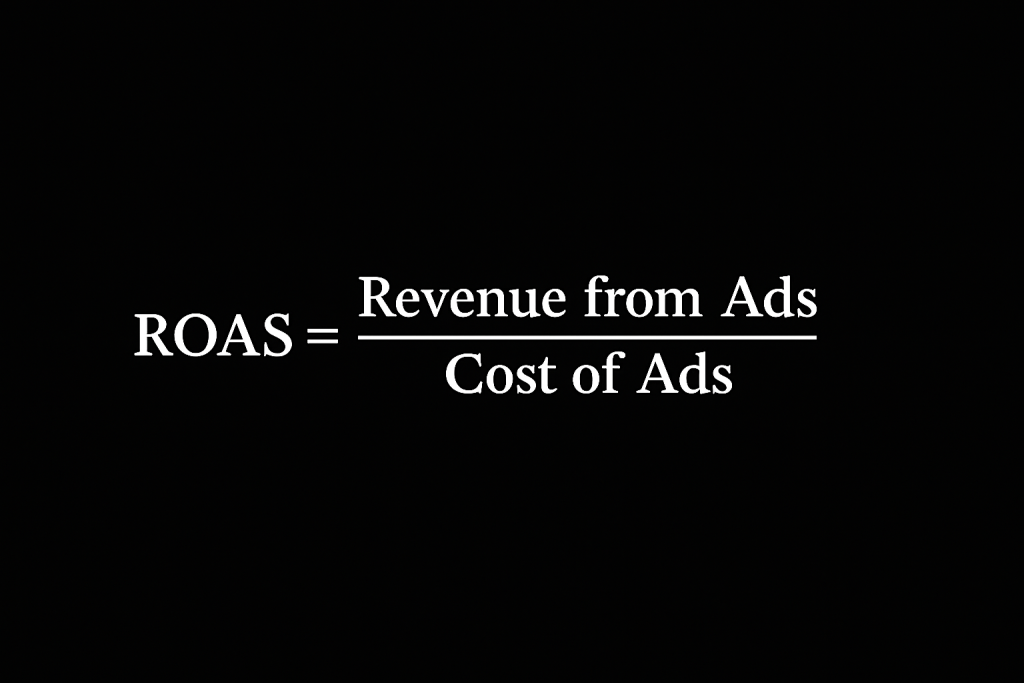
    ROI measures overall profit from marketing activity, while Return on Ad Spend (ROAS) focuses specifically on revenue generated from paid advertising.

    Black slide showing the ROAS formula: revenue from ads divided by cost of ads.

    For example, a paid campaign might achieve an 800% ROAS (eight times return on ad spend), but overall ROI would also account for additional costs such as software, creative production, agency management and staff time.

    Both are useful: ROAS helps evaluate paid media efficiency at a channel level, while ROI provides a broader view of true profitability.

    The Key Metrics and Considerations  

    Calculating ROI is essential, but understanding why it is high or low requires analysing supporting metrics. Key performance indicators include:

    • Impressions or Page Views: These reflect visibility and brand exposure. Efficient awareness campaigns often deliver high reach at a controlled cost per impression.
    • Click-through Rate (CTR): A higher CTR suggests your ads or content resonate with the audience. Strong CTR can improve Quality Score in paid media, often reducing cost per click and improving overall return.
    • Cost per Lead (CPL) and Cost per Acquisition (CPA): CPL measures how much it costs to generate a lead, while CPA measures the cost to acquire a customer. These metrics directly influence profitability.
    • Conversion Rate: The percentage of visitors who complete a desired action (purchase, sign-up, enquiry, etc.). Even small improvements here can greatly improve ROI. 
    • Average Order Value (AOV): The average transaction value. Increasing AOV through cross-sells, bundles or upsells raises revenue per customer without increasing acquisition cost.
    • Customer Lifetime Value (CLV): The total projected revenue generated by a customer over time. A higher CLV can justify higher acquisition costs or lower short-term ROI.

    Tracking these metrics within analytics platforms ensures data accuracy. Incomplete or inaccurate tracking leads to distorted ROI calculations. Implement proper conversion tracking and use UTM parameters to attribute traffic sources correctly, ensuring revenue is linked to the right campaigns.

    What Is a Good ROI?  

    A “good” ROI in digital marketing depends on context, but a commonly cited benchmark is a 5:1 ratio – generating £5 in revenue for every £1 spent (500% ROI).

    Black slide with text about Adobe target ratios: 5:1, 2:1 and 10:1.

    In practice, acceptable ROI varies by industry, margin structure and campaign objective. High-margin businesses can tolerate higher acquisition costs, while competitive or low-margin sectors may operate on tighter returns. Some strategies prioritise long-term customer value over immediate profit.

    Rather than chasing a fixed number, set ROI targets aligned with your commercial model. Brand or awareness campaigns may not deliver immediate 5:1 returns, and that can be acceptable if they contribute to long-term revenue growth. The key is setting realistic benchmarks based on historical performance and market conditions.

    Learn How to Improve Your Digital Marketing ROI  

    Calculating ROI in digital marketing is only the starting point; improving it requires structured optimisation. Here are practical strategies:

    Set Clear Goals and KPIs

    Before launching any campaign, define measurable objectives. Clear KPIs guide budget allocation and allow ROI to be evaluated accurately.

    Focus on High-Performing Channels

    Avoid spreading budget too thinly. Identify which channels consistently generate strong returns and prioritise investment there.

    Continuous A/B Testing

    Test variations in ad copy, landing pages, email subject lines and creative assets. Even small improvements in conversion rate can materially increase ROI over time.

    Use Advanced Attribution

    Modern customer journeys are rarely single-touch. Multi-touch attribution models provide a more accurate picture of ROI than last-click attribution alone. 

    Optimise Conversions

    Improving conversion rate and average order value (AOV) can significantly impact ROI without increasing traffic. For example, increasing conversion from 5% to 6% represents a 20% uplift in conversions and often a comparable uplift in return.

    Invest in Analytics and Reporting

    Clean, reliable data is essential. Accurate tracking ensures ROI calculations reflect real performance rather than incomplete attribution or missing costs.

    Experiment with Offers

    If performance plateaus, test pricing structures, bundles or limited-time incentives. Stronger offers can improve conversion rates, provided margins remain protected.

    Seasonal Adjustments

    Performance often fluctuates seasonally. Evaluate ROI across comparable time periods before pausing campaigns. Adjust targets to reflect peak and off-peak demand.

    Leverage Technology

    Modern analytics platforms, including Google Analytics and predictive audience tools, can help identify segments with higher conversion potential. Automation and reporting tools improve visibility and speed of optimisation.

    The Role of a Specialist Digital Marketing Agency in ROI  

    If you’re aiming to improve your ROI, partnering with a data-driven digital marketing agency like us can accelerate results. At Seek Marketing Partners, we offer services like PPC advertising and CRO optimisation specifically to boost ROI. Whatever service you need – whether SEO, social media, email – our focus is always on measurable growth.  

    Ultimately, the goal is that every pound spent moves the needle. If you need help calculating or improving your digital marketing ROI, get in touch with us.

  • How to Boost Conversion Rate and Drive More Sales

    How to Boost Conversion Rate and Drive More Sales

    Increasing your conversion rate, or the percentage of visitors who take a desired action, is one of the most cost-effective ways to grow your business. Even small improvements can significantly impact revenue, as converting existing traffic is typically more efficient than acquiring new visitors.

    To boost conversion rates, start by understanding your baseline and what a “good” rate looks like within your industry and traffic source. For example, average e-commerce conversion rates commonly fall between 1-4%, though this varies by sector, device and intent.

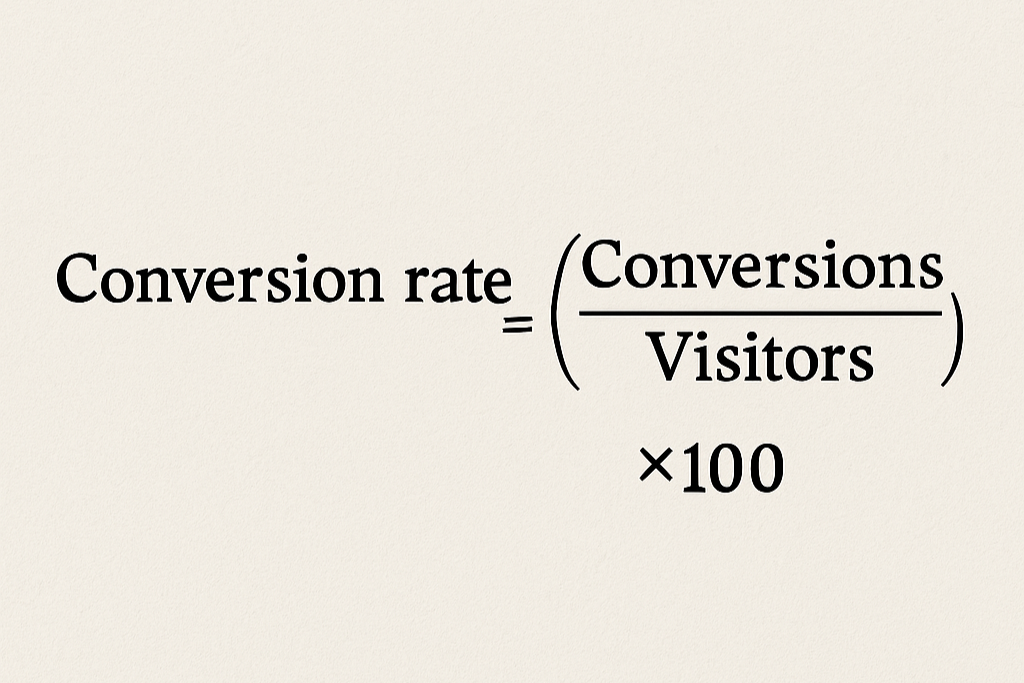
    Conversion rate formula showing conversions divided by visitors, multiplied by 100.

    Use the above formula to measure your site, email or landing page performance. Once you know where you stand, focus on these key areas:

    • Clean, user-friendly design: Cluttered pages can create decision fatigue and reduce conversions. A clear, intuitive layout with consistent branding and logical hierarchy guides visitors toward your primary objective.
    • Fast page speed and mobile responsiveness: Did you know that 53% of mobile visits are likely to be abandoned if a page takes longer than three seconds to load? Ensure your site is optimised for all devices so mobile users can convert as easily as desktop visitors.
    • Clear, compelling CTAs: Call-to-action buttons bridge the gap between interest and action. Use direct, outcome-focused language, visual contrast and sufficient spacing to make them prominent and easy to act on.
    • Trust signals and social proof: Customers are more likely to convert when credibility is established. Prominently display reviews, testimonials, case studies, certifications or guarantees to reduce perceived risk.

    Each of these elements influences conversion performance by reducing friction and increasing trust. Improvements in speed, clarity and credibility often compound to produce measurable gains.

    Want to boost conversion rates without guessing?

     
    Get a fast, practical CRO audit from Seek Marketing Partners and we’ll show you the highest-impact fixes for your website, landing pages, and funnel.

    Book a CRO consultation | Explore CRO services

    Proven Tips on How to Improve Conversion Rates

    1. Craft Persuasive, Benefit-Driven Copy

    The words on your site have tremendous power to convert or to drive visitors away. Make sure your headlines and body copy focus on the visitor’s benefits and needs, not just product features. Use concise paragraphs, bullet points and highlighted keywords, since most readers skim.

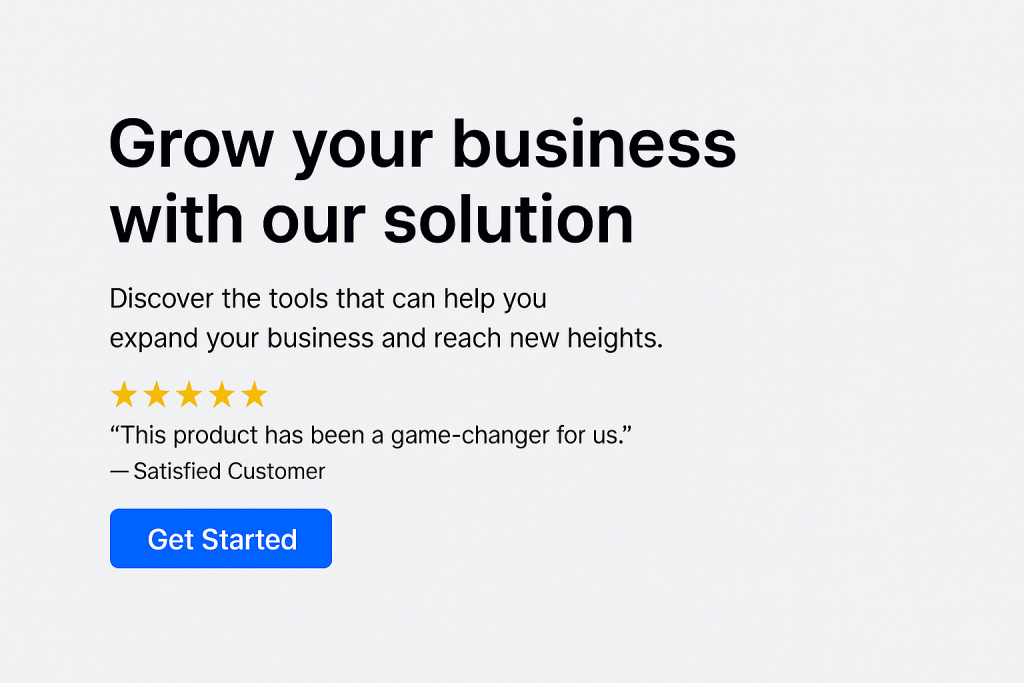
    Promotional webpage with headline, five-star review quote and blue Get Started button.

    Anticipate objections in your copy. If price could be an issue, explain long-term value or offer a low-commitment trial. If complexity worries customers, emphasise ease of setup or available support. Building an FAQ section that addresses common concerns can improve clarity and reduce friction.

    And don’t forget storytelling – brief customer success stories or “before-and-after” scenarios that demonstrate real outcomes can tap into emotion and encourage action.

    By writing clearly and emphasising “what’s in it for them,” you move visitors closer to a purchase decision. Every question your copy answers builds confidence.

    2. Optimise Landing Pages and Your Sales Funnel

    Specialised landing pages typically convert better than general website pages because they focus on a single objective. Design each page around one clear action. Align page content closely with how users arrive – if they came from a PPC ad about home renovations, the landing page headline and visuals should immediately reflect that topic. Consistency between ad messaging and landing page content strengthens trust and relevance.

    Promotional webpage with headline, benefit list, testimonial and blue Get Started button.

    Use a clear, benefit-focused headline and subheading to communicate value immediately. Highlight key benefits in short, scannable sections. Include visuals or explainer videos that support your message without distracting from the goal. Limit navigation links and form fields – each additional option can dilute focus. For lead-generation forms, request only essential information to reduce friction.

    Finally, systematically test variations (A/B testing) on high-impact elements such as headlines, CTA text, colours, images, form length and layout. Even small adjustments can produce measurable improvements. 

    Use analytics tools and behaviour tracking (such as heatmaps) to identify drop-off points, then run experiments to address them. Over time, this structured testing approach strengthens every stage of your funnel.


    For more on landing page designs, see our guide on Landing Page Optimisation Tips for PPC Campaign Success, which explains how to align content and design with user intent.

    3. Leverage Email and Personalisation

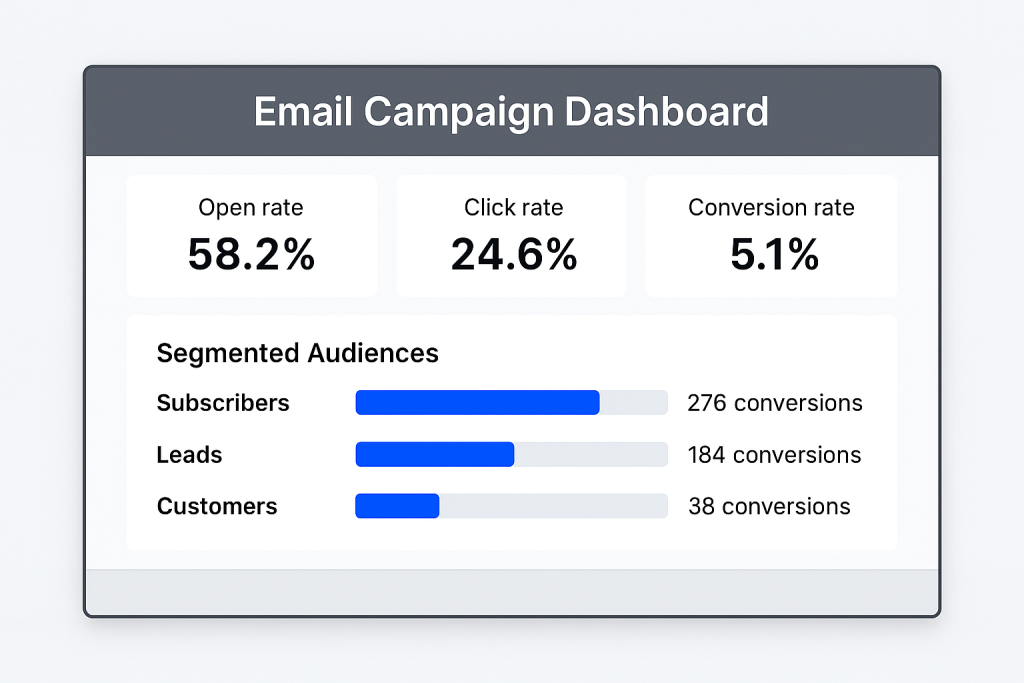
    Don’t limit yourself to a single opportunity to convert. Building an email list allows you to nurture prospects over time. Segmented campaigns often outperform generic sends, as tailored messaging increases relevance and engagement. Track open, click and conversion rates to refine subject lines, content and timing.

    On-site personalisation can also support and boost conversion rates. Show returning visitors content related to their previous activity, or use exit-intent offers to capture abandoning users. Small touches, such as personalised recommendations, can meaningfully improve engagement and purchase likelihood.

    4. Use Psychological Triggers Wisely

    Buying decisions are influenced by more than logic alone. Social proof plays a powerful role, as users often look to others for reassurance. Highlight review counts, ratings or “Trusted by” badges near calls to action. Genuine testimonials and case studies, particularly those featuring specific results, can encourage hesitant buyers.

    Laptop screen showing a product page with a white mug, star rating and review layout.

    Urgency and scarcity can also influence behaviour. Limited-time offers, low-stock indicators, or exclusive access can prompt quicker decisions. Tactics such as countdown timers or limited availability messaging should always be used transparently to maintain trust.

    Influencer endorsements or user-generated content can further strengthen credibility, and eventually increase conversion rates. Sharing real customer experiences builds authenticity, while B2B brands may benefit from expert endorsements or industry validation.

    Summary of the Expert Tips on Boosting Conversion Rate

    • Audit and track everything: Install analytics and heatmap tools to understand how visitors behave, including where they click, scroll or drop off. Let data inform your optimisation decisions.
    • Reduce friction at every step: Minimise form fields, streamline checkout processes and simplify navigation. The fewer barriers between intent and action, the higher your conversion potential.
    • Focus on mobile: With a significant share of web traffic coming from mobile devices, every element must function smoothly on smaller screens. Tappable buttons, fast load times and readable typography are essential.
    • Continuously test and learn: Performance shifts over time. Establish a structured CRO testing schedule – run one controlled experiment at a time, measure rigorously and scale what works.
    • Align SEO and CRO: Attract the right traffic through targeted keywords, then optimise those landing pages to convert that traffic effectively.

    Implementing these strategies will help turn more browsers into buyers. If you need expert support, Seek Marketing Partners can conduct a comprehensive conversion rate audit to identify friction points and prioritise improvements. Our team combines data science with creative copy and design to boost conversion rates across websites, email campaigns and paid media.

    Ready learn how to improve conversion rates, turning more visitors into customers?

     
    If you want hands-on support, Seek Marketing Partners can help with conversion rate optimisation, landing page refinement, SEO and PPC – all focused on measurable business outcomes.

    Contact Us | Explore Our Services
  • Common Digital Marketing Problems & How We Fix Them

    Common Digital Marketing Problems & How We Fix Them

    Every business that’s active online faces digital marketing problems. Especially if you’re a mid-sized or large organisation juggling multiple sites, brands or teams, you should know that the challenges you’re up against aren’t unique. Nevertheless, we know that they can feel relentless – and that if you’re reading this, chances are something in your marketing machine isn’t working as it should.

    In this article, we’ll break down the biggest digital marketing problems that we see on a regular basis. We’ll also shine a light on the warning signs that can signify that there’s a problem, explain how to fix the root cause of that problem, and share what happens if you let these issues fester.

    So, let’s get started and see how we troubleshoot digital marketing issues with our full-service digital marketing support & services.

    The Top 10 Digital Marketing Problems Businesses Face Today

    1. No Clear Strategy

    Without a coherent plan, your digital marketing efforts just generate online noise. We’ve seen companies throw budget at platforms without clear goals or alignment between teams. That’s not strategy—that’s gambling. A solid plan gives your efforts structure, focus, and measurable benchmarks.

    2. Poor Website Performance

    Many digital marketing issues stem from an underperforming website. If your site loads like it’s stuck in the past, users won’t wait around. Slow speeds, poor mobile experience, broken forms—these kill conversion rates and bleed traffic – both things you definitely don’t want.

    3. Weak or Non-existent SEO

    Google won’t send traffic to a site it can’t understand. Thin content, missing metadata, poor linking, and zero strategy? That’s a fast-track to online invisibility. And if your SEO isn’t localised or scalable across sites, you’re handing leads to competitors.

    4. Ineffective Paid Ad Spend

    Burning through PPC budget with no return? Then you’ve got one of the most common digital marketing problems we fix. Without proper targeting, A/B testing, and data-led optimisation, ad spend turns into ad waste – with it, ad spend quickly pays for itself, and more.

    5. Inconsistent Branding Across Platforms

    Nothing confuses users faster than a brand that doesn’t look or feel the same across touchpoints. Inconsistent tone, visuals, or messaging undermine trust and dilute identity—especially across multiple brands or regions.

    6. Data Overload (But No Insight)

    You’ve got dashboards, reports, and metrics galore – but no clarity. That’s a problem. The challenge of digital marketing isn’t data collection—it’s knowing what matters, what to ignore, and what to act on. Our Data Science support can help with that

    7. Low-Quality or Irrelevant Content

    Content for content’s sake is a drain. Thin, generic copy does nothing for rankings or user trust. Strong content should be original, helpful, and aligned with your users’ intent – incidentally, just the kind of thing we can provide.

    8. Social Media Without ROI

    Posting daily but seeing no uplift? Engagement is vanity without strategy. Social channels should serve clear business goals, not just fill space on your calendar.

    9. Poor Customer Journey Mapping

    If users get stuck, confused, or lost on their path to conversion, you’ve got bigger problems than a poor bounce rate. Mapping that journey—and fixing where it fails—is crucial.

    10. Lack of Internal Alignment

    When sales, marketing, product, and leadership aren’t on the same page, chaos reigns. Misaligned teams lead to scattered priorities, duplicated effort, and fractured strategy.

    The Challenges of Digital Marketing in Multi-Site or Multi-Brand Organisations

    Here’s where things can get even trickier. When you’re running multiple locations or brands under one roof, digital marketing problems can multiply, and the complexity of managing multiple moving parts can quickly spiral out of control unless there’s a tightly integrated approach. Let’s unpack the most common headaches:

    Fragmented Strategy

    When each brand or location starts developing its own marketing approach without central oversight, you end up with mixed messages. One team might target a different audience, use a totally different tone, or promote conflicting offers. The result? A confusing customer experience and a diluted brand. You need a master strategy that unifies efforts across the board, while allowing enough flexibility for local nuance.

    UX Inconsistency

    Customers don’t care if one website is managed by Team A and another by Team B. They expect the same speed, layout, tone, and functionality no matter which part of your brand they interact with. When user experience varies wildly between sites, it damages trust and undermines conversions. Creating a consistent UX across all digital touchpoints isn’t just nice to have – it’s essential.

    Shared KPIs, No Shared Ownership

    In multi-brand setups, it’s common to set shared targets across teams or departments. But if ownership is unclear, no one steps up. Everyone assumes someone else is on it. That leads to missed goals, reactive firefighting, and a lack of strategic momentum. Clear accountability, along with centralised reporting, keeps things moving and measurable.

    Tech Silos

    Do you have different departments using different tools to manage data, campaigns, and reporting? That’s a recipe for chaos. When your CRM software where all your customer data lives—sits with sales, your email platform with marketing, and your analytics with IT, you’re flying blind. Without proper system integration, insights get lost and customer journeys break down. Instead of a unified view, you end up with disconnected data and missed opportunities. Fixing these silos is key to unlocking efficiency, clarity, and better customer experiences.

    These are just some of the challenges of digital marketing in multi-brand organisations. The good news? They’re all fixable. And we’ve helped dozens of businesses just like yours make sense of the mess and build scalable, unified strategies that work.

    Spotting the Signs: Is Your Marketing Strategy in Trouble?

    Not all digital marketing problems scream for attention—some linger in the background and go un-noticed until someone sees the trouble they’ve caused. Here are a few telltale signs that your strategy isn’t quite working as it should:

    Traffic Is Up, But Conversions Are Flat

    At first glance, this might look like a win. More people are visiting your site—great, right? But if those visits aren’t turning into leads or sales, something’s broken further down the funnel. You might be attracting the wrong audience, or your content and CTAs aren’t resonating with the audience you want. More traffic with no impact on conversion is a clear sign your digital marketing isn’t aligned with user intent.

    Bounce Rate Is Climbing, But No One Knows Why

    When users land on your site and leave without engaging, it usually means your content, UX, or offer isn’t hitting the mark. A rising bounce rate is one of the more overlooked digital marketing issues—especially when teams are busy chasing impressions or traffic. If no one knows why it’s happening, it’s time for a proper audit with our team.

    Leads From One Location Outperform Others With No Clear Reason

    Inconsistency in performance across locations or brands can be frustrating. One region is thriving, another is struggling—but why? If you’re seeing big gaps and can’t explain them, it’s often down to misaligned strategy, uneven execution, or fragmented data. This is one of the common challenges of digital marketing at scale, but thankfully one that we’re also well-used to putting right.

    Digital Marketing Spend Keeps Rising, But ROI Is Declining

    Pouring more budget into campaigns without seeing results is not sustainable. If your ROI is trending down despite increasing spend, you’re either targeting the wrong audiences, using inefficient channels, or failing to optimise based on performance data. This is more than a red flag—it’s a full-blown warning siren.

    The symptoms can be misleading or confusing to those who don’t truly understand what they’re seeing, but that’s where our team and our expertise come in, helping clients separate the noise from the issue, and then deal with the cause.

    How to Fix Digital Marketing Problems for Good

    The first step? Diagnose properly. We don’t just patch up issues with shiny templates or more ads. We dig in, audit thoroughly, and isolate the real problem—whether it’s strategic, structural or executional.

    Then we fix it. With a range of elite digital marketing services, including:

    • Clear, data-led planning
    • High-performing websites
    • Scalable SEO
    • Smart, cost-efficient PPC
    • Content that converts
    • Full-funnel optimisation

    And the best part? You don’t have to do it alone. At Seek Marketing Partners, we’re not here to dazzle you with jargon. We’re troubleshooters. We fix what’s broken, simplify what’s messy, and deliver results.

    What Happens If You Ignore These Problems?

    Deep down, you already know the answer – but here it is anyway. Ignoring digital marketing problems won’t make them go away—they’ll just keep piling up until they hit your bottom line. Here’s what you risk:

    Revenue Leaks: Letting Leads Slip Through the Cracks

    When your funnel is full of holes—be it slow site speed, poor targeting, or broken forms—you lose opportunities to earn money every single day. Leads that should convert end up walking away. Worse still, you might not even notice until someone checks the numbers.

    Brand Erosion: Inconsistent Identity Damages Credibility

    If your brand messaging, visuals, or tone of voice is all over the place, people start to doubt you. Trust is built on consistency. When that’s missing, even loyal customers can begin to drift once they notice this lack of clarity regarding brand, direction, values etc. Strong brands are remembered. Weak, scattered ones are forgotten.

    Wasted Budget: Spend Climbs, Impact Doesn’t

    If your marketing spend keeps increasing but your returns are flatlining (or worse), something’s off. Maybe your ads aren’t being optimised. Maybe you’re paying for traffic with no conversion plan. Either way, that’s budget down the drain.

    Falling Behind: Competitors Move Faster, Smarter

    While you’re stuck troubleshooting the same issues or hoping they magically sort themselves out, your competitors are iterating, optimising, and eating up market share. In digital marketing, speed and clarity win. Delay is the costliest tactic of all.

    Resolving Your Digital Marketing Problems With Us

    The first step is admitting there’s a problem. There’s no shame in facing challenges of digital marketing head-on. In fact, it’s often the only way forward. The worst mistake? Hoping that what didn’t work last quarter might magically work this one time.

    What can you do about it? Get support from Seek Marketing Partners. We won’t dress your situation up – we just assess it, tell it like it is, develop a strategy to resolve your issues, and then get to work.
    Book a strategy call with Seek Marketing Partners today to tell us more about your business, the issues you face, and to learn about what we can do about them.