B2B SEO gets used loosely, often meaning little more than “SEO, but for businesses”. But what is B2B SEO beyond that simple definition? It’s the work of making your business easier to find when another company is actively researching a problem, a solution, or a provider — often before they’ve spoken to your sales team.
It isn’t consumer SEO with a different audience swapped in. B2B buyers take longer to decide, usually involve more than one person, and need real proof of expertise before choosing a provider.
Defining What B2B SEO Is
B2B SEO, business-to-business search engine optimisation, is the practice of improving a website’s visibility so that other businesses can find it through organic search. Rather than targeting individual consumers browsing for a product, B2B SEO is built around the people researching solutions on behalf of their company: procurement leads, department heads, founders, and everyone in between.
The goals of B2B SEO typically include:
Attract relevant traffic: Reach people actively researching what you offer, rather than simply generating more visitors.
Build industry visibility: Show up consistently for the searches your buyers use.
Demonstrate expertise: Prove you understand the problems your potential customers are trying to solve.
Generate qualified leads: Turn relevant organic visibility into opportunities for your business.
That last point is one people miss. B2B SEO isn’t really about traffic volume—a spike in visitors means nothing if none of them can buy from you. It’s about reaching the people already researching a business problem you solve, at the moment they’re doing that research.
In practice, this involves a few core pieces working together: target the keywords your buyers actually search, publish content that they will find useful, make sure your website is technically easy for both people and search engines to navigate, and build the kind of authority that makes a business feel safe choosing you.
Why Does B2B SEO Actually Matter?
Reach Potential Customers Through Search
If your website only appears when someone searches directly for your company, you may be missing opportunities to reach buyers who are still exploring their options.
Useful content can help you appear when potential customers are searching for information related to the problems you solve—not only when they are ready to contact a provider.
Build Trust and Industry Authority
Ranking well for the terms your buyers search isn’t just about visibility—it signals credibility. A business that consistently appears with useful, accurate content can demonstrate relevant expertise and give potential buyers greater confidence when evaluating providers.
Support Long B2B Buying Journeys
B2B decisions can involve several stages and multiple stakeholders. Someone may discover your content during early research, return later to compare services, and only contact you after discussing the decision internally.
Reach Buyers With Stronger Purchase Intent
The value of B2B SEO goes beyond visibility. Done properly, it can help businesses attract more relevant prospects and support a stronger approach to SEO lead generation.
By appearing when potential buyers are researching a problem, comparing solutions or evaluating providers, organic search can help businesses build visibility before a sales conversation begins. The focus should not be on generating traffic for its own sake, but on attracting the right prospects and creating opportunities that support wider business goals.
If you want expert support building that visibility, our SEO services are built specifically around this kind of long-term, qualified-lead-focused approach.
How Is B2B SEO Different From B2C SEO?
A consumer-focused SEO approach usually chases volume—more visitors, faster decisions, shorter attention spans. B2B SEO chases relevance instead, because the stakes and the audience are completely different.
What is B2B SEO?
What is B2C SEO?
Targets businesses and decision-makers
Targets individual consumers
Often involves longer buying cycles
Purchases may happen more quickly
Focuses heavily on expertise and trust
May focus more on convenience, emotion, or immediate needs
Often aims to generate qualified leads
May focus more directly on sales or transactions
Content may support multiple stakeholders
Content may focus on individual buyer needs
Because B2B purchases often involve several people—finance, operations, the actual end user—your content has to hold up under scrutiny from more than one direction at once. That’s a different writing job entirely from convincing a single consumer to click “buy now.”
What is the Importance of B2B SEO in the Buyer Journey?
B2B SEO doesn’t just mean ranking your service pages and hoping for the best. Different types of content serve different needs as a prospect moves from identifying a problem to evaluating and choosing a provider.
Awareness: Build Visibility Around Buyer Questions
At this point, the buyer is still identifying or learning about a problem, not looking for a vendor yet. Searches here tend to be informational rather than commercial. This is where blog posts, guides, educational resources, and industry insights do the heavy lifting.
Many B2B searches are highly specific because buyers are often looking for answers to particular problems or requirements. This makes detailed, intent-focused keyword research especially important at the awareness stage.
Buyers at this stage are more likely to use specific searches that describe their problem or information need. Awareness-stage content should therefore reflect the language and questions buyers actually use rather than relying on broad, generic terms.
Consideration: Help Buyers Compare Solutions
Here, the buyer is actively exploring solutions and comparing approaches or providers. Comparison content, case studies, and solution-specific pages are what earn attention at this point—the reader already knows they have a problem and is now trying to work out the best way to solve it.
Decision: Give Buyers Confidence to Enquire
By this stage, the buyer needs confidence, not more information. Service pages, testimonials, case studies, and clear consultation or contact pages matter most here—this is where a reader who’s already decided in principle needs the final reassurance to actually reach out.
What Does a B2B SEO Strategy Include?
A proper B2B SEO strategy brings several moving parts together—audience research, keyword targeting, content, technical optimisation, and authority building. Covering all of that properly deserves its own space, so we’ve kept this section to an overview.
B2B Keyword Research
Good B2B keyword research starts with identifying what your potential customers actually search for—not just the terms with the highest search volume. Search volume is useful, but it is not the only factor. A keyword should also be relevant to your services and reflect a genuine business need.
A lower-volume search may be more valuable than a broad, high-volume term if it attracts people who are more likely to become customers.
Creating Useful, Relevant Content
Content that works answers the questions your audience is actually asking, addresses the business challenges behind those questions, and demonstrates real expertise rather than surface-level familiarity. Different pieces should support different funnel stages, rather than trying to do everything at once.
Optimising the Website
None of the above matters much if the website itself gets in the way. Clear page structure, technical accessibility, and a straightforward user experience all help both readers and search engines understand and reach your most important content.
This also matters as search experiences increasingly provide information directly within search results. Clear, well-structured content should therefore answer important questions directly while also giving users a clear reason to visit your website when they need more detail.
Building Authority and Trust
Relevant backlinks, credible mentions across your industry, and consistently useful, expert-led content all build the kind of trust that makes a business comfortable choosing you over a competitor they know less about.
How Do You Measure B2B SEO Success?
Rankings alone don’t tell you much. What actually matters is whether the right people are finding you, and whether that’s translating into something meaningful for the business. Worth tracking:
Organic traffic, and where it’s actually coming from
Visibility for the keywords that matter to your business, not just any keyword
Organic conversions and qualified leads, not raw visitor counts
Lead quality, not just lead volume
Engagement with your most important pages
Assisted conversions—where content played a role in a deal, even if it wasn’t the final touchpoint
Which metrics matter most depends on your objectives. A business focused on brand awareness will prioritise different measures from one focused primarily on lead generation.
Common B2B SEO Mistakes to Avoid
Focusing Only on High-Volume Keywords
A lower-volume, highly specific search can carry far more business value than a broad term with impressive traffic numbers attached.
Ignoring Search Intent
Content that doesn’t match what the searcher is actually trying to learn or achieve won’t hold their attention, no matter how well it ranks.
Creating Content Without Considering the Buyer Journey
Different prospects at different stages need different things. A single, one-size-fits-all approach to content leaves gaps somewhere in that journey.
Focusing Only on Rankings
A page can rank well and still contribute nothing to the business if it’s not attracting the right kind of visitor or supporting the right outcomes.
Treating SEO as a One-Off Task
SEO isn’t a project with an end date. It requires ongoing monitoring, updates, and new content as the market and your audience’s questions evolve.
Final Thoughts
Most of your buyers are already deep into their research before your sales team hears a word from them—searching, comparing, quietly deciding who’s worth a conversation. B2B SEO is how you make sure your business is one of the ones they actually find.
Get the fundamentals right by understanding your audience, targeting the searches that matter, building content that answers real questions, and keeping your site technically sound. Through this, you can build stronger, more sustainable organic visibility over time.
Frequently Asked Questions
B2B SEO combines keyword research, useful content, technical website optimisation and authority-building to help a business appear when other businesses are researching a relevant problem or solution. The B2B SEO funnel applies these elements across different stages of the buyer journey, from building awareness around a problem to helping prospects compare solutions and giving them the confidence to choose a provider.
B2B SEO targets businesses and decision-makers through longer buying cycles focused on expertise and trust, while B2C SEO typically targets individual consumers making faster, more transactional decisions.
It typically takes time to build momentum, and the timeframe varies depending on factors such as competition, website authority, existing content, technical foundations and the consistency of ongoing SEO work.
B2B SEO can be valuable for businesses that want to build long-term organic visibility and reach potential buyers while they are researching problems, solutions and providers. Its value ultimately depends on how well the strategy aligns with your audience, search demand and wider business objectives.
Ready to make your marketing easier to measure and improve? Seek Marketing Partners can help you turn data into better decisions and stronger results.
A strong business-to-business (B2B) SEO content strategy helps your business appear when potential buyers are researching the products and services you provide.
Before contacting a supplier, most B2B buyers spend time researching solutions, comparing providers, and looking for answers online. If your content isn’t helping them during that process, competitors can reach them instead.
But a successful B2B content strategy isn’t about publishing more content. It’s about creating useful, relevant resources that answer real questions and support wider business objectives.
In this guide, we’ll explain what an effective B2B SEO content strategy looks like, how to plan your content, and how to measure whether it’s delivering results.
What Does a B2B SEO Content Strategy Include?
A B2B content strategy is a structured plan for creating and optimising content that helps potential customers find your business through organic search. It combines keyword research, SEO content planning, and an understanding of your audience’s needs to attract qualified traffic and support long-term growth.
Rather than creating content around individual keywords alone, a successful strategy focuses on answering the questions your audience is already asking. Every blog, landing page, and resource should have a clear purpose, whether that’s building awareness, helping buyers compare solutions, or encouraging them to get in touch.
The goal isn’t just to publish more content. It’s to create content that supports your business objectives while giving potential customers the information they need to make informed decisions.
Why B2B SEO Content Should Support the Entire Buying Journey
B2B buyers often research suppliers, compare solutions, read reviews and look for reliable information before making contact. This research can take place across multiple stages of the buying journey, before a buyer is ready to speak to sales.
Buyers can develop preferences before they ever speak to a supplier, which makes visibility during the research stage particularly important. If your business is absent when potential customers are comparing solutions and evaluating providers, you may not make it onto their shortlist when they’re ready to engage.
That’s why every B2B SEO content strategy should start with understanding your audience and the questions they ask at different stages of the buying journey. Before creating content, identify the questions your customers ask, the challenges they face, and the information they need to make confident decisions. The more useful your content is, the more likely buyers are to trust your business when they’re ready to take the next step.
SEO Content Planning: Turning Research Into a Content Calendar
Effective SEO content planning starts with research, not assumptions. Analyse the questions your customers are asking, what competitors already cover, where genuine content gaps exist, and which opportunities align with your business objectives.
From there, build a realistic publishing plan that supports your wider business goals. A strong content calendar should balance new content with regular updates to existing pages, helping your website stay accurate, relevant, and competitive.
A basic content planning cycle usually includes:
Researching topics based on customer questions
Mapping content to different stages of the buying journey
Drafting, reviewing, and publishing on a realistic schedule
Updating and expanding existing content as new questions emerge
The result is a calendar that reflects how your buyers actually think, not just what’s easy to write about.
When Should You Review Your B2B SEO Content Strategy?
Publishing regularly doesn’t always mean your strategy is working. If any of the following sound familiar, it may be time to review your approach:
You’re creating content without a clear objective or audience.
Organic traffic is growing, but enquiries aren’t.
Multiple pages target the same keywords instead of supporting one another.
Existing content hasn’t been updated for months.
You’re prioritising search volume over the questions your customers are actually asking.
These issues often point to gaps in strategy rather than a lack of content. Taking the time to review and refine your approach can deliver better long-term results than simply publishing more articles.
How to Build Topical Authority With B2B Content
Topical authority is built by covering a subject in depth rather than publishing isolated articles. Instead of targeting unrelated topics, focus on creating connected content that answers follow-up questions and explores different aspects of the same subject.
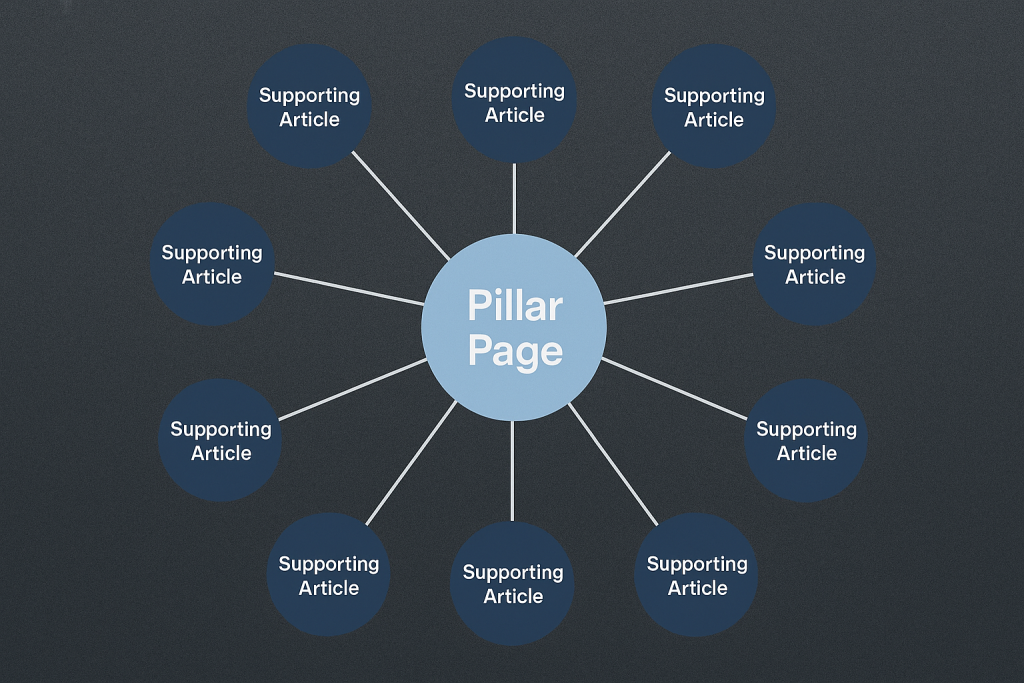
For example, a business writing about SEO could build a pillar page, then support it with supporting articles on keyword research, technical SEO, local SEO, and content strategy, each linking back to the pillar and to each other.
Internal links between related pages give readers a clearer path to additional information while helping search engines understand how your content covers a broader subject.
Choosing the Right Content Format for Each B2B Topic
Not every topic deserves the same treatment. Some questions need a detailed guide, others need a quick comparison, and some are better answered with a short explainer.
A well-rounded B2B SEO content strategy should use different formats according to the topic, search intent and stage of the buying journey. These may include:
In-depth guides that answer complex, multi-part questions
Comparison articles that help buyers weigh up options
Case studies that show real results with real numbers
Short explainer pieces that clarify a single concept quickly
Clarity matters more than cleverness here. If a reader has to work hard to understand your point, they’ll go and find someone who explains it more simply.
Using Paid Search to Support Organic Content
Organic and paid search can support different objectives within the same B2B marketing strategy. Organic content can build visibility over time, while paid search can provide additional visibility when there is a clear opportunity to reach relevant audiences quickly.
For businesses investing in long-term organic visibility, paid search can complement content while SEO performance develops. That said, paid support can speed up visibility while your organic content builds momentum in the background.
If you’re weighing up how to split budget between the two, our pay-per-click campaigns are often used to support new content while it earns its place organically.
Should You Build Your Strategy In-House or With an Agency?
Whether you build your B2B SEO content strategy in-house or work with an agency depends on your goals, resources, and available expertise.
An in-house team may have a deeper understanding of your products and industry, while an experienced agency can provide specialist knowledge, established processes, and additional capacity without the cost of expanding your internal team.
Some businesses combine both approaches, managing strategy internally while partnering with an agency for research, content creation, or technical SEO support.
Common B2B SEO Content Strategy Mistakes to Avoid
Even the best ideas can fall short without a clear strategy behind them. Some of the most common mistakes we see include:
Publishing without a plan. Random topics rarely add up to real authority.
Creating content for search engines instead of real people.
Neglecting existing content that could be updated and improved.
Treating content as a one-off project. A B2B SEO content strategy needs ongoing attention, not a single sprint.
Avoiding these mistakes helps your content stay relevant, supports topical authority, and gives every piece a clear role within your wider strategy.
How to Measure B2B SEO Content Performance
Creating content is only one part of a successful B2B SEO content strategy. To understand whether your efforts are working, you need to look beyond traffic numbers and measure how your content is contributing to wider business goals.
Organic traffic can show whether your content is attracting visitors, but traffic alone doesn’t tell you whether those visitors are relevant or contributing to business outcomes. That’s why it’s important to track a combination of performance indicators, including:
Organic traffic growth
Keyword rankings for relevant search terms
Engagement with key pages
Leads and enquiries generated through organic search
Conversion rates from content-driven traffic
Regular analysis helps identify which topics are performing well, where content can be improved, and what opportunities exist for future growth.
At Seek Marketing Partners, we take a data-led approach to SEO by using performance insights to guide future decisions. Rather than creating content and leaving it untouched, we continually review what is working and refine strategies based on real results.
Final Thoughts
A B2B SEO content strategy is more than a publishing plan; it helps your business stay visible while potential buyers research their options.
B2B buyers can research across multiple sources before speaking to your sales team, making visibility during that research phase an important part of the buying journey. A strong content strategy helps your business provide useful information at the points where potential buyers are evaluating their options.
Getting your content strategy right means planning properly, covering your subject in real depth, and measuring more than just clicks. If you’d like a second pair of eyes on your current approach, get in touch with our team and we’ll talk through what’s actually achievable for your business.
Frequently Asked Questions
A B2B SEO content strategy combines audience and keyword research, content planning, content creation, on-page optimisation, internal linking and ongoing performance analysis. The exact approach depends on your business objectives, audience and competitive landscape.
Start by understanding your audience and their search behaviour, then identify relevant topics, map content to the buying journey, choose appropriate formats and create a realistic publishing and optimisation plan. Performance data should then guide ongoing updates and improvements.
SEO results typically build over time rather than appearing immediately. The timeframe depends on factors such as competition, website authority, content quality and consistency, as well as how well the strategy aligns with search demand and business objectives.
A B2B SEO content strategy can be particularly valuable for businesses with longer sales cycles, multiple decision-makers or complex products and services that require research before purchase. It helps these businesses remain visible and useful throughout the buying journey.
White label services allow agencies to provide SEO strategy, content and related services to their clients under their own brand, with the specialist work delivered behind the scenes. This can help agencies expand their service offering, increase delivery capacity and access specialist SEO expertise without increasing internal headcount.
Seek Marketing Partners uses performance data to assess how content contributes to organic visibility and business objectives. Depending on the strategy, this can include relevant organic traffic, keyword visibility, engagement, leads and conversions, helping identify what is working and where further optimisation is needed.
Ready to make your marketing easier to measure and improve? Seek Marketing Partners can help you turn data into better decisions and stronger results.
Most SEO reports are full of numbers. Rankings, impressions, traffic and clicks can all be useful, but none of them tells you on its own whether SEO is helping the business win customers.
That is where B2B SEO KPIs matter. The right metrics connect what is happening in organic search to what the business actually cares about: qualified leads, opportunities and revenue.
For B2B companies, that connection matters even more. Buying journeys can take weeks or months, several people may influence the decision, and a prospect can interact with your website many times before becoming a lead.
Your reporting needs to reflect that journey.
In this guide, we’ll explain which B2B SEO KPIs are worth tracking, how they connect to lead generation and revenue, and how to build a reporting approach that gives you a clearer view of SEO performance.
What Are B2B SEO KPIs?
B2B SEO KPIs are the measurements used to understand whether organic search is contributing to your wider business goals.
That means looking beyond whether a page has moved from position 12 to position 7. A ranking improvement is useful when it brings the right people to your website and contributes to meaningful business outcomes.
For example, a B2B buyer might discover an educational article through organic search, return to a service page several weeks later, and eventually submit an enquiry after comparing your business with other providers.
Your KPIs therefore need to account for more than the initial visit. The most useful B2B SEO reporting connects three areas:
Business outcomes: leads, opportunities and revenue
Marketing performance: organic traffic, conversions and search visibility
SEO health: rankings, indexation and technical performance
This gives you a clearer picture of not only what is happening, but why it is happening and whether it matters commercially.
10 B2B SEO KPIs That Actually Matter
If the purpose of your SEO activity is to generate business, start with the metrics closest to that outcome. Supporting SEO metrics still matter, but they should help explain your commercial performance rather than replace it.
1. Organic-Sourced Leads
Organic-sourced leads are enquiries or other meaningful conversions that originate from organic search.
These might include:
Contact form submissions
Consultation requests
Demo requests
Enquiry calls
Other defined lead-generation actions
This is one of the most important B2B SEO KPIs because it connects organic visibility directly with potential pipeline.
However, lead volume alone is not enough. A strategy generating 50 irrelevant enquiries may be less valuable than one generating 10 highly qualified prospects.
2. Organic Conversion Rate
Organic conversion rate measures the proportion of organic visitors who complete a defined conversion.
For example, you might measure how many organic visitors submit an enquiry form, request a consultation or complete another commercially important action.
Tracking conversion rate alongside organic traffic helps you understand whether increased visibility is producing meaningful actions.
If traffic increases but conversion rate falls, for example, it may indicate that you’re attracting a less relevant audience or sending visitors to pages that do not meet their needs.
3. Qualified Leads From Organic Search
Not every organic lead will have the same commercial value. Tracking qualified leads helps you understand whether your SEO strategy is attracting prospects that actually fit your target market and have a realistic opportunity to become customers.
Qualification criteria will vary by business, but may include factors such as:
Company fit
Budget
Business need
Buying timeframe
Relevant service requirements
This makes lead quality a more useful measure than simply counting every form submission.
4. Lead-to-MQL Rate
The lead-to-MQL rate shows what proportion of organic leads meet your criteria for becoming a marketing-qualified lead.
As one of the key SEO KPIs for lead generation, it provides another layer of context around lead quality. If organic traffic and lead volume are increasing but the proportion of qualified leads is falling, the additional traffic may not be reaching the right audience.
Monitoring this KPI helps connect SEO performance with the quality of the prospects being generated.
5. Organic Opportunities Generated
For B2B businesses, the journey from visitor to lead does not end with a form submission.
An organic lead may become a qualified opportunity after further sales discussions and assessment. Tracking the number of opportunities generated through organic search gives you a clearer view of how SEO is contributing to the sales pipeline.
It also helps distinguish between SEO activity that generates enquiries and SEO activity that generates genuine commercial opportunities.
6. Revenue From Organic Search
Revenue is one of the clearest ways to connect SEO performance with business outcomes.
Where tracking allows, measure the revenue generated or influenced by customers who discovered or interacted with your business through organic search.
Attribution can be difficult in B2B because prospects often interact with several channels before becoming customers. However, even an imperfect view can provide more useful insight than stopping your reporting at traffic or form submissions.
The aim is not to claim that every pound of revenue came from SEO. It is to understand where organic search contributed to the customer journey and commercial outcome.
7. Non-Branded Organic Visibility
Branded searches come from people who already know your business. Non-branded searches come from people searching for a product, service, problem or solution without specifically searching for your brand.
Separating the two gives you a clearer picture of organic discovery. For example, ranking for your company name may show strong brand awareness, but it does not necessarily demonstrate that SEO is helping you reach new potential customers.
Non-branded visibility can therefore help you understand whether your content and service pages are reaching people who are discovering your business through relevant searches.
8. Organic Traffic by Landing Page
Organic traffic is still an important SEO metric, but the overall number becomes much more useful when you understand where that traffic is going.
Compare performance across:
Service pages
Product pages
Blog posts
Guides
Landing pages
Other commercially important content
A service page attracting 500 relevant visitors may be more valuable than a blog post attracting 5,000 visitors who have no realistic need for your services.
Looking at traffic by landing page helps you identify which areas of the website are attracting relevant audiences and which may need improvement.
9. Content-Assisted Conversions
Organic content does not always generate the final conversion.
A prospect might first discover your business through an educational article, return through a branded search several weeks later, visit a service page and then submit an enquiry.
If you only measure the final interaction, the original article may appear to have generated no value.
Content-assisted conversions help provide a broader view by showing where organic content contributed to the customer journey, even when it was not the final conversion point.
Attribution will never be perfect, particularly across longer B2B buying journeys, but understanding the wider journey is more useful than treating every conversion as an isolated interaction.
10. Technical SEO Health
Technical SEO metrics help explain whether problems with your website could be limiting organic performance.
Important areas to monitor include:
Indexation: whether important pages can be discovered and included in search results
Crawl errors: whether search engines are encountering problems accessing important content
Core Web Vitals: whether key pages provide a strong technical user experience
Broken internal links: whether users and search engines can navigate between important pages
Organic landing-page performance: whether important pages are attracting, engaging and converting visitors
These are primarily diagnostic metrics rather than commercial KPIs. If organic leads suddenly decline, technical health checks can help determine whether an indexing issue, broken page or technical change may be contributing to the problem.
How to Measure SEO Leads Through the B2B Sales Funnel
A form submission is not the finish line for most B2B businesses. A more useful approach is to connect organic activity with what happens after the initial conversion:
This requires connecting website and analytics data with your CRM wherever possible.
For example, a prospect might discover your business through an organic blog post, return several weeks later through a branded search and eventually become an opportunity after speaking with your sales team.
Tracking that progression gives you a much clearer picture of whether SEO is generating business rather than simply generating forms.
It also helps you understand which types of organic visitors and content are producing the most commercially valuable outcomes.
How to Separate SEO KPIs From Supporting Metrics
Not every SEO metric needs to be treated as a headline KPI. A useful reporting structure separates metrics into three levels.
Business Outcomes
These are the metrics closest to commercial performance:
Organic-sourced leads
Qualified leads
Opportunities generated
Revenue influenced or attributed to organic search
Cost per organic lead
Marketing Performance
These metrics help explain the business outcomes:
Organic sessions
Organic conversion rate
Non-branded search visibility
Landing-page performance
Performance by buying-journey stage
SEO Health
These are operational and diagnostic metrics:
Keyword movement
Indexation
Crawl issues
Core Web Vitals
Internal linking
Other technical issues
This distinction prevents your SEO dashboard from becoming a collection of numbers without a clear purpose.
How Often Should You Review B2B SEO KPIs?
Not every metric needs to be reviewed at the same frequency. For most B2B businesses, a sensible reporting rhythm could look like this:
Monthly: Organic traffic, rankings, conversions and lead movement
Quarterly: A deeper review connecting SEO performance with qualified leads, opportunities and revenue
The right cadence depends on your business and buying cycle.
Weekly reporting on every keyword can create more noise than insight, while waiting several months to identify a technical problem can allow a performance issue to become much harder to fix.
The goal is to review each metric often enough to identify meaningful changes without reacting to normal fluctuations.
Common B2B SEO KPI Tracking Mistakes
Reporting Rankings Without Context
Ranking for a keyword is not automatically a business result. Look at rankings alongside search intent, organic traffic, conversions and commercial relevance to understand whether improved visibility is actually valuable.
Treating Traffic as the End Goal
More visitors can be a positive sign, but only if they are relevant to your business. If organic traffic rises while qualified leads remain flat, investigate where that additional traffic is coming from and whether the content is attracting the right audience.
Mixing Branded and Non-Branded Search
An increase in branded searches can indicate stronger awareness, but it does not necessarily show that SEO is reaching new audiences. Separating branded and non-branded performance gives you a clearer picture of organic discovery.
Ignoring Assisted Conversions
Last-click reporting can make early-stage content appear less valuable than it really is. Where your tracking allows it, look at the wider customer journey and identify content that contributed to conversions before the final interaction.
Reviewing Metrics Too Infrequently
SEO takes time, but that does not mean performance should disappear from your radar for months. Regular checks make it easier to identify technical problems, declining pages and changes in search behaviour before they become larger issues.
Failing to Connect SEO to Revenue
If your SEO report ends with impressions, clicks and rankings, the conversation can remain trapped within marketing. Connecting organic activity to leads, opportunities and revenue gives the wider business a clearer reason to care about SEO performance.
Final Thoughts
Good B2B SEO reporting is not about tracking every number available in Google Analytics or Search Console. It is about understanding which metrics show whether organic search is helping the business move forward.
Start with the outcomes that matter most: organic leads, qualified opportunities and revenue. Then use conversion rates, traffic, search visibility and technical metrics to understand what is driving those outcomes.
For B2B businesses, the full picture matters. A prospect may discover your company months before they become a customer, so measuring only the first visit or final conversion can hide the role SEO played along the way.
Done properly, your SEO reporting becomes more than a monthly performance update. It becomes a way to identify what is working, where opportunities exist and where your next investment should go.
Ready to make your SEO easier to measure?
Seek Marketing Partners can help you build a reporting approach that connects search visibility with the leads and business outcomes that actually matter.
B2B SEO KPI tracking includes the metrics needed to understand both organic search performance and its business impact. This can include organic traffic, conversion rates, qualified leads, opportunities, revenue, search visibility and technical SEO health.
What is the most important B2B SEO KPI to track?
For a lead-generation-focused B2B business, organic-sourced leads are one of the most important KPIs because they connect search activity directly with potential pipeline. They should still be considered alongside lead quality, conversion rate, opportunities and revenue.
How do you accurately measure SEO leads?
Track the source of a lead when they convert, then connect that information to your CRM where possible. This allows you to see whether an organic lead becomes qualified, progresses to an opportunity or eventually becomes a customer, providing a clearer picture than counting form submissions alone.
How many B2B SEO KPIs should a company track?
There is no universal number. A focused dashboard covering business outcomes, marketing performance and SEO health is generally more useful than trying to report every available metric.
How does SMP measure SEO success?
Seek Marketing Partners focuses on the connection between organic visibility and business outcomes. Depending on the strategy, this can include organic-sourced leads, conversion rates, lead quality, opportunities and how those leads progress through the sales process. You can view our case studies to see how we measure SEO performance and the KPIs used to assess client success.
A strong B2B SEO strategy is not built by chasing rankings alone. It requires a clear understanding of your audience, the searches that matter to your business, and the actions needed to turn visibility into qualified opportunities.
The challenge is that the B2B buying journey isn’t always straightforward. Potential customers may research for weeks or months, involve multiple decision-makers, and compare other providers before they reach out. A successful strategy needs to support that entire journey — from the first search to the final conversation.
What Is a B2B SEO Strategy, Exactly?
A B2B SEO strategy is the roadmap that gets your business found by the right people, at the right stage of their research, before your competitors do.
It is not a checklist you complete once and leave behind. A successful strategy evolves as your audience changes, your competitors adapt, and new search opportunities appear. It brings together your overall website structure and conversion goals into one connected plan.
Plenty of businesses treat this as a one-time project — get the website live, publish a few pages, done. The reality is more involved than that, and that’s actually a good thing. It means there’s no quick trick a bigger competitor with a bigger budget can copy overnight.
Why Search Intent Should Shape Your B2B SEO Strategy
B2B buyers often begin their research with non-branded searches focused on the problems, challenges or solutions they are trying to understand. They may use different searches as they move through the buying journey, comparing approaches and providers before deciding who to contact.
That means a B2B SEO strategy should look beyond branded searches and create opportunities to appear throughout the research process. The goal isn’t to capture a single search; it’s to remain visible as potential buyers move from identifying a problem to evaluating solutions and providers.
Building a B2B Content Strategy That Supports the Bigger Plan
A B2B content strategy is where most of the actual work happens. Your website structure and technical setup matter, but it’s the content that answers the questions your buyers are really asking.
Every genuine question your prospects have is a content opportunity — pricing questions, comparison questions, “how does this actually work” questions. Answer them clearly and honestly, and you build trust before anyone’s spoken to your sales team. Think of it as owning the research journey, not just waiting for traffic to land on a page.
Results here take time. But a B2B content strategy built on genuine answers, rather than thin filler posts, is what separates the sites that compound over time from the ones that plateau after a couple of months.
Turning Visibility Into Pipeline: Your SEO Lead Generation Strategy
Getting found is only half the job. The other half is what happens once someone actually lands on your site.
This is where a proper SEO lead generation strategy earns its keep — the bridge between organic visibility and an actual sales conversation. Content should not simply attract visitors; it should help qualified prospects understand your offering and make it easy for them to take the next step.
The lesson is simple. Build pages that answer real questions, then make it clear and easy for an informed visitor to take the next step.
The Core Elements of a Winning B2B SEO Plan
Every B2B SEO plan should reflect the business, its audience, buying cycle and competitive environment. While the individual priorities will differ, strong strategies usually share several core foundations.
Keyword and intent mapping: Understanding exactly what your buyers type at each stage of research
Content built around specific search terms: Targeting detailed and long-tail queries that reflect the questions and requirements of your buyers.
On-site optimisation: Clear structure, clean pages, and content that directly answers the query
Technical health: Site speed, crawlability, and mobile experience
Authority building: Genuine mentions and links from relevant, credible sources
Our SEO services pull all five of these together into one meticulously planned schedule, rather than tackling them piecemeal.
Technical Foundations Most B2B Sites Get Wrong
Technical SEO may receive less attention than content, but it provides an important foundation for the rest of the strategy.
Slow pages, broken internal links and accessibility or crawlability issues can limit how effectively search engines discover and understand your content.
Publishing content isn’t enough on its own: if search engines cannot effectively crawl, understand or index your pages, even strong content may struggle to gain organic visibility. Technical SEO therefore provides the foundation that allows your wider content and SEO efforts to perform.
How Long Before a B2B SEO Strategy Pays Off?
Honest answer: longer than most people want to hear.
SEO results typically build gradually rather than appearing immediately. The timeframe varies depending on factors such as competition, website authority, existing content, technical foundations and the consistency of ongoing SEO work.
That can be challenging when you’re balancing other priorities and looking for faster results, but SEO is designed to build sustainable organic visibility over time rather than provide the immediate traffic associated with paid campaigns.
We’d rather be upfront about that timeline now than have an awkward conversation about it in month two.
Common Mistakes That Derail a B2B SEO Strategy
Reflecting on the times we’ve seen this go wrong for clients before they came to us, a few patterns keep showing up:
Publishing content with no clear buyer question behind it
Chasing broad, generic terms without considering the specific search intent behind them
Ignoring technical health until traffic has already stalled
Treating the whole thing as a project with an end date, rather than an ongoing plan
No clear path from a visitor arriving to a lead actually being captured
Every one of these is fixable. They’re far cheaper to fix at the planning stage than eighteen months into a strategy that’s quietly going nowhere.
Choosing the Right Partner for Your B2B SEO Strategy
Plenty of businesses try to build a B2B SEO strategy in-house, and some do it well. Others reach a point where they need a dedicated B2B SEO services partner to take it further.
If you’re comparing B2B SEO partners, look beyond rankings and generic promises. Ask how the agency approaches keyword and intent research, content planning, technical SEO, authority building and performance measurement. A good partner should be able to explain what they recommend, why it matters to your business and how success will be measured.
It is also worth looking for an approach that reflects your buying cycle, industry and commercial objectives rather than relying on a standardised SEO package. The right partner should be able to adapt the strategy as your performance data and business priorities evolve.
Understanding how a prospective partner actually works day to day matters just as much as the quality of their end results.
Final Thoughts
A B2B SEO strategy isn’t a quick fix, and we won’t pretend otherwise. It’s a meticulously planned, ongoing commitment that rewards patience with genuinely higher engagement and a steady stream of qualified leads.
Tailor it to your needs, build it around real buyer questions, and give it the months it needs to compound. If you’d like a proven approach built specifically around your business, get in touch, and we’ll talk through what’s actually possible for your budget.
Frequently Asked Questions
What does a B2B SEO strategy include?
Building a B2B SEO strategy covers keyword and intent mapping, content built around long-tail search terms, on-site optimisation, technical health, and authority building — all working together as one ongoing plan rather than separate one-off tasks.
Which businesses benefit from a B2B SEO strategy?
A B2B SEO strategy can benefit businesses with longer buying cycles, multiple decision-makers or complex products and services that require research before purchase. It can help businesses build sustainable organic visibility and attract relevant prospects throughout the buying journey.
How does SMP measure success?
Seek Marketing Partners tracks organic traffic, relevant keyword visibility, leads and conversions to understand how search performance contributes to the wider sales pipeline. The focus is on business outcomes rather than raw visitor numbers alone.
Should I hire an agency or handle it in-house?
It depends on your team’s expertise, resources and capacity. Some businesses manage B2B SEO internally, while others work with a specialist partner for strategy, content, technical SEO or ongoing optimisation. A combination of in-house knowledge and external expertise can also work well.
Ready to build a B2B SEO strategy that supports your business goals? Seek Marketing Partners can help you identify opportunities, prioritise the right improvements, and create a data-led approach focused on generating measurable results.
Publishing content around individual keywords can only take your SEO so far. Building topical authority in SEO takes a broader approach, developing useful coverage around the subjects that matter to your audience and connecting related pages across your website.
For businesses competing in valuable search results, this can help create stronger organic visibility while giving potential customers useful information at different stages of their research.
What Is Topical Authority in SEO?
Topical authority refers to how comprehensively a website covers a particular subject. Imagine a website that has one article about technical SEO. It may be relevant for that particular topic, but it gives search engines limited information about the wider subject.
Now imagine that same website also covers crawling and indexing, website architecture, Core Web Vitals, JavaScript SEO, structured data, internal linking and technical SEO audits. Those pages provide much broader coverage and create opportunities to connect related information through internal links, giving users and search engines a clearer view of how the subjects relate.
That’s the basic principle behind topical authority.
The aim is to build a website that covers a subject thoroughly enough to be genuinely useful to the people searching for it.
Why Does Topical Authority Matter for SEO?
Comprehensive coverage can help search engines understand how your pages relate to a subject, while also giving users more useful information to work with.
This matters particularly for businesses operating in competitive industries. A potential customer may not go straight from a search result to an enquiry. They might spend weeks researching a problem, comparing approaches and looking at different providers before making a decision.
Your website should be able to support that research.
A strong topical structure can help you cover more relevant searches, identify gaps in existing content and create clearer connections between informational pages and your commercial content.
It can also make your SEO campaign more organised. Instead of choosing a new blog topic every time you need to publish something, you can plan content around broader subjects and identify which areas deserve attention.
How to Build Topical Authority
Building topical authority requires more than publishing lots of content. You need to decide what your website should cover, how different subjects relate to one another and which pages should support your commercial objectives.
Here are the main areas to consider.
Start With an SEO Topical Map
An SEO topical map gives you a structured view of the subjects your website should cover. Start with the main topics that relate directly to your products or services. From there, break those topics down into related subtopics, questions and more specific searches.
For example, a company providing SEO services might have a broad topic around technical SEO. That could lead to supporting subjects such as:
Technical SEO audits
Crawlability and indexing
Website architecture
JavaScript SEO
Core Web Vitals
Structured data
Internal linking
The map gives you a view of the wider subject before you start producing content. It can also reveal gaps in your existing website. You may discover that you have several articles covering one area but very little content around another subject that is important to your customers.
A topical map does not have to become a rigid publishing schedule. Business priorities, search demand and existing performance should still influence what you publish.
Build Relevant Topical Clusters
Once you’ve mapped the subjects you want to cover, organise related content into topical clusters. A cluster usually centres on a broader page, supported by more focused pages that explore related subjects in greater detail.
For an SEO website, for example, a main SEO services page could be supported by content covering technical SEO, keyword research, on-page SEO, local SEO, international SEO and SEO content.
These supporting pages can link back to the main service page while also connecting to other relevant content within the cluster.
This gives users a clearer route through related information and provides search engines with more context about how your pages relate to one another. The key is relevance: creating pages simply to increase the number of URLs on your website won’t create useful topical coverage.
Each page should address a genuine search need or serve a clear purpose within the wider site.
Create Content Around Search Intent
Keyword research tells you what people search for. Search intent helps you understand why they are searching.
That distinction matters when building topical authority. Consider the difference between: “What is technical SEO?” and “Technical SEO agency UK”. Both searches relate to the same broad subject, but the person making the second search is much further along the buying process.
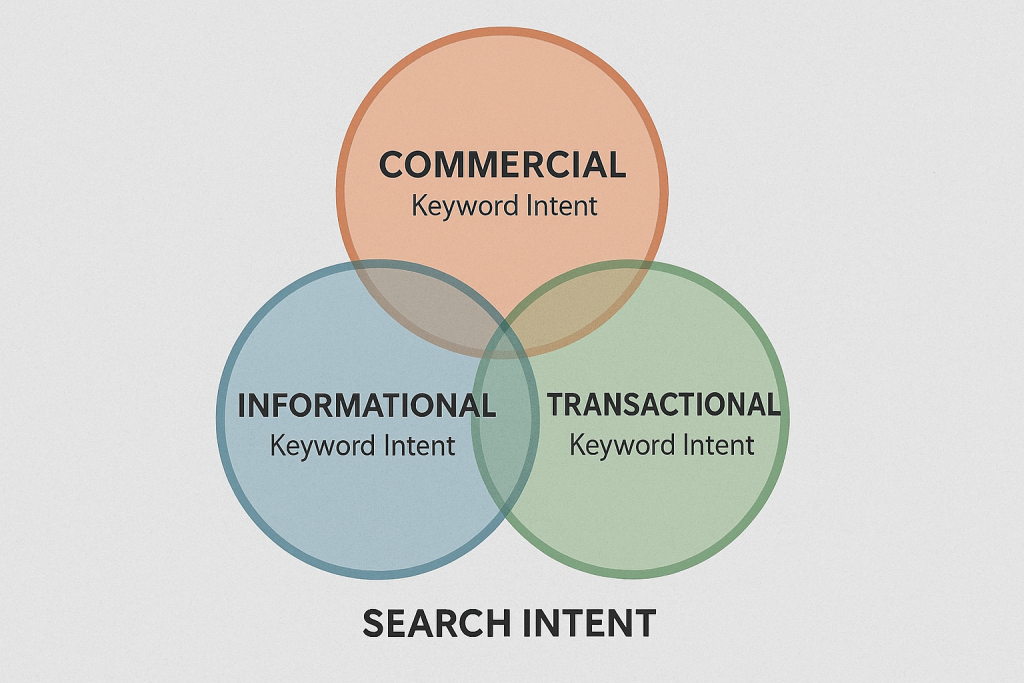
Your content should account for different types of intent, including informational searches, commercial research, comparisons and service-related searches. This also gives your content a clearer commercial role.
An informational article can answer an early question. A related guide can address a more specific problem. A service page can then provide the information someone needs when they are ready to speak to a provider.
Those pages don’t need to compete with one another. They can work together.
Use Semantic SEO to Cover Subjects Properly
Semantic SEO looks beyond individual keywords and considers the meaning, context and relationships between related topics and concepts.
If you’re writing about PPC, for example, there are plenty of related concepts that naturally belong to the subject: Google Ads, Shopping campaigns, search terms, conversion tracking, ad groups, cost per click and return on ad spend.
That doesn’t mean you need to force every related phrase onto one page.
Instead, think about what someone would reasonably expect to find when researching the subject. Some concepts may belong on the main page, while others deserve their own supporting content.
This approach can also help when planning topical clusters because it encourages you to think about how related subjects fit together rather than treating every keyword as a separate SEO target.
Review and Improve Existing Content
Topical authority isn’t only about creating new pages. Your existing content may already contain useful information that can be expanded, updated or connected to other parts of your website.
Look through your existing pages and ask:
Are there important subjects you haven’t covered?
Are several pages targeting the same search intent?
Are older articles still accurate?
Do important commercial pages have enough relevant supporting content?
Are related pages properly linked?
Are some articles attracting impressions but very little traffic?
In some cases, improving an existing page will be more useful than publishing another article on a similar subject.
This is especially relevant for established websites with years of accumulated content. Without regular review, related subjects can become spread across different sections of the site, making the overall structure harder to manage.
Build Internal Links Between Related Pages
Internal linking is a straightforward way to connect the different parts of your topical structure. If an article discusses a subject in more detail elsewhere on your website, link to that relevant page. The anchor text should give the reader a reasonable indication of what they will find when they click.
For example, an article about technical SEO could link to yourSEO servicespage when discussing the value of professional support.
Internal links can help users discover related information, help search engines find important pages and make the relationships between related content clearer.
They can also give informational content a useful commercial role. Someone may arrive on your website looking for an answer to a question, but a relevant internal link can help them find the service that addresses the underlying problem.
Build a Stronger SEO Content Structure
If your website needs better topic coverage, stronger internal linking or a clearer content strategy, speak to Seek Marketing Partners about your SEO requirements.
There isn’t a single metric that directly measures topical authority. Instead, look at the performance of the wider content structure.
Organic impressions and rankings can show whether your pages are appearing for relevant searches. Organic traffic can indicate whether that visibility is bringing people to the website. Content-level data can help you identify which subjects are attracting visitors and which pages may need further work.
Commercial performance matters too. If the purpose of your content is to support enquiries, look at whether users are moving from informational pages towards relevant commercial pages and completing conversion actions.
Internal linking should also be reviewed. Important commercial pages should have sensible connections from related content, rather than sitting in isolation.
The goal isn’t to produce the biggest possible content library. A smaller group of useful, well-connected pages can be more valuable than hundreds of loosely related articles.
Common Mistakes When Building Topical Authority
1. Publishing Content Just to Hit a Quota
A monthly content target shouldn’t determine whether another article is necessary. If you’ve already covered a subject properly, publishing another article that says essentially the same thing may add little value. Look for genuine gaps instead.
2. Creating Multiple Pages for the Same Search Intent
Similar keywords don’t always require separate pages. Before creating a new article, check what already exists on your website. If two pages answer the same underlying question, you may need to improve or consolidate your existing content rather than creating another URL.
3. Ignoring Commercial Pages
Informational content has an important role in SEO, but it shouldn’t exist separately from the rest of your website. If a reader is researching a problem that relates directly to one of your services, there should be a relevant route from that content to the commercial page. This is where internal linking and a well-planned site structure become particularly useful.
4. Treating Keywords as the Whole Strategy
A keyword list is useful, but it isn’t a content strategy. You also need to understand the subject behind each search, the people making the search and what they are likely to want next. That is what turns keyword research into useful content planning.
5. Forgetting About Existing Content
It’s easy to focus on what you should publish next and overlook what you’ve already published. Existing pages may have search visibility, backlinks or useful content that can be improved. Review what you have before deciding what needs to be created from scratch.
How Topical Authority Supports Commercial SEO
Topical authority can support your commercial pages by giving potential customers useful information before they enquire.
Consider someone researching SEO.
They might start with: “What is technical SEO?”
Then move on to: “How do I perform a technical SEO audit?”
Later, they may search for: “Technical SEO agency UK.”
Those searches reflect different stages of research. A well-structured website can provide useful content for each stage while creating relevant connections between informational content and commercial services.
This is where a well-structured topical strategy can support commercial SEO.
Your articles and guides can attract people earlier in the research process. Your service pages can address the commercial need. Internal links connect those two parts of the website.
For businesses investing in SEO, that creates a clearer route from search visibility to commercial consideration.
When Should You Invest in Topical Authority?
Topical authority can be particularly useful for businesses operating in competitive search markets or selling products and services that require research before a purchase decision.
It can also help when your website has accumulated a large amount of content but lacks a clear structure around its main subjects.
If your SEO campaign has focused heavily on individual keywords, reviewing wider topic coverage can reveal opportunities that a keyword-by-keyword approach may miss.
Start by looking at what your website already covers. Identify your main commercial subjects, map the related questions and subtopics, and then decide where additional content will have the most value.
How Seek Marketing Partners Can Help
Building topical authority takes research, planning and ongoing SEO work. It also needs to connect with the wider structure of your website and your commercial priorities.
Seek Marketing Partners works with businesses on SEO campaigns that can include keyword research, technical SEO, content planning, on-page optimisation, analytics and performance reporting.
If your website has plenty of content but lacks a clear structure, or if important commercial pages aren’t gaining the visibility they deserve, a wider SEO review can help identify where the gaps are.
Publishing more content isn’t always the answer. We can assess your existing pages, identify content gaps and help you build a more connected SEO strategy around the subjects that matter to your business.
Topical authority in SEO refers to how comprehensively a website covers a particular subject. It involves creating relevant content around related topics and connecting those pages so users and search engines can understand how they relate to one another.
What is an SEO topical map?
An SEO topical map is a structured plan showing the main subjects, subtopics and related content a website could cover. It can help identify content gaps, organise topical clusters and plan internal links.
What are topical clusters?
Topical clusters are groups of related pages covering different aspects of a broader subject. A central page may address the main topic, while supporting pages cover more specific questions, searches or subtopics.
How does semantic SEO relate to topical authority?
Semantic SEO considers the meaning and relationships between topics, terms and concepts rather than treating keywords as isolated phrases. This can support topical authority by helping you plan content that covers a subject in a more relevant and connected way.
How do you measure the success of topical authority?
There is no single metric for measuring topical authority. Organic visibility, rankings, relevant traffic, content performance, conversions and internal linking can all provide useful information about how well your content structure is performing.
Can building topical authority support commercial SEO?
Building topical authority can support commercial SEO by creating relevant content around the subjects connected to your products or services. When that content is linked appropriately to commercial pages, it can help users discover your services while creating a clearer structure across the website.
If August has taught us anything, it’s that digital marketing isn’t slowing down.
AI search is becoming more measurable, Google has given publishers greater control over how their content appears in generative search, another spam update has shaken up rankings, and even the definition of “SEO visibility” is stretching beyond your website and into social platforms.
In other words, there’s quite a bit to catch up on.
In this edition of our newsletter, we’re breaking down the most important digital marketing updates August 2026 has brought us. And as usual with the SMP team, you’ll find no vague predictions or unnecessary jargon here. Instead, we’ll quickly and clearly break down what has actually happened, why it matters to your business, and, most importantly, what you should be doing about it.
Some of these developments are still evolving (particularly when it comes to generative AI), so where that’s the case, we’ll say so. There’s enough uncertainty in digital marketing already without us adding to it.
Contents & Key Takeaways
Short on time? Here’s the quick version of the latest news in SEO and digital marketing this month:
Google gives websites more control over AI Search: New Search Console reporting shows visibility in AI Overviews and AI Mode, while a new Google AI opt out control is being tested for publishers who don’t want their content included.
Google launches another spam update: The Google spam update August rollout took place 18 – 21 August, continuing Google’s efforts to tackle tactics that undermine search quality.
Cloudflare bot controls need checking: New bot-management options make it increasingly important to understand exactly what you’re blocking, or you risk legitimate search crawlers getting caught in the crossfire.
AI visibility gets easier to measure: Google and Bing are both giving website owners more information about visibility inside AI-generated experiences, making GEO analytics considerably more accessible and useful.
Google tightens review standards: Fake and undisclosed incentivised reviews are firmly in Google’s sights, with businesses needing to pay closer attention to both review acquisition and structured data.
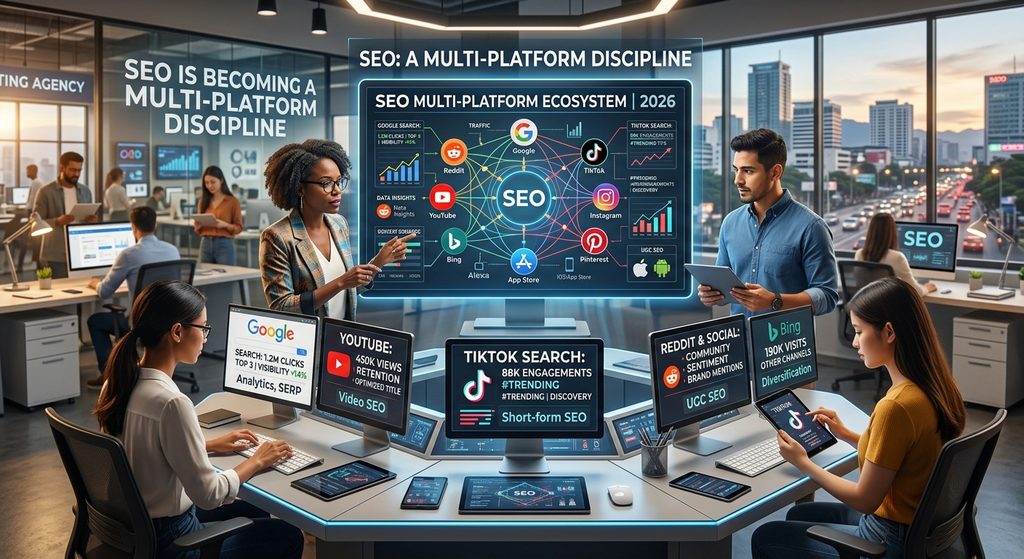
SEO is becoming increasingly cross-platform: Google Search Console can now report on the performance of Instagram, TikTok, X and YouTube content, giving cross platform SEO a much more tangible role in search strategy.
GEO continues to evolve: Changes to ChatGPT citations and Google’s Preferred Sources features reinforce why Generative AI SEO needs to be treated as an emerging visibility channel, not simply traditional SEO with a new name.
BONUS: Is Google Preparing an ‘AI Content Crackdown’?: The August spam update re-ignited discussion around Google and AI content. We’ll take a look at the relationship between the two, what’s changing, and what it means for businesses.
1. Google Gives Publishers More Control Over AI Overviews and AI Mode
One of the biggest digital marketing updates of August 2026 is actually the continuation of something Google started rolling out earlier this summer.
Google has introduced dedicated Generative AI performance reporting within Search Console. It shows impressions from AI Overviews and AI Mode alongside information including pages, countries, devices and dates. At the moment, Google says the reports are still being rolled out to a subset of websites.
Perhaps more importantly, Google is also testing a new Search Console control that allows eligible website owners to decide whether their content can appear in and help ground responses in AI Overviews, AI Mode and generative AI features within Discover.
That gives publishers a genuine Google AI opt out without sacrificing their conventional organic rankings. Google explicitly states that choosing not to participate will not be used as a ranking signal outside its generative AI features.
Why it matters
Until now, one of the frustrations surrounding AI search has been the lack of control and transparency.
The new system begins to separate two decisions that were previously difficult to disentangle: “Do we want to appear in Google Search?” and “Do we want our content used within Google’s generative AI search experiences?”
For publishers especially, that distinction matters. AI-generated answers can provide visibility, but they may also answer a searcher’s question without requiring a visit to the original website.
We wouldn’t recommend rushing to switch anything off. We would recommend measuring what AI visibility is actually doing for you before making that decision.
What to do about it
Check Search Console to see whether your property has received access to the Generative AI performance report and AI control.
Establish a baseline for your AI impressions before making any changes.
Identify which pages receive the most visibility through AI Overviews and AI Mode.
Weigh AI visibility against traffic, conversions, brand exposure and your wider commercial objectives.
If you test the opt-out, document the date so subsequent performance changes can be measured properly.
Google officially began rolling out its Google spam update for August on the 18th. According to Google’s Search Status Dashboard, the rollout finished on August 21st after approximately two days and 16 hours. It was the third confirmed spam update of 2026, following updates in March and June.
Google hasn’t published a neat list saying, “Here are the exact websites we’re coming after.” It rarely does.
The important context is Google’s long-running effort to reduce the visibility of content and tactics that manipulate rankings rather than genuinely helping searchers. That means anyone seeing movement following the update should diagnose the cause rather than assuming every ranking drop is simply “Google being Google”.
Why it matters
Spam updates can create winners as well as losers.
If their competition has been benefiting from manipulative tactics and those tactics stop working, more legitimate websites can gain visibility without changing anything themselves. Equally, businesses relying on questionable link-building, mass-produced low-value pages or other search-first tactics can suddenly discover how fragile those rankings were.
That’s why our response to an algorithm update is rarely to start changing everything immediately.
Ranking volatility during and shortly after a rollout is normal. The useful work starts when we have enough data to distinguish an actual trend from temporary movement.
What to do about it
Compare organic visibility before and after the rollout, looking at individual pages and query groups rather than just total traffic.
Check whether losses are concentrated around particular content types, templates, directories or sections of your site.
Review content for originality, genuine expertise and usefulness rather than trying to hit an arbitrary word count.
Audit suspicious or historically aggressive SEO tactics rather than looking for a quick “fix”.
If rankings haven’t changed significantly, don’t manufacture a problem. Keep doing what the data says is working.
The glamorous answer would be that there’s a secret trick to beating every Google update. There isn’t. Our advice is to follow this golden rule: “Build useful things properly and measure them properly”. It remains surprisingly effective.
3. Cloudflare Bot Controls Could Have SEO Consequences
Next in our list of digital marketing updates for August 2026, we touch on something that has been around for a long time – bot management. It’s an area that is definitely becoming more complicated, because “bot” no longer means one thing.
Cloudflare now distinguishes between automated crawlers used for Search, AI Training and Agent activity, and it has announced further changes to its default AI bot policies from September 15th. Its documentation specifically warns that mixed-purpose crawlers can fall under broader blocking configurations.
That creates a potential SEO problem: security rules intended to block unwanted automated traffic can be too broad.
This is where the current conversation around Cloudflare blocking Googlebot becomes more relevant. Googlebot itself remains a recognised search crawler, and Cloudflare provides specific guidance for allowing verified search engine bots. But custom WAF rules, challenges or overly aggressive configurations can still cause legitimate crawler traffic problems if they aren’t set up correctly.
Why it matters
If Google can’t reliably crawl important pages, it can’t reliably index and rank them.
The tricky part is that a business may tighten its security or AI crawler rules with perfectly sensible intentions, and only discover the SEO consequences later.
As platforms introduce more granular distinctions between search crawlers, AI training crawlers and AI agents, technical SEO and website security increasingly need to speak to one another.
“Block the bots” is no longer a sensible blanket instruction.
What to do about it
Review Cloudflare WAF, bot-management and AI crawler settings, particularly if they have recently changed.
Confirm that Googlebot and other verified legitimate search crawlers can reach the pages you want indexed.
Check Google Search Console for crawl anomalies, indexing changes and unexpected drops in discovered URLs.
Review server logs where possible to see how crawler requests are actually being handled.
Re-test crawlability whenever security or bot-management rules are changed.
Cloudflare itself recommends reviewing bot traffic before altering settings. That’s sensible advice: know what you’re blocking before you block it.
For quite a while, one of the biggest problems with AI search has been measurement.
You could optimise content, see your brand occasionally appear inside an AI answer, and then… well, hope for the best.
That’s starting to change.
As we mentioned earlier, Google is testing dedicated Search Console reporting for generative AI visibility. Meanwhile, Bing introduced AI Performance within Bing Webmaster Tools earlier this year, providing data on how publisher content appears across Microsoft Copilot, AI-generated Bing summaries and selected partner integrations.
Bing’s reporting includes citation activity and visibility into which URLs are referenced, while Google’s current report focuses heavily on impressions and the pages appearing within generative features.
All of this means we’re now finally getting some proper GEO analytics rather than relying exclusively on manual searches and third-party monitoring tools.
Why it matters
Traditional SEO has a relatively mature measurement stack. We can analyse impressions, clicks, rankings, sessions, conversions and revenue.
Up to now, the inner workings behind AI discovery have been much more of a mystery.
Better native reporting means businesses can start asking more useful questions like:
Which pages are appearing?
Which subjects generate AI visibility?
Are citations increasing?
Does greater AI visibility correspond with branded search, direct traffic, leads or sales?
It also reinforces an important point: a citation and a website visit are not the same thing. That means GEO shouldn’t be judged purely on referral sessions. Its impact may appear elsewhere in the customer journey.
What to do about it
Check both Google Search Console and Bing Webmaster Tools for the latest AI reporting available to your properties.
Track AI visibility separately from conventional organic rankings and clicks.
Identify content that earns repeated impressions or citations and look for common characteristics.
Add AI referrals to your analytics reporting, but don’t treat referral traffic as the only measure of value.
Monitor branded search, direct visits and assisted conversions alongside AI visibility where your data allows it.
Measurement isn’t perfect yet. It is, however, getting considerably better.
5. Google Gets Tougher on Fake and Incentivised Reviews
Reviews are incredibly powerful. Unfortunately, that’s precisely why people keep trying to game them.
Google’s current policies make it clear that businesses must not offer payment, discounts, free products or services in exchange for Google Maps reviews. Google classifies incentivised or biased reviews as rating manipulation and states that offending content may be removed.
The rules also matter beyond the reviews displayed directly on your Google Business Profile.
Google’s structured-data documentation now explicitly warns against marking up fake or undisclosed incentivised reviews. If an incentive genuinely exists, it must be clearly and prominently disclosed. Google also requires marked-up review content to be visible to users on the page rather than existing purely for search engines.
So, if you’re wondering how to remove fake Google reviews or avoid review-related problems in the first place, the answer starts with having a legitimate, transparent review process.
Why it matters
Reviews influence trust, local visibility and buying decisions. That can make employing dodgy review tactics tempting, but our advice is this – the short-term boost isn’t worth building your reputation on data you can’t trust.
There’s another side to this too though: fake negative reviews can hurt legitimate businesses.
A proper review-management process therefore needs to cover both sides: acquiring genuine feedback without manipulation, and identifying potentially fraudulent reviews that should be reported through the appropriate platform processes.
What to do about it
Stop any review campaign that rewards customers specifically for posting or changing a Google review.
Make review requests neutral: ask genuine customers for honest feedback rather than demanding five stars.
Regularly audit Google reviews for suspicious patterns or reviews that appear unrelated to genuine customer experiences.
Report reviews that violate Google’s policies rather than attempting to bury them with artificial positive feedback.
Audit review structured data to ensure ratings and reviews are genuine, visible and compliant with Google’s guidelines.
Real reviews from real customers. Revolutionary stuff for some people, apparently. Not us though! Use the button below to take a look at our Google reviews now.
Or, if you’re more interested in learning about the kinds of projects we’ve worked on and the results we’ve achieved for our clients perhaps the case studies button would fit the bill better?
For years, SEO reporting has primarily revolved around your website.
Google has now made that view look increasingly outdated.
In July, Google introduced Platform Properties within Search Console, and by the end of the month the feature had rolled out globally. It allows businesses and creators to see how content published on Instagram, TikTok, X and YouTube performs across Google Search, Discover and Google News.
Among other things, businesses can see which search queries lead people to their social and video content.
That is a fairly significant development for cross platform SEO, because Google is effectively acknowledging something marketers have known for a while: your discoverability doesn’t begin and end with pages hosted on your own domain.
Why it matters
Search behaviour is fragmented.
People look for products on Google, watch reviews on YouTube, search TikTok for recommendations, check Instagram for examples and increasingly ask AI tools for an answer before they ever reach a company website.
A sensible multi platform SEO strategy therefore asks a wider question than “Where does our website rank?”
It asks: “When somebody looks for information relevant to our business, where do we appear?” or in not-quite-so-many words, “Where do people learn about us?”
Google bringing social and video performance into Search Console makes that question easier to answer.
It also creates opportunities for SEO, content and social teams to stop operating as separate islands. Search data can help shape social content, while successful social content can tell your SEO team which topics and formats audiences actually respond to.
What to do about it
Add relevant Instagram, TikTok, X and YouTube properties to Search Console where available.
Identify queries already generating visibility for your social and video content.
Compare topics that work on your website with those gaining traction through external platforms.
Build search intent into video and social planning rather than treating optimisation as something that happens after publishing.
Report on brand visibility across channels instead of relying on website rankings alone.
We’ll close out our roundup of digital marketing updates for August 2026 with a story that’s less about one isolated update and more about where search appears to be heading.
During August, some users and industry observers reported that ChatGPT’s full Sources panel had become less prominent, moving behind the three-dot menu in certain sessions. Importantly, citations themselves had not disappeared, and OpenAI continues to document inline citations and a Sources interface as part of ChatGPT search. There has also been no official confirmation that the observed UI change represents a universal permanent rollout.
At roughly the same time, citation-tracking data showed how volatile AI visibility can be. Promptwatch data reported by Axios found Reddit’s average share of ChatGPT Search citations fell sharply in August, demonstrating just how quickly source-selection patterns can change.
Google, meanwhile, continues moving in the opposite direction on publisher personalisation. Its Preferred Sources system has expanded into AI Overviews and AI Mode, and August brought additional controls allowing users to prioritise favourite publishers across Google experiences.
Welcome to Generative AI SEO.
Why it matters
The big lesson here isn’t that “ChatGPT changed a button”.
It’s that AI discovery is volatile.
Brands can be mentioned without being clicked. Sources can gain or lose citation visibility quickly. Different AI platforms can favour different content, and interfaces determining whether users ever visit the source can change too.
That makes GEO different from chasing a conventional number-one ranking.
The objective is broader: build a brand and body of content that search engines and generative systems can understand, trust, retrieve, cite and recommend.
What to do about it
Track brand mentions and citations across major AI platforms rather than focusing on one engine.
Keep technically important AI search crawlers accessible where AI visibility is part of your strategy.
Publish genuinely useful, original and clearly structured information that gives generative systems something worth citing.
Measure citations alongside branded searches, direct traffic, leads and conversions rather than obsessing over referral clicks alone.
Don’t chase every short-term GEO fluctuation. Build authority across your website and the wider platforms your audience uses.
OpenAI itself advises publishers that allowing OAI-SearchBot helps content become discoverable, surfaced and cited within ChatGPT search.
BONUS: Is Google Preparing an ‘AI Content Crackdown’?
Google’s August spam update has reignited discussion about a potential ‘AI content attack’ from Google, with some questioning whether AI-generated pages could soon face tougher treatment in search.
For now, though, the relationship between Google and AI content remains where it’s been for some time: Google doesn’t automatically penalise content because AI helped create it. Its own guidance says generative AI can be useful for creating original content. The problem comes when automation is used to create large volumes of low-value content primarily to manipulate rankings.
Why it matters
If Google gets better at identifying scaled, low-value AI content, businesses relying heavily on it could be vulnerable to significant ranking losses.
But that doesn’t mean abandoning AI. Used properly, it can improve productivity without compromising quality. The important distinction is whether you’re using AI to help create something valuable for people, or simply to manufacture pages for search engines. Google’s current spam policies explicitly make that distinction.
What to do about it
Keep Google’s ‘people-first’ content principles at the centre of your strategy.
Use AI as a tool, but add genuine human expertise, review and original value.
Avoid mass-producing unoriginal pages simply to capture search traffic.
Don’t use automation to exploit another website’s authority or otherwise manipulate rankings.
Audit existing AI-heavy content now rather than waiting for an algorithm update to expose problems.
Our view? Businesses probably have around six to eight months to prepare for this. That’s our estimate, not a deadline from Google, but we wouldn’t wait for any actual crackdown to start taking effect before changing course.
Why Trust Seek Marketing Partners for Digital Marketing News?
There is no shortage of digital marketing commentary online, and that can make separating ‘meaningful insight’ from ‘noise’ tricky.
At Seek Marketing Partners, we’ve been tracking, testing and reacting to changes in the digital landscape for nearly a decade. Across our team, that adds up to decades of combined experience covering SEO, paid media, websites, content, analytics, social and the wider digital ecosystem.
More importantly, our opinions aren’t formed purely by reading somebody else’s opinions.
We work with around 50 different businesses across a wide range of different industries, services and niches. That kind of client base means we have access to a broad array of real-world data showing what is actually happening across different websites, sectors and campaigns.
It all adds up to mean that when Google launches an update, we can look at real metric data for things like rankings, traffic and conversions. When search behaviour changes, we can look at what users are actually doing on different platforms and in different niches. When a new marketing trend appears, we can compare the hype with the numbers and draw meaningful conclusions.
No panic. No crystal ball. No pretending we know something the platforms haven’t actually confirmed. Just experienced marketers looking at real data and telling you what we’re seeing in plain English.
But Why Take Our Word For It?
We’re not an impartial source, we want you to like us and seek out our services (no pun intended) and we admit that.
Instead, we’ll point you towards our collection of case studies and Google reviews. There you’ll find impartial takes on our work, and the kinds of real-world results that we can deliver – so please do take a look, we’re sure you’ll like what you see!
Keeping you informed is useful. Helping you actually do something with that information is better.
Seek Marketing Partners is a full-service digital marketing agency based in Greater Manchester. We help businesses diagnose marketing problems, identify where the real opportunities are and build practical strategies around evidence rather than guesswork.
Whether you need one specialist service or a joined-up approach across your entire digital presence, our team can help in the following ways:
SEO
Technical, on-page and off-page SEO strategies built around real search data, commercial objectives and sustainable organic growth.
PPC Ads
Data-led paid advertising campaigns designed to reach the right audiences, make the most of your budget, avoid waste, and turn clicks into measurable commercial results.
Web Design & Development
Fast, functional and conversion-focused websites that look the part while giving users and search engines exactly what they need.
Content Marketing
Useful, search-informed content created around what your customers actually want to know, helping build visibility, authority and trust.
Social Media Marketing
Strategic social campaigns that put your brand in front of relevant audiences and turn consistent activity into measurable business value.
Email Marketing
Targeted email strategies designed to nurture prospects, strengthen customer relationships and make better use of the audience you already own.
Graphic Design
Professional, brand-consistent creative that makes your marketing clearer, more engaging and more effective across digital and offline channels.
Data Science & Analytics
We turn messy marketing data into useful insights, helping you understand what’s working, what isn’t and where opportunities are hiding.
Conversion Rate Optimisation
We analyse how people actually use your website, identify friction, and test improvements designed to turn more visitors into customers.
Digital PR
Strategic digital PR campaigns designed to earn attention, strengthen authority and secure valuable coverage and links from relevant publications.
Lead Generation
Data-informed campaigns focused on attracting the right prospects and creating a reliable pipeline of genuine opportunities for your sales team.
White Label Support
Flexible white label digital marketing expertise for agencies that need additional capacity, specialist skills or dependable delivery behind the scenes.
Keep Up With the Latest Digital Marketing Changes
If there’s one takeaway from this month, it’s that digital visibility is becoming broader and more complicated.
Google Search now overlaps with generative AI. Social content can become a search asset. AI platforms are developing their own citation ecosystems. Technical decisions about bots can affect discoverability, while reputation signals such as reviews remain under increasing scrutiny.
Getting SMP on Your Side
‘Complicated’ doesn’t have to mean ‘chaotic’ though. If you like what you’ve read here and you’d like our support navigating the often complex, fast-moving landscape of digital marketing, there are 2 main ways that we can do that:
Keeping You Informed
Instead of coming here, we can keep you up to speed by delivering future news roundups to your inbox. All you need to do is fill out the short signup form below!
Becoming Your Digital Marketing Partner
If you’d like more practical help through any of the services and areas of expertise we mentioned in the grid you saw earlier, the first step is to get in touch with our team using the button below!
The way people discover information online is changing far more quickly than many bloggers expected. For years, search engines were the main gateway to websites and blogs. If someone had a question, they’d search for it, click on a result, and read an article. Nowadays, that journey is no longer guaranteed.
AI-powered tools increasingly provide answers directly within search results or through chat assistants, often giving users enough information without ever visiting the original source. Recent reports suggest that ChatGPT’s audience has grown to hundreds of millions of weekly users worldwide, while industry studies indicate that a large proportion of Google searches now end without a click to another website.
For bloggers, publishers and website owners, these shifts are becoming impossible to ignore.
The Rise of AI Answers
Traditional search was fairly straightforward. A user entered a query, Google displayed a list of links, and the user chose which website to visit. Today, that’s beginning to change.
Modern AI systems can pull information from multiple sources, summarise it, and present a direct answer within seconds. Features such as AI Overviews and AI-powered search experiences mean users can often get what they need immediately.
From a user’s perspective, this feels incredibly convenient. There is no need to open several tabs, compare different articles or spend time searching for the best explanation.
For publishers, however, every question answered directly by AI can be one less visitor reaching their website.
Why Blog Traffic Is Falling
Many blogs were built around informational content. Health advice, technology guides, travel tips, tutorials and product comparisons have traditionally attracted steady traffic from search engines. Now, AI is handling many of these questions on its own.
Ask an AI assistant how SEO works or what the benefits of meditation are, and you’ll usually receive a concise explanation in seconds. For many users, that answer is enough. This means fewer people feel the need to click through to a website.
Several major publishers have already spoken publicly about declining organic traffic as search experiences continue to evolve. While every website is affected differently, the wider trend is becoming increasingly difficult to ignore. Informational searches are spending more time inside search platforms and less time reaching publishers.
It’s a shift that’s becoming increasingly difficult to ignore across the digital marketing industry.
The Growth of Zero-Click Searches
One term that has become increasingly common in marketing discussions is “zero-click search“.
A zero-click search happens when someone finds the information they need directly on the search results page and never visits another website. Featured snippets started this trend years ago, but AI has accelerated it dramatically.
Many users now read the AI-generated summary that appears at the top of the page and move on. The answer feels complete, so there is little reason to continue searching.
For bloggers, this creates a difficult situation. Their content may still be helping users. In some cases, the information shown by AI may even have been sourced from their articles. Yet the traffic itself never arrives. Publishers often do the work, while search platforms keep most of the attention.
User Behaviour Is Changing
It’s not just search technology that’s evolving; people’s search habits are changing too. Instead of typing a few keywords into Google, many users now ask full questions and expect direct, conversational responses.
Whether someone is researching a scientific theory, planning a weekend trip, or looking for marketing ideas, AI assistants are increasingly becoming the first place they turn for answers.
In many situations, the answer provided is detailed enough to satisfy the user immediately. As these habits become more common, the traditional journey from search engine to blog post becomes shorter and, in some cases, disappears entirely.
Why Informational Blogs Are Most Affected
Not every type of content faces the same level of risk.
Informational blogs are experiencing some of the biggest changes because AI is particularly good at summarising factual information and answering straightforward questions.
However, content built around personal experience, original research, expert opinions and real-world case studies remains much harder to replace. Readers still value first-hand knowledge.
A detailed review written by someone who has used a product for six months carries a different kind of authority than a generic AI summary. Likewise, unique insights and personal stories often provide context that automated answers simply cannot replicate.
Keeping a human in the loop when AI drafts or rewrites content helps make sure the final output reflects genuine experience rather than a plausible-sounding summary.
That difference is becoming increasingly important as AI-generated answers become more common.
Traffic Loss Does Not Mean Content Is Dead
The decline in search traffic has created understandable anxiety among bloggers. Some have even questioned whether blogging still has a future. The picture isn’t quite that simple.
Although some websites may see fewer visitors, the people who do click through are often more intentional. They may be looking for deeper information, evidence, personal experiences or expert opinions that an AI summary cannot provide.
These readers typically spend more time engaging with content and may be more likely to subscribe, share or become customers.
For many websites, a smaller but highly engaged audience can still deliver significant value.
The New Challenge for Bloggers
Blogging isn’t disappearing, but the way people discover content is changing. In the past, reaching the first page of Google could generate a reliable stream of traffic for years. Today, visibility alone does not guarantee clicks.
Bloggers are no longer competing only with other websites. They are also competing with AI-generated answers that appear before users ever reach a search result. As a result, bloggers need to think differently about the content they publish.
The same shift is affecting digital marketing more broadly. Businesses are beginning to explore new ways of reaching people through AI platforms, just as they previously adapted to search engines, social media and other changes in online discovery. This has led to emerging services such as a ChatGPT ads agency, reflecting the growing interest in advertising and brand visibility within AI-driven environments.
Content that simply repeats basic information is becoming easier to replace. Original insights, personal experiences, expert analysis and trustworthy reporting are becoming more valuable than ever. Facts can be summarised in seconds, but genuine expertise is much harder to replicate.
Conclusion
AI is undoubtedly changing the relationship between search engines and blogs. Direct answers, AI summaries and zero-click searches are reducing the amount of traffic that many websites once received from Google. Current industry trends suggest that this transformation is already underway rather than being a distant possibility.
Yet that does not mean blogging is disappearing.
People still look for trustworthy voices, first-hand experience and detailed insights that go beyond a quick summary. While AI may answer simple questions, high-quality content remains valuable for readers who want depth, context and expertise.
Is your website stuck beyond page one in Google search results? You’re not alone. Many business owners wonder, “Why is my website not ranking on Google?” In most cases, it’s not one issue – it’s a combination of technical, content, and authority gaps. In this guide, we’ll unpack the most common reasons a site isn’t ranking and give you practical, actionable fixes for each issue.
Key Reasons Why Websites Are Not Ranking
1. Crawling and Indexing Issues
If Google can’t access or index your site, it won’t appear in search results. Common causes include a robots.txt file blocking search crawlers, an accidental “noindex” tag on your pages, or an incomplete XML sitemap.
First, check Google Search Console to see if your pages are indexed. If they aren’t, Google can’t rank them. This could happen if you ticked the “Discourage search engines from indexing” setting in WordPress by mistake, or if your developer added the wrong meta tag. Even small issues like temporary server downtime can block crawlers.
How to Fix It: Remove any unintended blocks. Edit your robots.txt and meta robots tags to allow crawling of your main pages. Submit a fresh XML sitemap to Google Search Console. Use the URL Inspection tool to request indexing after you fix issues.
2. Poor or Irrelevant Content
Even if your page is indexed, it still needs great content to rank. Thin, shallow or duplicate content often fails to satisfy Google’s algorithms or your visitors. If you’ve only written a few sentences or copied content from elsewhere, Google may decide the page has little value.
Also check search intent, because a page that is optimised for the wrong intent won’t rank. For instance, if people are searching for “how to make a cake,” but your page is selling baking supplies, Google is unlikely to rank it well. Instead, Google favours instructional content that directly addresses the query.
How to Fix It: Review your on-page content critically. Ensure your content fully covers the topic with enough depth to satisfy the search intent. Use clear headings and bullet points to structure your content. Make sure it answers user questions and includes relevant keywords naturally (avoid keyword stuffing).
And if two pages on your site are very similar, consolidate them into one stronger resource or use canonical tags. Always match content to intent: if searchers want a tutorial, provide one; if they want to buy, have a clear product page.
3. Technical SEO and Site Performance
Slow loading pages, poor mobile usability or technical glitches can tank your rankings. Google’s Core Web Vitals – factors like loading speed and page stability – are now ranking signals.
Mobile-friendliness is crucial too: Google now uses mobile-first indexing, meaning your mobile site is the primary version used for ranking. Any hidden issues like broken links, missing SSL, and conflicting scripts can prevent Google from fully seeing and trusting your site.
How to Fix It: Run your site through Google’s PageSpeed Insights and Mobile-Friendly Test. Compress images, enable browser caching, and minify code to speed up your site. Ensure your site is secure (HTTPS) and that menus work well on smartphones and tablets. Fix any crawl errors shown in Search Console like 404s or duplicate content issues.
4. Weak Backlinks and Internal Links
Your website’s authority in Google’s eyes depends on links. A brand-new or low-authority site with few backlinks will struggle to outrank established competitors. Google uses backlinks as a signal of authority and relevance.
Likewise, internal links help spread authority around your site and signal important pages to Google. A page with no links pointing to it (from your own site or others) will be hard to rank.
How to Fix It: Build your link profile gradually. Create valuable content like infographics, tools or research that naturally attracts backlinks. Reach out to industry sites for guest posts and share your content on social media to earn links.
On your own site, use descriptive anchor text to link from related pages into your important pages. Even simple steps like linking to a blog post from your homepage or sidebar can help Google discover and better understand your content.
5. High Competition or Wrong Keywords
Sometimes the problem isn’t your site at all, but the competition. If you’re trying to rank for very competitive keywords like “best headphones” without an established site, you’ll face long odds. It’s also possible you’re targeting terms that don’t match what searchers want.
Even great content won’t rank if the niche is too crowded. High-authority domains often dominate competitive search results.
How to Fix It: Reassess your keyword strategy. Use research tools to find long-tail or niche keywords that fit your audience but have lower competition. Tailor your page content to those specific terms – it’s easier to get on page one for a narrower topic first. Make sure your page titles, headings and meta descriptions clearly match the query intent. Remember, ranking for very competitive terms can take time; focus on attainable targets that still drive relevant traffic.
6. Time and Consistency
Finally, remember that SEO is a marathon, not a sprint. New websites and pages often take weeks or even months to start ranking well. If your site is brand-new or you’ve made recent changes, give Google time to crawl and evaluate it.
Also, inconsistent updates can slow progress; consistent updates signal relevance and help maintain visibility over time.
How to Fix It: Keep producing and updating content regularly. Publish new blog articles or resources on a steady schedule so Google keeps re-checking your site. Share and resubmit your updates to speed up indexing. Monitor your traffic and rankings: if you see a page getting impressions but low clicks, try improving its title and description to entice users. Be patient and diligent – consistent effort and time usually translate into improved website visibility.
Fix Your Website’s Ranking Issues with Us
If you’ve checked all the above and your website still isn’t ranking, it may be time to call in the experts. Seek Marketing Partners specialises in diagnosing hidden SEO issues and turning low-visibility sites into high-ranking ones. Don’t let poor rankings hold you back – contact us for a free SEO audit or get in touch today and learn how we can help you improve your website visibility.For more actionable SEO strategies, see our digital marketing blogs for proven tips to boost your site’s visibility.
Search has already shifted in 2026, and most websites are still optimising for how it worked last year. The gap between what works now and what worked before is widening, and businesses that don’t adapt are already losing visibility.
2026 introduces new challenges – from AI-driven search to increased emphasis on content quality and trust signals.
In this blog, we’ll explore SEO trends in 2026 that are shaping digital marketing, and what you can do to adapt quickly. Follow these trends to keep your SEO strategy aligned with how search is evolving and maintain your competitive edge.
Key SEO Trends in 2026
1. The AI Search Revolution (Optimising for AI Search)
AI-driven search is one of the biggest new SEO trends of 2026. The rapid adoption of tools like ChatGPT and Google’s AI-powered search results means SEO isn’t just about traditional search engines anymore. People are increasingly asking questions to AI chatbots and voice assistants, which often provide direct answers.
This leads to more zero-click searches and fewer obvious traffic sources, as users get information without clicking through to websites. In fact, some marketers refer to this as ‘search everywhere optimisation’ – ensuring your brand is visible on all platforms, not just on Google.
To capture traffic in the AI era, you should focus on strategies that help your content get featured as answers:
Your content must provide direct, concise answers to common questions in your content. This increases the likelihood that your content will be surfaced or referenced in AI-generated results and voice assistants.
Prioritise quality over quantity of content. High-quality, unique content is more likely to be picked up by AI engines and voice search than generic material.
Add structured data or schemato your pages. Schema markup gives context to search engines and may improve your visibility in AI-driven results.
Focus on conversational keywords and questions. Optimise for longer, natural language queries that people might speak or type into AI tools. This aligns your content with the way AI-driven queries are phrased.
2. E-E-A-T and Content Quality Matter More Than Ever
Google’s emphasis on E-E-A-T – Experience, Expertise, Authoritativeness, Trustworthiness – continues to increase in 2026.
With AI generating large volumes of content, search engines place even more weight on content that demonstrates real experience and credibility. In practice, this means that quality content created by genuine experts will outrank thin or auto-generated content.
Google increasingly favours sites that demonstrate depth of knowledge and trust – for example, smaller niche blogs with firsthand experience can outrank faceless sites full of AI content. Establishing trust and authority is vital if you want to rise in the rankings this year.
And to adapt to this trend, build E-E-A-T signals into your website and content:
You must show real expertise and experience by publishing author bios highlighting credentials, case studies, and personal insights. Content written from first-hand experience helps prove your authority.
Earn trust with quality and accuracy by ensuring your writing is well-researched and fact-checked, free of errors and misinformation. Link out to reputable sources to support your claims.
Incorporate testimonials and reviews by showcasing customer reviews or expert endorsements. Proving that real people trust your business boosts your credibility.
Keep your content up-to-date and relevant by regularly updating your blog posts and guides with the latest information. Demonstrating that you stay current in your field adds to your authority.
3. User Intent is King (including micro-intents)
Understanding search intent has always been key to SEO, but in 2026 it goes even deeper. It’s not enough to match a keyword with content – you need to grasp the multiple intentions a user might have when they search a term.
These micro-intents are the specific goals or questions a user may have, even if they search a broad phrase. For instance, someone searching “SEO audit” could be looking for a how-to guide, a free checklist, a software tool, or an agency to do it for them.
Search engines and AI assistants are getting better at tailoring results to a user’s context and past behaviour, meaning results are becoming more context-aware and personalised in some cases. This trend forces businesses to consider all the angles of a query.
To succeed, think from the searcher’s perspective. Before creating a page, ask yourself:
What does the user really want here?
What different paths might they take?
Content that addresses a range of user intents will perform better. One effective approach is creating content that answers FAQs, provides options, and guides the user no matter what their end goal is.
By covering a topic comprehensively, you keep visitors engaged on your site regardless of their intent.
4. Content Clustering and Topical Authority
To deal with varied user intents and rank highly, many sites are turning to content clustering.
Content clustering means organising your site’s content into topics and subtopics, linking them together as a hub-and-spoke model. This approach continues to be a key SEO trend in 2026.
By creating a main “pillar” page on a broad topic and supporting it with more detailed articles on specific subtopics, you are signalling to Google that you’re an authority in that area. This not only helps with covering micro-intents but also improves your overall relevancy and boosts ranking potential.To leverage this trend, identify the core topics relevant to your business and build out a cluster of content around each.
For example, if your main topic is “ecommerce SEO”, create subtopic pages for things like “SEO for product pages”, “technical SEO for ecommerce”, “writing ecommerce meta descriptions”, etc., all interlinked.
By clustering content, you make it easier for search engines and users to navigate your knowledge base – strengthening your topical authority in the process.
5. Leveraging Multimedia (Images, Videos & More)
Today’s search results are rich with multimedia – images, infographics, videos, interactive elements – and users expect engaging visuals. Google’s SERPs often display image packs, video carousels, and other media, which means your content has more chances to shine if it contains diverse media types.
A mix of text and visuals improves both engagement and visibility. In fact, many top-ranking results include some form of multimedia. Not only can images and videos rank in their own right, but they also make your pages more compelling and shareable.
To adapt to this trend, start optimising your content for visual SEO by:
Incorporating relevant images, diagrams or infographics into your blog posts. Always use descriptive file names and alt text for SEO benefit.
Create videos (even short ones) that complement your content. You could summarise a blog post in a video or demonstrate a how-to. Then, embed these videos on your pages.
Consider other media like charts, audio clips, or interactive widgets if they add value.
Optimise all media files for speed – compress images and host videos on reliable platforms – to ensure they don’t slow down your site.
By adding visual and interactive elements, you not only cater to different user preferences but also increase the likelihood of appearing in rich search features.
6. User Experience and Core Web Vitals Remain Crucial
A timeless trend that only grows stronger is the focus on user experience (UX). Google and other search engines want to deliver results that please users – which means sites that load fast, are mobile-friendly, and easy to navigate have a significant advantage.
Core Web Vitals like loading speed, interactivity, and visual stability metrics are still key ranking signals in 2026. A seamless, intuitive website keeps visitors engaged and sends positive signals to search engines.
On the other hand, if your site is slow or frustrating to use, users will bounce and your rankings can suffer.
To adapt, you should make site improvements that enhance UX and performance:
Speed up your site by optimising images, use efficient coding, and consider a content delivery network (CDN) to reduce load times. Faster sites rank better and keep users around.
Go mobile-first by ensuring your site is fully responsive on mobile devices, as the majority of searches occur on mobile, especially voice searches. Test your mobile page speed and usability regularly.
Improve navigation by making it easy for users to find information with clear menus and internal links. A well-structured site keeps users longer and helps search crawlers index your pages.
Enhance overall UX through improvements like readable font sizes, accessible design, and the removal of intrusive pop-ups can make a big difference in user satisfaction – and by extension, SEO success.
7. Structured Data for Rich Results (Schema Markup)
Another latest SEO trend in 2026 to embrace is adding structured data to your website. Structured data or using schema markup helps search engines understand the context of your content and can unlock special rich results in the SERPs.
This also extends to AI search – providing clear metadata can make it easier for AI summaries to pull accurate information from your site. Essentially, schema is a way of speaking directly to search engines in their language, ensuring nothing gets lost in translation.
If you haven’t already, start by adding basic schema to important pages like:
Organisation schema for your business
Article schema for blog posts
FAQ schema for Q&A sections
Many modern CMS platforms or plugins can help generate this.
And the payoff is improved visibility: your pages could stand out with rich snippets, and you’re future-proofing for an AI-driven search landscape where context is key.
8. Voice Search Optimisation
With the proliferation of voice assistants in phones, smart speakers, and cars, voice search has become a mainstream way people look up information. It’s no longer a niche behaviour used just for fun – many users routinely ask Siri, Alexa or Google Assistant for answers on the go.
As a result, optimising for voice search is increasingly important, particularly for certain queries. Voice queries tend to be more conversational and question-based than typed queries. They’re often local, such as “near me” queries or specific location questions.
Google’s algorithms have evolved to interpret natural language, so your content must align with that style to capture voice traffic.
To adapt, capture voice search opportunities:
Use natural language in your content. Include the kind of full-sentence questions people might ask and provide direct answers.
Optimise for long-tail keywords that mirror speech. For instance, a typed query might be “2026 SEO trends” but a voice query could be “What are the top SEO trends in 2026?”. Try to cover both styles in your content.
Strengthen your local SEO if relevant to your business. Many voice searches are local, so keep your Google Business Profile updated and include location-specific keywords.
Ensure mobile-friendliness and speed. Voice searches happen on mobile devices frequently. A fast, mobile-optimised site will serve those users well and improve your chances of being the spoken answer.
By tailoring your SEO strategy to how people speak questions, you’ll be more likely to become the go-to answer that voice assistants read out.
9. Brand Authority and Online Reputation
Building a strong brand presence online has never been more important for SEO. As search algorithms get smarter, they’re evaluating not just what is being said on your site, but who is behind it and how the wider web perceives your brand.
This 2026, brand mentions and online reputation are playing a bigger role in rankings. In fact, unlinked brand mentions are often considered trust signals within broader SEO strategies, almost like “implied links” that boost your authority.
Additionally, with AI-driven search results lacking traditional attribution at times, having a well-known brand or positive reputation can influence whether your content gets recommended by AI assistants.
Treating your brand’s digital footprint as part of your SEO strategy is the answer. You must:
Encourage brand mentions and discussions. This could mean getting featured in industry publications, collaborating on guest posts, or simply creating share-worthy content that people talk about on social media. Every mention builds recognition.
Manage your online reviews. Positive reviews on Google, Trustpilot, and industry-specific sites not only improve click-through but also send trust signals to search platforms. Engage politely with reviews and demonstrate great customer service.
Leverage PR and thought leadership. If possible, have company spokespeople contribute articles or commentary in your niche. Being cited as an expert source builds authority.
Monitor your reputation. Use tools to keep track of brand mentions and address any negative press or misinformation. Resolving issues and showcasing transparency can turn a potential negative into a positive for your brand image.
The stronger and more trusted your brand appears, the more likely Google and even AI assistants will favour your content when providing answers or results.
10. AI and Automation in SEO Workflows
Last but not least, 2026 is the year SEO professionals fully embrace automation and AI tools to enhance their workflow. With the growing complexity of SEO and the data involved, manual processes just don’t cut it at scale.
In enterprise SEO, automation has become non-negotiable to handle tasks like site analysis, technical audits, and large-scale content optimisation. Even for smaller sites, AI tools like content generators, keyword clustering tools, and analytics AI can save time and uncover insights.
That being said, this creates both opportunity and risk. While AI can greatly assist with research and routine tasks, relying on it too much can backfire – automated content can be generic or incorrect, and Google may devalue low-quality, mass-produced content.
To leverage this trend, use automation smartly and maintain a human touch:
Leverage AI for efficiency. Tools like ChatGPT can help brainstorm content ideas, meta descriptions, or even first drafts. SEO software can automate reports or monitor rankings in real-time. This frees up your time for strategy and creativity.
Don’t copy-paste AI content directly to your site. Always review and edit outputs. Ensure the final content has your brand’s voice and accurate information – add insights only a human expert could provide.
Automate technical checks by implementing automated SEO audits for things like broken links, page speed alerts, or schema errors. Catching and fixing issues quickly will keep your site in top shape.
Always stay in control. Think of AI as your assistant, not a replacement. Use it to augment your decision-making – for example, to analyse large datasets or predict trends – but continue to apply expert judgement to everything you implement.
By blending human expertise with smart automation, you can scale your SEO efforts while maintaining quality, which is the winning formula in 2026.
Bottom Line: Stay Ahead of the Curve in 2026
The latest SEO trends of 2026 all point to one thing: search is evolving, and marketers must evolve with it. From AI-driven search results to user-centric content and technical enhancements, there’s a lot on our plates – but each trend is an opportunity for those who adapt swiftly.
The businesses that win in 2026 will be the ones aligning their SEO strategy with how search actually works – not how it used to. Do this, and you’ll not only protect your current rankings but likely discover new ways to grow your organic traffic.
Need help navigating these SEO trends in 2026? At Seek Marketing Partners, we monitor search algorithm changes and emerging trends closely to keep our clients ahead. Our SEO services are designed to help you implement the strategies above – and tailor them to your business.
If you need a strategy that actually reflects how search works in 2026, get a free SEO audit or speak with our team and work with specialists already adapting to where search is going next.
When it comes to optimising your website for search engines, the debate of Semrush vs Ahrefs often comes up. These two tools dominate the SEO world, both offering powerful features that can drive improvements in website visibility, competitor analysis, and performance tracking. But how do you choose the right tool for your specific SEO goals?
In this article, we’ll provide an in-depth comparison of Semrush and Ahrefs, highlighting their strengths, weaknesses, key features, and pricing to help you decide which tool is the best fit for your needs.
What Is Semrush?
Founded in 2008, Semrush started as a straightforward keyword research tool. However, over the years, it has evolved into an all-in-one digital marketing platform, boasting over 50 tools for SEO, PPC, content marketing, and social media management.
Key Features of Semrush
Keyword Research: Provides search intent insights, keyword clusters, and a deep understanding of SERP features.
Competitor Analysis: Powerful tools for analysing competitors’ strategies across multiple channels.
Site Audit: Identifies technical issues and provides actionable insights to fix them.
PPC Tools: Includes detailed PPC tools for paid advertising, making it a great choice for businesses focusing on both organic and paid search.
Semrush is designed to cater to all aspects of digital marketing, especially for businesses looking for a comprehensive SEO toolkit.
Maximise Your Conversions Now
Transform your website traffic into valuable customers with our data-driven Conversion Rate Optimisation strategies. Discover our Conversion Rate Optimisation services and start improving your site’s performance today.
What Is Ahrefs?
Launched in 2010, Ahrefs initially focused on backlink analysis but quickly grew into a full-fledged SEO suite. Known for its massive backlink index and powerful site auditing tools, Ahrefs is a favourite among link-building experts.
Key Features of Ahrefs
Backlink Analysis: Ahrefs offers a backlink database of 30.6 trillion links, offering in-depth analysis on backlink profiles, link quality, and new backlink opportunities.
Keyword Research: Provides keyword research tools with a focus on traffic potential, showing how much traffic a keyword could generate.
Site Audit: Features a detailed site audit tool that helps identify technical SEO issues like crawlability and page speed.
Content Explorer: This tool helps discover the most shared content in your niche and can be invaluable for content marketing efforts.
While Ahrefs excels in backlink analysis and link building, it also offers robust tools for comprehensive SEO work, especially in content analysis.
Key Differences Between Ahrefs and Semrush
While both tools offer similar core functionalities, there are key distinctions that set them apart, making them suitable for different types of users. Here’s a breakdown:
Unique Features at a Glance
At a high level, the difference comes down to focus. Semrush leans into search intent data, PPC insights, and keyword clustering to support full-funnel marketing. Ahrefs, by contrast, is built around its backlink index and traffic potential metrics, making it particularly strong for link building and content-driven SEO.
Keyword Research
Before diving into features, it’s worth looking at scale. Semrush offers a keyword database of 27.9 billion keywords, while Ahrefs slightly edges ahead with 28.7 billion keywords. In practice, both tools provide more than enough data coverage for most SEO strategies, but Ahrefs holds a marginal lead in raw keyword volume.
Semrush
Search Intent: Semrush helps you identify the search intent behind each keyword, ensuring that the keywords you target align with what your audience is looking for.
Keyword Clusters: Automatically groups keywords into clusters, saving you time on manual research.
PPC Insights: Semrush’s keyword research tool also provides data for paid search, making it ideal for businesses running PPC campaigns.
Ahrefs
Traffic Potential: Ahrefs focuses on how much traffic a keyword is likely to bring based on its SERP features. This helps you gauge the real-world value of a keyword.
Backlink-Driven Difficulty: Ahrefs calculates keyword difficulty based primarily on backlinks, helping to predict ranking challenges.
Backlink Analysis
Semrush
Backlink Database: 43 trillion backlinks, giving Semrush a larger index compared to Ahrefs.
Toxicity Measurement: Offers unique features such as backlink toxicity scoring, which helps you identify harmful backlinks that could negatively impact your site’s reputation.
Link Building Tools: Helps identify link-building opportunities and streamlines outreach efforts.
Ahrefs
Backlink Database: 30.6 trillion backlinks, a huge resource for link analysis.
Broken Link Building Tool: Ahrefs offers a unique broken link building tool, which helps you find dead links on your site and replace them with live links to boost link equity.
Detailed Backlink Reports: Ahrefs’ backlink reports include anchor text, referring domains, and link type, providing a more in-depth understanding of link profile quality.
Boost Your Website’s Performance Today
Unlock the full potential of your SEO strategy with expert guidance and tailored solutions. Explore our Search Engine Optimisation services and start driving more traffic to your site.
Site Audits & Technical SEO
Semrush
Provides a comprehensive site audit with actionable recommendations across technical and on-page SEO issues.
Its actionable insights make it easier for you to implement fixes.
Ahrefs
Offers a strong site audit tool for technical SEO, but with less depth compared to Semrush.
While effective, it lacks the depth of Semrush’s technical insights.
PPC Features
This is where the gap between the two tools becomes clear. Semrush includes built-in PPC and advertising research tools, allowing you to analyse paid search campaigns alongside your organic strategy. Ahrefs, on the other hand, does not offer direct PPC functionality, making it less suitable for businesses running integrated search campaigns.
Pricing and Plans
Semrush
Starts at $199/month, with a free trial available.
The Semrush Pro plan provides access to essential SEO tools, including keyword research, site audits, competitor analysis, and more.
Ahrefs
Starts at $129/month, with limited free access available via Ahrefs Webmaster Tools.
Ahrefs offers limited free access through Ahrefs Webmaster Tools rather than a full free trial.
Semrush vs Ahrefs Features Overview
Feature
Semrush
Ahrefs
Keyword Database
27.9 billion keywords
28.7 billion keywords
Backlink Database
43 trillion backlinks
30.6 trillion backlinks
Site Audit
Comprehensive with actionable recommendations
Great for technical SEO, but less detailed
PPC Features
Yes, includes PPC and advertising research
No direct PPC tools
Pricing
Starts at $199/month, free trial available
Starts at $129/month, offers free limited access via Ahrefs Webmaster Tools
Unique Features
Search Intent, PPC Tools, Keyword Clusters
Backlink Index, Traffic Potential
So, Which Is Better for Your SEO Goals: Semrush or Ahrefs?
The decision between Semrush vs Ahrefs ultimately depends on your specific SEO goals and budget.
Semrush is the better choice if you need an all-in-one marketing tool that covers SEO, PPC, content marketing, and social media. It provides comprehensive tools for keyword research, site auditing, and competitor analysis, making it a perfect fit for businesses looking for in-depth insights across multiple channels.
Whether you need detailed keyword clusters, search intent data, or PPC integration, Semrush offers a versatile platform for businesses seeking a full-spectrum digital marketing solution.
On the other hand, Ahrefs is ideal if your primary focus is backlink analysis and link building. With one of the largest backlink databases available, Ahrefs excels in analysing backlink profiles and determining the traffic potential of keywords. Its intuitive interface, coupled with features like broken link building, makes it the go-to tool for link profile management and improving site health.
If your SEO strategy revolves around building a strong, authoritative backlink profile, Ahrefs provides specialised tools that cater specifically to these needs.
Enhance Your SEO Strategy Today
Are you ready to level up your SEO? Book a free consultation with our SEO experts today, and let us help you optimise your website for higher rankings and more organic traffic!