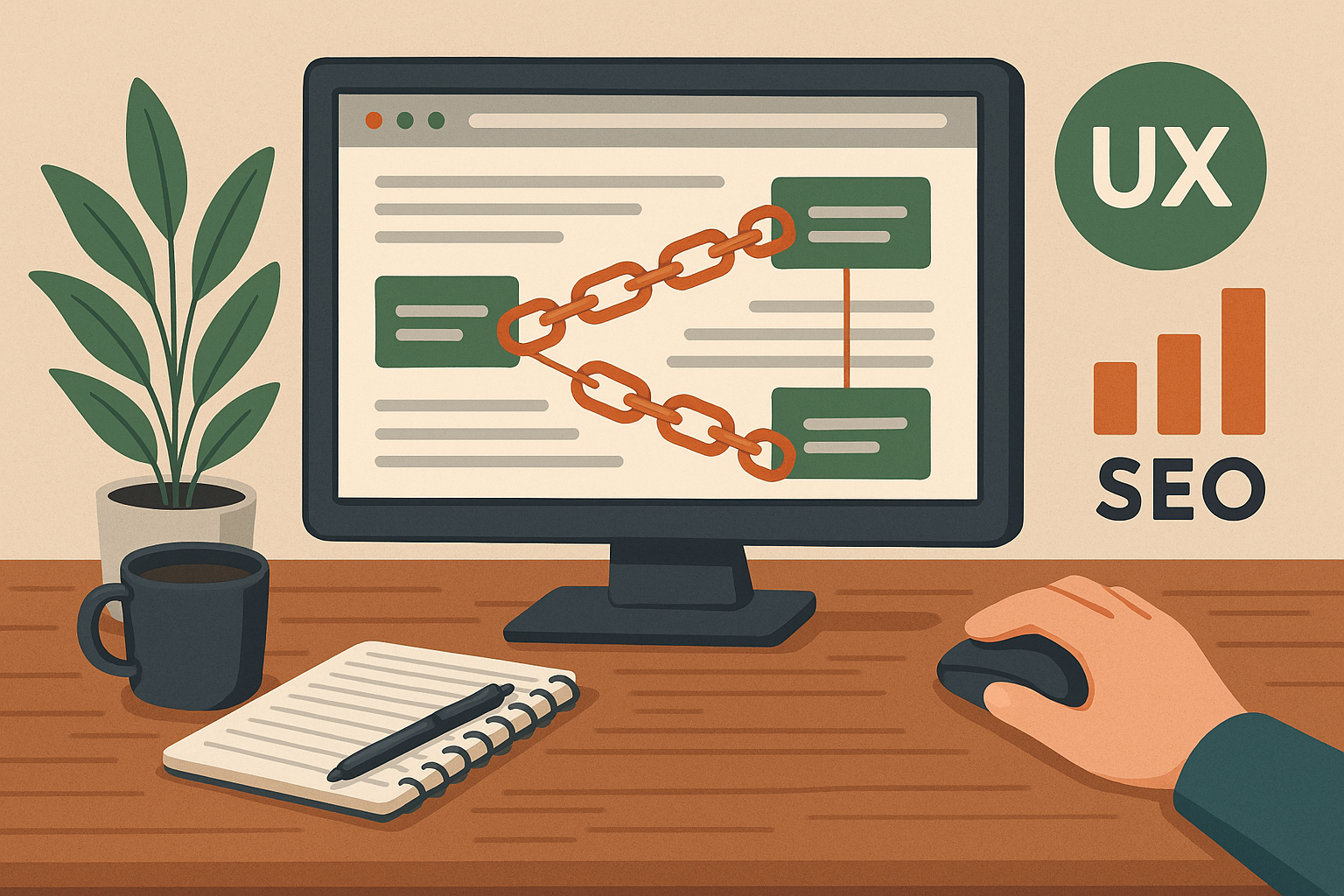
In search engine optimisation (SEO), mastering an internal linking strategy is a crucial factor in driving both organic traffic and improving your website’s performance. At its core, internal linking involves connecting various pages on your website through hyperlinks, which helps search engines crawl and index your content effectively.
An effective internal linking strategy is not just about linking pages arbitrarily. It’s about strategically placing links that enhance the user experience and guide both search engines and visitors to relevant content. This guide will explore best practices, how internal linking influences SEO, and the key steps you should follow to craft a successful internal linking plan for your website.
What Is an Internal Linking Strategy?An internal linking strategy is a plan that outlines how you’ll connect the pages within your website. Unlike external links, which direct traffic to other domains, internal links point to other pages within your domain. When executed correctly, internal linking not only boosts your SEO but also helps visitors find related content easily.By following a well-structured strategy, you ensure that all the pages on your site are accessible to search engines. Additionally, you can guide users through the content on your site, leading them to relevant pages that keep them engaged longer. |
Why Is Internal Linking Crucial for SEO?
Internal linking plays a significant role in improving your website’s visibility in search engine results pages (SERPs). Here’s how:
Improved Crawlability and Indexing
Search engines use crawlers to index your content, and internal linking and SEO work hand in hand to ensure that your website is fully indexed. When pages are linked internally, crawlers can easily discover and index them, allowing you to rank for a broader range of keywords.
Distribution of Link Equity
Internal links distribute link equity (also known as “link juice”) across your website. This means that the authority gained from backlinks pointing to one page can be passed on to other pages within your site, increasing their ability to rank higher.
Enhanced User Experience
A good internal linking strategy isn’t just about SEO; it’s also about user experience. By guiding users to related content, internal links encourage them to explore more of your site, increasing the time they spend on your pages and reducing bounce rates.
Internal Linking Best Practices
To make the most of your internal linking strategy, here are several best practices you should follow.

Use Descriptive Anchor Text
Anchor text is the clickable text in a hyperlink. For SEO purposes, it’s essential to use descriptive anchor text that clearly indicates the content of the linked page. Avoid generic phrases like “click here,” and instead, use keyword-rich anchor text to help both users and search engines understand the destination page’s relevance.
For example, if you’re linking to a page about SEO audits, use anchor text like “SEO audit services” rather than just “services.” This not only improves internal linking and SEO but also enhances the clarity for your readers.
Link to and from Content-Rich Pages
Pages that are rich in content, such as blog posts or cornerstone articles, should serve as hubs for internal linking. These pages often generate high traffic and can distribute link equity to other important pages on your site. In turn, you should link from these content-heavy pages to other relevant pages within your website to maximise the SEO benefit.
Use a Logical Linking Structure
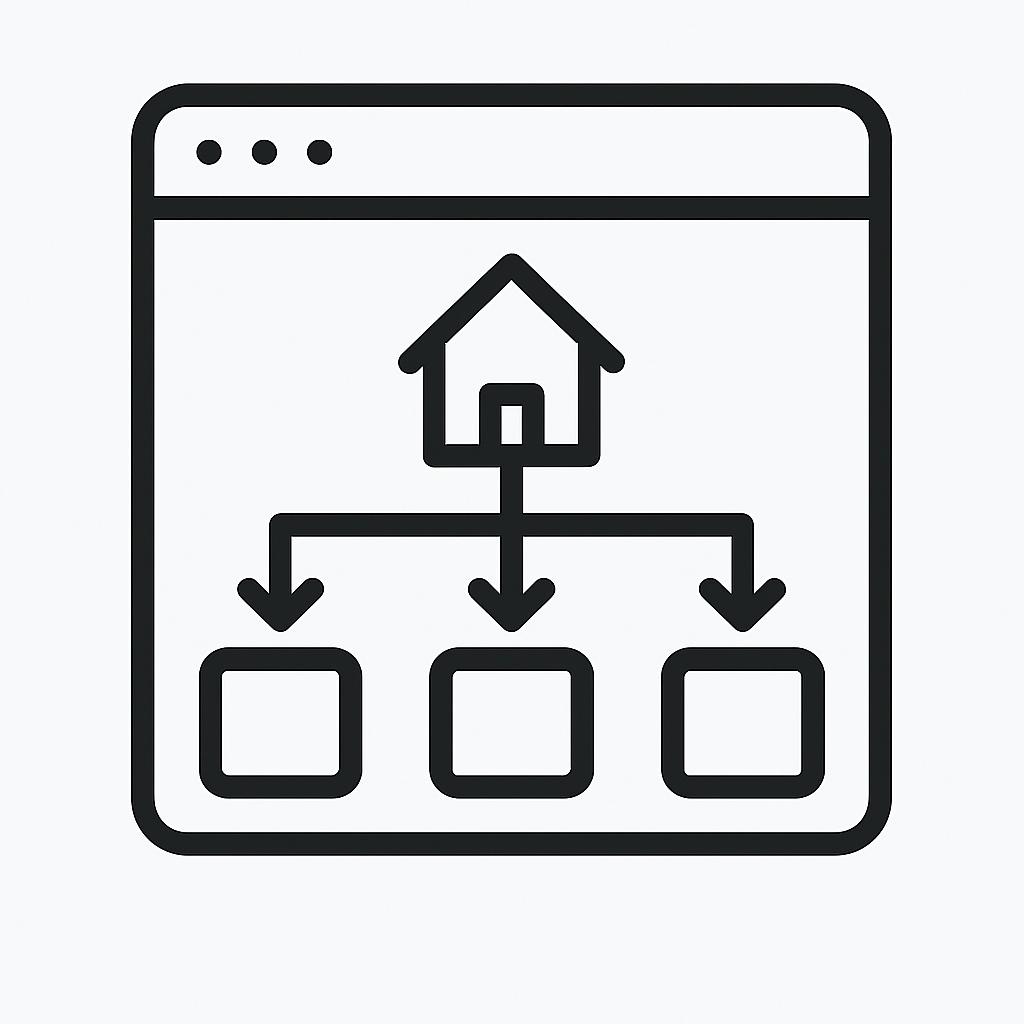
Your internal linking structure should reflect your site’s hierarchy. The homepage typically has the most authority, and linking from here to other important pages, like category or service pages, helps transfer that authority throughout the site.
Avoid Over-Optimising Anchor Text
While it’s important to use descriptive anchor text, over-optimising it can lead to penalties from search engines. Google’s algorithm looks for natural and varied link structures, so avoid excessive use of exact-match keywords in your anchor text. Instead, focus on diversity and relevance.

Add Internal Links to Older Content
Over time, older blog posts or pages may accumulate valuable link equity. By regularly updating these posts and adding internal links to newer content, you not only improve their SEO but also ensure they remain relevant. Internal linking is a powerful tool for keeping older content alive and engaging.
Ready to boost your website’s SEO with effective internal linking? Explore how our expert Search Engine Optimisation services can help improve your rankings and drive more traffic.
How to Build an Effective Internal Linking Strategy
Start with a Site Audit
Before implementing any internal linking, conduct a thorough audit of your website’s existing content. Identify which pages are the most important and which ones could benefit from additional internal links. Tools like Screaming Frog or Google Search Console can help you track your site’s structure and identify linking opportunities.
Focus on Key Pages
While every page on your site should be linked to others, focus on boosting the SEO of your key pages. These might include your homepage, service pages, and cornerstone content. Make sure these pages are well-connected with other relevant content to ensure they get the link equity they deserve.
Prioritise User Experience
At the end of the day, the best internal linking strategy is one that puts the user experience first. Links should feel natural and enhance the user’s journey through your site. Don’t place links where they don’t add value, and avoid overcrowding your pages with too many links.
Monitor and Update Your Links
Your internal linking strategy is not a one-time task. As your site grows and you add more content, you should regularly revisit your internal links to ensure they remain relevant and effective. Use tools like Google Search Console to monitor how your internal links are performing and where you can improve.
To make sure your strategy is optimised for both search engines and users, it’s essential to integrate strong technical SEO practices. Learn more about improving your website’s technical foundation with our Technical SEO services.
Common Mistakes to Avoid in Internal Linking
Too Many Links on a Page
Although internal linking is important, adding too many links can overwhelm your users and dilute the link equity passed from each one. Keep the number of internal links on each page reasonable and focus on quality over quantity.
Ignoring Mobile Optimisation
With the rise of mobile browsing, it’s crucial to ensure that your internal links work seamlessly across all devices. Ensure that your links are easy to click on mobile screens, and the user experience remains fluid.
Linking to Irrelevant Content
Internal links should only point to relevant pages. If you link to unrelated content, you risk confusing your users and search engines alike. Always ensure that your internal links serve the user’s needs and improve the content’s context.
The Role of Internal Linking in Content StrategyYour internal linking strategy should work in harmony with your content marketing efforts. As you create more content, think about how each piece fits into your overall SEO and internal linking plan. By planning your content with internal linking in mind, you ensure that each new post contributes to the larger SEO strategy. While internal linking best practices should focus on SEO and user experience, don’t forget to guide users to conversion-focused pages. Whether it’s a contact page, service offering, or product page, your internal links should help guide users to take the next step in their journey. To truly maximise the power of your internal linking strategy, ensure it’s aligned with your content marketing efforts. If you need expert guidance on crafting content that drives results, explore our comprehensive Content Marketing services. |
Advanced Internal Linking Strategies
Use “Siloing” for Content Organisation
One of the most advanced strategies is siloing your content. This involves grouping related pages together and linking them in a way that reflects their relationship to one another. By structuring your content into well-defined topics or silos, you help search engines better understand the context of your content and improve your rankings for topic-specific searches.
Create Pillar Pages for Major Topics
A pillar page is a comprehensive, authoritative resource on a broad topic. This page acts as the central hub of related content, with internal links leading to more specific articles on subtopics. This method not only strengthens your internal linking strategy but also helps to establish authority on key subjects.
Implement Breadcrumb Navigation
Breadcrumbs are a type of secondary navigation system that shows the user’s path from the homepage to the current page. Not only do breadcrumbs enhance the user experience, but they also create additional internal links that improve SEO by establishing content hierarchy and relevancy.
Creating a Winning Internal Linking Strategy
An effective internal linking strategy can significantly boost your website’s SEO performance while enhancing user engagement. By following the best practices outlined in this guide, you can create a robust internal linking system that supports both your SEO goals and user experience.
Remember, the key to successful internal linking is to make it natural, user-focused, and strategically placed. As your website grows, continue to audit and optimise your links to maintain a strong internal linking structure that supports long-term success.