
Ensuring that indexing your site is done correctly is crucial for visibility in search engines and driving organic traffic. Without proper indexing, your web pages won’t be considered for search results, which can severely limit your audience reach. This guide explains how indexing a site works, best practices to improve crawlability, and strategies to monitor your content’s presence on Google.
What Does Website Indexing Mean?Website indexing is the process search engines use to discover, analyse, and store your web pages in their databases. When a page is indexed, it becomes eligible to appear in search results. If your pages aren’t indexed, users searching for relevant topics won’t be able to find your site.Think of indexing like adding a book to a library: search engines “shelve” your pages, and when someone searches for related content, they can find it. Without this step, your pages effectively remain invisible online. |
How to Check If Your Page Is Indexed by Google
To know whether a page is indexed by Google, you have several tools at your disposal:
- Google Search Console URL Inspection Tool: Enter the URL of the page to see if it’s indexed, view crawl errors, and request indexing if needed.
- Site Search Operator: Type site:yourdomain.com in Google to see a list of pages currently indexed.
Regularly checking which pages have been indexed by Google ensures your content is discoverable and helps identify any indexing issues early.
For expert support in improving your website’s visibility and performance, explore our full range of Search Engine Optimisation services.
Best Practices for Indexing Your Site Quickly
Properly indexing your site is not just about submitting URLs – it requires a combination of strategies:
Submit an XML Sitemap
An XML sitemap lists all your site’s pages, helping search engines discover your content efficiently. Submit your sitemap via Google Search Console and keep it updated whenever new pages are added.
Optimise Content Quality
High-quality, unique content encourages search engines to index your pages. Focus on providing in-depth, user-focused information that answers queries effectively.
Use Internal Links Strategically
Linking between relevant pages helps crawlers understand your site’s structure. Aim for descriptive anchor text and ensure important pages receive multiple internal links.
Improve Page Load Speed and Mobile Optimisation
Search engines prioritise mobile-friendly, fast-loading websites. Use responsive design, optimise images, and minimise unnecessary scripts to ensure smooth performance.
Fix Broken Links and Reduce Redirects
Broken links and redirect chains hinder crawlers. Regularly audit your site to remove errors and streamline navigation.
Remove Duplicate Content and Noindex Tags
Duplicate content confuses search engines, and Noindex tags prevent pages from appearing in search results. Review your site to remove these obstacles.
Technical SEO Considerations for Effective Indexing
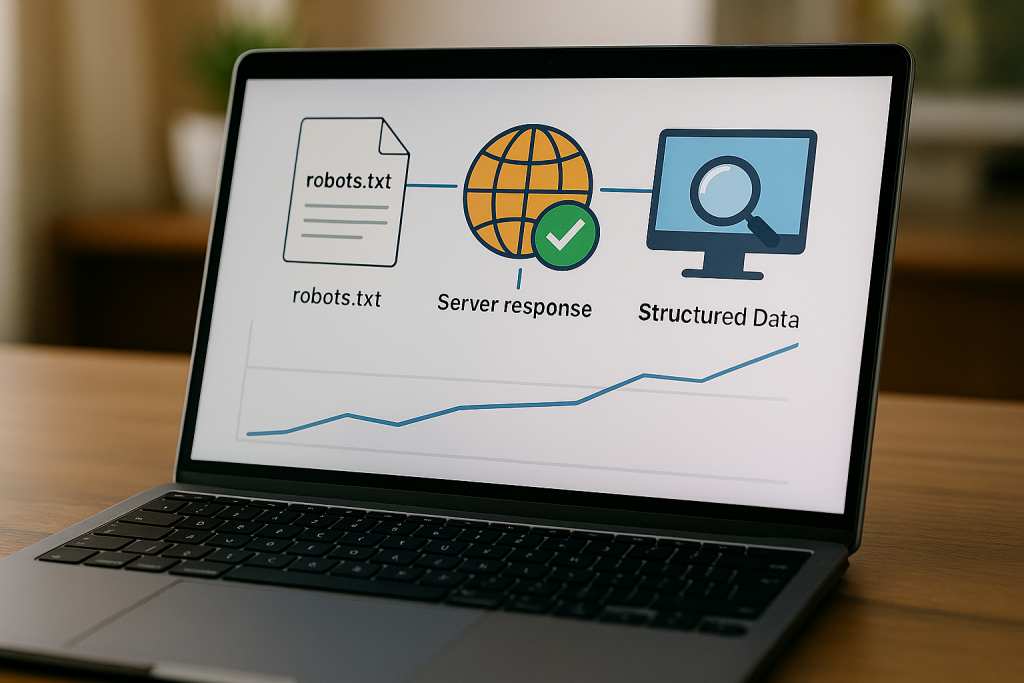
Technical SEO plays a vital role in ensuring search engines can crawl and index your site efficiently. Start by checking your robots.txt file configuration to make sure crawlers aren’t blocked from important pages. Additionally, monitor your server performance, as slow response times can prevent complete crawling; ideally, aim for a response time under 300 milliseconds to allow search engines to access all your pages without issues.
Beyond these basics, implementing structured data with schema markup helps Google better understand the context of your content, which can improve how your pages are represented in search results. By addressing these technical elements, you strengthen your website’s foundation for indexing your site thoroughly and improving overall visibility.
Boost your site’s crawlability and fix technical issues efficiently by exploring our specialised Technical SEO services.
How Content Quality and Internal Linking Boost Indexing
High-quality content paired with a robust internal linking structure increases your site’s discoverability:
- Avoid Thin or Low-Value Pages: Pages with little content or duplicated text may not be indexed.
- Strategic Internal Linking: Connect related pages to show hierarchy and importance to crawlers.
By focusing on valuable content and proper linking, you improve the likelihood that more pages are indexed by Google and ranked effectively.
Enhance your content strategy and internal linking for better visibility with our expert Content Marketing services.
Advanced Strategies to Expedite Indexing
If you want to speed up indexing your site, there are several advanced strategies you can implement to make your pages more discoverable and ensure they appear in search results as quickly as possible.
Request individual URL indexing
Use Google Search Console’s URL Inspection Tool to request indexing for new or updated pages. This ensures your site’s indexing occurs faster, especially for important landing pages or blog posts.
Leverage high-quality backlinks
Acquiring backlinks from reputable websites signals authority to search engines, which can accelerate how quickly your pages get indexed.
Use social signals to boost visibility
Sharing your content on social media platforms generates traffic and engagement, showing search engines that your pages are active and relevant, which can help speed up website indexing.
Monitor crawl and index reports
Regularly check Google Search Console coverage reports for errors or issues preventing pages from being indexed. Address problems like broken links, duplicate content, or crawl errors promptly to maintain smooth indexing performance.
Keep content fresh and updated
Search engines prioritise new and regularly updated content. Updating existing pages with valuable information encourages Google to crawl and index your pages more frequently.
Monitor and Maintain Your Site’s Indexing Status
Consistently monitoring and maintaining your website’s indexing status is essential for long-term visibility in search results. By tracking which pages are indexed, keeping an eye on crawl errors and site performance, and conducting regular audits to address issues like duplicate content, broken links, or outdated sitemaps, you ensure that indexing your site remains efficient.
These ongoing efforts help keep your content accessible, relevant, and competitive, maximising the chances that users will find your pages in search engines.