A Google algorithm update can quickly disrupt your rankings, traffic, and leads. In this guide, you’ll learn what these updates mean, how to spot the pages and queries affected, and how to recover without wasting time on fixes that will not move the needle.
What a Google Algorithm Update Means
A Google algorithm update is a change to the systems Google uses to assess and rank pages in search results. Some updates are minor and easy to miss. Others, especially broad core updates, can shift visibility across entire industries.
That does not always mean your site is broken. More often, it means Google has reassessed which pages best match search intent, usefulness, trust, and overall quality. If rankings fall, the answer is not to panic and rewrite everything overnight. The priority is to understand what changed, where the impact sits, and what is genuinely worth fixing.
How Often Does Google Update Its Algorithm
Google makes changes to Search regularly, and notable core updates happen several times a year. There is no fixed schedule, so waiting for an update before reviewing your SEO is not a strong long-term plan.
If you want to confirm whether a rollout is live or has recently finished, check the Google Search Status Dashboard. It gives you a clearer starting point before you decide whether your drop is tied to a Google algorithm update or something else entirely.
If you need a team to analyse the data for you, get in touch with Seek Marketing Partners. We can help you work out what changed, what matters, and the next steps.
Learn How to Spot Update Damage
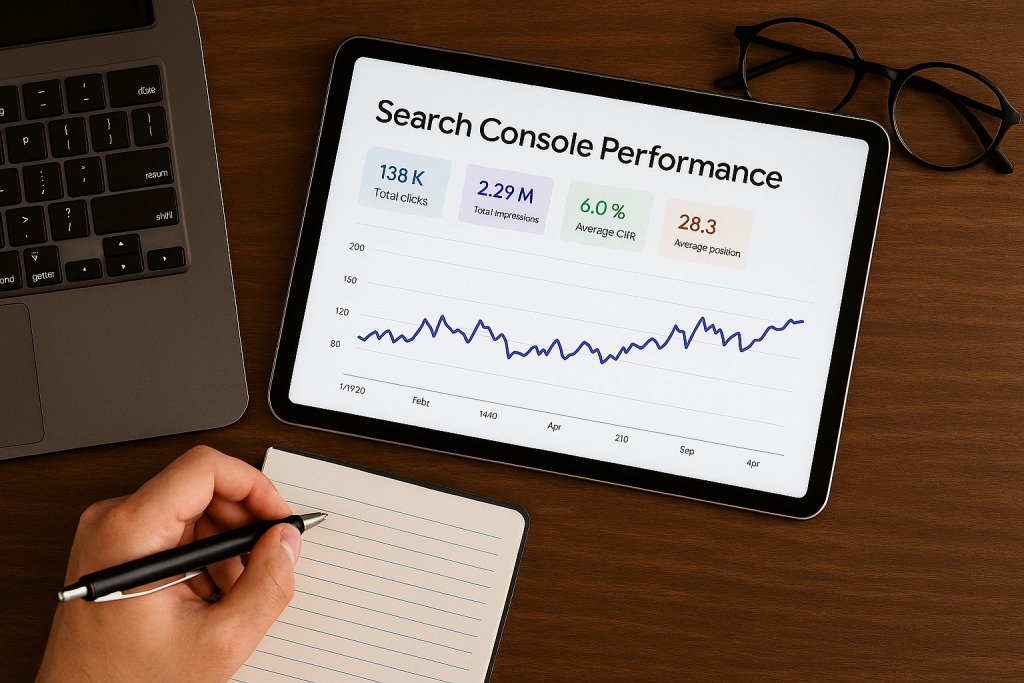
Avoid diagnosing performance during an active rollout. Google recommends waiting until the update has finished, then comparing the right date ranges in Search Console. That gives you a much clearer picture of what actually moved.
Here are the main signals to check first.
1. Check Search Console performance
Compare clicks, impressions, average position, and CTR before and after the update. A sharp drop across key pages or groups of queries is usually the clearest sign that your visibility has shifted.
2. Find the queries that dropped
Look at the search terms that fell. If previously strong queries have slipped, your pages may no longer match intent as well as they used to. It can also mean competitors are now answering the search more clearly.
3. See which pages lost ground
Review the pages report in Performance to see which URLs lost clicks or impressions. That shows you where to focus first, rather than spreading effort across the whole site.
4. Watch for CTR dips
If impressions are steady but clicks are down, your rankings may have slipped slightly, your snippet may be less compelling, or the results page may be more competitive. If CTR is part of the problem, our guide to improving click-through rate is a useful next read.
5. Check indexing and crawl issues
If the issue looks wider than rankings alone, check the Page indexing report and inspect affected URLs. Excluded, redirected, canonicalised, or noindexed pages can reduce visibility quickly when they sit on important templates.
6. Compare organic traffic in Analytics
Use Analytics alongside Search Console to confirm whether the problem is limited to organic search or part of a bigger pattern. Sometimes the real issue is seasonality, tracking noise, or a broader demand shift rather than the Google algorithm update itself.
| Hit by a Google algorithm update? Seek Marketing Partners can identify what changed, what it is costing you, and what to fix first. |
How to Recover Rankings After an Update
There is no single trick that reverses a core update. Google’s own guidance is clear: a drop does not always mean something is fundamentally wrong, and quick-fix SEO changes are not the answer. Recovery usually comes from stronger content, better alignment with intent, and a cleaner technical experience.
Pinpoint what actually dropped
Start with the pages, query groups, devices, and search types that lost the most visibility. A site-wide rewrite is rarely necessary. Prioritise the URLs tied to leads, enquiries, and revenue first.
Review the live search results
Search your main terms and look closely at what now ranks above you. Are competing pages fresher, more specific, easier to scan, or better aligned to what the searcher wants? This step helps you spot the real gap instead of guessing.
Strengthen weak content first
Google wants content that is helpful, reliable, and built for people first. In practice, that means tighter introductions, clearer answers, stronger structure, better evidence, and more original value.
A good recovery pass usually includes:
- removing filler and repetition
- updating outdated information
- improving headings so the page is easier to scan
- adding stronger examples, proof, or insight
- tightening internal links to related pages
- improving visuals where they help explain the topic
If a page feels vague, thin, or too similar to everything else already ranking, it needs more than keyword edits. It needs a clearer value proposition for the user.
If you need support with that side of the work, our content marketing services help businesses strengthen the pages that matter most.
Fix technical issues holding pages back
Even strong content can struggle if the page is hard to crawl, slow to load, or sending mixed signals. Review the basics properly:
- noindex or canonical issues on important pages
- broken internal links
- mobile usability problems
- slow-loading templates
- thin or duplicated page versions
- crawlability issues in Search Console
Google also recommends looking at overall page experience, not just one isolated metric. Strong Core Web Vitals, mobile usability, and clean page structure all help support better performance over time.
Consolidate overlap and sharpen relevance
If several pages on your site target the same topic, they may be competing with each other. In those cases, merging, redirecting, or refocusing pages can make the stronger version more useful and easier for Google to understand.
This is also the time to sharpen relevance. Make sure the page clearly matches the intent behind the search, not just the wording of the keyword.
Monitor results and keep improving
Recovery is rarely instant. Some improvements can show up within days, while others take longer to appear in search results. That is why steady monitoring matters.
Track affected pages weekly, watch for movement in impressions and clicks, and keep a record of the changes you make. If nothing improves after a meaningful round of updates, it may take more time or even another core update before stronger signals are recognised.

How Seek Marketing Partners Can HelpIf the drop is affecting leads, revenue, or high-value commercial pages, you do not want a vague recovery plan. You want to know which pages slipped, why they slipped, and what is actually worth fixing. That is where Seek Marketing Partners comes in. We use analytics, Search Console data, and specialised content strategy to diagnose ranking losses properly, then build a recovery plan based on evidence rather than guesswork. |
Final Thoughts: Your Next Steps After an Update
A Google algorithm update is disruptive when you do not know what changed. Once you confirm the rollout, isolate the affected pages, and focus on content quality, search intent, and technical health, the path forward becomes much clearer.
The key is not to react harder. It is to react smarter. If you want straight answers on what is holding your site back, Seek Marketing Partners can help you find them and fix them.