Many SEO guides cover the basics like submitting a sitemap, thinking about search intent, using keywords, adding infographics, and writing enriched meta descriptions, but startups need deeper insights beyond “table-stakes” tips. In 2026, SEO isn’t just about optimising for Google; it’s about being discoverable wherever your audience seeks answers. This non-obvious SEO advice can give startups and small businesses a competitive edge.
Experts’ SEO Advice to Maintain Visibility Online
1. Optimise for Search Everywhere, Not Just Google
Search habits are shifting. People search via TikTok, YouTube, AI chatbots, forums, and more – not only Google. As Shelley Walsh notes, one expert slogan is “search everywhere optimisation,” reflecting the need to appear on any platform your audience uses.
2026 SEO means creating content that algorithms can easily index and serve in any context. In practice, that means publishing content and profiles on multiple channels and engaging in niche communities – not relying solely on Google rankings.
2. Prepare for AI & Voice Search Integration
Voice assistants and AI search are booming. In 2025, roughly 20.5% of people globally use voice search, with over 8.4 billion voice-enabled devices in use. Startups should optimise content to be found by digital assistants (think smart speakers and chatbots). This includes using natural language keywords, focusing on question-and-answer content, and ensuring pages load fast for voice queries.
Essentially, make sure your answers to common questions are structured so Siri, Alexa, or ChatGPT can extract and present them. Ignoring AI search would be a missed opportunity – one expert reminds us that SEO isn’t dead just because LLMs exist; Google remains a dominant discovery channel alongside emerging AI tools.
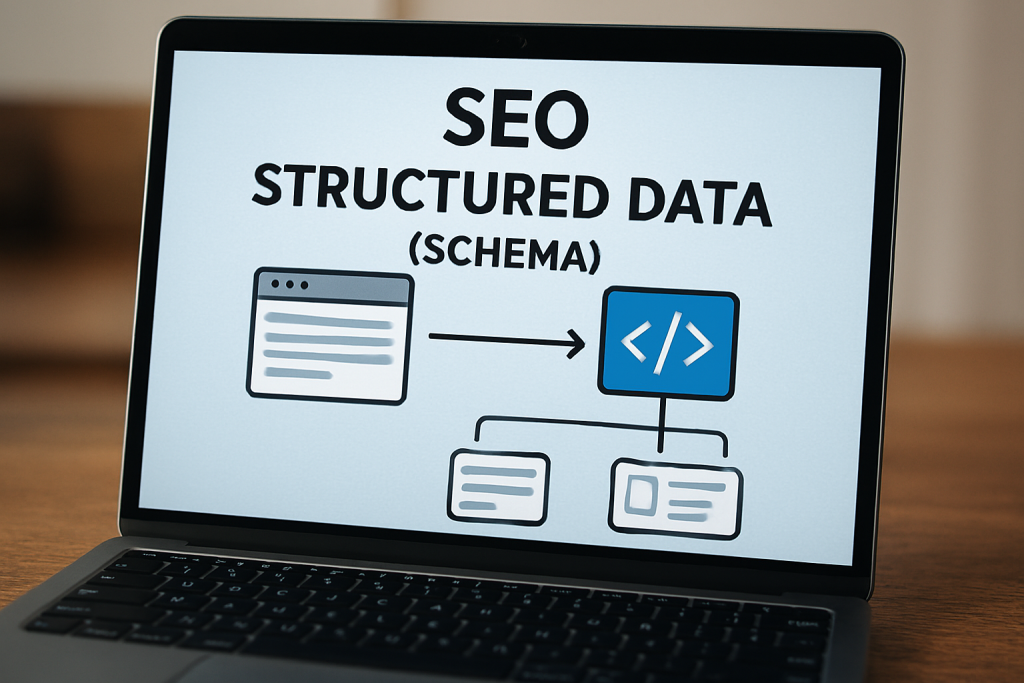
3. Leverage Structured Data (Schema) Everywhere
Structured data is no longer optional. Google and other AI systems rely on schema to understand content context and generate rich results. Using JSON-LD markup for products, articles, events, and other entities can earn your startup a place in featured snippets, knowledge panels, and AI overviews.
According to Search Engine Land, structured data is an “essential part” of SEO strategy in 2025. In short, add relevant schema tags to highlight critical information like product specs, pricing, author details, FAQs, etc., so that AI “agents” and search engines can pull your content into voice answers and rich cards.
4. Solve Your Target Users’ Real Problems
Skip generic how-to guides. Instead, build content around the specific problems your audience is actually facing. As one startup SEO lead explains, “small SEO wins” come from content that solves real user problems. For example, publish tutorials, troubleshooting guides, or integration tips that address niche issues (e.g., “how to integrate our tool with X” or “best workflow using Y and our product”). Such problem-focused pages naturally rank for long-tail queries and help convert users.
In fact, content meant for user help often becomes high-intent SEO collateral without being written for Google. Talk to your users, find their pain points, and create thorough answers – it’s both good UX and good SEO.
5. Target Low-Volume, High-Intent Keywords
Rather than fighting for broad keywords, lock down many narrow, low-competition terms. Early-stage companies benefit by ranking for dozens of niche queries (each with small search volume) rather than none of the big ones. For example, a tutorial for “analytics for Electron apps” that has 30 searches per month might only bring ~2,000 visitors a year, but 100 such pages means hundreds of thousands of targeted visitors.
Use simple tools to identify long-tail questions, then answer them deeply. Over time, this builds your domain authority and paves the way for more competitive terms.
6. Employ Defensive SEO Tactics
Protect your niche by preemptively owning important topics. Write comparison and integration articles for your product or industry so competitors can’t easily rank there first. Examples include “YourProduct vs [Competitor]” or “How to connect YourProduct with PopularTool.” These pages serve as both user guides and sales collateral.
They are high-intent (the reader is already considering solutions), and even if they don’t buy immediately, they spread awareness. As one startup marketer advises, do this early, so competitors don’t swoop in first. Focus on how your solution is different, not just claiming superiority. Over time, these strategic pages can become some of your most valuable organic entry points.
7. Focus on Quality and Authority, Not Quantity
With AI-generated content flooding the web, authentic expertise and trustworthiness matter more than sheer output. Emphasise authoritativeness (experience or E-E-A-T): get industry mentions and reviews, and produce genuinely expert content. Don’t over-invest in endless thin blog posts. Instead, craft in-depth resources that only a real subject-matter expert could create. These will earn citations and user trust, which AI systems tend to favour when compiling answers.
Expert Tip: Focus on the quality and conversion potential of content over the quantity, because bulk content can hurt your SEO over time.
8. Measure Impact and Continuously Adapt
Align SEO metrics to real business goals. Don’t get lost chasing vanity metrics; focus on what drives revenue from organic traffic. Regularly review which keywords and content formats truly convert. Embed learning into your workflow: use first-party data and analytics to prioritise topics that engage your audience.
This may mean tweaking strategies often as both the market and search algorithms evolve. In short, stay agile: audit your site’s technical health and content structure, keep improving what works, and don’t cling to outdated tactics.
9. Leverage Niche Channels and Community Presence
Finally, build visibility where your audience is, beyond search engines. Engage in industry forums, social networks, and Q&A sites.
Be active on relevant Subreddits, Quora threads, LinkedIn groups, or even Discord communities. Participating in these channels isn’t about keyword-optimising a page, but about shaping brand authority and earning backlinks or mentions.
These signals help AI and search systems “trust” your brand. In practice, this means sharing knowledge freely (and citing your site as a resource), so that when AI chatbots synthesise answers, they cite you.
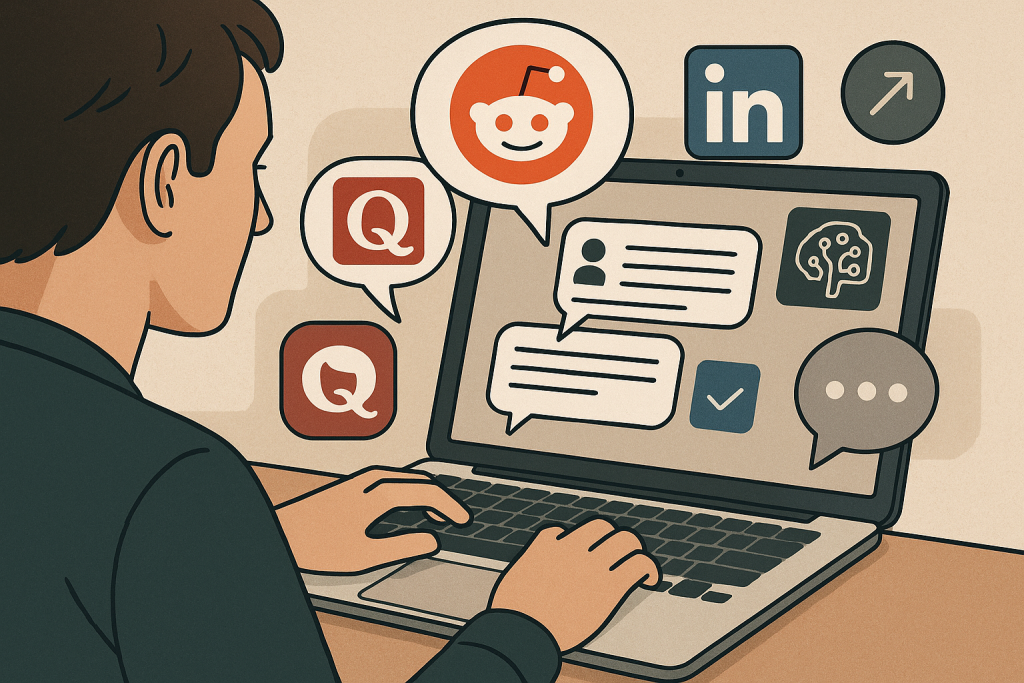
Note: Visibility in 2026 comes from “being mentioned in the right places” – authoritative publications, review sites, and community discussions.
The Bottom Line
Startups implementing these SEO optimisation tips can gain a competitive edge in 2026. Seek Marketing Partners specialises in global SEO services, helping small businesses and startups improve visibility.
For personalised guidance on these strategies, check our services or contact our SEO consultants for expert advice.