
If your customers use Google or Bing to find products or solutions like yours, then yes – SEO is worth it. A well-crafted SEO strategy (organic optimisation plus targeted paid search) can deliver steady traffic, leads and sales for multi-brand businesses. At Seek Marketing Partners, we take a data-led approach to SEO that’s “built to grow your business” – increasing traffic, leads and revenue.
In this post, we’ll explain how organic and paid SEO work, the benefits of each, and how they can combine to give you a strong ROI.
Organic vs. Paid SEO Services
SEO services come in two flavours. Organic SEO (natural optimisation) means improving your site’s content, structure and authority so it ranks higher in unpaid search results. This involves keyword research, content creation, technical fixes and link-building. It can take several months to see big gains, but once your site ranks well, it earns traffic at no cost-per-click.
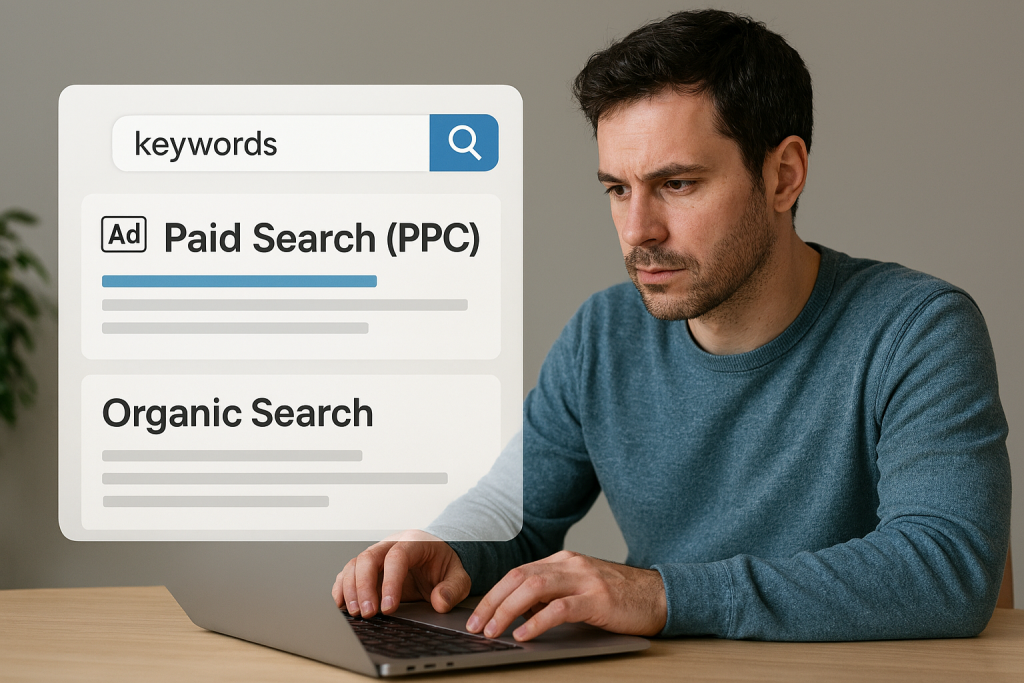
Paid search (PPC), by contrast, involves buying ads on search engines. It gives you instant visibility for chosen keywords, but you pay for every click. For example, PPC ads appear above organic listings and drive immediate visitors, whereas organic SEO takes time but has no click fees.
In practice, most successful campaigns use both. Search engine marketing (SEM), the combination of SEO and PPC, captures more opportunities. As one study reports, businesses that typically spend around 10% of their marketing budget on SEO recognise that organic search drives much of their traffic.
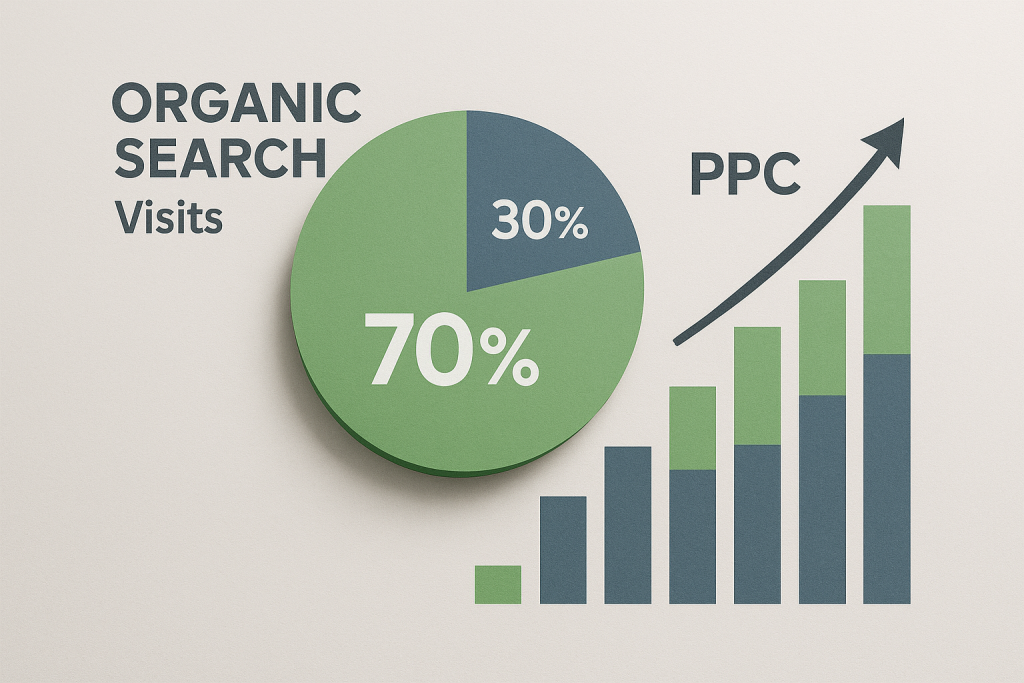
In fact, organic search often delivers over half of website visits because 70% of users prefer “natural” results. PPC can fill in the gaps for competitive keywords or short-term promotions, while organic SEO builds a sustainable foundation for growth.
4 Key Benefits of SEO Services
1. Increased Visibility & Brand Awareness
Ranking higher in search results puts your brand in front of new prospects. Top-ranking pages typically attract a much larger share of attention than lower positions, so reaching page one significantly improves visibility. SEO also allows you to target informational or “top-of-funnel” queries, for example, publishing blog content about industry topics.
This builds brand awareness without paying for every click and helps establish trust in your expertise.
2. Qualified Traffic
SEO attracts people who are actively searching for what you offer. By focusing on relevant keywords and long-tail phrases, you draw higher-quality leads – users closer to making a decision. Search engine optimisation “attracts qualified traffic” by matching content to user intent.
In short, SEO meets your target audience where they are searching, rather than casting a wide net at random.
3. Long-Term ROI & Cost Efficiency
Unlike ads, SEO content works over and over. A blog post or service page can rank for months or years, generating free visits long after it’s written. This compounding effect means leads from SEO often cost far less than paid leads. One analysis found companies engaging in SEO saved ~400% on equivalent ad spend while maintaining the same traffic.
In other words, every pound invested in SEO can yield a much higher return over time than the same pound spent on PPC.
4. Better User Experience
Good SEO demands a solid website. Google now prioritises mobile-friendly, fast-loading pages, so optimising for SEO automatically makes your site more user-friendly. A well-optimised site keeps visitors engaged (lower bounce rates) and makes it easier for them to convert.
In effect, SEO is about giving users the experience they want – something Google rewards with higher rankings.
Measuring ROI: When Will You See Results?
SEO is not an instant fix, but it is measurable. Search engine ads (PPC) give immediate data (cost-per-click and conversions), whereas organic SEO ROI needs attribution via analytics. Still, many businesses find that after the initial ramp-up, organic channels outperform paid ones.
Many organisations continue to invest in SEO as a core part of their marketing mix, reflecting confidence in its long-term impact. With the right analytics and attribution in place, businesses can connect organic search traffic to leads and sales, making SEO’s value measurable over time.
That said, be prepared to wait: SEO often takes 6-12 months to show significant impact. It takes time for Google to index and rank new pages, and to outrank established competitors. But once you reach a steady rank, the traffic tends to keep coming. Think of SEO as a marathon, not a sprint. Over the long run, consistent SEO effort typically delivers a higher ROI than one-off campaigns.
Are SEO Companies Worth It?
For most mid-sized or larger businesses, hiring an SEO agency is worth it – provided you choose the right partner. Cheap “quick fix” services usually disappoint; for example, organisations spending under $500/month on SEO are far more likely to be unhappy with the results. Instead, look for expertise and a clear strategy. As one source bluntly states, “So, are SEO companies worth it? Yes, if you go for quality.”
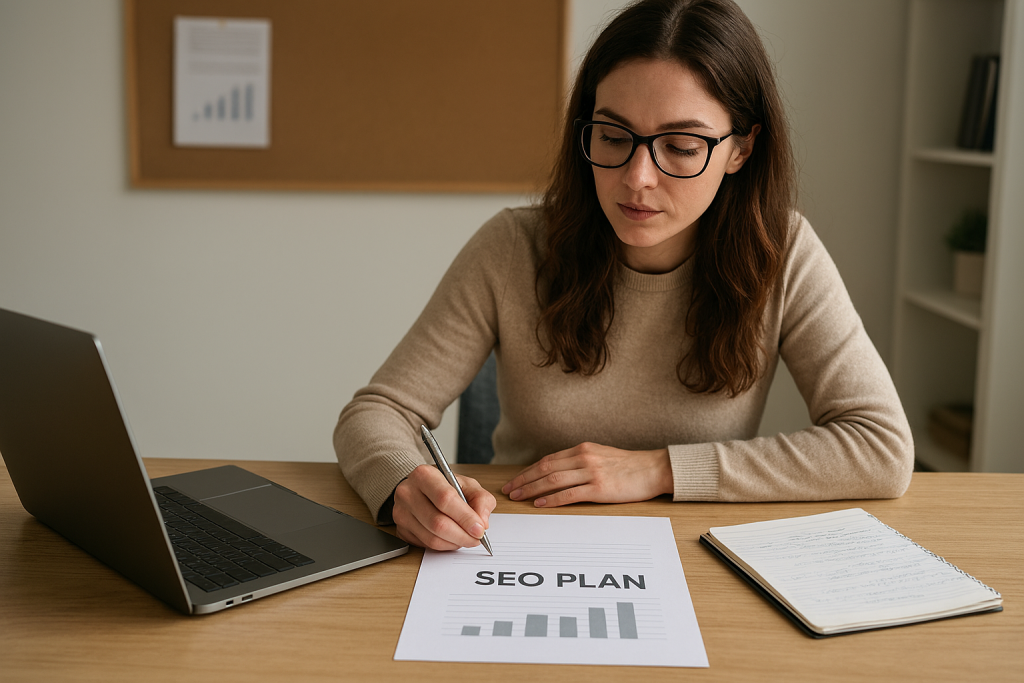
At Seek Marketing Partners, we focus on quality from day one. We start with a thorough audit and audience research to ensure our efforts target what your customers really need. We then create technical and content strategies to drive results for your specific goals. The result is an SEO plan that converts traffic into sales – exactly what our data-led process promises.
Ready to See How SEO and Paid Search Can Work for Your Organisation?
Get in touch to book a consultation with our experts today. We’ll show you how a tailored SEO strategy can boost your visibility and ROI. For now, remember this: SEO services are worth it when done right. With a strong strategy and the right agency, organic and paid search will become reliable channels for growth.