Category: SEO

  • 8 Effective Ways on How to Improve SEO & Digital Presence

    8 Effective Ways on How to Improve SEO & Digital Presence

    If your website isn’t ranking high on search engine results pages (SERPs), you lose valuable traffic, leads, and potential revenue.

    So, how do you improve your search engine position and make your business stand out?

    A well-executed SEO plan helps you outperform competitors, attract the right audience, and achieve steady business growth. Whether you’re an SME looking to boost organic traffic or a business owner eager to enhance your online presence, this guide offers eight tried-and-tested strategies to improve your SEO performance. 

    Let’s explore the most effective ways to improve your search engine position and build a more substantial digital presence.

    Three colleagues smiling and working together at a laptop with pie charts on the wall.

    8 Best Techniques on How to Improve SEO Successfully

    1. Conduct Thorough Keyword Research

    Keywords are the foundation of SEO. Your potential customers won’t find you if you’re not targeting the correct search terms. The right keywords help attract relevant traffic that converts into paying customers.

    By optimising your content for strategic keywords, you increase your chances of ranking higher on search engines.

    • Use tools like Google Keyword Planner, Ahrefs, or SEMrush to identify high-traffic, low-competition keywords.
    • Prioritise long-tail keywords that match user intent (e.g., “how to improve SEO for e-commerce” instead of “SEO tips“).
    • Research competitors to identify keyword gaps and take advantage of untapped opportunities.
    • Incorporate semantic keywords and related terms to create a more comprehensive content strategy.
    • Balance search volume and competition level to focus on the most effective keywords.
    • Consider local SEO if you run a brick-and-mortar business, using location-based keywords.
    • Use keyword clustering to rank for multiple related terms within a single piece of content.
    Two people at a desk reviewing charts on laptop and phone while taking notes.

    Here’s an example: A local bakery aiming to improve search engine optimisation should focus on keywords like “best gluten-free bakery in [city]” instead of just “bakery,” ensuring it attracts relevant customers looking for specific products.

    2. Update and Optimise Existing Content

    Search engines prioritise websites that consistently provide fresh, relevant content, as it signals activity and ongoing value. Regularly updating old content can lead to higher rankings, increased visibility, and improved user engagement.

    Outdated content loses value over time, making it less effective at attracting and retaining users. By refreshing existing content with new insights, updated data, and better optimisation, businesses can maintain strong search rankings and provide a better user experience.

    • Refresh outdated blog posts with current information, case studies, and statistics.
    • Enhance content quality by filling in gaps or adding new insights.
    • Ensure keyword optimisation aligns with current search trends.
    • Improve readability by restructuring long paragraphs and adding bullet points.
    • Include new internal links to keep users engaged and distribute page authority.
    • Add new images, infographics, or videos to improve engagement.
    • Optimise content for featured snippets by answering common search queries concisely.
    • Track performance metrics using Google Analytics to identify pages needing updates.

    Here’s an example: A digital marketing agency updating a 2020 SEO trends article to reflect 2025 best practices ensures it remains relevant, maintains rankings, and continues driving traffic. This ongoing optimisation also helps build trust with readers by showing that the agency is up-to-date with the latest industry developments.

    3. Improve Website Speed and Mobile Friendliness

    Google prioritises fast, mobile-friendly websites. A slow site frustrates visitors and drives them away, negatively impacting rankings. Mobile-first indexing means Google considers your site’s mobile version when ranking pages.

    A well-optimised mobile site enhances user experience, encouraging visitors to stay longer and engage with content. Ensuring a seamless experience across all devices helps businesses reach a broader audience and improve overall search visibility.

    • Use Google PageSpeed Insights to analyse your site’s performance and resolve any speed-related issues.
    • Compress images, enable browser caching, and minify CSS, JavaScript, and HTML.
    • Choose a lightweight theme and remove unnecessary plugins for faster performance.
    • Ensure a mobile-friendly design with easy navigation and touch-friendly buttons.
    • Implement Accelerated Mobile Pages (AMP) to improve mobile loading times.
    • Switch to a faster hosting provider if your site speed remains sluggish.
    • Implement lazy loading for images and videos to improve page speed.

    Here’s an example: A fashion e-commerce store that improves its site speed from 5 seconds to 2 seconds can experience a 50% increase in conversions, as users are more likely to complete purchases. This improvement enhances the customer experience and positively impacts search engine rankings, as speed is a key ranking factor.

    4. Build High-Quality Backlinks

    Backlinks from reputable sources act as endorsements, signaling to search engines that your content is valuable, credible, and worth ranking higher. When authoritative websites link to your pages, it strengthens your domain authority, making it easier for your site to compete for top positions in search results. 

    High-quality backlinks boost rankings and drive referral traffic, exposing your content to a wider audience and increasing brand visibility.

    • Write guest posts for respected industry blogs and websites.
    • Use digital PR strategies to gain coverage in high-authority publications.
    • List your business in relevant local and industry directories.
    • Use broken link building strategies to replace inactive links with relevant content from your site.
    • Develop relationships with influencers and thought leaders for backlink opportunities.
    • Create valuable, research-based content that other sites will want to cite.
    • Participate in podcasts and interviews to get backlinks from show notes.

    Here’s an example: A cybersecurity firm that secures a backlink from Forbes Tech enhances its credibility, reaches a wider audience, and improves rankings. This authoritative link signals trustworthiness to search engines, helping the firm stand out in a competitive industry.

    5. Enhance Internal Linking Structure

    A strong internal linking strategy improves site navigation, distributes link equity, and helps search engines understand content relationships. It also keeps users engaged, reducing bounce rates and increasing page views.

    Effective internal linking also helps establish a clear content hierarchy, making it easier for search engines to crawl and index your site. Consistently auditing and updating internal links ensures that users and search engines always access the most relevant and valuable information.

    • Link relevant blog posts and service pages together naturally.
    • Use descriptive anchor text that includes keywords for better clarity.
    • Avoid excessive internal linking that may overwhelm users and search engines.
    • Implement a silo structure, grouping related content into categories to strengthen topical authority.
    • Regularly audit internal links to fix broken or outdated links.
    • Ensure internal links enhance the user experience by guiding them to related content that provides value.
    • To increase engagement, prioritise internal links that direct users to high-conversion pages, such as product or service pages.

    Here’s an example: An online learning platform linking a “Beginner SEO Guide” to an “Advanced SEO Strategies” article keeps visitors engaged longer and improves SEO metrics. This encourages users to explore more content, boosting time on site and reducing bounce rates.

    Colourful social media icons connected around a central Instagram logo on a digital background.

    6. Optimise Meta Descriptions and Headings

    Your meta descriptions and headings are critical for improving click-through rates (CTR) and making your content more scannable. These elements influence user behavior, helping search engines determine how relevant your content is for specific queries and contributing to efforts to improve search engine optimisation.

    A well-crafted meta description serves as a mini-advertisement for your page, enticing users to click. Meanwhile, structured headings (H1, H2, H3, etc.) improve readability and help search engines understand your content’s hierarchy.

    • Write compelling meta descriptions under 160 characters with primary keywords.
    • Use H1 tags for main titles and H2/H3 tags for subheadings to improve readability.
    • Keep headlines clear, engaging, and keyword-focused to capture user attention.
    • Test different meta descriptions and title tags to determine the best-performing versions.
    • Include numbers, power words, and emotional triggers in headings to increase engagement.
    • Avoid duplicate meta descriptions across multiple pages to maintain uniqueness.
    • Use question-based headings to target voice search and featured snippets.

    Here’s an example: Instead of a vague title like “SEO Tips,” a more engaging one would be “8 Proven Ways to Improve SEO and Boost Your Rankings,” making it clear and compelling. This helps attract more clicks and sets clear expectations for the content.

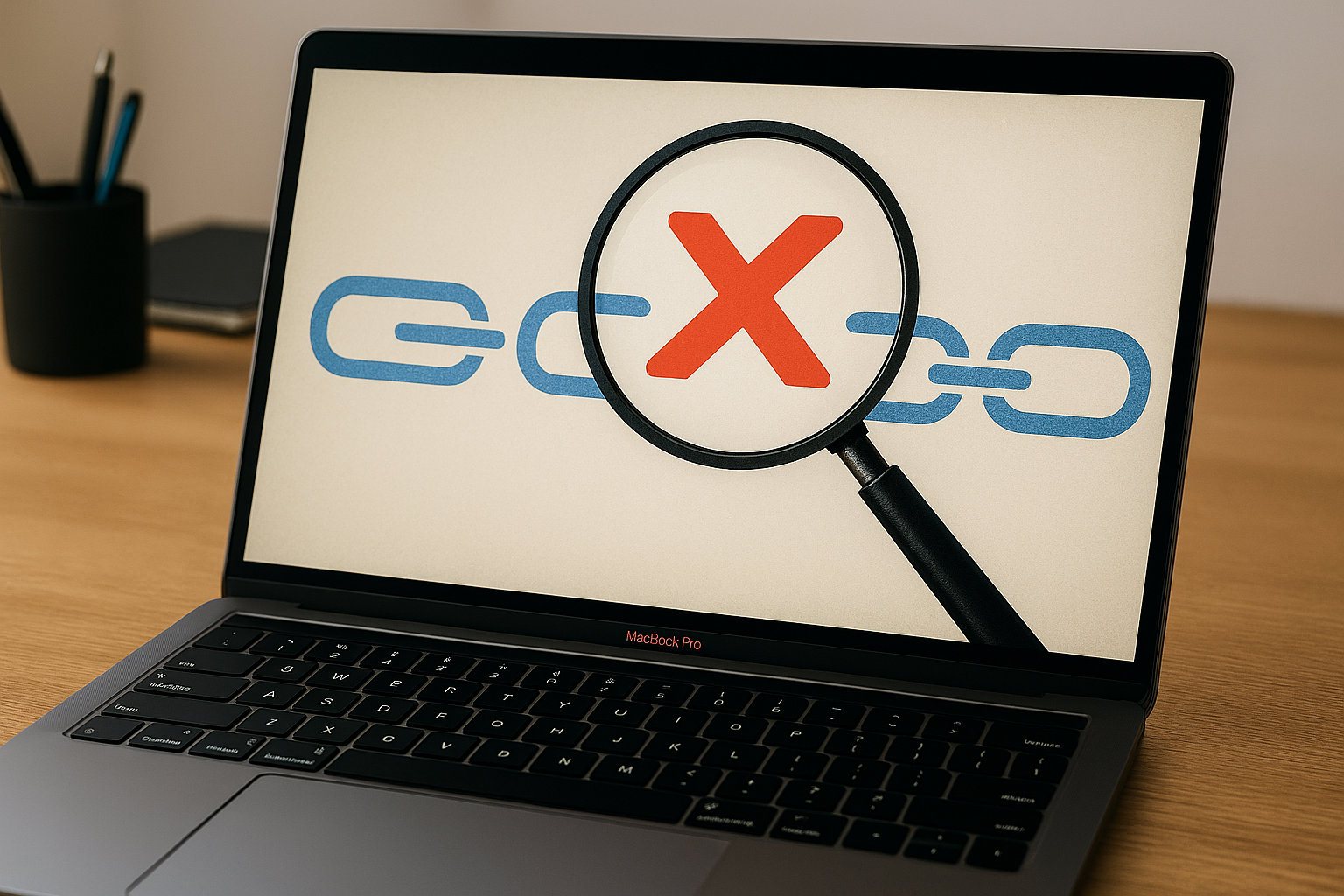
    7. Remove or Update Broken Links

    Broken links create a poor user experience and negatively affect SEO. Users who click on a link and get a 404 error will likely leave your site, increasing your bounce rate. Additionally, search engines interpret excessive broken links as poor website maintenance, which can harm rankings.

    Regularly auditing and fixing internal and external links ensures your website remains credible, user-friendly, and search-engine-friendly.

    • Identify and resolve broken links on your website using tools like Google Search Console or Screaming Frog.
    • Replace broken internal links with relevant, updated pages.
    • Fix broken external links by linking to new, authoritative sources.
    • Implement 301 redirects to guide users from outdated URLs to active pages.
    • Regularly monitor backlinks and request updates for any broken inbound links.
    • Avoid redirect chains, which slow down site speed and affect SEO performance.
    • Create a custom 404 page with helpful links to improve user experience.

    Here’s an example: An e-commerce store removing dead product links prevents customers from landing on 404 error pages, improving their shopping experience and search rankings.

    8. Create Linkable Assets for SEO

    A strong backlink profile is essential to improve search engine optimisation. One of the best ways to naturally earn backlinks is by creating high-value, shareable content known as linkable assets. 

    These assets encourage other websites to link to your content, increasing domain authority and boosting organic rankings.

    • Publish original research, case studies, and industry reports to provide valuable insights.
    • Create high-quality infographics that summarise complex information visually.
    • Develop interactive tools like calculators, quizzes, or templates for user engagement.
    • Write in-depth guides and long-form articles that serve as authoritative resources.
    • Make linkable assets easy to share by offering embeddable codes or PDF downloads.
    • Promote your content through outreach to bloggers, journalists, and industry experts.
    • Optimise for featured snippets by answering common questions concisely.

    Here’s an example: A financial website publishing a free budgeting calculator attracts backlinks from personal finance blogs, helping it rank higher in search results.

    Conclusion

    Improving search engine optimisation isn’t just about higher rankings—it’s about ensuring your business gets discovered by the right people at the right time. 

    By implementing these eight proven techniques on how to improve SEO, you can boost your search engine position, attract more traffic, and grow your business effectively.

    Want to take your SEO strategy to the next level?

    Check out our expert SEO services, explore our case studies, or contact our team today to find out how we can help you improve your search engine position and achieve lasting success.

    Let’s get started. Reach out to us today.

  • Duplicate Content and SEO: What You Need to Know

    Duplicate Content and SEO: What You Need to Know

    Duplicate content is when the same text appears in more than one place online. This can happen on your own website or across different sites, whether intentionally or unintentionally. While it might seem harmless, duplicate content can cause problems for your SEO efforts by confusing search engines about which version to prioritise.

    Search engines don’t want to show users the same information multiple times, so they try to determine which version is the original and most relevant. If multiple versions exist, ranking authority may be split, leading to lower rankings for all versions of the content. This can reduce your site’s visibility in search results, affect organic traffic, and even impact user experience.

    Understanding how duplicate content and seo happen and how to fix it is essential for maintaining a strong SEO strategy and ensuring your website performs at its best.

    Key Takeaways: Duplicate Content for SEO

    • Duplicate content refers to similar or identical content on multiple web pages
    • Over 25% of internet content is estimated to be duplicate
    • Common causes include URL variations, product descriptions, and technical issues
    • Duplicate content can hurt search engine rankings and crawl efficiency
    • Solutions include using canonical tags, 301 redirects, and creating unique content
    • Google doesn’t usually penalise unintentional duplicate content
    • Focus on creating high-quality, original content for users and search engines

    Duplicate content and SEO don’t mix well. When search engines find multiple versions of the same material, they must decide which one to show in search results. This can split ranking power between different URLs, making it harder for any single page to perform well. It’s like trying to win a race when your energy is spread across multiple runners instead of focused on one. As a result, your site’s ability to rank for keywords and attract organic traffic can suffer.

    But don’t worry—having some similar content doesn’t mean Google will punish your site. In most cases, it’s not an intentional attempt to manipulate rankings. Still, resolving these issues helps your website perform at its best. Google understands that content overlap is sometimes unavoidable, especially for large websites or online stores. However, addressing these challenges can give you an edge in search rankings.

    Common Sources of Duplicate Content

    Duplicate content for seo can pop up in several ways. Here are some common culprits:

    • URL Variations – Search engines see example.com and www.example.com as different addresses, even if they display identical content. This splitting of ranking power means neither version achieves its full SEO potential, and link equity gets diluted. It’s crucial to pick a preferred version and ensure all other variations redirect to it, preventing this issue.
    • Product Descriptions – Using manufacturer-provided descriptions makes your e-commerce site blend in with countless others, damaging your search engine rankings. Search engines reward unique, valuable content, so using copied descriptions is a missed opportunity to highlight your brand’s unique value proposition and attract customers seeking something different. Writing original descriptions will help attract users.
    • Printer-Friendly Versions – Creating separate printer-friendly pages with identical content creates a duplicate content issue that search engines penalise. Although intended for user convenience, these pages compete with your original content, diluting its ranking potential and wasting crawl budget. This is a common issue on websites with older codebases.
    • Session IDs in URLs – Session IDs added to URLs generate unique URLs for each user session, even if the page content remains the same. This can lead to search engines indexing a multitude of duplicate pages, consuming valuable crawl budget and diluting your site’s overall SEO authority. It is important to avoid it if possible.
    • Similar Content on Mobile and Desktop Versions –Having separate mobile sites (like m.example.com) with nearly identical content to desktop sites confuses search engines, especially if they lack proper canonicalization. This split indexing reduces ranking potential for both versions, as link equity isn’t properly consolidated, which impacts ROI. Responsive design avoids this.
    • Syndicated Content – Republishing your content on other sites can cause search engines to misidentify the original source, leading to the syndicated version outranking yours. This reduces traffic to your site and weakens your overall online authority, impacting lead generation. It can also decrease your conversion rate.
    • Scraped or Copied Content – Unauthorised copying of your content can lead search engines to incorrectly identify the scraped content as the original, harming your rankings and damaging your website’s reputation. The unauthorised use of your content can lead to an overall decrease in brand awareness.
    • Pagination Issues – IPaginated pages (e.g., /products?page=2) can seem like duplicate content, especially when initial pages have similar introductory text or product listings. This dilutes the overall authority of the category or archive, hindering its ability to rank well in search results and impacting sales. The creation of unique content can avoid this.

    Understanding these sources is crucial for effective SEO and SEM strategies. By identifying where duplicate content comes from, you can take steps to fix it and improve your search engine performance. It’s important to check your website regularly to catch these issues early and fix them before they affect your rankings.

    How to Detect Duplicate Content

    Finding duplicate content for seo on your site is the first step to fixing it. Here are some tools and methods you can use:

    • Google Search Console: This free tool from Google can help you spot duplicate title tags and descriptions. It also shows you crawl errors that might point to duplicate content issues.
    • SEO analysis tools: Many tools can scan your site and flag duplicate content. Popular ones include Screaming Frog, Siteliner, and Copyscape.
    • Site search: Use Google to search for specific phrases from your site and see if they appear on multiple pages. You can use “site:” followed by your domain name to search just your website.
    • Manual review: While it takes time, manually checking your content can help you find duplicates that tools might miss, especially for smaller websites.
    • Plagiarism checkers: Tools made to detect copied work can also help find duplicate content across the web. A plagiarism checker analyzes your text, compares it with online sources, and highlights any content that appears to be copied or duplicated.
    • Analyse URL Parameters: Different URLs displaying the same content can lead to unintentional duplication. Ensure that URL variations (such as HTTP vs. HTTPS or trailing slashes) are properly redirected or canonicalized to avoid indexing issues.

    Regularly checking your content is a key part of on-page SEO. By looking for duplicates, you can make sure your content stays fresh and unique. This not only helps with SEO but also makes your site better for users.

    Consistently updating and refining your content can also help establish your website as an authoritative source in your industry. Using tools like Google Search Console, Copyscape, or Screaming Frog can make it easier to identify and resolve duplicate content issues before they impact your rankings.

    • Use canonical tags: These tell search engines which version of a page is the “main” one. By doing this, you indicate the preferred version for indexing, preventing confusion from similar pages.
    • Set up 301 redirects: This sends users and search engines to the correct version of a page. Redirects are useful when multiple URLs lead to the same content, such as after a page move.
    • Use rel=”noindex”: This prevents certain pages from appearing in search results. It’s a great option for pages that are necessary for site functionality but not for indexing, like printer-friendly versions or internal search results.
    • Create unique content: The best approach is often to rewrite pages to make them original. This not only resolves repetition but also enhances user experience and improves search rankings.
    • Implement URL parameter handling: For online stores or sites with complex URLs, properly managing URL parameters ensures search engines don’t treat dynamic variations as separate pages.

    Using these strategies is just one of the many benefits of a good digital marketing approach. By fixing duplicate content, you’re setting your site up for better search performance and user experience. It’s important to remember that the best strategy often involves using a mix of these methods, tailored to your specific situation.

    Best Practices for Avoiding Duplicate Content

    It’s better to prevent duplicate content for seo than to fix it later. By taking proactive steps, you can ensure your site remains optimised for search engines. Here are some good habits to follow:

    • Always create original content – Whenever possible, write unique content, even for product descriptions or location pages, to improve SEO and user engagement.
    • Use consistent internal linking – Reinforce your preferred URL structure by ensuring all internal links point to the correct versions of your pages.
    • Be careful when sharing content on other sites – If you syndicate articles or guest posts, use canonical tags to indicate the original source and avoid duplicate content penalties.
    • Regularly check your site for duplicates – Use tools like Siteliner, Copyscape, or Screaming Frog to identify and fix duplicate content for seo before it impacts rankings.
    • Monitor your site with Google Search Console – Keep an eye on duplicate meta descriptions, title tags, and indexing issues to maintain a healthy site structure.
    • Use a clear URL structure – Avoid creating duplicate pages through URL parameters by properly structuring dynamic URLs and implementing canonical tags where necessary.
    • Manage CMS settings carefully – Content management systems can unintentionally generate duplicate content through pagination, category pages, and tag archives. Adjust settings to prevent unnecessary duplication.
    • For international sites, use hreflang tags – This helps search engines understand language and regional variations of your content, preventing them from being flagged as duplicates.

    Working with a professional SEO agency can ensure you’re following these best practices while tailoring solutions to your website’s specific needs. An expert team can provide strategic recommendations that align with your overall digital marketing goals and keep your site competitive in search rankings

    Real-World Examples: Solving Duplicate Content Challenges

    Let’s look at how some businesses have tackled duplicate content issues:

    ExpHand Prosthetics had issues with similar product descriptions across their site. By creating unique content for each product and using canonical tags, they saw a 30% increase in organic traffic. This not only solved their duplicate content issues but also gave more valuable information to their users, leading to better engagement and more sales.

    Eco Garden, an online plant shop, had problems with duplicate content on their location-based pages. They fixed this by adding unique, local information to each page and saw a 50% boost in local search visibility. By making content specific to each location, they not only fixed the duplicate content problem but also became more relevant for local searches, resulting in more people visiting their physical stores.

    These success stories show that addressing duplicate content for seo can lead to big improvements in SEO performance. By taking a smart approach to content creation and management, businesses can turn a potential SEO problem into an opportunity for growth and better user experience.

    The Future of Duplicate Content and SEO

    As search engines get smarter, dealing with duplicate content and seo will stay important. Search algorithms are evolving to better understand user intent and content originality, making it essential to stay ahead of the curve. Here’s what to keep in mind:

    • AI and Machine Learning Improvements – Search engines will become even better at spotting unique content, making it crucial to focus on originality and avoid unnecessary duplication. Algorithms will likely assess not just exact matches but also content depth and value.
    • User Experience as a Ranking Factor – Search engines are prioritising content that genuinely helps users. Websites that provide clear, valuable, and unique information will rank higher, while duplicate or low-value content may struggle.
    • Impact of Voice Search – As voice search becomes more popular, the way content is structured will matter more. Spoken queries often require direct, concise, and unique answers, which means duplicative content may be overlooked.
    • Featured Snippets and Zero-Click Searches – The rise of featured snippets means that search engines are looking for precise, informative, and well-structured content. Websites that produce clear and unique answers will have a competitive advantage.
    • Mobile-First Indexing and Content Consistency – Google’s mobile-first approach means that content should be consistent across desktop and mobile versions of a website. Ensuring unique, high-quality content across all platforms will be key for rankings.
    • Stronger Penalties for Manipulative Practices – While Google does not penalise unintentional duplication, future updates may crack down even harder on websites that attempt to manipulate rankings through excessive duplicate content and seo.

    Staying ahead of these trends is crucial for businesses in competitive industries like insurance and finance. As search algorithms change, businesses that focus on high-quality, original content will be in the best position to succeed in the always-changing world of SEO.

    How Seek Marketing Partners Addresses Duplicate Content for Clients

    At Seek Marketing Partners, we take a thorough and proactive approach to tackling duplicate content for seo issues, ensuring our clients’ websites maintain strong search engine performance.

    1. Comprehensive SEO Audit – We start with a complete SEO check to find all instances of duplicate content for seo, using advanced tools and manual review to ensure nothing is overlooked.
    2. Tailored Content Strategy – We create a custom plan to address each issue, whether through technical fixes, content rewriting, or strategic use of canonical tags, aligning solutions with each client’s specific needs and business goals.
    3. Careful Implementation & Monitoring – We carefully make changes while closely watching how they affect search rankings, organic traffic, and user engagement to ensure positive results.
    4. Ongoing Prevention & Support – We provide ongoing support to prevent future content problems, including training for client teams, regular audits, and check-ins to maintain a healthy site structure.
    5. Adapting to SEO Changes – We continuously update our strategies to match the latest SEO best practices and search engine updates, ensuring long-term success.

    Our case studies show the real-world impact of our approach to duplicate content and SEO. By combining technical know-how with creative content strategies, we’ve helped many clients overcome duplicate content and seo challenges and achieve big improvements in their search visibility and overall digital performance.

    Conclusion: Mastering Duplicate Content for SEO Success

    Dealing with duplicate content for SEO might seem tricky, but it’s an essential part of keeping your website healthy and competitive. By understanding what causes duplicate content, how to detect it, and how to fix it, you can improve your site’s search engine performance and provide a better experience for your users.

    Remember, the goal isn’t just to avoid penalties—it’s to build a website that stands out in search results and delivers real value to your audience. Search engines reward originality, so investing in high-quality, unique content is key to long-term success.

    To stay ahead, regularly audit your site for duplicate content and seo, use technical solutions like canonical tags, redirects, and hreflang tags, and most importantly, focus on creating valuable content that meets your users’ needs. Keeping up with SEO best practices ensures that your website remains visible, authoritative, and engaging.If you’re feeling overwhelmed or want expert help with your SEO strategy, Seek Marketing Partners is here to help. Our team of SEO specialists can guide you through the process of optimizing your site, fixing duplicate content issues, and ensuring your digital presence remains strong and competitive in search rankings.

  • National SEO vs Local SEO: What’s the Difference?

    National SEO vs Local SEO: What’s the Difference?

    When it comes to search engine optimisation (SEO), the strategies you use can significantly impact your online visibility. 

    Two major approaches to SEO are National SEO and Local SEO, each serving a unique purpose. Understanding the difference between National SEO vs Local SEO is key to choosing the right strategy for your business, especially those seeking SEO for national business growth.

    🔎 Key Takeaways

    • National SEO vs Local SEO: National SEO focuses on targeting a broader audience, while local SEO hones in on location-based search results.
    • SEO for national business is ideal for companies targeting a national or global market, while local SEO is better suited for businesses with physical locations or a regional focus.
    • Keyword strategies, content optimisation, and link-building approaches vary based on your target audience, whether local or national.
    • Proper understanding of Google’s ranking factors is essential for both types of SEO strategies.

    What is National SEO?

    National SEO is a strategy used by businesses aiming to improve their online visibility across a wide geographic area, without being restricted by location. This SEO approach focuses on broad, high-volume keywords that are relevant across the country or even internationally. SEO for national business primarily targets people searching for products, services, or content without any specific location-based requirements.

    Who Benefits from National SEO?

    Businesses that operate without geographic restrictions, including:

    • E-commerce brands selling products nationwide
    • SaaS companies offering digital solutions globally
    • Large corporations with multiple locations
    • Online service providers such as digital marketing agencies, software firms, and subscription-based businesses
    • National brands looking to expand their digital reach beyond regional markets
    • Media outlets and publishers targeting audiences on a national or international scale
    • Educational platforms offering online courses or nationwide training programmes

    Core Strategies for National SEO

    📌 Keyword Optimisation

    • Focus on high-competition, broad keywords instead of local search terms.
    • Example: Instead of “SEO agency in Manchester,” use “best SEO agency UK.”
    • Implement semantic search optimisation using related terms and long-tail keywords.

    📌 Content Marketing

    • Develop long-form blog posts, guides, and evergreen content targeting national audiences.
    • Incorporate thought leadership and industry insights to boost authority.
    • Create pillar content and interlink related articles to enhance topical authority.
    • Implement video marketing to enhance engagement and improve dwell time on web pages.

    📌 Backlink Building

    • Earn high-quality backlinks from authoritative websites to enhance domain credibility.
    • Guest posting, PR campaigns, and influencer collaborations help achieve this.
    • Conduct competitor backlink analysis to identify link-building opportunities.
    • Get featured in national-level industry directories to improve trust signals.

    📌 Technical SEO

    • Optimise site speed, mobile-friendliness, and structured data to rank better in SERPs.
    • Ensure proper indexing and crawlability for large-scale websites.
    • Implement schema markup to enhance search engine understanding of content.
    • Improve internal linking structures to distribute page authority effectively.

    By utilising National SEO, you increase your visibility on search engines like Google, Bing, and Yahoo across a vast geographical region, helping drive more traffic and sales.

    What is Local SEO?

    In contrast, Local SEO is focused on optimising your website to be found in local search results. If your business operates in a specific city, town, or region, Local SEO aims to increase your visibility for searches related to your location.

    For example, a coffee shop in Manchester would use Local SEO to appear in searches like “best coffee near me” or “coffee shop in Manchester.” Local SEO efforts are designed to make sure that businesses rank high for geo-targeted search queries.

    Who Needs Local SEO?

    • Restaurants, cafes, and retail stores
    • Law firms, dental clinics, and medical practises
    • Home service providers (plumbers, electricians, landscapers)
    • Local franchise businesses
    • Independent professionals such as real estate agents and consultants
    • Tourism and hospitality businesses targeting specific regions
    • Gyms and fitness centres that attract a localised customer base

    Key Tactics for Local SEO

    📍 Google Business Profile Optimisation

    • Claim and optimise Google Business Profile with accurate business details.
    • Encourage customer reviews to boost local credibility.
    • Use Google Posts to share promotions, events, and updates.
    • Add high-quality images and service area details to enhance local visibility.

    📍 Localised Keyword Strategy

    • Use geo-specific keywords like “best pizza in London” or “SEO agency in Manchester.”
    • Include location mentions naturally in content.
    • Optimise for “near me” searches, which are increasingly common on mobile devices.
    • Utilise customer-driven content, such as user-generated reviews and testimonials.

    📍 Local Link Building

    • Earn links from local directories, business associations, and news sites.
    • Partner with nearby businesses for cross-promotion.
    • Submit listings to niche-specific directories relevant to your industry.
    • Gain sponsorship mentions in local community events and charity initiatives.

    📍 NAP Consistency

    • Ensure Name, Address, and Phone Number (NAP) information is consistent across all directories.
    • Avoid duplicate or incorrect listings that can hurt rankings.
    • Utilise local citation tools to monitor and update listings across platforms.
    • Add structured data markup to help Google understand business location details better.

    National SEO vs Local SEO: Key Differences

    While National SEO focuses on broader, nationwide visibility, Local SEO is tailored to smaller geographic regions. Below are 

    FeatureNational SEOLocal SEO
    Target AudienceNationwide/InternationalLocal/Regional
    Keyword FocusBroad keywords (e.g., “best SEO agency UK”)Geo-targeted keywords (e.g., “SEO agency in Manchester”)
    Google Ranking FactorsDomain authority, content quality, and backlinksGoogle Business Profile, NAP consistency, local citations
    Link Building StrategyHigh-authority national sitesLocal directories, regional partnerships
    Content TypeBlogs, case studies, pillar pagesLocalised landing pages, city-based content
    Mobile OptimisationNational website performanceLocal search intent optimisation
    Competition LevelHigh (national and global competitors)Moderate (competing with businesses in the same city/region)
    Budget RequiredHigher (more resources for content, backlinks)Lower (localised campaigns are more cost-effective)

    Choosing Between National and Local SEO

    For businesses deciding between national SEO vs local SEO, consider:

    Business Model – If your business operates nationwide, SEO for a national business is essential. If you rely on local foot traffic, local SEO is the way to go. 

    Competition Level – National SEO is more competitive, requiring a stronger content and backlink strategy. Local SEO can be easier to rank for in niche markets.

     ✔ Marketing Goals – If the goal is to attract leads globally, focus on national SEO. If targeting local customers, optimise for local search rankings. 

    Budget Allocation – National SEO typically requires a higher budget due to increased competition, whereas local SEO may yield faster results with a smaller investment. 

    Customer Behaviour – Businesses with physical locations should invest in local SEO, while e-commerce or SaaS brands benefit more from national strategies.

    Choosing between National SEO vs Local SEO depends on your business goals and geographical reach. While Local SEO is essential for businesses targeting customers in a specific area, National SEO is crucial for companies aiming to expand their reach across the country.

    In many cases, National SEO and Local SEO can complement each other. For instance, a national business that has several physical locations may want to integrate both strategies, focusing on National SEO for overall brand visibility while simultaneously employing Local SEO tactics to attract customers in specific regions.

    Implementing a Hybrid SEO Approach

    Some businesses benefit from both national and local SEO strategies. For example:

    • Franchises can optimise individual locations for local SEO while maintaining a strong national brand presence.
    • E-commerce brands can target national search terms while also optimising for “near me” searches for physical store locations.
    • Service providers with national reach can create localised landing pages to attract city-specific clients.
    • Multinational businesses may need country-specific SEO strategies while maintaining a unified global presence.

    Investing in SEO for a national business not only improves your visibility but also ensures that you are equipped to handle competition on a national scale.

    Final Thoughts

    Understanding the difference between national SEO vs local SEO ensures businesses invest in the right strategy for their goals. Whether targeting a local market or a nationwide audience, optimising for search engines effectively requires strategic planning and execution.

  • How SEO for SMEs Can Help You Compete with the Big Brands

    How SEO for SMEs Can Help You Compete with the Big Brands

    In the digital marketing landscape, businesses of all sizes are vying for the top spot in search engine results pages (SERPs). However, the competition becomes fiercer when small and medium-sized enterprises (SMEs) go head-to-head with colossal brands. How can these SMEs stand a chance in this ruthless marketplace? The answer is effective SEO for SMEs.

    Understanding SEO and Its Importance for SMEs

    Search Engine Optimisation, commonly referred to as SEO, is the practice of enhancing your website to improve its visibility in search engines. The higher your business ranks in search results, the more likely it is that users will visit your site.

    SEO for SMEs is especially crucial. It’s a powerful tool that can help SMEs compete with big brands by improving their online visibility, reaching a broader audience, and increasing traffic and sales.

    Global SEO vs. Local SEO: Knowing the Difference

    SEO can be classified into two categories: Global SEO and Local SEO.

    Global SEO targets a worldwide audience, focusing on broad keywords. It’s ideal for businesses that offer products or services globally.

    On the other hand, Local SEO aims to reach customers in a specific geographical area. It’s perfect for SMEs serving a local community or region. Local SEO often helps these businesses outrank large corporations in local search results.

    Exploring Different SEO Strategies for SMEs

    Effective SEO for SMEs requires a strategic approach, which includes both on-page and off-page SEO techniques.

    On-Page SEO

    On-page SEO involves optimising individual pages on your website. These tactics help search engines understand the content of your site and determine if it’s a relevant answer to users’ queries.

    • Keyword Optimisation: This involves integrating relevant keywords into your website’s content. Keywords help search engines understand what your site is about.
    • Meta Descriptions: These are brief descriptions that appear under your web page’s title in search results. Well-written meta descriptions can entice users to click on your link.
    • Optimised Images: Image optimisation can improve page load times, boost website engagement, and contribute to a better user experience.

    Off-Page SEO

    Off-Page SEO involves techniques that improve your site’s reputation and authority. These actions occur outside of your website but still significantly influence your rankings.

    Link Building: This is the process of getting high-quality inbound links from other websites. These links signal to search engines that your site is a trusted source of information.

    Social Media Promotion: Social media platforms like Facebook, Twitter, LinkedIn, and Instagram are excellent channels for promoting your website content and boosting your online visibility.

    Online Reviews: Positive online reviews can enhance your business’s reputation, instill trust in potential customers, and positively influence your rankings.

    Ecommerce SEO

    If you’re running an e-commerce business, implementing SEO for SMEs can be a game-changer. Ecommerce SEO is all about making your online store more visible in the SERPs. By focusing on product page optimisation and providing high-quality, useful content, you can increase organic traffic and boost sales.

    Utilising PPC alongside SEO

    While SEO is about earning site visits organically, Pay-Per-Click (PPC) is about paying for clicks to your website. Utilising both can help SMEs maximise their online presence. PPC can complement SEO for SMEs by providing immediate results while your SEO efforts are still gaining traction.

    Explore Our SEO Services

    FAQs

    How can PPC complement SEO for SMEs efforts?

    PPC can provide immediate visibility on search engines, complementing the long-term results of SEO.

    Is SEO for SMEs cost-effective compared to traditional marketing methods?

    Yes, SEO for SMEs is a cost-effective marketing strategy. It focuses on attracting users who are actively looking for your services or products online, leading to more targeted and effective marketing. This can often yield a better return on investment compared to traditional advertising methods.

    Can SEO for SMEs improve the credibility of my business?

    Absolutely! SEO for SMEs not only improves online visibility but also enhances business credibility. Websites that rank high in search results are often perceived as more reputable. Additionally, SEO practices like producing high-quality content and earning backlinks from authoritative sites can significantly enhance your brand’s credibility.

    How can SEO for SMEs help increase conversion rates?

    SEO for SMEs can boost conversion rates by attracting high-quality traffic to your site. By optimising for keywords with strong commercial intent and improving the user experience on your site, you can better persuade visitors to take desired actions such as making a purchase, signing up for a newsletter, or filling out a contact form.

    Conclusion

    In the world of digital marketing, the competition is fierce, but that doesn’t mean SMEs can’t compete with the big brands. With effective SEO, whether local SEO, global SEO, on-page SEO, off-page SEO, or ecommerce SEO, SMEs can boost their online presence, reach a broader audience, and effectively compete with their larger counterparts.
    So why not give it a go? Our team at Seek Marketing Partners is ready and waiting to guide you through the world of SEO for SMEs. We offer comprehensive digital marketing solutions tailored to your unique business needs. Get in touch today – contact us here or connect with us on social media, Facebook, LinkedIn, and Tiktok.

  • SEO vs SEM: What’s Their Differences?

    SEO vs SEM: What’s Their Differences?

    In today’s online world, getting noticed is a big deal. That’s where SEO (Search Engine Optimization) and SEM (Search Engine Marketing) come in. These two strategies help businesses show up when people search online. But what’s the difference between them? Let’s break it down!

    Key Takeaways

    SEOSEM
    Free organic trafficPaid traffic + organic efforts
    Long-term strategyImmediate results
    Builds trust and authorityTargets specific keywords
    Ongoing optimizationBudget-dependent

    Understanding SEO and SEM: The Basics

    SEO is all about making your website easy to find without paying for ads. It’s like making your website a magnet for search engines. SEM, on the other hand, includes SEO plus paid ads. It’s like putting up a big, flashy sign to get attention fast.

    Both SEO and SEM are super important for businesses trying to get noticed online. They work together to help you reach more people who are looking for what you offer. While SEO focuses on improving your website’s visibility in organic search results, SEM encompasses a broader range of tactics, including paid advertising, to increase your online presence.

    Key Differences: SEO vs SEM

    • SEO: Free but takes time; SEM: Costs money but faster results
    • SEO: Long-lasting results; SEM: Results stop when you stop paying
    • SEO: Good for informational searches; SEM: Great for buying-related searches
    • SEO: Needs patience and ongoing work; SEM: Needs constant management and budget

    What is SEO?

    SEO is like making your website the best book in the library. It helps search engines like Google find and show your site to people looking for what you offer. There are three main parts to SEO:

    • On-page SEO: Making your website’s content awesome
    • Off-page SEO: Getting other websites to talk about you
    • Technical SEO: Making sure your website works smoothly

    When done right, SEO can bring more visitors to your site without paying for each click. It’s great for building trust and showing you’re an expert in your field. SEO involves optimizing various elements of your website, including content, meta tags, site structure, and backlinks, to improve its relevance and authority in the eyes of search engines.

    What is SEM?

    SEM is like having a megaphone in the digital world. It includes both SEO and paid ads (PPC or Pay-Per-Click). With SEM, you can:

    • Show up at the top of search results right away
    • Target specific words people are searching for
    • Control exactly what your ad says
    • Reach a highly targeted audience based on demographics, interests, and search behavior

    SEM campaigns work fast and can be great for new businesses or special promotions. You pay each time someone clicks on your ad, but you get to choose how much you spend. SEM allows for precise targeting and immediate visibility, making it an effective tool for driving quick traffic and conversions.

    SEO vs SEM: The Big Showdown

    SEO vs SEM Comparison

    When to Use SEO

    SEO is perfect when you want to:

    • Build your brand over time
    • Become known as an expert in your field
    • Get found for questions people ask about your products or services
    • Save money in the long run
    • Establish a sustainable online presence

    Local businesses can really benefit from SEO, helping them show up when people nearby are searching. SEO is particularly effective for businesses looking to build long-term authority and visibility in their industry. It’s ideal for companies with a limited marketing budget but who can invest time in creating quality content and optimizing their website.

    When to Use SEM

    SEM shines when you need:

    • Quick results for a new product or service
    • To target people ready to buy
    • To test different ads to see what works best
    • To support your SEO efforts
    • Immediate visibility in competitive markets

    It’s great for businesses that want to see fast results or have products that are hard to rank for with just SEO. SEM is particularly useful for e-commerce businesses, companies entering new markets, or those promoting time-sensitive offers. It allows for precise targeting and quick adjustments based on performance data.

    Combining SEO and SEM for Maximum Impact

    Using both SEO and SEM together can be super powerful. It’s like having a strong defense and a quick offense in sports. Here’s why it works:

    • You show up in both paid and free search results
    • You can use SEM data to improve your SEO
    • SEO helps lower your SEM costs over time
    • You create a comprehensive online presence
    • You can target different stages of the customer journey

    A well-designed website that’s optimized for both SEO and SEM can really boost your online presence. By leveraging both strategies, you can create a synergistic effect that enhances your overall digital marketing performance. SEO provides a strong foundation for long-term growth, while SEM offers flexibility and immediate results for short-term goals.

    Choosing the Right Strategy for Your Business

    Picking between SEO and SEM depends on your business goals. Think about:

    SEO and SEM Business Goals

    It’s often best to use both, but the balance will depend on your specific needs. A good web development team can help you figure out the right mix. Consider your industry, target audience behavior, and business objectives when deciding on the allocation of resources between SEO and SEM. A balanced approach often yields the best results, allowing you to capture both short-term gains and long-term growth.

    Wrapping Up: The Power of SEO and SEM

    Both SEO and SEM are crucial tools in digital marketing. SEO builds a strong foundation for long-term success, while SEM provides quick wins and targeted reach. By understanding and using both, you can create a powerful online presence that attracts more customers and grows your business.

    Remember, the digital world is always changing. Staying up-to-date with the latest data and trends is key to success. Whether you’re just starting out or looking to improve your current strategy, considering both SEO and SEM can help you reach your goals. Regularly analyzing your performance and adjusting your strategies accordingly will ensure that your digital marketing efforts remain effective in the ever-evolving online landscape.

    Want to see how businesses have succeeded with these strategies? Check out our case studies for real-world examples of SEO and SEM in action. These case studies provide valuable insights into how different businesses have leveraged SEO and SEM to achieve their marketing objectives and overcome specific challenges in their industries.Ready to boost your online presence? Whether you need help with SEO, SEM, or both, our team at Seek Marketing Partners is here to help. Let’s work together to create a digital marketing strategy that gets results! Our experts can analyze your current online presence, identify opportunities for improvement, and develop a tailored strategy that combines the strengths of both SEO and SEM to maximize your digital marketing ROI.

  • The Complete SEO Guide for Fintech in 2026

    The Complete SEO Guide for Fintech in 2026

    Are you having trouble getting your fintech website noticed online? This guide will help! We at Seek Marketing Partners know the challenges fintech companies face with search engine optimization. We’ll show you strategies to outrank competitors, get more leads, and become a trusted fintech brand online.

    Fintech user viewing a mobile banking app with charts and a subtle security padlock overlay.

    Key Points for Fintech SEO

    • Create trustworthy, expert content
    • Optimise for mobile and voice search
    • Focus on user needs and provide helpful financial info
    • Use technical SEO best practises
    • Develop local SEO if you have physical locations
    • Make content about specific financial problems
    • Use structured data to stand out in search results
    • Get links from respected financial websites
    • Analyse and improve your SEO regularly
    • Follow financial rules in all your SEO work

    Understanding the Fintech SEO Landscape

    The fintech industry is growing fast. In July 2023, it was worth $550 billion – twice as much as in 2019. There are over 272 fintech unicorns worth $936 billion. That means there’s a lot of competition. But here’s some good news: 45% of people who want to try fintech products find them through search engines. So having a good SEO plan can really help your fintech business succeed. As we get closer to 2025, SEO will become even more important for fintech, as more people use digital platforms for money matters.

    Key SEO Strategies for Fintech Companies

    To do well in search results in 2026, fintech companies should focus on these important areas:

    1. Show Your Experience and Expertise

    Google looks for Experience, Expertise, Authoritativeness, and Trustworthiness (E-E-A-T) in financial websites. You need to show that you really know what you’re talking about. Make content that shows your knowledge and helps people trust you. This could be detailed guides about money, interviews with experts, or stories about how your fintech solutions have helped real people. Remember, in finance, trust is super important, so your content should show that you give accurate and reliable information.

    2. Find the Right Keywords

    Look for keywords that show people are ready to use your services. Instead of general terms like “fintech solutions”, try specific phrases like “AI fraud detection for mobile banking”. About 75.5% of marketers use keyword research to make content that matches what people are looking for. In fintech, this might include long phrases like “best robo-advisors for young adults” or “blockchain payment solutions for small shops”. Use tools like SEMrush or Ahrefs to find good keywords that aren’t too hard to rank for.

    3. Make Great Content with Expert Knowledge

    Create detailed content that helps solve people’s problems. Aim for articles that are 2,250–2,500 words long, as these often do well in search results. Use interviews with experts, real-life examples, and facts and figures to make your content valuable and trustworthy. For fintech, you could write about topics like “How Open Banking Changes Personal Finance” or “Understanding Cryptocurrency Rules for New Fintech Companies”. Use clear headings, bullet points, and pictures to make your content easy to read and understand.

    4. Make Your Website Work Well

    Technical SEO is really important for how well your fintech website performs. Make sure your site works well on mobile phones, loads quickly, and has a good structure for its web addresses. Use special tags to handle duplicate content and to target different countries. Remember, Google doesn’t like websites that take more than 2 seconds to load. For fintech sites, security is super important, so make sure you have proper security certificates and safe ways to handle payments. Also, use special code (called schema markup) to make your financial products and services stand out in search results.

    Mobile speed test and Core Web Vitals gauges highlighting a fast, secure fintech site.

    5. Get Good Links from Other Websites

    In the competitive fintech world, getting links from other websites is really important. Try to get links from trusted financial websites, join online finance talks, and create useful tools or calculators that people want to share. It’s better to have a few high-quality links than lots of low-quality ones. You could work with popular finance experts, write articles for respected finance blogs, or sponsor fintech events to get valuable links. Remember, each link is like a vote of confidence for your fintech brand, so focus on getting links from relevant and trusted sources.

    New Trends in Fintech SEO for 2026

    1. AI and Machine Learning

    Use AI tools to help create content, find keywords, and predict trends. AI can help you understand what users want and make more targeted content. In fintech, AI can be really useful for personalising content suggestions, analysing market trends, and optimising for voice searches about financial services. Think about using chatbots that understand natural language to improve user engagement and answer financial questions quickly.

    2. Voice Search Optimization

    As more people use voice-activated devices, it’s important to optimise for conversational searches. Focus on long phrases and questions that sound natural. For fintech, this might mean optimising for queries like “Hey Siri, what’s the best app for budgeting?” or “Alexa, explain blockchain simply”. Create FAQ pages that answer common voice search questions and structure your content to give quick, clear answers to these questions.

    3. Mobile-First Approach

    Google now looks at the mobile version of your site first, so your fintech website must work well on mobile devices. Make sure your site design looks good and is easy to use on all devices. This is especially important for fintech companies, as many people use financial services on their phones. Think about making special mobile apps or features that make it easier to do mobile banking or manage investments. Pay extra attention to how forms look and make sure buttons are easy to tap on mobile screens.

    Measuring Your Fintech SEO Success

    To make sure your SEO efforts are working, look at these important measures:

    • Growth in organic traffic: Track how many more visitors come to your site through search engines.
    • Conversion rates from organic search: See how many visitors from search engines become leads or customers.
    • Keyword rankings: Check your positions for important financial keywords.
    • Backlink quality and quantity: Look at how strong your backlink profile is using tools like Moz or Ahrefs.
    • Page load times and Core Web Vitals scores: Make sure your site meets Google’s performance standards.

    Remember, it’s not just about getting more traffic – it’s about attracting the right people and turning them into customers. Track both the first and last click that led to a sale to understand how your content influences sales throughout the customer journey. Use tools like Google Analytics and Google Search Console to get deeper insights into your SEO performance and find areas to improve.

    Conclusion: Be the Best at Fintech SEO in 2026

    As we’ve seen, SEO for fintech is challenging but can be very rewarding. By focusing on showing your expertise, creating high-quality content, and staying up-to-date with technical trends, you can make your fintech company show up at the top of search results. Remember, SEO is not something you do once and forget about – you need to keep working on it and adapting to changes. Stay informed about the latest updates to search engines and industry trends to make sure your strategy stays effective in the always-changing digital world. Are you ready to make your fintech company’s SEO even better? Don’t leave your online visibility to chance. Contact Seek Marketing Partners today, and let our team of SEO experts create a special strategy to help your fintech business succeed online in 2026 and beyond. Together, we’ll turn your website into a powerful tool for getting new customers, helping your fintech business grow and succeed. With our know-how and your innovative financial solutions, we can create an online presence that not only attracts customers but also makes your brand a trusted leader in the fintech industry.

  • How Link Building Services Help Boost Your Organic Traffic

    How Link Building Services Help Boost Your Organic Traffic

    Over the course of the last couple of years, it feels like the Seek Marketing Partners team have talked about SEO at length – and yet, one of the things that our team does every single day has gone surprisingly unmentioned here on our blog. Today we put that right by giving you an in-depth look at link building services. We’ll explain what inbound link building is, what it does, and how it helps businesses succeed online…

    Professionals meeting over coffee, representing the relationship-building core of link building.

    What is Inbound Link Building?

    Put simply, the end goal of high quality link building services is to create meaningful, useful connections to your site elsewhere on the internet. Because these connections are links that lead from another site back to your site, they’ve become known as ‘backlinks’. There are a number of different types of backlinks and a number of different ways that they can be created – so in a way, there is an art to providing link building services.

    However, it’s also important to know that backlink building isn’t just about how many backlinks you can create or earn – there is a right way and a wrong way to go about link building too, as backlinks have an ‘in-built’ quality to them. A good provider of link building services will know how to do things properly and will provide you with good-quality backlinks as a result.

    A bad or inexperienced provider of backlinks is more likely to try to woo customers by promising large numbers of backlinks, and they’re more likely to include so-called ‘toxic backlinks’ in the links they create for you. The more of these toxic backlinks that you have pointing back to your site, the more the benefits brought by any good-quality backlinks you have will be undone.

    The message here is that age-old chestnut ‘if it sounds too good to be true, it probably is’ – so beware anyone who promises you large numbers of backlinks over a short space of time – they could be relying on toxic backlinks to reach their quota, which could mean their link building services doing more harm than good to your online marketing efforts.

    How do Good Link Building Services Help Your Business?

    However, if you put a responsible team like Seek Marketing Partners in charge, the high quality link building services and expertise that we offer can really help your online or digital marketing efforts succeed, and bring in more leads, more sales, and more revenue for your business.

    How is that so? Well, because link building services are a key part of any SEO service. You see, the backlinks that are created and lead back to your site influence two important SEO metrics – ‘Page Authority’ and ‘Domain Authority’, also known as ‘PA’ and ‘DA’ respectively. In turn, your authority scores are one of the more important things that Google and other search engines look at when determining where they should rank your page (after your content itself and whether or not people stay on your page after they click to go to it).

    Put simply, that means that the more quality backlinks that the people providing your link building services can get leading back to a specific page on your site (or your domain as a whole) the more likely you are to rank highly.

    A higher ranking is proven to mean more web traffic to your site or an online store – and with more traffic comes more leads, more sales opportunities, more repeat custom, and more revenue.

    Two professionals collaborating on a laptop, representing the partnership focus of link building.

    Top 5 Techniques of Quality Link Building Services

    So, that’s why good quality links are important, and in the next part of today’s blog, we’ll discuss some key backlink services that can be used side by side with on-page optimization to create good quality backlinks. These are by no means the only ways to create good backlinks, but we do consider them to be the more important ‘core competencies’ that anyone providing links – whether you’re outsourcing to an agency like ours, or taking the task on yourself – should know how to do.

    1. Directory Link Building

    Seek Marketing Partners provide manual link building service for your business. All across the internet, there are a multitude of business directories. Some are designed to target and serve a specific locality, others are set up to serve a specific industry or type of customer, and yet others are more generic. The key thing is that most of these directories allow you to set up a profile, and if you can include your URL somewhere in that profile, that will count as a backlink for you.

    However, we’ve started this list with directory backlinks because it’s one of the services we provide most often – and it’s one of the authority link building services that we provide most often because it’s the easiest method to trip up with and find yourself creating toxic backlinks. That being the case, our advice is to not attempt directory backlinking alone – you really are better off leaving this method in the hands of a good service provider such as Seek Marketing Partners – as we have mature and maintained whitelists of trusted directories that we can go to and post to without fear of toxicity, and without needing to put in hours of research to verify a directory’s legitimacy beforehand.

    2. Web 2.0 Link Building

    Web 2.0 link building services will require whoever is providing those services to know how to write and edit text – so if you’re not comfortable with that we suggest outsourcing this, and if you’re outsourcing, make sure that the people doing the work have a good content writer on their team. When writing content for yourself, keep in mind the basic SEO knowledge like using stop words, title optimization, meta description optimization, etc.

    An additional bonus with web 2.0 backlinks is that the pages that are created as a result of the work are ideal for attracting traffic directly from Google and directing it to the pages that you want customers to visit on your site, meaning that you don’t have to rely on that traffic finding these important pages on their own.

    3. Link Building Using Blogs

    Blogs can be a powerful tool when it comes to link building services, and the great news for those of you that want to provide your own backlink services is that using these methods you’ll be dealing a lot more with people, rather than faceless online directories or posting platforms.

    A simple but effective way to create backlinks is by working together with relevant partners (for example your clients). Give them a call or send them an email, and offer them a shoutout on your blog including a backlink to their site, on the understanding that they will do the same for you on their blog. If both sides keep their end of the deal, both parties get a backlink – and if they don’t, you can simply un-publish the post to remove the benefits of the manual link building services you provided via your blog.

    Another option is ‘guest blogging’. It works in much the same way, but this time instead of someone else writing content for their site as they usually would and giving you a shoutout, YOU write the content too, as a one-off / occasional piece for their site.

    Guest blogs can be tougher to get published as they will require the consent of the partner whose site you’ll be posting on – and usually, they’ll need to sign off on the content too – but if a guest blog is agreed to, it puts a bit more control in your hands. You control what’s said and how, you control where the backlinks lead to on your site, and you might also control how many backlinks there are – and in the world of backlinks, those three choices are where the REAL power lies!

    Search performance dashboard, representing the improved rankings driven by strategic link building.

    4. Broken Link Building

    Broken link building requires a bit of luck and good timing – you tend to ‘happen across’ these opportunities rather than create them – but it works like this:

    You’re browsing through a relevant site or blog, and you find that a link for a given piece of information or a resource doesn’t work, or doesn’t deliver what it promises. If you happen to have a piece of content on your site that deals with the same topic as the broken resource, you can reach out to the owner of the site you’re browsing and tell them ‘Hey, I was reading your blog at [URL], and I notice one of the links is broken. I have a great piece of content live right now on my site that you could swap in – it covers the same topic and would be a great fit for the broken link – what do you say?’

    If they say yes, then that’s instantly another backlink leading to your site!

    5. Link Roundups

    Link roundups could be seen as ‘the long game’ when it comes to white hat link building services. Much like building a brand, results might not come immediately, but if you do the building process right, then your link roundup can be a powerful tool for inbound link building.

    A link roundup is a regular, periodic collection of the latest must-see news and new insightful content from within a given industry or topic. How does this relate to SEO link building services? Because you link out to every piece of content that makes it into your link roundup – giving them a backlink.

    ‘But guys, we want to earn backlinks, not give them out’ we hear you cry – and we understand. However, as we said, we’re playing the long game here, and we’re working on three levels. Firstly, people might be willing to give you a backlink simply to return the favour – ‘you scratch my back, I’ll scratch yours.

    Secondly, if you do a good job curating the content that makes it into your link roundups, you add value for the industry professionals that read it – if you do that, they might just want to link out to your awesome link roundup, and spread the word of its existence to other interested people… If you can do THAT successfully, then thirdly, your link roundup might develop a name for itself within your industry, ‘making the cut’ might become something people want to shout about, and link to as proof of their achievement – like making it into the newspaper or the first page of Reddit. And again, each time somebody does either of those things, you earn a backlink.

    Visual project management board, symbolizing the organized, strategic workflow of link building.

    Where Can You Find Quality Link Building Services?

    We hope by now that you understand just how crucial good backlinks (and the quality backlink strategy that creates them) are for your online presence. We also recognise that ‘knowing why you need something’ and ‘knowing where to get it’ are two different things – but thankfully, the latter of those two questions is easy to answer. If you’re looking for ethics, excellence, and expertise when it comes to inbound link building services then you should absolutely reach out to Seek Marketing Partners today – and you can do so via the details on our contact us page, or over LinkedIn, Facebook, or Instagram!

  • SEO for Travel Websites: Targeting and Engaging the Right Audience

    SEO for Travel Websites: Targeting and Engaging the Right Audience

    In today’s digital age, having a strong online presence is crucial for any business, and the travel industry is no exception. With the ever-increasing competition in the travel sector, it’s essential for travel websites to implement effective SEO for travel websites strategies to stand out from the crowd. By optimizing their websites, travel businesses can attract the right audience, increase engagement, and drive conversions.

    In the highly competitive travel industry, having a strong online presence is essential. SEO (Search Engine Optimisation) is the practice of optimizing a website to improve its visibility in search engine results. By implementing effective SEO strategies, travel websites can attract organic traffic, increase their online visibility, and outperform their competitors.

    Targeting the Right Audience with Keyword Research

    Keyword research is a critical aspect of any successful SEO for travel websites campaign. By understanding the search intent of their target audience, travel websites can identify relevant keywords that potential customers use when searching for travel-related information. Incorporating these keywords into website content and meta tags can significantly improve organic rankings and drive targeted traffic to the website.

    How to Perform Keyword Research for Travel Websites

    Start with Broad Travel-related Terms: Begin by identifying broad travel-related terms such as “family vacations,” “adventure travel,” or “luxury holidays.” These terms will give you an idea of the overall travel market and help you uncover more specific keywords.

    • Use Keyword Research Tools: Utilize keyword research tools like Google Keyword Planner, SEMrush, or Moz Keyword Explorer to discover relevant keywords with high search volume and low competition. Look for long-tail keywords specific to your travel niche for better targeting.
    • Analyze Competitor Keywords: Analyze your competitors’ websites to identify the keywords they are targeting. This can provide valuable insights and help you discover new keyword opportunities.

    Optimizing On-Page SEO Elements for Travel Websites

    On-page SEO plays a crucial role in improving a website’s visibility in search engine results. Optimizing key on-page elements ensures that search engines can crawl and index your website effectively. Here are some essential on-page SEO for travel websites elements to consider:

    • Meta Tags: Craft unique and compelling meta titles and descriptions that incorporate relevant keywords and accurately represent the content of each page. Limit the meta title to 60 characters and the description to 160 characters.
    • URL Structure: Create descriptive and user-friendly URLs that include relevant keywords. For example, instead of www.example.com/page1?id=123, use www.example.com/romantic-getaways-london.
    • Heading Tags: Use H1 tags for the main title of each page, followed by H2, H3, and H4 tags for subheadings. This helps search engines understand the hierarchy and structure of your content.

    Enhancing User Experience for Travel Website Visitors

    Providing a seamless user experience is crucial for keeping visitors engaged and encouraging them to explore your travel website further. Here are some tips to enhance user experience:

    • Mobile Optimization: With the increasing use of mobile devices, it’s essential to ensure that your travel website is mobile-friendly. Optimize your site’s design, layout, and content to deliver a smooth and enjoyable experience across different screen sizes.
    • Page Loading Speed: Travelers expect websites to load quickly. Improve your website’s loading speed by compressing images, minifying CSS and JavaScript files, and using caching techniques. Slow-loading websites lead to higher bounce rates and lower search rankings.
    • Clear Navigation: Make it easy for visitors to navigate your website and find the information they need. Use clear and intuitive menus, breadcrumbs, and internal linking to guide users through your travel content.

    Building Quality Backlinks for Travel Websites

    Building high-quality backlinks from authoritative and relevant websites is an essential aspect of off-page SEO. Backlinks act as votes of confidence, indicating to search engines that your travel website is trustworthy and valuable. Here are some effective strategies to build quality backlinks:

    • Guest Blogging: Contribute informative and engaging articles to travel-related blogs and websites. Include a link back to your website within the guest post to drive referral traffic and boost your website’s authority.
    • Influencer Collaborations: Partner with travel influencers or bloggers to create compelling content that links back to your website. Their audience’s trust can help drive targeted traffic and improve your website’s visibility.
    • Social Media Engagement: Actively participate in travel-related discussions on social media platforms. Share your expertise, provide valuable insights, and engage with users. This can help establish your travel website as a reputable source of information and attract potential backlinks.

    The Role of Content Marketing in Driving Engagement

    Content marketing plays a significant role in engaging the right audience and driving conversions for travel websites. By creating high-quality and relevant content, travel businesses can establish themselves as industry leaders, attract targeted traffic, and encourage visitors to take desired actions.

    Types of Content That Engage Travel Website Visitors

    • Destination Guides: Create comprehensive destination guides that provide in-depth information about popular travel destinations. Include tips, itineraries, attractions, and local insights to cater to the needs of your target audience.
    • Travel Tips and Advice: Share useful travel tips, packing guides, and safety advice to assist your audience in planning their trips. Position your website as a reliable resource for all things travel-related.
    • User-generated Content: Encourage your audience to share their travel experiences and photos. User-generated content not only engages visitors but also creates a sense of community and authenticity.

    Measuring and Analyzing SEO for Travel Websites’ Success

    Measuring and analyzing the effectiveness of your SEO for travel websites efforts is crucial for optimizing your travel website’s performance. Here are some key metrics to track:

    1. Organic Traffic: Monitor the volume and quality of organic traffic coming to your website. Identify which keywords and pages drive the most traffic and make necessary optimizations accordingly.

    2. Conversion Rates: Track the conversion rates of key actions on your website, such as booking a hotel or subscribing to a newsletter. Analyze the user journey and identify areas for improvement to increase conversions.

    3. Backlink Profile: Regularly monitor your backlink profile to ensure the quality and relevance of incoming links. Disavow any low-quality or spammy links that could harm your website’s rankings.

    FAQs

    How long does it take to see results from SEO for travel websites?

    The time it takes to see SEO for travel websites results as it can vary depending on several factors, including competition, website authority, and the effectiveness of your SEO for travel websites strategies. Generally, it takes several months to start seeing significant improvements in search rankings and organic traffic.

    Can I do SEO for travel websites on my own, or do I need professional help?

    While it’s possible to implement basic SEO for travel websites strategies on your own, seeking professional help from an experienced SEO agency like Seek Marketing Partners can provide you with the expertise and resources needed to develop and execute a comprehensive SEO for travel websites strategy tailored to your website’s specific needs.

    Conclusion

    Implementing effective SEO for travel websites strategies is crucial in looking to target and engage the right audience. By conducting thorough keyword research, optimizing on-page elements, enhancing user experience, building quality backlinks, and focusing on content marketing, travel businesses can drive targeted traffic, increase engagement, and ultimately boost conversions. Seek Marketing Partners’ expert team can help you navigate the complexities of SEO for travel websites and maximize the potential of your website. Contact us today to discuss how our services can elevate your online presence.

  • The SEO Company Bolton Can Depend On

    The SEO Company Bolton Can Depend On

    As the best SEO company Bolton has to offer, we know that search engine optimisation is a complex beast. We’ve been helping customer and businesses achieve their marketing goals for over 6 years, and we’re proud of our reputation as one of the best digital marketing agencies in the area.

    We can deliver a complete search engine optimisation service to your business.

    SEO is a long-term strategy and it can take time to see results. While there are many companies that promise the world but deliver little more than short-term gains, we understand that it’s important for you to invest wisely in order to achieve your goals. We take pride in delivering high quality work that will stand the test of time and lead your company on the path to success.

    Our SEO experts are fully trained and equipped with all of the latest tools needed for successful SEO and digital marketing campaigns. Our team has years of experience working with clients from all industries including retail stores, restaurants, healthcare services as well as B2B businesses such as law firms or insurance providers who need help getting their site ranked higher on Google search results pages (SERPs).

    If you’re looking for an SEO company that’s affordable and reliable, you need Seek Marketing Partners

    If you’re looking for an SEO company in Bolton that’s reliable and affordable, get in touch with us today. We’re a local SEO agency that has been in business for over 6 years, so we know what it takes to provide our clients with outstanding results. We have a team of experienced SEO professionals who are dedicated to helping your website rank high on search engines like Google, Bing and Yahoo.

    If you’d like to learn more about the benefits of working with us, contact our office today or reach out to us on Facebook, LinkedIn or Instagram.

    We can help improve your website performance and visibility online, using a proven data-driven approach.

    Thanks to our data driven approach, we can help improve your website performance and visibility online. We’ll use analytics and data to find out what’s working and what isn’t. Our SEO specialists will then create a strategy for you based on the results of their analysis.

    We can help you make sure your site is mobile friendly: a major ranking factor these days is whether or not Google deems your site “mobile-optimized,” which means it works well on both desktop computers and smartphones.

    We can also help you make sure your site is easy to navigate: Google wants sites that are easy for users to navigate, so if there are too many clicks required between pages or sections of your website, this will negatively affect its ranking in search engine results pages (SERPs).

    We use only whitehat techniques to deliver lasting results you can count on.

    White hat SEO is the best long-term solution for any business. It’s the safest, most effective way to get results that last.

    The problem with black hat tactics is that they can lead to you being penalized by Google and other search engines, which can be devastating if it happens at a crucial moment in your company’s growth. We’ve seen countless clients fall victim to this trap, spending thousands of pounds on shady PPC campaigns only for their rankings to plummet within weeks when Google caught onto them. This can make it difficult for these clients to recover from their losses and start over again – this is why we always recommend white hat techniques instead!

    Our flexible approach means that we can help businesses of any size and type.

    We work with businesses of all sizes. Whether you’re a small local business, or you have ambitions to grow into an international brand, we can help you get the results that you need.

    Our flexible approach means that we can help businesses of any size and type. Our consultants will create an SEO strategy based on your website, its content, and what type of customers you want to attract. Then they will use their expertise and experience to implement it for you.

    With our local SEO service, we can make sure that it’s easy for potential customers in Bolton to find your business online.

    With our local SEO service, we can make sure that it’s easy for potential customers in Bolton to find your business online. Our team will work with you to create a local SEO strategy, which will help your business get more attention from online searches and increase the volume of enquiries from people living nearby.

    Search engine optimisation (SEO) is important for any local business – but it’s especially essential if you’re just starting out or have only been trading for a short time. By getting yourself onto the first page of Google when people search for terms relevant to your business, more customers will find your website and get in touch about what you do. That means more opportunities for sales!

    How top quality SEO helps your business

    SEO helps your business to get found online. As we mentioned right at the start, SEO is a long-term strategy, so you can’t expect to see an instant result, but when the work starts to bear fruit, the benefits of SEO are clear. We believe that SEO should therefore be seen as an investment in your business that will help you achieve your goals. It’s not just about getting more traffic though, good SEO also improves the quality of that traffic and encourages customers to take actions on your site (like making a purchase or signing up for a newsletter).

    More about our digital marketing agency and services

    We know the importance of having a strong online presence, and that’s why we offer digital marketing services beyond SEO that will help you improve your online popularity. Whether you want to attract new customers or increase sales, we can help you achieve those goals through these services, which include things like social media marketing, email marketing, online ad campaign management, content creation, web design, and more.

    Our team is committed to helping local businesses increase their conversion rate, reach more people through search engine optimization (SEO) and social media marketing strategies, and generate more sales revenue.

    Conclusion

    If you’re looking for an SEO company in Bolton that’s affordable and reliable , or you need support in any other area of digital marketing, get in touch with us today. We’ll be happy to talk through your requirements.