In today’s highly competitive business landscape, digital marketing has become a vital tool for businesses across various industries. Indian restaurants, in particular, can greatly benefit from leveraging digital marketing strategies to reach a wider audience and increase their customer base. In this article, we will explore the numerous advantages of Indian restaurant digital marketing and how Seek Marketing Partners, a leading digital marketing agency, can help you achieve success in the online realm.
Increased Online Visibility and Brand Awareness
With Indian restaurant digital marketing, you can significantly enhance your online visibility and establish a strong brand presence. By employing effective search engine optimisation (SEO) techniques, your restaurant’s website can rank higher in search engine results pages (SERPs). Seek Marketing Partners specialises in SEO, both locally and globally, enabling your business to be discovered by potential customers searching for Indian cuisine or related keywords.
Targeted Marketing Strategies for Higher Conversions
Indian restaurant digital marketing offers targeted strategies that can boost your conversions and drive more customers to your restaurant. Seek Marketing Partners’ team of experts can help you create impactful PPC (Pay-Per-Click) campaigns, ensuring your ads are shown to the right audience at the right time. This precise targeting helps to maximise your marketing budget and generate a higher return on investment (ROI).
Local SEO to Attract Local Customers
One of the key components of Indian restaurant digital marketing is local SEO. With Seek Marketing Partners’ local SEO services, your restaurant can rank higher in local search results, making it easier for potential customers in your area to find and visit your establishment. Optimising your Google My Business listing, managing online reviews, and ensuring accurate business information are all part of the local SEO strategies that Seek Marketing Partners can implement to attract local customers to your Indian restaurant.
Global SEO for a Wider Reach
If your Indian restaurant caters to a global audience or offers delivery services, global SEO in Indian restaurant digital marketing can help you expand your reach beyond your local market. Seek Marketing Partners has extensive experience in global SEO, optimising your website to rank higher in international search results. By targeting relevant keywords and implementing effective link-building strategies, your restaurant can attract customers from around the world, increasing your customer base and revenue.
Off-page SEO in Indian restaurant digital marketing plays a vital role in building your restaurant’s online authority and reputation. Seek Marketing Partners can help you establish a strong backlink profile by implementing effective off-page SEO strategies such as guest blogging, influencer partnerships, and social media engagement. By earning high-quality backlinks from reputable sources, your Indian restaurant will gain credibility in the eyes of search engines and potential customers alike.
Harnessing the Power of Ecommerce SEO
If your Indian restaurant offers online ordering or delivery services, ecommerce SEO in Indian restaurant digital marketing is essential for driving traffic and increasing conversions on your website. Seek Marketing Partners expertise in ecommerce SEO can optimize your online ordering system, streamline the checkout process, and improve your website’s overall user experience. By making it easier for customers to place orders, you can boost your online sales and grow your business.
Leveraging Content Marketing for Engagement
Content marketing in Indian restaurant digital marketing is an integral part of any successful digital marketing strategy. Seek Marketing Partners team of content specialists can create engaging and informative content that showcases your Indian restaurant’s unique offerings, recipes, and cultural aspects. By publishing relevant blog posts, recipe guides, and social media content, you can establish your restaurant as an authoritative source in the Indian cuisine niche, attracting a loyal following of food enthusiasts.
Amplifying Reach with Social Media Marketing
Social media platforms have become powerful marketing channels, allowing Indian restaurants to connect with their target audience on a more personal level. Seek Marketing Partners can develop a comprehensive social media marketing strategy in Indian restaurant digital marketing for your restaurant, leveraging platforms like Facebook, Twitter, LinkedIn, and Instagram. Engaging posts, beautiful food photography, and interactive campaigns can all help you build a strong social media presence and connect with potential customers.
Frequently Asked Questions
What other services does Seek Marketing Partners offer?
Seek Marketing Partners provides a wide range of digital marketing services, including web development, web design, graphic design, and white label services. Our team of experts is skilled in creating visually appealing websites, user-friendly interfaces, and impactful graphic designs to enhance your online presence.
How can I connect with Seek Marketing Partners on social media?
You can connect with us on various social media platforms, including Facebook, Twitter, LinkedIn, and Instagram. Follow us for the latest updates, industry insights, and digital marketing tips. Connect with us on social media to stay informed and engaged with Seek Marketing Partners.
Conclusion
In conclusion, Indian restaurant digital marketing offers numerous benefits for businesses looking to thrive in the online realm. Seek Marketing Partners expertise in SEO, local SEO, global SEO, PPC, content marketing, social media marketing, and other digital marketing strategies in Indian restaurant digital marketing can help attract more customers, increase brand awareness, and drive higher conversions. Whether you need assistance with web development, graphic design, or white label services, Seek Marketing Partners team of professionals is ready to guide you towards digital marketing success. Contact us today to discuss how we can help with Indian restaurant digital marketing and elevate your Indian restaurant’s online presence and help you achieve your business goals.
The digital era offers an abundance of opportunities for businesses, especially for ambitious sole traders. Whether you’re a tradesperson, consultant, or retailer, digital marketing is a tool that can empower your business to reach new heights. The importance of digital marketing for sole traders cannot be overstated – it’s a critical factor for success in today’s competitive online marketplace. This article delves into the intricacies of digital marketing, outlining the potential it holds for sole traders.
The Essential Role of Digital Marketing for Sole Traders
The complexities of operating as a sole trader necessitate unique solutions to compete in a saturated marketplace. Here’s how digital marketing for sole traders caters to these requirements.
Crafting a Strong Online Presence
The significance of digital marketing for sole traders lies in its ability to build and solidify an online presence. To be visible to your target audience, you must rank in search engine results – that’s where Search Engine Optimisation (SEO) and Local SEO come into play.
Breaking Down SEO and Local SEO
SEO is the method of enhancing your website to achieve higher rankings in search engine results, thereby drawing in organic, or non-paid, traffic. Local SEO is particularly crucial for sole traders targeting specific geographical areas, ensuring your business appears in local search results.
Cost-Effective Marketing Techniques
Budget constraints are common for sole traders. However, channels for digital marketing for sole traders such as Pay-Per-Click (PPC) advertising and social media marketing provide impactful solutions that can bring substantial return on investment.
Exploring PPC and Social Media Marketing
An important component of digital marketing for sole traders is Pay-Per-Click advertising. PPC allows you to only pay for the ads that people click on, making it a cost-effective strategy. Meanwhile, social media platforms provide a free base for connecting with customers, with the option of paid advertising for more comprehensive reach.
Fostering Customer Relationships
Creating and nurturing relationships with customers is essential for a sole trader. Through email marketing and content marketing, you can engage customers on a more personal level, fostering a sense of community and loyalty.
The Power of Email and Content Marketing
Email marketing lets you reach your customers directly, sending personalised messages that resonate. Content marketing, on the other hand, involves creating valuable and relevant information, establishing your authority and fostering trust in your field.
Decoding Digital Marketing Services for Sole Traders
Digital marketing for sole traders comprises various services that work together to enhance a sole trader’s online presence and drive success.
The Social Media Landscape
Social media marketing involves harnessing the power of platforms like Facebook, Instagram, Twitter and LinkedIn to connect with your audience, promote your products or services, and strengthen your brand image.
Creating Valuable Content
Content marketing involves creating and sharing high-quality, relevant content to attract and engage your target audience, build brand credibility and improve your SEO performance.
Importance of Professional Web Design and Development
For sole traders, a professionally designed, easy-to-navigate, SEO-optimised website is essential. It’s often the first point of contact your customers have with your business, making it an integral part of your digital marketing strategy.
Navigating the Digital Landscape with Seek Marketing Partners
At Seek Marketing Partners, we recognise the unique challenges faced by sole traders and offer tailored digital marketing for sole traders to drive success.
Comprehensive Digital Marketing Services
Our team specialises in a range of services for digital marketing for sole traders, including SEO, PPC, social media marketing, content marketing, email marketing and web design and development.
Partnering with Seek Marketing Partners
By partnering with us, you gain access to expertise, cutting-edge tools, and personalised services, ensuring your digital marketing strategy truly aligns with your business needs and goals.
FAQs
Why is it beneficial for a sole trader to hire a professional digital marketing agency like Seek Marketing Partners?
Working with a professional agency provides you with a team of experts in digital marketing for sole traders who can navigate the constantly changing digital landscape, save you time and resources, and ensure your strategies are effective and in line with current best practices.
As a sole trader, what can I expect when I choose to work with Seek Marketing Partners?
When working with Seek Marketing Partners, you can expect a personalised approach to your digital marketing for sole traders, needs, regular communication, transparency about progress and results, and access to a team of digital marketing specialists committed to your success.
Can partnering with Seek Marketing Partners help improve my return on investment (ROI)?
Yes, Seek Marketing Partners aims to deliver digital marketing for sole traders that not only reach your target audience but also provide a significant return on investment. By constantly analysing and optimising your campaigns, Seek Marketing Partners ensures they are cost-effective and high-performing.
Conclusion
Understanding the importance of digital marketing for sole traders is the first step towards successful online business operations. With the right strategies, you can gain visibility, connect with your audience, and enhance your brand’s reputation. If you’re ready to take the leap into digital marketing for sole traders, contact us at Seek Marketing Partners. Our team of digital marketing experts are eager to help you navigate this digital landscape. Connect with us on Facebook, Twitter, LinkedIn, and Instagram, and let’s achieve digital success together.
Digital marketing has become an integral part of business strategy, evolving rapidly with technological advancements and changing consumer behaviours. In 2024, marketers face several challenges, and require adaptive strategies to stay ahead and remain successful. This article explores the key challenges of digital marketing in 2024 and provides insights on how to navigate them effectively.
Evolving Consumer Behaviour
One of the primary challenges of digital marketing in 2024 is adapting to evolving consumer behaviour. Consumers today demand personalised experiences, which necessitates a deep understanding of their preferences and behaviors. However, this demand for personalisation comes with heightened concerns over privacy and data protection. Marketers must find a balance between providing tailored experiences, and respecting consumer privacy to build trust and loyalty.
Understanding Local Consumer Behaviour
Another of the key challenges of digital marketing in 2024 is understanding and adapting to local consumer behaviour in diverse regions. Consumer preferences, purchasing habits, and communication preferences vary significantly across different markets. Marketers must conduct comprehensive market research to gain insights into the unique characteristics of each region’s target audience.
AI and Machine Learning Integration
In the context of the challenges of digital marketing in 2024 that they encountered, Artificial Intelligence (AI) and machine learning are transforming digital marketing. The rapid pace of technological advancements are amongst both the opportunities and challenges, since the integration of artificial intelligence (AI) and machine learning into marketing strategies is more prevalent than ever. These technologies offer sophisticated data analysis and automation capabilities, but their effective implementation requires significant investment and expertise. Marketers must stay updated with the latest MarTech tools and find the right balance between automation and the human touch to maintain meaningful engagement with their audience.
Data Management and Analytics
In the challenges of digital marketing in 2024, data overload emerges as a significant obstacle for marketers. With the exponential growth of digital interactions, the sheer volume of data generated daily poses challenges in terms of ensuring accuracy, integrity, and extracting actionable insights to drive informed decision-making.
Data overload is a significant challenge in digital marketing. With the vast amount of data generated daily, ensuring data accuracy and integrity is crucial. Marketers need to leverage advanced analytics tools to extract actionable insights from this data, which can inform their strategies and improve decision-making. Effective data management practices, including regular audits and quality checks, are essential to maintain the reliability of data.
Content Overload and Content Strategy
In an era of content overload, standing out in the crowded digital space is increasingly difficult. Because of this the challenges of digital marketing in 2024 can include crafting engaging and unique content that captures the audience’s attention. Marketers must focus on quality over quantity, developing a content strategy that aligns with their brand values and resonates with their target audience. Effective content distribution strategies, including leveraging multiple platforms and formats, are also crucial for maximising reach and engagement – so investing in training and cutting-edge tools, and staying informed about technological advancements are essential steps to overcome the challenges of digital marketing.
SEO and Search Algorithm Updates
In the modern day SEO remains a cornerstone of good digital marketing, but keeping up with frequent search algorithm updates is challenging, as it always has been. However, add in the rise of voice search and AI-driven search results, and it’s not hard to see how SEO is still one of the main challenges of digital marketing in 2024. Marketers need to optimise their content for these new search paradigms, focusing on natural language processing and long-tail keywords. Maintaining organic reach amidst the growth of paid advertising also requires a strategic approach to content creation and distribution.
Social Media Dynamics
When talking about the challenges of digital marketing in 2024, we can’t overlook the ways in which social media platforms are constantly evolving, presenting both opportunities and challenges for digital marketers. Changes in social media algorithms can drastically affect the visibility of organic posts, requiring marketers to stay agile and adapt their strategies accordingly. Additionally, handling negative feedback and managing online reputation are ongoing challenges of digital marketing in 2024.
The dynamic nature of social media algorithms presents a significant challenge for digital marketers in 2024, as changes in these algorithms can have a direct impact on the visibility and reach of organic posts. Marketers must stay abreast of these algorithm updates and be prepared to pivot their strategies to ensure continued audience engagement and reach. The need for agility and adaptability in response to these algorithm changes is paramount, requiring marketers to constantly refine their approach to content creation and distribution on social media platforms to address the challenges of digital marketing in 2024.
Moreover, the management of online reputation and handling negative feedback has become a critical aspect of digital marketing in 2024. With the rise of social media as a primary channel for customer interactions and feedback, brands are more exposed than ever to public scrutiny and criticism. Digital marketers need to be adept at monitoring online conversations, addressing negative feedback promptly, and effectively managing brand reputation in the digital sphere. Building and maintaining a positive online reputation is essential for fostering trust and credibility with consumers, making reputation management a key focus for digital marketing strategies in the current landscape.
Social media platforms therefore present both new opportunities and new challenges for digital marketers. Navigating new features and policies requires adaptability and a keen understanding of platform dynamics. Staying updated with changes on major platforms like Facebook, Instagram, and TikTok is essential. Creating engaging, platform-specific content and building authentic relationships with influencers can enhance social media performance to overcome the challenges of digital marketing in 2024, but these strategies must be carefully managed to avoid potential pitfalls.
Regulatory and Compliance Issues
Navigating the complex landscape of regulatory and compliance issues is a major challenge for digital marketers. In 2024, regulations such as GDPR and CCPA continue to impact how companies collect and use consumer data. Ensuring compliance with these regulations requires a thorough understanding of the legal requirements and implementing robust data protection measures. Marketers must also manage cookie consent and provide transparent communication about data usage to maintain consumer trust.
Ad Blocking and Paid Advertising Challenges
The surge of ad blockers poses a notable obstacle for paid advertising efforts, compelling marketers to innovate and craft creative strategies to navigate this hurdle successfully – so of course it’s worth mentioning when we’re talking about the challenges of digital marketing in 2024. To address these challenges of digital marketing in 2024 effectively, the emphasis is on adopting non-intrusive ad formats and curating content that provides genuine value to the audience.
The surge in usage of ad blockers poses a notable obstacle for paid advertising efforts, compelling marketers to innovate and craft creative strategies to navigate this hurdle successfully. To address these challenges of digital marketing in 2024 effectively, the emphasis should be on adopting non-intrusive ad formats and curating content that provides genuine value to the audience.
Budget Constraints
Balancing ROI and Investment in Digital Marketing
In the landscape of challenges of digital marketing in 2024, budget constraints loom large as marketers navigate the complexities of allocating resources effectively. With the proliferation of digital channels and the constant evolution of consumer behaviours, optimising expenditure while achieving desirable outcomes becomes increasingly challenging.
Demonstrating ROI Amidst Scrutiny
Digital marketing budgets often face intense scrutiny from stakeholders, demanding clear evidence of return on investment (ROI). Marketers must meticulously track and analsze campaign performance, attributing conversions and revenue generation to specific marketing efforts. Demonstrating tangible results requires comprehensive analytics and reporting tools, enabling marketers to quantify the impact of their strategies in terms of revenue, leads generated, or brand engagement metrics.
Precision in Tracking and Analysis
Precise tracking of campaign performance is essential for justifying digital marketing expenditures. Marketers leverage a range of analytics platforms and metrics to monitor key performance indicators (KPIs) such as website traffic, conversion rates, click-through rates, and customer acquisition costs. By analysing data trends and identifying patterns, marketers gain insights into the effectiveness of different strategies and channels, enabling informed decision-making regarding resource allocation.
Cost-Effectiveness and Strategy Optimisation
In the face of budget constraints, marketers must identify and prioritise strategies that deliver the highest ROI. This entails conducting thorough cost-benefit analyses to evaluate the efficiency of various digital marketing tactics. Strategies that demonstrate optimal cost-effectiveness, such as targeted advertising, content optimisation, and email marketing automation, are prioritised for continued investment. Additionally, ongoing optimisation and refinement of campaigns based on performance insights help maximise ROI and mitigate budgetary constraints.
Balancing Innovation and Resource Management
Striking the right balance between investing in new technologies and managing costs is paramount for sustainable growth in digital marketing. While innovation drives competitiveness and differentiation, it also incurs additional expenses. Marketers must carefully evaluate emerging technologies and trends, assessing their potential impact on campaign performance and ROI. Investing in innovative solutions that offer tangible benefits, such as AI-powered analytics tools or immersive digital experiences, can yield long-term gains and competitive advantages.
Omnichannel Marketing Integration
The challenges of digital marketing in 2024 include the task of providing a seamless customer experience across multiple channels. Omnichannel marketing integration demands that online and offline endeavours and strategies work together to establish a unified brand experience. This process entails a deep understanding of customer journeys and the maintenance of consistency in messaging and interaction across all touchpoints. Tracking relevant metrics and Key Performance Indicators (KPIs) is essential in measuring the effectiveness of omnichannel campaigns, and of paramount importance here.
Emerging Markets and Globalisation
Another of the challenges of digital marketing in 2024 is adapting digital marketing strategies to the different regions you might operate in. Understanding local consumer behaviour and navigating various digital landscapes pose significant challenges. And marketers must tailor their campaigns to meet the specific needs and preferences of each area, considering cultural differences and local regulations. Successful globalisation therefore requires a flexible and localised approach to digital marketing.
Conclusion
The challenges of digital marketing in 2024 are multifaceted and require marketers to be agile, informed, and innovative. From evolving consumer behaviour and technological advancements to data management, content strategy, and regulatory compliance, each challenge presents an opportunity for growth and improvement. By staying updated with the latest trends, leveraging advanced tools, and adopting a customer-centric approach, marketers can navigate these challenges and drive successful digital marketing campaigns.
As the digital landscape continues to evolve, it’s crucial for marketers to remain proactive and adaptable. The future of digital marketing lies in understanding and addressing these challenges effectively, ensuring that brands can connect with their audience in meaningful ways and achieve their business goals.
By focusing on these key challenges and developing strategic solutions, digital marketers can stay ahead of the curve and thrive in the ever-changing digital environment of 2024.
Market niches are specific segments of a larger market that cater to unique customer needs. These focused areas allow businesses to target particular groups of consumers with specialized products or services. Understanding market niches is important for companies looking to stand out in today’s competitive business landscape. By identifying and serving a niche market, businesses can create tailored solutions that connect deeply with their target audience, leading to increased customer loyalty and potentially higher profit margins.
What Are Market Niches?
A market niche is a specific, focused segment of a larger market
Niche markets have unique needs, preferences, or identities
Businesses can tailor products or services to meet niche audience demands
Niche marketing allows for more targeted and effective campaigns
Successful niche businesses often face less competition
Key Characteristics of Market Niches
Market niches have several defining features that set them apart from broader markets. These include:
Specific customer needs: Niche markets cater to distinct, often underserved consumer requirements
Limited competition: Due to their specialized nature, niche markets typically have fewer competitors
Specialised products or services: Offerings are tailored to meet the unique demands of the niche audience
Passionate customer base: Niche markets often attract highly engaged and loyal customers
Potential for premium pricing: Specialized products can command higher prices due to their unique value proposition
By focusing on these unique aspects, businesses can create tailored solutions that resonate with their target audience. Small businesses can particularly benefit from niche marketing strategies, as they allow for more efficient use of resources and targeted marketing efforts. This approach enables companies to establish themselves as experts in their chosen field, fostering trust and credibility among their niche customer base.
Benefits of Targeting Market Niches
Focusing on market niches offers several advantages for businesses, ranging from improved customer relationships to enhanced market positioning. Let’s explore these benefits in more detail:
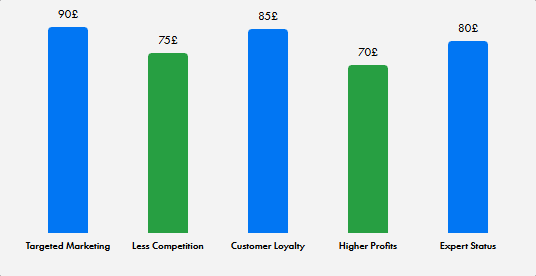
Benefits of Niche Marketing
Increased customer loyalty: By catering to specific needs, businesses can build stronger, more lasting relationships with their audience
Higher profit margins: Specialized products or services often command premium prices, leading to improved profitability
Focused marketing efforts: Niche targeting allows for more efficient and effective marketing campaigns
Reduced competition: Specializing in a niche market can help businesses avoid direct competition with larger, more established companies
Stronger brand differentiation: A niche focus helps businesses stand out in the marketplace and develop a unique brand identity
By catering to specific customer needs, businesses can build stronger relationships with their audience. This often leads to increased brand loyalty and higher customer retention rates. Niche businesses can become the go-to experts in their field, fostering trust and credibility among their target market. Implementing targeted SEO strategies can help businesses reach their niche audience more effectively online, improving visibility and attracting qualified leads.
Identifying Your Market Niche
Finding the right market niche for your business involves careful research and analysis. This process requires a deep understanding of market dynamics, consumer behavior, and your own business strengths. Here are some detailed steps to help you identify potential niches:
Conduct thorough market research: Analyze industry trends, consumer behavior, and emerging opportunities in your sector
Analyse customer demographics and psychographics: Develop detailed buyer personas to understand your target audience’s needs, preferences, and pain points
Evaluate competition in potential niches: Identify gaps in the market where you can offer unique value
Assess your own strengths and passions: Consider areas where your expertise and interests align with market needs
Test your niche concept: Conduct surveys, focus groups, or small-scale product launches to validate your niche idea
Understanding your target audience is crucial for success in niche marketing. Creating tailored content that addresses the specific needs and interests of your niche can help you connect with potential customers more effectively. This approach not only attracts your ideal customers but also positions your business as a trusted authority in your chosen niche.
Niche Marketing Strategies
Once you’ve identified your market niche, it’s important to develop targeted marketing strategies that resonate with your specific audience. These strategies should focus on highlighting your unique value proposition and addressing the particular needs of your niche market. Some effective approaches include:
Tailored content creation: Develop blog posts, videos, and other content that specifically addresses the interests and challenges of your niche audience
Targeted social media campaigns: Utilize platforms where your niche audience is most active and create engaging, niche-specific content
Influencer partnerships: Collaborate with influencers who have credibility within your niche market
Niche-specific events and webinars: Host or participate in industry events that cater to your target audience
Email marketing segmentation: Create highly targeted email campaigns based on specific niche interests and behaviors
Social media marketing can be particularly effective for reaching niche audiences. By creating content that speaks directly to your target market’s interests and needs, you can build a strong online presence and engage with potential customers more effectively. Platforms like LinkedIn for B2B niches or Instagram for visually-oriented consumer niches can be powerful tools for connecting with your specific audience.
The Role of SEO in Niche Marketing
Search engine optimisation (SEO) plays a crucial role in helping businesses reach their niche audience online. By optimizing your web presence for specific, niche-related keywords and topics, you can improve your visibility to potential customers actively searching for your specialized products or services. Key aspects of SEO for niche markets include:
Long-tail keywords targeting specific niche interests: Focus on highly specific search terms that your niche audience is likely to use
Local SEO for businesses serving specific geographic areas: Optimize for local search to attract nearby customers looking for your specialized offerings
Content optimisation tailored to niche audience needs: Create in-depth, valuable content that addresses the unique challenges and interests of your niche market
Technical SEO for niche-specific features: Ensure your website is optimized for any industry-specific functionalities or content types
Backlink building within niche communities: Develop relationships with niche-relevant websites and influencers to build authoritative backlinks
Implementing local SEO strategies can be particularly effective for businesses targeting niche markets in specific locations. This approach helps you appear in relevant local searches and connect with nearby customers who are looking for your specialised products or services. By combining local SEO with niche-specific keywords and content, you can significantly improve your visibility to your target audience.
Leveraging Digital Marketing for Niche Success
Digital marketing offers powerful tools for reaching and engaging niche audiences. By leveraging various digital channels and tactics, businesses can create highly targeted campaigns that resonate with their specific market segment. Some effective strategies include:
Email marketing campaigns tailored to niche interests: Segment your email list and create highly personalized content for different niche segments
Pay-per-click (PPC) advertising targeting specific keywords: Use platforms like Google Ads to bid on niche-specific search terms and reach potential customers actively looking for your offerings
Influencer partnerships within niche sectors: Collaborate with micro-influencers who have a strong following within your niche market
Content marketing focused on niche topics: Develop a content strategy that addresses the unique challenges and interests of your niche audience
Retargeting campaigns for niche products: Use retargeting ads to re-engage potential customers who have shown interest in your niche offerings
Social media advertising with niche targeting: Utilize the advanced targeting options on platforms like Facebook and LinkedIn to reach your specific audience
Email marketing can be a highly effective way to nurture relationships with your niche audience. By creating personalised content that addresses their specific needs and interests, you can build trust and encourage customer loyalty. Segmenting your email list based on niche-specific criteria allows you to deliver highly relevant content and offers, improving engagement and conversion rates.
Case Studies: Successful Niche Market Strategies
Let’s look at some real-world examples of businesses that have successfully targeted niche markets, examining their strategies and the factors that contributed to their success:
Niche e-commerce success: A small online store specialising in eco-friendly pet products
Strategy: Focused on sustainable, organic pet supplies for environmentally conscious pet owners
Success factors: Strong brand messaging, partnerships with eco-friendly influencers, and targeted social media advertising
Local service provider: A mobile dog grooming service targeting busy urban pet owners
Strategy: Offered convenient, at-home grooming services for time-pressed city dwellers
Success factors: Excellent local SEO, a user-friendly booking system, and personalized service
B2B niche market leader: A software company developing specialised tools for dental practices
Strategy: Created comprehensive practice management software tailored specifically for dentists
Success factors: Deep industry knowledge, strong customer support, and targeted content marketing
These examples demonstrate how businesses can thrive by focusing on specific niche markets. By understanding their target audience’s unique needs and preferences, these companies have been able to create tailored products and services that resonate with their customers. Their success highlights the importance of deep market knowledge, targeted marketing efforts, and a commitment to addressing specific customer pain points within the niche.
Challenges in Niche Marketing
While niche marketing offers many benefits, it also comes with its own set of challenges that businesses must navigate carefully:
Limited market size: Niche markets, by definition, have a smaller potential customer base, which can limit growth opportunities
Adapting to changing consumer preferences: Niche markets can be sensitive to shifts in consumer trends, requiring businesses to stay agile
Balancing specialisation and diversification: Finding the right balance between focusing on your niche and exploring related opportunities can be challenging
Increased vulnerability to market fluctuations: A narrow focus can make businesses more susceptible to economic downturns or changes in their specific sector
Higher customer acquisition costs: Reaching a highly specific audience may require more targeted and potentially costly marketing efforts
Risk of over-saturation: Success in a niche market can attract competitors, potentially leading to increased competition over time
To overcome these challenges, businesses need to stay agile and responsive to their niche audience’s needs. This involves continuous market research, staying ahead of industry trends, and being prepared to adapt your offerings as necessary. Implementing effective digital marketing strategies can help businesses stay connected with their customers and adapt to changing market conditions. By leveraging data analytics and customer feedback, companies can anticipate shifts in their niche market and adjust their strategies accordingly.
Future Trends in Niche Marketing
As consumer preferences continue to evolve and technology advances, new opportunities for niche markets are emerging. Staying ahead of these trends can help businesses identify new niche opportunities and adapt their strategies accordingly. Some key trends to watch include:
Emerging niche markets in sustainable and eco-friendly products: Growing consumer awareness of environmental issues is creating new opportunities for green and sustainable niches
Technology’s impact on niche identification and targeting: Advanced data analytics and AI are enabling businesses to identify and target micro-niches with unprecedented precision
Growing demand for personalised and customised products: Consumers increasingly seek unique, tailored products, opening up new niche markets for customization
Rise of subscription-based niche services: Subscription models are becoming popular in various niche markets, from specialized food deliveries to curated product boxes
Increased focus on health and wellness niches: The growing emphasis on personal health is creating opportunities for specialized wellness products and services
Expansion of digital-only niche markets: The continued growth of e-commerce and digital services is creating new opportunities for online-only niche businesses
Staying ahead of these trends can help businesses identify new niche opportunities and adapt their strategies accordingly. Investing in web design and SEO services can help ensure your business is well-positioned to capitalise on emerging niche markets. A strong online presence, coupled with a deep understanding of evolving consumer needs, will be crucial for success in future niche markets.
To help you make the most of your niche marketing efforts, here are some expert tips and insights from industry professionals:
“Finding your niche is about understanding your unique strengths and the specific needs of a market segment. It’s the key to standing out in a crowded marketplace.”
The travel industry has changed a lot recently, with more people using the internet to plan and book their trips. This means travel companies need to use digital marketing to reach their customers effectively. In this article, we’ll explore how digital marketing is changing the travel industry and helping businesses grow and connect with customers better.
Key Takeaways
Digital Marketing Strategy
Benefits for Travel Companies
Social Media Marketing
Show off destinations, talk to travelers, make people aware of your brand
Search Engine Optimisation (SEO)
Be easier to find in travel searches, attract potential customers
Content Marketing
Give helpful information, become an expert, inspire travel planning
Mobile-First Strategies
Help travelers on-the-go, make websites easier to use, get more bookings
Data-Driven Marketing
Make offers more personal, improve marketing campaigns, get better results
Why Digital Marketing Matters for Travel Companies
Digital marketing is really important for travel businesses today. It helps them connect with more people who want to travel and are looking for travel experiences online. Digital marketing for travel agencies can help get more customers and keep them coming back, which helps the business grow. Here’s why digital marketing is so important for the travel industry:
Most travelers now use the internet to research and plan their trips
Digital marketing helps travel companies show up higher in search results
It allows companies to target specific groups of people more accurately
Travel companies can use great photos and videos to show off destinations
Digital platforms let companies talk to customers in real-time and provide better service
Using data helps travel companies improve their offers and marketing
Key Digital Marketing Strategies for Travel
Travel companies can use different digital marketing strategies to reach more people, talk to potential customers, and get more bookings. Let’s look at some of the best ways to do this:
1. Social Media Marketing
Social media is great for travel companies to show off destinations, talk to travelers, and make people aware of their brand. Social media marketing works really well for travel because it’s visual and can inspire people to want to travel. By sharing beautiful photos, videos, and stories, travel brands can get people excited about destinations and experiences. Many people also use social media to get ideas and recommendations for travel, so it’s important for travel marketing.
Here are some good ways for travel companies to use social media:
Share pretty pictures and videos that show off destinations and experiences
Talk to followers through comments, messages, and by sharing content they create
Work with influencers to reach new people and build trust
Use social media ads to reach specific groups of people
Do live Q&A sessions or virtual tours to talk to people in real-time and give information
2. Search Engine Marketing
When people plan trips, they often start by searching online. Search engine optimisation (SEO) is really important to help travel websites show up in these search results. By making their online presence better, travel companies can be more visible to people looking for travel information and services. This can lead to more people visiting their website, more people knowing about their brand, and more bookings.
Good search engine marketing strategies for travel businesses include:
Finding the right keywords that people use when searching for travel
Making website content, tags, and structure better for these keywords
Creating pages for specific locations to show up in local searches
Getting links from other good travel websites
Using special code to make search results look better
Using pay-per-click (PPC) ads to help with regular search results
3. Content Marketing
Making good, interesting content is a great way to attract and keep potential travelers. By creating helpful travel guides, inspiring blog posts, and fun videos, travel companies can become trusted sources of information and inspiration. This helps them show up in search results and builds trust with potential customers, making them more likely to book.
Good content marketing strategies for travel include:
Making detailed guides about destinations that give travelers useful information
Creating infographics about travel trends or tips that are easy to share
Making videos that show destinations, places to stay, and things to do
Having a blog with regular posts about travel tips, insider knowledge, and personal stories
Using content created by travelers to give real perspectives and build community
Offering things people can download like packing lists or travel plans
Using Data to Improve Travel Marketing
Digital marketing gives travel companies access to lots of useful information. This helps them make better decisions and create marketing campaigns that target the right people. By using data analytics, travel businesses can understand customer behavior, preferences, and booking patterns better. This data-driven approach helps make marketing strategies more effective and get better results. Here are some ways data helps improve travel marketing:
Making offers and recommendations personal based on what people have searched for, booked before, and looked at
Finding the best times for promotions by looking at seasonal trends and booking patterns
Checking how well different marketing channels and campaigns are doing to use resources better
Grouping audiences based on things like age, interests, and travel preferences for more targeted marketing
Predicting future travel trends and demand to help with product development and pricing
Using dynamic pricing based on real-time demand and what competitors are doing
Mobile-First Strategies for Travel Marketing
More and more people are using smartphones to plan and book travel, so it’s really important for travel companies to focus on mobile. This means travel businesses need to make sure their websites and apps work well on mobile devices to give users a good experience and get bookings from people on-the-go. Here are some important things to think about for mobile-first travel marketing:
Making websites that look good and work well on all screen sizes and devices
Creating easy-to-use mobile apps that make booking simple and provide useful travel tools
Using location-based marketing to send targeted offers and recommendations to travelers in real-time
Making sure email marketing campaigns look good and work well on mobile
Using mobile features like click-to-call buttons and maps to make things easier for users
Building Trust with Digital Marketing
In the travel industry, trust is really important when people are making decisions. Customers need to feel sure they’re booking with good companies and that their travel experiences will be as good as or better than they expect. Digital marketing plays a big role in building and keeping this trust through different strategies:
Showing real customer reviews and ratings on different platforms
Giving clear pricing information and explaining what’s included in travel packages
Providing up-to-date information about travel safety, including health and security measures
Using secure payment systems and showing trust badges to make customers feel safe
Sharing behind-the-scenes content and employee stories to make the brand more relatable
Responding quickly and professionally to customer questions and concerns on social media and review sites
Managing a company’s online reputation is an important part of building trust through digital marketing. This means keeping an eye on what people are saying online, dealing with negative feedback in a constructive way, and actively trying to get positive reviews and testimonials.
Case Study: Travel Trade Ready
Let’s look at a real example to see how digital marketing works in the travel industry. Seek Marketing Partners worked with Travel Trade Ready to make their online presence better and help their business grow. This example shows how a good digital marketing strategy can really improve a travel business’s online performance. Here’s what they did:
Made a user-friendly website that works well for both travel suppliers and buyers, making it easier to use and more engaging
Used SEO to make the website show up better in search results for travel industry keywords
Created a social media marketing plan to make more people aware of the brand and talk to the right audience on different platforms
Developed a content marketing strategy, including blog posts and guides, to make Travel Trade Ready an expert in the industry
Used analytics tools to track how well things were working and get insights to keep improving marketing efforts
This digital marketing strategy really improved Travel Trade Ready’s online presence, resulting in more website visitors, more engagement, and growth in their customer base and business opportunities.
The Future of Digital Marketing in Travel
Digital marketing for the travel industry is always changing, driven by new technology and changes in how consumers behave. As we look to the future, several new trends and technologies are set to change how travel companies connect with and serve their customers. Some key things to watch include:
Using artificial intelligence and machine learning to give very personalized travel recommendations and experiences
Using virtual and augmented reality to give immersive previews of destinations and places to stay
Focusing more on sustainable and responsible travel in marketing messages and what’s offered
Optimizing for voice search to cater to the growing use of voice-activated devices for travel planning
Using chatbots and AI-powered customer service tools to provide instant, 24/7 support to travelers
Exploring how blockchain technology could be used for secure and transparent booking processes
Having a modern, easy-to-use website will still be really important as these new technologies are added to digital marketing strategies. Travel companies need to make sure their online presence can adapt and use these new innovations to stay competitive in the changing digital world.
Conclusion: The Power of Digital Marketing for Travel
Digital marketing has become essential for travel companies wanting to do well in today’s competitive market. By using strategies like social media marketing, search engine optimization, and content creation, travel businesses can effectively reach and engage their target audience, build trust, and grow. The ability to use data for personalized marketing efforts and adapt to mobile-first consumer behaviors makes digital marketing even more effective in the travel sector.
As the travel industry continues to change, driven by new technology and changing consumer preferences, digital marketing will become even more important. Companies that embrace these digital strategies and stay flexible in their approach will be in a better position to succeed in the dynamic and competitive world of travel and tourism.For travel businesses looking to improve their digital marketing efforts, working with experts who understand the unique challenges and opportunities in the sector can be really valuable. With the right digital marketing strategy, travel companies can not only navigate the complexities of the modern marketplace but also create meaningful connections with travelers, inspiring them to explore the world while driving business success.
In today’s digital world, knowing how to use different online marketing methods is really important for businesses to do well. Digital marketing channels are the various ways companies can reach people online, talk to them, and get them to buy things. These channels have gotten more advanced over time, giving businesses lots of new ways to connect with potential customers. Let’s look at the top 10 digital marketing channels that can help your business do great in 2025 and beyond. We’ll see what’s special about each one and how they can all work together in a big marketing plan.
Key Takeaways: Digital Marketing Channels at a Glance
What Are Digital Marketing Channels?
Search Engine Optimisation (SEO): Improve organic visibility and rankings
Pay-Per-Click Advertising (PPC): Drive targeted traffic through paid ads
Social Media Marketing: Engage audiences on popular platforms
Content Marketing: Create valuable, relevant content to attract and retain customers
Email Marketing: Nurture leads and maintain customer relationships
Influencer Marketing: Leverage social proof and expand reach
Video Marketing: Engage audiences with dynamic visual content
Affiliate Marketing: Partner with others to promote products/services
Mobile Marketing: Reach customers on their preferred devices
Voice Search Optimisation: Adapt to changing search behaviors
1. Search Engine Optimisation (SEO)
Search Engine Optimisation, or SEO, is super important for making your website easy to find online. It’s all about making your website and content show up higher in search results when people look for things related to your business. SEO is really important for getting more people to visit your website without paying for ads, and it helps more of the right people find your business.
SEO has a few main parts:
On-page stuff: Making sure your website’s pages are set up in a way that search engines can understand easily.
Off-page stuff: Getting other good websites to link to yours, which makes your site look more trustworthy.
Technical stuff: Making your website fast, easy to use on phones, and easy for search engines to read.
By focusing on SEO, businesses can get more people to their website, show up higher in search results, and become known as experts in what they do. This can help a business grow steadily over time without having to spend as much on ads.
2. Pay-Per-Click Advertising (PPC)
Pay-Per-Click (PPC) advertising is a way to buy visits to your website. You pay a small fee each time someone clicks on your ad. It’s a quick way to get your business in front of people searching for what you offer. Google Ads and Bing Ads are popular places to do PPC advertising.
Some good things about PPC ads are:
Your ads can show up right away when people search for certain words.
You can choose exactly who sees your ads based on things like where they live or what they’re interested in.
It’s easy to see how well your ads are working and if they’re worth the money.
You decide how much you want to spend each day or month.
PPC can be a great way to get quick results, especially for new websites or when you have a special sale. It works well with SEO by giving you immediate visibility while you’re working on improving your organic search rankings.
3. Social Media Marketing
Social media marketing is about creating and sharing content on social media platforms to achieve your marketing goals. With billions of people using social media, it’s a great way to connect with your audience, make more people aware of your brand, and get people interested in what you’re doing.
Popular social media platforms for marketing include:
Facebook: Good for reaching lots of different people.
Instagram: Great for businesses with lots of pictures or videos to share.
LinkedIn: Best for talking to other businesses or professionals.
Twitter: Good for quick updates and talking directly to customers.
TikTok: Popular with younger people and great for fun, short videos.
Good social media marketing involves creating interesting content and sometimes using paid ads to reach more people. By sharing helpful information and talking with your followers, you can build a community of people who really like your brand.
4. Content Marketing
Content marketing is about creating and sharing helpful information to attract and keep customers. It’s a long-term plan that builds strong relationships with your target audience by giving them valuable information that answers their questions and helps solve their problems.
Types of content marketing include:
Blog posts: Regular articles with tips, insights, and news.
Infographics: Pictures that explain data or ideas.
Whitepapers: Detailed reports on specific topics.
E-books: Long guides about a particular subject.
Case studies: Real examples of how you’ve helped customers.
Podcasts: Audio content people can listen to anywhere.
Webinars: Online classes or presentations.
By consistently creating good content, businesses can become known as experts in their field, improve their search engine rankings, and build trust with potential customers. Content marketing also helps with other digital marketing efforts by providing material for social media posts, emails, and SEO.
5. Email Marketing
Email marketing is still one of the best ways to reach customers directly. It involves sending targeted messages to people who have signed up to hear from you. Even with new marketing methods, email still works really well, often earning £35.41 for every pound spent.
Important parts of email marketing include:
Building a list of email addresses and grouping them.
Writing interesting subject lines and content.
Personalizing emails and setting up automatic email sequences.
Testing different versions of emails to see what works best.
Making sure emails look good on mobile phones.
Email marketing helps businesses stay in touch with leads, keep customers coming back, and encourage repeat purchases. By sending helpful newsletters, special offers, and personalized recommendations, you can build lasting relationships with your audience and get more value from each customer over time.
6. Influencer Marketing
Influencer marketing uses popular social media personalities to promote products or services. It involves working with influencers who have lots of followers in your target market to increase brand awareness and drive sales. This strategy works because people trust and listen to these influencers.
Steps to successful influencer marketing:
Find influencers who match your brand and audience.
Build ongoing relationships with influencers.
Create genuine, engaging content together.
Track how well the campaigns are doing.
Follow advertising rules about disclosing sponsored content.
Influencer marketing is especially good for reaching younger people and building trust with potential customers. It combines word-of-mouth marketing with the reach of social media, letting brands tap into established communities and use social proof to their advantage.
7. Video Marketing
Video marketing has become really important in the digital world. With platforms like YouTube, TikTok, and Instagram Reels, businesses can create engaging video content to connect with their audience and show off their products or services in an interesting, visual way.
Types of video content include:
Product demonstrations: Showing how your products work.
How-to guides: Teaching people something useful related to your business.
Customer testimonials: Real customers sharing their good experiences.
Behind-the-scenes footage: Showing what goes on inside your company.
Live streams: Real-time Q&A sessions or events.
Explainer videos: Breaking down complex ideas in a simple way.
Video content can really increase engagement and help businesses explain complicated things in an easy-to-understand way. It’s especially good for getting attention on social media and can make people stay on your website longer when you use videos on your pages.
8. Affiliate Marketing
Affiliate marketing is when businesses reward other people or companies for sending customers their way. It’s a cost-effective way to reach more people because you only pay when you get results. This is particularly useful for online stores looking to get more customers and sales.
Important parts of affiliate marketing:
Finding partners who match your target audience.
Offering good rewards to motivate affiliates.
Giving affiliates materials like banners and links to use.
Tracking how many clicks and sales come from affiliates.
Building long-term relationships with your best affiliates.
Affiliate marketing lets businesses reach new audiences through trusted sources, using the credibility of established websites and influencers. It’s a low-risk way to drive sales when managed well.
9. Mobile Marketing
Mobile marketing is all about reaching customers on their smartphones and tablets. Since more than half of all web traffic comes from mobile devices, it’s really important to focus on mobile-first marketing. This includes various strategies to engage users on their personal devices.
Mobile marketing strategies include:
Making websites work well on all screen sizes.
Creating mobile apps for your brand.
Sending text messages to customers who’ve agreed to receive them.
Using location data to send relevant offers to nearby customers.
Designing emails that are easy to read on phones.
Creating ads specifically for mobile devices and apps.
Using QR codes to connect offline experiences to online ones.
By focusing on mobile experiences, businesses can improve how users interact with them across all digital channels. Mobile marketing allows for very personal, location-based messages that can bring people into physical stores and increase online sales.
10. Voice Search Optimization
As more people use voice-activated devices, it’s becoming important to optimize for voice search. This means adapting your content and SEO strategy to match how people talk, rather than how they type. This new channel is changing how people use search engines and find information online.
Tips for voice search optimization:
Use longer, more conversational phrases that people might say out loud.
Create FAQ pages to answer common questions.
Focus on local search queries, as many voice searches are for local information.
Make sure your website loads quickly.
Use structured data to help search engines understand your content better.
Make sure your website works well on mobile devices.
By getting ready for voice search, businesses can stay ahead and capture valuable organic traffic. Voice optimization also makes content more conversational and easier to access, which improves the overall user experience.
Integrating Multiple Digital Marketing Channels
While each digital marketing channel has its strengths, the best strategies use multiple channels together to create a smooth customer experience. By combining various channels, businesses can reach their audience in different ways and reinforce their message, creating a stronger and more memorable brand presence.
Key things to consider when using multiple channels:
Keep your branding consistent across all channels.
Coordinate your messaging and campaigns across different platforms.
Track how different channels contribute to conversions.
Create personalized experiences for individual users based on data from various channels.
Provide seamless customer support across all platforms where customers interact with your brand.
By using the strengths of each channel and creating a smooth experience, businesses can get the most out of their digital marketing efforts and achieve better results. This approach allows for more efficient use of resources and a better understanding of customer behavior and preferences.
Measuring Success Across Digital Marketing Channels
To make your digital marketing efforts as effective as possible, it’s important to measure and analyze how well each channel is performing. Web analytics tools can help you track important metrics and make decisions based on data. This analytical approach ensures that your marketing strategies are constantly improving based on real-world results.
Important things to track include:
Website traffic and where it comes from.
Conversion rates: How many visitors take the actions you want, like making a purchase.
Engagement rates: How people interact with your content across different platforms.
Return on investment (ROI): How much money you make compared to what you spend on marketing.
Customer acquisition cost (CAC): How much it costs to get a new customer through different channels.
Customer lifetime value (CLV): How much a customer is worth to your business over time.
Bounce rate: How many people leave your site after viewing only one page.
By regularly looking at these metrics, you can see which channels are working best and focus your efforts there. This data-driven approach allows you to constantly improve your digital marketing strategy, making sure you’re always investing in the most effective channels and tactics for your business.
Conclusion: Embracing the Digital Marketing Landscape
Digital marketing channels offer businesses amazing opportunities to reach and engage with their target audience. By understanding and using these 10 essential channels, you can create a comprehensive digital marketing strategy that helps your business grow and succeed. The key is to stay flexible and adaptable, as the digital world is always changing.
Remember, new trends and technologies are always emerging in the digital world. It’s important to regularly check how your digital marketing efforts are doing, be willing to try new channels, and always focus on providing value to your audience. By staying flexible and keeping your customers in mind, you can make sure your digital marketing strategy stays effective and relevant in the ever-changing digital world. If you want to improve your digital marketing strategy and make the most of these channels, contact Seek Marketing Partners. Our team of experts can help you develop and implement a digital marketing plan that fits your business goals and gets measurable results. With our expertise and your vision, we can create a strong digital presence that makes your business stand out in the competitive online marketplace.