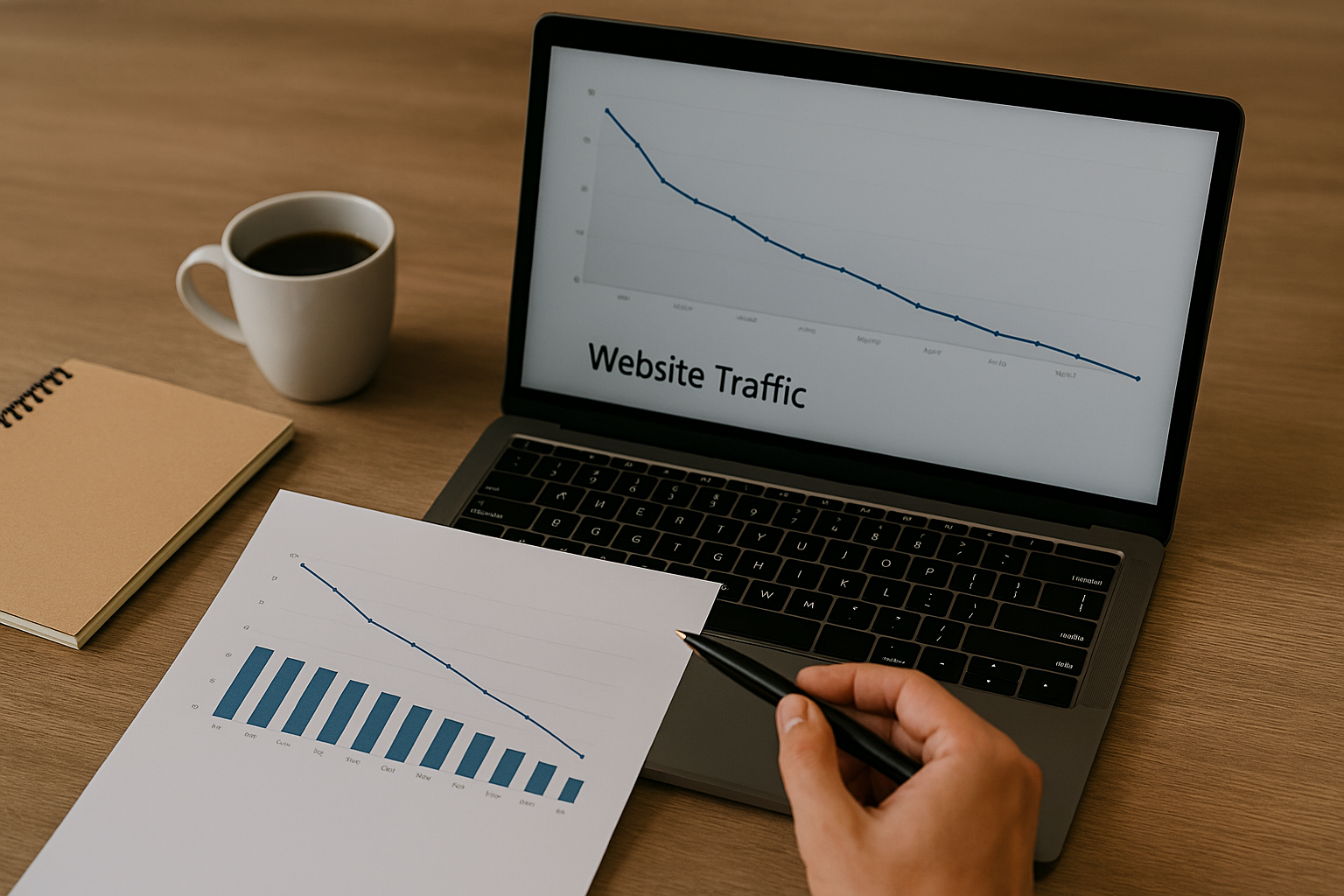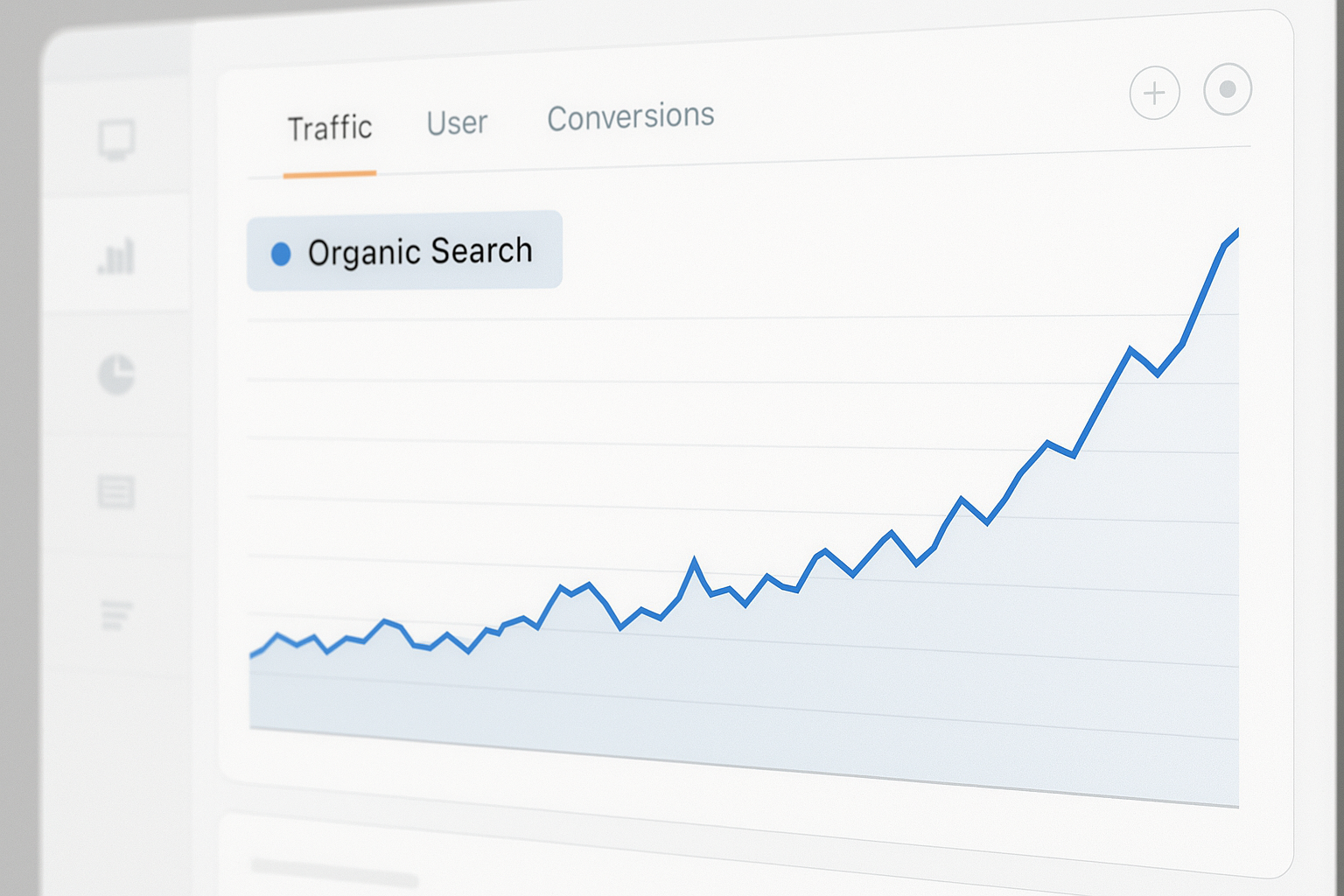
Organic search traffic is the visitors landing on your website from unpaid search engine results like Google and Bing. In other words, these users find you by typing queries and clicking your site’s result, with no ads involved.
Organic search represents a major portion of total web traffic in many industries, making it a critical source of visibility. For many B2B companies, organic search can outperform other channels in lead quality and long-term revenue.
In short, organic search is a cost-effective, high-intent traffic stream. People are actively searching for information or solutions, and if your content matches their needs, it can lead to quality leads and sales.
Key Differences of Organic vs Paid:
Paid search (PPC) can deliver instant traffic by bidding on keywords, but traffic stops as soon as the ads stop. Organic traffic, by contrast, builds over time and keeps paying dividends long-term.
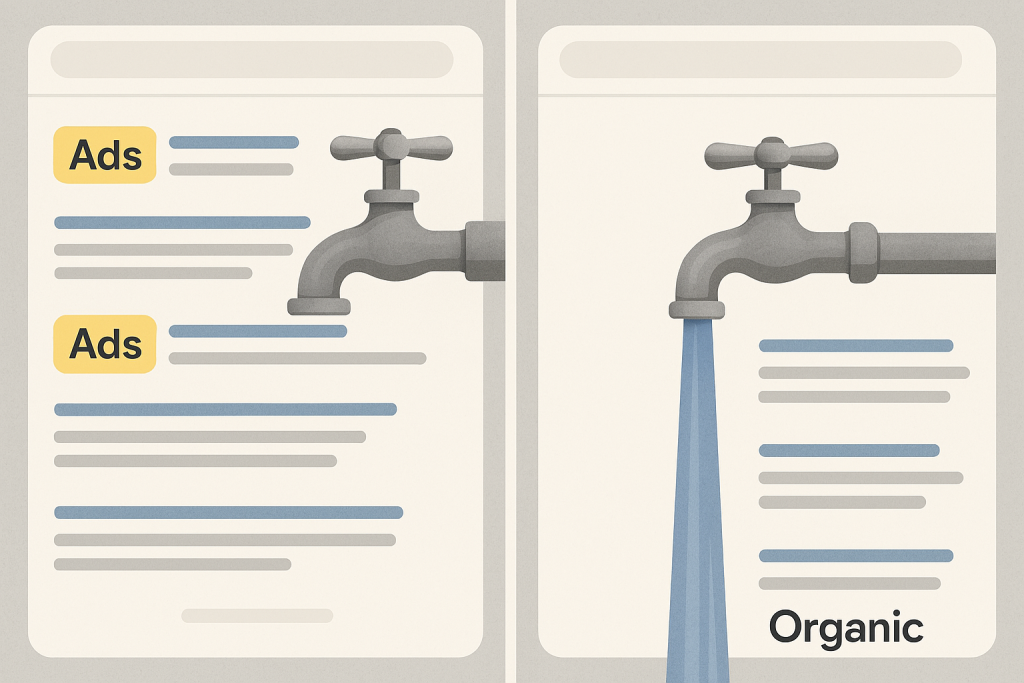
Studies commonly show that the top organic result receives a significant share of clicks, without paying per click. Organic results often feel more trustworthy to users, especially for research-driven searches.
Why Organic Search Traffic Matters
Organic search traffic is highly targeted and sustainable. Visitors come seeking what you offer, so they’re already engaged. This means:
- Qualified leads: Organic visitors know what they want. A good query match often means a higher chance of converting into a customer.
- Free traffic (beyond your content spend): Unlike ads, you don’t pay per click. Once your content ranks, clicks are “free”.
- High ROI: Investing in SEO and content upfront yields ongoing returns. In fact, organic results are “semi-permanent” – they keep driving traffic without continual spending.
- Trust and credibility: Users generally trust organic listings over ads. Ranking on page one signals authority.
- Long-term growth: Algorithms change, but good SEO and content keep paying off. Organic traffic has slower growth but a longer shelf life.
Case in point: Over 50% of all web traffic comes from organic search. For mid-to-large businesses, that’s a lot of eyeballs. By capturing just a fraction more of that traffic, you can significantly boost leads and brand awareness.
Organic vs. Paid Search Traffic
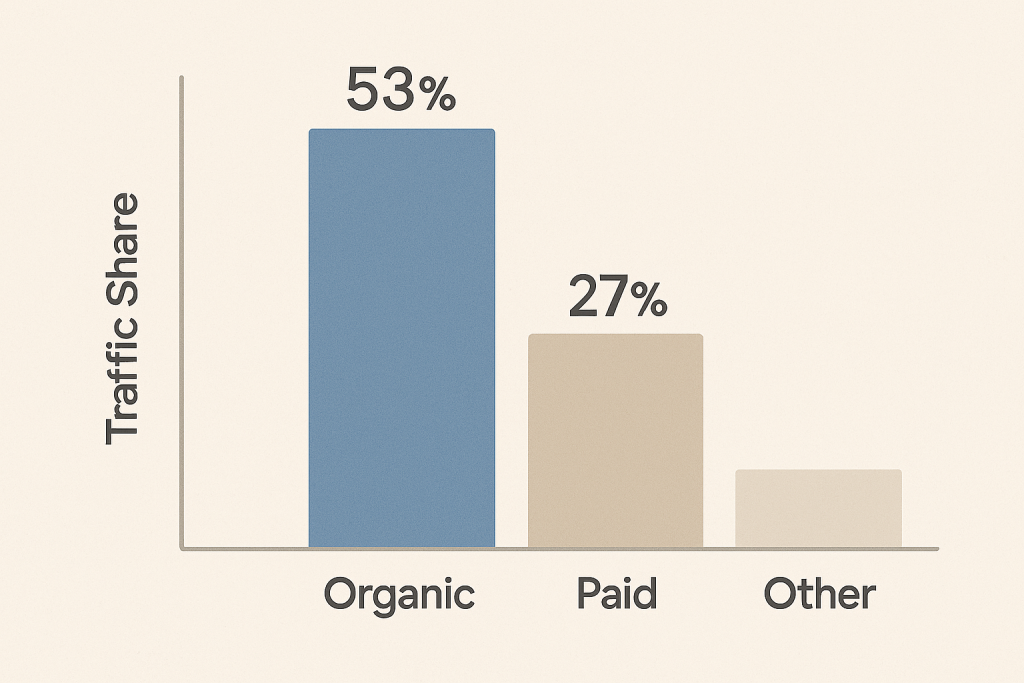
Organic search and paid search (PPC) serve different goals. Paid ads can put you at the top of search results instantly, but only while you pay for clicks. Once the budget ends, the ads and traffic stop. Organic results require effort to rank (SEO, content, links), but then keep working.
Paid CTR varies widely, while high-ranking organic results often attract a larger share of clicks for certain searches. In practice, most online traffic is organic – one study found 53.3% of all traffic came from organic search versus just 27% from paid ads.
Bottom line: Organic search yields more consistent, intent-driven traffic at a lower long-term cost. Paid ads are great for quick boosts or promotions, but organic search is a reliable foundation for long-term visibility and ROI.
Benefits of Organic Search Traffic
Organic search traffic is often the most valuable channel for business growth. Key benefits include:
- Cost-effective: Aside from content creation and SEO work, clicks don’t cost you per visit. Unlike continual ad spend, organic search is “free traffic” once established.
- Highly qualified leads: Visitors from organic search are actively looking for info or solutions related to your products or services. This means higher intent and better conversion potential.
- Better trust and credibility: Users often click organic results over ads. High rankings enhance brand authority. Research notes that organic links get more clicks than sponsored results.
- Long-term sustainability: Good SEO gains build on themselves. A piece of well-optimised content can generate traffic for months or years, unlike ads that stop with spending.
- Higher ROI: Over time, organic search often delivers a stronger return than ads. Organic search can be a major revenue driver when supported by consistent SEO and content strategy.
By focusing on organic search, companies increase visibility to a broad audience with genuine interest. And because traffic keeps coming once you rank well, the upside compounds – making organic traffic a linchpin of digital growth.
How to Increase Organic Search Traffic
Improving your organic search traffic is an ongoing process of good SEO and marketing practice. Here are the main tactics:
1. Perform a Technical SEO Audit
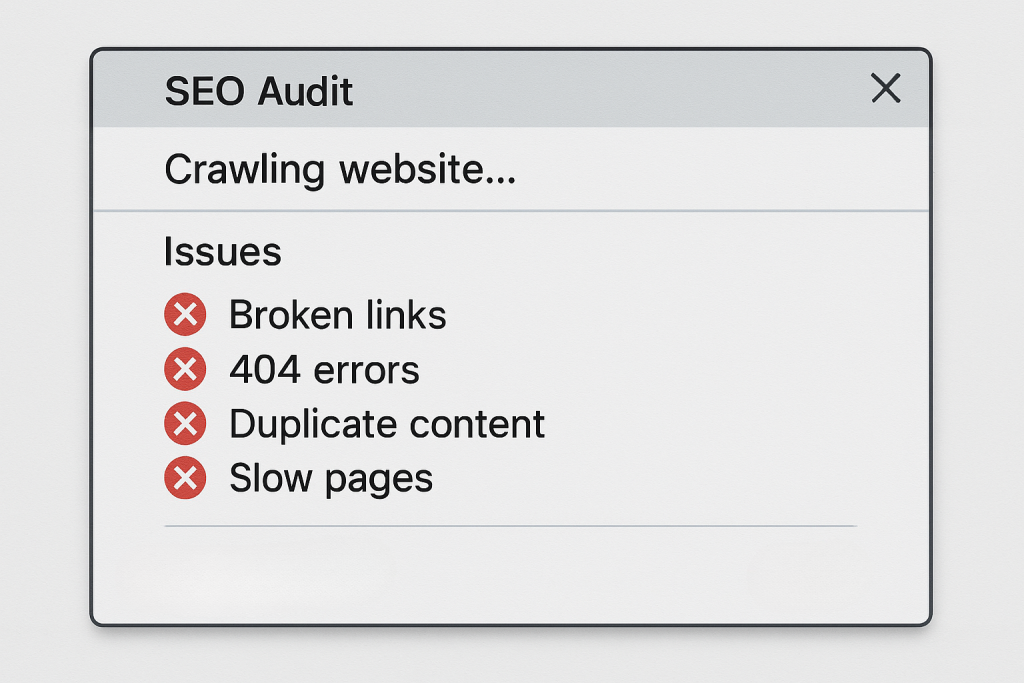
First, ensure search engines can crawl and index your site without issues. Google must be able to discover your content. Run a site audit using tools like Google Search Console, Screaming Frog or an SEO platform to find errors. Fixing technical problems can unlock more traffic.
Key Tasks:
- Check crawlability: Ensure your pages are not blocked by robots.txt or password protection. Submit an XML sitemap to Google.
- Resolve site errors: Repair broken links, fix 4xx and 5xx errors, and eliminate redirect chains. These errors can impede Googlebot.
- Improve site speed and UX: Pages should load quickly on desktop and mobile. Google explicitly considers load time and mobile friendliness. Fast, mobile-optimised pages rank and convert better.
- Remove duplicate content: Use canonical tags or remove duplicates so each piece of content is unique.
As Seek Marketing Partners recommends, start by fixing “Errors” from an audit and then warnings. Even simple fixes like repairing broken images or duplicate meta tags can help Google index more of your site. Taking these technical steps lays the groundwork for all other SEO efforts.
2. Do Thorough Keyword Research
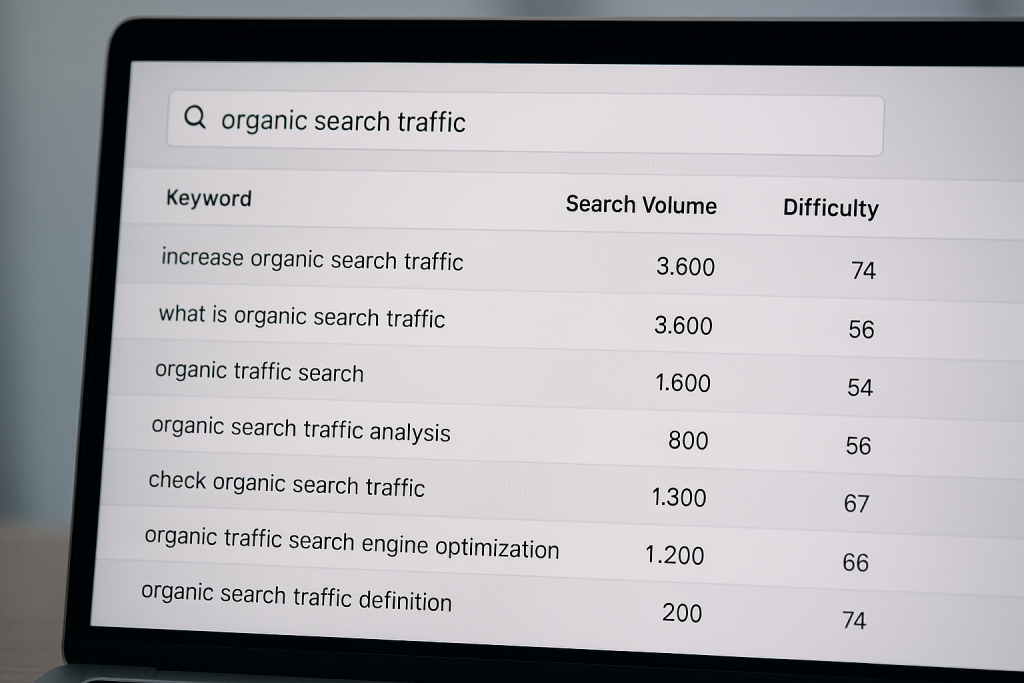
Identify the search terms your audience is using. Use keyword tools like Google Keyword Planner, Ahrefs, or Semrush’s Keyword Magic Tool to find relevant phrases. Look beyond obvious terms and consider long-tail keywords or more specific phrases that buyers might use.
A solid keyword strategy means:
- Match user intent: Determine if a keyword is informational (research) or transactional (buying). Align your content accordingly. For example, a guide versus a product page.
- Search volume and competition: Target terms with sufficient monthly searches but moderate competition. New sites often start with lower-volume, lower-competition terms to gain traction.
- Use keyword metrics: Tools provide search volume, keyword difficulty (how hard to rank), and search intent. Focus on keywords where you can realistically rank and that fit your business goals.
As one guide notes, keyword research “helps you create targeted content that attracts more organic traffic”. Prioritise a mix of head terms or broad phrases and long-tail variations. Always keep the searcher’s intent in mind: the best keywords are those that reflect the questions and needs of your audience.
3. Create High-Quality, Relevant Content
Content is the engine of organic traffic. Google rewards pages that satisfy user needs. So write in-depth, well-structured content that answers your users’ queries.
Key Tips:
- Match intent: If people are looking for “organic search traffic definition”, create a clear, concise answer to what organic traffic is. If they want “how to increase organic traffic”, make a how-to guide.
- Be thorough and readable: Break content into logical sections with clear headings. Use bullet lists and images where appropriate to make text easy to scan.
- Optimise on-page elements: Write unique, descriptive page titles and meta descriptions – these are crucial for click-through in SERPs. Also, include target keywords in headings and naturally in text, but avoid stuffing.
- Refresh and expand: Update older content with new insights and keywords. Google favours fresh, comprehensive pages.
For example, Semrush’s SEO Writing Assistant or On-Page SEO Checker tools recommend improvements like adding a meta description or simplifying language. Use analytics to see which posts rank but aren’t getting clicks or rankings, then refine them.
As Google advises, “The text is easy-to-read and well organised”, so keep paragraphs short and scannable. Good content not only ranks, but it also establishes your site as an authority and keeps visitors engaged.
4. Build Quality Backlinks
Links from other reputable sites act as endorsements, boosting your site’s authority in Google’s eyes. Earning backlinks is a core part of SEO:
- Create link-worthy assets: Publish unique research, infographics, tools or in-depth guides that others naturally want to cite.
- Outreach and partnerships: Reach out to industry blogs, partners or news sites to feature your content or collaborate on articles.
- Tactics like guest blogging and broken link building: Offer to write guest posts on relevant sites, or find broken links on others’ pages and suggest your link as a replacement.
Earning backlinks from other reputable websites increases your site’s authority and credibility, which can lead to better rankings and more organic traffic.
Remember, quality over quantity. A few links from high-authority sites beat dozens of links from low-value directories. Each new quality link helps Google trust your site more and can elevate your rankings, bringing more organic visitors.
5. Use Analytics and Monitoring
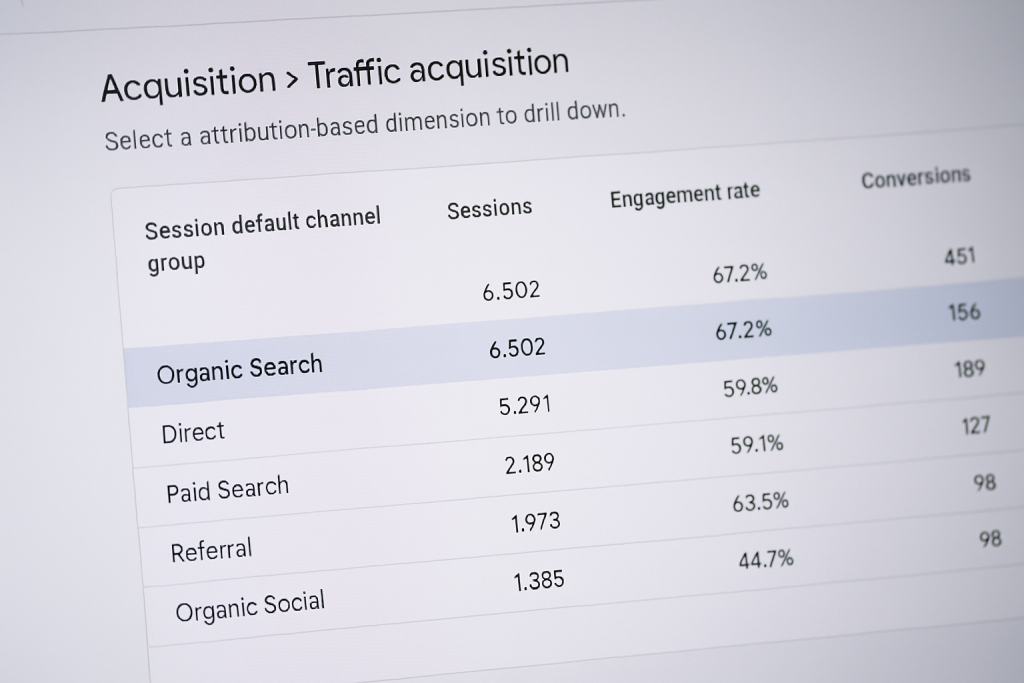
Monitor your efforts with analytics. Use Google Analytics and Google Search Console to track organic performance. In Google Analytics 4, for example, the Traffic Acquisition report shows “Organic Search” as a separate channel. And in Search Console’s Performance report, you can see total organic clicks from Google. By checking these reports regularly, you can see which keywords and pages drive the most organic visits. Then double down on what’s working and improve or prune what isn’t.
Data is your guide. If you notice a blog post suddenly surging in clicks, consider updating it further or adding a related call-to-action. If a keyword is high-volume but not ranking, you might create more content around it. In short, use analytics to measure traffic trends and refine your SEO strategy. This continuous loop of implement → monitor → optimise ensures your organic traffic keeps climbing.
6. Local SEO and Google Business (if applicable)
If your business has a physical presence or serves specific regions, local SEO is key. A fully filled-out Google Business Profile (formerly Google My Business) can significantly improve local search visibility. When people search for services near them, your profile can appear in the map pack. Fill in accurate addresses, hours, photos, and encourage customer reviews.
According to one study, about 32% of people search for local businesses several times a week. By optimising your local listing, you capture some of that organic search traffic.
At Seek Marketing Partners, we can help you ensure your local SEO is on point for UK audiences and beyond.
Partnering with an Expert Organic Traffic Agency
Increasing organic search traffic involves many moving parts – technical SEO, content creation, analytics, link building, etc. Many companies find it effective to partner with a specialised digital marketing agency. At Seek Marketing Partners, we’re SEO experts with a data-driven approach. We combine technical audits, keyword strategy, content marketing and analytics to deliver sustainable growth.

Our Services:
- SEO strategy and execution: From on-site fixes to site architecture and tagging, we handle it.
- Content marketing: We craft engaging, optimised content (blogs, guides, landing pages) tailored to your target keywords and audience.
- Analytics and insights: We set up dashboards and reports so you can see the real impact on traffic and leads.
If you’re serious about growing your online visibility, get in touch. We offer SEO consulting and full-service engagement. Book a consultation with Seek Marketing Partners and let us help you climb the search rankings, attract more leads, and outpace the competition.
Final Thoughts
So what is organic traffic? Organic search traffic is vital for long-term growth. By definition, it’s free traffic from search engines, and it delivers high-intent visitors who trust your brand. To increase it, focus on a solid SEO strategy: audit and fix technical issues, target the right keywords, create valuable content, and build authority with links. Use analytics to monitor progress and refine tactics.
With persistence and the right approach, you’ll see a steady uptick in natural search visitors – a cornerstone of online success. Remember, at Seek Marketing Partners, we’re here to guide you. Book a consultation to get expert help with SEO, content marketing and analytics that will boost your organic traffic and visibility.
Get in touch today to start growing your organic search presence.