Category: Copywriting

  • Storytelling in Marketing: Winning Customers with Narratives

    Storytelling in Marketing: Winning Customers with Narratives

    Today’s digital market is crowded. People scroll past ads, mute videos, and skip anything that looks like a sales pitch. So how do you get attention without shouting louder? You build a connection – and using storytelling in marketing is how you do it.

    This article explores the value of storytelling in business marketing – why weaving narratives into your strategy can elevate your brand and drive real results. We’ll break down the key benefits and share tips on how to harness storytelling for your own marketing success. Let’s dive in.

    Illustration of an Arab man leading a discussion surrounded by light bulbs and speech bubbles.

    What Is Storytelling in Marketing?

    Storytelling in marketing means using a narrative to communicate your message and value to the audience in a memorable way. Rather than just stating facts or features, you craft a story – with a beginning, middle, and end – that engages people on an emotional level. It could be the story of how your company started or a customer’s journey with your product. You can use fictional scenarios to illustrate real challenges – as long as they don’t exaggerate product results. The key is that it’s relatable and evokes feeling.

    In a business context, storytelling in marketing humanises your brand. It gives life to your mission, your values, and the problems you solve, in a way that people can connect with. Humans have been telling stories for millennia – it’s how we understand the world. So when your marketing adopts story elements (characters, conflict, resolution, etc.), you’re leveraging a format our brains are wired to respond to.

    What Does Authentic Storytelling Look Like?

    Storytelling in marketing isn’t about fiction or making things up. It’s about finding the meaningful narratives in and around your business. This could be your founder’s story, which explains the “why” behind your business. It could be a customer success story that shows your product’s impact on someone’s life. This could be a founder story, a customer success story, a values-driven brand narrative, or a scenario that reflects real challenges without exaggerating results. The format can be a short video, a blog post, a social media series, an ad, a presentation – any medium where you can incorporate a narrative arc.

    Storytelling gives your audience a reason to care, understand your value, and remember you. If you can make them feel joy, hope, curiosity, even a bit of tension that resolves into satisfaction – they are far more likely to remember your message and act on it. Facts alone might appeal to logic, but stories appeal to emotions and logic, creating a stronger, lasting impression.
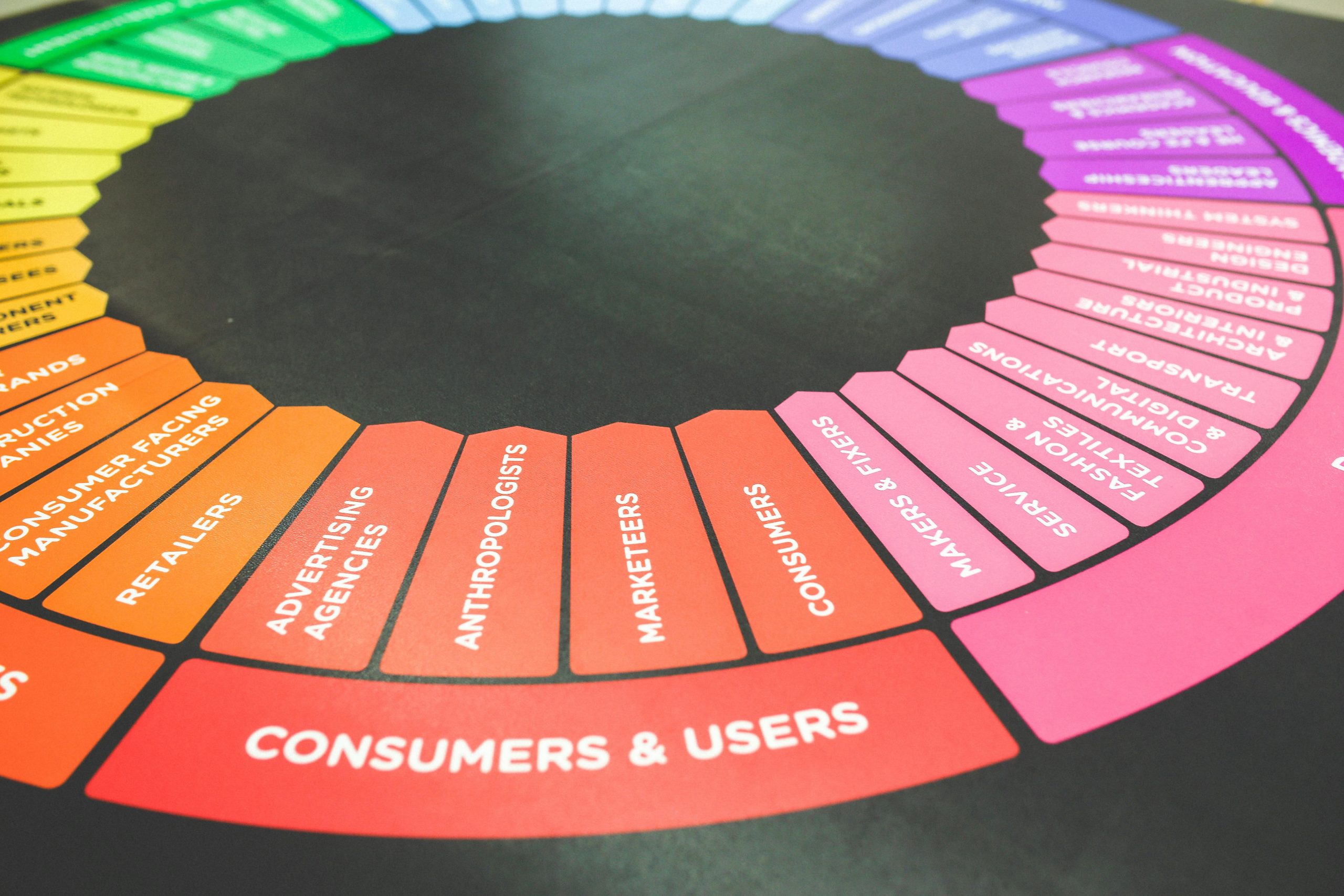
    Circular economy diagram showing stakeholders like manufacturers, designers, and consumers.

    Now that we know what it is, let’s look at why this approach delivers real value for your business.

    Key Benefits of Storytelling in Marketing for Your Business

    Simply put, storytelling works. But let’s unpack exactly how it works and the specific benefits it offers to your marketing and business goals. From making emotional connections to differentiating your brand, here are the core advantages:

    Assorted disposable and reusable coffee cups from various brands on a yellow felt board.

    1. Emotional Connection = Engaged, Loyal Customers

    One of the most powerful effects of storytelling is its ability to forge an emotional bond between your brand and your audience. A strong story doesn’t just inform; it helps people care and trust, and trust drives repeat business. When a brand tells a story that resonates, it humanises the business and makes customers feel something positive towards it. That emotional engagement can blossom into trust and loyalty.

    2. Standing Out Through Differentiation

    In a saturated market, facts and features start to blur together between competitors. Storytelling helps your business stand out by highlighting what makes you unique in a memorable way. Rather than competing on price or specs alone, you’re competing on a story – something no one can replicate because it’s inherently yours.

    3. Building Trust and Authenticity

    Trust is a cornerstone of any customer-business relationship. People don’t like to feel sold to with a hard pitch, but they do love a good story – and through that story, they often come to trust the storyteller (your brand). Authentic storytelling allows you to convey your values, mission, and commitment in a relatable way, which in turn builds credibility and trust with your audience.

    4. Simplifying Complex Ideas and Making Your Message Stick

    Have you ever struggled to explain a complex product or a novel concept to your audience? Storytelling can be your secret weapon for improving understanding. Humans process stories much more naturally than abstract information. By embedding facts or instructions within a narrative, you transform them into something digestible and memorable.

    5. Inspiring and Motivating Your Audience to Act

    At the end of the day, marketing is about inspiring action – whether that action is making a purchase, signing up for a newsletter, or joining a cause. Storytelling is uniquely powerful in motivating people because it doesn’t just inform them, it moves them. A great story can leave someone feeling inspired, hopeful, or fired up, and that emotional drive is what turns intentions into actions.

    How to Incorporate Storytelling in Your Marketing Strategy

    Hopefully by now, the benefits of story-driven marketing for your business are crystal clear. The next big question is how to do it effectively. Storytelling in marketing is both an art and a science – it requires creativity, empathy, and strategic thinking. Here are some actionable tips to start using storytelling in your business’s marketing:

    Whiteboard story arc diagram with sections labeled Problem, Tension, and Solution.

    1. Know Your Audience and Speak to Their Values

    Every great story starts with knowing who you’re telling it to. Spend time understanding your target audience – their aspirations, pain points, values, and what emotionally resonates with them. This will guide the tone and content of your story.

    2. Define a Clear Core Message

    Before spinning any marketing tale, ask: “What is the main point I want someone to remember from this story?” This is essentially the moral or takeaway. A strong brand story doesn’t meander; it drives home a clear message or theme.

    Keep that core message front and centre as you develop the narrative. Everything in the story should ladder up to it. This focus prevents you from drowning the audience in multiple messages. One idea, powerfully conveyed, beats a dozen muddled ones.

    3. Use Authentic Characters and Emotions

    Authenticity is paramount in storytelling. Use real people whenever possible – real customer anecdotes, founder stories, or employee experiences. If you create fictional scenarios, base them on truths your audience will find believable and relatable.

    Make the “characters” in your marketing stories ones that your audience can see themselves in or care about. Describe their feelings and challenges in a genuine way. Don’t shy away from emotion – whether it’s humour, triumph, frustration, or hope. Showing vulnerability or challenges overcome can actually increase trust (it shows your brand is real and not perfect).

    4. Match the Story to the Right Format and Channel

    Different storytelling mediums have different strengths. A 2-minute video might convey emotional nuance and visuals that a text story can’t. A written case study might allow for more detail and reflection. Social media stories (like Instagram/Facebook stories) might be great for quick, episodic narratives.

    Choose a format that fits your story and where your audience will see it. If you have a rich, emotional narrative, consider a short film or a series of short videos. If it’s a quick inspirational anecdote, maybe an infographic or an illustrated social post could work.

    5. Include Conflict and Resolution

    A story with no conflict is just a sequence of events. In marketing, conflict doesn’t have to mean drama or negativity – it can be the challenge or problem that is eventually solved. Identify the conflict: the customer pain point, the market gap, the obstacle your business overcame. 

    Then show how it gets resolved – perhaps through your product/service or through a change that was made. This classic story arc (problem -> solution) is satisfying to readers and clearly highlights why your solution matters.

    6. Evoke Sensory Details and Imagery

    To make your story vivid, use descriptive details that help people visualise or even feel it. This doesn’t mean flowery language in a business blog – it means picking a few concrete details that paint a picture.

    If you’re telling the story of a bakery’s origin, mention the 4 am wake-ups and the smell of fresh bread at dawn. If it’s a tech story, describe the exact “aha!” moment in a garage coding at midnight. Sensory and specific details make a story come alive in the audience’s mind, which makes it more memorable. They start imagining themselves within the narrative, which increases engagement and impact.

    7. Test and Iterate

    Not every story will land perfectly. Pay attention to how your audience responds. Use feedback or metrics: do people share this video more when we emphasise the human angle? Did the blog post with a customer story get more comments or conversions than the one with just product info?

    Treat storytelling like every other marketing tactic. Test formats, angles, emotional emphasis, and calls-to-action. Use metrics to refine your approach. Over time, you’ll learn which storytelling techniques resonate most with your specific audience. Also, don’t be afraid to ask for feedback directly: you might run a social media poll or ask an engaged customer what brand story of yours they remember best and why.

    In applying these tips, start small if needed. You don’t need a Hollywood-budget video to tell a great story. Even a well-crafted blog post or a heartfelt customer quote can be powerful if it follows storytelling principles. The key is consistency and authenticity – weave storytelling into your overall marketing strategy across channels. Soon, you’ll build a brand presence where every piece of content collectively tells a larger story about your business – one that customers will recognise and respond to.

    Conclusion: Start Telling Your Story

    Facts and figures alone can’t capture the hearts of customers, but a story can. By now, it should be clear that the value of storytelling in marketing for your business is immense. It makes your messages memorable, your brand relatable, and your audience engaged and motivated. In a world overloaded with information, storytelling is your competitive edge to cut through the noise and build real connections.

    Woman giving a corporate presentation with an orange slide titled "Our Story Why We Exist."

    In conclusion, storytelling in marketing isn’t just about better content – it’s about building relationships and community around your brand. It’s a long-term strategy that yields loyalty and advocacy. So, embrace the storyteller role. Craft narratives that highlight the value you bring and the values you stand for. Engage the emotions and imagination of your customers. Your business has a story that is unique – it’s time to tell it, and watch how it transforms your marketing success.

    Need support shaping a brand story that drives results, not just feelings? Speak with Seek Marketing Partners. We help businesses turn real experiences into strategic narratives that build trust, loyalty, and measurable growth.


  • The Art of Ad Copywriting: Words That Sell

    The Art of Ad Copywriting: Words That Sell

    In today’s competitive market, ad copywriting is crucial in capturing attention, engaging audiences, and driving conversions. A well-crafted advertisement doesn’t just inform—it persuades, influences, and compels action. Whether you’re writing for digital ads, print campaigns, or social media, mastering advert copywriting is essential for business success.

    This guide explores the key principles, techniques, and strategies behind effective advertising copywriting, ensuring your brand stands out in a crowded marketplace.

    Red-haired woman writing a feedback process diagram on a whiteboard.

    What is Ad Copywriting?

    Ad copywriting involves crafting compelling, persuasive, and engaging content for advertisements. Unlike general content writing, which focuses on providing information or storytelling, ad copywriting is designed to deliver a concise yet impactful message that encourages a specific action. This action could be purchasing, signing up for a newsletter, clicking a link, or engaging with a brand on social media.

    In advertising, every word counts. With limited space and a short attention span from audiences, ad copy needs to be strategic, clear, and emotionally appealing. Whether it’s a billboard slogan, a Google ad, or a social media campaign, the goal remains to influence consumer behaviour.

    Why is Ad Copywriting Important?

    Effective advertising copywriting plays a critical role in a brand’s marketing success. It does more than just describe a product or service—it persuades, engages, and converts. Here are five key reasons why strong ad copywriting is essential:

    Increases Brand Awareness

    Excellent ad copy helps a brand stand out in a crowded market. An ad must communicate the brand’s identity, values, and unique selling points in just a few words. Memorable taglines, slogans, and messaging ensure consumers remember and recognise the brand long after seeing the ad.

    Example: Nike’s legendary slogan Just Do It is a prime example of ad copy that reinforces brand identity and motivates consumers.

    Drives Sales and Conversions

    Every ad is designed to generate revenue. Persuasive ad copy guides potential customers through the buying journey, whether it’s a product launch, a promotional sale, or an awareness campaign. Words that evoke urgency (“Limited Time Offer”), exclusivity (“Only for VIP Members”), or necessity (“Don’t Miss Out”) can significantly impact conversion rates.

    For example, Apple’s ad for the iPhone simply states, “The Best iPhone We’ve Ever Made.” This highlights product improvement and subtly encourages customers to upgrade.

    Enhances Engagement on Digital Platforms

    With the rise of social media and digital advertising, brands need ad copy that captures attention instantly. Unlike traditional advertising, where audiences passively consume content, digital advertising allows for interaction. Engaging advert copywriting prompts likes, shares, comments, and clicks.

    For example, Spotify’s witty, data-driven ad campaign, specifically its Spotify Wrapped, engages users by making them feel personally connected to the content.

    Differentiates from Competitors

    In competitive markets, having a unique brand voice is crucial. Ad copy highlighting a brand’s unique selling proposition (USP) makes it easier for consumers to choose one brand over another. It’s not just about listing features—it’s about showcasing how those features benefit the customer in a way that competitors don’t.

    Strengthens Brand Messaging

    Consistency in advertising copywriting helps reinforce brand identity and messaging across all marketing channels. Whether it’s a Facebook ad, a YouTube commercial, or a print campaign, consistent tone, style, and messaging build brand trust and recognition.

    Example: Coca-Cola’s Open Happiness campaign aligns with its long-standing brand message of joy, refreshment, and positive experiences.

    The Consequences of Poor Ad Copywriting

    Conversely, ineffective ad copywriting can damage a brand’s reputation, waste the marketing budget, and fail to connect with the audience. Here’s why:

    • Confusing Messaging – Consumers won’t understand the offer or its value if an ad lacks clarity.
    • Weak Call-to-Action (CTA) – If an ad doesn’t clearly instruct the audience on what to do next (“Buy Now,”“Learn More,” “Subscribe Today”), engagement drops.
    • Lack of Emotional Appeal – Ads that fail to tap into emotions often struggle to create a lasting impact.
    • Overuse of Jargon – Using complex industry terms can alienate potential customers rather than attract them.

    Why Professional Advertising Copywriting is a Smart Investment

    Hiring a skilled advert copywriting expert can significantly affect an ad campaign’s effectiveness. Professional copywriters understand consumer psychology, marketing trends, and brand positioning, ensuring that every word serves a purpose.

    Businesses that invest in high-quality advertising copywriting benefit from the following:
    Higher engagement rates – Ads that capture attention and spark interaction.
    Increased conversions – Persuasive messaging that turns prospects into customers.
    A stronger brand presence – Memorable and impactful copy that resonates with audiences.

    In today’s competitive digital landscape, excellent ad copy is not just an option—it’s a necessity for business success.

    Key Elements of High-Performing Ad Copy

    Great ad copywriting isn’t just about choosing the right words—it’s about structuring your message effectively. Here are the fundamental elements:

    1. Attention-Grabbing Headlines

    Your headline is the first thing people see. A compelling headline should be:

    • Clear and concise
    • Emotionally engaging
    • Benefit-driven

    Example: “Boost Your Sales by 50% with These Copywriting Secrets”

    2. Persuasive Call-to-Action (CTA)

    A strong CTA encourages users to take the next step. Instead of generic phrases like “Click Here”, try more action-oriented CTAs like:

    • “Start Your Free Trial Today”
    • “Shop Now and Save 20%”
    • “Download Your Free Guide”

    3. Focus on Benefits, Not Just Features

    Customers don’t buy products; they buy solutions. Instead of just listing features, highlight how they improve the user’s life.

    Example:
    “Our mattress has memory foam technology.”
    “Sleep soundly with pressure-relieving memory foam that contours to your body.”

    4. Emotional Appeal

    Emotion drives decisions. Whether it’s happiness, fear, or excitement, your advertising copywriting should tap into emotions that resonate with your audience.

    Example:
    “Feel confident every day with our luxury skincare range.”

    5. Social Proof & Trust Signals

    Including testimonials, case studies, or trust badges can increase credibility.

    Example:
    “Join 50,000+ satisfied customers who improved their productivity with our software.”

    Types of Ad Copywriting

    Different platforms require different advert copywriting approaches. Let’s explore key types of advertising copywriting and their best practises.

    1. Digital Advertising Copy

    Platforms: Google Ads, Facebook Ads, Instagram Ads

    Best practises:

    • Keep it short and punchy
    • Use power words like “exclusive,” “instant,” and “proven.”
    • Highlight urgency (“Limited Time Offer”)
    • Test different variations (A/B testing)

    Example:
    “Flash Sale: 30% Off All Footwear! Hurry, Ends Soon!”

    2. Print & Outdoor Advertising Copy

    Platforms: Billboards, Magazines, Newspapers

    Best practises:

    • Use bold, memorable statements
    • Keep it short (billboards should be under seven words)
    • Ensure strong brand visibility

    Example (Billboard):
    Taste the Feeling.

    3. Social Media Ad Copywriting

    Platforms: Facebook, Instagram, Twitter, LinkedIn

    Best practises:

    • Use engaging, conversational tones
    • Ask questions (“Looking for a smarter way to invest?”)
    • Use storytelling for emotional impact

    Example (Instagram Ad):
    “Tired of feeling stressed? Our meditation app helps you find daily calm in just 5 minutes. Try it free today!”

    4. Email Advertising Copywriting

    Platforms: Promotional Emails, Newsletters

    Best practises:

    • Personalise messages (“Hey [Name], we’ve got something special for you!”)
    • Keep subject lines intriguing (“You won’t believe this deal!”)
    • Create urgency (“Last chance to claim your discount”)

    Example:
    “Exclusive Offer Just for You – Save 40% Before Midnight!”

    5. Video & Radio Ad Copywriting

    Platforms: YouTube, TV, Radio

    Best practises:

    • Use storytelling techniques
    • Make it easy to remember (taglines, jingles)
    • Focus on the emotional impact

    Example:
    “Need a break? Grab a KitKat.”

    How to Write High-Converting Ad Copy

    Creating powerful ad copywriting requires a blend of psychology, creativity, and marketing expertise. Follow these steps to craft high-converting ads:

    1. Know Your Audience

    Before writing, understand your audience’s pain points, desires, and motivations. Ask:

    • What problem does my product solve?
    • What emotions drive my audience?
    • What language resonates with them?

    2. Write As You Speak

    Avoid complex jargon—keep it natural and relatable. A conversational tone enhances engagement.

    Example:
    “This advanced financial tool optimises your fiscal strategies.”
    “Save more, stress less—our app makes managing money easy!”

    3. Use Power Words

    Powerful words create urgency and persuasion. Examples:

    • Exclusive, Instant, Free, Proven, Effortless, Secret, Unlock

    Example:
    “Unlock effortless weight loss with our proven programme!”

    4. Address Objections Upfront

    Pre-empt customer doubts and counteract them within your copy.

    Example:
    “Not sure if it’s for you? Try our 30-day risk-free guarantee.”

    5. Test & Optimise

    Use A/B testing to compare different versions of your advert copywriting. Measure metrics like CTR (Click-Through Rate) and conversions.

    Common Ad Copywriting Mistakes to Avoid

    Even experienced writers can make these mistakes in advertising copywriting:

    • Focusing Too Much on Features – Benefits matter more to the customer.
    • Being Too Vague – Specificity sells (“Lose 10lbs in 30 days” > “Lose weight fast”).
    • Ignoring Mobile Optimisation – Most digital ads are seen on mobile. Keep the copy concise.
    • Overcomplicating the Message – Simplicity is key.

    The Future of Ad Copywriting

    With AI and automation changing marketing, the future of advertising copywriting is evolving. However, human creativity remains irreplaceable. Key trends include:

    • AI-Assisted Copywriting – AI tools assist but don’t replace the human touch.
    • Hyper-Personalisation – Ads will become even more tailored to individual users.
    • Voice Search Optimisation – More ads will target voice search users.

    Advanced Strategies for Maximum Impact

    Now that we’ve covered the fundamentals of ad copywriting, let’s explore expert strategies for enhancing conversion rates and brand impact.

    Psychology and Ad Copywriting

    Understanding human behaviour is key to persuasive advert copywriting. Here are three psychological triggers that drive engagement and conversions.

    1. The Power of FOMO (Fear of Missing Out)

    Scarcity and urgency are powerful motivators. Limited-time offers to make customers act quickly.

    Example:
    “Buy our skincare bundle.”
    “Only five left! Get flawless skin before it’s gone.”

    2. Social Proof & Authority

    People trust others’ experiences. Using reviews, testimonials, and statistics strengthens credibility.

    Example:
    “Trusted by 500,000+ happy customers worldwide.”

    3. Reciprocity Effect

    When brands offer something valuable for free (guides, samples, trials), customers feel compelled to return the favour by purchasing.

    Example:
    “Get our free skincare guide—your journey to glowing skin starts here!”

    Case Studies: Ad Copywriting That Worked

    1. Apple – Simplicity Wins

    Apple’s advertising copywriting is famous for its minimal yet impactful approach.

    Example:
    Shot on iPhone.

    By focusing on benefits over features, Apple makes tech feel aspirational.

    2. Nike – Emotion-Driven Copy

    Nike taps into emotional storytelling to connect deeply with audiences.

    Example:
    “Find your greatness.”

    Their ads focus on personal achievement rather than product specifications.

    3. Alpha Designs – Performance-Driven Ad Copy

    Alpha Designs, a gym accessories brand, partnered with Seek Marketing Partners to enhance their advertising copywriting for Facebook and Instagram ads.

    Goals:
    ✔ Optimise ad performance.
    ✔ Increase conversions & sales.
    ✔ Reduce cost per acquisition (CPA).

    Results:
    📈 4.9x Return on Ad Spend (RoAS) – Maximised revenue.
    💰 30% Lower CPA – Reduced costs per customer.
    🚀 100% Sales Growth – Doubled sales through optimised ads.

    How Seek Marketing Partners Helped:
    ✔ Created high-converting ad assets (images, carousels, videos).
    ✔ Implemented targeted ad funnels for audience optimisation.
    ✔ Managed campaigns with real-time adjustments for better ROI.

    This case study proves that effective ad copywriting and strategic ad management lead to higher conversions and business success.

    Line chart showing intraday stock price movements from 9:00 AM to 3:00 PM.

    Copywriting Techniques for Different Advertising Formats

    1. PPC & Google Ad Copy
      With limited character space, every word must count.
    • Use numbers (“Save 50%”)
    • Highlight solutions (“End Back Pain Today”)
    • Include a CTA (“Try Risk-Free”)

    Example:
    “Lose 10lbs in 30 Days – No Gym Required! Start Now.”

    1. Facebook & Instagram Ad Copy
      Social media ads thrive on engaging, informal language.
    • Use emojis for impact
    • Ask questions (“Want clearer skin?”)
    • Keep it personal (“You deserve better sleep”)

    Example:
    “🎉 Limited Offer: 30% Off All Running Shoes! Grab Yours Before They’re Gone! 🏃‍♂️”

    1. LinkedIn Ad Copy
      Professional ads require a more authoritative approach.
    • Focus on expertise
    • Highlight industry trends
    • Use professional credibility

    Example:
    “Boost Your Marketing ROI by 200% with Our AI-Powered Analytics.”

    1. YouTube & Video Ad Copy
      Video ads require engaging hooks in the first 5 seconds.
    • Open with a bold statement
    • Keep sentences short
    • Use storytelling

    Example:
    “Struggling with productivity? This one tool changed everything!”

    Crafting the Perfect Ad Copywriting Formula

    To write consistently high-converting ads, follow this proven structure:

    1. Hook (Grab Attention)
      Ask a bold question (“Tired of overpriced gym memberships?”)
      Use curiosity (“This tiny gadget can replace your entire kitchen.”)
    2. Problem (Highlight Pain Point)
      Address a common struggle (“Most people waste 5 hours a week cooking. What if you could do it in 30 minutes?”)
    3. Solution (Introduce Product)
      Present your product as the perfect solution (“Meet the SmartCook Pro—your ultimate time-saving kitchen companion!”)
    4. Social Proof (Build Trust)
      Use testimonials or statistics (“Rated 4.9/5 by 50,000+ happy users!”)
    5. Call-to-Action (CTA) (Encourage Action)
      Create urgency (“Limited Stock—Order Now!”)

    Example Ad Copy:
    “Hate spending hours cooking? 🍳 The SmartCook Pro cuts prep time in half! Rated 4.9⭐️ by 50,000+ customers. Order today—only a few left!”

    Expert Tips from Top Copywriters

    1. David Ogilvy’s Rule: Sell Benefits, Not Features
      “The consumer isn’t a moron; she is your wife.” – David Ogilvy

    Ogilvy’s advertising philosophy focuses on how a product improves the user’s life.

    Example:
    ❌ “This laptop has 16GB RAM.”
    ✅ “Effortlessly multitask with a super-fast laptop.”

    1. Gary Halbert’s “Star, Story, Solution” Method
      Halbert, a legendary copywriter, believed in storytelling.
    • Star – Introduce an appealing character (“Meet Sarah, a busy entrepreneur.”)
    • Story – Describe their struggle (“She wasted hours on lousy marketing.”)
    • Solution – Present your product (“Now, she grows her business effortlessly with the XYZ tool.”)
    1. Eugene Schwartz’s “Stages of Awareness”
      Schwartz identified five levels of customer awareness:
    • Unaware – No idea they have a problem
    • Problem-Aware – Knows the problem but not the solution
    • Solution-Aware – Knows solutions exist but needs the best one
    • Product-Aware – Knows your product but isn’t convinced
    • Most Aware – Ready to buy

    Your advert copywriting must align with your audience’s awareness stage.

    A/B Testing in Ad Copywriting

    Testing different advertising copywriting versions helps optimise results.

    What is the A/B Test?

    ✅ Headlines – Does “Get Fit Fast” outperform “Lose Weight Effortlessly”?
    ✅ CTAs – Is “Buy Now” more substantial than “Shop the Collection”?
    ✅ Emotion vs. Logic – Does “Feel Confident” work better than “Scientifically Proven”?

    Example Test:
    Version A: “Boost Your Productivity with AI-Powered Tools.”
    Version B: “Tired of Wasting Hours? Our AI Tool Works Instantly!”

    After testing, Version B might convert better due to its urgency.

    Final Thoughts: Mastering Ad Copywriting for Long-Term Success

    Successful advert copywriting blends psychology, strategy, and creativity. Whether crafting PPC ads, social media content, or print campaigns, a data-driven yet human approach is key to driving results.

    You can create high-performing ads that boost conversions, engagement, and brand awareness by refining your advertising copywriting techniques, testing variations, and adapting to audience behaviour.

    Ready to elevate your ad copywriting? Contact us today for expert copywriting services!