Author: Seek Marketing Partners

  • What Is Employee Generated Content? Complete Guide

    What Is Employee Generated Content? Complete Guide

    Employee generated content is becoming a core growth driver for mid-size and enterprise organisations – not because it’s trendy, but because it solves real performance problems. Buyers trust people more than brands, organic reach continues to decline, and organisations need credible voices that cut through crowded digital spaces. 

    Employee content does exactly that. It builds trust, extends reach, and strengthens the entire marketing ecosystem without adding unnecessary production costs or workflow bottlenecks.

    In this guide, you’ll find a clear definition of employee content, why it works, the measurable benefits it delivers, how leading organisations build their programmes, and the strategic and operational steps required to implement EGC at scale. 

    You’ll also see examples, governance considerations, enablement structures, and integration practices that transform EGC from “extra content” into a consistent, performance-driven channel.

    What Employee Generated Content Is and Why It Matters to Modern Organisations

    Employee generated content refers to content created by employees that shares their insight, experience, or expertise. In B2B, this includes thought-leadership posts, industry commentary, product explanations, event takeaways, and authentic culture stories.

    Unlike branded content, which is filtered through corporate messaging, EGC gives audiences direct access to the people behind the organisation. This builds trust, relevance, and credibility. Buying behaviours have also shifted – decision-makers want transparency and practitioner-level insight, not polished advertising. EGC delivers the authenticity and clarity they respond to most.

    As a result, organisations are investing more in structured programmes that support and scale employee content. When teams contribute meaningfully, the brand becomes more discoverable, more trusted, and more human.

    If you want to strengthen your organisation’s social presence and amplify employee content effectively, explore our Social Media Marketing Services.

    The Shift Toward Trusted Voices and Credible Content

    Trust is the currency of modern digital marketing, and audiences interpret credibility differently today. They want insight from specialists, clarity from practitioners, and proof from the people who manage, build, or deliver the product or service. This is where employee content outperforms traditional brand messaging.

    Audiences trust employees because:

    • They speak from direct experience.
    • They explain real challenges and real solutions.
    • They communicate in a natural, human tone.
    • They’re not bound by the polished language of corporate channels.

    This shift is especially visible on LinkedIn, where employee insight posts routinely outperform branded posts on impressions, reactions, comments, and click-through rates. The format is informal but informed, technical without being academic, and specific to the problems target audiences actively research.

    For organisations, this creates an opportunity to multiply reach and deepen trust without proportionally increasing production overhead. By enabling employees to share what they know, companies unlock an amplification layer that marketing teams cannot achieve alone.

    Measurable Business Benefits of Employee Generated Content

    Employee generated content isn’t just “nice to have.” It moves real metrics across awareness, engagement, pipeline contribution, recruitment, and brand perception. When implemented with structure and governance, EGC becomes a scalable performance channel.

    Here are the core business benefits:

    Stronger Brand Trust and Social Proof


    Audiences trust practitioners more than polished corporate messaging. When employees share expertise, real project experiences, and opinions on industry developments, it signals authority and transparency – two critical drivers of early-stage engagement and buyer confidence.

    Significantly Higher Organic Reach


    Even the strongest brand channels have limited reach compared to the collective influence of employees. Algorithms consistently reward content shared by individuals, which means employee posts naturally outperform branded assets.

    Better Engagement and Performance Metrics


    Employee content delivers higher interaction rates across all major social platforms. This translates to more impressions, more conversations, more time spent with the brand, and stronger awareness in key audience segments.

    Talent Attraction and Employer-Brand Visibility


    Authentic employee stories – career journeys, team culture, behind-the-scenes insights – help companies attract better applicants and improve perception among candidates. Content from real employees carries more weight than any employer-branding campaign.

    Tangible Impact on Pipeline and Revenue Influence

    High-performing organisations map EGC to measurable commercial outcomes. This includes lead quality improvements, increased landing-page activity, higher demo-request volumes following employee posts, and improved nurture performance across social funnels.

    These benefits align directly with how modern organisations measure marketing efficiency: trust, reach, engagement, and conversion influence.

    If you’re looking to strengthen brand visibility, credibility, and thought leadership alongside your EGC efforts, explore our Digital PR Services.

    Types of Employee Generated Content That Perform Best

    There are many ways employees contribute content, but certain formats consistently outperform others, particularly in B2B environments where expertise drives decision-making.

    High-performing formats include:

    • Short insight posts: Quick commentary on trends, challenges, or practical solutions builds credibility fast.
    • Project or experience takeaways: Highlighting lessons learned demonstrates depth and real-world problem-solving.
    • Short-form videos: Unpolished, clear explanations often outperform studio-produced brand videos.
    • Culture and team content: Helps build employer-brand trust and recruitment visibility.
    • Event recaps and learnings: Employees who attend conferences or industry events are ideal sources of timely, relevant content.

    Effective employee generated content examples cover a wide range of these formats, each offering unique ways to highlight expertise, authenticity, and the lived experiences that audiences increasingly rely on when evaluating brands.

    The key principle is consistency. Employees don’t need to post daily; they need to post meaningfully.

    How Organisations Use Employee Posts, Videos, and Thought Leadership Effectively

    Successful organisations don’t leave EGC to chance. They structure it. They enable it. They measure it. They treat it as an extension of their content and social strategy.

    Common approaches include:

    • Encouraging employees to share insights around specific campaigns or themes
    • Using EGC to amplify product launches, events, awards, or milestones
    • Integrating employee posts into nurture flows or content clusters
    • Repurposing top-performing posts into blogs, videos, or newsletters
    • Developing internal champions who model best practices

    Employee generated content examples from leading organisations usually reflect this structure, offering a mix of insight, culture, education, and brand-aligned storytelling. When done well, employee content becomes an always-on engine that builds awareness and reinforces credibility throughout the buyer journey.

    Strong design also plays a key role in elevating these employee stories and making them more engaging. If you need support creating on-brand visuals that enhance your EGC output, explore our Graphic Design Services.

    Employee Generated Content Strategy

    A strong EGC strategy aligns goals, governance, enablement, and measurement into a cohesive system. Without structure, participation becomes inconsistent, messaging becomes fragmented, and results become impossible to track. A reliable enterprise-level framework includes:

    1. Define Objectives and Success Metrics

    Start with clarity: what is the organisation trying to achieve with EGC? 

    Common objectives include:

    • Increasing reach and brand discoverability
    • Improving thought-leadership visibility
    • Strengthening employer-brand perception
    • Supporting recruitment campaigns
    • Influencing pipeline metrics or accelerating deal velocity

    KPIs should be measurable, realistic, and aligned with wider marketing objectives.

    2. Establish Governance and Guardrails

    Governance protects the organisation without restricting authenticity.

    This includes:

    • Confidentiality and compliance rules
    • Tone and messaging guidelines
    • Approved topics and no-go areas
    • Escalation paths for sensitive content

    Over-restrictive policies kill momentum. Overly loose policies introduce risk. The most effective programmes strike a balance.

    3. Equip Employees with Tools, Prompts, and Training

    Employees are more willing to contribute content when they know how and where to start.

    Enablement assets may include:

    • Writing prompts
    • Headline and post templates
    • Video structure guides
    • Platform best practices
    • Examples of high-performing formats

    Training should be practical, short, and focused on impact and not theory.

    4. Launch a Controlled Pilot and Scale Gradually

    Start with a small group of advocates, measure performance, refine guidelines, and expand. This approach improves content quality and encourages more employees to participate once they see real results.

    Setting Goals, Guidelines, and Governance

    Organisations that treat EGC as a structured programme, rather than an occasional initiative, see stronger and more predictable results. Goal-setting and governance ensure content aligns with company values, legal requirements, and brand positioning.

    Core governance components include:

    • Publishing guidelines
    • Confidentiality checks
    • Review workflows for specific content types
    • Policies on external commentary
    • Recommended posting frequencies
    • Brand-safe language guidelines

    Combine this with transparent measurement – reach, engagement, sentiment, traffic, assisted conversions – and EGC becomes a channel teams can actively optimise.

    Knowing what employee generated content is becomes an even more important question at this stage, because clarity around definition, purpose, and boundaries directly affects how employees participate and how confidently they show up online.

    Empowering Employees and Choosing the Right Platforms

    Employees create better content when they feel confident and supported. This is where practical enablement tools, ongoing training, and simple workflows make the biggest difference.

    Enablement practices include:

    • Monthly training clinics
    • Quick feedback loops
    • Recognition for top performers
    • Content libraries with pre-approved themes
    • Templates for posts, videos, and commentary

    LinkedIn is the primary platform for most B2B EGC programmes due to its professional focus and algorithmic preference for individual posts. Organisations may also use short-form video platforms where appropriate, but LinkedIn remains the most efficient channel for reach, credibility, and commercial influence.

    Understanding what employee generated content is within this context ensures employees know what matters, what resonates with audiences, and which formats align with brand objectives.

    If you want support developing a stronger content engine that works alongside your EGC efforts, explore our Content Marketing Services.

    Tools, Workflows, and Best Practices for Employee Content

    Scale requires process. Without operational workflows, organisations cannot maintain consistent output or track performance with accuracy.

    Essential components include:

    • Advocacy tools for content distribution
    • Analytics platforms for performance tracking
    • Content management systems for storing prompts and templates
    • Lightweight approval workflows for sensitive posts
    • Reporting frameworks for cross-team visibility

    These tools streamline participation, protect brand integrity, and ensure EGC feeds into broader content and marketing strategies.

    How to Integrate EGC with Brand, Content, and Social Media Strategies

    EGC should never exist in isolation. It works best when integrated into the organisation’s content pillars, campaign themes, and social strategies.

    Key integration steps include:

    • Mapping employee content topics to brand pillars
    • Aligning employee posts with campaign calendars
    • Repurposing strong employee insights into long-form content
    • Using UTM parameters to track traffic and conversions
    • Reviewing monthly performance and scaling formats that deliver results

    Integration turns EGC from “employee participation” into a measurable, repeatable growth channel.

    To strengthen this integration and improve overall marketing performance, explore our Digital Marketing Services.

    Turning Employee Voices Into a Scalable Growth Channel

    Employee generated content is a strategic capability that strengthens trust, visibility, and commercial performance across the entire organisation. When employees share real insight and perspective, audiences respond with higher engagement, stronger trust, and clearer intent.

    But EGC only performs at scale when it is built on structure: defined goals, consistent governance, practical enablement, and measurement that feeds into wider marketing and brand strategies.

    High-performing organisations treat EGC as part of their operating system, not a short-term experiment. They equip employees with the tools and guidance to contribute confidently, integrate EGC into broader content pillars, and refine performance using real data.

    When you approach employee content with this level of intention, it becomes a dependable growth lever – one that builds authority, accelerates buying decisions, and humanises the brand in ways traditional marketing cannot match.

    If you’re ready to strengthen your organisation’s digital presence, reach out through our Contact Us page.

  • Keyword Stuffing: What It Is, Why It Fails & How to Avoid It

    Keyword Stuffing: What It Is, Why It Fails & How to Avoid It

    If you’re still worrying about hitting a “perfect” keyword percentage, you’re already heading in the wrong direction. Keyword stuffing is one of the fastest ways to undermine content quality, user trust, and search visibility and Google has been clear about that for years.

    Yet it still happens. Sometimes deliberately. Often accidentally.

    In this guide, we break down what keyword stuffing is, how Google detects it, why it damages performance, and what modern, compliant optimisation actually looks like. This isn’t theory – it’s grounded in Google’s spam policies, real-world SEO practice, and how search engines evaluate relevance today.

    What Is Keyword Stuffing?

    What is keyword stuffing? In simple terms, it’s the practice of overusing a keyword or phrase to the point where it harms readability and exists primarily to manipulate rankings rather than help users.

    From Google’s perspective, keyword overloading is a spam tactic. It includes forcing keywords into content unnaturally, grouping them into lists, or repeating phrases so often that the page no longer reads like something written for a human being.

    It’s important to note that keywords themselves aren’t the problem. Google still uses terms on a page to understand relevance. The issue arises when keywords are used excessively, out of context, or without informational value.

    Why Keyword Stuffing is a Problem in SEO

    Keyword stuffing in SEO fails for three fundamental reasons:

    1. It violates Google’s spam policies
    2. It degrades user experience
    3. It signals low-quality intent

    Modern search algorithms are designed to reward content that demonstrates understanding, relevance, and usefulness – not repetition. Pages that rely on keyword volume instead of substance tend to perform poorly once evaluated against real user signals.

    Google has explicitly stated that eligibility to appear in search results begins with not violating spam policies. This puts that eligibility at risk before rankings are even considered.

    If you want to ensure your content meets Google’s standards and drives real results, explore our Search Engine Optimisation services for expert guidance.

    Visible vs Hidden Keyword Stuffing

    Not all keyword stuffing looks the same. Broadly, it falls into two categories.

    Visible Keyword Stuffing

    This is the most obvious form. Users can see it immediately.

    Examples include:

    • Repeating the same phrase in every sentence
    • Awkward keyword-heavy paragraphs
    • Lists of locations, services, or phrases added purely to rank

    This type of content often reads poorly and damages brand perception almost instantly.

    Hidden Keyword Stuffing

    Hidden stuffing attempts to manipulate search engines without users noticing.

    According to Google, this includes:

    • White text on a white background
    • Text hidden behind images
    • CSS positioning that moves text off-screen
    • Font sizes or opacity set to zero
    • Links hidden behind a single character

    While some dynamic design elements are perfectly legitimate (accordions, tabs, sliders), deliberately concealing keywords for ranking purposes is a clear violation.

    How Google Detects Keyword Stuffing

    Google doesn’t rely on a single signal. Detection is based on patterns, not thresholds. Algorithms analyse:

    • keyword frequency relative to page length.
    • placement across titles, headings, body copy, anchors, and alt text.
    • repetition without contextual variation.
    • misalignment between query intent and page content.

    Updates such as Panda and Hummingbird shifted Google’s focus toward context, semantics, and intent, making mechanical keyword strategies ineffective. In other words, if content sounds unnatural to a human reader, it’s very likely to raise flags algorithmically.

    Protect your site from algorithmic penalties by leveraging our Technical SEO services to ensure content is both human-friendly and search-engine compliant.

    What Happens When Google Penalises Keyword Stuffing?

    The impact is rarely isolated to a single keyword or page. When Google detects spam-like optimisation patterns, the effects can spread across an entire site, suppressing rankings on multiple URLs and significantly reducing organic visibility. In more serious cases, manual actions may be applied, removing pages from search results altogether.

    Recovery is often slow and resource-intensive. Addressing spam-related issues typically involves extensive content rework, reindexing, and waiting for trust signals to rebuild. During this period, performance stagnates, budgets are diverted to fixes rather than growth, and long-term brand credibility can suffer.

    Why Keyword Stuffing Still Happens Today

    Despite years of guidance, keyword spamming persists for a few reasons:

    • Legacy SEO advice often focused heavily on meeting specific keyword density targets, leading writers to overuse keywords.
    • Some content creators misinterpret guidance to “include keywords,” taking it as a directive to insert them wherever possible.
    • There is an overreliance on outdated optimisation checklists, which fail to account for modern search engine algorithms and user experience.
    • Automated content generation tools can produce keyword-heavy text without sufficient editorial oversight, resulting in unnatural phrasing.

    It’s rarely malicious. More often, it’s the result of optimisation being treated as a mechanical task rather than a strategic one.

    Avoid common SEO pitfalls by working with our Content Marketing services to create naturally optimised, audience-first content.

    Modern SEO Best Practice on How to Avoid Keyword Stuffing

    Avoiding keyword spamming doesn’t mean ignoring keywords. It means using them correctly.

    Focus on One Primary Topic Per Page

    Each page should target:

    • One primary keyword
    • A small set of closely related secondary terms

    Trying to rank a single page for dozens of variations increases the risk of forced repetition and diluted intent.

    HiFollow On-Page Best Practices (Without Forcing It)

    Best practice still includes:

    • Using the primary keyword in the title, H1, and early body content
    • Supporting it with related phrases and concepts
    • Writing descriptive, human-readable headings

    What it does not include is aiming for a specific keyword density or repeating phrases simply to “reinforce” relevance.

    Semantic SEO, Entities, and Context

    Modern SEO is about meaning, not keyword counts. Search engines now understand synonyms, related concepts, entity relationships, and topical depth. 

    By covering a subject comprehensively and naturally, you signal relevance without overusing keywords. This is why well-structured, long-form content consistently outperforms shallow, keyword-heavy pages.

    Monitoring and Auditing Content Safely

    Optimisation doesn’t stop at publication. Regular audits help spot overused phrases, outdated optimisation patterns, and shifts in search intent.

    Tools like Google Search Console and professional SEO platforms can reveal keyword usage trends, but manual review still matters. Reading content aloud is one of the simplest ways to catch awkward phrasing before it impacts readability and performance.

    Optimise for Humans, Not Counters

    There are no shortcuts here.

    Keyword stuffing doesn’t work because search engines no longer reward it and users never did. Effective SEO is about clarity, intent, and usefulness. Keywords support that process; they don’t drive it.

    If optimisation decisions are guided by “does this help the reader understand the topic better?”, you’re on the right side of both Google’s guidelines and long-term performance. And if you’re unsure whether your content is crossing the line, that uncertainty alone is often a sign it needs a second look.

  • Seek Marketing Partners Goes to Patar Beach!

    Seek Marketing Partners Goes to Patar Beach!

    There’s something about road trips, karaoke nights, and shared meals that bring a team closer together. Earlier this year, the digital marketing team from Seek Marketing Partners packed their bags and headed to the coast for a much-needed getaway in Patar Beach, Pangasinan.

    With 2 nights and 1 full day of laughs, travel, games, and bonding, this trip was more than just a break – it was a reminder of how strong team culture fuels great work. Here’s a glimpse into the memories we made.

    Best Moments of Seek Marketing Partners’ Team in Patar Beach

    Cape Bolinao & Patar Arrival

    Our adventure began at the iconic Cape Bolinao Lighthouse, a picturesque spot overlooking the sea. There, we took photos and captured stunning aerial shots using Ken Sison’s high-end drone, which had a tense moment when a bird tried to attack it mid-flight! We all had a laugh, relieved it made it back safely.

    Before hitting the road again, we grabbed a few souvenirs to remember the moment. The drive to Patar Beach took hours, but with team jokes and laughter echoing in the van, the trip felt much shorter.

    When we finally reached our transient home near Patar Beach, everyone took a quick breather before diving into dinner prep. Our ever-reliable chef, Jerome, served up crowd favourites: Dinakdakan and Bicol Express. Meanwhile, the rest of the team cranked up the karaoke and poured a few rounds of Alfonso – a bonding tradition we all agreed had to be on the agenda.

    Hundred Islands Adventures

    We kicked off Day 2 with breakfast courtesy of Jerome, then headed to the Hundred Islands National Park. From the boat ride to the first island, excitement was in the air. We hopped from one scenic island to another, snapping photos and flying the drone once again to capture stunning views from above.

    Some of our braver teammates opted for helmet diving, enjoying the underwater scenery and posing for a few unforgettable photos. Our final island stop was made even more memorable by a fresh oyster (talaba) tasting offered by a local – salty, satisfying, and straight from the sea.

    Although the zipline was closed due to rain, no one felt short-changed. The entire experience was filled with shared moments, big laughs, and new memories for the books.

    Night Games and Goodbyes

    After arriving back at our transient house, Jerome once again whipped up dinner while the rest of the team prepared for our final night of games. From guessing games to team-based challenges, we ended the trip in classic Seek Marketing Partners style – fun, loud, and full of energy.

    The next morning, we packed up, shared warm goodbyes, and made sure everyone was safely on their way home. While en route, the team called Ms. Paula to let her know we were heading back – and to our delight, she and Dean Braiden suggested a quick meet-up at a nearby mall. There, they surprised us with a generous treat from Zark’s Burgers – the perfect send-off to cap a weekend full of memories.

    Conclusion

    For Seek Marketing Partners, this trip wasn’t just a beach escape — it was about deepening trust, sharing stories, and celebrating our wins together. These outings keep our digital marketing team connected beyond the screen.

    Here’s to more milestones, more adventures, and a team that keeps showing up — for the work and for each other. For more information about us, marketing tips and strategies, and read more stories like this one, feel free to explore our latest posts on our blog hub.

  • How to Get More Visibility and Rank Higher in Google Search

    How to Get More Visibility and Rank Higher in Google Search

    If you want to rank higher in Google, you need more than just a checklist. You need a coherent strategy that aligns with intent, proves expertise, and removes friction for users and crawlers. This guide breaks down proven tactics into clear, actionable steps you can use today.

    Why Ranking Higher in Google Still Matters, Even in the AI Era

    Google remains the front door to discovery. Features change and AI overviews evolve, but brands that answer queries clearly, quickly, and credibly win the click. When you improve page quality, shore up technical foundations, and earn authority, you raise website visibility on Google and compound results across every channel.

    What you’ll learn: How to research topics that matter, structure pages that satisfy, fix technical bottlenecks, build authority ethically, and track progress so you keep momentum. 

    Along the way, you’ll see where to place your effort to rank higher in Google for the terms that actually move revenue.

    Infographic illustrating four key Google Search ranking factors: precision, authority, quality, and technical health.

    Understand How Google Ranks Pages in 2025 and Beyond

    Google evaluates hundreds of signals, but four pillars drive outcomes:

    1. Relevance: Does your page precisely match the query and intent? That means a tight topic focus, helpful subtopics, and language your audience actually uses.
    2. Quality & satisfaction: Is the content complete, current, readable, and easy to skim? Do users stay, scroll, and act – or bounce to a competitor? The better the experience, the more likely you are to rank higher in Google for competitive terms.
    3. Authority: Do reputable sites reference or link to you? Demonstrating experience, expertise, authoritativeness, and trust (E-E-A-T) matters, especially for sensitive topics.

    Technical health: Fast, mobile-friendly, crawlable pages with clean internal links and structured data give algorithms confidence to surface your work and expand website visibility.

    Research Topics the Right Way

    Keyword tools are useful, but start with real voices – sales calls, support tickets, chat logs, and onsite search. Convert what you hear into seed topics, then use a tool to quantify demand and difficulty.

    Map intent before you draft

    Is the user looking to learn, compare, or act? If a query is informational, produce a guide; if it’s transactional, build a focused landing page. Aligning format to intent is one of the fastest ways to rank higher in Google because it reduces pogo sticking.

    Favour specificity

    Long-tail phrases reveal context and often convert better. Use them to improve keyword rankings for attainable opportunities while you build authority for broader terms.

    Cluster-related queries

    Group closely related phrases into a single page with clear subheadings, then interlink to deeper pieces. This signals topical depth and helps you rank higher in search engines like Google for the cluster, not just a single term.

    Ready to turn keyword research into real growth? Contact us and let our team help you uncover the topics that drive rankings, traffic, and revenue.
    Get a Digital Marketing Consultation

    Create Pages That Fully Satisfy Search Intent

    The fastest way to win in search is to give people exactly what they came for without the fluff. When your page answers questions clearly and quickly, engagement climbs and rankings follow.

    Lead with the answer

    Open with a clear, plain-English statement that addresses the query. Then expand with detail, examples, and evidence. This format increases eligibility for rich results and helps you rank higher in Google by satisfying intent quickly.

    Structure for skimming

    Use descriptive H2/H3s, short paragraphs, and visual cues such as tables or callouts. Add a table of contents on long pages. When readers can scan and find what they need, engagement climbs – and so do outcomes.

    Back it up with proof

    Cite sources, include real data, and add expert commentary. Demonstrating experience and authority is vital if you want to improve keyword rankings in competitive spaces.

    Write like a human

    Avoid keyword stuffing and corporate speak. Read the draft aloud. If it sounds helpful and natural, it’s doing its job. That’s how you quietly rank higher without tricks.

    Busy workspace with person analyzing data charts on a laptop and using sticky notes for brainstorming.

    Optimise Every Element That Impacts Rankings

    Small, focused changes to your on-page elements can create outsized gains in search performance. Nail these fundamentals, and you give both users and Google every reason to trust and rank your pages.

    Chat bubble icon with a hashtag symbol representing social media topics and conversations.

    Titles & meta descriptions

    Lead with the primary topic, promise a clear benefit, and keep titles within ~55-60 characters. Well-written snippets lift clicks, which helps pages rank higher in Google over time. Use meta descriptions to reinforce value and encourage action.

    Headings & first paragraph

    Use the target phrase once near the top, then rely on natural language and semantic variants. This helps improve the keyword rankings while keeping prose readable.

    Internal linking

    Treat internal links as routing instructions. Use descriptive anchors, link from high-authority pages, and surface related content hubs. Strong internal pathways expand website visibility on Google and distribute equity where it matters.

    Schema

    Add appropriate structured data (Article, FAQ, Product, LocalBusiness). Rich results can improve CTR and context, supporting your goal to rank higher in Google for target queries.

    Media & accessibility

    Optimise images, add alt text that describes the asset (not a string of keywords), and ensure colour contrast and focus states meet accessibility standards. Better UX gets better signals.
    Want your pages to work harder in search? Explore our SEO services and let us optimise every on-page element that drives rankings, traffic, and conversions.
    Learn More About Our SEO Services

    Build a Fast, Crawlable, High-Performing Site

    Even the best content won’t rank if your site gets in its own way. A fast, clean, crawlable website gives search engines confidence and keeps users from bouncing. Nail these fundamentals, and every other SEO effort works harder.

    Speed & Core Web Vitals

    Compress media, lazy-load below-the-fold assets, reduce JavaScript bloat, and serve static content via a CDN. Faster pages reduce bounce and help you rank higher in Google where competition is close.

    Mobile-first

    Design for tap targets, readable type, and simple navigation. If mobile UX suffers, rankings and conversions suffer with it.

    Index hygiene

    Create and submit XML sitemaps, fix soft 404s, remove index bloat, and use canonical tags properly. A clean index magnifies website visibility across your catalogue.

    Crawl depth & duplication

    Flatten key journeys, paginate correctly, and avoid thin near-duplicates. Consolidate where appropriate and redirect obsolete URLs to their best equivalents.

    Logs & monitoring

    Use server logs, Search Console, and analytics to spot crawl traps, redirect loops, and template regressions before they cost traffic.

    SEO architecture diagram outlining pillars for performance, user experience, and indexing.

    Build Real Authority That Lasts

    Chasing quick, spammy links doesn’t work – earning genuine trust does. By creating valuable assets and showing up where your audience already pays attention, you build authority that compounds over time.

    Publish link-worthy assets

    Original research, industry benchmarks, calculators, and well-designed explainers attract citations. Promote them through PR, newsletters, and relevant communities to rank higher in Google on head terms you couldn’t touch before.

    Earn mentions the right way

    Contribute expert quotes, join podcasts, and co-create with partners. Unlinked brand mentions also reinforce credibility and can help improve keyword rankings across related topics.

    Local signals (if applicable)

    Keep business details consistent, respond to reviews, and enrich your profiles with real photos and services. These signals support proximity-based visibility while your content earns broader authority.

    Ready to build real authority that drives lasting rankings? Contact us and let’s create assets and strategies that earn trust, and not just links.
    Get a Digital Marketing Consultation

    Network graph visualization with interconnected nodes representing data relationships.

    Build an Information Architecture That Grows With You

    A smart site structure doesn’t just organise content – it multiplies visibility. When users and search engines can navigate your pages effortlessly, rankings rise, engagement deepens, and every new piece of content works harder.

    Hubs and spokes

    Build comprehensive hub pages for core topics, then link to focused spokes that dive deeper into sub-themes. Clear hierarchies clarify relevance and help you rank higher in Google for whole clusters, not isolated phrases.

    Navigation that mirrors intent

    Group links by jobs-to-be-done, not org charts. If buyers compare, create comparison sections. If they evaluate pricing, make that path obvious.

    Consistency

    Reuse components and patterns so pages feel familiar. Predictable UX increases engagement, which supports stronger signals to improve keyword rankings across the site.

    Measure What Matters, Then Optimise With Purpose

    SEO isn’t “set and forget.” The brands that win are the ones that track what actually moves the needle, refine their approach, and double down on what works. Data turns guesswork into momentum.

    Define success up front

    Map KPIs to intent: engaged time for educational pieces, demo starts for product pages, or leads by segment. Tie these to commercial goals so efforts to rank higher in search align with revenue.

    Mine your data

    Use Search Console to find pages with high impressions but low CTR and rewrite titles/snippets. Identify queries where you sit 8-15 and strengthen those pages to nudge into the top results and expand website visibility on Google.

    Refresh content

    Update stats, add examples, answer new FAQs, and improve visuals. Freshness helps improve keyword rankings without starting from scratch.

    Test deliberately

    Pilot changes on a subset of pages, measure impact, then scale what works. Document wins and retires noise.

    Common Pitfalls to Avoid

    Chasing volume over intent: Big numbers don’t mean buyers. Prioritise terms that indicate action or qualified interest if you want to rank higher in Google and convert.
    Thin duplication: Copy-paste variants cannibalise each other. Consolidate, then build one excellent page instead of five weak ones.
    Vanity link building: Low-quality directories and paid link schemes risk penalties and rarely move the needle. Invest in assets people actually want to cite.
    Ignoring mobile: Most journeys start on phones. If your site feels cramped or sluggish, expect rankings and trust to decrease.

    Ready for Faster Gains?

    If you’re serious about growth, we can help you improve keyword rankings and expand website visibility on Google with a plan that fits your realities – budget, team and timelines.

    Get a Free SEO audit to pinpoint quick wins, or book a strategy call with our expert team today to map a quarter’s worth of priority pages. 

    Frequently Asked Questions

    How long does it take to see results?

    For existing sites, technical fixes and title/snippet improvements can move the needle in weeks. Competitive topics and authority building typically take a few months to show durable gains and improve keyword rankings.

    Do word counts still matter?

    Only insofar as they reflect completeness. Comprehensive, skimmable content beats verbose filler. Focus on satisfying intent; that’s what helps you rank higher in search engines, especially on Google reliably.

    Is the schema really worth the effort?

    Yes. It clarifies context, supports eligibility for rich results, and can lift CTR – collectively increasing website visibility on search engines like Google without changing your copy.

    What’s the best tool for research?

    Use the SERP first, then a reputable keyword platform. Cross-check with Search Console to validate what your audience actually uses.

  • Make Local Keywords Work for Your Digital Marketing Campaign

    Make Local Keywords Work for Your Digital Marketing Campaign

    If your customers search in towns, neighbourhoods and postcodes, your campaign should speak the same language. Using local keywords aligns your pages, ads and profiles with the way nearby buyers actually look for solutions. 

    Do this well, and you’ll raise visibility where it matters, attract high-intent visitors and turn more searches into enquiries, store visits and sales.

    What “Local” Actually Means and Why It Matters

    When someone goes online to ‘look for something’, they are also searching ‘where to find’ these. Sometimes the place is explicit: “solicitor in Guildford”, “Italian restaurant near me”. Other times, the location is implicit: “emergency plumber” or “estate agent” – where search engines automatically match the results based on the user’s location. 

    Both of these types of searches matter because buyers rarely add a town name when they’re in a hurry, but they still expect ‘nearby’ answers.

    Think of this as building relevance at street level. When your copy, titles and metadata include service areas, landmarks or neighbourhoods, you help search engines connect users to the right place at the right moment. That clarity improves click-through rates, reduces pogo sticking and sets stronger expectations before a visitor even lands on your site.

    In short, local keywords connect intent with place so your campaign shows up at the exact moment someone nearby needs you.

    Business Wins that Start with Local Keywords

    Greater local visibility

    Geographic signals help your pages qualify for local organic results and map listings. When your service and location are obvious, you stand a better chance of appearing in the pack that dominates the top of the results page for area-sensitive searches.

    Higher-intent traffic

    People searching close to the point of need behave differently from casual researchers. They want a phone number, a booking path, a directions button or a price. By aligning copy and calls to action with local context, you convert more visits into real outcomes.

    A durable competitive edge

    Many competitors target broad phrases and overlook places. Clear service-area pages, consistent business details and content that feels genuinely local make your brand more useful, and therefore more clickable, than a generic alternative down the road.

    Better economics

    A narrower geographic scope often reduces wasted ad spend. Whether you rely on organic reach or pair it with PPC, refining your themes around area and neighbourhood improves match quality, Quality Score and on-page conversion rates.

    Plan for Both: ‘Near Me’ and Generic Local Queries

    It’s easy to optimise only for terms that mention a town, county or “near me”. That’s just half the picture. Treat generic service queries with the same care, so search engines will still personalise results locally. Your structure should include these strategies:

    • Create service pages that stand on their own for generic queries (e.g., “boiler repair”) and demonstrate expertise.
    • Create location variants of those services for the areas you serve (e.g., “boiler repair in Reading”) with unique value – local testimonials, coverage hours and micro-copy about neighbourhood specifics.

    You earn relevance for both implicit and explicit discovery, rather than cannibalising your own pages.

    How to Find the Right Local Keywords

    Finding the right local keywords starts with listening to your customers, then layering data and structure to build pages that rank where it matters.

    1. Listen to customer language. Review call transcripts, chat logs, and emails to capture the real phrases and place names people use.
    2. Expand your list with local keyword research. Use trusted tools and filter by city, postcode, or region to see demand, difficulty, and intent.
    3. Build a simple service × area matrix. Map each service to real service areas and prioritise high-value opportunities.
    4. Add neighbourhood and landmark signals. Include districts, retail parks, and other wayfinding cues to surface long-tail location based keywords.
    5. Audit local competitors. Check their titles and headings to spot coverage gaps you can own.
    6. Group keywords by intent. Cluster related terms so each page targets a single, strong topic.
    7. Refresh quarterly. Revisit your keyword list to reflect seasonality, expansion, and changing demand.
    8. Weave keywords in naturally. Place them in titles, headings, FAQs, and alt text without forced repetition.

    This simple, structured process turns scattered ideas into a clear local keyword strategy that scales with your campaigns and keeps your visibility sharp.

    Whiteboard with hand-drawn fruit stall sketch and sticky notes planning an organic market event.

    Strategic Places to Use Local Keywords

    3D illustration of digital marketing with a megaphone, laptop, bell, envelope, and thumbs-up icon.

    On your website

    Give each core service a strong, generic page that can rank anywhere. Then add unique, well-crafted location pages for the areas you genuinely serve. Insert area names naturally in title tags, headings, opening paragraphs and image alt texts. Reference landmarks, service areas, or parking details to prove real presence. This is where local keywords carry the most weight – but keep copy human; search engines can detect boilerplate.
    3D illustration of social media ads with megaphone, dollar signs, and platform interface.

    In your content marketing

    Publish helpful pieces that speak to local needs: moving guides by borough, seasonal maintenance checklists by region, or “best of” resources that showcase knowledge of the area. These posts are excellent homes for location based keywords and internal links back to your service pages.
    3D illustration of a laptop with a package and megaphone representing digital marketing.

    On Google Business Profile

    Ensure your Google Business Profile (GBP) includes your business name, category and description, which should align with your primary services and areas. Use posts to announce local offers, add photos that reflect real premises or teams, and collect reviews that mention neighbourhoods organically. The more consistent your signals across profiles and citations, the easier it is for algorithms to trust where you are and what you do.
    3D illustration of a money magnet attracting a gold coin, symbolizing marketing leads or financial attraction.

    In paid campaigns

    Mirror your organic structure in PPC. Use geo-targets and city-specific ad groups with matching copy. Send clicks to the most relevant page, not just the homepage, and align extensions (call, location, structured snippets) to the area. People searching locally want speed, so you should remove every extra step between intent and action as much as possible.
    3D icon of a smartphone with cursor clicking an "ADS" button for mobile web advertising.

    In social and email

    When campaigns reference local events, partners or community highlights, engagement rises. Segment newsletters by region and tailor subject lines, offers and send times accordingly. Consistent place cues reinforce relevance in feeds and inboxes.
    Want to take this further? View all our services and build a campaign that wins local search.
    Our Digital Marketing Services

    How to Structure Location Pages Without Duplication

    Think in hubs and spokes. The hub is a comprehensive service page that covers the generic query thoroughly. The spokes are location pages that adapt the service for each area, with unique proof and content. 

    Link spokes back to the hub and across nearby areas where journeys overlap. This structure prevents thin duplication and makes crawling more efficient.

    For multi-site or franchise operations, define a naming convention, meta patterns and a component library upfront so editors can ship fast while maintaining quality. Governance matters, so templated content should be the starting point, not the final output. 

    Adding real local details gives your keywords a richer, more authentic context, and turns those visits into conversions.

    Key On-Page Elements for Strong Local SEO

    Titles and H1s: Put the service and place where users expect it, and avoid awkward separators or overly long strings.

    Opening paragraphs: Explain what you do and where in natural language. Don’t chase every variant; clarity beats clutter.

    Internal links: Use descriptive anchors that reflect the service and locale, guiding both users and crawlers.

    Schema: Add appropriate structured data (LocalBusiness, Service, FAQ) so engines can parse address, opening hours and offerings reliably.

    Media and alt text: Use authentic local imagery. Describe images succinctly; forced keywording is counter-productive.

    These Local SEO basics are simple to miss. Yet together, they multiply the effect of location based keywords on eligibility and click-through.

    Common Pitfalls to Avoid

    • Copy-paste city pages. Swapping a place name in identical text signals thin value. Invest in unique proof, details, and insights surfaced through proper local keyword research.
    • Over-segmenting. Too many micro-pages dilute authority. Favour depth over volume; cover a broader area on a single strong page when appropriate.
    • Inconsistent NAP data. Mismatched names, addresses and phone numbers across directories erode trust and can suppress map visibility.
    • Forcing terms. Awkward phrasing makes users bounce and harms quality signals. Prioritise readability; your relevance won’t suffer for sounding human.

    Bringing It Together: A Campaign, Not a Checklist

    Start with discovery, commit to a clean site structure, ship pages that feel local and support them with content, profiles and ads that echo the same themes. Validate with data, learn quickly and double down where you win.

    With disciplined execution, your presence becomes the obvious choice for people nearby who are ready to act – and your competitors wonder why their broader, blander approach stopped working.

    Ready to map your service areas and build a plan that ties discovery to measurable outcomes? Contact our expert team at Seek Marketing Partners, and we’ll help you prioritise the pages and campaigns that make local keywords pay off – and turn searches into calls, bookings and revenue.

  • Creating a Strategy for Ecommerce Digital Marketing in 2026

    Creating a Strategy for Ecommerce Digital Marketing in 2026

    Global ecommerce sales are projected to surpass $7.4 trillion by 2025, making a forward-looking ecommerce digital marketing strategy essential for brands aiming to outpace the competition. Businesses often struggle to align emerging technologies with customer needs, resulting in missed opportunities and stagnant growth.

    By leveraging data-driven strategies and customised solutions from Seek Marketing Partners, you will gain actionable insights to boost ROI, enhance customer experiences, and future-proof your ecommerce digital marketing in 2026.

    Developing an Effective Ecommerce Digital Marketing Strategy

    Building a future-ready ecommerce digital marketing strategy requires structured planning, clear objectives and continuous measurement. A phased approach ensures each element aligns with overarching growth goals while leveraging emerging technologies.

    Step-by-Step Phases of Building an Ecommerce Strategy

    Developing your strategy involves five sequential phases that drive measurable outcomes.

    • Market research: Analyse industry forecasts, competitor positioning and consumer behaviour.
    • Strategic planning: Define your vision, select core channels and establish your technology stack.
    • Audience segmentation: Identify customer personas and map customer journeys.
    • Tactical execution: Launch campaigns across email, paid ads, social commerce and SEO.
    • Performance optimisation: Use analytics to iterate on creative, pricing and fulfilment.

    Completing these phases ensures a cohesive approach that adapts to market shifts and technological advancements.

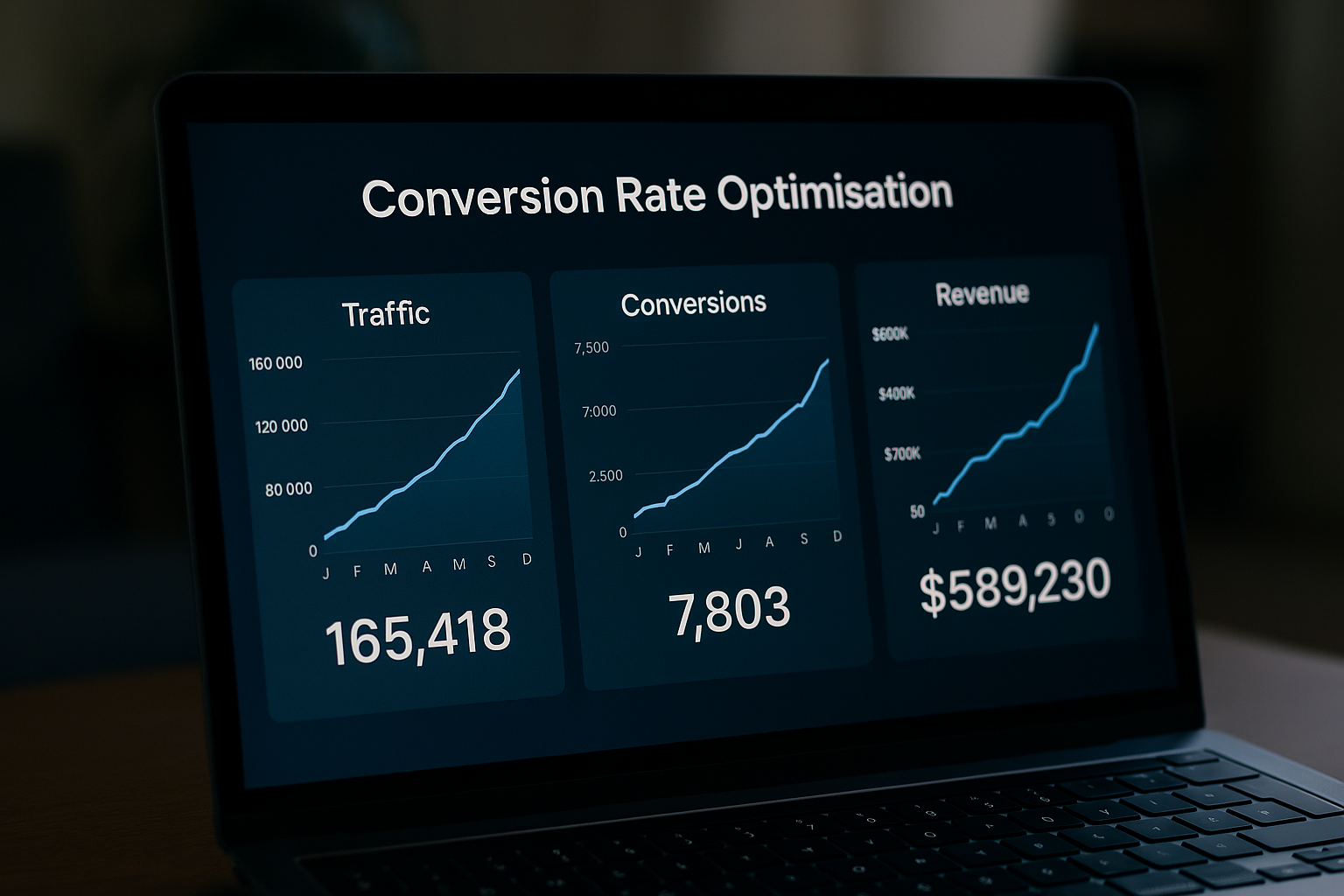
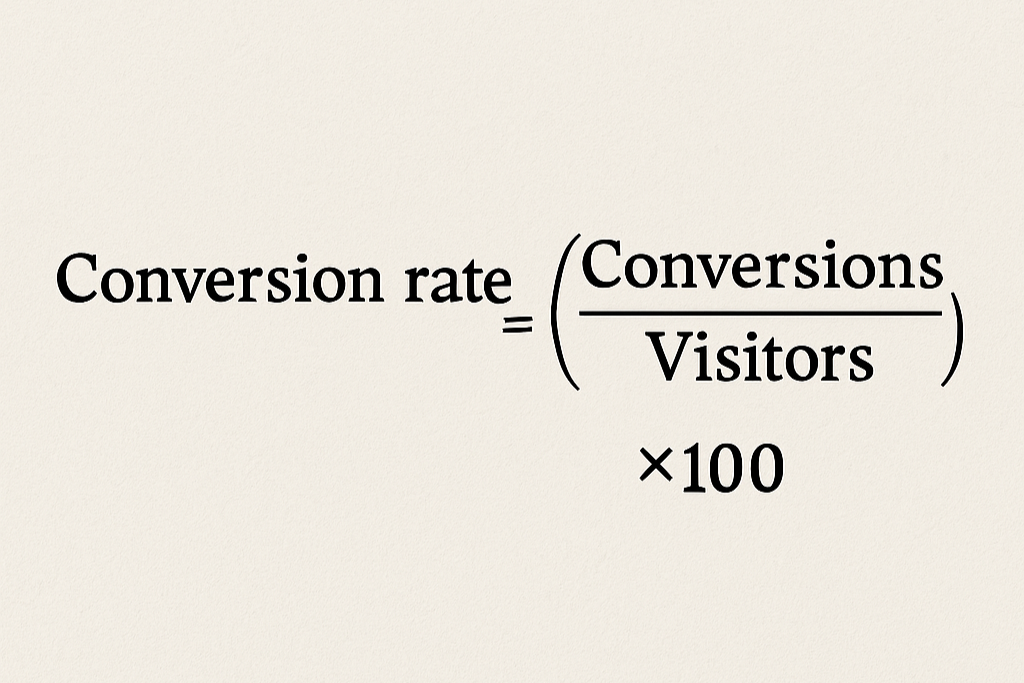
    Boost your ecommerce results with Seek Marketing Partners’ expert Conversion Rate Optimisation services designed to drive measurable sales lifts.

    Defining Target Audiences and Setting Measurable Goals

    Effective audience definition segments customers by demographics, purchase history and engagement patterns. Clear goals, such as increasing CLTV by 15 percent or reducing cart abandonment by 20 percent, enable precise performance tracking.

    • Collect behavioural and transactional data for segmentation.
    • Create detailed buyer personas, including needs and pain points.
    • Establish SMART KPIs linked to revenue, engagement, and retention.

    This targeted approach enables personalised messaging and accurate ROI assessment for each channel.

    Prioritising Marketing Channels for Maximum ROI

    Channel selection balances reach, cost, and conversion potential. Prioritising channels with proven performance accelerates revenue growth while conserving budget.

    Top channels for ROI in 2026:

    • Email marketing for high engagement and repeat purchases
    • Paid search to capture demand at the point of intent
    • Social commerce for impulse sales and brand virality
    • Affiliate and partner programmes for performance-based acquisition

    Allocating spend based on ROI benchmarks and lifecycle stage ensures efficient resource utilisation and revenue lift.

    Amplify your online presence through tailored Digital PR campaigns from Seek Marketing Partners that generate real industry buzz.

    Integrating AI and Automation into Your Marketing Plan

    AI and automation streamline repetitive tasks and enable real-time decision-making across campaigns, content, and pricing.

    Many businesses now rely on curated collections of AI marketing tools to scale e-commerce performance.

    Automation CategoryFunctionBenefit
    Email AutomationAbandoned Cart SequencesHigher recovery rate
    Ad Campaign BiddingDynamic Budget AllocationCost reduction
    Chatbots & Assistants24/7 Customer SupportFaster response time

    Incorporating these tools frees marketing teams to focus on strategy, creative innovation, and customer experience enhancements.

    Metrics and Tools for Measuring Strategy Success

    Measuring success demands a combination of revenue, engagement, and efficiency metrics tracked through integrated platforms.

    Key metrics and tools:

    • Revenue metrics: Average order value (AOV), customer lifetime value (CLTV), and cart abandonment tracked through Google Analytics
    • Engagement metrics: Email open and click rates, social interactions measured via native dashboards
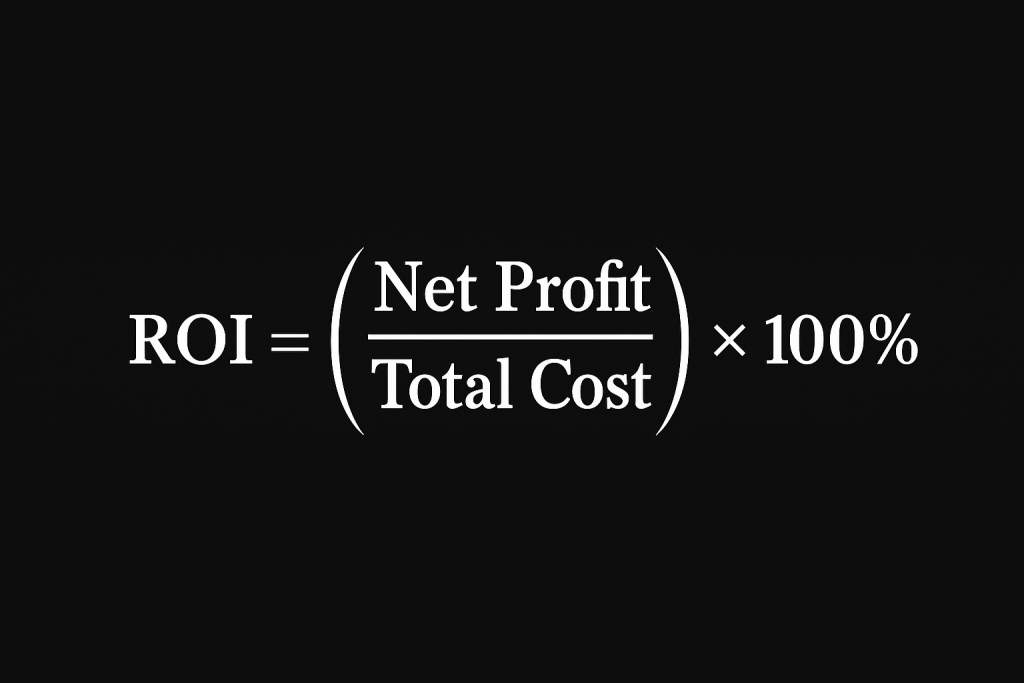
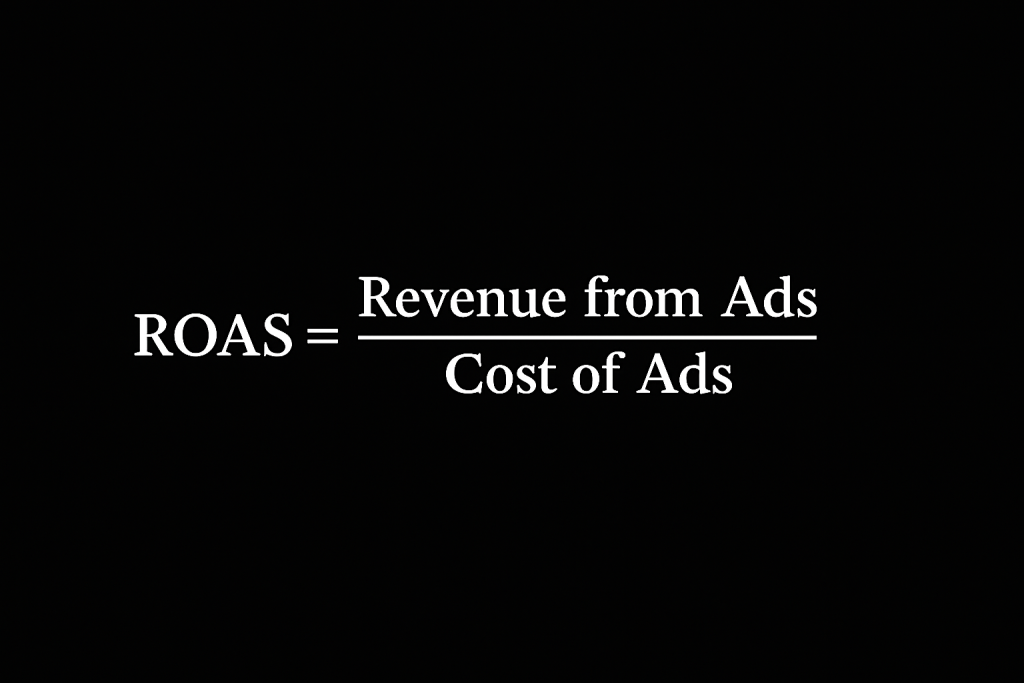
    • Efficiency metrics: Return on ad spend (ROAS) and cost per acquisition (CPA) monitored in paid media platforms
    • Testing tools: A/B testing suites such as Optimizely for iterative optimisation

    These analytics capabilities enable data-driven decision-making and continuous performance improvement.

    Discover how Seek Marketing Partners’ Data Science & Analytics services transform data into ecommerce growth drivers.

    Best Practices for Omnichannel Ecommerce Digital Marketing

    Omnichannel best practices ensure each touchpoint feels connected, consistent, and convenient, reinforcing brand equity across channels. This is a vital part of a comprehensive ecommerce digital marketing strategy.

    Unifying Online, Mobile, and In-Store Customer Touchpoints

    Consistent data synchronisation and user experience design bridge gaps between channels, making transitions effortless.

    • Centralised customer data platform to consolidate profiles
    • Uniform design system to ensure brand consistency
    • Omni-fulfilment options enabling customers to buy online and collect in-store

    This cohesive approach reduces friction and drives retention.

    Data Integration Is Critical for Omnichannel Success

    Data integration provides a single customer view that underpins personalised experiences and accurate attribution.

    Data SystemRoleOutcome
    CRMCustomer Profile ManagementTargeted lifecycle campaigns
    Inventory ManagementReal-Time Stock VisibilityFewer out-of-stocks
    Analytics HubCross-Channel ReportingImproved ROI insights

    Integrated data safeguards consistency and accelerates decision-making.

    Headless Ecommerce Architecture Supports Flexibility

    Headless architecture decouples frontend presentation from backend commerce logic, enabling rapid experimentation and channel expansion without redevelopment constraints.

    • Faster time to market for new features
    • Customisable frontends delivering unique user experiences
    • Scalability across web, mobile and IoT channels

    Flexibility empowers marketers to test novel interfaces and stay ahead of consumer expectations.

    Key Ecommerce Marketing Trends to Watch in 2026

    Ecommerce marketing in 2026 will revolve around advanced automation, unified customer journeys and ethical consumer engagement.

    Early adopters will harness AI-driven personalisation, blend online and offline channels seamlessly, capitalise on social commerce formats, optimise for emerging search modalities, and uphold sustainability and privacy to build trust.

    Understanding these trends lays the foundation for a robust and effective ecommerce digital marketing roadmap.

    AI and ML Transform Ecommerce Personalisation

    AI and machine learning optimise customer experiences by analysing vast behavioural datasets to deliver tailored product recommendations, dynamic pricing and predictive content. This is a cornerstone of modern ecommerce digital marketing.

    These AI applications not only enhance conversion rates but also reduce manual workload, laying the groundwork for omnichannel integration and sophisticated ecommerce digital marketing.

    Omnichannel Strategy 

    An omnichannel strategy unifies online stores, mobile apps and physical locations to provide a consistent shopping experience that increases loyalty and average order value. This integrated approach is vital for successful ecommerce digital marketing.

    Customers expect the same product availability, pricing and support whether they browse on desktop, smartphone, or in-store, making channel cohesion vital for retention.

    • Consistent brand experience across devices and touchpoints
    • Unified data insights for personalised messaging
    • Faster fulfilment through integrated inventory systems

    By centralising customer data, brands can deliver seamless interactions that strengthen long-term engagement and prepare for real-time personalisation, a key aspect of ecommerce digital marketing.

    Social Commerce for Online Retail

    Social commerce turns social feeds into direct sales channels by embedding “buy” buttons and livestream shopping experiences. Platforms like TikTok and Instagram enable in-app checkouts, shortening the path from discovery to purchase and capitalising on impulse buying. This is a growing area within ecommerce digital marketing.

    Leading social commerce formats in 2026:

    • Shoppable posts enabling tag-to-cart functionality
    • Livestream shopping with real-time demos and Q&A
    • Integrated influencer drops driving traffic peaks

    By integrating social media platforms, businesses can elevate brand awareness and tap into communities while streamlining transactions.

    Harness social platforms for growth with Seek Marketing Partners’ strategic Social Media Marketing services that drive meaningful interactions.

    Voice and Visual Search

    Voice and visual search technologies simplify discovery, letting customers speak or show images instead of typing queries. Retailers optimised for these modalities can capture high-intent shoppers who seek quick, frictionless experiences. Optimising for these search types is crucial for modern ecommerce digital marketing.

    Optimising metadata for voice and tagging images correctly ensures your store surfaces in hands-free and camera-first shopping scenarios, enhancing accessibility and convenience.

    Ecommerce Marketing’s Sustainability and Data Privacy

    Consumers increasingly demand transparent supply chains and responsible data handling, making sustainability and privacy core trust drivers. Brands that demonstrate eco-friendly practices and robust privacy safeguards differentiate themselves and foster loyalty. This ethical approach is becoming integral to effective ecommerce digital marketing.

    • Transparency in sourcing builds credibility
    • First-party data strategies comply with evolving regulations
    • Ethical AI deployment prevents bias and misuse

    Embedding sustainability metrics and privacy notices throughout the customer journey reinforces brand integrity and supports long-term relationships.

    Driving Ecommerce Success in 2026 and Beyond

    Ecommerce marketing in 2026 demands a strategic blend of innovation, seamless experiences and ethical practices. By embracing AI-powered personalisation, crafting unified omnichannel journeys, capitalising on social commerce, harnessing data-driven optimisation and prioritising sustainability and privacy, brands can achieve sustainable growth.

    Seek Marketing Partners offers data-driven, customised solutions that integrate these components into your ecommerce digital marketing strategy, ensuring measurable ROI and future-proof performance. Adopting these best practices today will position your business to capitalise on emerging opportunities and build lasting customer relationships in 2026 and beyond.

  • How to Boost Website Traffic: 8 Strategies That Work

    How to Boost Website Traffic: 8 Strategies That Work

    Attracting more visitors to your site starts with understanding how traffic is generated and where the real opportunities lie. Organic search remains one of the most powerful and scalable acquisition channels, while paid ads play a supporting role when used strategically.

    If your website isn’t easy to find, fast to use, and structured properly, you’re leaving visibility and revenue on the table. Below, we break down the practical actions that boost website traffic and consistently drive measurable growth, from auditing performance to improving content, technical SEO, and promotion.

    8 Essential Tactics on How to Improve Website Traffic

    1. Audit Your Current Traffic and Set Goals  

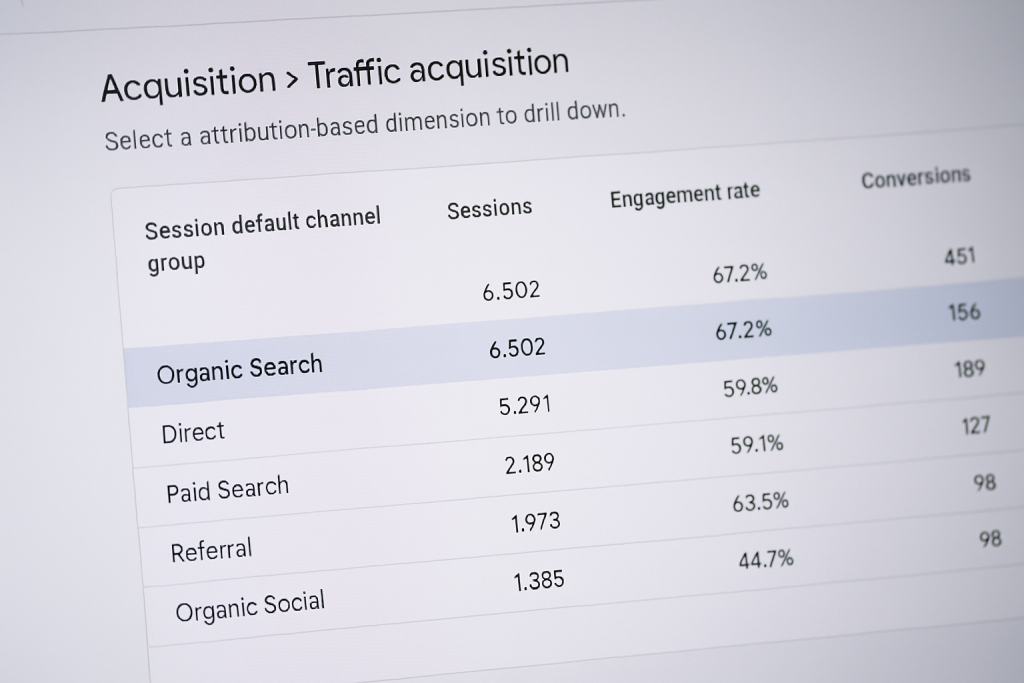
    Before taking action, analyse your baseline performance. Use tools like Google Analytics and Search Console to see how many visitors you have, where they come from and which pages they visit. Review key metrics such as bounce rate, session duration and conversion rates.

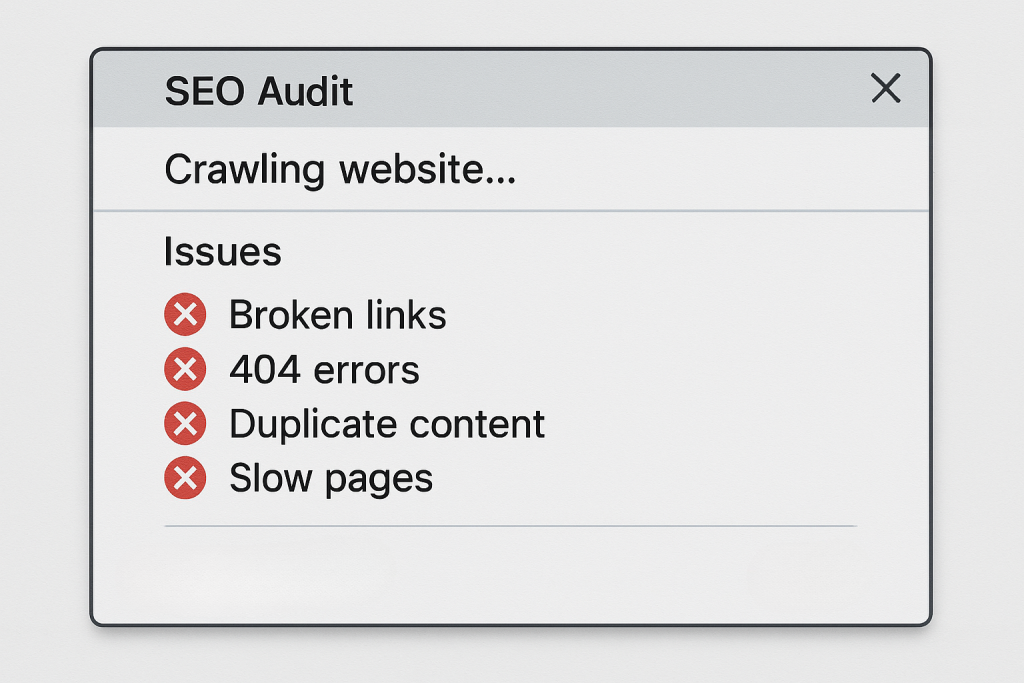
    High bounce rates or very short visits can signal issues with content relevance or user experience. Identify underperforming pages and technical issues such as broken links, crawl errors and missing meta tags.

    • Track sources: Determine whether most traffic comes from search, social media or referral sites. This guides you on what to focus on. For example, if search traffic is low, SEO should become the primary area of improvement.
    • Set measurable targets: Based on your audit, define specific, outcome-driven goals. Use dashboards for structured, ongoing monitoring.

    By understanding your starting point, you’ll know which actions will have the greatest impact. If analytics show limited organic visibility, prioritise SEO optimisation. If organic traffic is strong but sales are low, focus on improving conversion performance.

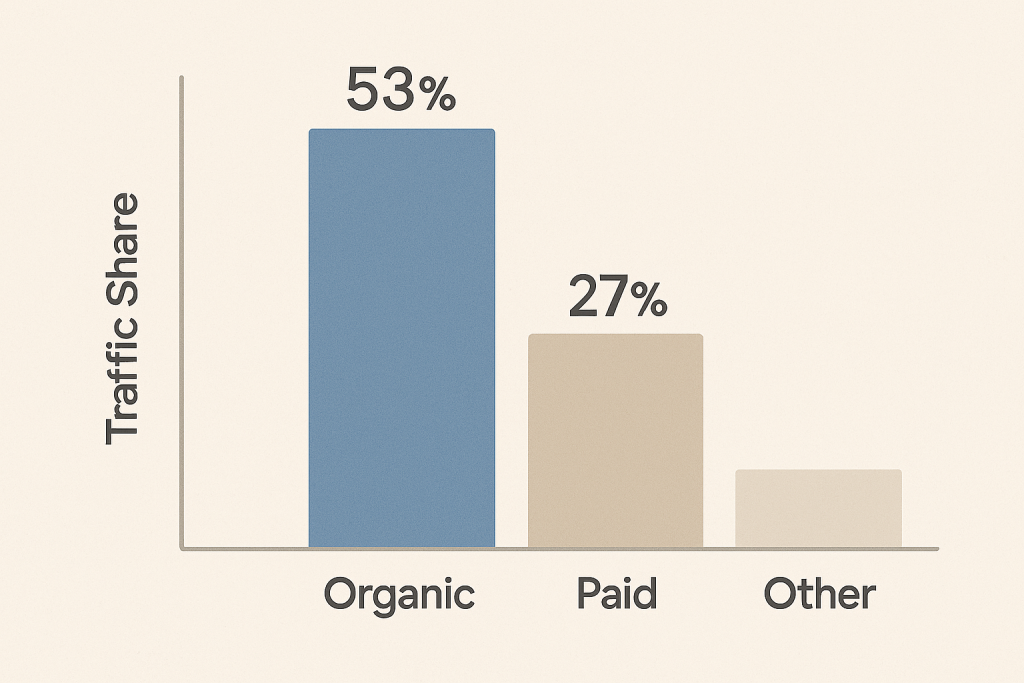
    Around 90% of search clicks go to organic results, which is why improving your organic rankings should be a priority for sustainable traffic growth.

    2. Optimise Technical SEO and Site Performance  

    A technically sound website ranks better and retains visitors. Ensure your site loads quickly, is secure, and displays correctly on all devices. Google’s Core Web Vitals emphasise user experience, meaning page loading speed, interactivity and visual stability should meet recommended performance thresholds.

    Aim for pages that perform well in Google’s PageSpeed Insights and Lighthouse.

    • Speed up your site: Compress and properly size images, use browser caching and minimise code. Faster pages keep users engaged and reduce bounce rates.
    • Mobile-friendly design: With around 60% of global web traffic coming from mobile devices, responsive design is essential. Use a responsive layout so content adapts to phones and tablets. Test on multiple devices and resolve any usability issues.
    • Secure and accessible: Use HTTPS for security. Create and submit an XML sitemap and robots.txt file so search engines can crawl your pages efficiently. Fix broken links and duplicate content that can confuse crawlers. 

    Good technical SEO lays the foundation for growth. Even the best content will struggle to rank if your site is slow, insecure or difficult for search engines to index.

    Want an expert second opinion?


    Seek Marketing Partners can spot the quickest fixes in an SEO audit.

    3. Research Keywords and Optimise On-Page SEO  

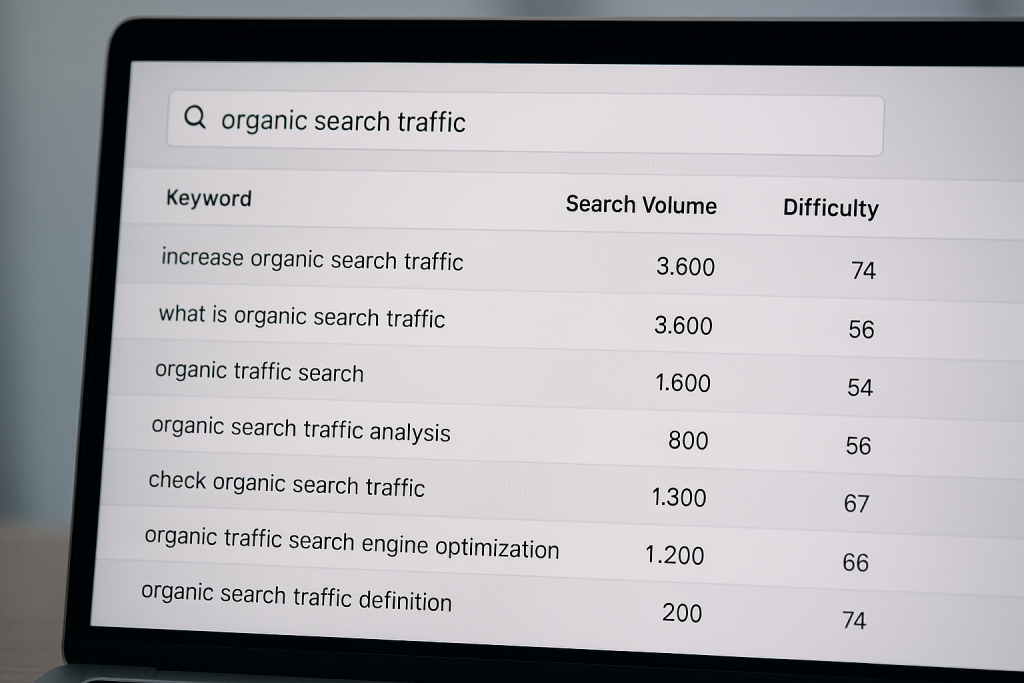
    Effective SEO starts with understanding what your audience is actively searching for. Use keyword research tools such as Google Keyword Planner, Ahrefs or Search Atlas to identify high-relevance terms. Aim for a balanced mix of broader phrases and more specific long-tail queries aligned with search intent.

    For example, if targeting “boost website traffic,” also consider related queries such as “how to improve website traffic” or variations focused on gaining more visitors.

    Once you have target keywords:  

    • Incorporate them naturally: Place your primary keyword in the page title (H1), key headings, URL and meta description. Ensure it appears early in the content. Avoid keyword stuffing by prioritising clarity and logical flow. Search engines reward relevance and usability over forced density.
    • Craft clear headings: Use descriptive H2 and H3 subheadings to structure content logically. This improves readability and helps search engines interpret page hierarchy.
    • Optimise images: Use descriptive file names and include relevant alt text. This supports accessibility and improves visibility in image search.
    • Internal linking: Link to relevant pages within your site. This helps distribute authority, supports navigation and signals content relationships to search engines.

    On-page SEO ensures search engines can accurately interpret and rank your pages. When each page is clearly focused on a defined topic, supported by strong structure and unique metadata, your chances of ranking for relevant searches increase significantly.

    4. Create High-Quality, Engaging Content  

    Content drives sustainable traffic growth. Publish useful, targeted content that addresses your audience’s needs – whether that’s in-depth guides, insightful blog posts, videos or infographics. The more value you provide, the more likely visitors are to return and engage.

    For example, businesses that blog regularly can see about 55% more website visitors than those that don’t. Consistently publishing strong content increases visibility and earns backlinks over time, resulting in higher traffic levels and stronger domain authority.

    • Solve problems and answer questions: Think from the reader’s perspective. What questions do customers ask? What solutions do they need? Create content that fully addresses those queries. Evergreen topics (those that remain relevant) can generate steady traffic long term.
    • Rich formatting: Use short paragraphs, bullet lists, tables and images to break up text and illustrate key points. Clear, scannable content improves engagement and retention. Visual elements such as charts or infographics can make complex information easier to digest and share.
    • Multimedia: Incorporate relevant images, charts or short videos. Video content can appear in both YouTube and Google search results, expanding your visibility. If using video, apply basic YouTube SEO principles.
    • Content refresh: Update and republish older posts with improved data, insights or structure. Search engines favour accurate, up-to-date content, and strategic refreshes can help recover lost rankings. In case updating isn’t possible, you can at least rewrite the content in a new way, either manually or using Editpad’s AI rewriter.

    By focusing on quality over quantity, you build authority. A well-structured, valuable guide will consistently outperform multiple thin or unfocused articles.

    5. Build Links and Promote Your Site  

    To increase website traffic, you need both strong content and a deliberate promotion strategy. One of the most effective approaches is link building, which includes earning links from reputable, relevant websites. High-quality backlinks signal authority and trust to search engines.

    • Guest blogging: Contribute articles to credible industry blogs or partner sites. This expands your reach and earns authoritative backlinks. Prioritise relevance and quality over volume.
    • Social sharing: Promote new content across social platforms such as LinkedIn, X (formerly Twitter) or Facebook. Tailor messaging to each channel and use concise copy or visuals to improve engagement.
    • Email newsletters: If you maintain an email list, send regular updates featuring your latest insights, guides or offers. Even when not driving entirely new traffic, email strengthens retention and encourages repeat visits.
    • Influencer and PR outreach: Identify relevant industry voices or media outlets and collaborate through interviews, commentary or co-authored content. A well-placed mention can generate highly targeted referral traffic.
    • Forums and Q&A: Participate in relevant online communities such as Reddit, Quora or LinkedIn groups. Provide thoughtful, value-led responses and reference your content only where genuinely helpful. Authority builds visibility.

    Combining SEO with active promotion expands your reach beyond search alone. If budget allows, targeted paid campaigns, such as Google Ads or paid social, can accelerate visibility for priority content while organic performance builds over time.

    6. Leverage Social Media, Email and Advertising  

    Modern traffic growth goes beyond SEO alone. For many organisations, social media and email are important supporting channels for driving qualified visitors and reinforcing brand visibility.

    • Social media presence: Share strategic snippets of your content on platforms where your audience is most active (e.g. Instagram for visual content, LinkedIn for B2B insights, X for timely updates). Tailor messaging to each platform and use relevant hashtags where appropriate to expand reach.
    • Targeted ads: Promote high-value content or offers through paid campaigns. Platforms such as Facebook, Instagram and LinkedIn allow precise targeting by interests, behaviours and demographics. Even controlled budgets, when deployed strategically, can drive highly relevant traffic.
    • Local SEO and directories: If you operate in specific regions, optimise your Google Business Profile and maintain consistent local listings. Ensure your name, address and phone details are accurate across platforms, and encourage authentic reviews. Local searches such as “(service) near me” often indicate strong purchase intent.
    • Partnerships: Collaborate with complementary businesses through co-marketing initiatives. This could include shared newsletters, joint campaigns or reciprocal content promotion. Strategic partnerships expand reach without relying solely on paid channels.

    Email marketing and social channels support long-term visibility and repeat engagement. The key is consistency and alignment – tailor content to each channel’s format and to your audience’s expectations.

    7. Optimise User Experience and Conversion  

    Driving traffic is only half the equation. The real impact comes from converting visitors into leads or customers. Improve usability and clarity to ensure traffic translates into measurable outcomes.

    • Clear calls to action (CTAs): Every page should guide the next step. Make actions obvious, reduce friction and use direct, outcome-focused language.
    • Simple navigation: Use a logical menu structure and internal linking so visitors can easily find relevant information. A well-organised site architecture reduces confusion and supports deeper engagement. 
    • Trust signals: Display testimonials, case studies or recognised accreditations where appropriate. For e-commerce, product reviews strengthen credibility. Trust directly influences engagement and conversion.
    • Mobile usability: Ensure forms, buttons and interactive elements function seamlessly on mobile devices. Fields should be easy to complete and pages should load quickly. Friction on mobile often leads to immediate drop-off.
    • Test and refine: Use A/B testing to evaluate variations in headlines, layouts or calls to action. Incremental improvements can compound into meaningful conversion gains.

    Ultimately, performance is not just about attracting clicks. It’s about delivering a seamless experience that encourages action. Even strong content underperforms when usability or clarity is compromised.

    8. Monitor Results and Iterate  

    SEO and traffic growth require ongoing evaluation. Regularly review analytics to understand what is driving performance and where improvements are needed. Use Google Analytics and Search Console to track landing pages, high-performing keywords and user behaviour patterns.

    • Measure key metrics: Monitor organic sessions, goal completions, engagement metrics and bounce rate. When a tactic delivers measurable results, scale it. When performance declines, investigate and optimise.
    • SEO tools: Platforms such as Semrush, Ahrefs or Search Atlas can analyse rankings, identify content gaps and monitor backlink profiles. Even tools like Google Looker Studio (formerly Data Studio) or keyword planners can surface performance trends.
    • Stay updated: Search algorithms and SERP features evolve continuously. Follow reputable industry sources and adapt accordingly. If Google introduces new result formats or features, evaluate how your content can compete within them.

    By consistently analysing and refining your approach, performance improves over time. Incremental monthly gains compound, and a well-optimised, high-ranking page can generate traffic for years. Sustainable growth comes from discipline, not short-term spikes.

    Bottom Line

    These actions provide a clear framework to steadily boost your website’s traffic. By auditing performance, strengthening technical and on-page SEO, creating high-value content and promoting it strategically, you position your site for sustainable growth. Consistent optimisation and refinement will build visibility, authority and long-term results.

    Need a hand boosting your website traffic?

    If you want to boost website traffic the right way (without guesswork), get in touch and tell us what you’re aiming to achieve.

    And if you want more practical tips first, head to our digital marketing blog for more insights on how to get traffic to your website.
  • 7 Proven Tips on How to Improve Click Through Rate (CTR)

    7 Proven Tips on How to Improve Click Through Rate (CTR)

    Click-Through Rate (CTR) measures the percentage of people who click on your link after seeing it. In other words, CTR = (clicks ÷ impressions) × 100. A higher CTR indicates that more viewers find your content relevant or compelling enough to engage. 

    Improving CTR drives more traffic without extra spend, and higher engagement can support better visibility over time. In fact, platforms like Google Ads and Facebook give lower costs and better placements to ads with high CTR. 

    In organic search, a strong CTR can lead to better performance over time. Seek Marketing Partners understands that boosting CTR is a key part of both SEO and PPC success. Below are seven data-driven tips to help you improve your CTR across channels.

    Tip 1: Align Content with Search Intent and Keywords

    Ensure your content matches what users are searching for. Search intent is the underlying goal behind a query – whether informational, navigational, or transactional. Make sure your page delivers on that intent, or users will skip over your result. Use relevant, descriptive keywords (especially long-tail phrases) in your titles and headings to signal relevance. Long-tail keywords are highly descriptive and more likely to match a user’s query. 

    Magnifying glass focusing on letter blocks spelling "DIG" on a yellow background.

    Using long-tail terms in your headings and title tags makes users confident your page contains what they want. For example, a user searching “how to improve click through rate” is more likely to click on an article whose title exactly contains that phrase. Conduct thorough keyword research to identify the phrases your audience uses. By targeting these intent-rich terms, you’ll attract qualified traffic and naturally raise your CTR.

    Tip 2. Optimise Your Title Tags and Meta Descriptions

    Your title tag and meta description form the “ad copy” of your organic listing. These elements create the first impression in the search results, so make them compelling. Aim for concise titles and meta text that fit typical display widths; character limits vary by device, so prioritise clarity over exact numbers. Include your main keyword and use actionable language. 

    We recommend adding power words, numbers or dates, and even bracketed clarifiers like “Free Guide” or “2025 Update” to grab attention. Crucially, sell the value – address what problem your content solves. For example, “How to Improve Your Website’s CTR: 5 Proven Methods” is more enticing than a vague title. Likewise, a meta description should be a mini-pitch: highlight benefits and include a clear call to action (CTA) like “Learn how” or “Find out” to prompt clicks.

    A well-crafted title tag and meta description make your search listing stand out. Optimise both with relevant keywords and persuasive wording to boost CTR. Seek Marketing Partners specialises in crafting attention-grabbing titles and descriptions as part of our SEO services. As our site notes, these elements are “critical for improving click-through rates (CTR) and making your content more scannable”. 

    In practice, always preview how your title and snippet look in Google. You can use tools like Google’s Ad Preview or Google SERP Snippet Optimisation Tool to ensure your text isn’t cut off and makes sense to readers. Small tweaks here (adding a power word, editing length) can yield noticeably higher CTR.

    Tip 3: Use Structured Data and Rich Snippets

    Structured data or schema markup helps search engines understand your content and enables rich results like star ratings, FAQs, images, or breadcrumbs in the SERPs. Rich snippets naturally draw the eye and give more information at a glance – often boosting CTR. 

    For instance, a product review with star ratings or an FAQ list expands your listing beyond plain text. Adding schema markup to your page makes these enhanced features possible. We advise using schema types like reviews, recipes, and events that fit your content so your page is eligible for these rich snippets. Rich results make your listing more noticeable when eligible.

    Implementing structured data requires a bit of coding or a plugin. For example, you might add JSON-LD for articles or products. Once in place, test it with Google’s Rich Results Test tool. The reward is increased visibility – rich results often have significantly higher CTR than standard listings. In short, by standing out in the search results with rich snippets, you encourage more clicks.

    Tip: If you’re not comfortable doing this yourself, Seek Marketing Partners’ technical SEO team can handle schema markup as part of our services. 

    Tip 4: Include High-Quality Images and Media

    Engaging visuals can significantly improve CTR, especially on social media or email, but also indirectly in search. If your page earns a featured snippet or appears in an image carousel, a compelling image will entice users to click. When a snippet includes an image from your content, it becomes “much more clickable”. 

    Laptop screen showing a user's Pinterest photos page with urban and nature photography.

    To leverage this, use relevant, high-quality images or video thumbnails, and always optimise them with descriptive file names and alt text. This not only helps SEO but also ensures they can be pulled into rich results or social previews.

    For example, if you write a “how-to” blog post, include an eye-catching featured image. When sharing on social or if Google chooses your page for an image result, that visual can act as a magnet for clicks. Remember to compress images for fast loading (page speed affects user engagement) and provide context in captions if used. Videos with custom thumbnails, like on YouTube, also boost clickthrough. Altogether, incorporating strong visuals and optimising them is a powerful way to boost your content’s appeal.

    Tip 5: Create Clear, Descriptive URLs and Navigation

    The URL displayed in search results is another clue users see. A short, descriptive URL reassures searchers that your page matches their query. For example, “seekmarketingpartners.com/blog/improve-ctr-tips” is much clearer than a long string of dates and numbers. We recommend including your primary keyword in the URL and keeping it concise to make it more attractive. 

    Google now often shows a breadcrumb-style path in results instead of the full URL. This means your site structure and naming matter: logical categories will appear in green above the title like this “seekmarketingpartners.com > blog > improve-ctr-tips”.

    Think carefully about site structure. Group related pages into folders and name them clearly. Our example shows that a logical URL path helps users understand what your page is about at a glance. In practice:

    • Use short, descriptive URLs with hyphens.
    • Keep URLs between 40 to 55 characters so they aren’t cut off.
    • Remove unnecessary parameters or session IDs.

    Additionally, enabling breadcrumb navigation on your site, either via theme or schema, can make your listing look cleaner and provide extra context. All of these steps make your links more trustworthy and clickable to users browsing the SERPs.

    Tip 6: Test Headlines and Content Variations with Data

    Don’t guess what works – test it. A/B testing is key to finding the most clickable headlines and messages. We suggest a simple method: post two different page titles on social media and see which version gets more clicks and engagement. Titles that get strong engagement in tests can signal promising performance for search, but results may vary by audience and query. 

    You can similarly A/B test email subject lines or ad copy to refine your messaging. Small tweaks – adding numbers, asking a question, or reordering words – can make a big difference in click rates.

    Alongside testing, use analytics to spot what’s already working. Google Search Console shows which queries bring users to your pages and their associated CTR. Look for pages with impressions but low CTR – these are opportunities for improvement. Conversely, identify high-CTR winners and analyse what they have in common (good titles, unique snippets, etc.). Tools like heatmaps (e.g. Hotjar or Crazy Egg) can also reveal what draws attention on your pages. 

    Use these data-driven insights to iterate continuously: update underperforming titles, rewrite descriptions, or adjust content until your CTR improves. This ongoing optimisation – a hallmark of Seek Marketing Partners’ approach – turns your campaigns into data-driven machines that get better over time.

    Tip 7: Personalise Content and Target the Right Audience

    The more tailored your content, the more it resonates and the higher your CTR. Personalisation and segmentation mean showing the right message to the right people. For example, in email and paid ads, addressing the user’s needs and context is vital. 

    Black and white stock photo of a large audience seated and facing a brightly lit stage.

    Segmentation and relevant messaging improve CTR more reliably than adding personalisation tokens like names. In practice, this could mean inserting the recipient’s name or segmenting your email list so that promotions only go to those who have shown relevant interest. In ads, use audience targeting like demographics, interests, or remarketing, to ensure your copy matches the viewer’s profile.

    We also highlight audience segmentation and retargeting: serve exclusive offers or reminders to users who interacted with your site to nudge them back. Timing matters too – schedule emails or post content when your audience is most active. By sharing content that feels personalised and timely, you boost engagement. At Seek Marketing Partners, we often run segmented campaigns in Google and Facebook Ads to match ad creatives to specific audience segments, which leads to higher click and conversion rates.

    Seek Help from Experts Who Know How to Improve Click Through Rate

    Seek Marketing Partners applies data-led strategies and A/B testing to fine-tune every title, snippet, and ad copy for our clients. To put these CTR-boosting techniques into action, get in touch with Seek Marketing Partners and book a consultation. Our team will audit your current performance, optimise your content and ads, and help you outpace the competition with higher CTR and more traffic.

    Video conference meeting in modern office discussing startup strategy on monitor.

    Each of the above tips works in concert. Start by aligning your content to user intent and crafting killer titles, then layer on rich snippets, visuals, and personalisation. Use analytics and testing to measure impact and continuously improve. By implementing these proven strategies, you’ll make your links more compelling and see a measurable lift in clicks.

  • Proven Ways to Reduce Bounce Rate on Your Site

    Proven Ways to Reduce Bounce Rate on Your Site

    Bounce rate is the percentage of visitors who land on a page and leave without viewing anything else. If you want to reduce bounce rate on your site, you first need to understand what it’s telling you: people are arriving, not finding what they expected, and disappearing before they take any meaningful action.

    For most websites, an excellent bounce rate is often around 40% or lower, but that benchmark varies by industry and traffic source. If yours is much higher than that, it can point to issues with page speed, content relevance, user experience, or how people are finding you in the first place.

    Gauge meter indicating a high bounce rate in the orange/red zone.

    In this guide, we’ll walk through practical, proven ways to reduce bounce rate, show you how to improve bounce rate over time, and highlight changes that help you lower bounce rate while lifting conversions, enquiries, and overall site performance.

    Why Bounce Rate Matters for Your Site 

    Bounce rate is more than just a percentage in your analytics dashboard. A high bounce rate usually means people are landing on your site, not finding what they need, and leaving before they view another page, make an inquiry, or start a checkout. In other words, you’re paying for traffic that never gets the chance to turn into leads or revenue.

    There’s no single “perfect” number, because bounce rate benchmarks vary by industry, channel, and even page type. However, suppose you’re consistently seeing high bounce on key pages. In that case, it’s a strong signal that something isn’t working – whether that’s slow load times, weak messaging, poor user experience, or misaligned traffic. Studies also suggest that a big chunk of users will abandon a page that takes more than a few seconds to load, which only makes the problem worse.

    Workspace with MacBook Pro and iPhone for UI/UX app design, featuring nature-themed app screens.

    Improving bounce rate is about better performance, not vanity metrics. When you improve bounce rate, you’re also improving the quality of visits, the likelihood of conversion, and the strength of your SEO signals. If your bounce rate concerns you, our team can help – speak to a strategist for tailored advice on what’s driving it and how to fix it.

    Common Causes of High Bounce Rate

    Before you can reduce bounce rate, you need to understand what is driving people away in the first place. Most high bounce rate problems come back to a handful of familiar issues that frustrate visitors and make them leave before they explore anything else on your site.

    Some of the most common causes include:

    • Slow page speed: Pages that take more than a few seconds to load are often abandoned on the spot, which pushes your bounce rate up.
    • Unclear or cluttered design or navigation: If people can’t immediately see what the page is about or where to go next, they’ll hit the back button.
    • Mismatch of expectations: When the content doesn’t match the ad, search result, or link that brought them there, visitors feel misled and leave quickly.
    • Lack of engaging content: Walls of dense text with no headings, images, or video make it hard to stay focused, so users skim and bounce.
    • Poor mobile optimisation: On small screens, slow, fiddly layouts or tiny tap targets create instant friction and lead to higher mobile bounce rates.

    You might also see a high bounce rate from technical issues such as broken links, intrusive pop-ups, autoplay media, or tracking errors. Reviewing these common causes page by page gives you a clear starting point to improve bounce rate, reduce bounce rate, and lower bounce rate across your most important journeys.

    Proven Ways to Reduce Bounce Rate

    Now that you know what’s driving people away, it’s time to focus on what you can change. The proven ways to reduce bounce rate on your site fall into a few practical, fixable areas: speed, experience, relevance, and targeting. Treat these as levers you can pull rather than mysteries you have to guess at.

    Each of the tactics below is designed to be actionable. You don’t have to implement everything in one go, but the more consistently you optimise across these areas, the more you’ll improve bounce rate and see engagement, conversions, and revenue follow.

    1. Improve Page Speed and Performance

    If your pages are slow, everything else is fighting uphill. Users expect pages to load within around two to three seconds – anything longer and they’re far more likely to abandon the visit and go elsewhere. That single behaviour can send your bounce rate soaring.

    Start with quick wins: optimise images so they’re properly compressed, use fast hosting, and remove or defer any scripts you don’t really need. Minifying CSS and JavaScript, enabling browser caching, and using a content delivery network (CDN) can also make a noticeable difference to load times and help reduce bounce rate on high-traffic pages.

    Real-time network traffic graph showing upload and download speeds in kilobytes per second.

    Tools like PageSpeed Insights give you a clear list of issues to fix and show how changes affect performance over time. If you need clarity on what’s holding you back, or you’d like a second opinion on what’s really slowing you down, book a Performance Review and we’ll audit your site speed and performance in detail.

    2. Optimise for Mobile Experience

    For many consumer-facing sites, mobile traffic now dominates. If your mobile experience is clunky, cramped, or slow, you’ll see it reflected in a higher mobile bounce rate long before desktop figures start to move.

    Make sure your site uses responsive design so layouts adapt cleanly to different screen sizes. Prioritise simple, scannable pages with large tap targets, readable font sizes, and clear spacing between elements. Avoid forcing users to pinch and zoom, hunt for menus, or wait for heavy mobile assets to load.

    Creative communication agency "become" specializing in brand strategy and content.

    Testing on real devices is essential. Check how key pages behave on popular phones and tablets, then fix any friction you find. As you smooth out those rough edges, you’ll lower bounce rate from mobile visitors and keep more of them moving deeper into your content.

    3. Create High-Quality, Relevant Content

    Even the fastest, prettiest page will struggle if the content misses the mark. To create content that helps reduce bounce rate, you need to match what’s on the page with what people expected to find when they clicked through.

    Start by looking at your top entry pages and the keywords, ads, or links driving traffic to them. Does the headline, opening paragraph, and overall message deliver on that promise straight away? If not, tighten the focus so visitors instantly recognise they’re in the right place.

    Content creator setting up a smartphone on a ring light for video recording or live streaming.

    Structure your content for humans, not just search engines: clear headings, short paragraphs, bullet points, and engaging content such as images, video, or infographics. The more relevant, readable, and useful the page feels, the more likely users are to stay, explore, and convert – which is exactly how to improve bounce rate in a sustainable way.

    4. Improve Navigation and Internal Linking

    Sometimes people bounce not because they dislike the page, but because they can’t see what to do next. Improving navigation and internal linking gives visitors obvious, low-effort ways to keep exploring your site instead of heading back to the search results.

    Make sure your main navigation is clear and consistent across the site, with labels that make sense to real users rather than internal jargon. Add contextual links within your content – “read next” suggestions, related articles, or links to relevant services – so there’s always a logical next step visible on the page.

    Open user manual for Aldus PageMaker desktop publishing software on an early Macintosh.

    Simple additions like sticky menus, breadcrumbs, and well-structured footer links can also reduce friction and help people move around more confidently. If you want a deeper review of how your information architecture is working in practice, book a performance review and we’ll highlight where navigation changes could reduce bounce rate and drive more conversions.

    5. Target High-Quality Traffic

    Bounce rate often reflects traffic quality, not just page quality. If you attract the wrong audience, even the best-designed page will struggle to keep them. One of the most overlooked ways to lower bounce rate is to focus on the quality of visits, not just the quantity.

    Review the channels and campaigns that drive people to your site. Are your keywords and ad copy accurately setting expectations for what’s on the landing page, or are they too broad? Are referral sources sending visitors who match your ideal customer profile, or people who were never likely to convert?

    Refining your targeting, tightening your keywords, and excluding irrelevant placements will naturally improve bounce rate, because more of your visitors will actually want what you’re offering. Over time, that means fewer wasted clicks and more engaged sessions across your key pages.

    6. Use Clear CTAs and User Engagement

    If you don’t tell visitors what to do next, many will do nothing at all. Clear calls-to-action and simple engagement prompts give people a reason to stay on the page, click through, or get in touch instead of bouncing.

    Add straightforward CTAs that match the intent of the page – for example, “Download the guide”, “View pricing”, or “Book a demo”. On blog posts, you might signpost related articles, recommend a next step in the journey, or ask a simple question that encourages comments or interaction.

    Glide platform homepage for creating apps and websites without code using spreadsheets.

    Make sure your CTAs are visually distinct, easy to understand, and placed where people naturally look as they scroll. If you need ideas or want a sanity check on your current calls-to-action, speak to a strategist today and we’ll help you design CTAs that both support user needs and reduce bounce rate for key pages.

    7. Test, Monitor, and Iterate

    Reducing bounce rate is not a one-off job. It’s an ongoing process of testing, measuring, and refining. The more deliberate you are about this, the faster you’ll spot what works and what doesn’t.

    Use your analytics platform to track bounce rate by page, device, and traffic source. In Google Analytics 4, you can also look at related engagement metrics such as engaged sessions, engagement time, and scroll depth to understand how people behave beyond that first page view.

    Person using Shoper e-commerce software on a MacBook Pro to manage an online store.

    Run simple A/B tests on headlines, layouts, CTAs, and content formats to see which versions keep visitors around longer. Over time, this disciplined approach will help you lower bounce rate steadily and build a site that feels better for users and performs better for the business.

    Lower Bounce Rate, Better Results: Your Next Move

    Improving speed, content, navigation and targeting has a direct, measurable impact on how users behave on your site. When pages load quickly, feel intuitive to use and speak directly to what visitors came for, you naturally reduce bounce rate and give every session a better chance of turning into an enquiry, a lead or a sale.

    Tackling bounce rate is not just a reporting tidy-up – it’s part of building a healthier, higher-performing website. At Seek Marketing Partners, we help UK businesses analyse site performance and user experience, identify the friction points behind high bounce numbers and prioritise the fixes that will make the biggest difference. If you’re serious about wanting to reduce bounce rate over the long term, the best next step is to look at your data and act on it with a clear roadmap.Ready to see lower bounce rates and more engaged visitors? Book a performance review or speak to a strategist now to get a tailored plan.

  • Storytelling in Marketing: Winning Customers with Narratives

    Storytelling in Marketing: Winning Customers with Narratives

    Today’s digital market is crowded. People scroll past ads, mute videos, and skip anything that looks like a sales pitch. So how do you get attention without shouting louder? You build a connection – and using storytelling in marketing is how you do it.

    This article explores the value of storytelling in business marketing – why weaving narratives into your strategy can elevate your brand and drive real results. We’ll break down the key benefits and share tips on how to harness storytelling for your own marketing success. Let’s dive in.

    Illustration of an Arab man leading a discussion surrounded by light bulbs and speech bubbles.

    What Is Storytelling in Marketing?

    Storytelling in marketing means using a narrative to communicate your message and value to the audience in a memorable way. Rather than just stating facts or features, you craft a story – with a beginning, middle, and end – that engages people on an emotional level. It could be the story of how your company started or a customer’s journey with your product. You can use fictional scenarios to illustrate real challenges – as long as they don’t exaggerate product results. The key is that it’s relatable and evokes feeling.

    In a business context, storytelling in marketing humanises your brand. It gives life to your mission, your values, and the problems you solve, in a way that people can connect with. Humans have been telling stories for millennia – it’s how we understand the world. So when your marketing adopts story elements (characters, conflict, resolution, etc.), you’re leveraging a format our brains are wired to respond to.

    What Does Authentic Storytelling Look Like?

    Storytelling in marketing isn’t about fiction or making things up. It’s about finding the meaningful narratives in and around your business. This could be your founder’s story, which explains the “why” behind your business. It could be a customer success story that shows your product’s impact on someone’s life. This could be a founder story, a customer success story, a values-driven brand narrative, or a scenario that reflects real challenges without exaggerating results. The format can be a short video, a blog post, a social media series, an ad, a presentation – any medium where you can incorporate a narrative arc.

    Storytelling gives your audience a reason to care, understand your value, and remember you. If you can make them feel joy, hope, curiosity, even a bit of tension that resolves into satisfaction – they are far more likely to remember your message and act on it. Facts alone might appeal to logic, but stories appeal to emotions and logic, creating a stronger, lasting impression.

    Circular economy diagram showing stakeholders like manufacturers, designers, and consumers.

    Now that we know what it is, let’s look at why this approach delivers real value for your business.

    Key Benefits of Storytelling in Marketing for Your Business

    Simply put, storytelling works. But let’s unpack exactly how it works and the specific benefits it offers to your marketing and business goals. From making emotional connections to differentiating your brand, here are the core advantages:

    Assorted disposable and reusable coffee cups from various brands on a yellow felt board.

    1. Emotional Connection = Engaged, Loyal Customers

    One of the most powerful effects of storytelling is its ability to forge an emotional bond between your brand and your audience. A strong story doesn’t just inform; it helps people care and trust, and trust drives repeat business. When a brand tells a story that resonates, it humanises the business and makes customers feel something positive towards it. That emotional engagement can blossom into trust and loyalty.

    2. Standing Out Through Differentiation

    In a saturated market, facts and features start to blur together between competitors. Storytelling helps your business stand out by highlighting what makes you unique in a memorable way. Rather than competing on price or specs alone, you’re competing on a story – something no one can replicate because it’s inherently yours.

    3. Building Trust and Authenticity

    Trust is a cornerstone of any customer-business relationship. People don’t like to feel sold to with a hard pitch, but they do love a good story – and through that story, they often come to trust the storyteller (your brand). Authentic storytelling allows you to convey your values, mission, and commitment in a relatable way, which in turn builds credibility and trust with your audience.

    4. Simplifying Complex Ideas and Making Your Message Stick

    Have you ever struggled to explain a complex product or a novel concept to your audience? Storytelling can be your secret weapon for improving understanding. Humans process stories much more naturally than abstract information. By embedding facts or instructions within a narrative, you transform them into something digestible and memorable.

    5. Inspiring and Motivating Your Audience to Act

    At the end of the day, marketing is about inspiring action – whether that action is making a purchase, signing up for a newsletter, or joining a cause. Storytelling is uniquely powerful in motivating people because it doesn’t just inform them, it moves them. A great story can leave someone feeling inspired, hopeful, or fired up, and that emotional drive is what turns intentions into actions.

    How to Incorporate Storytelling in Your Marketing Strategy

    Hopefully by now, the benefits of story-driven marketing for your business are crystal clear. The next big question is how to do it effectively. Storytelling in marketing is both an art and a science – it requires creativity, empathy, and strategic thinking. Here are some actionable tips to start using storytelling in your business’s marketing:

    Whiteboard story arc diagram with sections labeled Problem, Tension, and Solution.

    1. Know Your Audience and Speak to Their Values

    Every great story starts with knowing who you’re telling it to. Spend time understanding your target audience – their aspirations, pain points, values, and what emotionally resonates with them. This will guide the tone and content of your story.

    2. Define a Clear Core Message

    Before spinning any marketing tale, ask: “What is the main point I want someone to remember from this story?” This is essentially the moral or takeaway. A strong brand story doesn’t meander; it drives home a clear message or theme.

    Keep that core message front and centre as you develop the narrative. Everything in the story should ladder up to it. This focus prevents you from drowning the audience in multiple messages. One idea, powerfully conveyed, beats a dozen muddled ones.

    3. Use Authentic Characters and Emotions

    Authenticity is paramount in storytelling. Use real people whenever possible – real customer anecdotes, founder stories, or employee experiences. If you create fictional scenarios, base them on truths your audience will find believable and relatable.

    Make the “characters” in your marketing stories ones that your audience can see themselves in or care about. Describe their feelings and challenges in a genuine way. Don’t shy away from emotion – whether it’s humour, triumph, frustration, or hope. Showing vulnerability or challenges overcome can actually increase trust (it shows your brand is real and not perfect).

    4. Match the Story to the Right Format and Channel

    Different storytelling mediums have different strengths. A 2-minute video might convey emotional nuance and visuals that a text story can’t. A written case study might allow for more detail and reflection. Social media stories (like Instagram/Facebook stories) might be great for quick, episodic narratives.

    Choose a format that fits your story and where your audience will see it. If you have a rich, emotional narrative, consider a short film or a series of short videos. If it’s a quick inspirational anecdote, maybe an infographic or an illustrated social post could work.

    5. Include Conflict and Resolution

    A story with no conflict is just a sequence of events. In marketing, conflict doesn’t have to mean drama or negativity – it can be the challenge or problem that is eventually solved. Identify the conflict: the customer pain point, the market gap, the obstacle your business overcame. 

    Then show how it gets resolved – perhaps through your product/service or through a change that was made. This classic story arc (problem -> solution) is satisfying to readers and clearly highlights why your solution matters.

    6. Evoke Sensory Details and Imagery

    To make your story vivid, use descriptive details that help people visualise or even feel it. This doesn’t mean flowery language in a business blog – it means picking a few concrete details that paint a picture.

    If you’re telling the story of a bakery’s origin, mention the 4 am wake-ups and the smell of fresh bread at dawn. If it’s a tech story, describe the exact “aha!” moment in a garage coding at midnight. Sensory and specific details make a story come alive in the audience’s mind, which makes it more memorable. They start imagining themselves within the narrative, which increases engagement and impact.

    7. Test and Iterate

    Not every story will land perfectly. Pay attention to how your audience responds. Use feedback or metrics: do people share this video more when we emphasise the human angle? Did the blog post with a customer story get more comments or conversions than the one with just product info?

    Treat storytelling like every other marketing tactic. Test formats, angles, emotional emphasis, and calls-to-action. Use metrics to refine your approach. Over time, you’ll learn which storytelling techniques resonate most with your specific audience. Also, don’t be afraid to ask for feedback directly: you might run a social media poll or ask an engaged customer what brand story of yours they remember best and why.

    In applying these tips, start small if needed. You don’t need a Hollywood-budget video to tell a great story. Even a well-crafted blog post or a heartfelt customer quote can be powerful if it follows storytelling principles. The key is consistency and authenticity – weave storytelling into your overall marketing strategy across channels. Soon, you’ll build a brand presence where every piece of content collectively tells a larger story about your business – one that customers will recognise and respond to.

    Conclusion: Start Telling Your Story

    Facts and figures alone can’t capture the hearts of customers, but a story can. By now, it should be clear that the value of storytelling in marketing for your business is immense. It makes your messages memorable, your brand relatable, and your audience engaged and motivated. In a world overloaded with information, storytelling is your competitive edge to cut through the noise and build real connections.

    Woman giving a corporate presentation with an orange slide titled "Our Story Why We Exist."

    In conclusion, storytelling in marketing isn’t just about better content – it’s about building relationships and community around your brand. It’s a long-term strategy that yields loyalty and advocacy. So, embrace the storyteller role. Craft narratives that highlight the value you bring and the values you stand for. Engage the emotions and imagination of your customers. Your business has a story that is unique – it’s time to tell it, and watch how it transforms your marketing success.

    Need support shaping a brand story that drives results, not just feelings? Speak with Seek Marketing Partners. We help businesses turn real experiences into strategic narratives that build trust, loyalty, and measurable growth.