Author: Seek Marketing Partners

  • Duplicate Content and SEO: What You Need to Know

    Duplicate Content and SEO: What You Need to Know

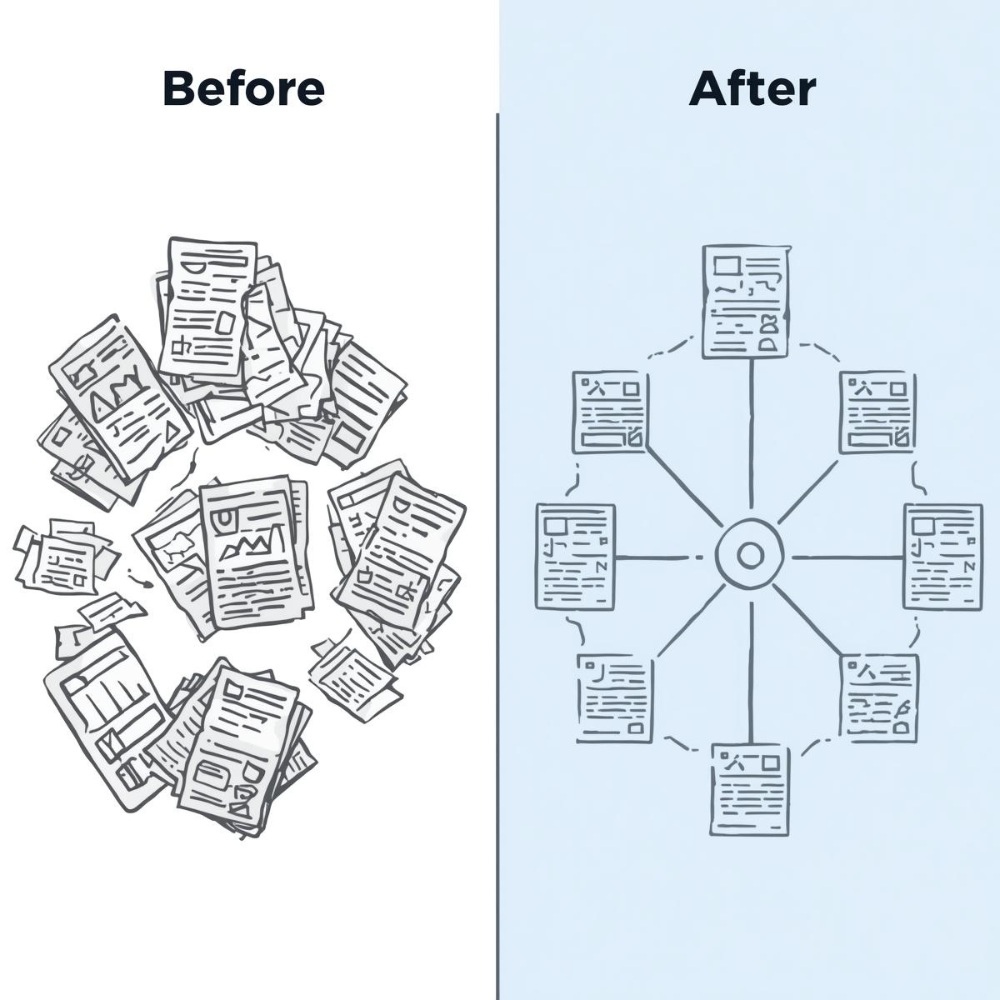
    Duplicate content is when the same text appears in more than one place online. This can happen on your own website or across different sites, whether intentionally or unintentionally. While it might seem harmless, duplicate content can cause problems for your SEO efforts by confusing search engines about which version to prioritise.

    Search engines don’t want to show users the same information multiple times, so they try to determine which version is the original and most relevant. If multiple versions exist, ranking authority may be split, leading to lower rankings for all versions of the content. This can reduce your site’s visibility in search results, affect organic traffic, and even impact user experience.

    Understanding how duplicate content and seo happen and how to fix it is essential for maintaining a strong SEO strategy and ensuring your website performs at its best.

    Key Takeaways: Duplicate Content for SEO

    • Duplicate content refers to similar or identical content on multiple web pages
    • Over 25% of internet content is estimated to be duplicate
    • Common causes include URL variations, product descriptions, and technical issues
    • Duplicate content can hurt search engine rankings and crawl efficiency
    • Solutions include using canonical tags, 301 redirects, and creating unique content
    • Google doesn’t usually penalise unintentional duplicate content
    • Focus on creating high-quality, original content for users and search engines

    Duplicate content and SEO don’t mix well. When search engines find multiple versions of the same material, they must decide which one to show in search results. This can split ranking power between different URLs, making it harder for any single page to perform well. It’s like trying to win a race when your energy is spread across multiple runners instead of focused on one. As a result, your site’s ability to rank for keywords and attract organic traffic can suffer.

    But don’t worry—having some similar content doesn’t mean Google will punish your site. In most cases, it’s not an intentional attempt to manipulate rankings. Still, resolving these issues helps your website perform at its best. Google understands that content overlap is sometimes unavoidable, especially for large websites or online stores. However, addressing these challenges can give you an edge in search rankings.

    Common Sources of Duplicate Content

    Duplicate content for seo can pop up in several ways. Here are some common culprits:

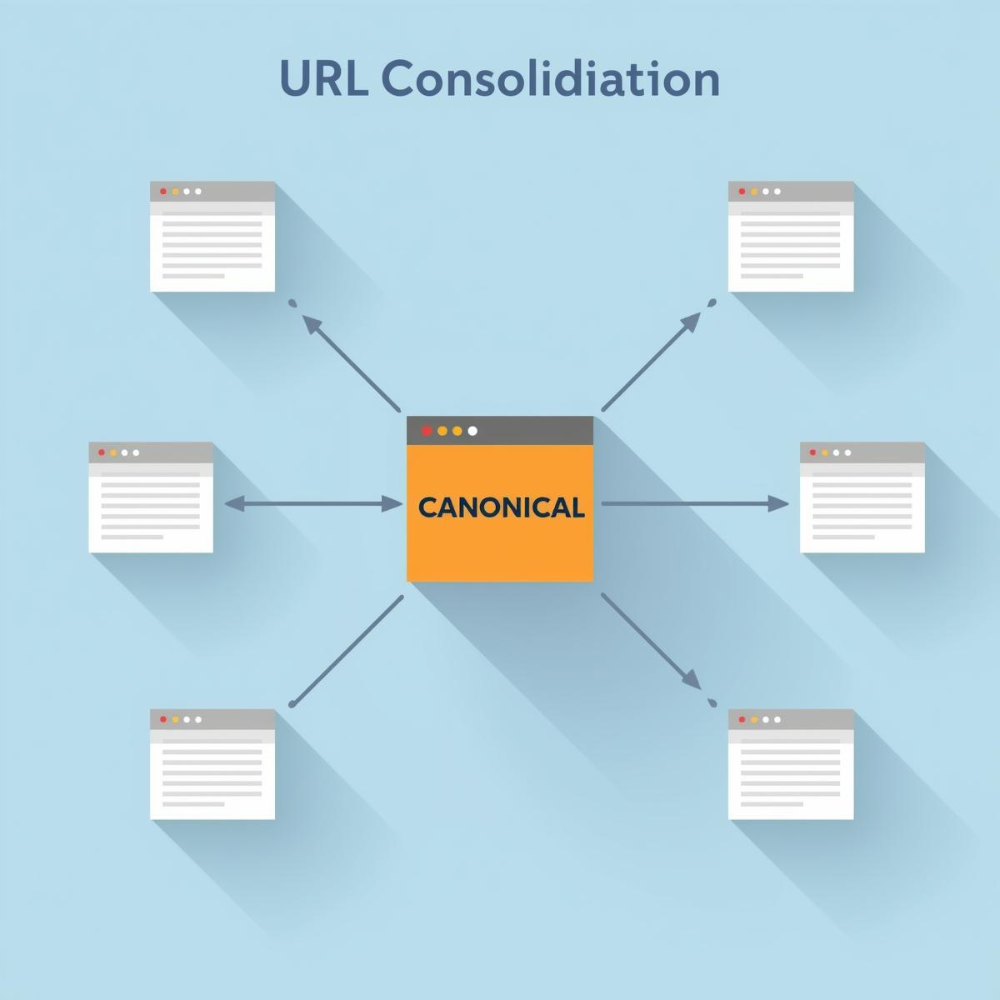
    • URL Variations – Search engines see example.com and www.example.com as different addresses, even if they display identical content. This splitting of ranking power means neither version achieves its full SEO potential, and link equity gets diluted. It’s crucial to pick a preferred version and ensure all other variations redirect to it, preventing this issue.
    • Product Descriptions – Using manufacturer-provided descriptions makes your e-commerce site blend in with countless others, damaging your search engine rankings. Search engines reward unique, valuable content, so using copied descriptions is a missed opportunity to highlight your brand’s unique value proposition and attract customers seeking something different. Writing original descriptions will help attract users.
    • Printer-Friendly Versions – Creating separate printer-friendly pages with identical content creates a duplicate content issue that search engines penalise. Although intended for user convenience, these pages compete with your original content, diluting its ranking potential and wasting crawl budget. This is a common issue on websites with older codebases.
    • Session IDs in URLs – Session IDs added to URLs generate unique URLs for each user session, even if the page content remains the same. This can lead to search engines indexing a multitude of duplicate pages, consuming valuable crawl budget and diluting your site’s overall SEO authority. It is important to avoid it if possible.
    • Similar Content on Mobile and Desktop Versions –Having separate mobile sites (like m.example.com) with nearly identical content to desktop sites confuses search engines, especially if they lack proper canonicalization. This split indexing reduces ranking potential for both versions, as link equity isn’t properly consolidated, which impacts ROI. Responsive design avoids this.
    • Syndicated Content – Republishing your content on other sites can cause search engines to misidentify the original source, leading to the syndicated version outranking yours. This reduces traffic to your site and weakens your overall online authority, impacting lead generation. It can also decrease your conversion rate.
    • Scraped or Copied Content – Unauthorised copying of your content can lead search engines to incorrectly identify the scraped content as the original, harming your rankings and damaging your website’s reputation. The unauthorised use of your content can lead to an overall decrease in brand awareness.
    • Pagination Issues – IPaginated pages (e.g., /products?page=2) can seem like duplicate content, especially when initial pages have similar introductory text or product listings. This dilutes the overall authority of the category or archive, hindering its ability to rank well in search results and impacting sales. The creation of unique content can avoid this.

    Understanding these sources is crucial for effective SEO and SEM strategies. By identifying where duplicate content comes from, you can take steps to fix it and improve your search engine performance. It’s important to check your website regularly to catch these issues early and fix them before they affect your rankings.
    How to Detect Duplicate Content

    Finding duplicate content for seo on your site is the first step to fixing it. Here are some tools and methods you can use:

    • Google Search Console: This free tool from Google can help you spot duplicate title tags and descriptions. It also shows you crawl errors that might point to duplicate content issues.
    • SEO analysis tools: Many tools can scan your site and flag duplicate content. Popular ones include Screaming Frog, Siteliner, and Copyscape.
    • Site search: Use Google to search for specific phrases from your site and see if they appear on multiple pages. You can use “site:” followed by your domain name to search just your website.
    • Manual review: While it takes time, manually checking your content can help you find duplicates that tools might miss, especially for smaller websites.
    • Plagiarism checkers: Tools made to detect copied work can also help find duplicate content across the web.
    • Analyse URL Parameters: Different URLs displaying the same content can lead to unintentional duplication. Ensure that URL variations (such as HTTP vs. HTTPS or trailing slashes) are properly redirected or canonicalized to avoid indexing issues.

    Regularly checking your content is a key part of on-page SEO. By looking for duplicates, you can make sure your content stays fresh and unique. This not only helps with SEO but also makes your site better for users.

    Consistently updating and refining your content can also help establish your website as an authoritative source in your industry. Using tools like Google Search Console, Copyscape, or Screaming Frog can make it easier to identify and resolve duplicate content issues before they impact your rankings.

    • Use canonical tags: These tell search engines which version of a page is the “main” one. By doing this, you indicate the preferred version for indexing, preventing confusion from similar pages.
    • Set up 301 redirects: This sends users and search engines to the correct version of a page. Redirects are useful when multiple URLs lead to the same content, such as after a page move.
    • Use rel=”noindex”: This prevents certain pages from appearing in search results. It’s a great option for pages that are necessary for site functionality but not for indexing, like printer-friendly versions or internal search results.
    • Create unique content: The best approach is often to rewrite pages to make them original. This not only resolves repetition but also enhances user experience and improves search rankings.
    • Implement URL parameter handling: For online stores or sites with complex URLs, properly managing URL parameters ensures search engines don’t treat dynamic variations as separate pages.

    Using these strategies is just one of the many benefits of a good digital marketing approach. By fixing duplicate content, you’re setting your site up for better search performance and user experience. It’s important to remember that the best strategy often involves using a mix of these methods, tailored to your specific situation.

    Best Practices for Avoiding Duplicate Content

    It’s better to prevent duplicate content for seo than to fix it later. By taking proactive steps, you can ensure your site remains optimised for search engines. Here are some good habits to follow:

    • Always create original content – Whenever possible, write unique content, even for product descriptions or location pages, to improve SEO and user engagement.
    • Use consistent internal linking – Reinforce your preferred URL structure by ensuring all internal links point to the correct versions of your pages.
    • Be careful when sharing content on other sites – If you syndicate articles or guest posts, use canonical tags to indicate the original source and avoid duplicate content penalties.
    • Regularly check your site for duplicates – Use tools like Siteliner, Copyscape, or Screaming Frog to identify and fix duplicate content for seo before it impacts rankings.
    • Monitor your site with Google Search Console – Keep an eye on duplicate meta descriptions, title tags, and indexing issues to maintain a healthy site structure.
    • Use a clear URL structure – Avoid creating duplicate pages through URL parameters by properly structuring dynamic URLs and implementing canonical tags where necessary.
    • Manage CMS settings carefully – Content management systems can unintentionally generate duplicate content through pagination, category pages, and tag archives. Adjust settings to prevent unnecessary duplication.
    • For international sites, use hreflang tags – This helps search engines understand language and regional variations of your content, preventing them from being flagged as duplicates.

    Working with a professional SEO agency can ensure you’re following these best practices while tailoring solutions to your website’s specific needs. An expert team can provide strategic recommendations that align with your overall digital marketing goals and keep your site competitive in search rankings

    Real-World Examples: Solving Duplicate Content Challenges

    Let’s look at how some businesses have tackled duplicate content issues:

    ExpHand Prosthetics had issues with similar product descriptions across their site. By creating unique content for each product and using canonical tags, they saw a 30% increase in organic traffic. This not only solved their duplicate content issues but also gave more valuable information to their users, leading to better engagement and more sales.

    Eco Garden, an online plant shop, had problems with duplicate content on their location-based pages. They fixed this by adding unique, local information to each page and saw a 50% boost in local search visibility. By making content specific to each location, they not only fixed the duplicate content problem but also became more relevant for local searches, resulting in more people visiting their physical stores.

    These success stories show that addressing duplicate content for seo can lead to big improvements in SEO performance. By taking a smart approach to content creation and management, businesses can turn a potential SEO problem into an opportunity for growth and better user experience.

    The Future of Duplicate Content and SEO

    As search engines get smarter, dealing with duplicate content and seo will stay important. Search algorithms are evolving to better understand user intent and content originality, making it essential to stay ahead of the curve. Here’s what to keep in mind:

    • AI and Machine Learning Improvements – Search engines will become even better at spotting unique content, making it crucial to focus on originality and avoid unnecessary duplication. Algorithms will likely assess not just exact matches but also content depth and value.
    • User Experience as a Ranking Factor – Search engines are prioritising content that genuinely helps users. Websites that provide clear, valuable, and unique information will rank higher, while duplicate or low-value content may struggle.
    • Impact of Voice Search – As voice search becomes more popular, the way content is structured will matter more. Spoken queries often require direct, concise, and unique answers, which means duplicative content may be overlooked.
    • Featured Snippets and Zero-Click Searches – The rise of featured snippets means that search engines are looking for precise, informative, and well-structured content. Websites that produce clear and unique answers will have a competitive advantage.
    • Mobile-First Indexing and Content Consistency – Google’s mobile-first approach means that content should be consistent across desktop and mobile versions of a website. Ensuring unique, high-quality content across all platforms will be key for rankings.
    • Stronger Penalties for Manipulative Practices – While Google does not penalise unintentional duplication, future updates may crack down even harder on websites that attempt to manipulate rankings through excessive duplicate content and seo.

    Staying ahead of these trends is crucial for businesses in competitive industries like insurance and finance. As search algorithms change, businesses that focus on high-quality, original content will be in the best position to succeed in the always-changing world of SEO.

    How Seek Marketing Partners Addresses Duplicate Content for Clients

    At Seek Marketing Partners, we take a thorough and proactive approach to tackling duplicate content for seo issues, ensuring our clients’ websites maintain strong search engine performance.

    1. Comprehensive SEO Audit – We start with a complete SEO check to find all instances of duplicate content for seo, using advanced tools and manual review to ensure nothing is overlooked.
    2. Tailored Content Strategy – We create a custom plan to address each issue, whether through technical fixes, content rewriting, or strategic use of canonical tags, aligning solutions with each client’s specific needs and business goals.
    3. Careful Implementation & Monitoring – We carefully make changes while closely watching how they affect search rankings, organic traffic, and user engagement to ensure positive results.
    4. Ongoing Prevention & Support – We provide ongoing support to prevent future content problems, including training for client teams, regular audits, and check-ins to maintain a healthy site structure.
    5. Adapting to SEO Changes – We continuously update our strategies to match the latest SEO best practices and search engine updates, ensuring long-term success.

    Our case studies show the real-world impact of our approach to duplicate content and SEO. By combining technical know-how with creative content strategies, we’ve helped many clients overcome duplicate content and seo challenges and achieve big improvements in their search visibility and overall digital performance.

    Conclusion: Mastering Duplicate Content for SEO Success

    Dealing with duplicate content for SEO might seem tricky, but it’s an essential part of keeping your website healthy and competitive. By understanding what causes duplicate content, how to detect it, and how to fix it, you can improve your site’s search engine performance and provide a better experience for your users.

    Remember, the goal isn’t just to avoid penalties—it’s to build a website that stands out in search results and delivers real value to your audience. Search engines reward originality, so investing in high-quality, unique content is key to long-term success.

    To stay ahead, regularly audit your site for duplicate content and seo, use technical solutions like canonical tags, redirects, and hreflang tags, and most importantly, focus on creating valuable content that meets your users’ needs. Keeping up with SEO best practices ensures that your website remains visible, authoritative, and engaging.If you’re feeling overwhelmed or want expert help with your SEO strategy, Seek Marketing Partners is here to help. Our team of SEO specialists can guide you through the process of optimizing your site, fixing duplicate content issues, and ensuring your digital presence remains strong and competitive in search rankings.

  • National SEO vs Local SEO: What’s the Difference?

    National SEO vs Local SEO: What’s the Difference?

    When it comes to search engine optimisation (SEO), the strategies you use can significantly impact your online visibility. 

    Two major approaches to SEO are National SEO and Local SEO, each serving a unique purpose. Understanding the difference between National SEO vs Local SEO is key to choosing the right strategy for your business, especially those seeking SEO for national business growth.

    🔎 Key Takeaways

    • National SEO vs Local SEO: National SEO focuses on targeting a broader audience, while local SEO hones in on location-based search results.
    • SEO for national business is ideal for companies targeting a national or global market, while local SEO is better suited for businesses with physical locations or a regional focus.
    • Keyword strategies, content optimisation, and link-building approaches vary based on your target audience, whether local or national.
    • Proper understanding of Google’s ranking factors is essential for both types of SEO strategies.

    What is National SEO?

    National SEO is a strategy used by businesses aiming to improve their online visibility across a wide geographic area, without being restricted by location. This SEO approach focuses on broad, high-volume keywords that are relevant across the country or even internationally. SEO for national business primarily targets people searching for products, services, or content without any specific location-based requirements.

    Who Benefits from National SEO?

    Businesses that operate without geographic restrictions, including:

    • E-commerce brands selling products nationwide
    • SaaS companies offering digital solutions globally
    • Large corporations with multiple locations
    • Online service providers such as digital marketing agencies, software firms, and subscription-based businesses
    • National brands looking to expand their digital reach beyond regional markets
    • Media outlets and publishers targeting audiences on a national or international scale
    • Educational platforms offering online courses or nationwide training programmes

    Core Strategies for National SEO

    📌 Keyword Optimisation

    • Focus on high-competition, broad keywords instead of local search terms.
    • Example: Instead of “SEO agency in Manchester,” use “best SEO agency UK.”
    • Implement semantic search optimisation using related terms and long-tail keywords.

    📌 Content Marketing

    • Develop long-form blog posts, guides, and evergreen content targeting national audiences.
    • Incorporate thought leadership and industry insights to boost authority.
    • Create pillar content and interlink related articles to enhance topical authority.
    • Implement video marketing to enhance engagement and improve dwell time on web pages.

    📌 Backlink Building

    • Earn high-quality backlinks from authoritative websites to enhance domain credibility.
    • Guest posting, PR campaigns, and influencer collaborations help achieve this.
    • Conduct competitor backlink analysis to identify link-building opportunities.
    • Get featured in national-level industry directories to improve trust signals.

    📌 Technical SEO

    • Optimise site speed, mobile-friendliness, and structured data to rank better in SERPs.
    • Ensure proper indexing and crawlability for large-scale websites.
    • Implement schema markup to enhance search engine understanding of content.
    • Improve internal linking structures to distribute page authority effectively.

    By utilising National SEO, you increase your visibility on search engines like Google, Bing, and Yahoo across a vast geographical region, helping drive more traffic and sales.

    What is Local SEO?

    In contrast, Local SEO is focused on optimising your website to be found in local search results. If your business operates in a specific city, town, or region, Local SEO aims to increase your visibility for searches related to your location.

    For example, a coffee shop in Manchester would use Local SEO to appear in searches like “best coffee near me” or “coffee shop in Manchester.” Local SEO efforts are designed to make sure that businesses rank high for geo-targeted search queries.

    Who Needs Local SEO?

    • Restaurants, cafes, and retail stores
    • Law firms, dental clinics, and medical practises
    • Home service providers (plumbers, electricians, landscapers)
    • Local franchise businesses
    • Independent professionals such as real estate agents and consultants
    • Tourism and hospitality businesses targeting specific regions
    • Gyms and fitness centres that attract a localised customer base

    Key Tactics for Local SEO

    📍 Google Business Profile Optimisation

    • Claim and optimise Google Business Profile with accurate business details.
    • Encourage customer reviews to boost local credibility.
    • Use Google Posts to share promotions, events, and updates.
    • Add high-quality images and service area details to enhance local visibility.

    📍 Localised Keyword Strategy

    • Use geo-specific keywords like “best pizza in London” or “SEO agency in Manchester.”
    • Include location mentions naturally in content.
    • Optimise for “near me” searches, which are increasingly common on mobile devices.
    • Utilise customer-driven content, such as user-generated reviews and testimonials.

    📍 Local Link Building

    • Earn links from local directories, business associations, and news sites.
    • Partner with nearby businesses for cross-promotion.
    • Submit listings to niche-specific directories relevant to your industry.
    • Gain sponsorship mentions in local community events and charity initiatives.

    📍 NAP Consistency

    • Ensure Name, Address, and Phone Number (NAP) information is consistent across all directories.
    • Avoid duplicate or incorrect listings that can hurt rankings.
    • Utilise local citation tools to monitor and update listings across platforms.
    • Add structured data markup to help Google understand business location details better.

    National SEO vs Local SEO: Key Differences

    While National SEO focuses on broader, nationwide visibility, Local SEO is tailored to smaller geographic regions. Below are 

    FeatureNational SEOLocal SEO
    Target AudienceNationwide/InternationalLocal/Regional
    Keyword FocusBroad keywords (e.g., “best SEO agency UK”)Geo-targeted keywords (e.g., “SEO agency in Manchester”)
    Google Ranking FactorsDomain authority, content quality, and backlinksGoogle Business Profile, NAP consistency, local citations
    Link Building StrategyHigh-authority national sitesLocal directories, regional partnerships
    Content TypeBlogs, case studies, pillar pagesLocalised landing pages, city-based content
    Mobile OptimisationNational website performanceLocal search intent optimisation
    Competition LevelHigh (national and global competitors)Moderate (competing with businesses in the same city/region)
    Budget RequiredHigher (more resources for content, backlinks)Lower (localised campaigns are more cost-effective)

    Choosing Between National and Local SEO

    For businesses deciding between national SEO vs local SEO, consider:

    Business Model – If your business operates nationwide, SEO for a national business is essential. If you rely on local foot traffic, local SEO is the way to go. 

    Competition Level – National SEO is more competitive, requiring a stronger content and backlink strategy. Local SEO can be easier to rank for in niche markets.

     ✔ Marketing Goals – If the goal is to attract leads globally, focus on national SEO. If targeting local customers, optimise for local search rankings. 

    Budget Allocation – National SEO typically requires a higher budget due to increased competition, whereas local SEO may yield faster results with a smaller investment. 

    Customer Behaviour – Businesses with physical locations should invest in local SEO, while e-commerce or SaaS brands benefit more from national strategies.

    Choosing between National SEO vs Local SEO depends on your business goals and geographical reach. While Local SEO is essential for businesses targeting customers in a specific area, National SEO is crucial for companies aiming to expand their reach across the country.

    In many cases, National SEO and Local SEO can complement each other. For instance, a national business that has several physical locations may want to integrate both strategies, focusing on National SEO for overall brand visibility while simultaneously employing Local SEO tactics to attract customers in specific regions.

    Implementing a Hybrid SEO Approach

    Some businesses benefit from both national and local SEO strategies. For example:

    • Franchises can optimise individual locations for local SEO while maintaining a strong national brand presence.
    • E-commerce brands can target national search terms while also optimising for “near me” searches for physical store locations.
    • Service providers with national reach can create localised landing pages to attract city-specific clients.
    • Multinational businesses may need country-specific SEO strategies while maintaining a unified global presence.

    Investing in SEO for a national business not only improves your visibility but also ensures that you are equipped to handle competition on a national scale.

    Final Thoughts

    Understanding the difference between national SEO vs local SEO ensures businesses invest in the right strategy for their goals. Whether targeting a local market or a nationwide audience, optimising for search engines effectively requires strategic planning and execution.

  • The Art of Ad Copywriting: Words That Sell

    The Art of Ad Copywriting: Words That Sell

    In today’s competitive market, ad copywriting is crucial in capturing attention, engaging audiences, and driving conversions. A well-crafted advertisement doesn’t just inform—it persuades, influences, and compels action. Whether you’re writing for digital ads, print campaigns, or social media, mastering advert copywriting is essential for business success.

    This guide explores the key principles, techniques, and strategies behind effective advertising copywriting, ensuring your brand stands out in a crowded marketplace.

    Red-haired woman writing a feedback process diagram on a whiteboard.

    What is Ad Copywriting?

    Ad copywriting involves crafting compelling, persuasive, and engaging content for advertisements. Unlike general content writing, which focuses on providing information or storytelling, ad copywriting is designed to deliver a concise yet impactful message that encourages a specific action. This action could be purchasing, signing up for a newsletter, clicking a link, or engaging with a brand on social media.

    In advertising, every word counts. With limited space and a short attention span from audiences, ad copy needs to be strategic, clear, and emotionally appealing. Whether it’s a billboard slogan, a Google ad, or a social media campaign, the goal remains to influence consumer behaviour.

    Why is Ad Copywriting Important?

    Effective advertising copywriting plays a critical role in a brand’s marketing success. It does more than just describe a product or service—it persuades, engages, and converts. Here are five key reasons why strong ad copywriting is essential:

    Increases Brand Awareness

    Excellent ad copy helps a brand stand out in a crowded market. An ad must communicate the brand’s identity, values, and unique selling points in just a few words. Memorable taglines, slogans, and messaging ensure consumers remember and recognise the brand long after seeing the ad.

    Example: Nike’s legendary slogan Just Do It is a prime example of ad copy that reinforces brand identity and motivates consumers.

    Drives Sales and Conversions

    Every ad is designed to generate revenue. Persuasive ad copy guides potential customers through the buying journey, whether it’s a product launch, a promotional sale, or an awareness campaign. Words that evoke urgency (“Limited Time Offer”), exclusivity (“Only for VIP Members”), or necessity (“Don’t Miss Out”) can significantly impact conversion rates.

    For example, Apple’s ad for the iPhone simply states, “The Best iPhone We’ve Ever Made.” This highlights product improvement and subtly encourages customers to upgrade.

    Enhances Engagement on Digital Platforms

    With the rise of social media and digital advertising, brands need ad copy that captures attention instantly. Unlike traditional advertising, where audiences passively consume content, digital advertising allows for interaction. Engaging advert copywriting prompts likes, shares, comments, and clicks.

    For example, Spotify’s witty, data-driven ad campaign, specifically its Spotify Wrapped, engages users by making them feel personally connected to the content.

    Differentiates from Competitors

    In competitive markets, having a unique brand voice is crucial. Ad copy highlighting a brand’s unique selling proposition (USP) makes it easier for consumers to choose one brand over another. It’s not just about listing features—it’s about showcasing how those features benefit the customer in a way that competitors don’t.

    Strengthens Brand Messaging

    Consistency in advertising copywriting helps reinforce brand identity and messaging across all marketing channels. Whether it’s a Facebook ad, a YouTube commercial, or a print campaign, consistent tone, style, and messaging build brand trust and recognition.

    Example: Coca-Cola’s Open Happiness campaign aligns with its long-standing brand message of joy, refreshment, and positive experiences.

    The Consequences of Poor Ad Copywriting

    Conversely, ineffective ad copywriting can damage a brand’s reputation, waste the marketing budget, and fail to connect with the audience. Here’s why:

    • Confusing Messaging – Consumers won’t understand the offer or its value if an ad lacks clarity.
    • Weak Call-to-Action (CTA) – If an ad doesn’t clearly instruct the audience on what to do next (“Buy Now,”“Learn More,” “Subscribe Today”), engagement drops.
    • Lack of Emotional Appeal – Ads that fail to tap into emotions often struggle to create a lasting impact.
    • Overuse of Jargon – Using complex industry terms can alienate potential customers rather than attract them.

    Why Professional Advertising Copywriting is a Smart Investment

    Hiring a skilled advert copywriting expert can significantly affect an ad campaign’s effectiveness. Professional copywriters understand consumer psychology, marketing trends, and brand positioning, ensuring that every word serves a purpose.

    Businesses that invest in high-quality advertising copywriting benefit from the following:
    Higher engagement rates – Ads that capture attention and spark interaction.
    Increased conversions – Persuasive messaging that turns prospects into customers.
    A stronger brand presence – Memorable and impactful copy that resonates with audiences.

    In today’s competitive digital landscape, excellent ad copy is not just an option—it’s a necessity for business success.

    Key Elements of High-Performing Ad Copy

    Great ad copywriting isn’t just about choosing the right words—it’s about structuring your message effectively. Here are the fundamental elements:

    1. Attention-Grabbing Headlines

    Your headline is the first thing people see. A compelling headline should be:

    • Clear and concise
    • Emotionally engaging
    • Benefit-driven

    Example: “Boost Your Sales by 50% with These Copywriting Secrets”

    2. Persuasive Call-to-Action (CTA)

    A strong CTA encourages users to take the next step. Instead of generic phrases like “Click Here”, try more action-oriented CTAs like:

    • “Start Your Free Trial Today”
    • “Shop Now and Save 20%”
    • “Download Your Free Guide”

    3. Focus on Benefits, Not Just Features

    Customers don’t buy products; they buy solutions. Instead of just listing features, highlight how they improve the user’s life.

    Example:
    “Our mattress has memory foam technology.”
    “Sleep soundly with pressure-relieving memory foam that contours to your body.”

    4. Emotional Appeal

    Emotion drives decisions. Whether it’s happiness, fear, or excitement, your advertising copywriting should tap into emotions that resonate with your audience.

    Example:
    “Feel confident every day with our luxury skincare range.”

    5. Social Proof & Trust Signals

    Including testimonials, case studies, or trust badges can increase credibility.

    Example:
    “Join 50,000+ satisfied customers who improved their productivity with our software.”

    Types of Ad Copywriting

    Different platforms require different advert copywriting approaches. Let’s explore key types of advertising copywriting and their best practises.

    1. Digital Advertising Copy

    Platforms: Google Ads, Facebook Ads, Instagram Ads

    Best practises:

    • Keep it short and punchy
    • Use power words like “exclusive,” “instant,” and “proven.”
    • Highlight urgency (“Limited Time Offer”)
    • Test different variations (A/B testing)

    Example:
    “Flash Sale: 30% Off All Footwear! Hurry, Ends Soon!”

    2. Print & Outdoor Advertising Copy

    Platforms: Billboards, Magazines, Newspapers

    Best practises:

    • Use bold, memorable statements
    • Keep it short (billboards should be under seven words)
    • Ensure strong brand visibility

    Example (Billboard):
    Taste the Feeling.

    3. Social Media Ad Copywriting

    Platforms: Facebook, Instagram, Twitter, LinkedIn

    Best practises:

    • Use engaging, conversational tones
    • Ask questions (“Looking for a smarter way to invest?”)
    • Use storytelling for emotional impact

    Example (Instagram Ad):
    “Tired of feeling stressed? Our meditation app helps you find daily calm in just 5 minutes. Try it free today!”

    4. Email Advertising Copywriting

    Platforms: Promotional Emails, Newsletters

    Best practises:

    • Personalise messages (“Hey [Name], we’ve got something special for you!”)
    • Keep subject lines intriguing (“You won’t believe this deal!”)
    • Create urgency (“Last chance to claim your discount”)

    Example:
    “Exclusive Offer Just for You – Save 40% Before Midnight!”

    5. Video & Radio Ad Copywriting

    Platforms: YouTube, TV, Radio

    Best practises:

    • Use storytelling techniques
    • Make it easy to remember (taglines, jingles)
    • Focus on the emotional impact

    Example:
    “Need a break? Grab a KitKat.”

    How to Write High-Converting Ad Copy

    Creating powerful ad copywriting requires a blend of psychology, creativity, and marketing expertise. Follow these steps to craft high-converting ads:

    1. Know Your Audience

    Before writing, understand your audience’s pain points, desires, and motivations. Ask:

    • What problem does my product solve?
    • What emotions drive my audience?
    • What language resonates with them?

    2. Write As You Speak

    Avoid complex jargon—keep it natural and relatable. A conversational tone enhances engagement.

    Example:
    “This advanced financial tool optimises your fiscal strategies.”
    “Save more, stress less—our app makes managing money easy!”

    3. Use Power Words

    Powerful words create urgency and persuasion. Examples:

    • Exclusive, Instant, Free, Proven, Effortless, Secret, Unlock

    Example:
    “Unlock effortless weight loss with our proven programme!”

    4. Address Objections Upfront

    Pre-empt customer doubts and counteract them within your copy.

    Example:
    “Not sure if it’s for you? Try our 30-day risk-free guarantee.”

    5. Test & Optimise

    Use A/B testing to compare different versions of your advert copywriting. Measure metrics like CTR (Click-Through Rate) and conversions.

    Common Ad Copywriting Mistakes to Avoid

    Even experienced writers can make these mistakes in advertising copywriting:

    • Focusing Too Much on Features – Benefits matter more to the customer.
    • Being Too Vague – Specificity sells (“Lose 10lbs in 30 days” > “Lose weight fast”).
    • Ignoring Mobile Optimisation – Most digital ads are seen on mobile. Keep the copy concise.
    • Overcomplicating the Message – Simplicity is key.

    The Future of Ad Copywriting

    With AI and automation changing marketing, the future of advertising copywriting is evolving. However, human creativity remains irreplaceable. Key trends include:

    • AI-Assisted Copywriting – AI tools assist but don’t replace the human touch.
    • Hyper-Personalisation – Ads will become even more tailored to individual users.
    • Voice Search Optimisation – More ads will target voice search users.

    Advanced Strategies for Maximum Impact

    Now that we’ve covered the fundamentals of ad copywriting, let’s explore expert strategies for enhancing conversion rates and brand impact.

    Psychology and Ad Copywriting

    Understanding human behaviour is key to persuasive advert copywriting. Here are three psychological triggers that drive engagement and conversions.

    1. The Power of FOMO (Fear of Missing Out)

    Scarcity and urgency are powerful motivators. Limited-time offers to make customers act quickly.

    Example:
    “Buy our skincare bundle.”
    “Only five left! Get flawless skin before it’s gone.”

    2. Social Proof & Authority

    People trust others’ experiences. Using reviews, testimonials, and statistics strengthens credibility.

    Example:
    “Trusted by 500,000+ happy customers worldwide.”

    3. Reciprocity Effect

    When brands offer something valuable for free (guides, samples, trials), customers feel compelled to return the favour by purchasing.

    Example:
    “Get our free skincare guide—your journey to glowing skin starts here!”

    Case Studies: Ad Copywriting That Worked

    1. Apple – Simplicity Wins

    Apple’s advertising copywriting is famous for its minimal yet impactful approach.

    Example:
    Shot on iPhone.

    By focusing on benefits over features, Apple makes tech feel aspirational.

    2. Nike – Emotion-Driven Copy

    Nike taps into emotional storytelling to connect deeply with audiences.

    Example:
    “Find your greatness.”

    Their ads focus on personal achievement rather than product specifications.

    3. Alpha Designs – Performance-Driven Ad Copy

    Alpha Designs, a gym accessories brand, partnered with Seek Marketing Partners to enhance their advertising copywriting for Facebook and Instagram ads.

    Goals:
    ✔ Optimise ad performance.
    ✔ Increase conversions & sales.
    ✔ Reduce cost per acquisition (CPA).

    Results:
    📈 4.9x Return on Ad Spend (RoAS) – Maximised revenue.
    💰 30% Lower CPA – Reduced costs per customer.
    🚀 100% Sales Growth – Doubled sales through optimised ads.

    How Seek Marketing Partners Helped:
    ✔ Created high-converting ad assets (images, carousels, videos).
    ✔ Implemented targeted ad funnels for audience optimisation.
    ✔ Managed campaigns with real-time adjustments for better ROI.

    This case study proves that effective ad copywriting and strategic ad management lead to higher conversions and business success.

    Copywriting Techniques for Different Advertising Formats

    1. PPC & Google Ad Copy
      With limited character space, every word must count.
    • Use numbers (“Save 50%”)
    • Highlight solutions (“End Back Pain Today”)
    • Include a CTA (“Try Risk-Free”)

    Example:
    “Lose 10lbs in 30 Days – No Gym Required! Start Now.”

    1. Facebook & Instagram Ad Copy
      Social media ads thrive on engaging, informal language.
    • Use emojis for impact
    • Ask questions (“Want clearer skin?”)
    • Keep it personal (“You deserve better sleep”)

    Example:
    “🎉 Limited Offer: 30% Off All Running Shoes! Grab Yours Before They’re Gone! 🏃‍♂️”

    1. LinkedIn Ad Copy
      Professional ads require a more authoritative approach.
    • Focus on expertise
    • Highlight industry trends
    • Use professional credibility

    Example:
    “Boost Your Marketing ROI by 200% with Our AI-Powered Analytics.”

    1. YouTube & Video Ad Copy
      Video ads require engaging hooks in the first 5 seconds.
    • Open with a bold statement
    • Keep sentences short
    • Use storytelling

    Example:
    “Struggling with productivity? This one tool changed everything!”

    Crafting the Perfect Ad Copywriting Formula

    To write consistently high-converting ads, follow this proven structure:

    1. Hook (Grab Attention)
      Ask a bold question (“Tired of overpriced gym memberships?”)
      Use curiosity (“This tiny gadget can replace your entire kitchen.”)
    2. Problem (Highlight Pain Point)
      Address a common struggle (“Most people waste 5 hours a week cooking. What if you could do it in 30 minutes?”)
    3. Solution (Introduce Product)
      Present your product as the perfect solution (“Meet the SmartCook Pro—your ultimate time-saving kitchen companion!”)
    4. Social Proof (Build Trust)
      Use testimonials or statistics (“Rated 4.9/5 by 50,000+ happy users!”)
    5. Call-to-Action (CTA) (Encourage Action)
      Create urgency (“Limited Stock—Order Now!”)

    Example Ad Copy:
    “Hate spending hours cooking? 🍳 The SmartCook Pro cuts prep time in half! Rated 4.9⭐️ by 50,000+ customers. Order today—only a few left!”

    Expert Tips from Top Copywriters

    1. David Ogilvy’s Rule: Sell Benefits, Not Features
      “The consumer isn’t a moron; she is your wife.” – David Ogilvy

    Ogilvy’s advertising philosophy focuses on how a product improves the user’s life.

    Example:
    ❌ “This laptop has 16GB RAM.”
    ✅ “Effortlessly multitask with a super-fast laptop.”

    1. Gary Halbert’s “Star, Story, Solution” Method
      Halbert, a legendary copywriter, believed in storytelling.
    • Star – Introduce an appealing character (“Meet Sarah, a busy entrepreneur.”)
    • Story – Describe their struggle (“She wasted hours on lousy marketing.”)
    • Solution – Present your product (“Now, she grows her business effortlessly with the XYZ tool.”)
    1. Eugene Schwartz’s “Stages of Awareness”
      Schwartz identified five levels of customer awareness:
    • Unaware – No idea they have a problem
    • Problem-Aware – Knows the problem but not the solution
    • Solution-Aware – Knows solutions exist but needs the best one
    • Product-Aware – Knows your product but isn’t convinced
    • Most Aware – Ready to buy

    Your advert copywriting must align with your audience’s awareness stage.

    A/B Testing in Ad Copywriting

    Testing different advertising copywriting versions helps optimise results.

    What is the A/B Test?

    ✅ Headlines – Does “Get Fit Fast” outperform “Lose Weight Effortlessly”?
    ✅ CTAs – Is “Buy Now” more substantial than “Shop the Collection”?
    ✅ Emotion vs. Logic – Does “Feel Confident” work better than “Scientifically Proven”?

    Example Test:
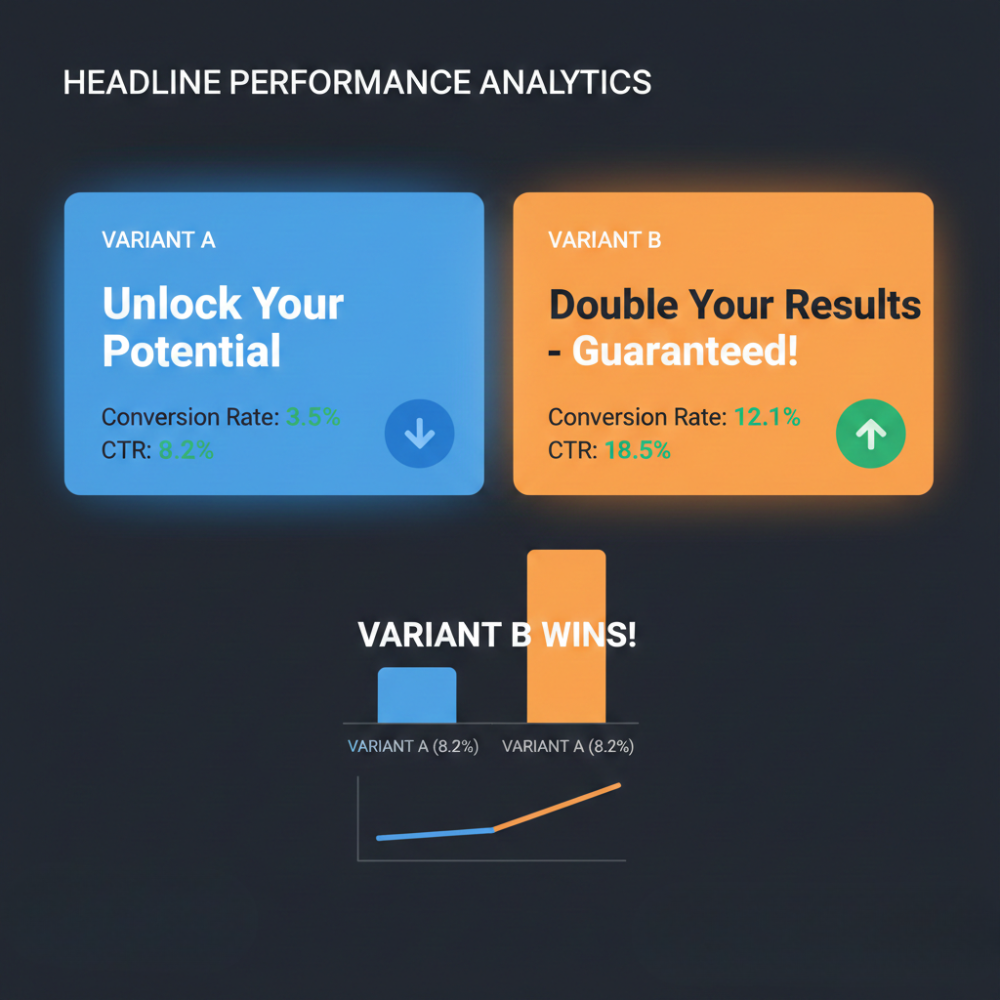
    Version A: “Boost Your Productivity with AI-Powered Tools.”
    Version B: “Tired of Wasting Hours? Our AI Tool Works Instantly!”

    After testing, Version B might convert better due to its urgency.

    Final Thoughts: Mastering Ad Copywriting for Long-Term Success

    Successful advert copywriting blends psychology, strategy, and creativity. Whether crafting PPC ads, social media content, or print campaigns, a data-driven yet human approach is key to driving results.

    You can create high-performing ads that boost conversions, engagement, and brand awareness by refining your advertising copywriting techniques, testing variations, and adapting to audience behaviour.

    Ready to elevate your ad copywriting? Contact us today for expert copywriting services!

  • What Are Meta Ads and Are They Worth It?

    What Are Meta Ads and Are They Worth It?

    What are Meta Ads? Simply put, they are digital advertisements that run on platforms owned by Meta, including Facebook, Instagram, Messenger, and WhatsApp. These ads help businesses reach their target audience effectively by leveraging powerful targeting and analytics tools. 

    Let’s explore Meta Ads in detail, including how they function, their benefits, and whether they are the right investment for your business.

    Hand holding a smartphone showing a bright orange free delivery advert.

    Key Points: What Are Meta Ads?

    • Meta Ads are digital advertising tools for Facebook, Instagram, Messenger, and WhatsApp
    • They offer precise targeting options based on user demographics, interests, and behaviours
    • Meta Ads include various formats like image, video, carousel, and story ads
    • They provide detailed analytics and reporting for campaign optimisation
    • Meta Ads can be cost-effective for businesses of all sizes when used strategically
    • When used strategically, Meta Ads can be cost-effective for businesses of all sizes.
    • Wondering “Are Meta Ads worth it?”—their success depends on the right targeting and budget allocation.
    • Understanding how Meta Ads work can help businesses maximise ROI and audience engagement.

    What Are Meta Ads?

    With Meta Ads, you can create customised campaigns that align with your business goals, whether you want to increase brand awareness, drive website traffic, or boost sales. 

    These ads are designed to integrate seamlessly into users’ social media experiences, appearing naturally in their feeds, stories, and even video content. This non-intrusive approach helps businesses engage with potential customers in a way that feels organic rather than disruptive.

    Meta’s advertising ecosystem is built on advanced data analytics, ensuring that businesses can optimize their campaigns for better engagement and conversions. Whether targeting first-time visitors, re-engaging past customers, or finding new lookalike audiences, Meta Ads work to ensure that your message reaches the right people at the right time.

    Different Formats of Meta Ads

    • Image ads: Static visuals that can quickly convey your message and brand identity.
    • Video ads: Engaging motion content that captures audience attention and encourages interaction.
    • Carousel ads: Multiple images or videos within a single ad, allowing businesses to showcase multiple products or tell a brand story.
    • Collection ads: A mobile-optimized format that combines video, images, and product catalogues for a more interactive shopping experience.
    • Instant Experience ads: Fullscreen, immersive mobile ads that load instantly and provide an engaging way for users to explore your brand.

    Each format offers unique advantages, allowing businesses to showcase their products or services in visually compelling ways. The variety of these formats means that Meta Ads work effectively across industries, from e-commerce and real estate to hospitality and entertainment. 

    A Meta Ads agency can help you determine the best format for your specific goals, ensuring that your ads perform at their best and deliver measurable results.

    How Do Meta Ads Work?

    If you’re wondering, “How do Meta Ads work?”, they function through the Meta Ads Manager, a tool that allows advertisers to create, manage, and track their campaigns. This platform provides an intuitive interface where businesses can define their audience, set their budget, and optimize ad performance based on real-time insights.

    Meta Ads use advanced targeting options, including:

    • Demographics: Age, gender, education, relationship status, and more
    • Interests: Hobbies, activities, likes, and pages followed
    • Behaviours: Purchase history, device usage, and online activities
    • Custom audiences: Based on your existing customer data or website visitors
    • Lookalike audiences: Finding users similar to your best customers
    • Engagement Targeting: Focus on users who have liked, commented, or shared similar content.
    • Device and Platform Targeting: Optimize ads for mobile, desktop, or specific devices.

    This precise targeting ensures that your ads reach the most relevant audience, increasing the likelihood of engagement and conversions. Meta’s algorithm analyses user data to show your ads to those most likely to be interested in your offerings, making your ad spend more effective and improving ROI.

    Our PPC management services for small businesses can help you improve your targeting strategy for better results, making sure your budget is used wisely to reach the right people at the right time. With a proper strategy, Meta Ads work effectively to drive engagement, generate leads, and increase sales.

    The Benefits of Meta Ads

    Why Are Meta Ads Worth It?

    Many businesses ask, “Are Meta Ads worth it?” The answer is yes—when executed properly. Here’s why:

    • Extensive reach: With over 3 billion monthly active users across Meta platforms, your potential audience is huge and diverse.
    • Advanced targeting: Reach the right people at the right time accurately, making your ad spend more efficient.
    • Versatile ad formats: Choose from various formats to best show off your offerings and engage your audience effectively.
    • Detailed analytics: Track your performance and make data-based decisions with comprehensive reporting tools.
    • Integration with other Meta platforms: Create a consistent marketing strategy across multiple channels for maximum impact.
    • Cost-effective advertising: Set your own budget and optimize campaigns for the best return on investment.
    • Retargeting capabilities: Re-engage users who have shown interest in your products or services.

    One of the biggest advantages of Meta Ads is their highly advanced targeting capabilities. By leveraging data on user demographics, interests, and online behaviour, businesses can reach the right audience with precision. This means that your advertising budget is spent efficiently, increasing the chances of conversions and maximising ROI.

    Another key benefit is the flexibility in ad formats. Whether you choose image ads, video ads, or carousel ads, Meta Ads offer dynamic ways to showcase your products and services. This flexibility makes them an excellent choice for businesses looking to create engaging and interactive campaigns.

    Meta Ads also provide detailed analytics, allowing you to track performance metrics such as reach, engagement, and conversion rates. With this data, businesses can refine their strategies and improve campaign effectiveness.

    Working with a Meta Ads agency can further enhance your results by providing expert insights and optimisation techniques.

    Challenges and Considerations

    While Meta Ads offer numerous benefits, businesses must also be aware of the challenges involved in running successful campaigns. Understanding these potential hurdles can help you make informed decisions and optimize your ad strategy effectively.

    • Ad fatigue: Users may get tired of seeing ads over time, requiring frequent creative updates.
    • Privacy concerns: Changing rules may affect targeting capabilities and data usage.
    • Increasing competition: As more businesses use Meta Ads, costs may go up, and visibility may become harder.
    • Algorithm changes: Meta’s frequent updates can affect ad performance and require strategy adjustments.
    • Ad blockers: Some users use ad-blocking technology, potentially limiting your reach.
    • Platform-specific limitations: Each Meta platform has its own rules and best practices to follow.

    Dealing with these challenges requires expertise and ongoing improvement. Our SEO audit services can help ensure your overall digital strategy stays effective in the face of these challenges. By regularly checking your digital presence and adapting to changes in the digital world, you can stay competitive and get the most out of your Meta Ads campaigns.

    Are Meta Ads Worth It?

    The answer to “Are Meta Ads worth it?” depends on your specific business goals, target audience, and industry. However, for many businesses, the answer is yes. Meta Ads offer a unique mix of reach, targeting accuracy, and flexibility that can provide significant value when used strategically.

    Factors that Make Meta Ads a Good Investment

    • Cost-effective: With proper optimisation, Meta Ads can deliver a strong return on investment, often at a lower cost per acquisition than traditional advertising methods.
    • Measurable results: Detailed analytics allow you to track and improve your performance, ensuring your marketing budget is spent efficiently.
    • Flexibility: Adjust your campaigns in real-time based on performance data, allowing for agile marketing strategies.
    • Brand awareness: Increase visibility and recognition among your target audience, even if they don’t convert immediately.
    • Lead generation: Capture valuable leads and nurture them through your sales funnel with targeted content and offers.
    • Remarketing opportunities: Re-engage users who have interacted with your brand, increasing the likelihood of conversion.
    • Scalability: Start with a small budget and scale up as you see positive results, making it suitable for businesses of all sizes.

    Our insights on the future of SEO can help you understand how Meta Ads fit into a comprehensive digital marketing strategy. By combining the immediacy of paid advertising with the long-term benefits of SEO, you can create a robust digital presence that drives both short-term results and sustainable growth.

    Best practises for Meta Ads Success

    To get the most out of your Meta Ads campaigns, consider these Best practises for Meta Ads Success:

    • Define clear campaign objectives: Align your ad goals with your overall business objectives.
    • Create compelling ad content: Develop visually appealing and engaging ads that resonate with your target audience.
    • Optimize your landing pages: Ensure a seamless user experience from ad click to conversion.
    • Implement A/B testing: Continuously test different ad elements to refine your approach and improve performance.
    • Monitor and adjust your campaigns regularly: Stay proactive in optimizing your ads based on performance data.
    • Use audience segmentation: Create tailored messages for different segments of your target audience.
    • Leverage retargeting: Re-engage users who have shown interest in your products or services.
    • Maintain brand consistency: Ensure your ads align with your overall brand identity and messaging.

    By following these best practises, businesses can maximise their reach and drive better engagement. So, are Meta Ads worth it? When executed strategically, they can be a powerful tool to boost brand awareness and generate leads efficiently.

    The Role of a Meta Ads Agency

    While it’s possible to manage Meta Ads in-house, many businesses find value in partnering with a Meta Ads agency. An experienced agency can:

    • Develop a comprehensive strategy aligned with your business goals and target audience.
    • Create compelling ad content that resonates with your target audience and drives engagement.
    • Optimize campaigns for maximum performance and ROI, leveraging industry best practices.
    • Stay up-to-date with platform changes and best practices, ensuring your campaigns remain effective.
    • Provide detailed reporting and insights for continuous improvement and strategic decision-making.
    • Manage complex campaigns across multiple platforms and ad formats efficiently.
    • Conduct in-depth competitor analysis to inform your strategy and maintain a competitive edge.
    • Handle ad account issues and communicate with Meta’s support team when necessary.
    • A history of successful campaigns across various industries, demonstrating expertise in Meta Ads.
    • Keeps up with Meta’s evolving algorithms, ad formats, and policies.
    • Provides detailed performance reports, helping businesses track ROI and make informed marketing decisions.
    • Continuously adjusts campaigns based on market trends and audience behaviour to ensure sustained success.
    • Regularly tests different ad variations to identify the best-performing content.

    Our PPC agency services include expert management of Meta Ads campaigns, ensuring you get the most out of your advertising budget. Our team of specialists stays at the forefront of digital advertising trends and technologies, providing you with cutting-edge strategies to drive results.

    Harness the Power of Meta Ads with Seek Marketing Partners

    At Seek Marketing Partners, we specialize in creating tailored Meta Ads strategies that align with your business goals and target audience. Our team of experts stays up-to-date with digital marketing trends, ensuring your campaigns use the latest best practices and technologies.

    Ready to unlock the full potential of Meta Ads for your business? Contact us today to learn how we can help you create a winning Meta Ads strategy that drives real results. Our team is ready to help you navigate the world of Meta advertising, from initial strategy development to ongoing campaign optimisation and performance analysis.

    Let’s work together to take your digital marketing to the next level and achieve your business objectives through the power of Meta Ads.

  • Master Content Writing Strategies for Better Headlines

    Master Content Writing Strategies for Better Headlines

    For every person that reads a given piece of your social media marketing content, four more read the headline. An article’s title or headline, or your business’ slogan is what creates that crucial first impression upon which a customer makes their later decisions. As a result, getting these right is vital to your social media marketing efforts. However, there are more issues in play than just composition and style. Fear not though, as there are a number of content writing strategies out there that can help you pen the perfect preamble, and the leading team for social media marketing content creation and SEO in Bury are here to guide you too. So join Seek Marketing Partners now, as we take you through the what and why of a great heading!

    Keep It Short And Simple:


    While it certainly makes them more memorable – and therefore better for generation marketing, Seek Marketing Partners would also like to point out that keeping texts like these short also has other benefits. Shorter texts can leave you more room for things like a call to action… And that’s important if you’re up against a character limit. What’s more, it also feels less repetitive than longer taglines. This means that you can include a slogan more often in your social media marketing content without it becoming obvious and boring for your readers.

    Consider Your Target Audience:


    Again, while this too is a key factor in generation marketing, Seek Marketing Partners would advise that you ALWAYS consider your target audience when writing social media marketing content, or the titles that go with them. That way you can use words, references, and other content writing strategies or call to action techniques that they would expect to see, while avoiding the ones that they might not.

    It’s Not Just About The Words:


    The team behind the best SEO in Bury also want to remind you that the words you write won’t only be judged on their stylistic merit. The various search engines out there will use your social media marketing headlines and slogans to rank your website too. So, if you want your SEO to bury the competition, we’d advocate baking a consideration for SEO into your social media marketing content writing strategies. Finally, don’t forget about the powerful subliminal reminder that is the call to action. A strong association between your tagline and a call to action might even cause a reader to remember to act whenever they see your slogan, rather than when they see the call to action… it’s the marketing equivalent of saying “Bless you!” when you hear a sneeze.

    Use of Stylistic Elements:


    There are three specific content writing strategies that the team behind the best social media marketing content and SEO in Bury like to use to catch people’s attention. Alliteration is the strategy of stringing several similar sounds together to create a memorable turn of phrase. There is also the ‘Rule of Three’… A rule dictating that when listing off similar items or concepts, three is the optimum number of terms to use. Another alternative is the tactic of asking questions in your headline. These can really draw attention, especially if it’s a question that a reader has asked themselves, or an offer… Team these with a call to action and this formula can create headlines like “Want free stuff? Click here!” That’s a hard group of words to ignore…

    Make It Timeless:


    Especially if you want to harness the power of generation marketing Seek Marketing Partners’ advice is to make your headings timeless. Avoid references to specific dates, cultural references or trends that pin a text down to a specific point in time. That way you create a piece of social media marketing content or a slogan that can never be overtly ‘outdated’. This is one of our favourite content writing strategies because it means our content is always relevant to someone.

    Be Consistent:


    Finally, a rule that sometimes you should ignore. This shouldn’t apply to call to action phrases – mixing things up there is a good thing. However, consistency in tone of voice and formatting in your blog headings, the way you lay out your social media marketing content, even the consistent use of some content writing strategies can lend an air of knowledge and professionalism to your material. That professional appearance can also boost your chances of success with generation marketing to Seek Marketing Partners’ collective mind… So it’s a win-win situation in our opinion!

    And of course, if you’d like to talk about this in more detail, or any of the other services that we can provide – get in touch with us online using these contact details, or visit us in person at our office on Broad Street in Bury!

  • How to Advertise on YouTube Successfully?

    How to Advertise on YouTube Successfully?

    We must have been bitten by the video bug at Seek Marketing Partners because following on from last week’s post about our new Livestream, this week we’re going to turn our attention to the art of using YouTube for business, and advertising on YouTube. If you want to use video as a medium for business, then you need to be present on this platform. But what should you be doing to ensure your business YouTube channels get the most exposure possible? Read on, and the Seek Marketing Partners team will be happy to enlighten you!

    Prepping your Business Youtube Channel:

    YouTube Channel Creation

    The beginnings of a successful business YouTube channel are created way before you upload (or even record) your first content. Appearance and imagery are VERY important when using YouTube for business. They put your business YouTube channel on brand, and leave people in no doubt that they are on your channel.

    Creating Banner Images & Icon

    So, step one is to make sure that all of YouTube’s default imagery is replaced with something bespoke to your business. At the very least you’ll need a banner image for your channel page and a channel icon.

    Creating Video Trailer

    If you want to take things to the next step, add a video trailer to your channel. A watermark for inclusion in your advertising on YouTube and the videos themselves could be a good idea too. Why? It would mark your YouTube business channel and its content out as something you have created.

    Optimizing Your Channel

    The graphical elements are just the beginning though. You should also optimize your channel’s text introduction to include keywords or phrases often seen in your video titles. In a way, this is very similar to traditional SEO (Search Engine Optimization).

    Analytics Tools to Measure Ads Campaign

    You should also link your YouTube account to your Google Analytics and Google Adwords accounts so that you can do three key things. One, use insights gleaned from your Google data to inform your initial YouTube business plan. Two, help target your YouTube ads. And three, have a way of recording how your YouTube advertising actually performs.

    The Next Step – Define a YouTube Business Plan

    You can do this before you even set up your YouTube business channel if you like. The key takeaway here is that when using YouTube for business, your YouTube business plan should be in place before your content is. Know what you want to accomplish with your online advertising, and how you will measure success.

    Crucially, also know which of the many kinds of YouTube ads you want to employ, and develop a bidding strategy designed to get you the right amount of plays, at the right times and in the right places. And of course, your YouTube business plan should also establish what your budget and the maximum bid are going to be.

    Defining Demographics – Identify an audience for your advertising on YouTube

    The other part of a successful YouTube business plan – and something that will really help you get the most out of your YouTube advertising and using YouTube for business in general – is identifying the right target audience to get potential customers.

    The great thing is that you can use your Google Analytics and Adwords data to figure out who those people are! Of course, metrics such as age group, location, gender can be used here as they would elsewhere. However, your YouTube business channel and the ads associated with it have a few more options due to the nature of the platform.

    For instance, when using YouTube for business you can also target (or rule out) people who have an affinity with a certain topic, even people who watch a certain channel’s content.

    One Last Thing – Pro Tips for Advertising on YouTube

    Once you have all of these things set up, you’ll be starting your business YouTube channel and any online video advertising campaign you may run off on the right foot. However, there is more that you can do to increase your chances of success.

    Firstly, don’t operate your YouTube business plan in isolation. Use the Google data available to you to inform your decisions when using YouTube for business, and vice versa. Cross-market between Google and YouTube. Don’t forget that you can have too much of a good thing though – and avoid your audience getting burnt out on your video ads and your business YouTube channel content by setting frequency caps. Finally, for today, avoid marketing to children logged in on their parents’ accounts. Kids don’t control the purse-strings in the family, so seeing your advertising on YouTube does you no good. How can you do this? By excluding the numerous child-focused channels on YouTube when defining your target audience.

  • What Is Digital Presence & Why It Matters

    What Is Digital Presence & Why It Matters

    These days, people search for everything and anything online. Whether they’re looking for a recipe, directions, do-it-yourself solutions, and more, people simply Google what they need to know. Because of the accessibility of search engines, people have the opportunity to search for unfamiliar brands.

    If a user searches your brand name on Google, Bing, Pinterest, Instagram, etc., they will see your digital presence. If you have a weak (or nonexistent) digital presence, your business may be in trouble. It’s critical that your business creates a strong digital presence in order to boost brand awareness, convert customers, and generate growth.

    What is Digital Presence?

    In simple terms, digital presence is how your business appears online. There are nearly 4.66 billion internet users worldwide, and each time they search for certain products and services, they might end up on your website or similar media pages. What they see defines your digital presence. Whether it’s articles, customer reviews, social media posts, and more, all forms of online content related to your brand are considered as your digital presence.

    Why Do You Need a Strong Digital Presence?

    The straightforward answer is that you need to go where your customers are. It is estimated that 81% of people use the Internet to search for a product or service. Since most of your customers are online, you need to ensure that they can find you each time they perform a search query.

    Here are some reasons why establishing a strong digital presence is important:

    #1 It creates visibility

    A strong digital presence means that you’re more visible to potential customers. They will be able to find your brand online, whether or not they’ve already heard about you. A strong digital presence boosts brand awareness and familiarity, allowing you to connect with users. As a result, these prospective customers will turn to you whenever they need your particular products or services.

    #2 It establishes your credibility

    Building a digital presence allows you to show your prospective customers that your brand is a leader in the industry. It lets you display your expertise through customer reviews, informative articles, relevant social media posts, and much more. By establishing your authority, you can then gain your customers’ trust.

    #3 It creates a lasting first impression

    It is estimated that over 81% of consumers search about a business online before visiting its store. They also spend approximately 79 days gathering information before making a purchase. Hence, your digital presence can determine whether or not a customer will convert. Leave your potential customers with a positive impression by using a pleasing, user-friendly website design by hiring a web design and development agency in the UK.

    How Can Digital Marketing Help Improve Your Digital Presence?

    Digital marketing utilises multiple strategies that can help develop, enhance, and manage your digital presence across several channels.

    #1 Website

    Your website is the face of your brand. When customers need more information about your business, they will likely visit your website first. Everything from the fonts that you use to the content on the website needs to be refined. Use a mobile-friendly design, offer user-friendly navigation, optimise web pages, and more.

    #2 Social Media

    Social media allows you to connect with customers on a more personal level. Channels such as Facebook, Instagram, and Twitter offer brands the opportunity to engage their followers, as well as strengthen their digital presence. If you don’t have an active social media presence, consider hiring social media agencies in the UK.

    #3 SERPs

    Does your brand appear on search engine results pages (SERPs)? The goal of every brand is to appear on the first page of Google. This is because 75% of users don’t go past the first page of Google search. Paid search, or pay-per-click (PPC) advertising, can help get your brand in front of potential customers. In order to rank higher on search engines, you’ll need a reputable PPC agency in the UK by your side.

    #4 Digital Content

    Offering high-quality content is crucial to improving your digital presence. Content includes everything from blog posts, videos, graphics, case studies, whitepapers, eBooks, and more. Optimising content with relevant keywords helps increase your ranking on search engines. Plus, digital content lets your audience see that your business is the real deal.

    Conclusion

    Digital presence is how your business is seen online. It is critical that you maintain a strong digital presence to attract new customers and increase brand awareness. Since it can be confusing to keep up with digital marketing trends, it would be best to work with a digital marketing agency that can help you create a solid digital marketing plan. This ensures that what you do on the Internet reflects well on your business. Finally, for more information on any of the things we’ve talked about above, or for advice personalised to your unique circumstances, feel free to get in touch with the Seek Marketing Partners team over social media, or using the contact details that you’ll find here.

  • Top 5 Graphic Design Hacks for Better Results

    Top 5 Graphic Design Hacks for Better Results

    That’s right folks, the graphic design experts at Seek Marketing Partners are back to help you raise your game once again. We’ve covered the design trends for 2021, we’ve covered why good graphic design is important for your business, and today we’re back with five graphic design hacks that you can use to take your design work to the next level.

    As might be expected of any good hack, the five that our graphic design experts have for you today are either quick to implement or oft-overlooked details that can make a big positive difference to your next graphic design project. We can’t wait to get into these and we’re sure you can’t either – so without further ado, let’s move on to the graphic design tips!

    Digital artist drawing on an iPad with an Apple Pencil, connected to an external monitor with design software.

    Hack 1: Finding & Making Space For Copy

    Graphic design principles often involve pairing images with text, and when they do, it’s important that neither look forced into place – everything should look like it belongs where it is. Our graphic design experts even take this into account when sourcing stock photos for a website or a piece of marketing material – they look at the photos and often find themselves subconsciously asking questions like ‘If I had to put text over this, where would it go, and what type of font would I use?’ Our advice, therefore, is that you should be doing the same.

    Of course, our graphic design experts know that there are no guarantees regarding what you can do here because your client might have existing branding guidelines that you need to adhere to – such as specific fonts or colours that you need to use. However, even if you don’t have completely free reign over a design, don’t despair – you still have some wiggle room, some things that you will be able to change to make a design work.

    Don’t be afraid to crop, resize, or reposition an image if you need to in order to create space for text, as getting the text vs. image proportions and positioning right or wrong really can make or break a design. Likewise, if colour is the problem, you might want to change the saturation, contrast or exposure of the image, or add a translucent mask layer over the top of it to make your text more legible. Our digital marketing agency provides plenty of graphic design tips like these up their sleeves, and we’re not afraid to use them because we know how powerful they can be!

    Hack 2: Create a Hierarchy & Choose Fonts Wisely

    The next graphic design best practices from the graphic design services at Seek Marketing Partners goes hand in hand with the last, and deals with how you size and display your text for your business. The brain is always looking for a visual hierarchy so it can prioritize and determine the order in which your eyes need to look at the various elements of your design. If you want to make something in your design a higher priority, make it bigger, brighter, or place it towards the top of your canvas. If you want to lower the priority of an element, make it smaller, move it downwards or make it blend into the background more.

    This can be done with individual pieces of text too – just like in a newspaper (Remember those? – Ed.). First, you see the headline, then you see the subheadings, and when you see the individual words of the body text. Don’t forget however that with text people need to be able to make sense of it too – a specific font might be on-brand and appropriate to your project, but it needs to be legible – otherwise, your high-priority element just becomes a squiggle and doesn’t convey its all-important message.

    In saying that, our graphic design experts aren’t insinuating that certain fonts – we’re looking at you, cursives – should be avoided, just… ‘used with care’. You should always conduct a legibility test anytime there’s a possibility that a font might not be clearly distinguishable, and don’t forget that these problems only get worse as font size decreases too – so 8pt cursive on a movie poster is not a good idea.

    Page from a typography specimen book showcasing bold, blocky sans-serif capital letters and numbers.

    Hack 3: Use Grids

    One of the graphic design hacks is to use grids wisely. Grids can be an incredibly useful tool both for print media and websites. Grids can either split a larger image into smaller sections while keeping the big picture intact or collect a series of smaller images together as a group. In both cases, a grid effectively conveys the notion of smaller elements making up a larger whole, and it does it in a quick, clean way that uses space efficiently.

    So, any time where you want to get that message across – such as a range of different flavours or colours for a single product, the individual people within a department that come together to form your team, the individual services that together make up your business service offering, and plenty more potential uses besides – our team of graphic design experts would see anything like that as a prime opportunity to employ a grid, and bring all of the plus-points that we talked about above to your work.

    There are other advantages to grids too, depending on the nature of the project you’re working on. For example, if you’re working on something that has that 80’s retro-tech, Tron or cyber-punk look, for example, overlaying a grid pattern onto a larger image – for no other reason than to be part of the image itself – could fit that aesthetic really well… Though Seek Marketing Partners’ graphic design experts would advise caution here – you need to make sure that the grid does complement the image rather than breaking it up.

    A more practical example occurs in web design. The various sections of your grid are a great place to add animation and other stylistic elements that come into effect when a user positions their mouse cursor over a given section. These elements make it easy for the user to understand what part of your grid is currently selected (and where they will be taken should they click it as a result), while also adding a touch of pop and pizazz to your site.

    Hack 4: Use Icons, Shapes & Transparency

    Earlier on our graphic design experts talked about how the human brain works, and we’re going to expand on that here. You see, the brain makes sense of images (and ‘what it sees’ in general) before it makes sense of the text. With that being the case, visual elements such as icons and symbols are great to use on both promotional materials and websites. Even if the user or reader never realises it, icons and symbols can help them make sense of what they see without needing to read, and therefore make sense of it quicker. The use of symbols and iconography also makes your website more accessible to audiences that cannot read (or cannot see) your text.

    Transparency has greater priority when it comes to graphic design hacks. The use of transparency gives rise to a professional ‘layered’ look, where users can still see a site’s background layer behind elements like text and icons. Taking this to the next level, our graphic design experts know that we can make these layers scroll and move independently and at different rates too, adding yet another layer of depth and complexity to your design for a relatively small investment of time and effort.

    Low-fidelity wireframe sketch of a website layout with placeholders for images and content.

    Hack 5: Be Consistent

    Yes, we’ve talked about this one before – but our graphic design experts really believe that this graphic design technique is so important it’s worth mentioning again. If you want to succeed in marketing, you need to build up a brand image, and to do that you need to have certain elements carry through all of your designs. Without these, there are no visual cues or marks for a customer’s eyes to latch on to, recognise, and instinctively associate with your business.

    For instance, when you see that familiar apple with a bite taken out of it, you don’t need to see the words ‘Apple Technologies, Inc.’ to know that you’re looking at something from Steve Jobs’ company. When you see a black horse on a yellow shield, on a red car, you don’t need to see the word ‘Ferrari’ to know who made the car. That intuitive knowledge has arisen because of consistency in branding. Both logos have been used for decades, and our brains have learned to associate those logos with their respective brands, even when they stand alone.

    If you want something similar one day then it can indeed be done, but as our graphic design experts know, it all starts with picking ‘something’… a logo, a font, a colour (or colours) – and sticking with it, incorporating it into each of your designs until your audience spot it and associate it instinctively with your brand. By becoming a graphic designer, you ensure that your creation has a meaningful impact in the long run.

    Bonus Graphic Design Hacks: Let the graphic design experts at Seek Marketing Partners handle it!

    If you make use of the 5 principles of graphic design we’ve talked about above then you should definitely see the overall quality of your graphic design work improve. However, if you’re just not seeing the results you want, or you want some help with a project from a team with experience, you should definitely get in touch with the graphic design experts at Seek Marketing Partners. Our contact us page has all the details you need to reach us in the office, and don’t forget to check out Instagram and Google My Business to see some great examples of our work!

  • How Web Optimization Experts Boost Marketing

    How Web Optimization Experts Boost Marketing

    In previous blogs, the Seek Marketing Partners team has spoken at length about the great work that our website optimization experts do for our clients. We’ve also offered many marketing tips to our readers – either something aimed specifically at helping businesses succeed online or some more traditional marketing wisdom.

    The one thing we haven’t yet addressed is how website optimization experts and your marketing team can work together to create amazing results, and how SEO experts can boost the results you see from your online marketing efforts. However, today is the day that we address that oversight, and show you how the two disciplines can work together to great effect…

    Are you ready? Then let’s get started!

    1. Website Optimization Experts Boost Marketing and Improve Site’s Visibility

    SEO experts have the ability to boost your online presence.

    We’ll be delving into some of the other benefits of hiring SEO experts and having them perform Search Engine Optimization on your site later in today’s blog – but let’s not forget the primary task that a website optimization expert is looking to accomplish too… First and foremost they will be working to make your site more visible and more appealing to search engines – and that definitely can have big benefits for your business and digital marketing efforts.

    If that site optimization work is done successfully, the end result will be your website moving up in the search engine rankings – and as the search engine optimization experts at Seek Marketing Partners know, the closer you can get to the top of the list (especially if you can make page one, or more specifically the TOP of page one), the more traffic you’ll see on your site when website optimization experts boost marketing.

    2. Expert Web Optimizer Makes You More Trustworthy

    Building trust is essential for growing your online business.

    When we talk about ‘trust’ here, website optimization experts like the Seek Marketing Partners team should know that there are in fact two different things to consider. One is how much faith the humans running web searches put in the websites they see at the top of the results they’re given, and the other is how much the search engines themselves believe that your various pages (and your site as a whole) are a reputable source of quality information.

    The ultimate ‘dream’ goal for any search engine is to have anyone who runs a search find exactly what they’re looking for with the first result they click on. As any website optimization expert worth their salt will tell you, in each and every case the results that are returned for a given search term, and the order in which they are presented, is determined by an algorithm. Two of the many values that search engine algorithms track are called ‘Page Authority (or ‘P.A.’) and ‘Domain Authority’ (or ‘D.A.’).

    ‘Authority’ is essentially how much the search engine believes that a given page (and your web domain as a whole) ‘knows what it is talking about,’ and trusts it to be a source of reputable, useful information. Pages and domains with high authority are seen as more likely to be relevant to a user’s search, and so a high P.A. and/or D.A. can positively influence where you sit in the rankings. Our success in SEO as a digital marketing agency is evident because we know techniques that can help build authority for a given page or domain. With that page or domain’s authority comes a better reputation, more trust from the various search engines, and a better ranking.

    We can’t ignore human behavior here either. Humans trust that their search engine of choice does a good job and that it will weed out malicious, fraudulent, or otherwise harmful pages – at least from the top echelons of the results pages. As a result, humans have an implicit trust in the websites they find at the top of a search engine’s organic (i.e. non-paid) rankings… It’s that feeling of ‘if they were cowboys or con artists, they wouldn’t be there.’ Because of this implicit trust, website optimization experts boost marketing and positively influence your reputation with possible clients – online and off – via their work.

    3. Experts Can Get Your Customers Where You Want Them to Be

    Because they are able to influence where the various pages within a website rank, website optimization experts are also able to direct traffic to a certain degree, and influence the routes people take – both to get to and move around within – your website. Good website optimization experts have the ability to create awesome pages that Google and other search engines will love. Pages that they will want to put towards the top of their rankings, and show to the human beings that you want to buy your products or services.

    These pages are likely to be trusted by the people that click them – we discussed why in point two above – but their real job is to get the human beings ‘through the door’ and onto your site. Once there – just like you’d have signage in a supermarket showing people where the thing they want to buy is, as well as special offers and sales displays to motivate impulse buys – good website optimization experts are able to use a mixture of web links to various ‘money pages’ on your site – as well as marketing techniques like calls to action and fear of missing out (FOMO) – to direct visitors on to places where they can spend money, and motivate them to do so.

    4. Experts Help to Create a Steady Stream of New Prospective Customers and Leads

    SEO success depends on expert website optimization teams.

    As the Seek Marketing Partners website optimization experts like to say: “Content is king” in SEO – and as we’ve seen above, if you want to rank well then your site needs to provide real value to the people that visit it. The way you do that is through good content that has also been well optimized.

    How can having a website optimization expert work on your content help your digital marketing efforts? Well, search engines love content that is always relevant, because there’s a constant stream of people searching for it. Sure, fidget spinners and Gangnam Style were huge back in their day – but those trends died off and nobody’s Googling them in 2020. Instead, you want something that isn’t tied down to a particular point in time and is always useful – so-called “evergreen content.”

    If your graphic design experts create a highly visible content for a product that people are always looking to buy, or tap into one of those search terms with a great piece of well-optimized content… BOOM – you’re on page one for a term that gets a high volume of searches right now, and that will also keep getting those searches as time goes on. That steady stream of searches can then translate into a steady stream of leads and business inquiries for you.

    5. Optimization Experts Can Keep You in Your Customers’ Minds

    We’re sure in the past that just like the website optimization experts at Seek Marketing Partners, you too have been interested in buying a product or service from a company, not been ready to make a decision or a purchase there and then, but signed up to a website’s mailing list as a reminder to yourself. You may also have signed up after making a purchase to stay up to date with new products or offers that may be introduced.

    As part of the “directing traffic” work that we talked about in point three, one thing that a website optimization expert can do is direct people to sign up to your newsletter – meaning that they will then get regular updates and reminders about your existence and their intention to buy from your email marketing efforts.

    Search optimization experts, however, know that there are even more channels that they can be reached through too. Once they make that first search and click your link, you’re in their web history – and the following should hold true (at least until they clear their cache…):

    Any time a user types a partial match to your website address or the search term they used to find you, they should show up as an autocomplete option. Because they’ve visited your site or performed a related search, if you’re running a PPC search engine or display network ad campaign your ads should be included in the marketing mix presented to them as they browse websites in general, and if you’re running YouTube ads they should see those too.Just think of all of that repeated exposure that you don’t have to lift a finger for, all coming from a single search and click… Website optimization experts boost marketing by earning that click in the first place. The way you do that is by having a website optimization expert work on your site so that it is trusted by both the search engines and the humans that use them, and so that your link is riding high in the rankings – ready and waiting when that click comes.

  • Social Media Marketing: 6 Tips for Instagram in 2020!

    Social Media Marketing: 6 Tips for Instagram in 2020!

    Our Instagram community is very important to the Seek Marketing Partners team. Bury’s top digital agency want our Instagram page to be as big as we can make it. During our efforts to make that happen we’ve found and developed a number of techniques that you too can use to boost your own Instagram community, and your social media marketing potential on the platform. So, join your leading provider of digital agency services today, as we share some of our Instagram knowledge…

    1) Recruit New Community Members

    A top digital agency like Seek Marketing Partners knows this key truth of Instagram and integrating Instagram marketing tools. In order to continually grow your page and the social media marketing potential that comes with it, you need to be continually recruiting new members. The way to find new targets for client engagement is by using hashtags. Find out where your fans hang out and go there yourself, offering feedback and comments. Seek Marketing Partners – the people behind the best digital agency services and social media marketing content in Bury – offer the following advice… Be honest, offer insight where you can, and avoid posts that are easily replied to with likes or emojis.

    2) Engage & Reply to Comments Thoughtfully

    When dealing with your own page, top-quality social media marketing content can be a great hook to get people ‘through the door’ (And if you want some, give us a call – Ed). However, you won’t see many repeat visitors if that’s all you have to offer. You need to get out there and get to know your followers too.

    The team at Bury’s top digital agency see social media as a busy bar. Each prospective customer is that dusky, mysterious beauty in the corner that’s caught your eye. You might want to introduce yourself, but say the wrong thing and it’s all over before it’s even begun. What would you do in that bar? Charge straight in, or take a moment, think about what you could say that would get them to say something back (sparking a conversation), and THEN make your move? Exactly.

    3) Optimise Your Social Media Marketing Content for Marketing

    This is really more a case of good marketing practice than anything else. Nevertheless, Seek Marketing Partners – the top digital agency in Bury – feel it’s worth the reminder. Quite simply, don’t forget to make sure that your social media marketing posts include a call to action and/or a question. As professional providers of digital agency services, our team know that without these things there could be little to provoke any action from the people that see the content. Without this interaction, your ‘social media marketing post’ becomes just a ‘social media post’ like any other.

    4) Share Feed Posts in Stories

    This is a long-requested feature in Instagram, and now it’s here! In our opinion, the ability to share posts as part of a story is almost made for social media marketing. Indeed, there are a number of cool ways to use this in your social media marketing offering. From sharing ‘#NoFilter’-style images from your newest and most satisfied customers offering a ‘real-world’ view of your products, to the ability to now plan for and create ‘hybrid content’… Stories designed to include posts, and posts designed to work well as part of a story. We know – as any decent provider of digital agency services should – just how useful this could be for some people!

    5) Social Media Marketing Video Content on Instagram

    The experts at the top digital agency in Bury know that Facebook’s recent move to put influencers and the products they endorse in the spotlight – via Brand Collabs Manager – could make IGTV a viable social media marketing alternative to YouTube… What’s more, elsewhere the new ‘Reels’ feature could do something similar for Music and other short-form video. This would take the platform back out of TikTok’s shadow. So, the advice of Seek Marketing Partners’ social media marketing specialists is to watch this space. Especially if you’re an influencer or on the music scene, 2020 could be the year that Instagram video becomes one of your most important digital agency services!

    6) Shop Directly from the Platform

    From a feature that will benefit some, we close with one that should benefit every business on Instagram. Yes, for the last few months you’ve been able to buy products directly on the platform. This has started with a select few worldwide brands, but should the feature prove successful – and in the opinion of the top digital agency in Bury there’s no way it won’t be – we’d expect to see it rolled out to smaller retailers and eventually become available to any business that wants to use it. Finally, you can seamlessly integrate your Instagram social media marketing and the purchasing experience… And as Bury’s top digital agency, Seek Marketing Partners know that the less hassle a purchase process is to complete, the more people are likely to go through with it. Again… watch this space folks!So there you have it, Seek Marketing Partners’ six top tips for social media marketing on Instagram in 2020! Don’t forget though, if you want some more expert advice on all things social media marketing, web design, SEO and more, get in touch with the leading provider of digital agency services in Greater Manchester by calling +44 (0) 161 768 7372, visiting our office at 10 St. Marys Place, Bury, England, BL9 0DZ, or reaching out on Facebook, Linkedin– or of course – Tiktok!